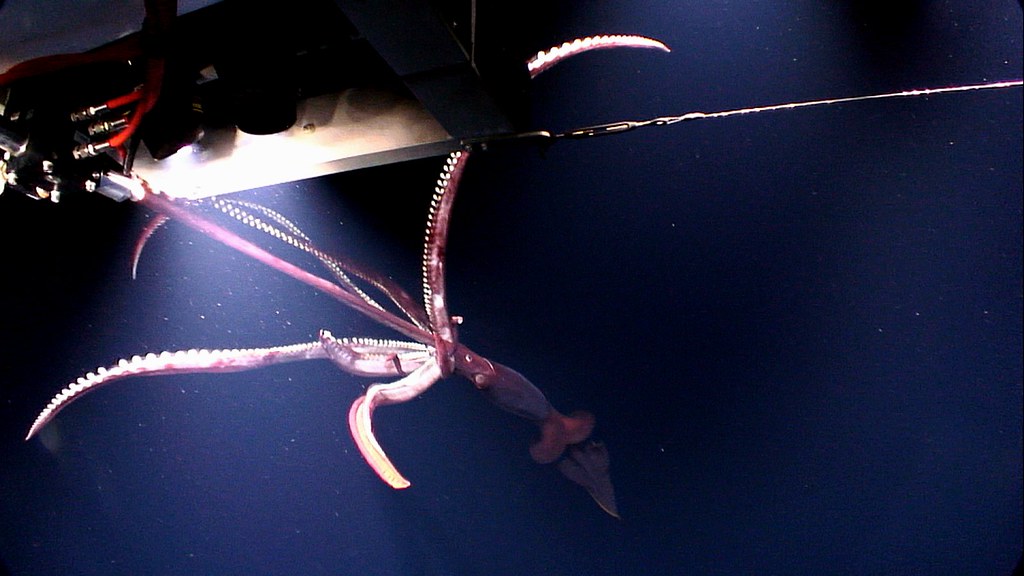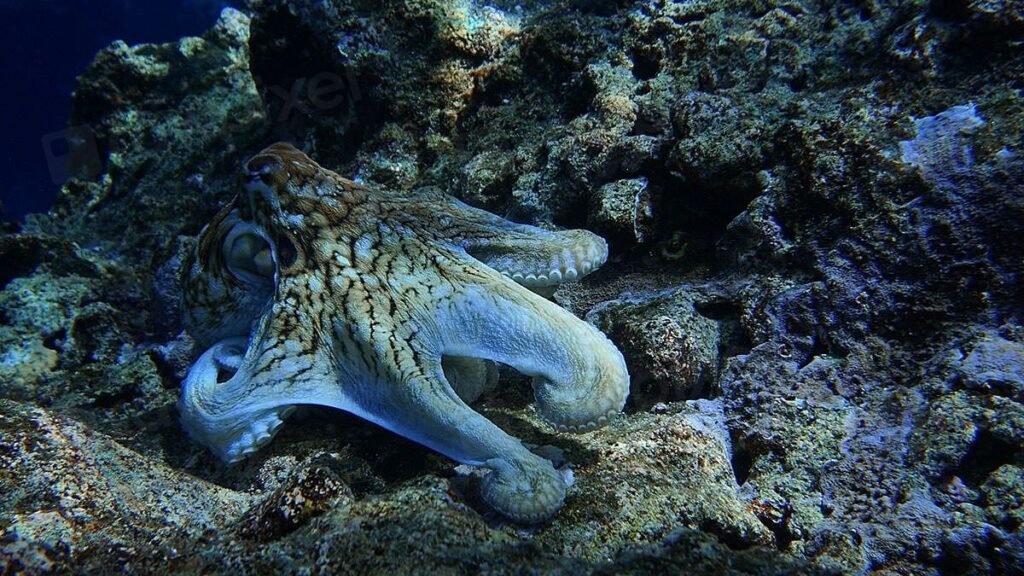
If there’s any creature on this planet that feels like it wandered in from another world, it’s the octopus. Three hearts, blue blood, skin that can shimmer into different colors and textures, and an ability to squeeze through a hole the size of its eye – it already sounds like science fiction. But the strangest thing about octopuses isn’t how they look. It’s how they think.
Researchers, divers, and keepers often describe a feeling that an octopus is not just looking at you, but evaluating you. When you watch one unscrew a jar, sneak out of a tank, or change its body shape to mimic a rock, it’s hard not to feel like you’re staring into an alien intelligence. And in a way, you are: octopuses are the product of a completely separate evolutionary path to complex minds, which makes them one of the most fascinating mirrors we have for understanding what intelligence can be.
The Strange Anatomy of an Alien-Like Brain
One of the most mind-bending facts about octopuses is that their “brain” is not in one place. They do have a central brain in their head, but the majority of their neurons are spread out in their arms. Each arm has its own dense network of nerve cells, capable of processing information, sensing, and even making decisions locally. It’s like if your hands could think for themselves and sometimes act before your head fully caught up.
This distributed nervous system is radically different from the typical vertebrate layout, where most processing is centralized in the skull. Yet despite this alien wiring, octopuses show problem-solving skills that can rival some mammals and birds. Their unusual brain organization makes them a powerful reminder that there isn’t just one blueprint for intelligence. It can be centralized like our own, or spread through a flexible, shifting body that blurs the line between brain and limbs.
Learning, Memory, and Problem-Solving Skills
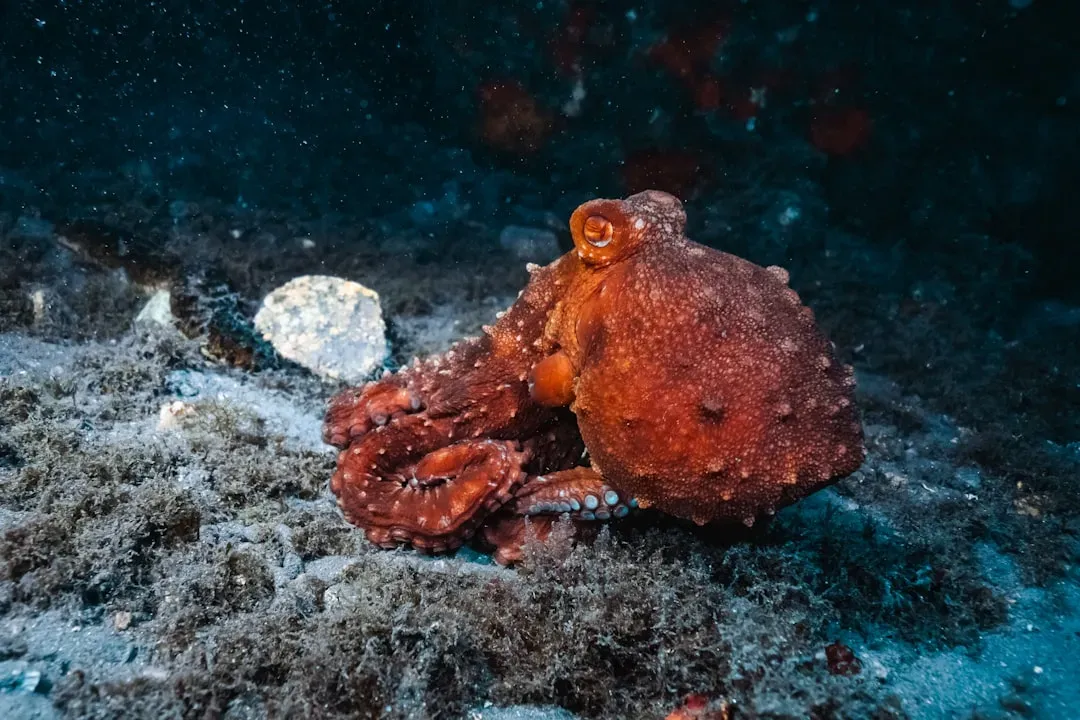
Octopuses are not just good at flexible movement; they are impressive learners. In laboratory settings, they can navigate simple mazes, distinguish shapes and patterns, and remember solutions over time. They can learn which chambers contain food, which symbols signal safety, and which tasks are pointless. This isn’t just reflex; it’s the kind of adaptive learning you’d expect from an animal that needs to survive in a constantly changing environment.
What’s striking is how quickly they seem to put new information to use. When confronted with a new kind of puzzle, like a box with a latch or a screw-top jar, many octopuses will explore systematically until they figure it out. Then, they’ll repeat the solution faster and more efficiently. Memory experiments suggest they can retain information for days, sometimes longer, and adjust their behavior based on what worked – or failed – before. That kind of flexible memory is a core piece of what we usually call intelligence.
Master Escape Artists and Tool Users
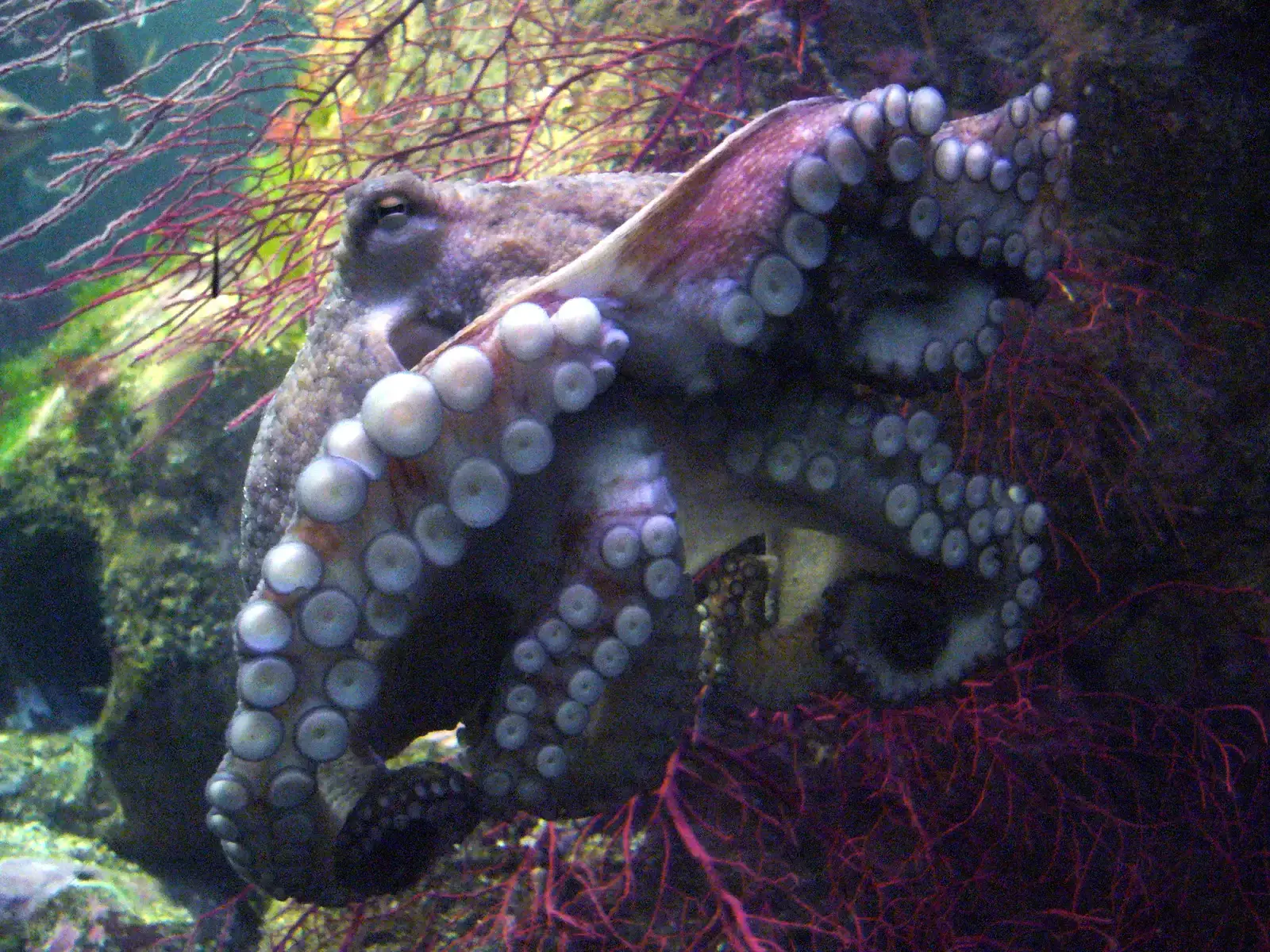
Stories of octopus escapes are so frequent that they’ve become a running joke among aquarists. Tanks have to be sealed and weighted down, not just to keep octopuses safe, but to stop them from exploring the rest of the building. They can push lids off, slip through pipes, and even remember which routes lead to food or freedom. This pattern of escapes isn’t just clumsy trial and error; it often looks like deliberate exploration and planning.
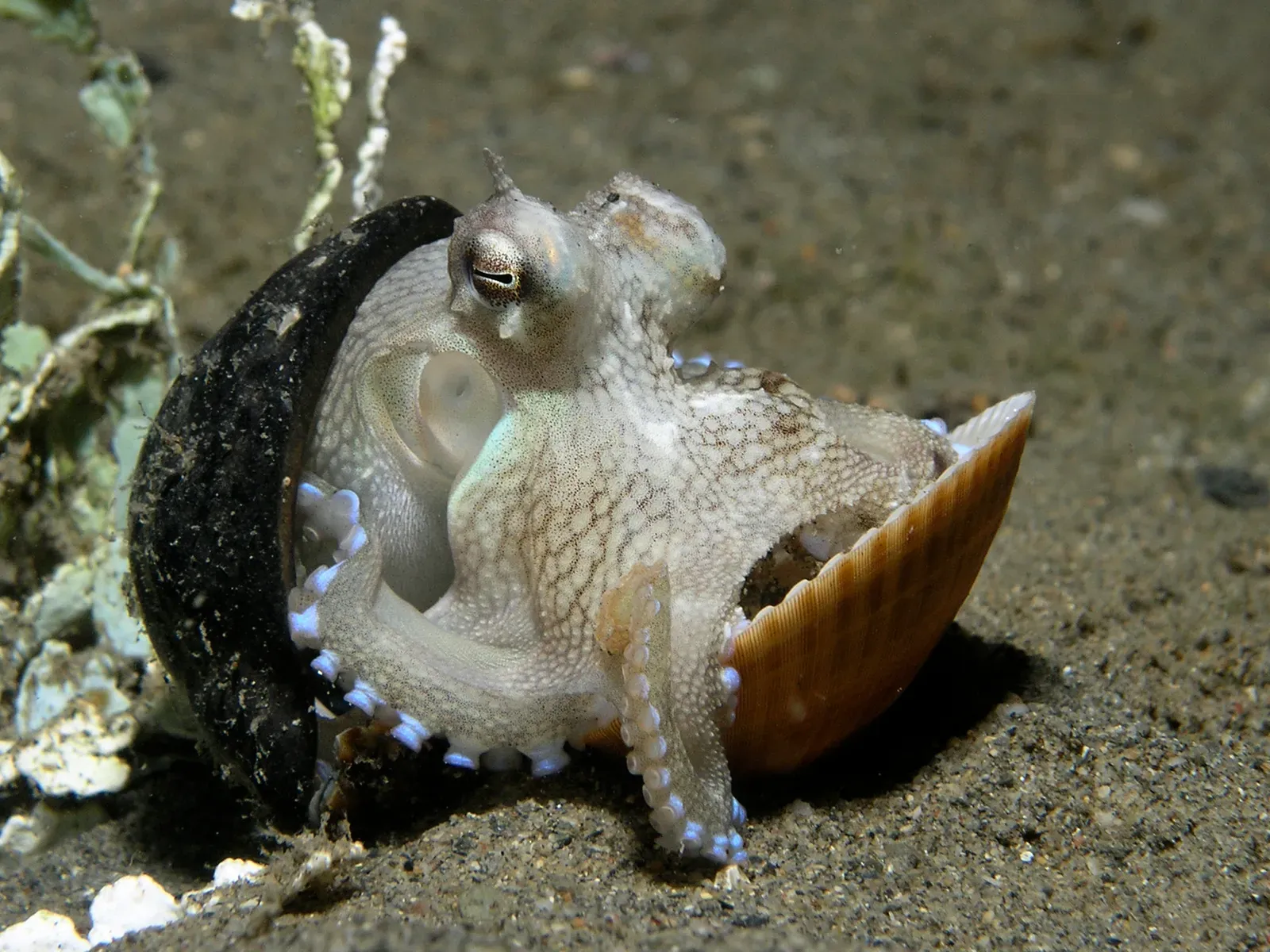
In the wild, some octopus species have been seen collecting coconut shells or empty seashells and carrying them around as portable shelters. They’ll stack and assemble them like a little armor set, then quickly hide inside when threatened. That kind of behavior is often described as tool use, and while researchers still debate how to define it perfectly, it clearly shows foresight. The octopus is not just reacting; it’s preparing for a future situation that hasn’t happened yet.
Camouflage, Deception, and Quick Decisions
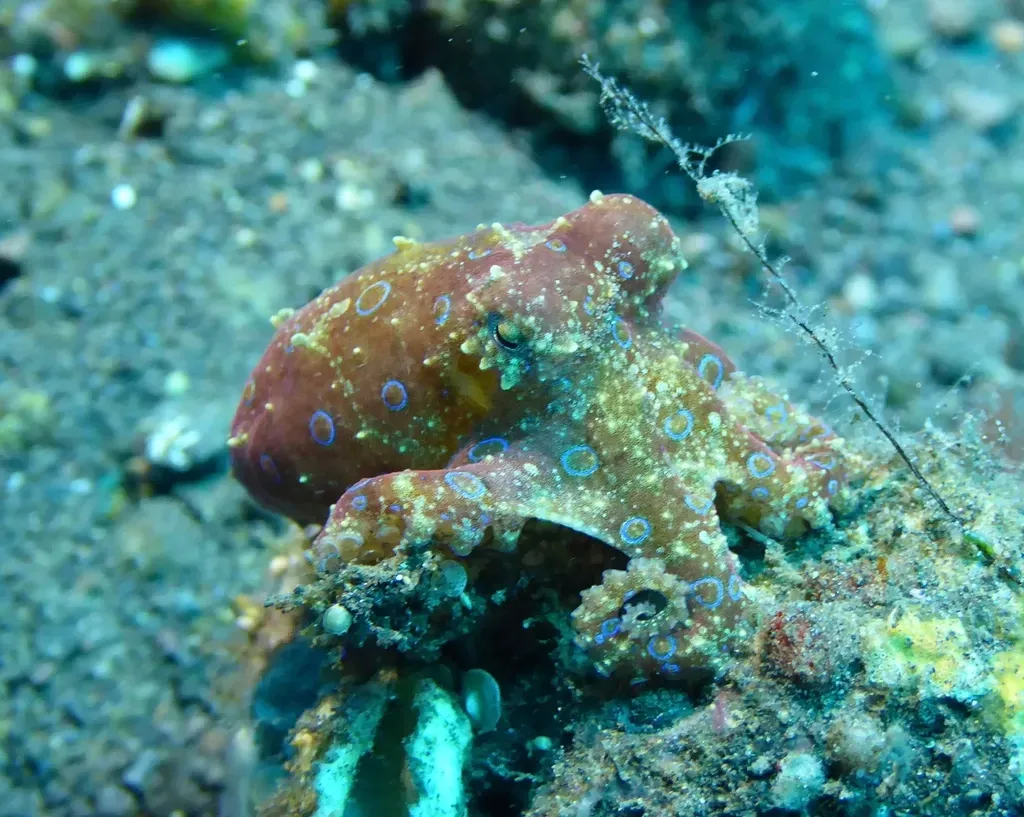
Octopus camouflage is one of the most spectacular shows in nature. They can change color, pattern, and even skin texture in a fraction of a second, blending into rocks, coral, sand, or seaweed. They aren’t simply copying the background; they’re choosing from a library of patterns based on context, lighting, and angle of view. That choice must be computed quickly and accurately, or they risk becoming someone’s lunch.
Some species go beyond blending in and use deception. They might flash bold warning colors to scare predators or imitate the appearance and behavior of more dangerous animals. Making these choices requires fast processing of visual information, an assessment of threats, and selection of the best disguise strategy. It’s like having a built-in, rapid-fire costume designer that is also constantly running risk calculations.
Social Behavior: Mostly Solitary, Quietly Complex
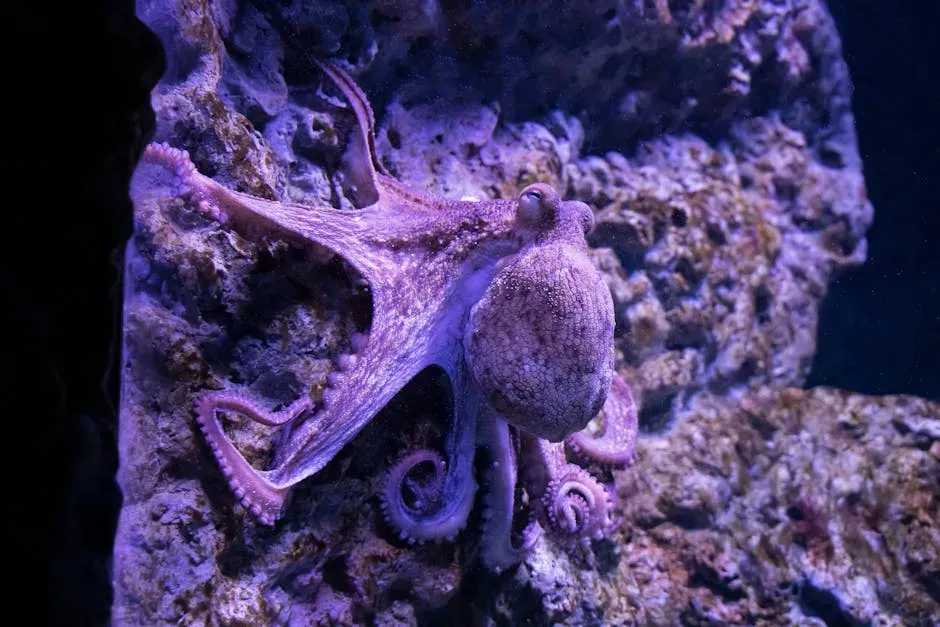
For a long time, octopuses were considered almost entirely solitary, meeting only briefly to mate. That picture is slowly getting more nuanced. While most species still prefer to live alone, researchers have observed more subtle social behaviors. Some octopuses appear to use body posture and color changes to signal warning, interest, or irritation to one another, especially when sharing crowded areas with limited hiding spots.
There are also a few species that seem more tolerant of living in closer quarters, forming loose groups around rich food sources or in clusters of available dens. While this is nothing like the tightly organized societies of ants or dolphins, it suggests their social lives are more than just ignore-or-attack. For an animal not built around complex social cooperation, the presence of even limited signaling and interaction adds another intriguing layer to their mental world.
Curiosity, Play, and Personality
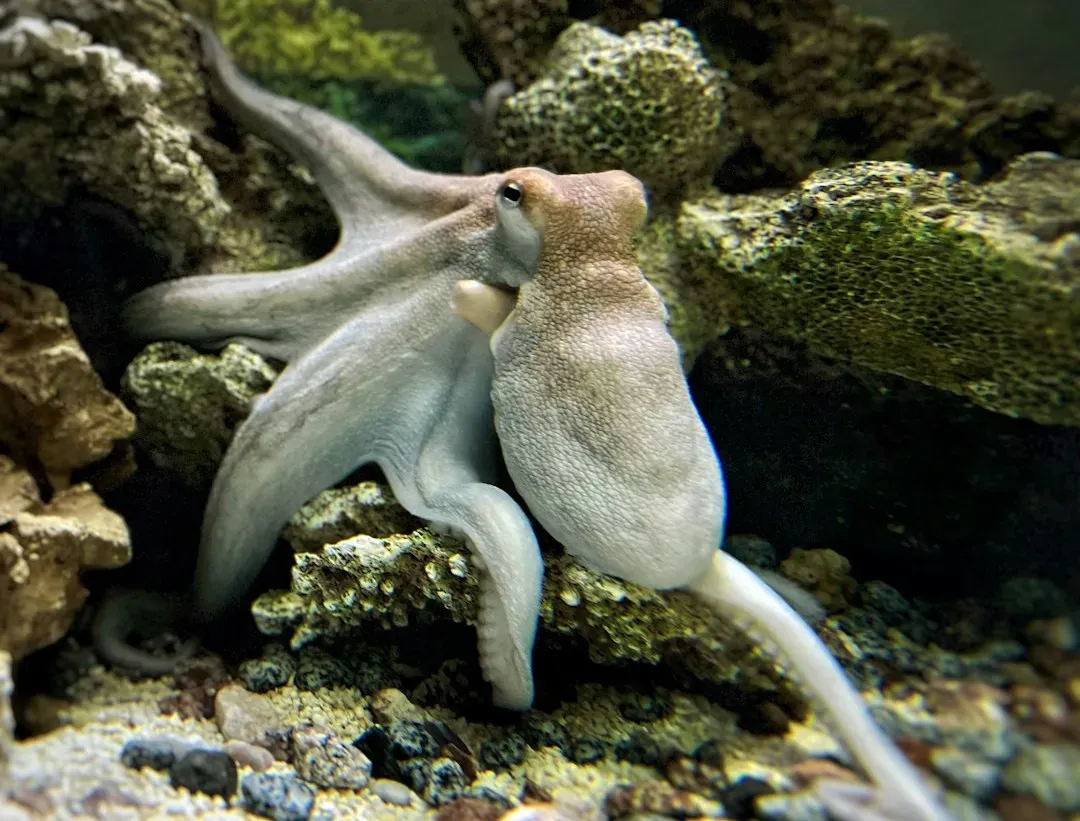
Anyone who has spent time with octopuses in aquariums or research labs will tell you: some individuals are braver, some are shyer, some seem stubborn, others cautious. They don’t all react the same way to the same stimuli, and those differences can persist over time. That’s what many scientists would call personality, and it’s a big clue that there is more going on inside than simple automatic responses.
Octopuses also sometimes interact with objects in ways that look suspiciously like play. They might repeatedly jet water at floating toys, investigate new items with arms and suckers, or seem to enjoy tug-of-war through the glass. While it’s hard to pin down exactly what they experience, this kind of exploration doesn’t neatly fit into pure survival tasks. Curiosity-driven behavior is often linked to higher cognitive capacity, and octopuses lean into that in their own strange, underwater way.
Convergent Evolution: Another Route to Intelligence
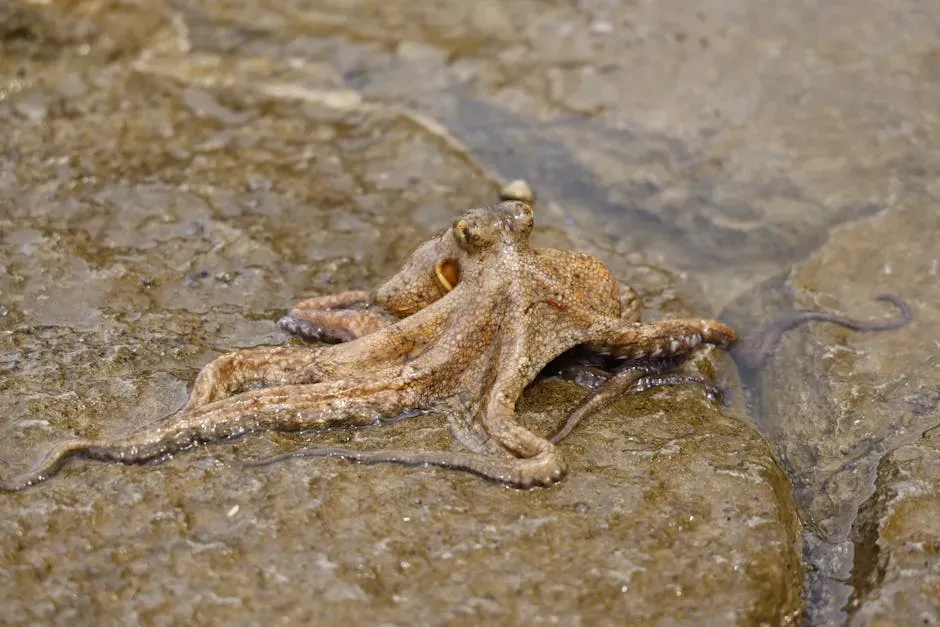
What makes octopus intelligence so fascinating scientifically is that it appears to have evolved independently of ours. Humans, crows, dolphins, and other brainy animals all share long backbones and a common distant ancestor with a central nervous system. Octopuses, on the other hand, are mollusks, more closely related to snails and clams than to any vertebrate. Their sophisticated minds grew out of a completely different starting point.
This is a textbook case of convergent evolution: nature arriving at a similar solution – complex intelligence – through very different paths. In a way, octopuses offer a natural experiment in what alien intelligence on another planet might look like. If minds can arise in such different bodies, with such different brains, it suggests that intelligence might not be a rare, fragile accident, but a recurring strategy when life gets complicated enough.
Ethical Questions and Changing Human Attitudes
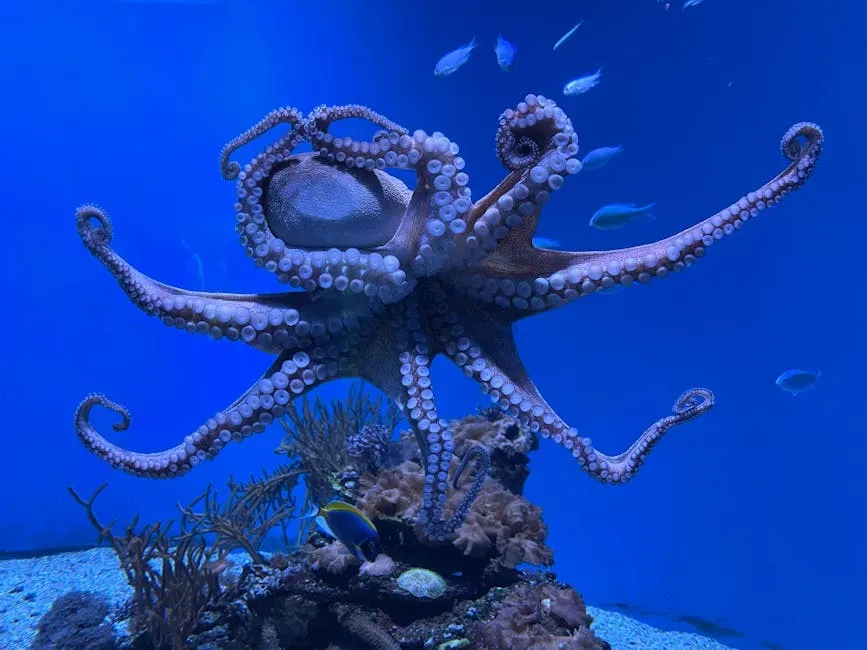
As evidence of octopus intelligence has piled up, it’s started to shift how we think about our responsibilities toward them. In recent years, some regions have updated regulations to recognize cephalopods (octopuses, squids, cuttlefish) as animals that can experience pain and require welfare protections in research. That is a significant step, because historically, invertebrates were often left out of these conversations entirely.
At the same time, discussions about large-scale octopus farming for food have raised tough ethical questions. If an animal can solve puzzles, escape confinement, show curiosity, and exhibit what looks like emotion-like states, is it acceptable to keep it in cramped, barren conditions? These questions do not have easy answers, but growing public awareness of their intelligence is forcing a more thoughtful debate about how we treat these animals in labs, fisheries, and proposed farms.
What Octopuses Reveal About Our Own Minds
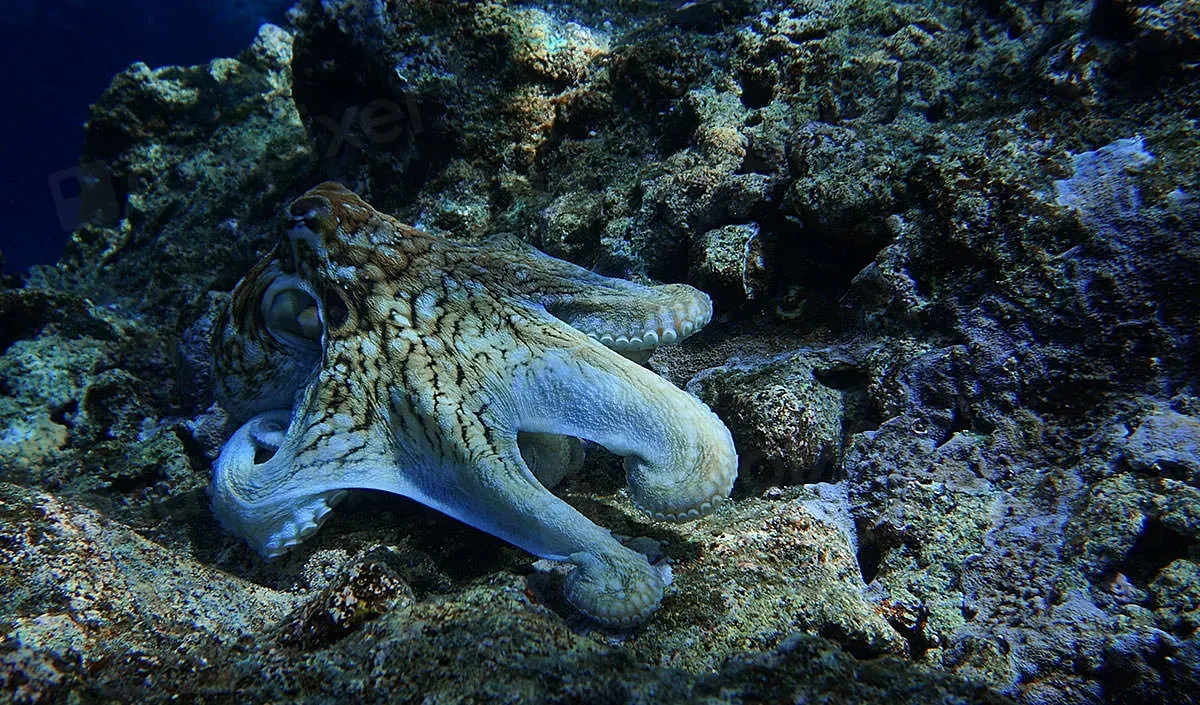
Spending time thinking about octopus intelligence is like holding a funhouse mirror up to the human brain. You see something that feels familiar – problem-solving, curiosity, memory – but organized in a completely different way. That contrast forces us to ask what really defines intelligence. Is it language, tools, social structure, self-awareness, or a mix of many things? Octopuses hit some of those marks and miss others, yet clearly operate with a sophisticated inner life.
They also challenge the idea that high intelligence must be rooted in long-lived, social species with big, centralized brains. Octopuses generally live short lives, some only a couple of years, and most do not form tight social groups. Still, they evolved flexible minds to navigate a dangerous, complex world full of predators and opportunities. In that sense, they remind us that intelligence is not a single ladder with humans at the top, but more like a branching forest of different paths and possibilities.
Conclusion: Meeting the Alien Next Door
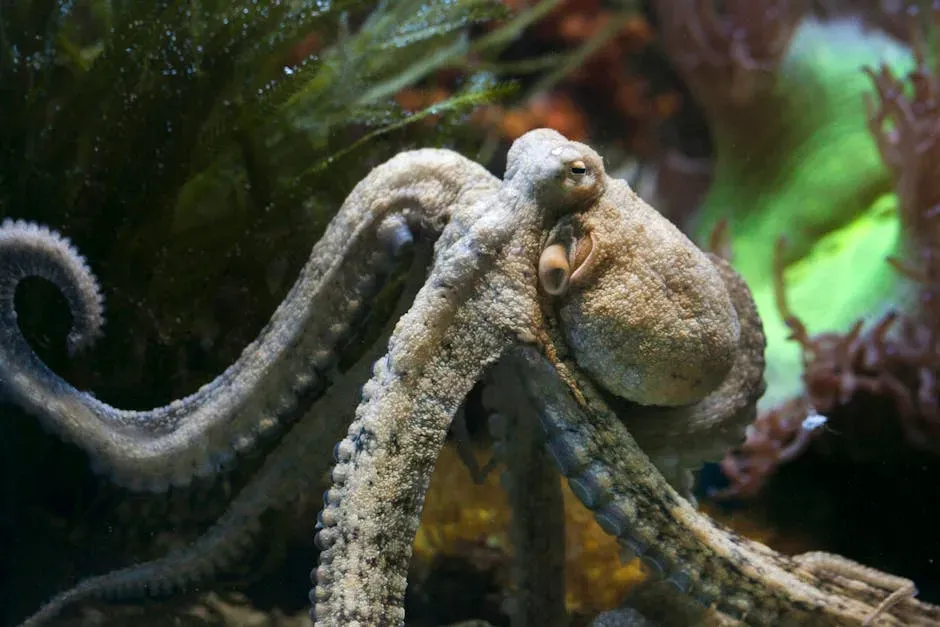
Octopuses are so different from us that trying to imagine what the world feels like to them can be a bit dizzying. They taste and touch with their arms, see with camera-like eyes, and think with a body that can pour itself through crevices like liquid. And yet, when one looks at you through the glass, examines your hand, or methodically untangles a puzzle, there’s a flash of connection that’s hard to dismiss. It feels like meeting an alien that just happens to share the same oceans.
In a world where we’re often obsessed with finding intelligence in distant galaxies, octopuses are a powerful reminder that truly foreign minds already live right here on Earth. Understanding them better doesn’t just help us protect them; it also stretches how we think about thinking itself. Maybe the most surprising lesson is that intelligence is not about becoming more human, but about being deeply adapted to your own strange life. When you picture an alien mind from now on, will you see tentacles and shifting colors in that vision?