

You know that feeling when a song just seems to glow, or a number quietly feels “green” or “female” or “sharp”? For most people, that sounds poetic or imaginary, but for people with synesthesia, this is simply how the world shows up every day. Your senses do not stay politely in their own lanes; they blend, overlap, and cross‑wire in ways that can be as fascinating as they are mysterious.
Understanding synesthesia is like opening a secret side door into how your brain builds reality. You get a front‑row seat to the way perception, memory, emotion, and even identity can be stitched together through unusual neural connections. And as you explore it, you don’t just learn about a rare condition; you start to see how your own “normal” senses are already doing quiet magic behind the scenes.
What Synesthesia Actually Is (And What It Is Not)
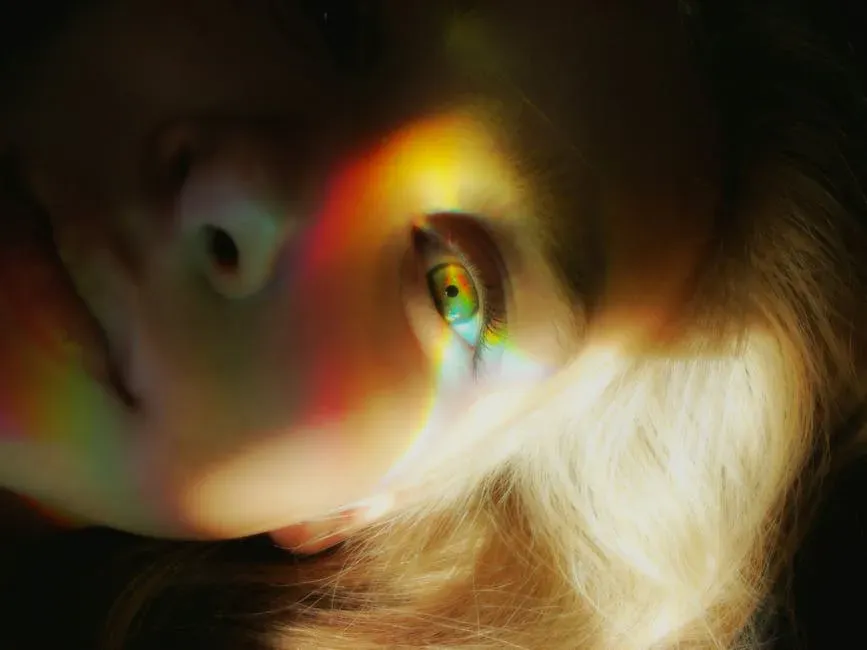
When you hear about synesthesia, you might picture someone “hallucinating” colors or sounds, but that is not what is going on. Synesthesia is a stable, automatic, and consistent pairing between different types of perception: a sound that always gives you the same shade of blue, a letter that always feels like a particular texture, a weekday that always sits in the same spot in space around you. You do not try to make these associations; they simply happen, the same way you cannot help but read words once you are literate.
This is very different from imagination or metaphor, where you choose a comparison because it feels expressive. If you are simply being poetic, you might say a trumpet “sounds bright,” but with synesthesia the brightness is a real, internal sensation that appears uninvited and reliably. It is also not a mental illness or a sign that something is “wrong” with your brain; in fact, people with synesthesia usually function completely normally and often do not realize that others experience the world differently. You can think of it less as a defect and more as a rare variation in how your senses are wired together.
How Your Brain Cross‑Wires the Senses
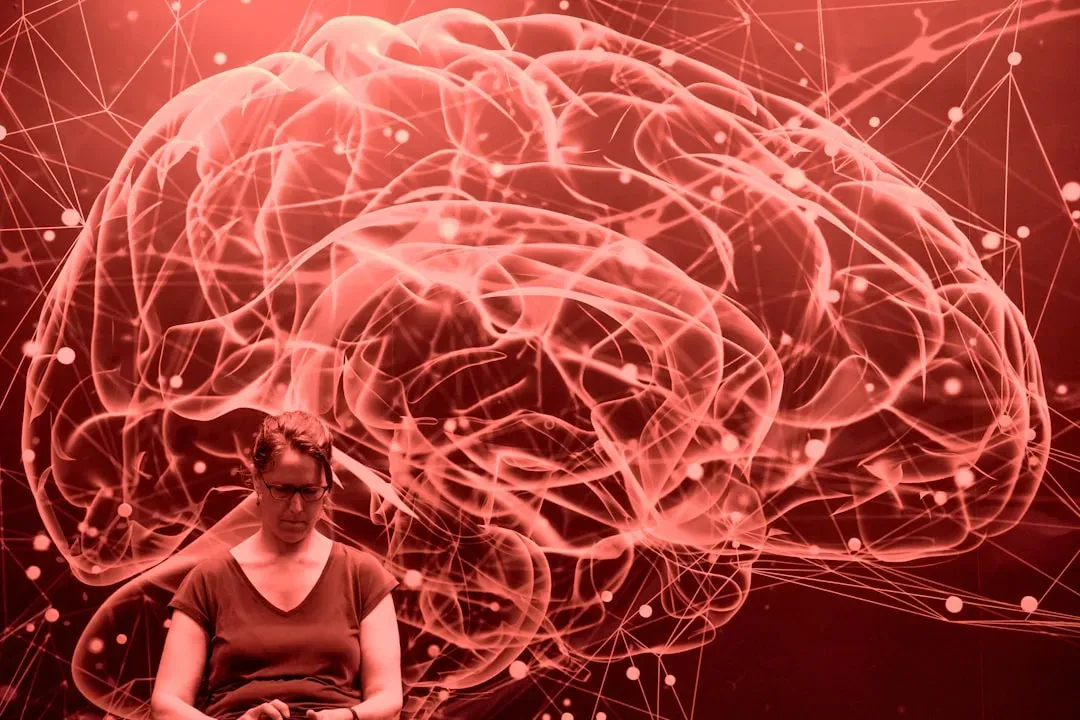
Your brain is already a master of integration, constantly blending information from your eyes, ears, skin, and inner body to create a single, seamless world. In synesthesia, researchers think some of that integration goes further than usual, likely because of extra connections or unusual communication between specific brain regions. For example, when you see letters and numbers as colors, the area that processes shapes and symbols is believed to “talk” more directly with the area that processes color, so the two experiences fuse together automatically.
Another idea focuses less on structure and more on how your brain controls signals. You can imagine your brain using internal filters, like tiny traffic lights, to keep certain streams of activity from spilling into others. In synesthesia, some of those filters may be more relaxed, letting activity in one sensory region trigger patterns in another. Early in life, babies may have far more of these cross‑connections, and as you grow, your brain usually prunes many of them away. Synesthesia may be what happens when some of those connections stay active instead of being trimmed back.
Common Types of Synesthesia You Might Recognize

If you picture the letter A as red without even trying, or Wednesday as a slightly distant pale yellow day hanging to your left, you may have already brushed up against forms of synesthesia. One of the most studied versions is grapheme‑color synesthesia, in which letters, numbers, or sometimes words trigger specific colors in your mind. Another frequent type is sound‑color synesthesia, where musical notes, instruments, or even everyday noises seem to flash with color or carry a vivid colored aura in your inner experience.
There are also more subtle and surprising forms you might not hear about as often. Spatial‑sequence synesthesia makes sequences like months, years, or numbers appear in fixed locations around your body, almost like a mental map laid out in three‑dimensional space. Other versions involve tastes triggered by words, or personalities assigned to numbers and letters, making some of them feel shy, friendly, or stubborn. Once you realize how many ways senses and concepts can blend, you start to see that synesthesia is more like a spectrum of unusual pairings than a single, neat category.
How Scientists Test Whether Synesthesia Is “Real”
You might wonder how anyone can tell the difference between someone who genuinely “sees” colors for letters and someone who is just imagining them. One of the strongest clues is consistency over time. When researchers test you, they often ask you to assign colors to dozens of letters or sounds, then repeat the same task months or even years later. People with synesthesia tend to give almost exactly the same pairings again, while people who are guessing or pretending show far more drift and randomness.
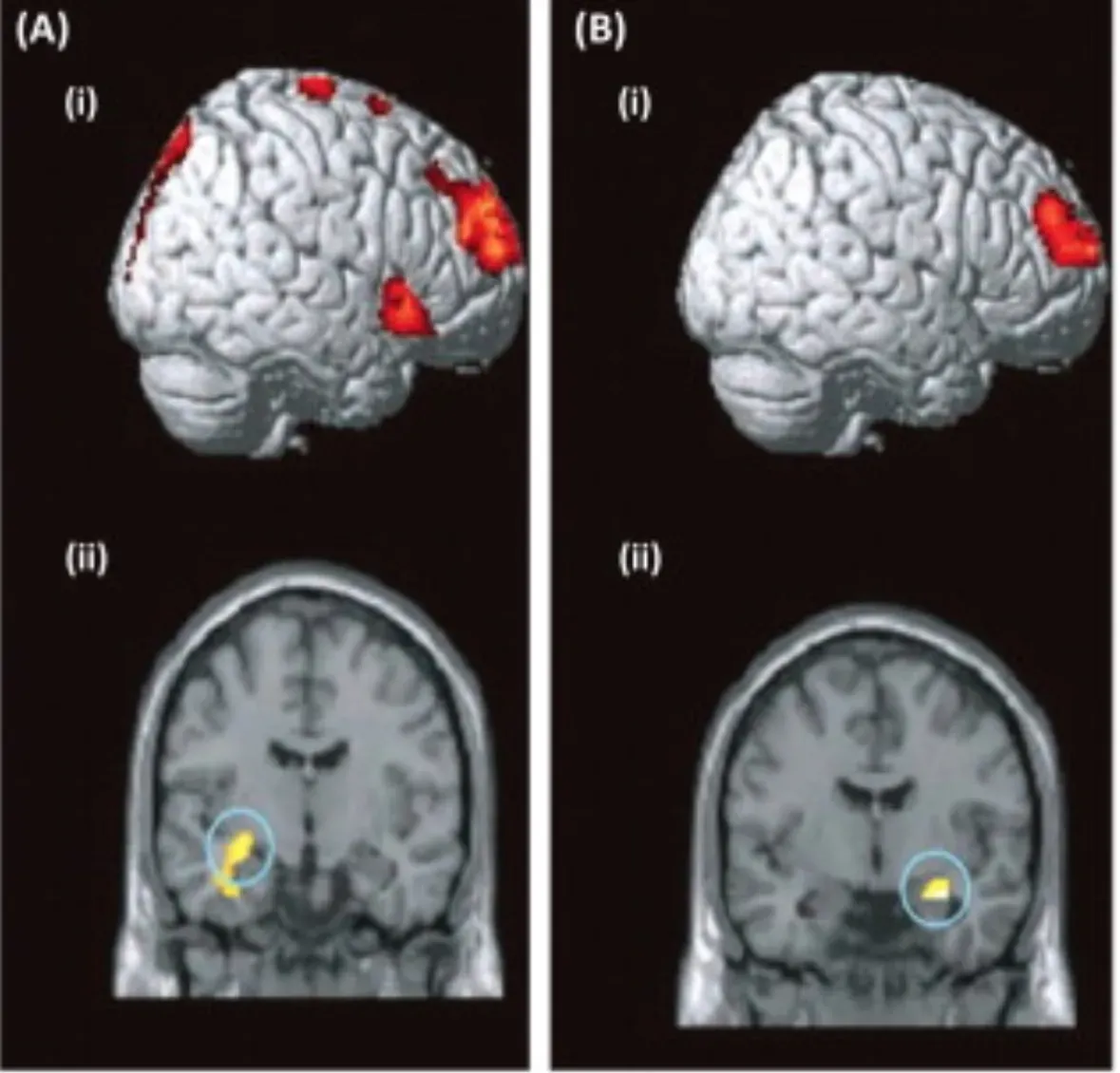
Scientists also use brain imaging and clever reaction‑time experiments to peek under the hood. When you experience synesthetic colors or spatial layouts, your brain often activates regions that match those added sensations more strongly than in people without synesthesia. In speeded tasks, your performance can be helped or hindered by your synesthetic associations, which shows they are not just decorative ideas floating in the background. Together, these methods reveal that synesthesia behaves like a genuine perceptual feature of your mind, not a passing whim or a trick of language.
Living With Synesthesia: Perks, Quirks, and Everyday Challenges
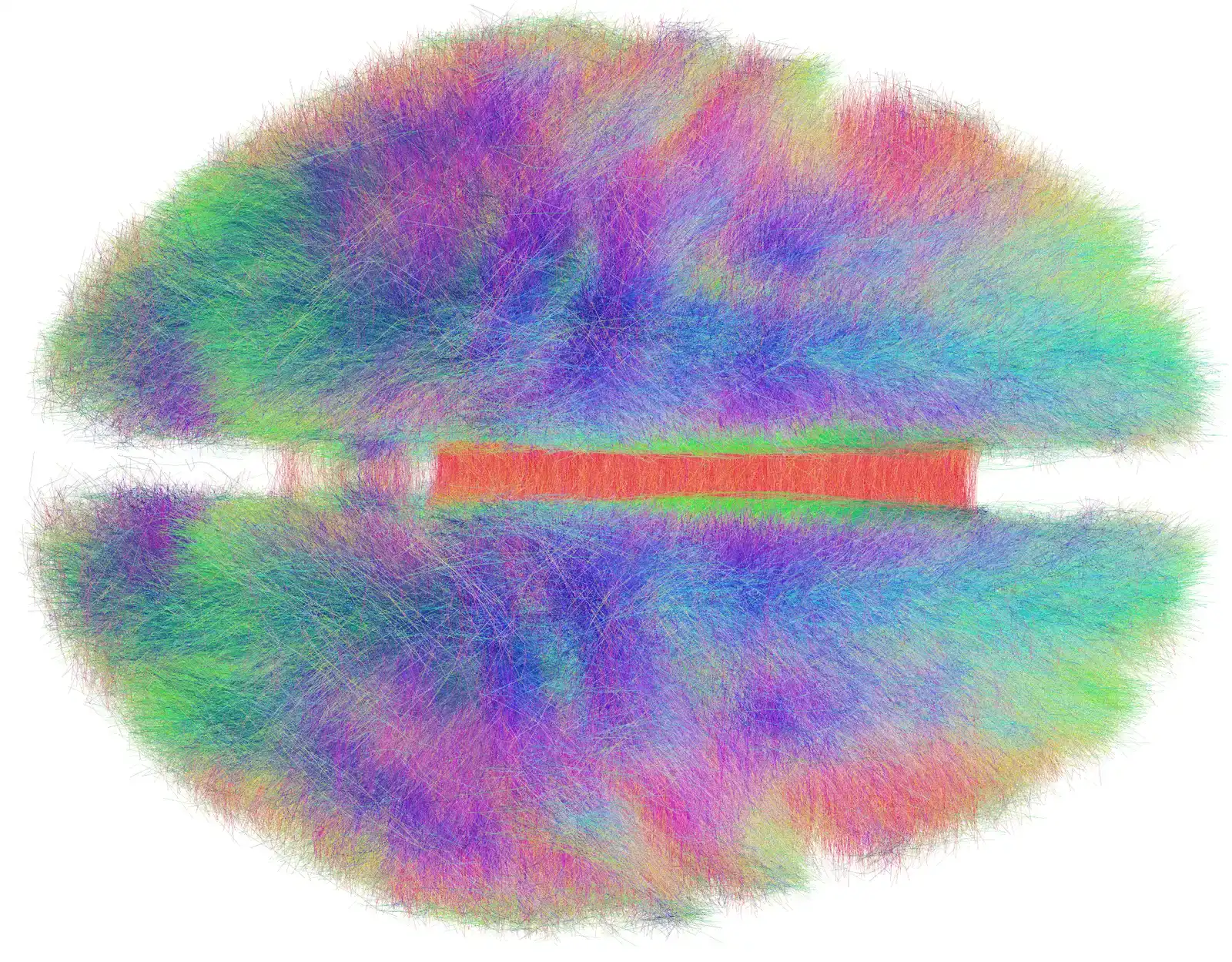
If you live with synesthesia, it can feel like the world comes with a built‑in layer of color coding, flavor, or personality tags that no one else can see. Many people describe it as a private overlay that helps them remember things more easily, because information is anchored to rich, extra sensations. A date might stick in your mind because it sits on a particular corner of your mental timeline, or a phone number might be easier to recall because you can replay its pattern of colors. Some people even use their synesthesia deliberately, turning it into a memory strategy without realizing it.
But it is not always a superpower; sometimes it is just odd, or even inconvenient. You might feel thrown off when a design or color choice clashes with the “wrong” hue for a letter or number in your mind, much like wearing mismatched clothes you cannot ignore. Loud or dissonant music can feel overwhelming not only to your ears but also to your inner palette of colors or shapes. And it can be surprisingly lonely to explain all of this to people who assume you are being dramatic or imaginative, when in fact you are just describing your ordinary, everyday experience.
Synesthesia, Creativity, and Learning

Because synesthesia ties together senses and abstract ideas, it often shows up in creative work in subtle ways. If you experience music as flowing colors, you might find yourself naturally drawn to certain chords or instruments because they “look” right together. When words or sounds carry specific textures or tastes for you, your writing, art, or design choices might be guided by a sense of harmony that springs from those layered internal impressions. You may not even label it as synesthesia; it can simply feel like your personal style.
In learning, synesthesia can be both a tool and a twist. The automatic extra coding can help you remember facts, languages, or sequences because they come bundled with color, space, or emotion. At the same time, it might make certain tasks oddly harder, like when a teacher uses colors on a diagram that clash with your inner associations and leave you feeling vaguely unsettled. When you recognize that these experiences are part of how your brain organizes information, you can start using them on purpose, building study methods and creative routines around the way your senses already cooperate.
What Synesthesia Reveals About Your Own Mind
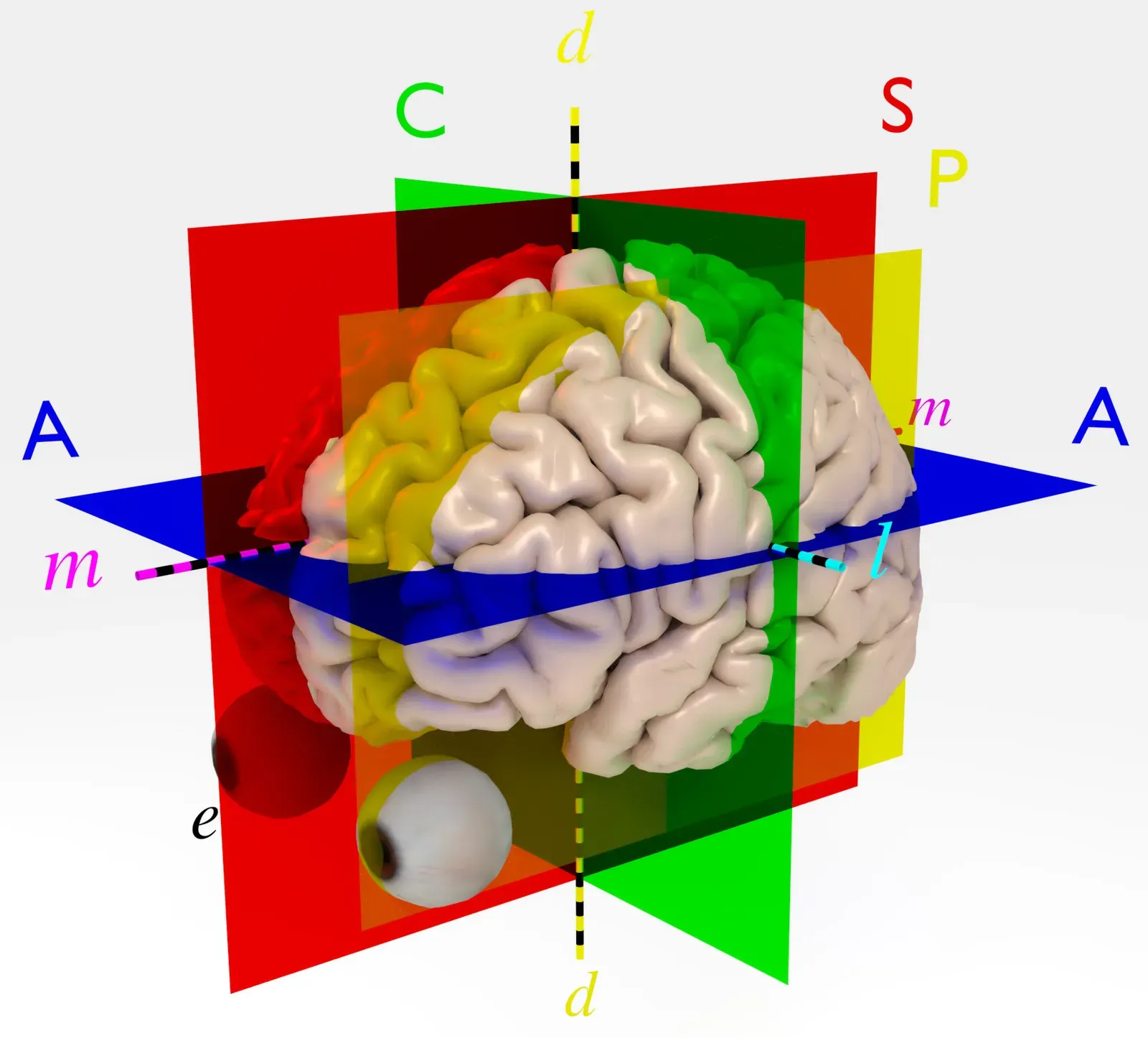
Even if you do not experience synesthesia yourself, learning about it pulls back the curtain on something important: your version of reality is already a construction, shaped by your brain’s wiring and history. Synesthesia simply makes that construction more visible, because you can see how shifting one connection changes the whole feel of the world. It shows you that color, sound, and space are not just physical properties out there; they are patterns your brain weaves together to make sense of everything you encounter.
When you think about it this way, the boundary between “normal” and “unusual” perception starts to feel softer. You might notice your own mild, stable associations, like always thinking of Monday as heavier than Friday, or certain names as forever warm or cold. Synesthesia sits at the far end of this tendency, but it grows out of the same basic brain trick: turning raw signals into a meaningful, emotionally colored experience. In that sense, exploring synesthesia is really a way of exploring how you build your own inner world, moment by moment.
In the end, synesthesia invites you to see perception as less of a passive recording and more of an active, creative remix. When senses cross, you get a glimpse of how flexible and inventive your brain can be, blurring the lines between sound and color, space and time, idea and feeling. Whether you live with synesthesia or just find it intriguing from the outside, it nudges you to ask a deeper question: if your brain can weave reality in so many different ways, what else about your everyday experience might be more fluid and surprising than it seems?