
You close your eyes, drift off, and suddenly you are running through a city made of clouds or having a deep conversation with someone who is no longer alive. Then you wake up and think, where on earth did that come from? If you have ever wondered why your mind tells such strange stories at night, you are not alone. Scientists have been obsessing over the purpose of dreams for generations, and even today, the answer is more layered and surprising than you might expect.
When you look at what modern brain research is finding, dreams stop feeling like random nonsense and start looking more like a built‑in mental workshop. Your sleeping brain is busy editing memories, running emotional simulations, and testing out what‑if scenarios in a safe space. As you read on, you will see that your dreams are not just weird side effects of sleep; they may be one of the most important ways your mind protects, trains, and understands you.
What Actually Happens in Your Brain When You Dream?

When you slip into dream sleep, especially the phase called rapid eye movement (REM) sleep, your brain does not power down the way you might imagine. Instead, certain areas light up with activity, sometimes as intensely as when you are awake. Regions involved in emotion, like parts of your limbic system, become especially active, while areas responsible for logic and self‑control, such as parts of your prefrontal cortex, quiet down. That mix alone helps explain why your dreams feel so vivid and emotional yet often make little logical sense.
Your body, however, is mostly in lockdown during this time. Signals from your brainstem temporarily paralyze most of your muscles so that you do not physically act out what you are dreaming. Brain scans show that visual regions, emotional centers, and memory networks are buzzing like a late‑night control room. When you dream, you are not passively watching; your brain is actively generating a world, stitching together sensations, memories, and feelings into a kind of nightly movie that you both create and experience.
Do Dreams Help You Process Emotions?

Think back to a time when you went to bed upset, only to wake up feeling strangely calmer about the same situation. That shift is one of the most intriguing clues that your dreams might help you process emotions. During REM sleep, your brain seems to replay emotional experiences but with stress chemicals dialed down compared to when you are awake. It is as if your mind is re‑running the emotional tape but turning down the volume, letting you revisit the feeling without being overwhelmed by it.
Over time, those nightly emotional replays may help you soften the sting of painful memories and integrate them into your life story. You might notice that after a breakup, a loss, or a big argument, certain themes or people keep showing up in your dreams. Your sleeping mind could be working through unfinished feelings, updating your sense of safety, and helping you make sense of what happened. In that way, your dreams may serve as a built‑in nighttime therapist, gently reshaping how you feel about the hardest parts of your day.
Are Dreams a Memory Editing Room for Your Brain?
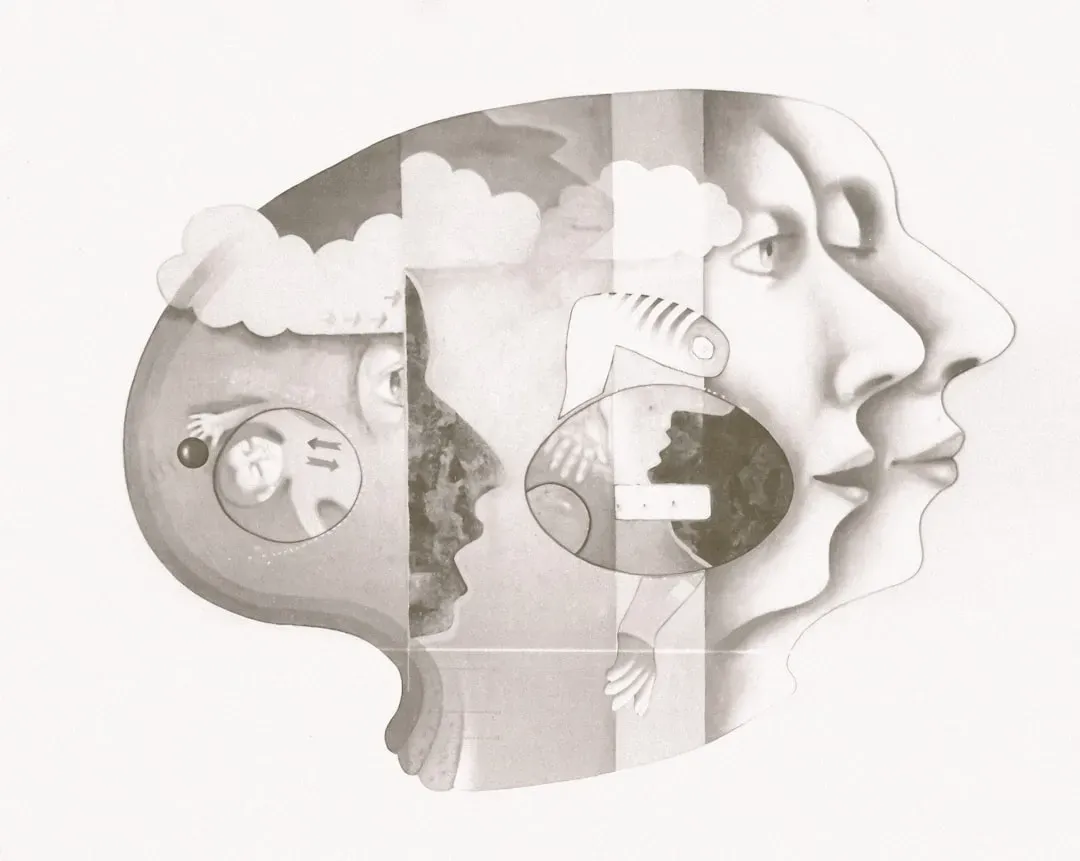
If your waking life is like filming endless raw footage, your sleep is when the editing happens, and dreams may be part of that process. During the night, your brain replays and reorganizes what you experienced, deciding which memories to keep, which to blur, and how to link them to what you already know. You may notice that before an exam, a big presentation, or learning a new skill, your dreams feel busier or more chaotic. That mental chaos can be a sign that your brain is sorting and consolidating new information.
Interestingly, many of your dreams seem to mix real pieces of your day with random older memories or bizarre elements. That strange blend might be your brain testing out how new information fits into your existing mental network. You are not just storing facts; you are building connections. When you dream, you may be reinforcing the memories you need, discarding details you do not, and attaching new learning to useful patterns. It is like your brain is up late in the editing studio while you think you are just resting.
Can Dreaming Make You More Creative and Better at Problem‑Solving?

You have probably had the experience of struggling with a problem, going to sleep, and waking up with a fresh idea or a clearer perspective. Dreams might play a big role in that. Because your logical filters are looser and your imagination is freer when you dream, your mind can make connections it would normally reject as too strange or unrealistic. You might mash up ideas from different parts of your life, creating surprising combinations that lead to creative solutions when you wake up.
Even if you do not wake up with a fully formed answer, your dreams may help you step back from a mental dead end and see things differently. By shuffling through different images, memories, and hypothetical situations, your brain explores possibilities without the pressure of real‑world consequences. That can leave you more flexible and inventive the next day. If you have ever woken up and suddenly known what to say, how to solve a technical glitch, or how to approach a tough conversation, your dreams may have been quietly doing the heavy lifting while you slept.
Do Dreams Help You Rehearse for Real‑Life Threats?

Many of your most intense dreams involve being chased, trapped, embarrassed, or put in some kind of danger, even if your actual life is relatively safe. One idea is that dreams serve as a kind of virtual training ground where you rehearse how to respond to threats. In this view, your sleeping brain runs simulations of scary or risky situations so that you can practice reacting, problem‑solving, and surviving without being harmed in real life. It is like a built‑in survival video game designed by your own nervous system.
Even though the dream scenarios are often exaggerated or unrealistic, they may still prime your brain for quick thinking and emotional regulation under stress. When you repeatedly face fear, confusion, or high‑stakes situations in dreams, you may be strengthening neural circuits involved in dealing with stress. Over thousands of nights, that constant rehearsal could help you respond more effectively when something truly challenging happens while you are awake. Your dreams might look chaotic, but they could be part of a deeply practical safety net.
Why Are Some Dreams So Bizarre, and Others So Ordinary?

Some nights you are flying through space; other nights you are just back at your old job making coffee. That contrast can make dreams feel completely unpredictable, but there is a pattern hiding underneath. Your brain pulls from fragments of memory, emotion, and imagination, and it does not always follow the rules of time, space, or logic. When your prefrontal regions are less active, your internal reality becomes more flexible, so your mind can bend and remix scenes in ways that would never happen in waking life.
Ordinary dreams, on the other hand, might reflect your brain doing more routine maintenance. You might dream about checking emails, commuting, or having plain, everyday conversations because your mind is sifting through familiar habits and low‑level concerns. The bizarre ones get your attention, but the dull ones may be quietly keeping your mental life organized. Both types show how your dreams mirror your inner world: your worries, hopes, routines, and fears, just painted with different levels of surreal color.
What Do Nightmares and Recurring Dreams Reveal About You?

Nightmares can feel brutally real, leaving your heart racing and your body tense even after you wake up. As unsettling as they are, they often highlight what is most emotionally charged for you right now. Nightmares may intensify when you are under heavy stress, going through trauma, or dealing with unresolved conflict. In that sense, they can act like alarms, drawing your attention to issues your waking mind might be trying to push aside. When the same kind of fear keeps showing up, your sleeping brain may be signaling that something needs care or change.
Recurring dreams, whether scary, strange, or even pleasant, might point to patterns or themes that are stuck. Maybe you keep dreaming about failing an exam long after you left school, or missing a flight, or being unprepared. Those dreams can echo deeper feelings of inadequacy, pressure, or fear of missing out in your current life. While science cannot always decode the exact meaning of each symbol, paying attention to how you feel in those dreams, and what is happening in your life at the time, can give you useful clues about what your mind is trying to process.
How Can You Use Your Dreams to Better Understand Yourself?

Instead of brushing your dreams off as random nonsense, you can treat them like messages written in a loose, symbolic language. One simple step is to keep a dream journal by your bed and jot down whatever you remember as soon as you wake up, even if it is just a scene or a feeling. Over time, you may start to notice patterns in the people who appear, the places you visit, or the emotions that come up. Those patterns can reveal what is weighing on you, what excites you, and what you might be avoiding.
You can also use your dreams as prompts for reflection. Ask yourself what a dream reminds you of in your waking life, not in some mystical sense, but in a very practical, personal way. Maybe a dream about getting lost reflects how you feel about a new job, a major decision, or a shifting relationship. You do not need perfect interpretations to benefit. Simply treating your dreams as part of your inner dialogue can help you feel more connected to your emotions and more aware of how your mind works when you are not consciously steering it.
In the end, you may never get a single, neat answer to why you dream, because dreams seem to serve several purposes at once. They help your brain process emotions, organize memories, explore creative ideas, and rehearse for challenges, all while giving you a nightly glimpse into your own inner theater. The more you pay attention to them, the more you can see how your sleeping and waking lives intertwine and shape each other.
Next time you wake up from a vivid dream, instead of shrugging it off, you might pause and ask yourself what your mind was trying to work on while you were off in that strange nighttime world. You might find that your dreams are less like random noise and more like handwritten notes left on your mental desk for the morning. When you think about it that way, are you still tempted to ignore what your sleeping self is trying to tell you?