You probably grew up assuming that the wild creatures around you would always be there: whales offshore, wolves in the mountains, songbirds at sunrise. But right now, in your own lifetime, some of America’s most iconic animals are quietly slipping toward the edge. The story is not just about far‑off rainforests or distant oceans; it is about the places you drive past on your commute, the coasts where you vacation, and the forests and fields that shaped your childhood.
At the same time, there’s another, less obvious truth: when you decide to protect these species, their fate really does change. You can see that in living color with the bald eagle’s comeback and the slow, fragile recovery of whales once hunted nearly to extinction. If you understand what is driving species to vanish – and what has actually worked to reverse the trend – you are in a far better position to help tip the balance from loss to recovery.
The Extinction Emergency in Your Backyard
When you hear the phrase endangered species, you might think of tigers or pandas, but the crisis is just as real in the United States. Hundreds of plants and animals are listed under federal law as endangered or threatened, from tiny freshwater mussels in Appalachian streams to massive whales in the Atlantic. You live in one of the most biologically rich countries on Earth, yet many of those species are now surviving in fragments of the habitats they once dominated.
Extinction can sound abstract until you picture what it really means where you live. Imagine your grandchildren standing at the edge of the Atlantic, told that right whales used to swim just offshore but are now gone forever. Or hiking in the Southwest and reading a sign explaining that a certain frog or cactus survives only in seed banks and old photographs. When you frame it that way, it hits closer to home: what disappears is not only a species, but a piece of your own cultural and natural inheritance.
Why Species Are Disappearing: The Big Drivers You Can See
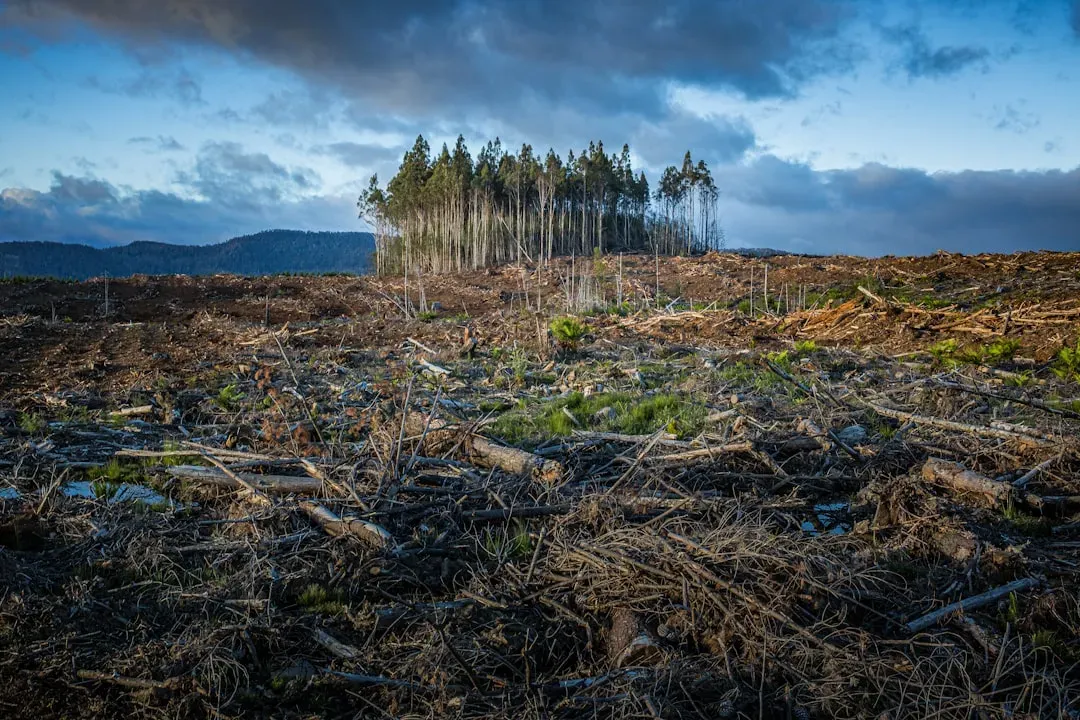
If you look around honestly, you can probably spot at least one reason wildlife is struggling: habitat that used to be wild is now pavement, cropland, or subdivisions. Forests get cut into smaller patches, wetlands are drained, and rivers are dammed and straightened. Even where forests have regrown in parts of the United States, roads, power lines, fences, and noisy human activity carve them into fragments that make it harder for animals to find food, mates, and safe places to raise young.
On top of habitat loss, you are living through rapid climate change that shifts seasons, alters ocean temperatures, and reshapes where species can survive at all. Warmer seas push whales and fish into new areas, where they run into more ship traffic and fishing gear. Droughts, mega‑fires, and extreme storms hit ecosystems that were already stressed, giving invasive species and diseases a chance to spread. When you add pollution, overfishing, and direct killing to that mix, you end up with a web of pressures that many species simply cannot keep up with.
North Atlantic Right Whales: Giants on the Edge
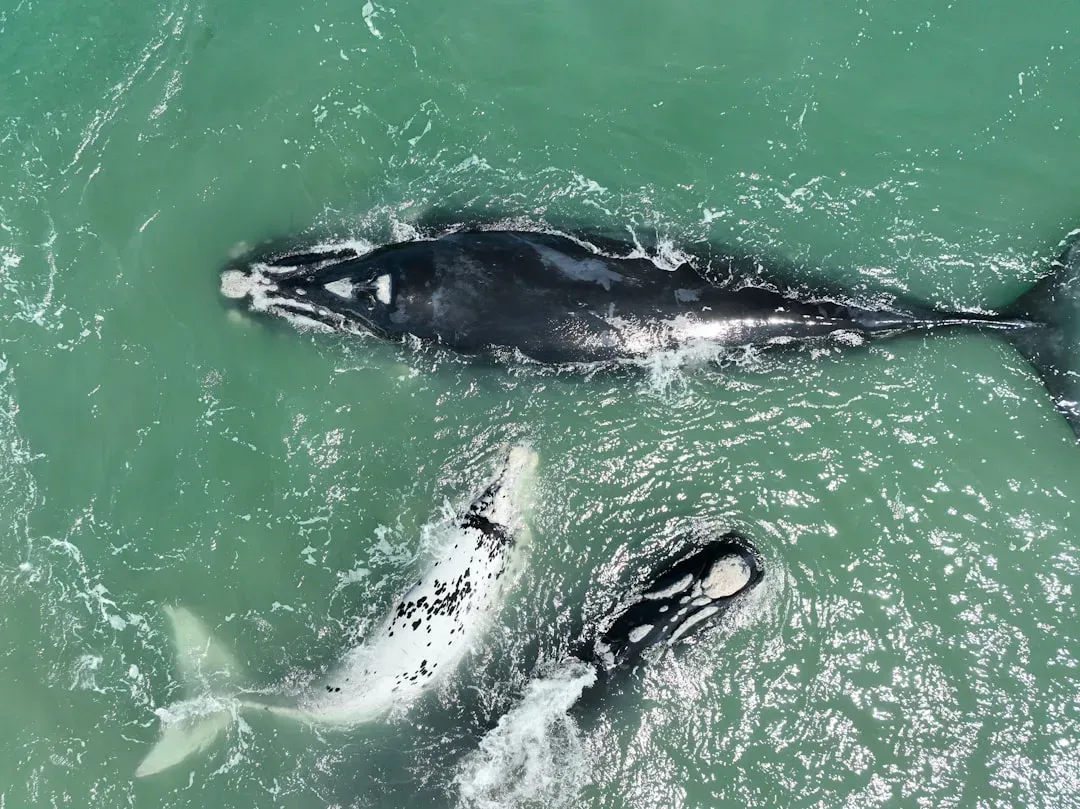
Few stories make the crisis feel as real as the North Atlantic right whale. You are sharing the ocean with only a few hundred of these giants, and scientists estimate that there are now on the order of roughly four hundred individuals left, including only a few dozen breeding females. That is an entire species compressed into a number small enough to fit into a high school gym. The species has shown a slight uptick in recent years, but from such a low base that every death matters.
These whales are not declining because they failed to adapt; they are declining because of you and people like you. Collisions with ships and entanglement in commercial fishing gear are the leading killers, leaving whales with deep cuts, infections, and broken bones. Even when they survive, injured females may struggle to carry calves to term or nurse them successfully. When you picture a right whale, you are looking at a living test of whether a rich nation can adjust its shipping routes, gear technology, and speed limits enough to avoid pushing a species over the brink.
Bald Eagles and Gray Wolves: Proof That Recovery Is Possible
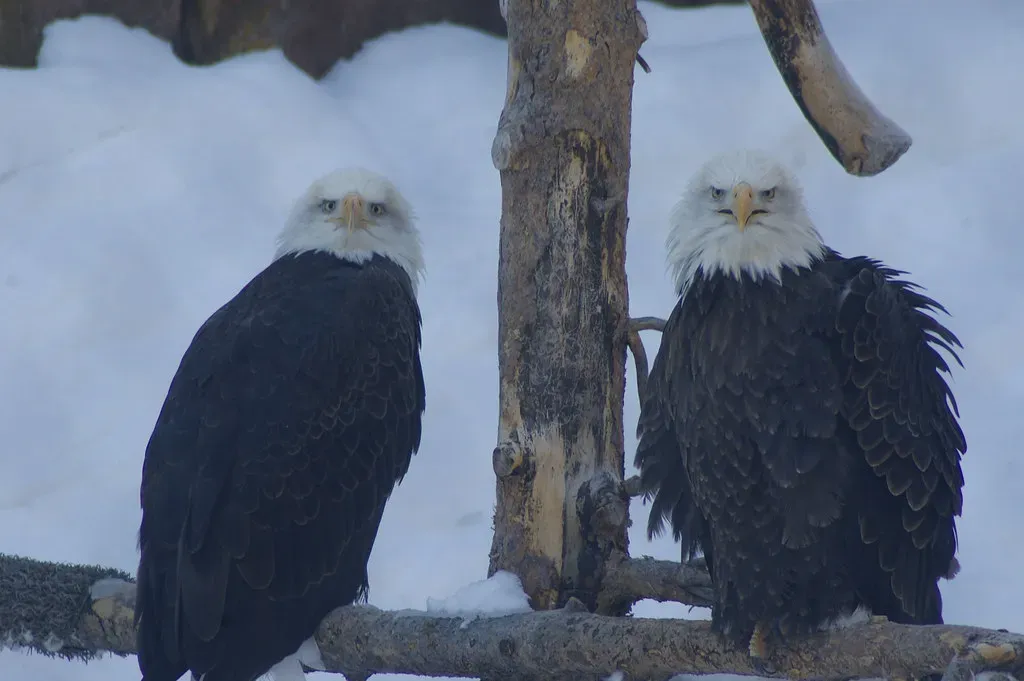
You might feel tempted to throw up your hands, but you already live with proof that strong laws and public pressure can turn the tide. The bald eagle once hovered near extinction in the continental United States, hammered by habitat loss, shooting, and the pesticide DDT that thinned its eggshells. After the pesticide was banned and strict protections went into place, eagle numbers skyrocketed to the point that the species was removed from the federal endangered list. Today you can see bald eagles fishing suburban lakes and nesting on cell towers where a few decades ago they were almost gone.
Gray wolves tell a more complicated but equally revealing story. In places like the Northern Rockies and the Great Lakes, wolves were reintroduced or allowed to rebound under the protection of the Endangered Species Act. As a result, you watched entire ecosystems shift: elk changed their grazing patterns, vegetation recovered along streams, and other species benefited. Later, as wolf protections were loosened in some states and hunting resumed, you could also see how quickly progress can stall or reverse when political will fades. Together, these two species show you that recovery is not a miracle; it is a choice that you make and remake over time.
The Endangered Species Act: Your Most Powerful Wildlife Law
Whether you realize it or not, you are living under one of the strongest wildlife protection laws on the planet: the Endangered Species Act. This law requires federal agencies to avoid actions that would drive listed species closer to extinction, and it forces anyone who wants to damage critical habitat to go through a rigorous review. In plain terms, that means dams, highways, pipelines, and development projects now have to consider whether they will wipe out the last breeding population of a fish, bird, or plant.
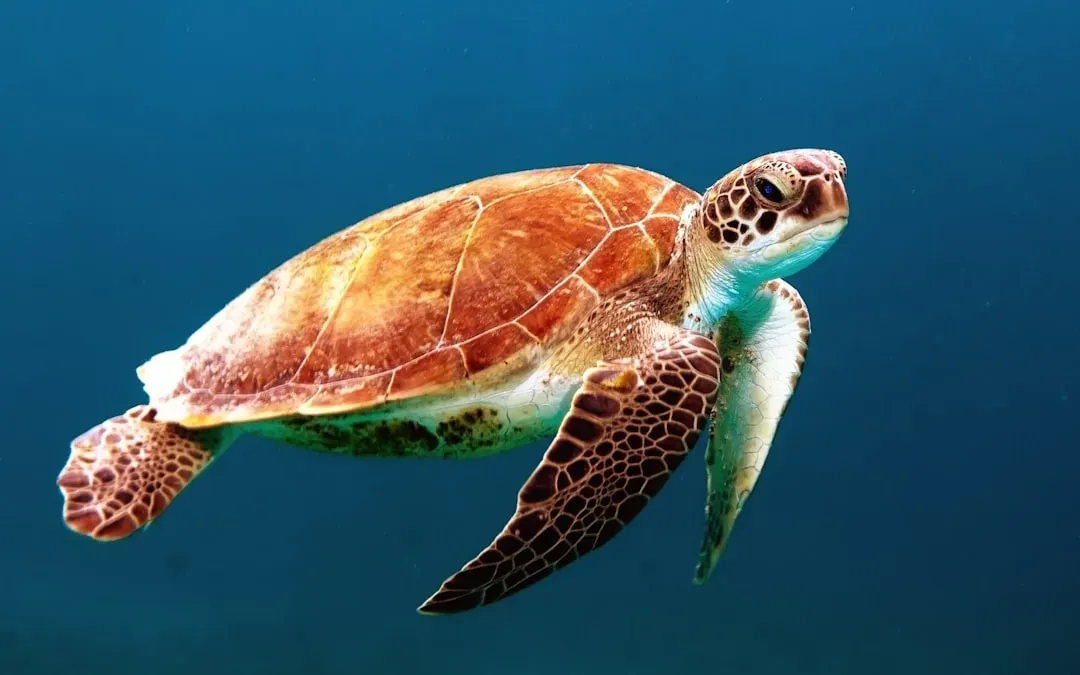
The Act has a track record that you can actually measure. Over its first several decades, very few listed species went completely extinct, and many – from eagles and peregrine falcons to certain sea turtles – have stabilized or significantly increased. Critics sometimes argue that the law is too strict or too slow, but if you compare current trends to what was happening before the 1970s, it is clear that without it, you would almost certainly have lost far more species. When you support and defend this law, you are not defending an abstract policy; you are defending real animals and plants that either vanish or survive based on how seriously you take those protections.
Climate Change: The Invisible Force Reshaping America’s Wildlife
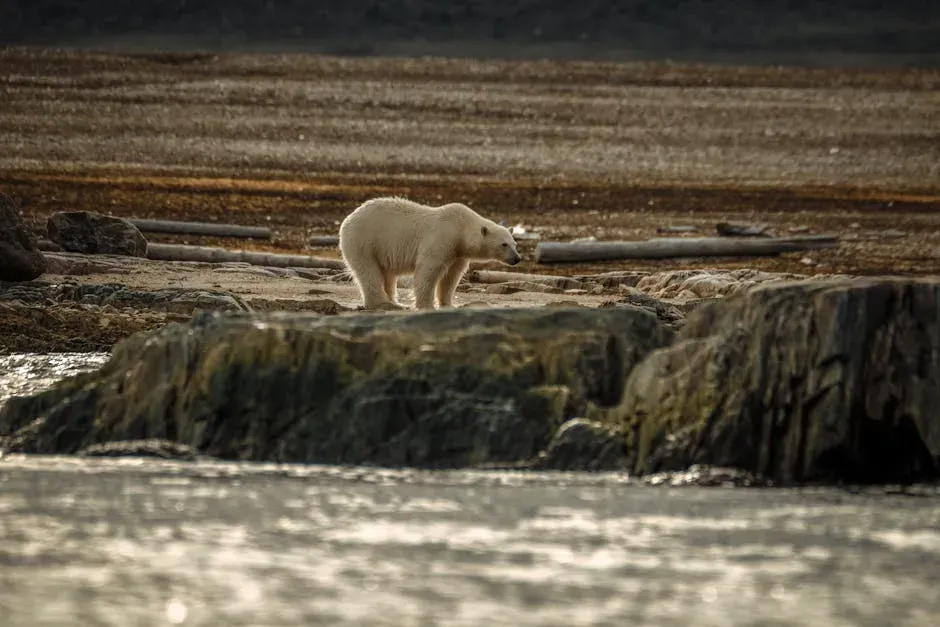
Even if you protect habitat and pass strong laws, climate change is quietly rewriting the rules for every species around you. As temperatures warm, many animals and plants are shifting their ranges northward or uphill, chasing the climate conditions they evolved for. Birds arrive earlier in spring, flowers bloom at different times, and the delicate timing between pollinators and plants can fall out of sync. You may not notice this on a single hike, but over a decade or two, field guides start to feel out of date in your own region.
For endangered species already squeezed into small fragments of suitable habitat, those changes can be catastrophic. A cold‑water fish might find its stream too warm, a coastal bird might lose nesting beaches to sea‑level rise, and an alpine plant might literally run out of mountain as the climate bands move upward. You can see this especially clearly in the ocean, where warming and shifting currents force whales, fish, and plankton into new areas, sometimes straight into busy shipping lanes. Facing this, conservation is no longer just about setting aside static reserves; it is about helping species move, adapt, or, in the harshest cases, survive in completely transformed landscapes.
Why Biodiversity Matters to You Personally
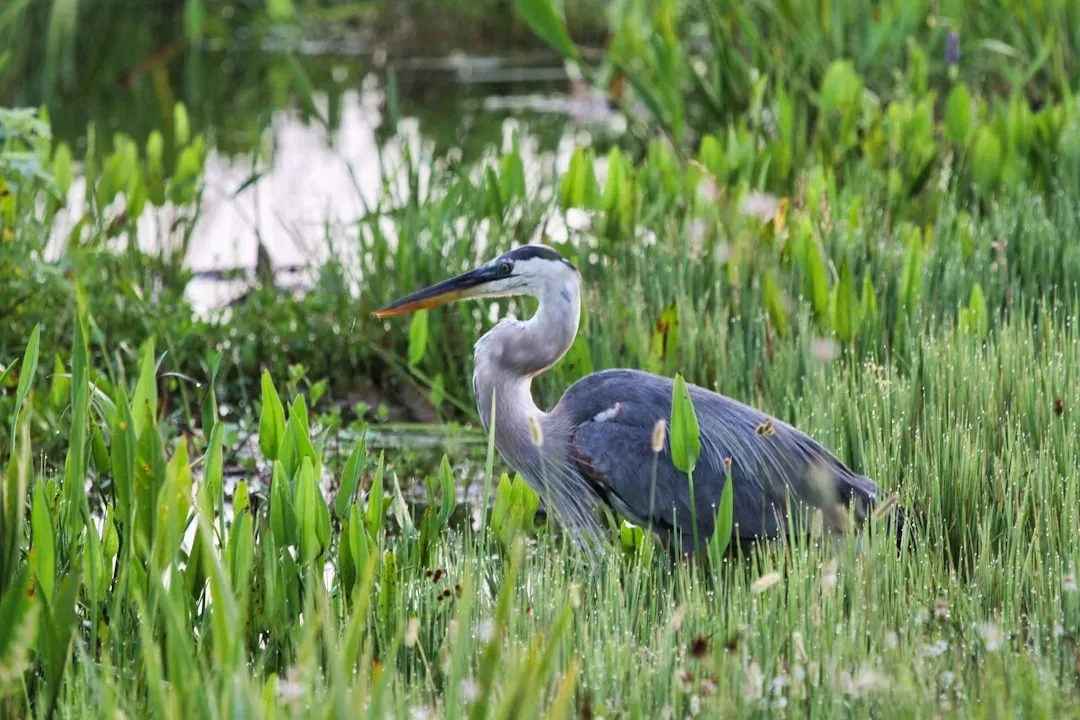
It is easy to think of biodiversity as something for scientists and nature lovers, but it quietly props up your daily life in more ways than you probably realize. Wild pollinators help your food grow, healthy forests and wetlands buffer your community from floods and storms, and intact ecosystems keep many diseases in check by maintaining complex interactions among hosts and predators. When you erase species, you are pulling threads from a web that also holds your own health, economy, and safety.
There is also a less tangible, but very real, personal cost. Think about how you feel the first time you see a whale breach, an eagle circle overhead, or a wolf track pressed into fresh snow. Those experiences change how you see yourself and your place in the world; they remind you that you are part of something larger and older than any one human generation. If those species disappear, your kids and grandkids lose not just an ecological function but a kind of wild magic that you had the privilege to grow up with. In that sense, extinction is not only a scientific problem – it is a shrinking of your shared imagination.
What You Can Actually Do to Help Right Now
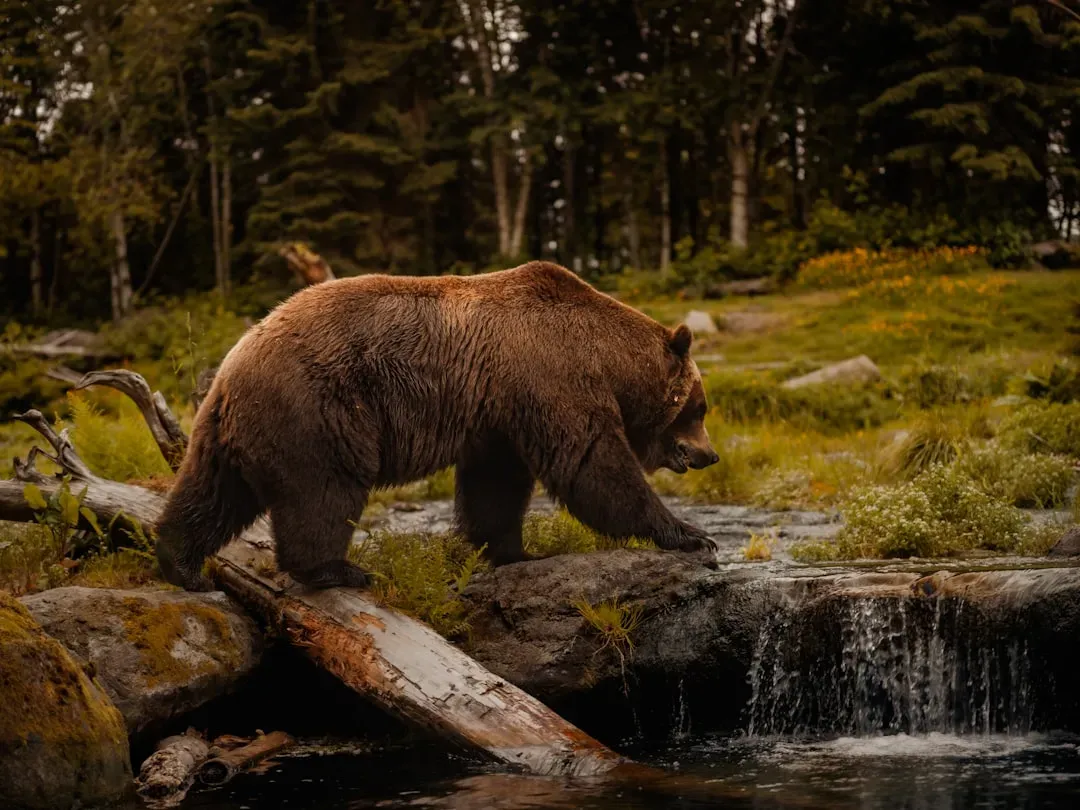
It is tempting to assume that only governments and big organizations can save endangered species, but your choices stack up in ways that are more powerful than they seem. When you support policies that reduce ship speeds in whale habitats, invest in wildlife‑friendly road crossings, or fund habitat restoration, you are directly changing survival odds for specific animals. Even something as ordinary as backing sustainable seafood standards can reduce the risk of whales dying in entangling fishing gear, or sea turtles drowning in certain types of nets.
At a more personal scale, you can turn your own backyard, balcony, or neighborhood into a small refuge. Planting native species, keeping outdoor cats contained, reducing pesticide use, and leaving parts of your yard a little wild create stepping stones for birds, pollinators, and small mammals. You can also volunteer with local land trusts, wildlife rehab centers, or citizen‑science projects that track species’ movements and numbers. None of these actions alone will save a species like the North Atlantic right whale, but collectively they build a culture that values life beyond human convenience – and that culture is what ultimately drives lasting policy changes.
The Emotional Side of Watching Species Slip Away
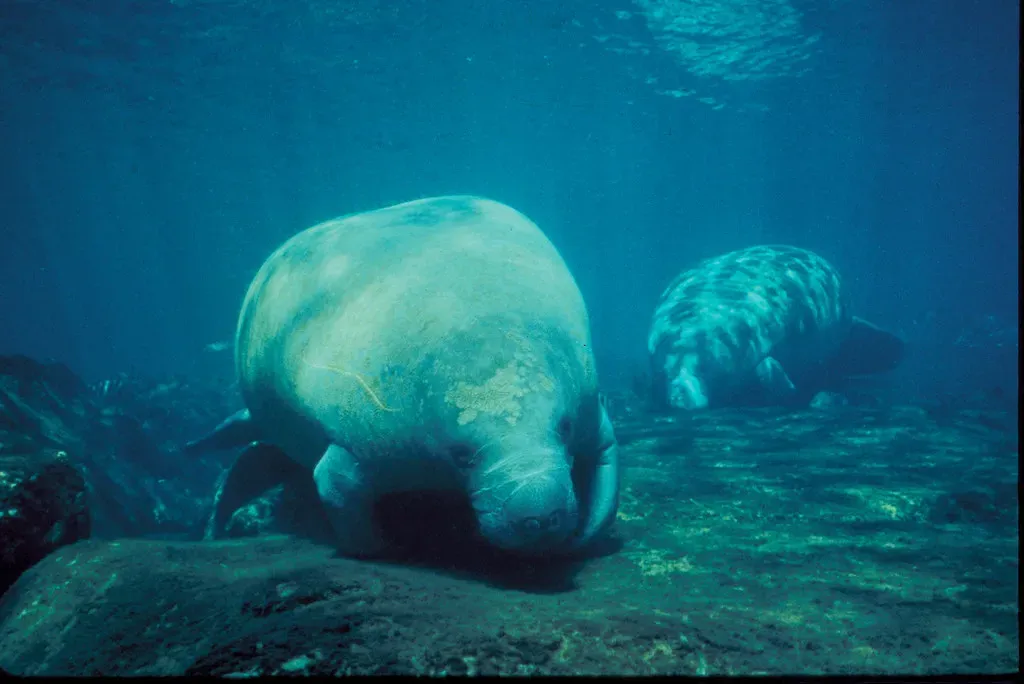
If you have ever felt a wave of grief or anger reading about an animal’s extinction, you are not alone. There is now a term – eco‑anxiety – for the gnawing worry you may feel as you watch climate news, wildfire maps, and wildlife declines pile up. It can feel like you are standing on the shore of a receding sea of life, powerless to stop the water from draining away. That emotional weight is real, and pretending it is not there only makes it harder to act.
But there is another side to it: when you let yourself care deeply, you also unlock a stubborn kind of hope. Seeing a bald eagle overhead after learning how close it came to vanishing can feel almost miraculous. Walking through a restored wetland that now buzzes with dragonflies and birds where there used to be a drained field shows you, in real time, that recovery is not just a story in a report. When you channel your fear and sadness into practical, grounded action, you move from being a helpless bystander to a participant in one of the most important struggles of your era.
Conclusion: Choosing What Future You Want to Share
Standing where you are in 2026, you sit at a fork in the road. One path leads to quieter oceans with fewer whales, emptier skies with fewer raptors, and forests that feel strangely still. The other leads to a country where hard‑won protections are strengthened rather than gutted, where shipping lanes and fishing gear are redesigned with whales in mind, and where you treat endangered species as neighbors whose survival is tied to your own. The laws, technologies, and knowledge you need already exist; what hangs in the balance is how determined you are to use them.
In the end, the vanishing giants around you are not just symbols of loss but tests of your collective character. Future generations will look back and see either that you allowed some of Earth’s most remarkable beings to slip away on your watch – or that you drew a line and refused to let that happen. Every vote you cast, every conversation you have, and every choice you make about land, energy, and consumption nudges the outcome one way or the other. When you picture the wild America you hope your grandchildren will inherit, which version do you want them to step into – and what are you willing to do now to make that version real?