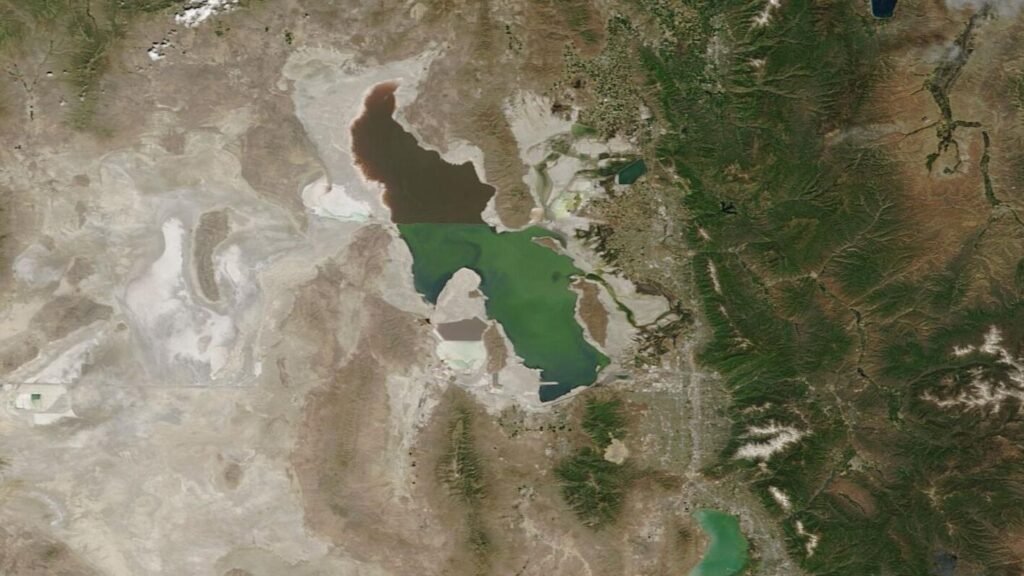
You have probably seen the haunting photos: docks stranded in sand, boats sitting crooked on cracked mud, and a shoreline that keeps creeping farther away. The Great Salt Lake, once one of the most iconic natural landmarks in the American West, is shrinking fast. This is not some distant, abstract environmental issue. It is happening right now, and it has very real consequences for your health, your water, your air, and your economy – even if you live far beyond Utah.
What makes this story so unsettling is that it is not just about one lake losing water. It is about what happens when a whole region pushes its water system to the limit. When you zoom in on the Great Salt Lake, you see a warning sign for the entire West: how you grow food, build cities, and manage drought all collide in one place. Once you understand what is unfolding here, it is hard to unsee it.
The Disappearing Lake: How Fast Is It Really Shrinking?
If you stood on the shore of the Great Salt Lake a few decades ago and came back today, you would feel like someone quietly stole an entire sea. The lake has lost a huge portion of its volume compared with its historical average, and water levels in recent years have dropped to record lows never seen before in modern measurements. You are not just talking about a gentle shift in shoreline; in places, the water has retreated miles, exposing vast stretches of lakebed that used to be underwater.
You might be tempted to chalk this up entirely to drought, but that is only part of the picture. Yes, the West has been in a long, intense dry spell, with warmer temperatures causing more evaporation and less snowpack feeding the lake. But human water use plays a massive role, too. When you divert more and more water from the rivers that feed the lake – for farms, lawns, and growing cities – the lake gets whatever is left over. Lately, it is not getting much.
Why You Should Care About a Lake You Might Never Visit
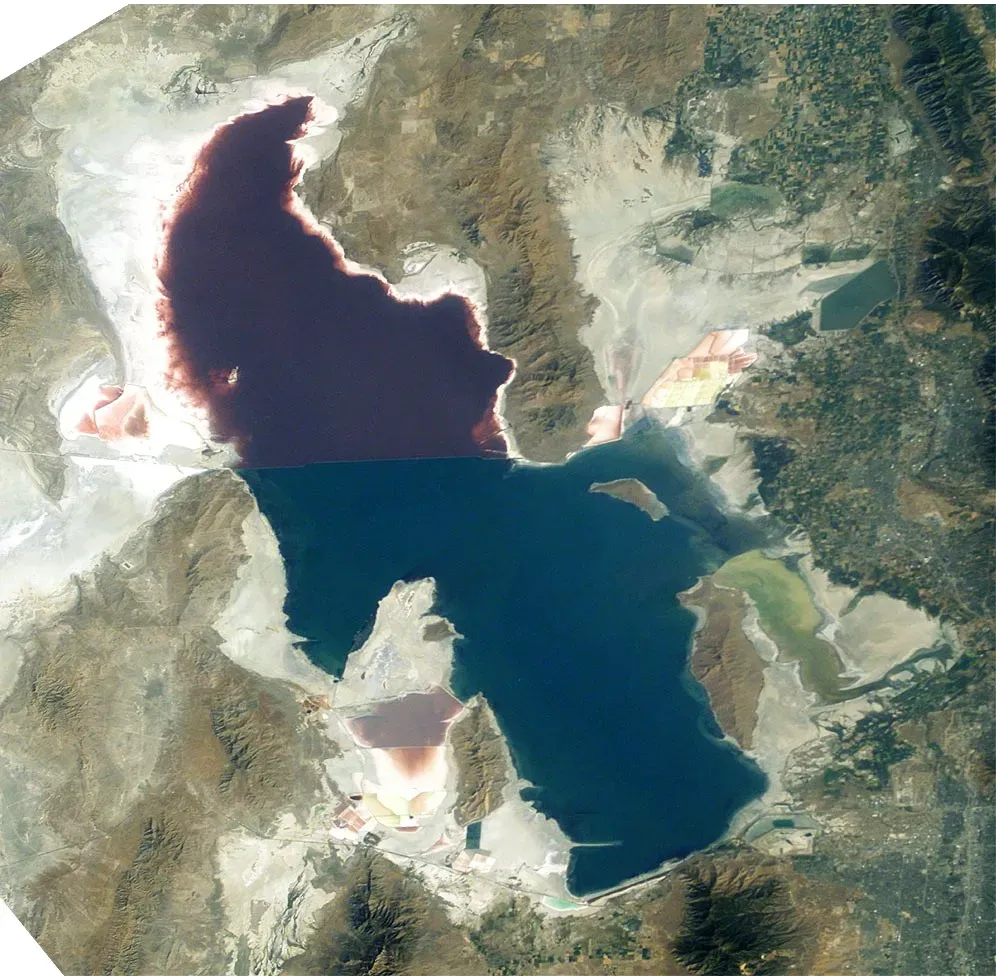
At first glance, you might think, it is just a salty lake in Utah, why should you worry? But the Great Salt Lake is like a central gear in a big machine, and when that gear grinds down, the whole system around it starts to falter. The lake helps regulate local climate, supports migratory birds that cross continents, and underpins industries that people across the West depend on in subtle ways. When you pull water out of one part of the system, the ripple effects show up in places you do not expect.
Think about it like your own body losing water. At first, you might just feel a little thirsty, but keep going and suddenly your head hurts, you feel weak, and organs begin to struggle. The lake is going through the same thing on a landscape scale. As it shrinks, you see ripple effects in air quality, agriculture, wildlife, and even the broader economy of the region. You may never dip a toe in its salty water, but you can still feel the impact of its decline.
Dust, Toxins, and Your Lungs: The Lakebed Problem
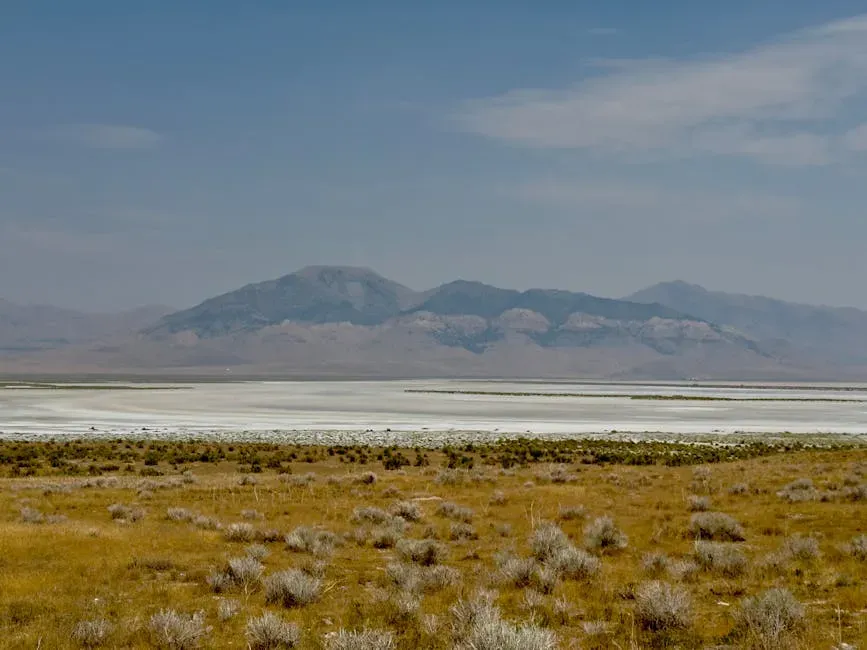
One of the scariest consequences of a shrinking Great Salt Lake is what happens when the lakebed is exposed to the air. That dry, cracked surface is not just harmless dirt – it can be loaded with things like heavy metals and other contaminants that have washed into the lake for decades. When winds pick up, they can carry that dust into the air you breathe, across cities and valleys where people live, work, and send their kids to school.
If you already live in a place with winter inversions or summer wildfire smoke, you know how bad air days feel. The risk here is that a shrinking lake adds yet another source of unhealthy air, on top of everything else you are already dealing with. Over time, more dust storms mean more strain on your lungs, more visits to doctors for asthma, and more pressure on public health systems. You may never walk on that exposed lakebed, but its dust can still end up in your body.
Birds, Brine Shrimp, and a Collapsing Food Web
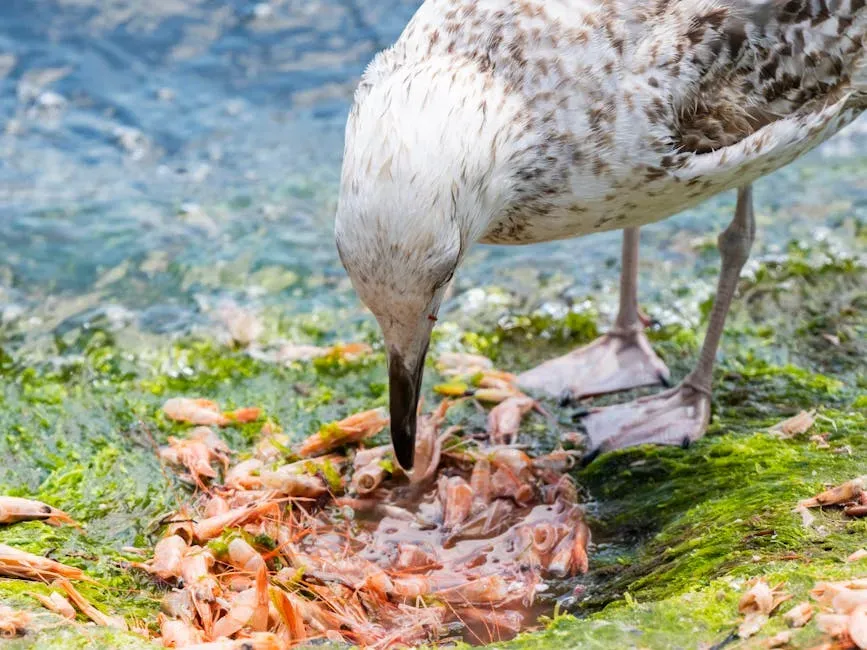
You might not think much about tiny brine shrimp, but millions of birds absolutely do. The Great Salt Lake is one of the most important stopovers for migratory birds in the Western Hemisphere, and those birds rely on the lake’s brine shrimp and brine flies as a massive buffet. When the lake shrinks and becomes too salty in some areas or too shallow in others, those food sources can crash, and the chain reaction does not stop there.
If you are a bird that has flown thousands of miles and arrives expecting a feast, only to find a broken pantry, your chances of surviving and reproducing drop sharply. That matters not just for birdwatchers but for entire ecosystems that depend on these species as they move across continents. When you weaken one of the great hubs on their migration network, you are pulling threads out of a web that stretches far beyond Utah’s borders.
Water, Agriculture, and the Hard Choices Facing the West
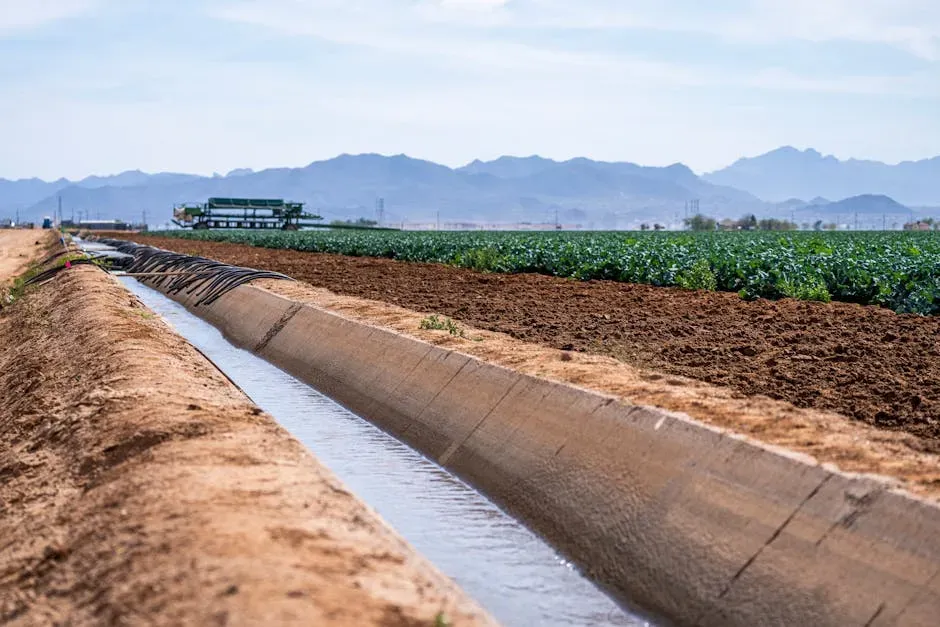
When you follow the water that used to reach the Great Salt Lake, you quickly run into irrigation canals and pipelines feeding farms, neighborhoods, and cities. A lot of that water grows alfalfa and other crops, some of which are shipped as animal feed far beyond the region. You are essentially exporting water in the form of hay, while the lake at the end of the system shrinks. That puts you face to face with a hard question: how do you balance food production, urban growth, and the survival of a critical natural system?
If you live in the West, you are already used to hearing about water rights, drought restrictions, and the tug-of-war between rural and urban needs. The Great Salt Lake throws all those tensions into sharp relief. Do you change the way you irrigate, switch crops, pay farmers to use less water, or rethink how much lawn and thirsty landscaping you really need in a desert climate? None of these choices are easy or painless, but ignoring them just shifts a bigger bill onto the future.
Economy on the Edge: Minerals, Recreation, and Real Estate
The lake is not just a scenic background; it is tied directly to jobs and money in very concrete ways. Companies harvest minerals like salt and other industrial materials from its waters, and those operations depend on having enough lake volume and the right salinity ranges. As levels drop, access to facilities gets trickier, infrastructure has to stretch farther, and the predictability that businesses need starts to erode. If you rely on stable conditions to plan investments, a shrinking lake is the opposite of comforting.
Then there is the recreation side of the story. You might picture sailing, birdwatching, and lakeside tourism – all of which suffer when marinas go dry and shorelines turn into dusty flats. Property owners who once enjoyed water views may end up looking out over exposed mud, which can drag down real estate values and local tax bases. Bit by bit, the shrinking lake moves from being an environmental concern to an economic one that can show up in your paycheck and your community’s budget.
What Governments, Communities, and You Can Actually Do
It is easy to feel overwhelmed by a crisis this big, but you are not completely powerless. State leaders, local governments, tribes, scientists, and community groups have been pushing a range of solutions: setting targets for minimum lake levels, creating incentives for farmers to reduce water use, updating water laws, and investing in more efficient irrigation and conservation programs. You are seeing serious discussions about how much water must be left in rivers to keep the lake alive, instead of treating it as an afterthought.
On a personal level, you can support policies that prioritize water conservation, vote for leaders who treat the lake as a shared responsibility, and rethink how you use water in your own home and yard if you live in the region. You can also push for transparency about where your water really comes from and where it ends up. When enough people understand that saving the Great Salt Lake is not just an environmental passion project but a public health and economic necessity, the political will to act becomes much harder to ignore.
A Warning and a Test Case for the Rest of the West
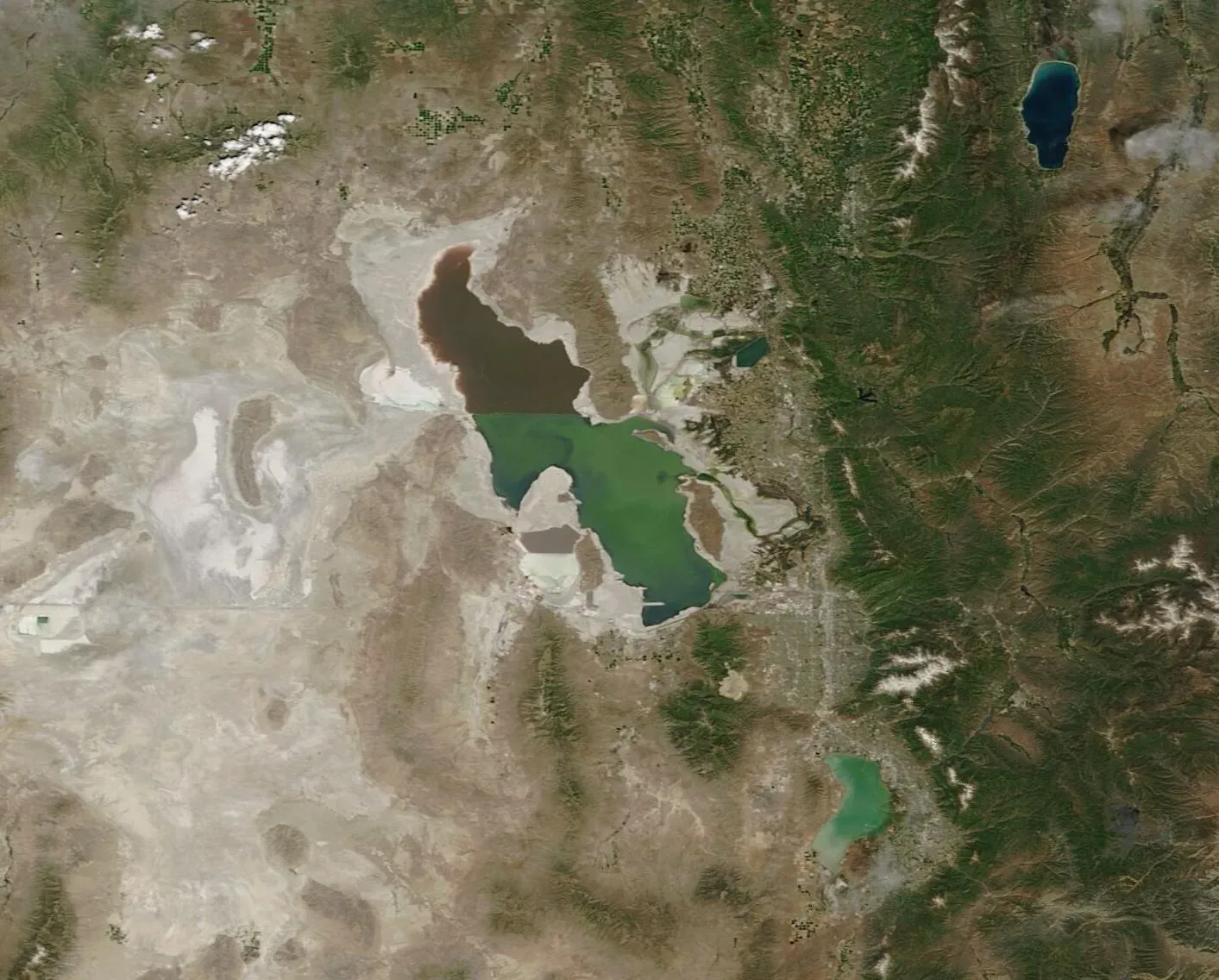
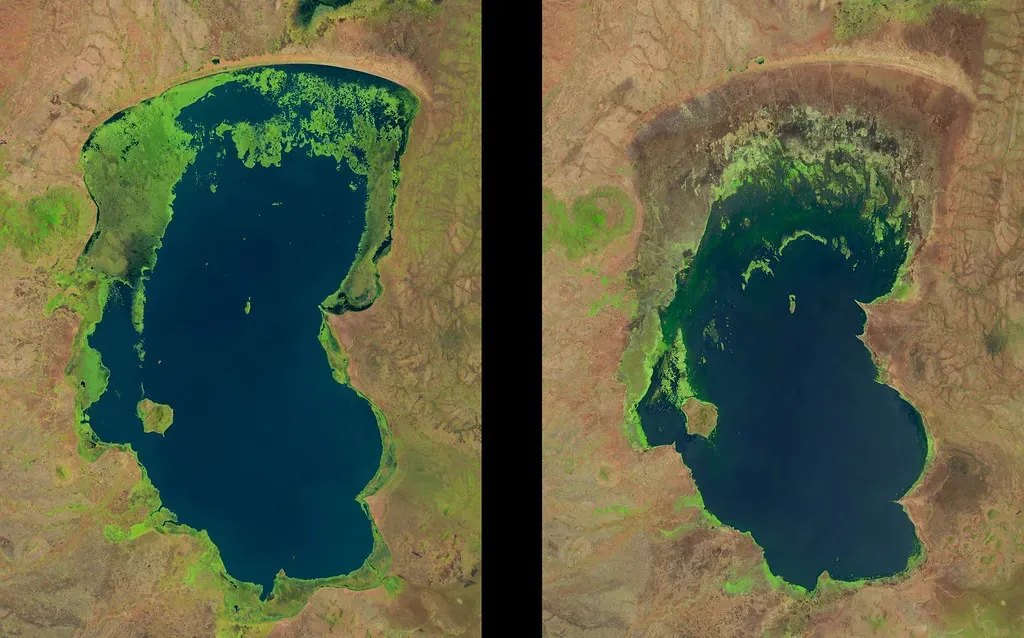
When you look at the Great Salt Lake, you are not just looking at a single crisis; you are looking at a preview. Other terminal lakes and inland seas around the world have gone through similar declines, and the results have been devastating: toxic dust storms, collapsing fisheries, and mass migration away from damaged landscapes. If you live anywhere in the American West, this lake is like a mirror showing you what happens when demand for water keeps climbing while supplies shrink.
At the same time, the lake is also a kind of test. If you can figure out how to stabilize or even partially restore it – by changing water use, reshaping policy, and accepting that living in a dry place means acting like you live in a dry place – you can build a model for other regions facing similar pressures. The choices made in Utah over the next few years will say a lot about whether the West is willing to adapt or simply react as crises stack up.
In the end, the shrinking Great Salt Lake is asking you a simple but uncomfortable question: how much are you willing to change to keep a vital piece of the landscape alive? You are not just weighing scenic views against economic growth; you are deciding whether clean air, resilient ecosystems, and long-term stability are worth more than short-term convenience. The lake is not gone yet, but its future is not guaranteed. If you had to choose, would you rather adjust your habits now – or live with the dust later?