
What Makes Sound Turn into Noise (Image Credits: Unsplash)
Consider a bustling office where the rhythmic clack of keyboards suddenly feels like an assault on concentration. For many, such sounds fade into the background, but for others, they ignite a cascade of irritation and unease. Recent insights from auditory experts reveal that loud or intrusive noises do more than annoy – they can shift states of consciousness through emotional and physical disruptions.[1]
What Makes Sound Turn into Noise
Noise sensitivity manifests in varied ways, encompassing physical discomfort, emotional turmoil, and psychological strain. Individuals prone to this response often find ordinary sounds – such as distant traffic or nearby conversations – overwhelmingly intrusive. These reactions stem from how the brain processes auditory input, turning neutral stimuli into perceived threats.
Experts define noise as sound that interferes with intended activities, like resting or focusing. Noise-sensitive people experience this interference more acutely, leading to heightened negative emotions such as anger or anxiety. Kristina Bowdrie, an assistant professor of aural rehabilitation at Case Western Reserve University, notes that in severe instances, everyday noises register as intensely distressing.[1]
The Body’s Ancient Alarm System in Action
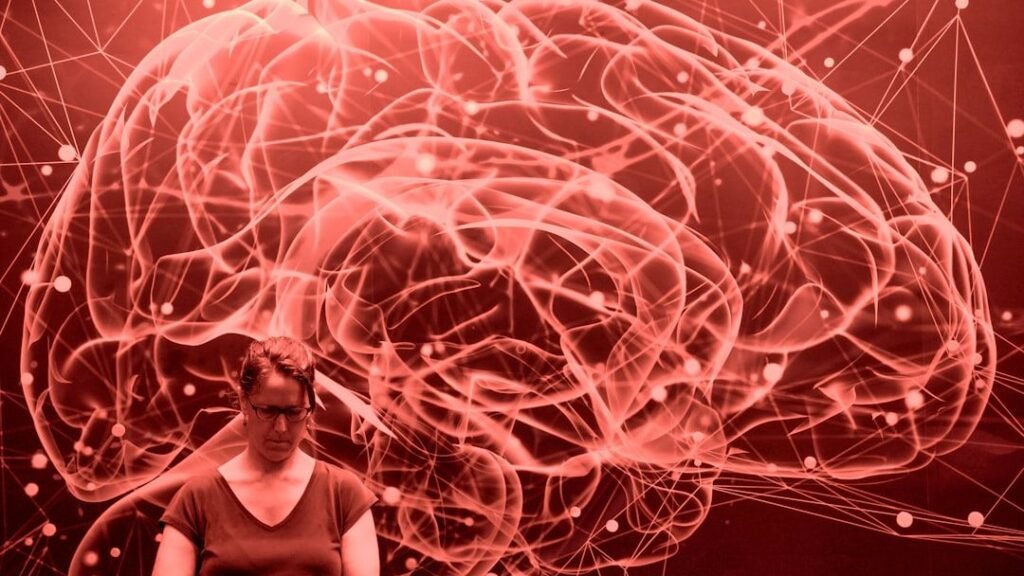
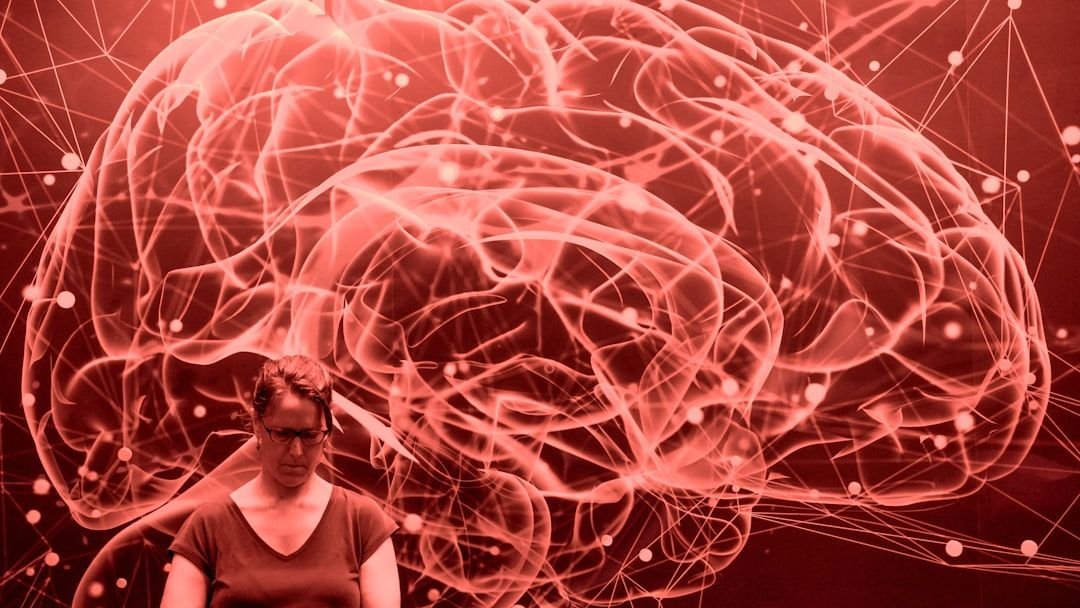
Loud noises activate the amygdala, the brain’s fear center, sparking a fight-or-flight response designed for survival. This reaction floods the body with stress hormones, elevates heart rate and blood pressure, and redirects blood flow to muscles while dulling rational thought. What served ancestors well against predators now backfires in modern settings, where chronic activation contributes to broader health issues.
Prolonged exposure links to conditions including diabetes, heart disease, stroke, depression, and anxiety. David Welch, an associate professor of audiology at the University of Auckland, explains the evolutionary mismatch: detecting danger through sound was crucial, yet today’s persistent stressors exact a toll. Noise sensitivity often accompanies psychopathologies or neurological factors like brain injuries and autism.[1]
Individual Differences in Sound Filtering
Not everyone succumbs equally to auditory overload. Those with strong natural filtering abilities tune out irrelevant sounds effortlessly, maintaining calmer heart and breathing rates even amid chaos. Daniel Shepherd, an associate professor of psychology and neuroscience at Auckland University of Technology, describes this skill as a protective trait that wards off overwhelm.
In contrast, sensitive individuals struggle to gatekeep incoming stimuli, amplifying distress from repetitive triggers like chewing or tapping. This disparity highlights a neurological spectrum, where effective filtering correlates with emotional resilience. Shepherd observes that such abilities may explain lower vulnerability to stress-related disorders.[1]
Strategies to Reclaim Control Over Sound
Treatment options focus on retraining the brain’s auditory responses. Sound therapy introduces low-level pleasant noises to desensitize overreactions gradually. For more intense cases, cognitive behavioral therapy addresses the emotional fallout, while mindfulness practices build tolerance.
Practical tools like noise-canceling headphones or earplugs offer immediate relief, though they serve as bridges to deeper interventions. Bowdrie emphasizes that therapy aims to recalibrate neural pathways over time. Shepherd adds that honing filtering skills can transform vulnerability into strength, reducing the intensity of ear-brain conflicts.
Conditions like hyperacusis, marked by pain or pressure from normal volumes, or phonophobia, a fear of sounds, may require medical evaluation. These often arise from head trauma or extended loud exposure, such as in construction or concerts. Welch advises proactive management: “Sound is around us all the time… But you can manage the noises you find distressing so the battle between your ears and brain becomes less intense over time.”[1]
Emerging approaches hold promise for broader applications, potentially aiding those with linked mental health challenges. Researchers continue exploring how enhanced filtering might mitigate risks across populations.
Key Reactions to Intrusive Noise
- Emotional: Anger, anxiety, disgust, fear
- Physiological: Elevated heart rate, stress hormones, muscle tension
- Cognitive: Disrupted focus, sleep interference, task hindrance
- Health Links: Diabetes, cardiovascular issues, mood disorders
As urban soundscapes grow denser, grasping these mechanisms empowers better navigation of daily life. While not all noises demand a response, recognizing their potential to alter awareness underscores the value of targeted coping. Future studies may unlock even more ways to harness the brain’s innate safeguards against sonic intrusion.