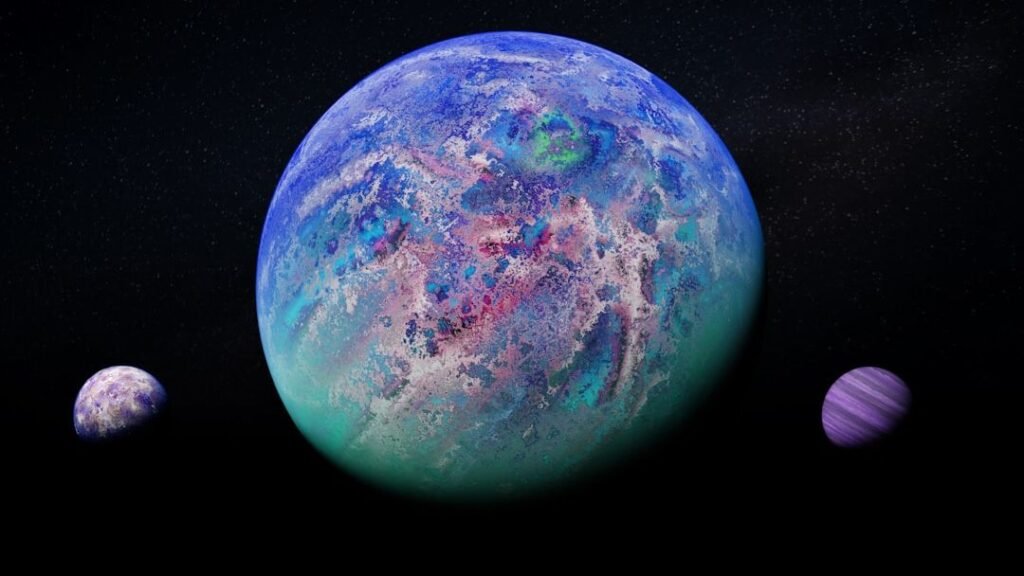
If you grew up thinking Earth was the lone oasis of life in a cold, empty solar system, you’re in for a surprise. As spacecraft and telescopes have peeled back the cosmic curtain over the last few decades, you’ve discovered that your celestial backyard is far stranger, wetter, and more promising than anyone guessed a generation ago. The hunt for life is no longer just about distant exoplanets; it is suddenly about hidden oceans, buried ice, and alien chemistry right next door.
In this journey, you are not just a spectator watching scientists in white coats; you are part of a species trying to answer a painfully simple question: are you really alone? To get closer to an honest answer, you have to look in places that would have seemed ridiculous at first glance: beneath frozen crusts, inside toxic skies, and even in the shadows of a tiny dwarf planet. As you explore these worlds in your mind, you start to realize that “habitable” does not mean “comfortable” – it means “possible,” and possible might be hiding in some wildly unexpected corners of the solar system.
Europa: An Ocean World Hiding Under Ice
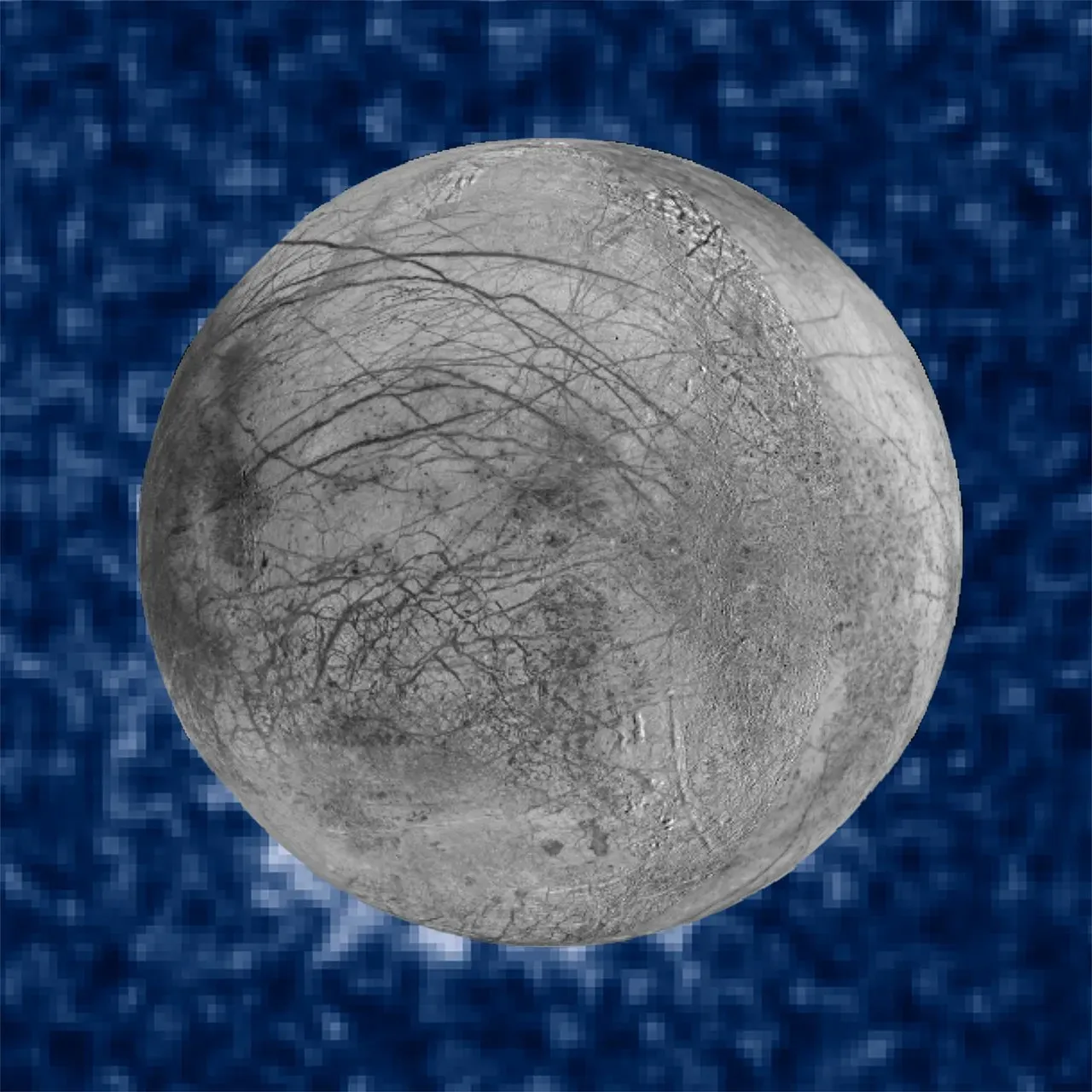
Imagine standing on a world where the ground beneath your feet is a shell of ice, and under that shell lies more water than all of Earth’s oceans combined. That is what you’re dealing with on Europa, one of Jupiter’s Galilean moons, and it instantly forces you to rethink where life could thrive. Instead of warm beaches and sunshine, Europa offers a pitch-black global ocean, heated from below by tidal forces that knead the moon’s interior as it orbits the giant planet.
You do not see sunlight reaching this hidden sea, but you do not necessarily need it for life as you know it. On Earth, thriving ecosystems cluster around hydrothermal vents in the deep ocean, where microbes feed on chemical energy instead of light, and entire communities of animals grow around them. If Europa has similar vents at the seafloor, you could have a familiar recipe: liquid water, energy sources, and essential elements all mingling in the dark. Future missions flying through its plumes or orbiting the moon might let you sniff out simple organic molecules, chemical imbalances, or other subtle hints that something down there is alive.
Enceladus: A Tiny Moon with Geysers of Possibility
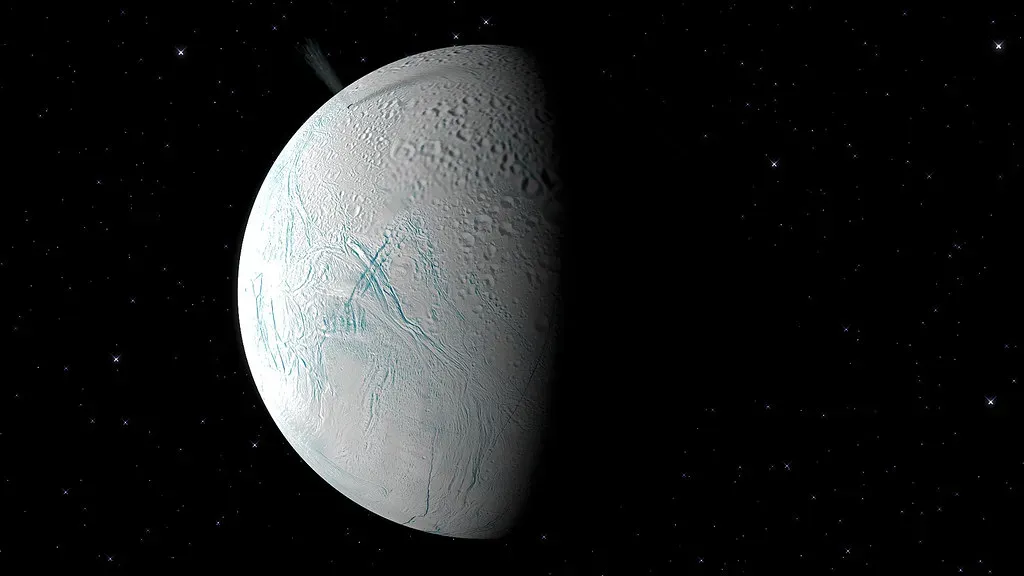
When you look at Saturn’s moon Enceladus, your first impression might be that it is too small, too cold, and too insignificant to matter. Then you see the images of shimmering ice plumes blasting hundreds of kilometers into space from cracks near its south pole, and suddenly you realize you are staring at a world spraying samples of its internal ocean right into the void. One spacecraft flyby revealed not just water but also salts, organics, and even signs of hydrothermal activity, the kind of chemistry that on Earth feeds entire microbial ecosystems.
Unlike Europa, where you would have to drill or dive deep under the ice, Enceladus is practically throwing you its secrets in those geysers. If you sent a dedicated mission there, you would not need a lander at first; you could simply fly again and again through the plumes, analyzing the frozen droplets like a dentist inspecting samples. That makes Enceladus one of your most accessible ocean worlds, a place where you could, in principle, detect clues of simple life without ever touching down. It flips the script: instead of you going to the ocean, the ocean comes to you.
Titan: Methane Lakes and an Alien Kind of Chemistry
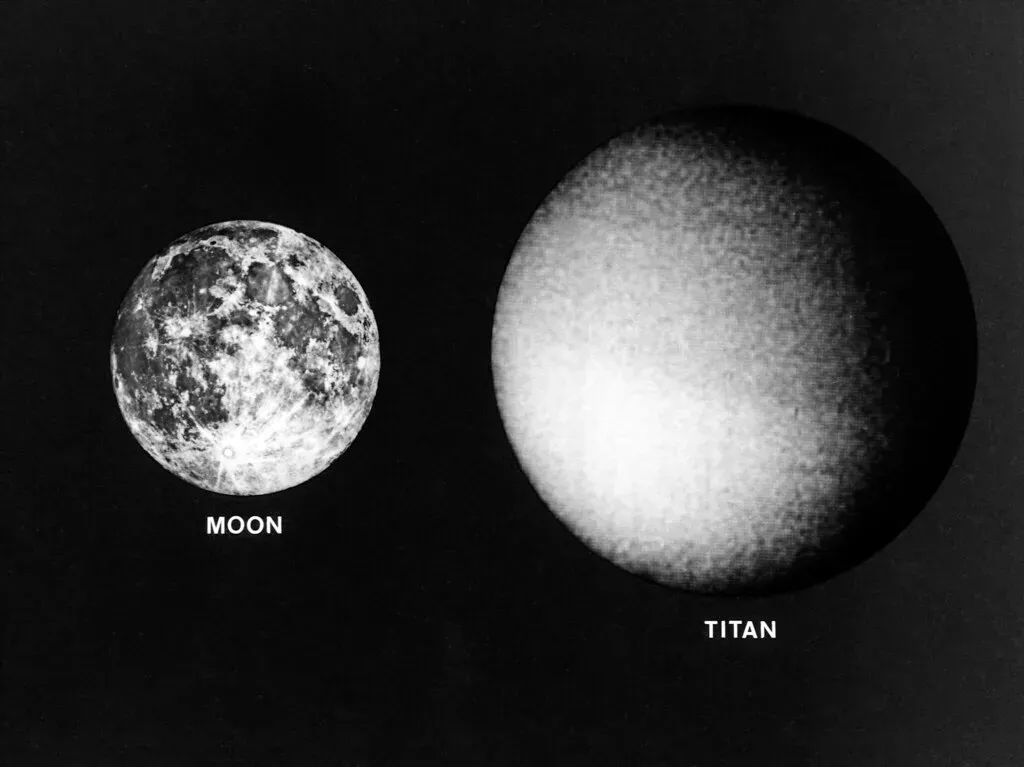
At first glance, Titan feels like the last place you would look for life, with surface temperatures so low that water is more like rock and lakes made not of water but of liquid methane and ethane. Yet if you care about worlds where chemistry runs wild, this hazy moon of Saturn refuses to be ignored. When you peer through its thick orange smog, you see rivers, dunes, and even rain, but in a form of weather driven by hydrocarbons instead of water, like a strange mirror of Earth in slow motion.
The catch, of course, is that the chemistry you find here would not support life as you are used to. But if you widen your imagination, Titan invites you to consider life based on liquids other than water, using methane and ethane the way Earth’s life uses oceans and lakes. At the same time, there might even be a separate, more familiar possibility: an internal ocean of liquid water mixed with ammonia deep below the icy crust. Between the frigid surface chemistry and the buried sea, Titan asks you a provocative question: are you willing to accept that life elsewhere might look nothing like you expect?
Ganymede and Callisto: Giant Moons with Hidden Layered Seas
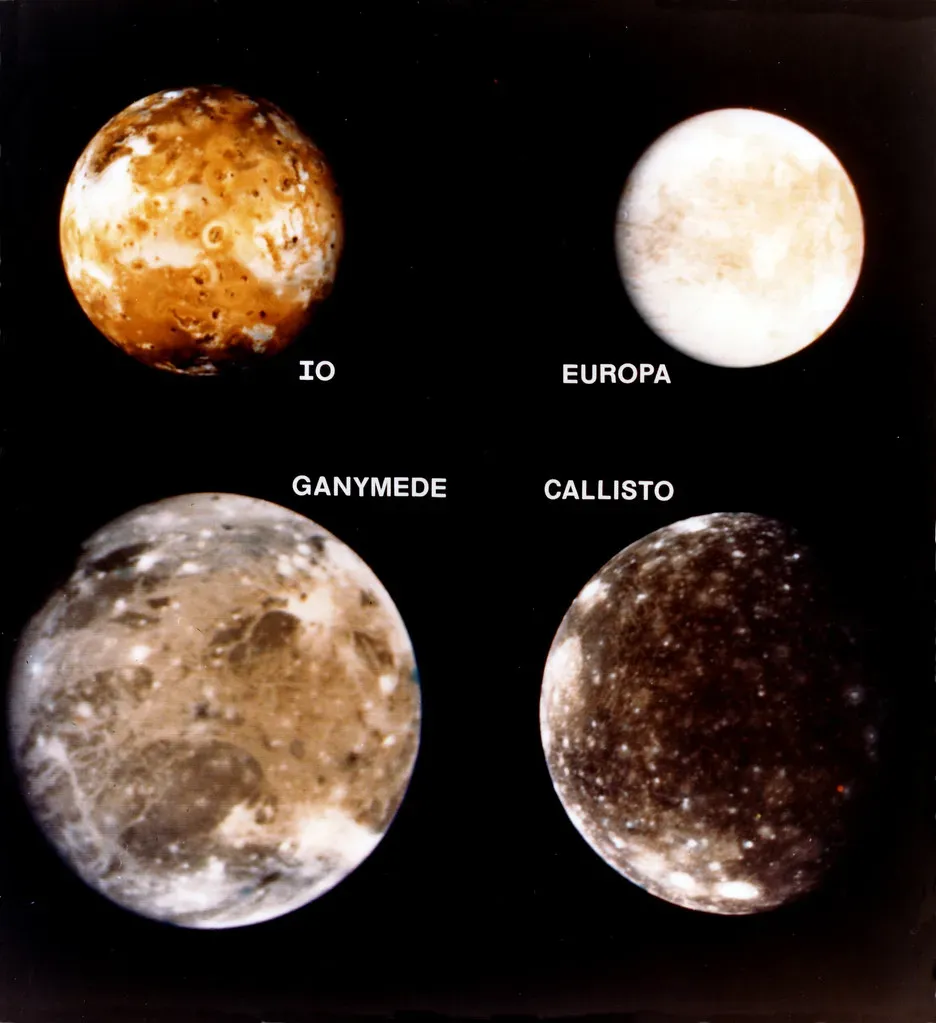
When you shift your gaze to Jupiter’s other big moons, Ganymede and Callisto, you might initially see just massive frozen spheres quietly circling their planet. But beneath their battered surfaces, evidence points to layered oceans sandwiched between slabs of ice, like a cosmic mille-feuille of water and frozen crust. Ganymede, the largest moon in the solar system, even has its own magnetic field, suggesting a complex interior where salts and minerals could mingle with liquid water.
You do have to be more cautious about expecting life here, because those oceans might be trapped between thick ice layers far from a rocky seafloor, making hydrothermal activity and nutrient cycling harder to sustain. Still, these worlds teach you that oceans may be the rule, not the exception, among large icy moons. If even the supposedly “boring” outer satellites hide deep seas, then your search for life is no longer about finding one rare ocean but about figuring out which of many oceans has the right setup. That realization quietly turns half your mental map of the outer solar system from “dead” to “maybe.”
Subsurface Mars: Fossil Clues and Buried Brines
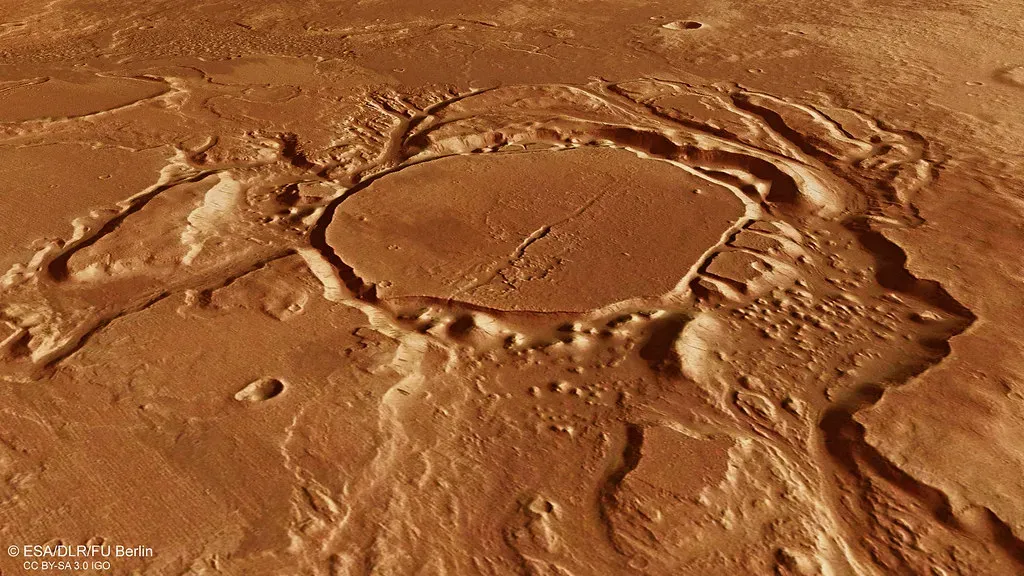
You probably grew up hearing Mars described as the classic candidate for life, but the more you learn, the more you realize you have to look beneath its dusty face. The surface today is dry, frigid, and bombarded by radiation, not exactly friendly for living organisms. But the rocks and minerals scattered across this red desert whisper a different story: a past where rivers carved valleys, lakes pooled in craters, and water may have persisted long enough for simple microbes to gain a foothold.
Today, the most intriguing Martian habitats are not obvious from orbit; they might be thin films of briny water that occasionally form in the soil or more stable pockets of liquid deep underground. You search for subtle signs: certain salts, layered sediments, or patterns in gases that could hint at modern or ancient biology. Even if Mars turns out to be sterile now, it still matters enormously to you because it acts like a time capsule, preserving clues about how quickly life might emerge on a once-wet world. If you find fossilized microbes or unmistakable biosignatures in its rocks, you will instantly know that life is not a unique accident of Earth.
Venus’s Clouds: A Hellish World with a Narrow Sweet Spot
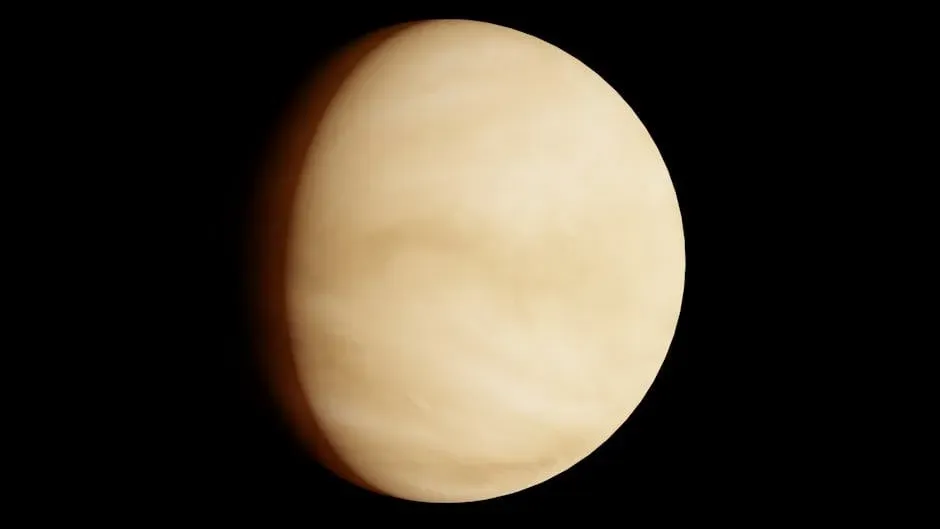
On the surface, Venus feels hopeless: temperatures hot enough to melt lead, crushing pressure, and clouds of corrosive acid, the very definition of a cosmic nightmare. Yet if you shift your attention upward, to altitudes where conditions are milder, you discover a narrow band in the atmosphere where temperatures and pressures are not wildly different from what you experience on Earth. In that thin layer, the question becomes less about molten rock and more about chemistry in tiny droplets suspended in the air.
Some researchers have suggested that within those clouds, certain puzzling features could be explained, at least in principle, by exotic microbes adapted to highly acidic environments. On Earth, you already know hardy bacteria can tolerate surprisingly harsh acids and temperatures, so the idea is not entirely absurd. Still, Venus forces you to be brutally honest about uncertainty: current data are limited, instruments are sparse, and natural non-biological processes can often mimic life’s signals. For you, Venus’s clouds are a reminder that the line between imaginative and speculative is thin, and that the only way to cross it responsibly is with more measurements, better instruments, and a willingness to be proven wrong.
Ceres and Other Icy Dwarfs: Small Worlds, Big Surprises
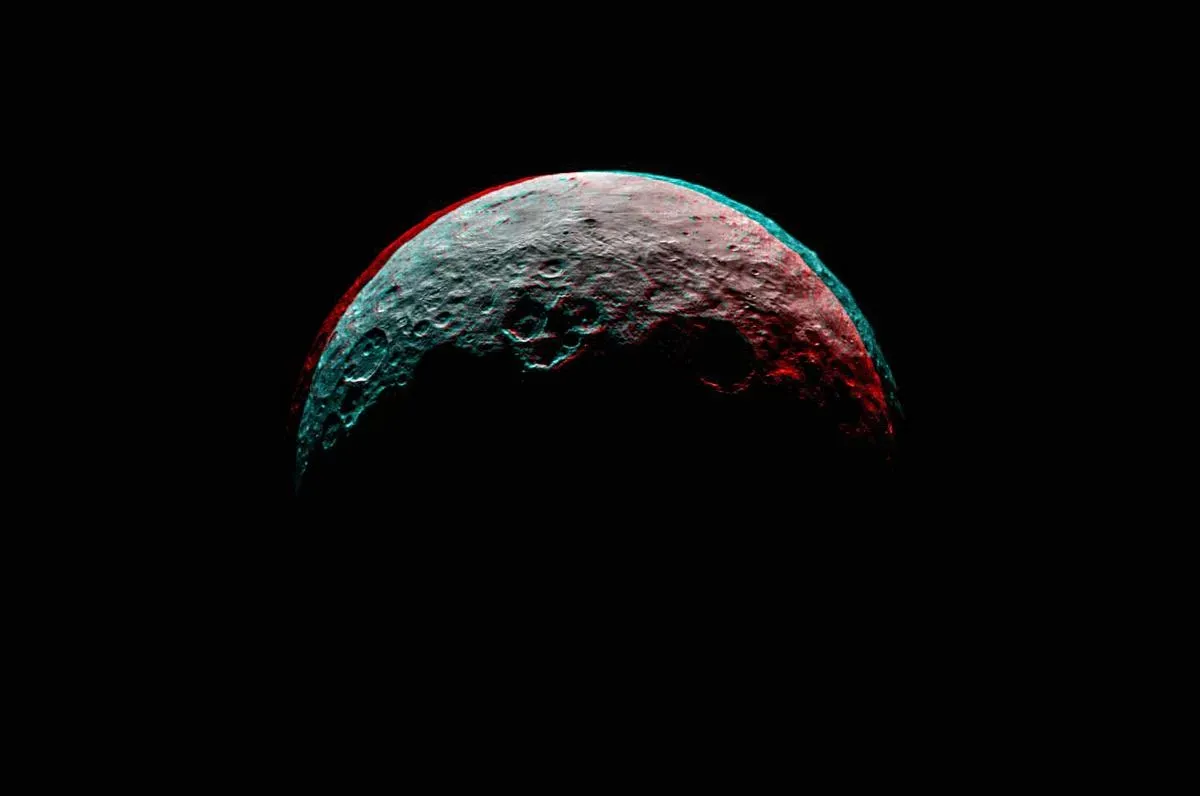
If someone had told you decades ago that a dwarf planet in the asteroid belt might have been a candidate in the habitability conversation, you might have laughed it off. Then spacecraft mapped Ceres and found bright salt deposits, signs of past brines, and hints that liquid water may have lingered beneath its dark surface. Suddenly, a world that once looked like just another chunk of rock starts to feel like a place where chemical ingredients got stirred in interesting ways over billions of years.
Beyond Ceres, many small icy bodies in the outer solar system may also have transient or buried oceans, especially if they contain radioactive elements or experience tidal heating. These are not places where you expect bustling ecosystems; they are more like natural laboratories where water, organics, and minerals slowly interact in the cold. For you, their real importance lies in what they say about abundance: if even tiny, dim objects can host liquid water at some point, then the raw settings for prebiotic chemistry might be scattered almost everywhere. That changes your sense of scale, transforming the search for life from a hunt for rare jewels into a survey of countless hidden workshops.
Astrobiology’s Next Steps: How You Might Finally Get an Answer
As you scan all these worlds in your mind, you might wonder how you will actually move from speculation to evidence. The roadmap is already unfolding: orbiters and landers that drill, sample, and analyze; flybys that taste plumes; balloons or aircraft that could one day drift through alien skies. Every mission you launch is really a question carved into metal and silicon: is there something alive here, or at least chemistry that is trying very hard to become life?
In the coming decades, you will probably see instruments that can measure complex organics, isotopic ratios, and subtle chemical imbalances with far more precision than anything flown before. You will also see your own expectations tested, and sometimes disappointed, because nature does not owe you a second genesis of life just to satisfy your curiosity. But even a single discovery of microbes – on Europa, Enceladus, Mars, or some place you have barely considered – would rewrite your place in the cosmos overnight. If life arose twice in one small solar system, you would have to accept that the universe is not just vast and beautiful, but also very likely inhabited.
Conclusion: Redefining What “Habitable” Really Means
When you pull back from the details and look at the solar system as a whole, a pattern emerges that you probably did not expect: life’s potential homes are not limited to warm, Earth-like planets basking in sunlight. They hide instead under ice shells, in buried aquifers, in corrosive clouds, and inside dwarf planets that barely catch any light from the Sun. The more you learn, the more “habitable” starts to mean “where water, energy, and chemistry can meet,” no matter how strange the surface looks from afar.
In that sense, the search for life beyond Earth is quietly changing you, too. It pushes you to question your assumptions, to accept that your definition of normal is painfully narrow, and to see your own world as one example out of many possibilities rather than the cosmic default. Whether or not you ever find living cells swimming in an alien ocean, the hunt itself forces you to expand your imagination and your humility at the same time. And if some distant probe or future explorer finally sends back proof that something else is alive out there, even if it is only a microbe, how do you think it will change the way you see yourself tomorrow?