


You probably think your dreams are just random stories your brain makes up at night, but they’re not nearly as mysterious as they seem. Behind those strange plots, familiar faces, and bizarre locations, there’s a whole mix of biology, psychology, and everyday habits quietly shaping what you see when you sleep.
Once you start noticing the patterns, it can feel almost unsettling how much control your waking life has over your dream world. The good news is that when you understand what affects your dreams, you can tweak some of those factors and nudge your nights in a better direction. You might not become a full-on dream architect, but you can absolutely influence the tone, intensity, and even how often you remember them.
Your Sleep Schedule (and How Chaotic It Is)
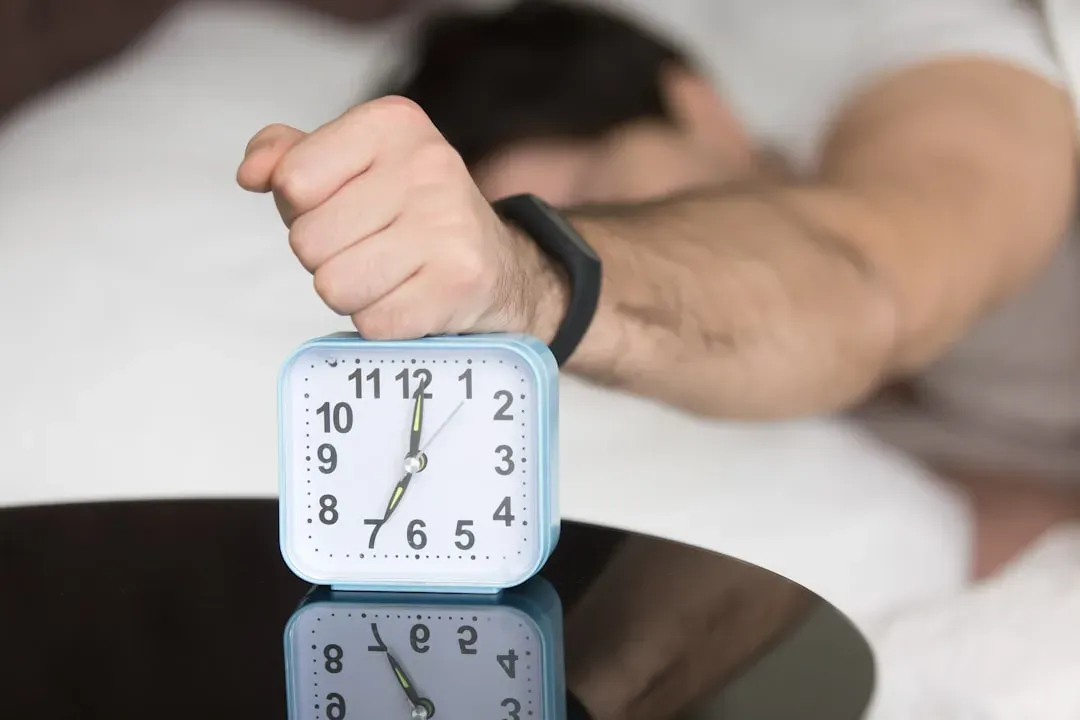
If your sleep schedule is all over the place, your dreams usually are too. When you go to bed and wake up at wildly different times every day, your internal clock has a harder time organizing your sleep stages, especially the rapid-eye-movement (REM) sleep where most vivid dreaming happens. You may notice fragmented, jumpy dreams or wake up from intense ones feeling groggy and off-balance because your brain got yanked out of REM too abruptly.
When you keep a relatively steady schedule, your body gets better at cycling into REM at predictable times and staying there long enough to run a “full episode” of dreaming. That often means your dreams feel more coherent and you’re more likely to remember them right before waking. You do not need a perfect, military-style routine, but going to bed and getting up within roughly the same hour range most days can noticeably change how wild or stable your dream life feels.
What You Eat (Especially Late at Night)

Late-night snacks can do more than add to your calorie count; they can mess with what your brain serves up after dark. Heavy, spicy, or high-fat meals shortly before bed can increase body temperature, disrupt digestion, and lead to more micro-awakenings across the night. When your sleep gets choppy like that, you tend to wake up during or right after vivid dreams, which makes them feel more intense and memorable, sometimes in a not-so-fun way.
On the flip side, going to bed absolutely starving can also disturb your sleep and trigger restless, anxiety-flavored dreams, as your body quietly nags you for fuel. You do not need to overthink every bite, but it helps to keep large, spicy, or super rich meals several hours away from bedtime and stick to lighter snacks if you are hungry late. Think of it as setting the stage: a calmer body gives your brain a smoother backdrop to dream on.
Your Stress Level and Emotional Load

When your mind is overloaded with stress, your dreams often turn into a mirror – just a warped, exaggerated version. Arguments, financial worries, deadlines, or even background anxiety you have not fully acknowledged during the day can bubble up at night as chasing scenes, failing at tasks, or those classic “unprepared for the exam” dreams, even if you have been out of school for years. Your brain is trying to process emotional tension and file it away, but the way it does that can feel intense.
You might notice that on calmer days, your dreams become gentler, more random, or simply less emotionally charged, even if you still dream a lot. Building stress relief into your day – walks, journaling, conversations, breathing exercises – does not just help you feel better when you are awake; it also gives your sleeping brain less chaos to sort through. You may still dream about challenging things, but they are more likely to feel manageable instead of like an emotional hurricane.
Your Medications and Substances (From Antidepressants to Alcohol)

Many medications and substances quietly adjust how your brain cycles through sleep stages, and that includes your dream life. Certain antidepressants, for example, are known to change REM patterns and can make your dreams feel more vivid or frequent. Some people notice that when they start or stop a medication, their dreams suddenly become more intense, strange, or memorable, even if the rest of their sleep seems the same on the surface.
Alcohol and recreational drugs can be especially sneaky. A few drinks might make you fall asleep faster, but they often disrupt deeper sleep and suppress REM early in the night, then cause a rebound later with more vivid or emotionally heavy dreaming. If you have ever had bizarre, unsettling dreams after a night of drinking, that rebound effect is likely part of the reason. If you are curious whether a specific medication is affecting your dreams, it is worth asking a healthcare professional before assuming something is wrong.
Your Bedroom Temperature and Comfort

Your body needs to cool down slightly to fall asleep deeply and move smoothly into REM, but being too hot or too cold can jolt you awake or keep your sleep light. When you are tossing, turning, or kicking off the covers all night, you are more likely to wake up in the middle of vivid dream sequences. That can make those dreams feel more intense, fragmented, or even disturbing, simply because you are catching them halfway instead of letting them naturally fade.
A cooler, comfortable bedroom – often somewhere in the mid–sixty-degree Fahrenheit range for many people – tends to support more stable sleep cycles and more balanced dreaming. Small changes help more than you might expect: a fan, lighter bedding, or breathable sleepwear can make a noticeable difference. You are not just chasing comfort; you are fine-tuning the physical environment your brain has to work with when it spins up its nightly stories.
The Light and Screens You Use Before Bed

If you scroll yourself to sleep, your dreams are probably paying the price. Bright screens and blue light in the evening can delay your natural release of melatonin, the hormone that helps signal your brain that it is time to wind down. That delay can push back REM-rich sleep, shorten it, or make it more irregular, which often leads to stranger, more chaotic dreams toward the morning when your brain is trying to “catch up.”
On top of the light itself, the emotional content you consume – news, horror clips, intense drama, social media arguments – loads your brain with images and feelings right before sleep. Those impressions are fresh fuel for your dreams, which is why you might dream about the last show you watched or the last argument you read. If you give yourself even thirty minutes of screen-free, calmer wind-down time, you are not just helping yourself fall asleep; you are curating the emotional ingredients your brain has to work with overnight.
How Much (and How Often) You Dream-Recall on Purpose

Here is something you might not expect: just the act of trying to remember your dreams can change them over time. When you wake up and immediately ask yourself what you were just dreaming, or when you jot down dream fragments in a notebook, you train your brain to value and surface that material. You may start waking up more often right after a dream, or your dreams may become more vivid simply because your attention is now part of the system.
This can be a powerful tool if you are interested in lucid dreaming or understanding recurring patterns, but it can also make disturbing dreams feel more present if you dwell on them. It helps to approach dream recall with curiosity rather than judgment, more like observing weather than decoding prophecy. When you do that, you give your brain permission to show you more without turning every strange scenario into something to obsess over.
Your Physical Health and Body Sensations

Your dreams do not happen in a vacuum; they are constantly picking up signals from your body. If you go to bed with pain, discomfort, a full bladder, heartburn, or trouble breathing, your brain may weave those sensations into your dream story. You might dream of being trapped, unable to move, searching for a bathroom, or feeling pressure on your chest, only to wake up and realize your body was trying to get your attention the entire time.
Conditions that fragment sleep, such as sleep apnea or chronic pain, can also increase how often you wake up from dreams, which makes them feel louder and more intense in your memory. Taking care of your body – treating underlying issues, adjusting pillows or mattress, seeing a professional when needed – does not just improve how rested you feel. It changes the raw data your brain is pulling from when it builds its night-time worlds, often making them less distressing and more neutral.
Your Personality, Beliefs, and What You Focus On

Your waking mindset quietly shapes the emotional flavor of your dreams. If you tend to be highly imaginative, introspective, or sensitive to other people’s moods, you might notice richer, more symbolic dream lives. People who are anxious, perfectionistic, or self-critical often report more nightmare-like themes – failing, being judged, getting exposed or humiliated – because their brains are replaying the same emotional scripts they run all day, just with stranger costumes.
Your beliefs about dreams matter too. If you see them as deeply meaningful or predictive, you may pay more attention to them and remember them more clearly, which in turn makes them feel more important. If you treat them as mental “noise,” you might forget them quickly and feel like you rarely dream, even though your brain almost certainly does. Reality sits somewhere in the middle: dreams are not magical prophecies, but they are a surprisingly honest reflection of what your inner world has been chewing on.
Life Changes, Grief, and Big Transitions

Major life shifts – moving, breakups, new relationships, job changes, illness, or loss – often show up in your dreams long after the paperwork or rituals are done. Your waking mind might be busy handling logistics and appearances, while your sleeping mind quietly processes the emotional shock. You may dream of old houses, former partners, missed trains, lost objects, or trying to get somewhere but never quite making it, all echoing that sense of instability or transition inside you.
Grief, in particular, can lead to powerful and sometimes comforting dreams where you see or talk to someone you have lost. These experiences can feel incredibly real, and while science explains them as the brain reconciling memories and emotions, that does not make them any less meaningful on a personal level. Allowing yourself to feel whatever comes up – relief, sadness, anger, warmth – can actually help that emotional processing continue in a healthier way, instead of fighting against what your brain is naturally trying to do.
Your Culture, Language, and Daily Environment

Even your cultural background and language influence what shows up in your dreams. The stories you grow up with, the symbols you see in media, and the way people around you talk about love, danger, success, or failure all become raw material for your sleeping brain. Someone raised around ocean imagery might dream in waves and storms, while someone surrounded by city life might dream of buildings, traffic, and crowded rooms as their emotional backdrops.
Your daily environment plays its part too – sounds, smells, and routines can quietly seep in. A passing siren may turn into a dream emergency; the smell of someone cooking may morph into a family gathering in your mind. When you look at it that way, your dream world is not some separate dimension but a remix of your real life, filtered through your emotions and memories, then rearranged into something that feels surreal but deeply personal.
Conclusion: Your Dreams Are Not Random Nonsense

When you zoom out, your dreams start to look less like random chaos and more like a nightly remix of your body, habits, emotions, and experiences. Your sleep schedule, what you eat, how stressed you are, the meds you take, your environment, and even how seriously you take your dreams – all of it nudges your brain toward certain themes, tones, and intensities. You may not control every detail, but you have more influence than you think over the stage your mind is dreaming on.
If you start adjusting just one or two things – maybe a calmer wind-down routine, a more stable bedtime, or a bit of stress relief during the day – you might be surprised by how your dream life slowly shifts. Paying gentle attention without trying to force anything can turn your dreams into a useful window instead of a confusing storm. Next time you wake up from something vivid or strange, you might find yourself wondering, not “What did that predict?” but “What in my life did that just reflect?” Did you expect your dreams to be that closely tied to your everyday choices?


