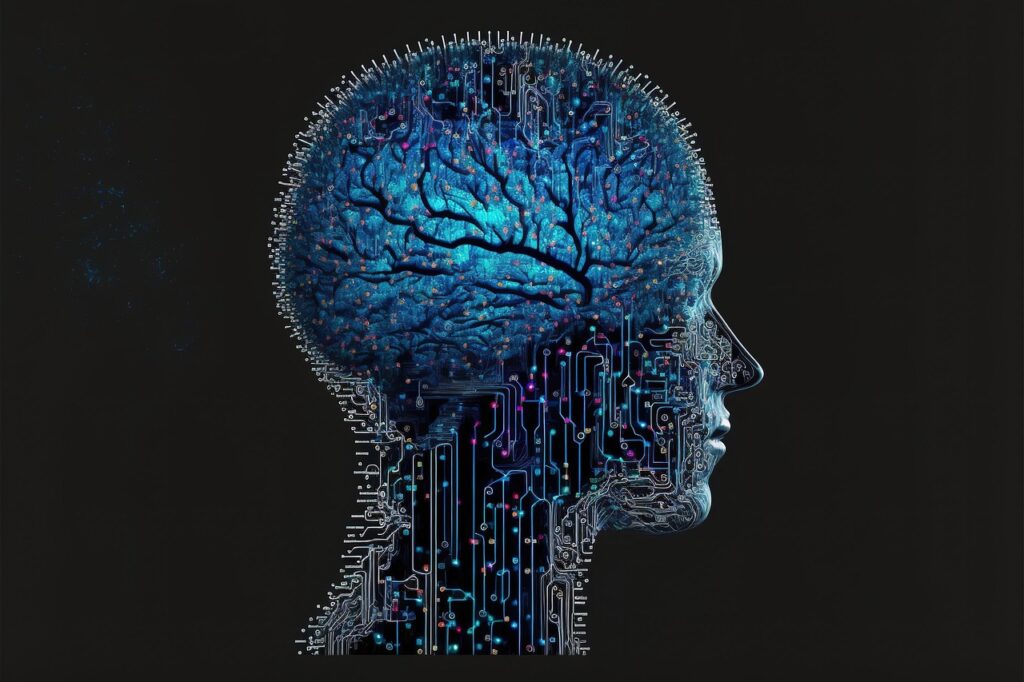

It is a little unsettling when you realize that while you are out cold and dreaming about missing a flight or suddenly being back in high school, your body is quietly running one of the most complex maintenance programs in nature. Whole systems switch gears, brain circuits light up, hormones surge and drop, and your muscles obey strange commands you never consciously gave. Sleep is not an off switch; it is more like a hidden night shift that gets to work the second your eyes close.
I still remember the first time I woke up with a jolt, convinced I was falling off a cliff, only to find myself safe in bed and my heart racing. That weird, half-dream, half-body experience stuck with me and sent me down a rabbit hole about what actually happens while we sleep. It turns out, a lot of the things we think are random or spooky have surprisingly logical explanations. Below are ten of the strangest things your body does during sleep – and the science that makes them a lot less mysterious.
1. That Sudden Falling Sensation (Hypnic Jerks)
You are drifting off, your breathing slows, your thoughts get fuzzy – and then suddenly you feel yourself dropping, your whole body twitching you back awake. That abrupt, heart-stopping jolt is called a hypnic jerk, and it is incredibly common. It often happens as your brain transitions from wakefulness into the first light stage of sleep, when muscle tone is starting to relax but your brain is still partially on guard.
One theory is that as your muscles let go and your body gets heavier, an ancient part of the brain misinterprets this as you physically falling. In response, it sends a quick burst of signals down your spinal cord, causing your arms or legs to jerk like you grabbed onto something. Caffeine, stress, and sleep deprivation can make these jerks more frequent, which is why you tend to get them most when you are exhausted or wired – but they are generally harmless, just your nervous system overreacting to a normal shift into sleep.
2. Sleep Paralysis: Awake But Unable to Move
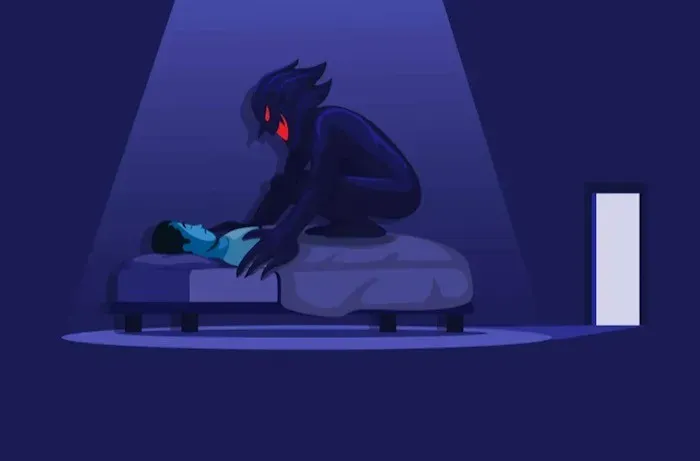
Few things feel as terrifying as waking up, being fully aware of your surroundings, but finding that you cannot move a single muscle or even call out. That experience, known as sleep paralysis, happens when the brain wakes up before the body has fully switched off its built-in sleep safety mode. During certain phases of sleep, especially rapid eye movement (REM) sleep, your body deliberately paralyzes most of your muscles so you do not physically act out your dreams.
In sleep paralysis, that muscle shutdown lingers for a few seconds – or sometimes minutes – after your conscious awareness returns. Because your brain is in a strange in-between state, it can also generate vivid hallucinations, like sensing a presence in the room or feeling pressure on your chest. It is no surprise that many old ghost stories and folklore about night demons probably grew out of people trying to explain this sensation. As frightening as it feels, sleep paralysis itself is usually not dangerous and often improves with better sleep schedules and stress management.
3. Your Brain Takes Out the Trash
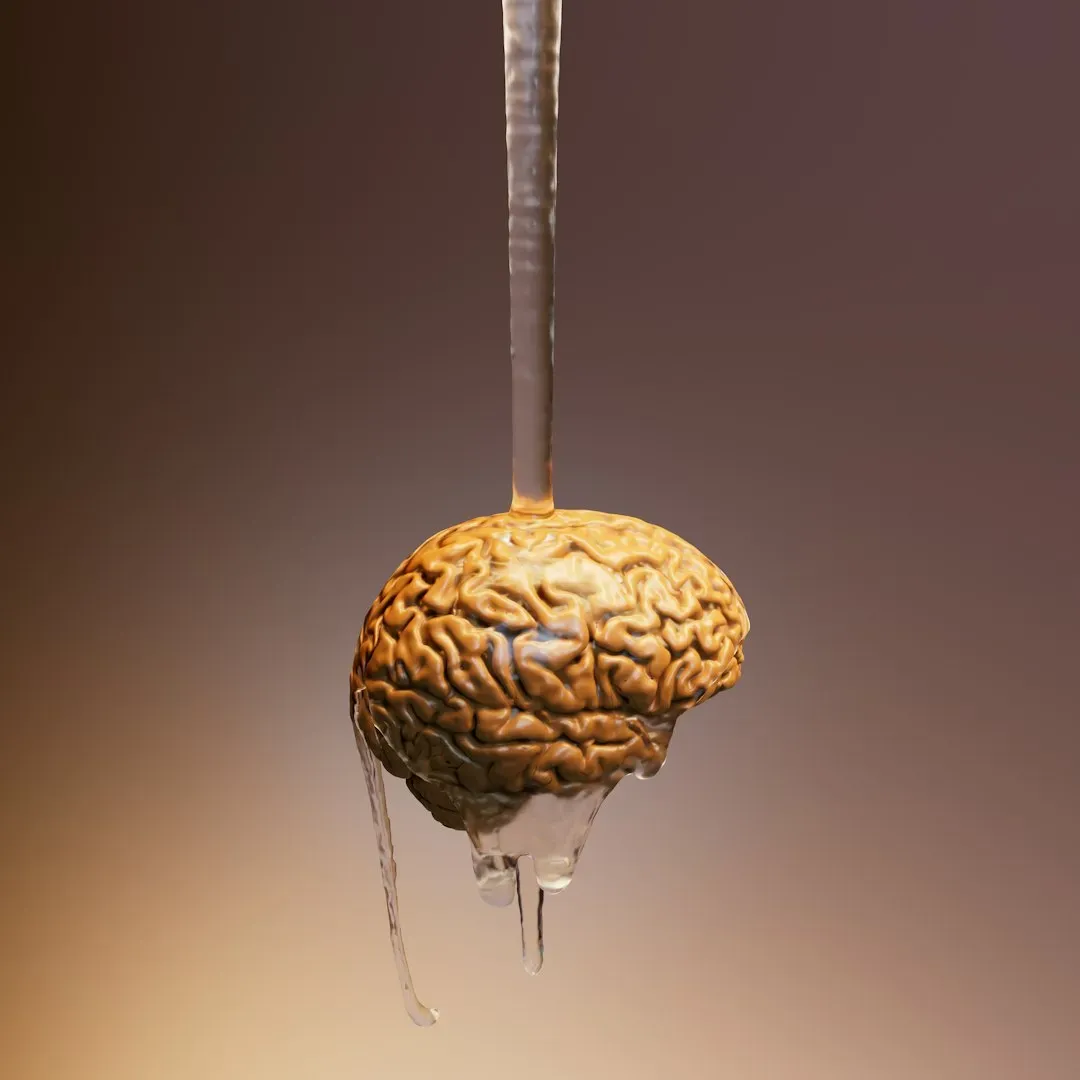
While you sleep, your brain essentially hires a night cleaning crew. During deep sleep, the spaces between brain cells appear to widen, allowing cerebrospinal fluid to flow more freely and flush out metabolic waste products that build up during the day. Some of these waste products are linked to neurodegenerative conditions when they accumulate, so this nightly rinse cycle is a big deal for long-term brain health.
Think of it like a busy office that cannot be cleaned properly while everyone is running around working. Only after the lights dim and people leave can the cleaners vacuum, empty bins, and reset everything for tomorrow. Sleep gives your brain that opportunity. When you regularly cut your sleep short, you are effectively shrinking the cleaning window, and over time that may contribute to brain fog, slower thinking, and possibly an increased risk of cognitive decline.
4. You Practice and Rewire Memories
Another strange thing happening in the dark: your brain replays and reorganizes your memories like a film editor cutting and stitching scenes together. During different sleep stages, especially deep sleep and REM sleep, the brain reactivates patterns from your day – skills you practiced, facts you learned, emotional experiences you had. This replay helps move information from short-term holding areas into more stable long-term storage.
If you have ever gone to bed frustrated you could not solve a problem and woken up with the answer, you have felt this process in action. It can be as simple as finally remembering a name or as profound as seeing a new creative connection. Without enough sleep, your brain basically keeps everything in an overstuffed inbox, and things get lost or misfiled. Sleep is when your mental filing system kicks in, making sense of what mattered and what can be quietly discarded.
5. Your Thermostat Resets and You Cool Down
One of the reasons bed feels so inviting at night is that your body temperature naturally starts to drop as part of the sleep cycle. In the hours before sleep, your brain signals blood vessels in your hands and feet to widen slightly, releasing heat and allowing your core temperature to fall. That cooling helps trigger drowsiness and makes it easier to drift off, which is why a too-hot room often leads to tossing and turning.
During the night, your temperature follows a rhythm, hitting its lowest point in the early morning before beginning to rise again to help you wake up. It is like your internal thermostat is on a slow, rolling wave. I once started sleeping better simply by lowering my bedroom temperature a couple degrees and using a heavier blanket to balance the cozy feeling with cooler air. That small shift was enough to work with my body rather than against it, and it made me realize how sensitive our sleep systems are to heat.
6. Your Heart and Breathing Get Weirdly Rhythmic
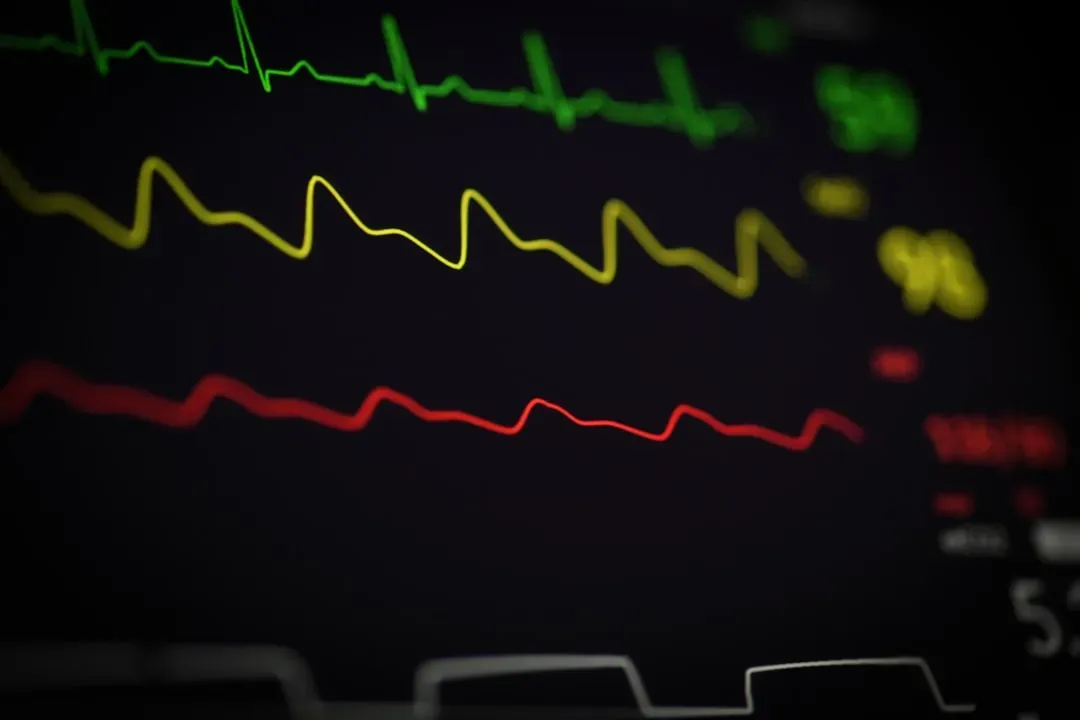
When you fall deeply asleep, your heart rate and breathing usually slow down and become more regular, giving your cardiovascular system a chance to rest. But during REM sleep, things can get surprisingly chaotic again. Your breathing can become more shallow and irregular, and your heart rate may speed up and slow down in sync with the emotional intensity of your dreams. It is as if your body is following the storyline playing out in your brain.
For most people, these fluctuations are normal and healthy, part of the way your autonomic nervous system resets and flexes its range. However, sleep is also when certain breathing-related issues reveal themselves, like snoring or sleep apnea, where breathing repeatedly stops and restarts. If you or your partner notice long pauses in breathing, loud choking sounds, or you wake up exhausted despite plenty of time in bed, it might be your nighttime heart and lungs signaling for attention rather than quietly humming along.
7. Your Muscles Freeze While Your Eyes Race
Here is one of the strangest contradictions of sleep: during REM, your eyes dart back and forth under your eyelids, your brain activity looks almost like you are awake, and yet your body is basically locked down. This temporary paralysis, called REM atonia, prevents you from acting out your dreams, which could be dangerous if your sleeping mind decides you are running, punching, or jumping from a moving train. Only a few small muscles, like those controlling your eyes and breathing, stay active.
In some people, this paralysis does not work properly, leading to disorders where people move or even lash out during dreams. That makes the normal freeze that feels so eerie during sleep paralysis suddenly look like a clever safety feature. It is almost like your brain says, you go ahead and live out the wildest action movie in your head, and I will make sure you do not actually wreck the bedroom while you are at it. Most of the time, this system does its job so quietly that we never even notice it working.
8. You Grind, Twitch, and Make Odd Little Movements
Even though major muscles are relaxed, your sleeping body is rarely completely still. Many people grind their teeth without realizing it, a habit known as bruxism. It can be linked to stress, misaligned teeth, or other factors, and over time it wears down enamel and strains the jaw. Others experience periodic limb movements, small, repeated leg or arm twitches that can subtly break up sleep quality without fully waking you.
I once woke up with my jaw feeling like I had chewed through a leather belt all night, only to be told later by a dentist that the wear patterns on my teeth screamed nighttime grinding. A simple mouth guard changed that, and I stopped waking up sore. These smaller movements can be your body’s way of releasing tension or responding to nerve signals, but when they become intense or constant, they are worth paying attention to, because they can quietly chip away at your rest without dramatic symptoms.
9. Your Hormones Run a Night Shift Schedule
While you sleep, your body is running a carefully timed hormone show behind the scenes. Growth hormone, which helps repair tissues and maintain muscles and bones, is released in larger amounts during deep sleep. At the same time, stress hormones like cortisol generally drop overnight and start to rise toward morning, preparing you to wake up more alert and ready for the day. Appetite-related hormones also shift, with some signals that control hunger and fullness being tuned during those nighttime hours.
When you consistently skimp on sleep or keep irregular hours, you are not just feeling tired – you are scrambling this hormone choreography. That can show up as increased cravings, sluggish metabolism, mood instability, or difficulty recovering from workouts and illness. I think of it like messing with the timing of traffic lights in a busy city: once the sequence is off, everything feels a little more chaotic and jammed. Getting regular, sufficient sleep helps keep the hormonal lights switching in the right order.
10. Your Immune System Trains and Repairs
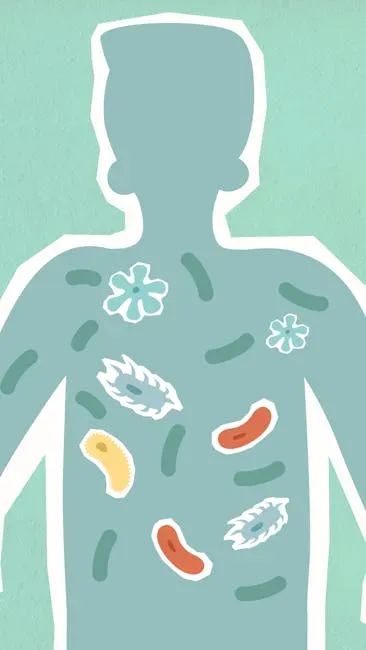
While you are tucked under the covers, your immune system is not idle; it is doing something closer to overnight training and repair. During sleep, especially deep sleep, your body ramps up the production of certain immune cells and signaling molecules that help recognize and fight infections. Sleep seems to support how the immune system forms memory of germs it has encountered, which might be one reason people who are consistently sleep deprived tend to catch colds more easily and take longer to recover.
Think of it as your internal defense team reviewing footage of the day’s battles and updating its playbook. If you repeatedly cut short that review time, your immune system is going into the next day less prepared. Many people only notice this connection when they finally let themselves rest during an illness and suddenly sleep for hours longer than usual. That is not weakness; it is your body throwing everything it has into repair mode, making sleep one of the simplest, most underrated tools for staying well.
Conclusion: Sleep Is Stranger – and Smarter – Than It Looks
When you zoom out and look at all of this together, sleep stops looking like wasted time and starts to feel like an incredibly sophisticated nightly overhaul. Your brain is cleaning and filing, your heart and lungs are recalibrating, your hormones are syncing up, and your immune system is sharpening its weapons. The weird sensations – the falls, the paralysis, the twitches – are often just side effects of deeply wired protective systems doing their best to keep you safe and functional.
Personally, once I learned what was really going on behind the scenes, I stopped treating sleep like optional downtime and more like an appointment I did not want to miss. You do not have to understand every tiny mechanism to respect how much your body is doing for you while you are out. Maybe the next time you feel that strange jolt, or wake from a wild dream, you will see it not as your body glitching, but as part of an ancient, intelligent process keeping you alive and adaptable. Knowing all this, are you still tempted to sacrifice sleep – or does it suddenly feel like the smartest thing you do all day?