Every so often, archaeology delivers a discovery that feels like someone has quietly edited the script of human history. Old certainties suddenly look fragile, timelines get stretched or compressed, and whole civilizations step out of the shadows. In 2026, researchers around the world continued to uncover finds that did exactly that: they did not just fill in gaps, they forced us to redraw the map in our heads.
Some of these breakthroughs came from the ground, others from satellites in orbit or algorithms crunching old data in new ways. A few confirmed what local traditions had hinted at for generations; others blindsided even the most seasoned experts. Together they tell a story that is still unfolding, and that might be the most exciting part: we are clearly nowhere near done discovering who we really are and where we came from.
1. Ancient DNA That Redrew the Family Tree of Early Humans
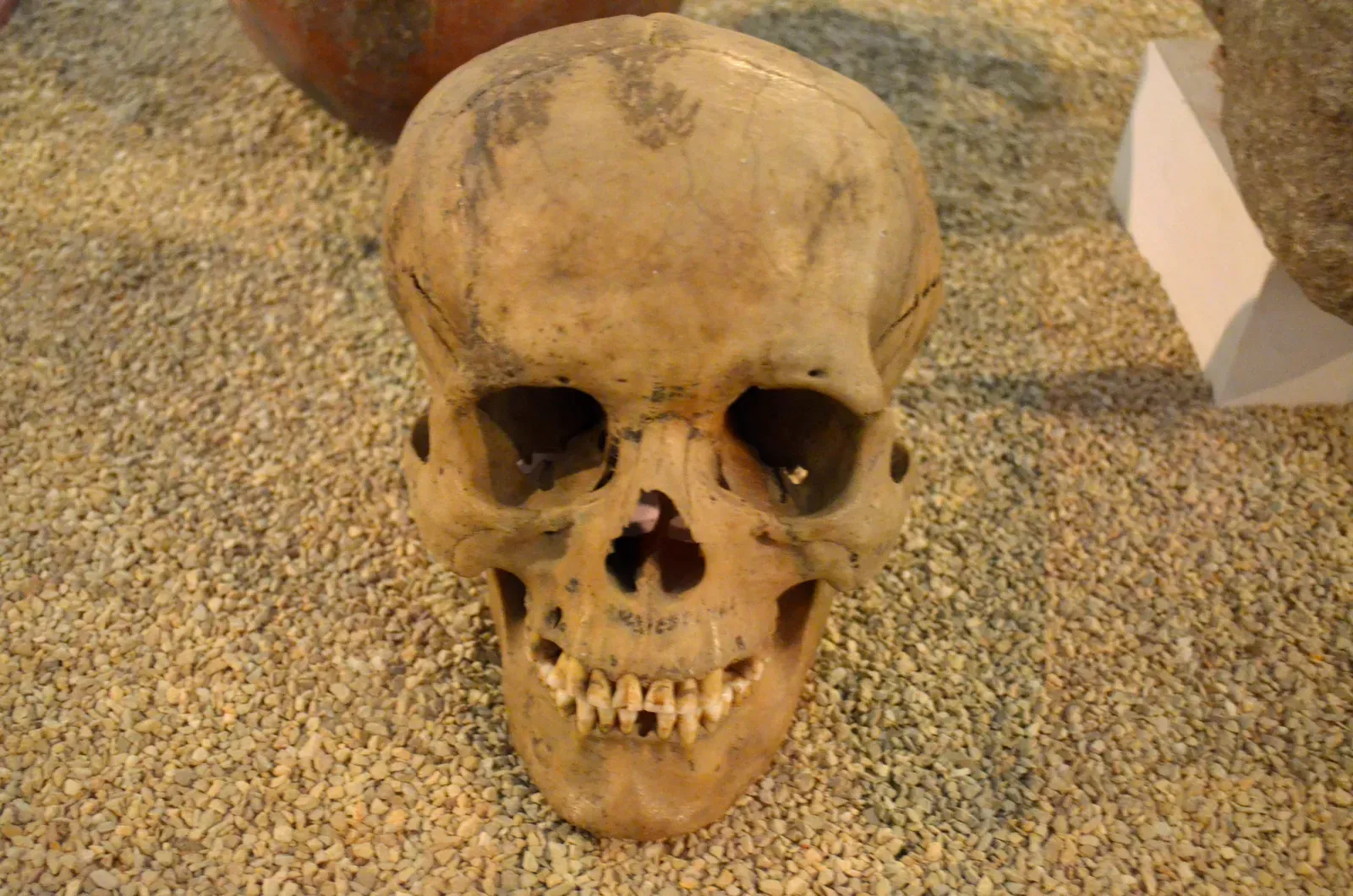
Imagine thinking you knew your family tree, then suddenly discovering entire branches you never knew existed. That is exactly what happened on a global scale as new ancient DNA studies in the mid‑2020s reshaped the story of early humans. With improved sequencing techniques, scientists began extracting genetic material from older and more fragile remains, sometimes from mere fragments of bone or teeth that had been sitting in museum boxes for decades.
These breakthroughs did not just tweak existing theories; they overturned them. Evidence of previously unknown population splits, surprising migrations, and repeated episodes of interbreeding between early Homo sapiens, Neanderthals, and Denisovans showed that our deep past was far more entangled than the neat diagrams in textbooks suggested. It became clear that human evolution looked less like a straight ladder and more like a braided river, full of side channels, re‑joins, and lost streams.
2. A Lost City Revealed by Laser Scans Beneath Dense Jungle
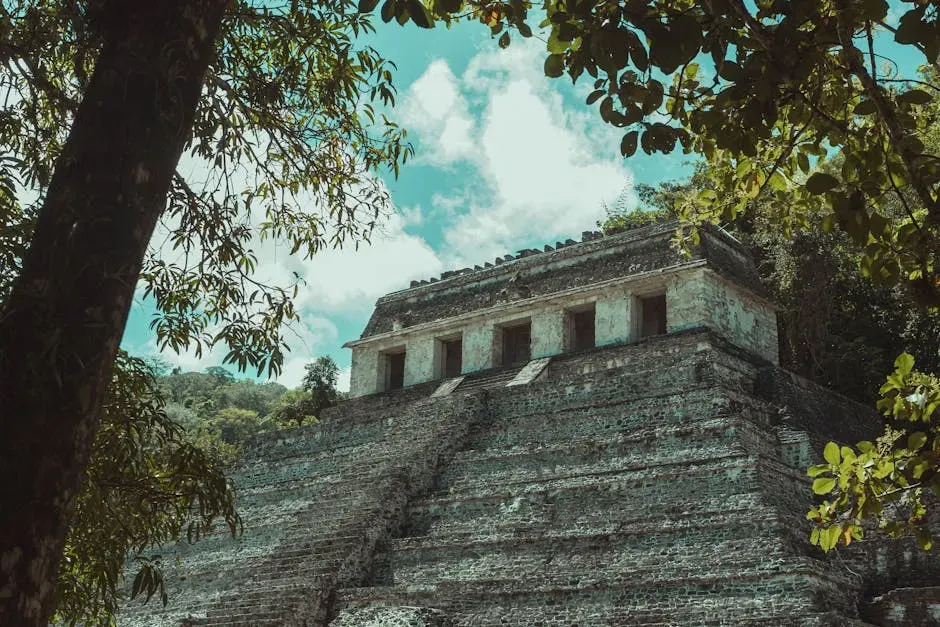
It is hard to beat the drama of a lost city hidden under thick tropical forest, and new lidar surveys delivered exactly that. Mounted on low‑flying aircraft, laser scanners pierced the canopy and produced detailed 3D maps of the landscape below, stripping away vegetation to reveal what the naked eye could never see. Out of what once seemed like untouched wilderness, geometric patterns emerged: gridded streets, canals, stepped platforms, and vast ceremonial plazas.
These discoveries showed that parts of the tropics once supported dense, highly organized urban civilizations rather than scattered villages. Agricultural terraces, water‑management networks, and planned neighborhoods suggested sophisticated environmental engineering and long‑term planning. For many researchers, it meant admitting they had underestimated both the size and the complexity of pre‑Columbian societies, and that the line between “jungle” and “city” was much blurrier than anyone had wanted to believe.
3. Submerged Stone Structures That Changed Sea-Level Timelines
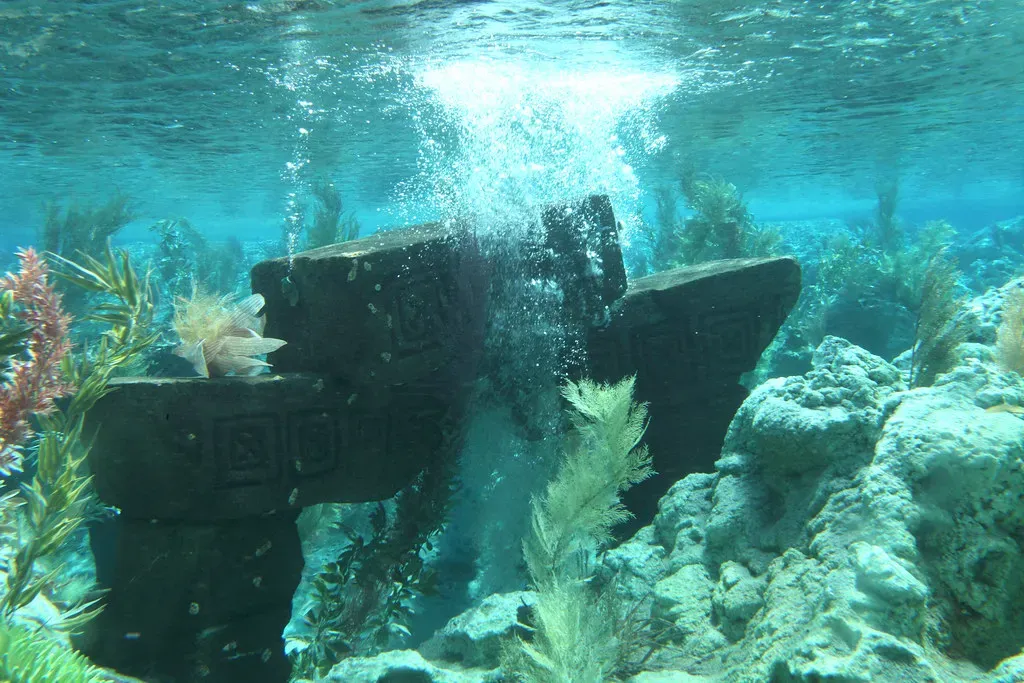
Off several coastlines, divers and underwater archaeologists documented stone constructions sitting far below modern sea level: walls, platforms, and arrangements that did not match natural formations. While scholars are always cautious about interpreting anything underwater as human‑made, multiple surveys, careful mapping, and comparative geology began to strengthen the case. These were not random rocks; they were shaped and placed with intent.
If that is right, it forces a serious reconsideration of when people lived along now‑submerged coastal shelves and how quickly sea levels rose after the last Ice Age. Instead of imagining ancient communities simply chasing retreating shorelines, we start to see them as active builders whose settlements were swallowed over generations by a relentlessly rising ocean. It is a sobering thought: entire chapters of human history may now lie hidden under the waves, out of sight but not entirely beyond reach.
4. A Ritual Complex That Reframed Early Religion
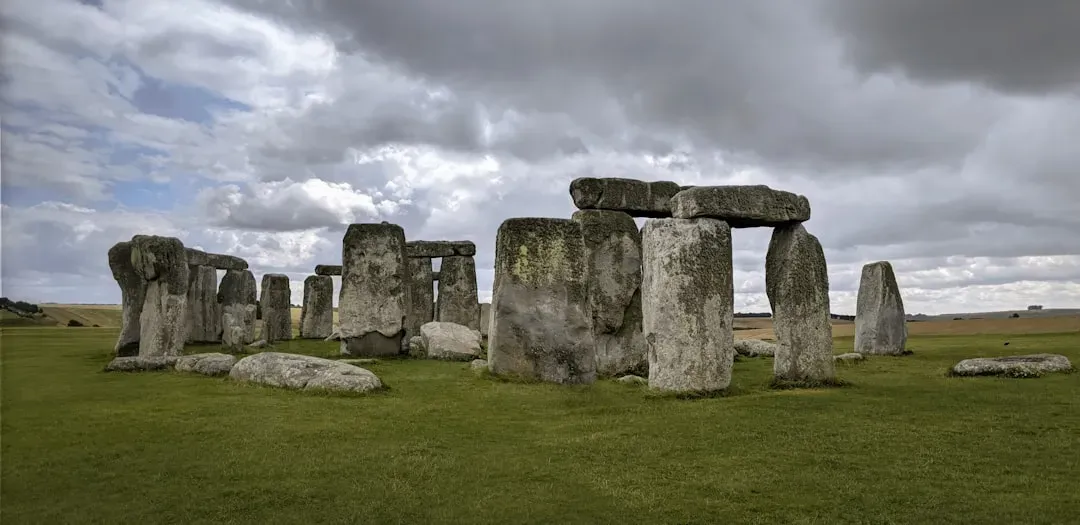
In one excavation after another, archaeologists uncovered ritual spaces that did not fit older, simple narratives about “primitive” beliefs. Monumental stone circles, structured deposits of offerings, and evidence of feasting on a grand scale suggested that organized ritual was central to community life far earlier than many textbooks implied. These places were not side notes to subsistence; they were focal points that drew people together across large regions.
What made these complexes especially powerful was how they blended the practical and the spiritual. Storage pits, cooking areas, and accommodation zones sat right beside altars, processional routes, and carefully oriented buildings. It challenged the familiar idea that economic needs came first and religion emerged later as a kind of luxury. Instead, it hinted that belief, identity, and shared story were engines of cooperation from almost the beginning, helping strangers act like kin.
5. Reinterpreted Cave Art That Expanded the Meaning of “Artist”
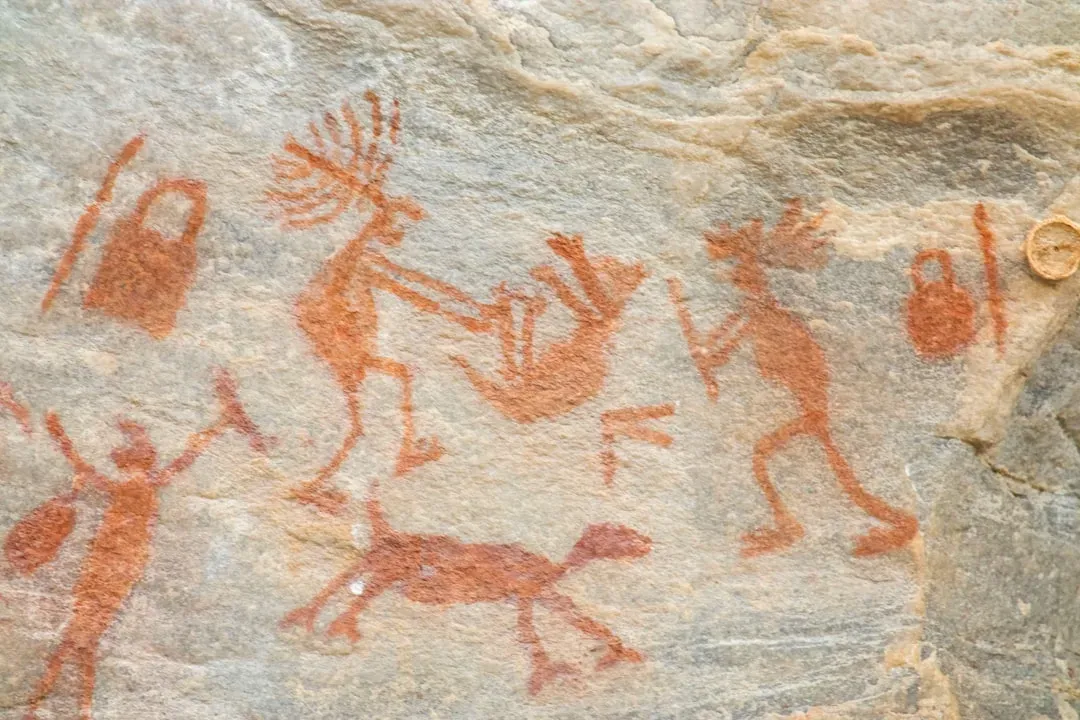
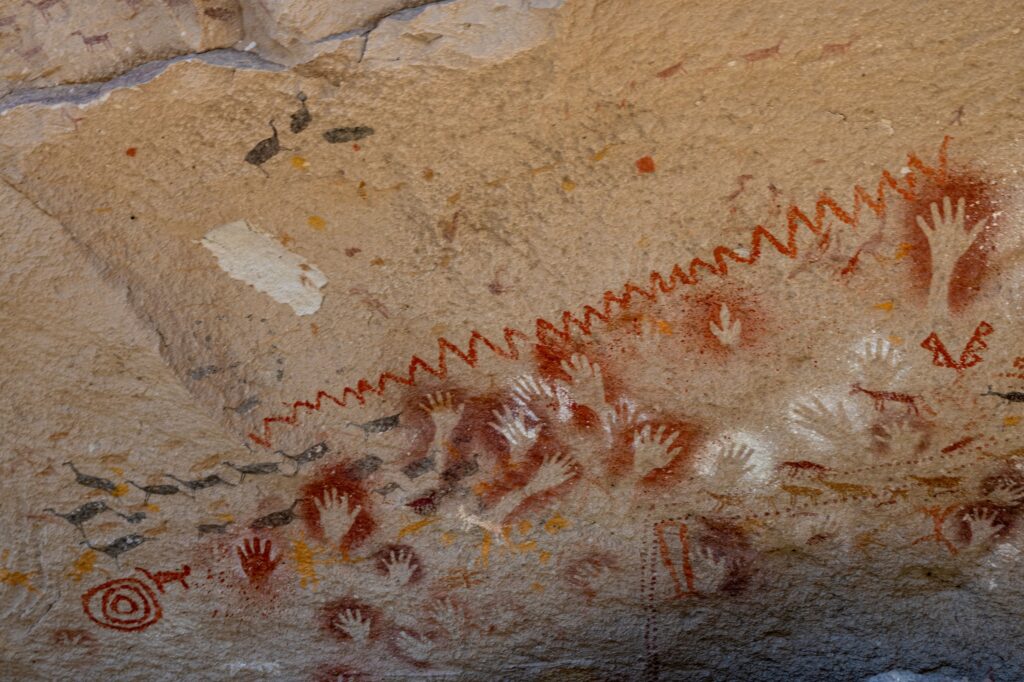
Cave paintings and engravings have long been celebrated as early masterpieces, but recent analysis has quietly changed how we think about who made them. Detailed measurements of hand stencils, studies of height and reach, and comparisons of pigment placement suggested that not all artists were adult men, as once casually assumed. Many marks appear to belong to women and adolescents, and in some cases even younger children.
That realization sounds small, but its emotional impact is huge. Suddenly, when you picture a torchlit cave wall, you are no longer imagining a lone male hunter decorated with heroic symbolism, but mixed groups: families, circles of teenagers, elders teaching techniques, perhaps younger kids copying what they saw. The art stops being a “male ritual space” and becomes a richer, more communal scene, reminding us that creativity has always been more democratically spread than narrow stereotypes admit.
6. A Desert Trade Hub That Upended Ancient Economy Maps
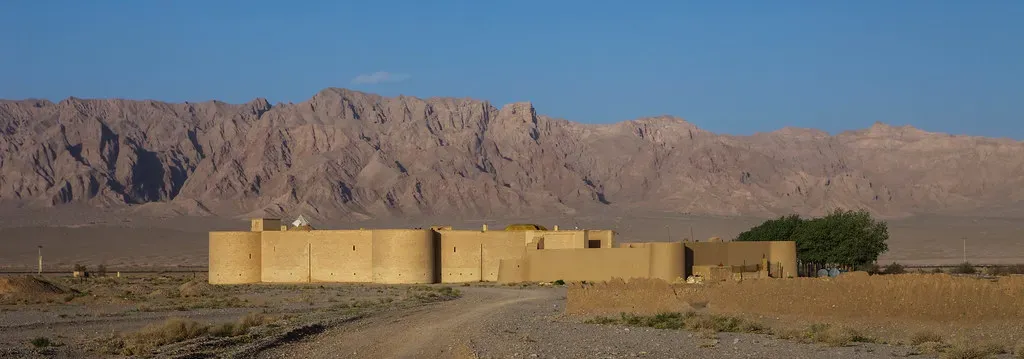
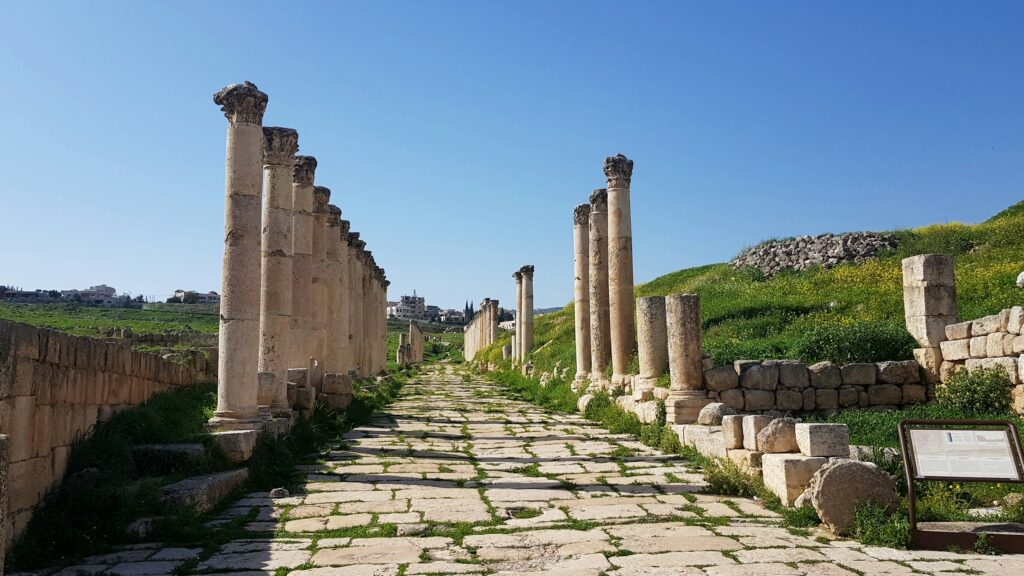
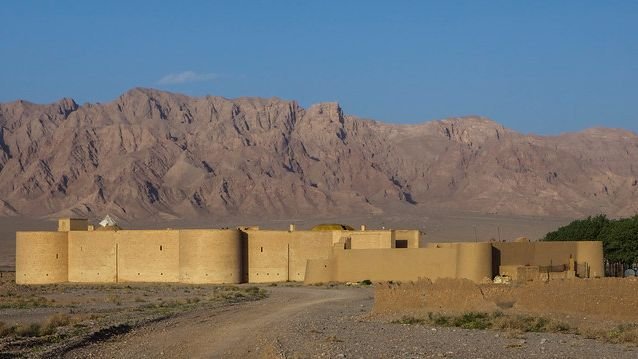
Deep in arid regions long written off as marginal, excavations and remote sensing brought to light sprawling caravan hubs. These sites featured warehouse‑like buildings, caravanserai courtyards, workshops, and thick layers of imported goods: glass from distant coasts, beads from faraway mines, ceramics from multiple cultures. Rather than empty wastelands, these deserts had served as the beating heart of trade networks linking continents.
This forced historians to redraw ancient economic maps that had focused almost exclusively on river valleys and coastal ports. The new evidence suggested that desert dwellers were not peripheral nomads drifting at the edges of “real” civilizations, but skilled brokers who managed risk, controlled routes, and taxed traffic. In a way, it is like realizing that the most important intersections in a modern country are not shiny airports, but anonymous highway junctions where everything passes, even if no one pays much attention.
7. A Re‑Dated Megastructure That Made Civilization Older
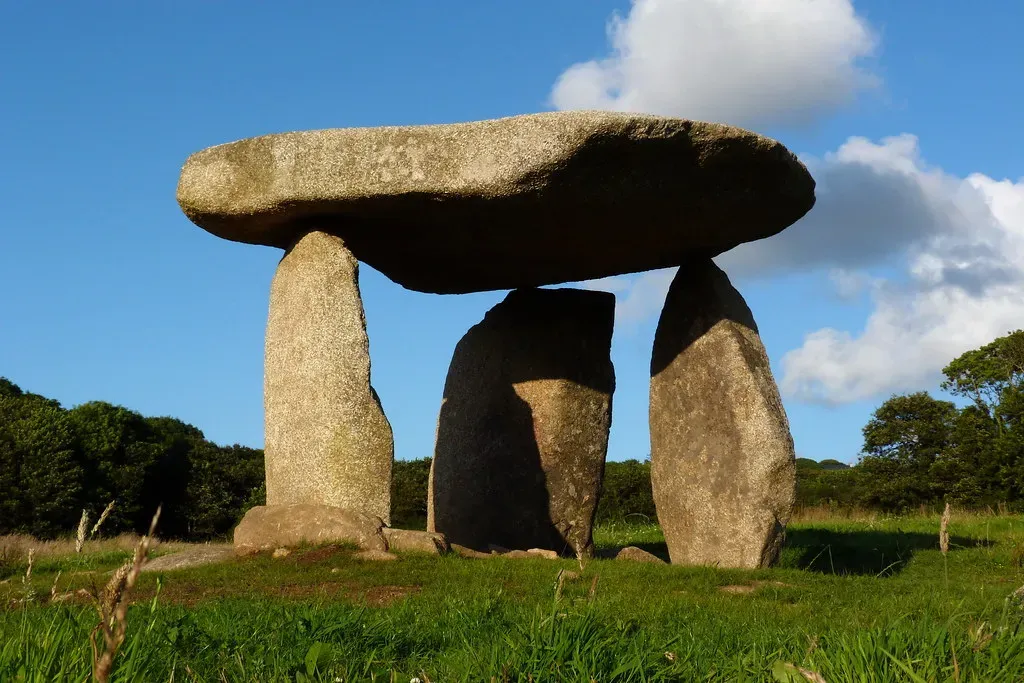
Using more refined dating techniques, including improved radiocarbon calibration and luminescence methods, researchers revisited a monumental structure once believed to belong to a relatively recent epoch. The surprise came when the new dates pushed its construction back by many centuries, perhaps even more than a millennium, earlier than previously thought. This was not a minor adjustment; it affected the very timeline of when complex societies emerged in that region.
If such sophisticated engineering and large‑scale labor organization existed so early, then other aspects of civilization – administration, belief systems, craft specialization – must have developed earlier too. It feels a bit like realizing that a famous building in your hometown was actually erected long before your town supposedly existed. You suddenly have to question everything you thought you knew about what came first and who was capable of what, and you cannot help wondering what else is hiding in the dating margins.
8. An Ancient Harbor That Showed Oceans as Highways, Not Barriers
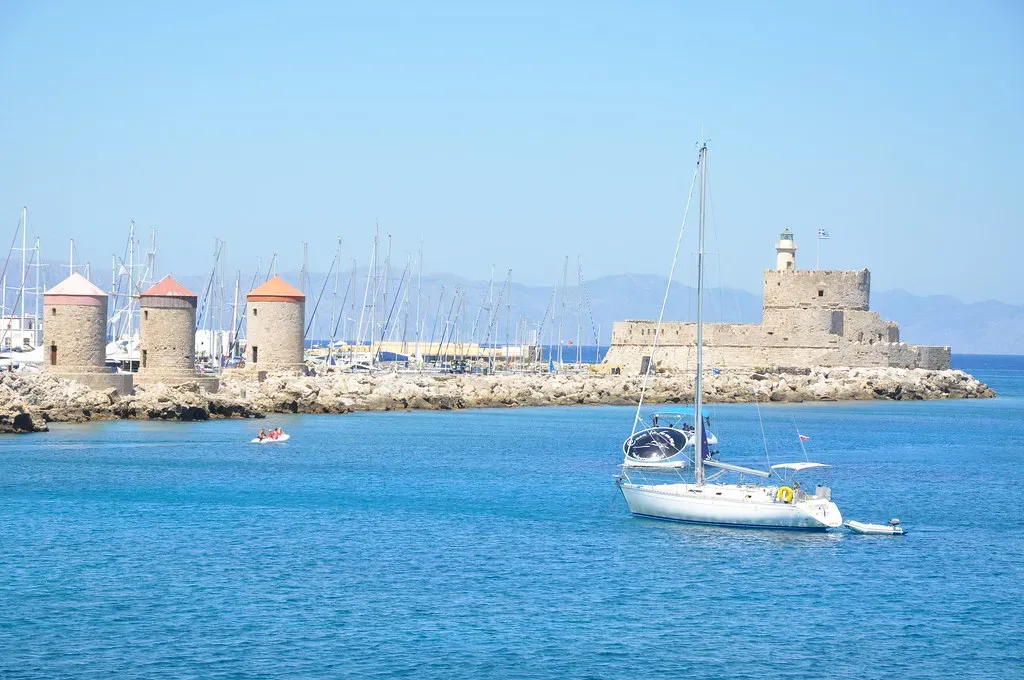
Excavations at a deeply silted coastal site revealed the remains of a sophisticated harbor: breakwaters, quays, warehouses, and repair yards carefully laid out to manage ships and cargo. The volume and diversity of finds made it clear this was not a small local port but a major hub, connecting communities separated by hundreds or even thousands of kilometers of water. Skeletal remains of fish and shells from distant regions added another layer of evidence.
Such discoveries reinforce the idea that ancient mariners were bolder and more networked than we have usually credited. Rather than seeing seas as dangerous boundaries on the edge of their world, they treated them as fast lanes for trade, migration, and cultural exchange. When you realize that, it becomes easier to understand how similar myths, technologies, or artistic styles could appear far apart; they were traveling with people who thought nothing of a long voyage under sail and stars.
9. A High‑Altitude Settlement That Rewrote Adaptation Stories
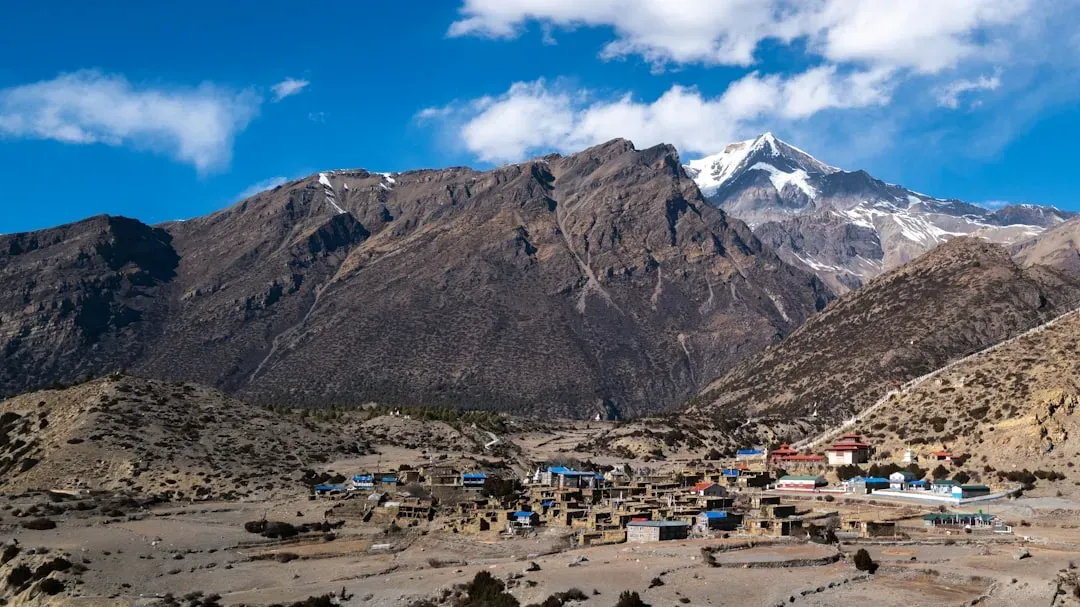
In rugged mountain regions once considered too harsh for sustained ancient settlement, archaeologists found traces of permanent high‑altitude communities: stone houses, terraced fields, hearths, and burial grounds above heights previously assumed to be seasonal stopovers. Coprolites, plant remains, and animal bones painted a picture of people who had figured out nutrition, herding, and farming in thin air. This was not a brief experiment; it lasted generations.
These finds show that human adaptability is even more impressive than many models assumed. Instead of a simple movement from “easy” lowlands to “harder” uplands over time, you get a picture of people boldly testing environmental limits much earlier. It is a reminder that when the stakes are high enough – security, pasture, resources – communities will innovate in ways that surprise even future scientists. Personally, it makes me think of mountain villages I have visited today and how their stubborn resilience may echo choices made thousands of years ago.
10. Recovered Texts That Gave Voice to the “Silent” Majority
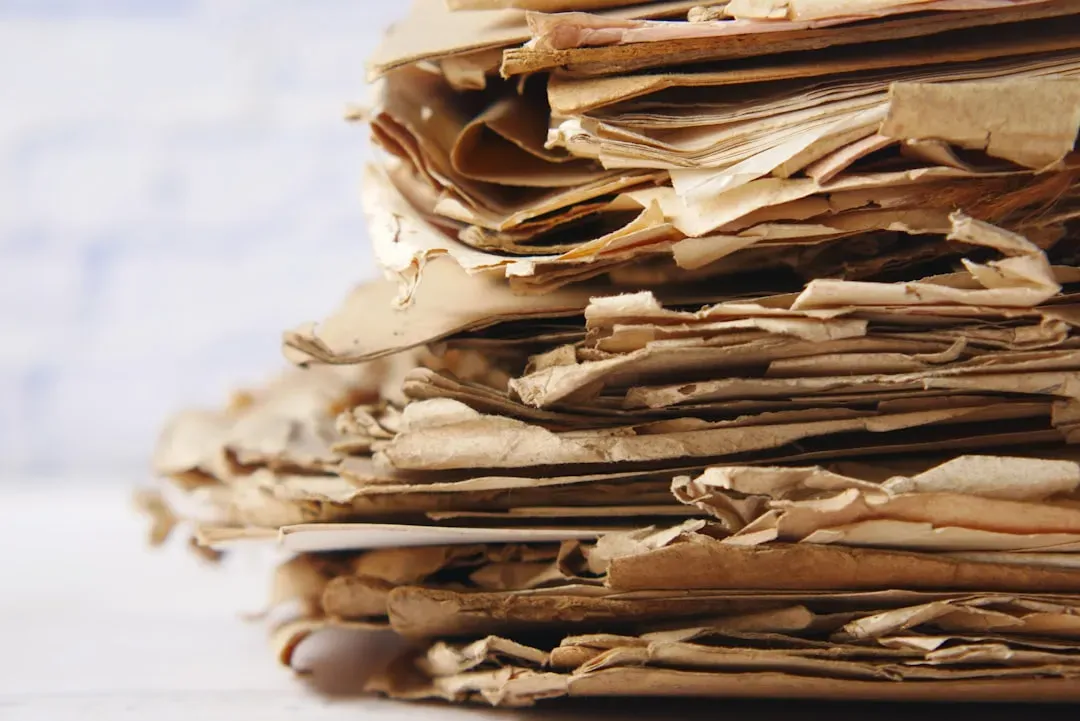
Every new deciphered inscription or recovered manuscript can feel like a time machine, but some recent textual discoveries were especially poignant. Instead of royal decrees or elite boasting, they contained contracts, complaints, prayers, and casual notes from ordinary people: disputes over land, worries about harvests, instructions about work, small flashes of humor and frustration. Suddenly, we were not just hearing from kings and generals, but from the people who actually made up most of the population.
This growing body of everyday writing is changing how historians reconstruct ancient societies. It reveals that the supposedly passive masses were sharp negotiators, emotional, and self‑aware, dealing with bureaucracy and family drama in ways that feel surprisingly familiar. Reading through translations of these texts, you cannot help but feel a rush of recognition, like overhearing snippets of conversation in a crowded café. The past stops being a distant, heroic stage and becomes a messy, human neighborhood.
11. A Child Burial That Transformed Views on Prehistoric Care
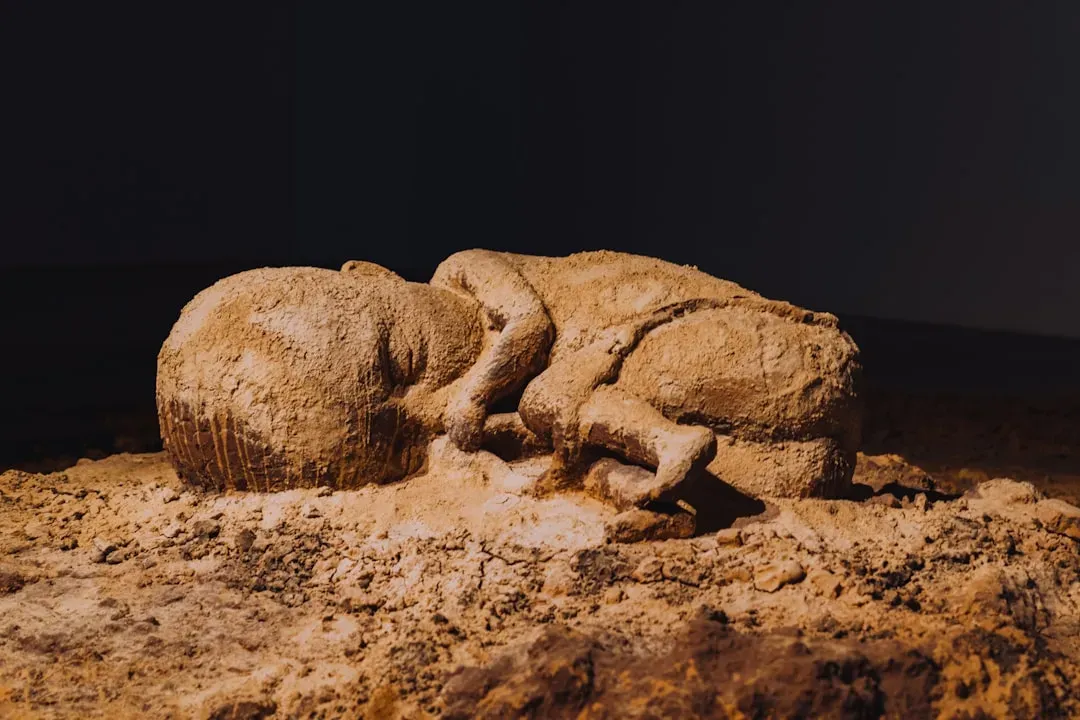
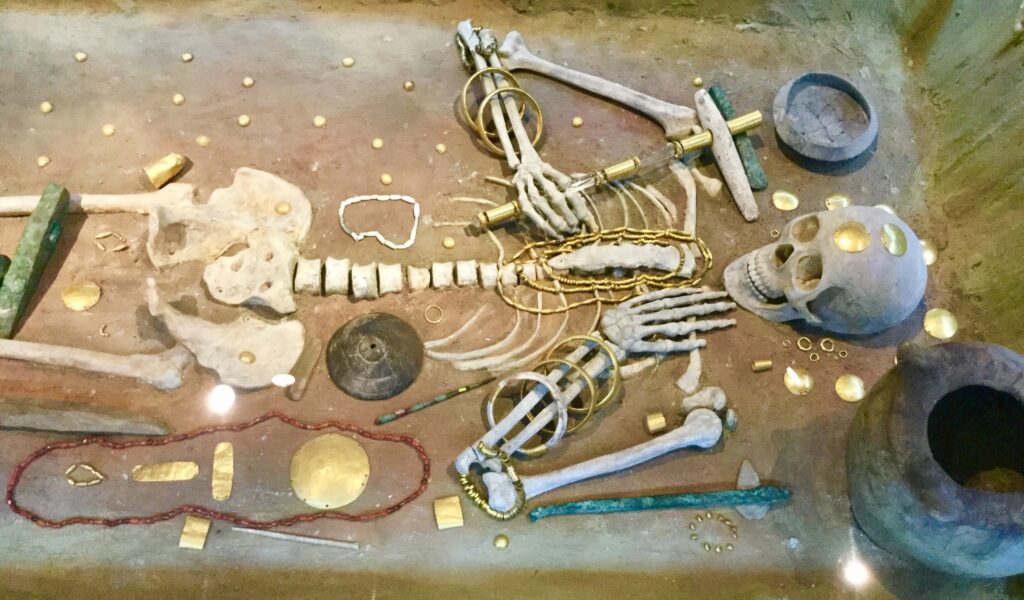
Archaeologists have long known that ancient communities buried their dead with care, but some recent child burials have taken that tenderness to another level. One particularly striking find showed an infant laid to rest with intricate grave goods, carefully arranged ornaments, and signs that others had visited the grave later. Analysis of the bones suggested that the child had lived with a serious condition, requiring long‑term attention and support before death.
That combination – emotional investment in burial and extended care in life – pushes back against lazy assumptions that prehistoric societies were purely pragmatic about those who could not contribute fully to survival. Instead, it hints at deep social bonds, empathy, and perhaps spiritual beliefs about vulnerability and protection. For many people reading about such finds, it hits close to the heart: love and grief did not arrive with modernity; they have been here as long as we have.
12. Newly Mapped Earthworks That Revealed Hidden Landscapes
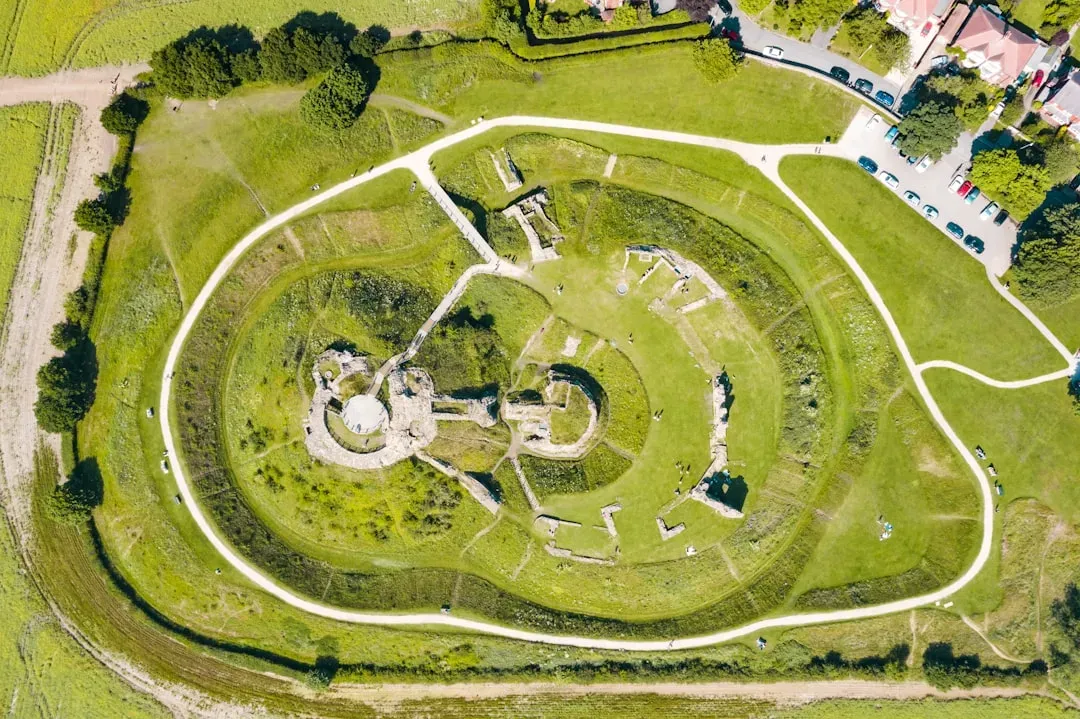
From the air or through satellite data, seemingly empty plains and forests began to light up with traces of human modification: ditches, embankments, geometric enclosures, and long linear earthworks. Many had been invisible on the ground, erased by agriculture, erosion, or vegetation, but they persisted just enough in the micro‑topography to show up as faint shadows in digital models. Piece by piece, archaeologists stitched these clues into vast engineered landscapes.
The scale of some of these systems, with coordinated features stretching for many kilometers, suggested a level of planning and labor mobilization that earlier surveys had completely missed. It meant that regions written off as lightly populated may once have been densely managed cultural landscapes. The effect is like discovering that a plain brown canvas actually hides an intricate painting beneath, only visible when you shine the light at the right angle. Once you see it, you cannot unsee it.
13. A Surprising Diet Revealed by Microscopic Food Traces
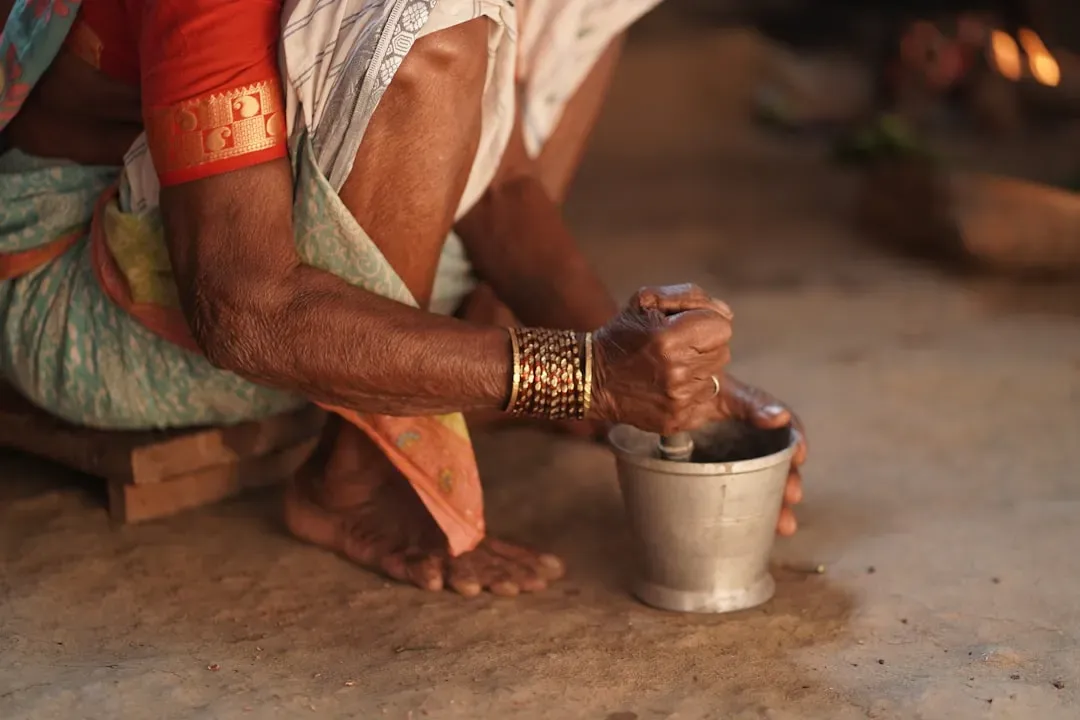
Sometimes, the biggest surprises come not from golden artifacts but from sticky residue in ancient cooking pots or microscopic particles trapped in dental calculus. New chemical and microscopic analyses have revealed unexpected ingredients: spices traveling across continents, wild plants creatively combined with domesticated crops, and seafood eaten far inland. These details show that people’s diets were often more varied and adventurous than older stereotypes of “simple” ancient meals.
Such evidence tweaks our understanding of trade and taste at the same time. If a community was using a particular spice or ingredient that came from far away, it means they were plugged into wider exchange networks, but it also means they cared enough about flavor and tradition to seek those foods out. Knowing that somebody thousands of years ago appreciated a certain tang or aroma makes them feel strangely close, like discovering you share a favorite dish with someone who lived millennia before you.
14. A Reassessed “Barbarian” Site That Showed High Craftsmanship
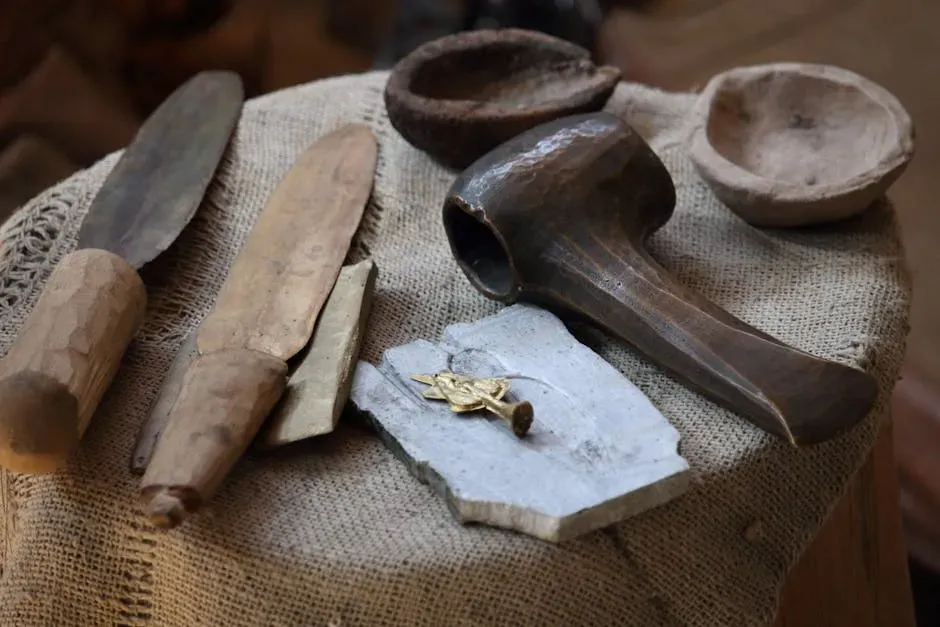
In regions long described in ancient texts as home to “barbarians,” several sites have yielded astonishingly fine metalwork, textiles, and woodworking. When studied up close, these objects show technical sophistication equal to or even surpassing contemporary empires they supposedly threatened. Fine inlays, complex weaving patterns, and advanced alloy recipes suggest a deep knowledge base passed carefully between generations of artisans.
This contrast between prejudiced historical descriptions and archaeological reality forces a rethink of who gets labeled “civilized.” It highlights how often “barbarian” simply meant “people we fight with” rather than an honest description of cultural achievement. For me, it is a helpful reminder not to take any single written source at face value, especially when it punches down. Dirt and artifacts, in their quiet way, sometimes tell a fairer story than all the grand chronicles.
15. Ancient Climate Records That Linked Collapse and Resilience
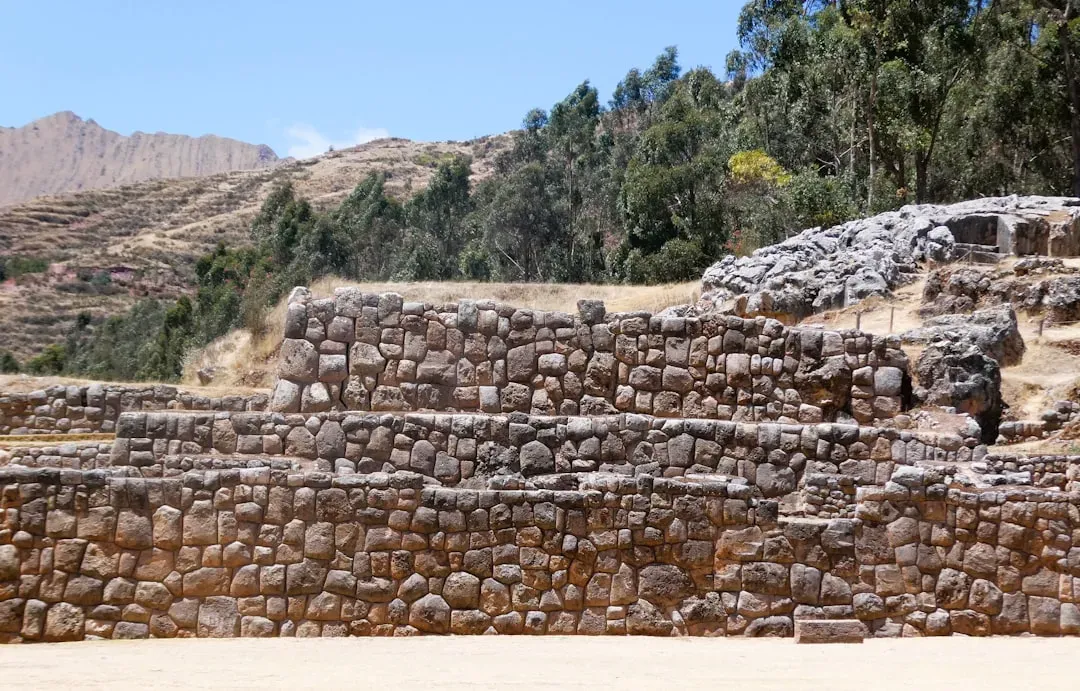
By studying tree rings, lake sediments, cave formations, and ice cores alongside archaeological layers, researchers stitched together far more detailed climate histories around key turning points. In some cases, they found clear signals of droughts, floods, or volcanic events lining up with political collapses, migrations, or changes in settlement patterns. This does not mean climate alone “caused” everything, but it shows it often set the stage.
Equally interesting were the stories of resilience: societies that adjusted their farming techniques, diversified crops, or shifted trade routes to ride out environmental stress. These examples complicate any easy narrative of inevitable doom and highlight the importance of governance, flexibility, and social cohesion. In a century grappling with its own climate challenges, seeing how earlier communities adapted – or failed to – feels uncomfortably relevant, like receiving a bundle of warning notes from very distant relatives.
16. A Multicultural Cemetery That Challenged Ideas of Ancient Identity
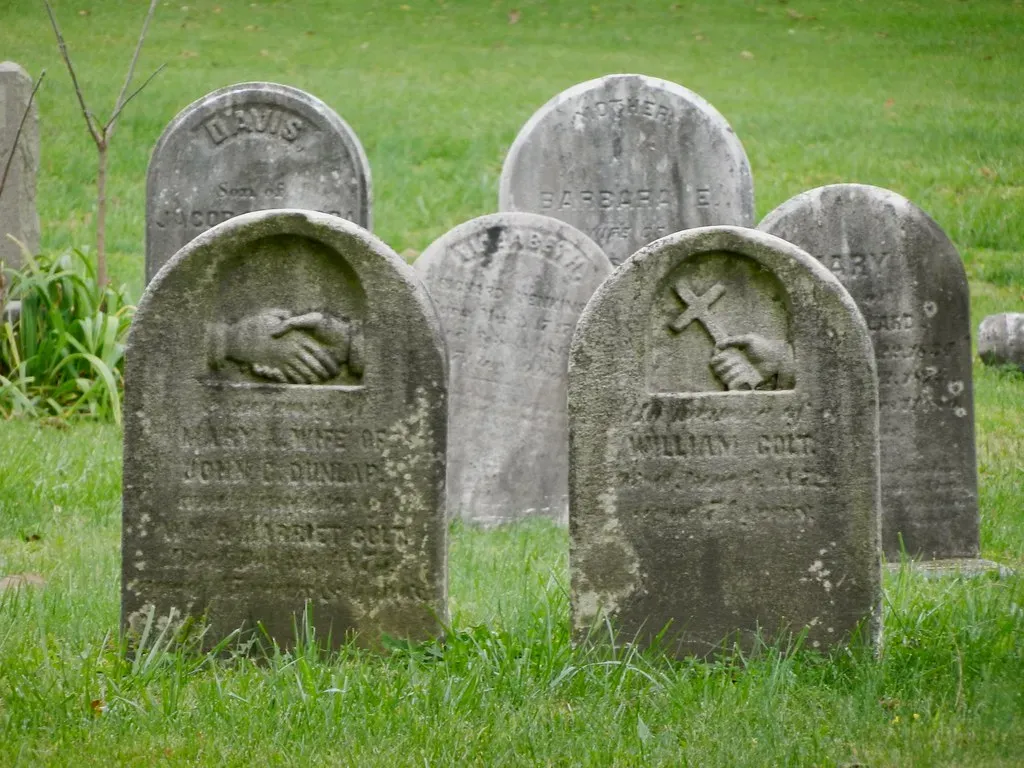
Excavations at a large burial ground near a major crossroads revealed something striking: individuals buried there came from a surprisingly wide range of genetic, cultural, and geographic backgrounds. Differences in grave goods, body treatments, and isotopic signatures in teeth and bones pointed to people who grew up in different regions but ended up sharing the same resting place. It looked less like a closed village cemetery and more like a cosmopolitan necropolis.
This kind of evidence complicates simple ethnic or national labels often slapped onto past societies. Instead of neat blocks of uniform “peoples,” we see tangled webs of movement, intermarriage, and layered identities. It feels very contemporary: communities negotiating who belongs, how to blend traditions, and what it means to share space with outsiders who slowly become insiders. The past, once again, looks less like a static mosaic and more like a constantly shifting collage.
17. A Workshop Quarter That Exposed Hidden Tech Innovation
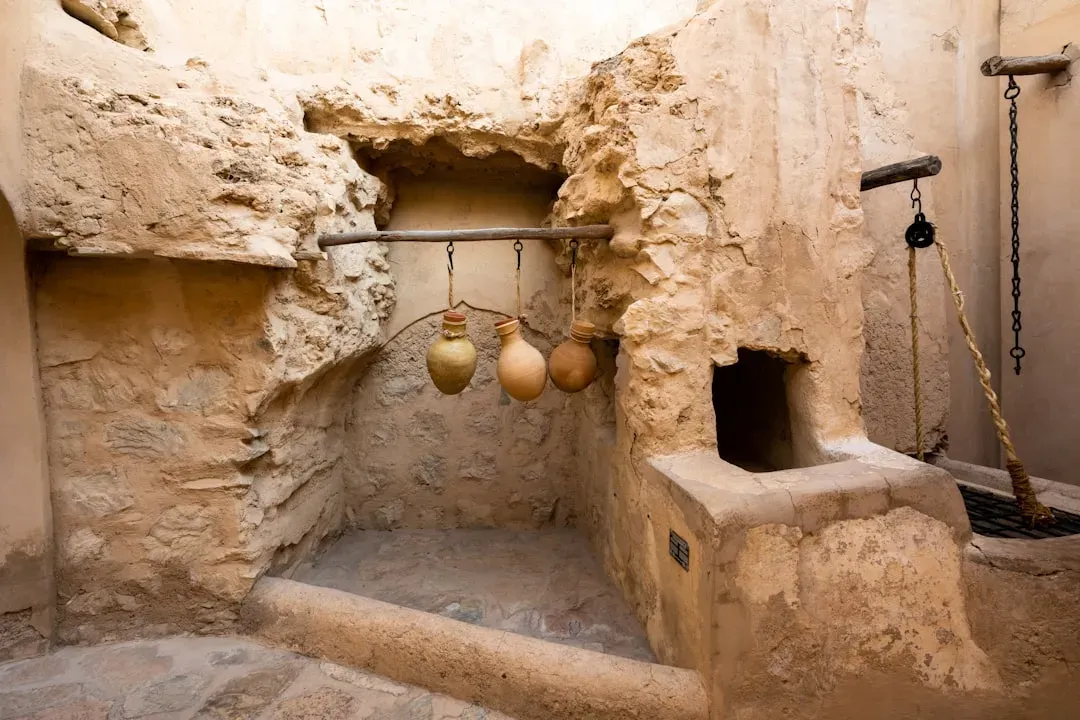
In what first looked like a nondescript area outside an ancient town’s main walls, archaeologists uncovered an intense cluster of workshops: metal smelting furnaces, pottery kilns, glass production areas, and piles of failed experiments. Careful study revealed not just routine manufacturing, but sequences of trial and error as artisans tested new mixtures, forms, and firing techniques, some of which anticipated technologies thought to emerge much later.
This kind of site reminds us that innovation is often messy, local, and collaborative rather than the result of single heroic inventors. Scraps, misfires, and half‑baked ideas littered the ground, telling the story of craftspeople pushing the boundaries of what they could make with the materials they had. For anyone who has ever burned a recipe or ruined a project before getting it right, there is something heartening about seeing that same pattern play out thousands of years ago in the glow of a charcoal‑fed kiln.
18. A Reinterpreted Monument That Shifted Its Meaning Entirely
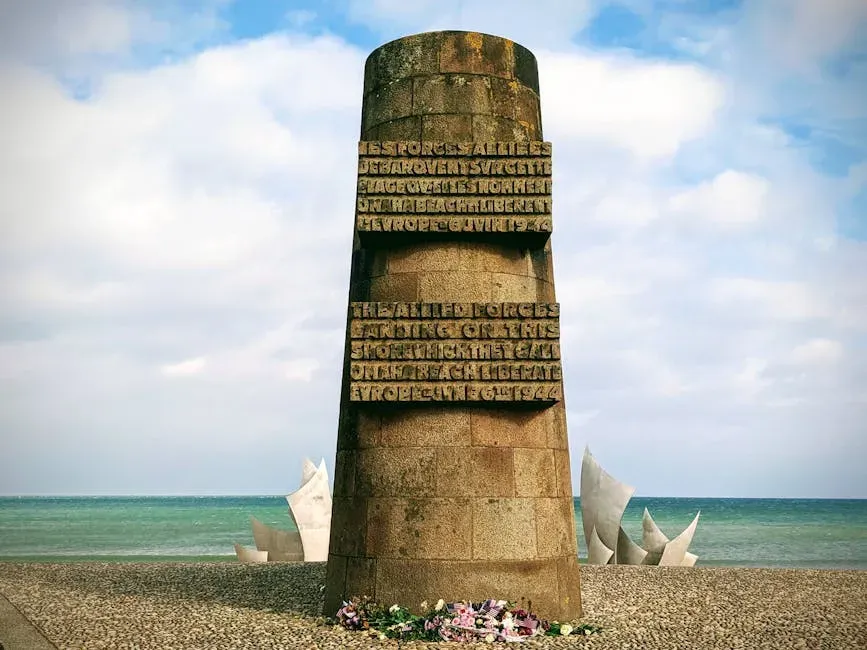
Sometimes we think we know what a monument represents, only to discover we have been projecting our own assumptions onto it. Fresh excavations and contextual studies around a well‑known structure led some researchers to argue that it had been misclassified for decades. Instead of being primarily a fortress or purely a temple, evidence pointed to a multifaceted role: ritual center, political stage, market, and perhaps even seasonal gathering place for dispersed groups.
That shift in interpretation has ripple effects on how we understand the community that built and used it. A fortress implies constant anxiety about attack; a shared gathering ground suggests negotiation, alliance‑building, and controlled competition. The same stones, seen through a different lens, tell a different story about power and everyday life. It is a useful reminder that archaeology is not just about finding things; it is about asking better questions of what we have already found.
19. A Digital Reconstruction That Brought an Entire City Back to Life
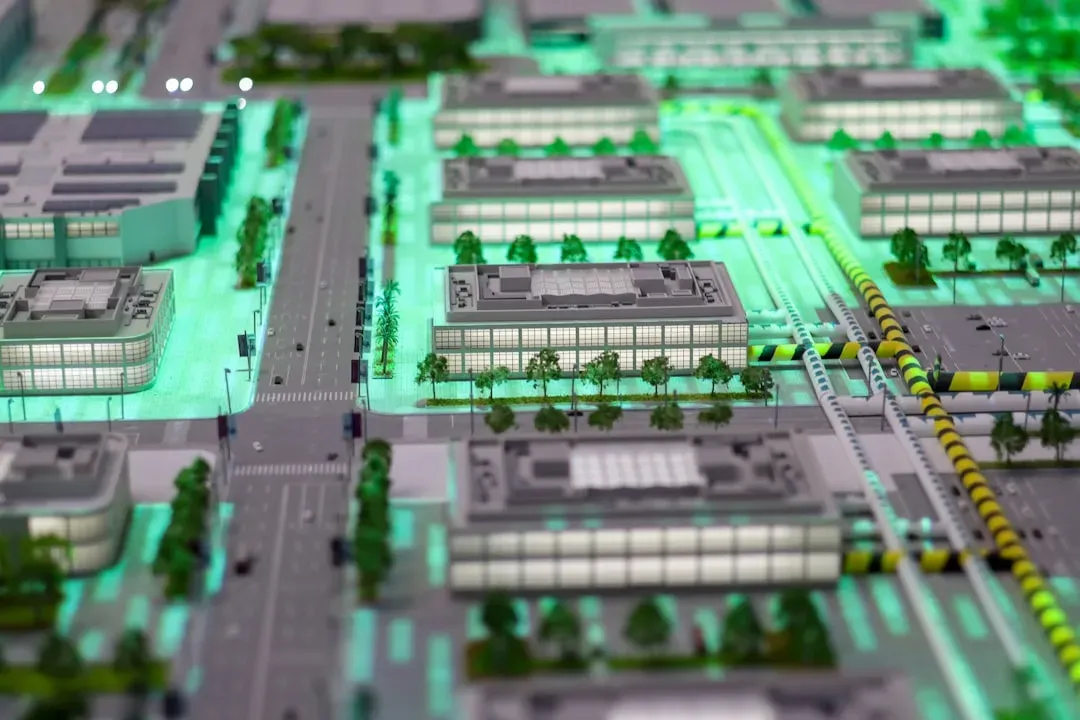
Thanks to advances in 3D modeling, VR, and AI‑assisted reconstruction, archaeologists and technologists have been able to digitally rebuild ancient cities using excavation data, historical records, and comparisons with similar sites. In one particularly ambitious project, a partially understood urban center was recreated in immersive detail, from street layouts and building heights to likely colors, sounds, and even light at different times of day. Walking through it in virtual form felt uncannily real.
While this might sound like a fancy visualization tool, its impact goes deeper. By forcing researchers to decide how walls join, where doors sit, and how crowds might move, digital reconstructions expose gaps and contradictions in our interpretations. They make it easier for both experts and the public to challenge assumptions and suggest alternatives. In that way, the virtual city becomes a laboratory for ideas about the real one, rewriting history not through new dirt, but through new ways of seeing what is already there.
Conclusion: History Is Not Finished, It Is Still Being Written
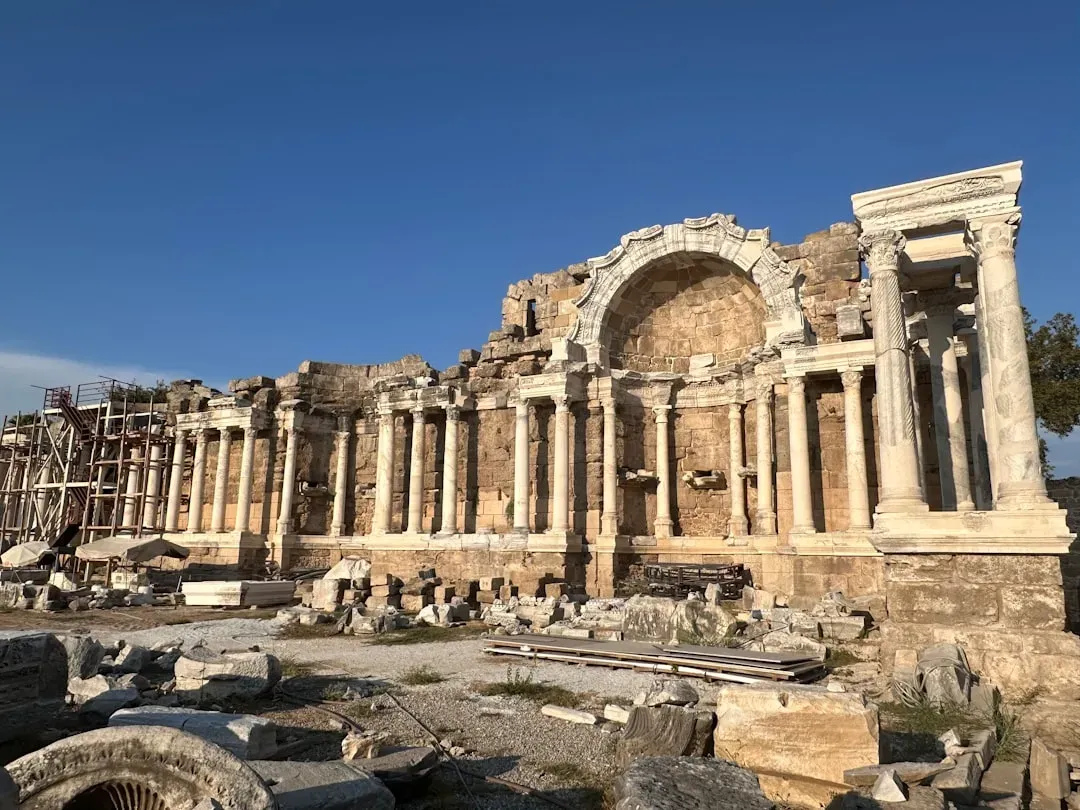
Looking across these discoveries, a pattern emerges: again and again, the past turns out to be more complex, more interconnected, and more human than the simple stories we grew up with. Ancient people traveled farther, cooperated more broadly, cared more deeply, and experimented more boldly than they are often given credit for. Each new find is like another lamp switched on in a vast, dim hall, showing that the edges of what we know are still much closer than we might like to admit.
In a way, that is incredibly freeing. If our understanding of history can change this much with a few bones, bricks, and bits of DNA, then we can also change our understanding of ourselves, our neighbors, and our future paths. The ground beneath our feet is still full of untold stories, waiting for the right question, the right tool, or the right burst of curiosity. When the next big discovery arrives, will it confirm what you expected – or turn everything upside down again?