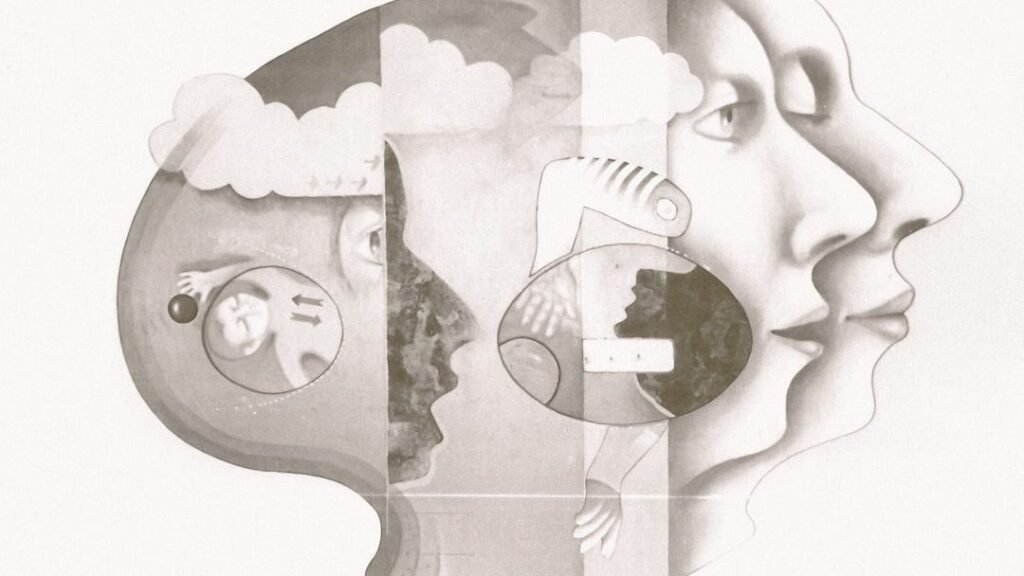

If you have ever walked into a room and instantly forgotten why you are there, you have already felt how sneaky your brain can be. We like to believe we see the world clearly and remember events accurately, but the truth is far messier and, honestly, a little bit shocking. Your brain is less like a camera and more like a fast-talking storyteller, constantly filling in gaps and smoothing over contradictions so life feels coherent.
Once I realized how often my own mind bends reality, it was both unsettling and strangely comforting. Unsettling, because it means I am not as objective as I’d hoped. Comforting, because everyone else is living with the same glitchy hardware, too. As you read through these ten daily brain tricks, notice how many you recognize from your own life. You might never trust your thoughts in quite the same way again – and that is actually a good thing.
1. Your Brain Fills In The Blanks And Calls It “Reality”

Have you ever skimmed a sentence, misread a word, and still felt completely certain you saw it correctly? That happens because your brain is wired to predict what should be there and then quietly fill in the gaps. Instead of processing every single detail from scratch, it uses past experiences and context like a shortcut, which saves energy but opens the door to all kinds of mistakes. It is a bit like your mind using auto-complete on the world around you.
Visual illusions are a perfect example of this trick in action: the brain invents lines, shadows, or movement that are not really there just so the scene makes sense. The same thing happens socially; you might assume someone is angry from a tiny facial cue, when in reality they were just tired. Your brain hates uncertainty so much that it would rather complete the picture with a guess than sit with an incomplete puzzle. Most of the time this works, but every so often, it completely warps what you think you saw.
2. Your Memories Are More Like Stories Than Recordings
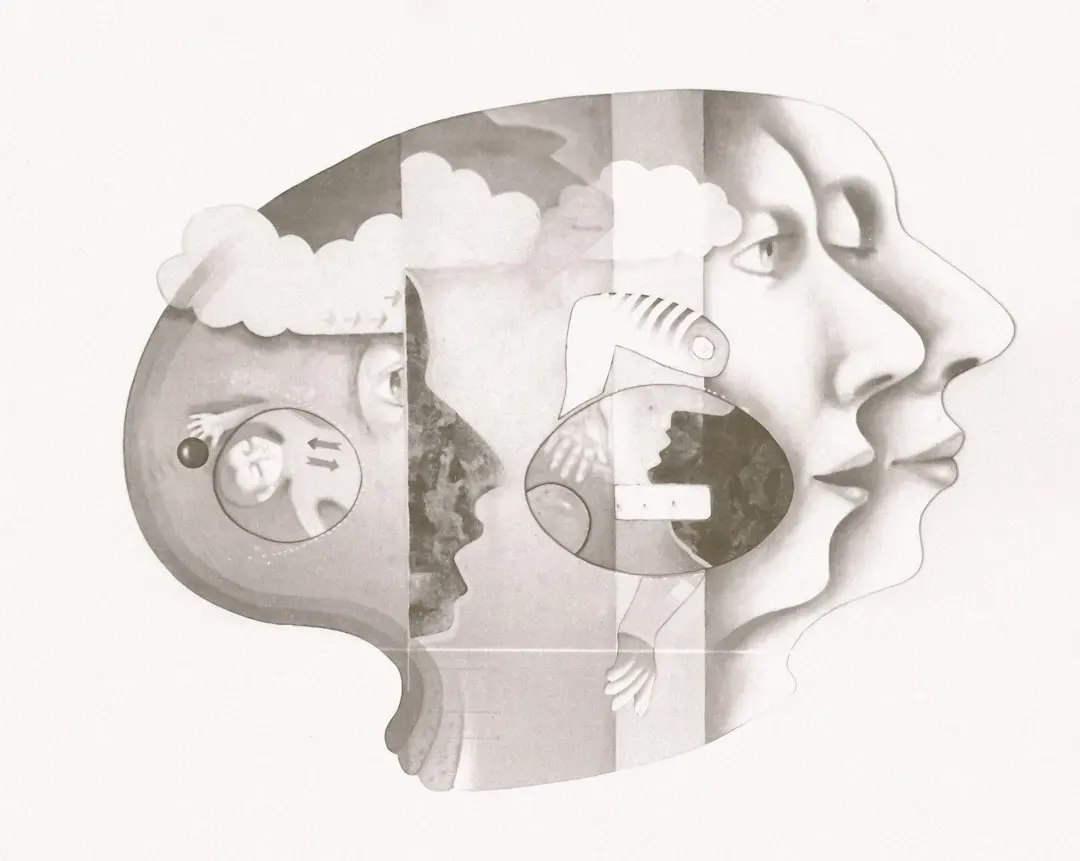
We tend to treat memories like videos stored on a hard drive, waiting to be replayed exactly as they happened. In reality, every time you remember something, your brain is reconstructing the event from fragments – like rebuilding a Lego model from scattered pieces. Details get smudged, swapped, or quietly rewritten to fit who you are now, what you believe, and how you feel in the moment. That touching childhood memory you love might be part truth, part family legend, and part creative editing.
This means arguments about “who said what” are often both sides sincerely remembering different versions of the same moment. I once felt absolutely sure a friend had cancelled on me last minute, only to later find old messages proving I had mixed up dates entirely. My brain had filled that gap with a story that made emotional sense at the time. Recognizing how fluid memory really is can be humbling, but it also softens resentment – you realize that sometimes people are not lying, their memories have just quietly drifted.
3. You Notice What Confirms Your Beliefs And Miss What Doesn’t

Once you decide something is true – like believing a coworker is lazy or a certain political view is obviously correct – your brain starts working like a biased detective. You notice every tiny detail that supports your belief and quietly ignore the evidence that does not fit. If you think your coworker is lazy, you remember all the times they left early and somehow forget the evenings they stayed late. It feels like you are simply observing reality, but your attention is being filtered behind the scenes.
This mental shortcut, often called confirmation bias, helps you feel consistent and secure in your worldview. The downside is it can lock you inside a mental echo chamber, where every new “proof” is just recycled belief bouncing back at you. I have caught myself doing this with people I initially disliked; once I decided they were difficult, nearly everything they did seemed to confirm it. The moment I consciously started looking for disconfirming evidence, the picture became much more complicated – and a lot more human.
4. Your Brain Hates Being Wrong, So It Rewrites The Past
Think back to a time when you made a decision that later went badly – a relationship, an investment, a job change. After the fact, it is incredibly tempting to say you “always knew” it would not work out. That is your brain protecting your ego, retroactively claiming you saw the red flags clearly from the start. Instead of sitting with the discomfort of having misjudged, your mind smooths the story so it sounds like you were wiser than you really were in that moment.
This trick shows up in everyday life more often than we realize. When a prediction you made turns out right, you feel deeply certain you were confident the whole time, even if you were honestly unsure. When it turns out wrong, you quietly underplay how much you believed in it. Psychologists sometimes call this hindsight bias, and it gives you the illusion that the past was more predictable than it really was. The danger is that you can start to overestimate how good you are at forecasting, walking into future decisions with more confidence than caution.
5. You Follow The Crowd Even When You Think You’re Independent

Most people like to see themselves as independent thinkers who are not easily swayed by others. Yet in group situations, your brain is deeply tuned to the social temperature in the room. If everyone else seems to agree on something – whether it is a work strategy or a shared dislike of someone – it suddenly feels riskier to be the lone dissenting voice. Consciously you might insist you are evaluating things logically, but underneath, the fear of standing out or being rejected nudges you toward the majority.
This pull toward conformity is not just about peer pressure; it is about survival instincts wired over countless generations. Being part of the group once meant literal safety, so your brain treats social agreement as a kind of emotional shelter. I have sat in meetings where I doubted an idea but stayed quiet when I saw heads nodding around the table. Later, in private, several people admitted they had doubts too. It is almost funny: a room full of “independent” minds, all silently following one another.
6. You Overestimate Yourself In Some Areas And Underestimate In Others

Your brain has a strange relationship with your own abilities. In some domains – like driving, intelligence, or leadership – many people genuinely believe they are above average, even when basic math says that is impossible. This mental bias can be flattering and sometimes useful, giving you the confidence to try new things or push through challenges. But it can also keep you from seeing where you actually need improvement, because it feels like your performance must already be fine.
Then, paradoxically, in other areas you might underestimate yourself dramatically. You might assume everyone else finds public speaking easy or that coworkers understand a complex topic far better than you do. I remember preparing for a presentation, convinced I was the least qualified person in the room, only to discover afterward that several people had been quietly intimidated by my depth of knowledge. Your internal self-rating system is not a neutral judge; it is a fun-house mirror, sometimes boosting your ego, sometimes shrinking you down, rarely showing a perfectly accurate reflection.
7. Your Emotions Quietly Rewrite How “Rational” You Think You Are

We love the idea of making decisions calmly and logically, like a judge weighing evidence. In practice, your emotional state can drastically change what seems reasonable without you realizing it. When you are anxious, even small risks feel huge; when you are excited, big gambles suddenly look harmless. The same situation – a new job offer, a difficult conversation, a big purchase – can feel wildly different depending on whether you are tired, hungry, stressed, or relaxed.
What is sneaky is that your brain usually justifies these mood-based reactions with tidy explanations after the fact. You tell yourself you backed out of a plan for sensible reasons, when in truth you were just exhausted that day. Or you spend money impulsively because you are upset, then later construct a rational-sounding story about why it was actually a smart decision. I have caught myself editing my own motives this way, smoothing over the messy emotional reality into a clean narrative. It is not that logic is an illusion, but that emotion is almost always in the passenger seat, quietly reaching for the wheel.
8. You See Patterns In Random Noise And Call It Meaning

Your brain is a pattern-detecting machine, and most of the time that is an incredible advantage. It helps you recognize faces instantly, anticipate traffic on your commute, or sense when a friend’s tone is a bit off. The downside is that this pattern hunger does not switch off, even when the data is basically random. That is why people see shapes in clouds, meaning in coincidences, or “signs” in events that are probably just chance lined up in an interesting way.
This tendency helps explain everything from superstition to conspiracy thinking. When you are stressed or searching for certainty, random streaks – like a few bad days in a row or repeated numbers on a clock – can feel loaded with secret messages. I once went through a phase where every song on shuffle felt “perfectly chosen” for whatever I was going through, as if the universe were curating my playlist. In reality, my brain was selecting the moments that fit the story and ignoring all the times the songs meant nothing. The urge to find patterns is deeply human, but it can quietly distort your sense of what is really going on.
9. You Judge Others By Their Actions And Yourself By Your Intentions

When someone cuts you off in traffic, it is incredibly easy to assume they are rude, careless, or selfish. When you accidentally cut someone off, though, you instantly know it was just a mistake: you were distracted, stressed, or did not see them. This mismatch is one of the mind’s most slippery tricks – you judge others mainly by what they do, but you judge yourself by what you meant to do. The result is that your own flaws feel understandable, while other people’s flaws seem like proof of who they really are.
This bias can quietly strain relationships and fuel everyday frustration. A friend arriving late feels disrespectful, while your own lateness is “just this one time because the day exploded.” Recognizing this mental habit has helped me pause before snapping to judgment. Whenever I feel myself labelling someone based on a single moment, I try to imagine what story I would tell if I were the one who messed up. It does not excuse bad behavior, but it reminds me that my brain is not an impartial judge – it is emotionally invested in making me the hero of the story.
10. You Cling To What You Own And Fear What You Might Lose

Your brain reacts far more strongly to the idea of losing something than to gaining the exact same thing. Losing twenty dollars feels more painful than finding twenty dollars feels exciting. This quirk, often observed in behavioral research, means you may stubbornly hold onto subscriptions, items, or habits that no longer serve you simply because letting go feels like a loss. It is why cleaning out a closet can feel strangely emotional, even when the clothes have not been worn in years.
This loss-focused wiring also shows up in bigger life decisions. You might stay in an unfulfilling job because the potential loss of stability feels more real than the possible gain of a better future. I once held onto a failing project far longer than I should have, not because I believed in it, but because I could not stand the feeling that all the time already invested would be “wasted.” The trick is that the time was gone either way; my brain was just clinging to the illusion that hanging on would somehow rescue it. Seeing this bias clearly can be the first nudge toward braver, clearer choices.
Conclusion: Learning To Question Your Own Mind

Realizing how often your brain bends, edits, and decorates reality can feel disorienting at first. If your memories are flexible, your perceptions are filtered, and your judgments are biased, what can you actually trust? But there is a hidden gift in this realization: once you know the tricks, you can start to notice them in real time. That moment when you are certain you remember something perfectly, or convinced everyone agrees with the group, starts to feel like a cue to slow down and double-check.
You do not need to become suspicious of every thought, just a bit more curious and a bit less absolute. Treat your mind like a brilliant but slightly overconfident friend – often right, sometimes hilariously wrong, always worth gently questioning. The more comfortable you get with saying “I might be mistaken here,” the freer and wiser you actually become. Which of these brain tricks do you catch yourself falling for most often, now that you know they are there?