When you think about our planet, you probably picture mountains, forests, and cities long before you imagine what lies miles beneath the waves. Yet most of Earth is actually deep ocean, a realm so dark, cold, and pressurized that it might as well be another planet. What makes it truly astonishing is that life not only survives there but thrives in ways that completely rewrite what you think you know about biology and ecosystems.
As you dive into these hidden worlds, you start to realize how incomplete your picture of Earth really is. Out of sight is definitely not out of importance here: deep-sea ecosystems quietly regulate climate, recycle nutrients, and shelter bizarre creatures that look like science fiction prototypes. Once you start to understand how these alien-looking communities work, you’ll never look at the ocean’s flat blue surface the same way again.
1. You Can Have Whole Ecosystems Without Sunlight
You’re used to the idea that life on Earth depends on sunlight, from grass in your backyard to trees in a rainforest. Down in the deep ocean, sunlight simply does not reach, but life has found a loophole: instead of using light, many organisms rely on chemicals coming from inside the Earth. Bacteria at hydrothermal vents and cold seeps use compounds like hydrogen sulfide or methane as an energy source, turning them into food the way plants turn sunlight into sugar.
Because of that trick, you get entire food webs built without any link to surface plants or algae. Shrimp, clams, crabs, and strange fish feed on these microbes or on animals that already ate them, creating bustling communities in places that should be completely barren. When you realize an ecosystem can run on chemical energy rather than sunlight, it changes how you think about where life could exist, not just in your ocean but on icy moons and other planets too.
2. Hydrothermal Vents Are Basically Underwater Alien Cities
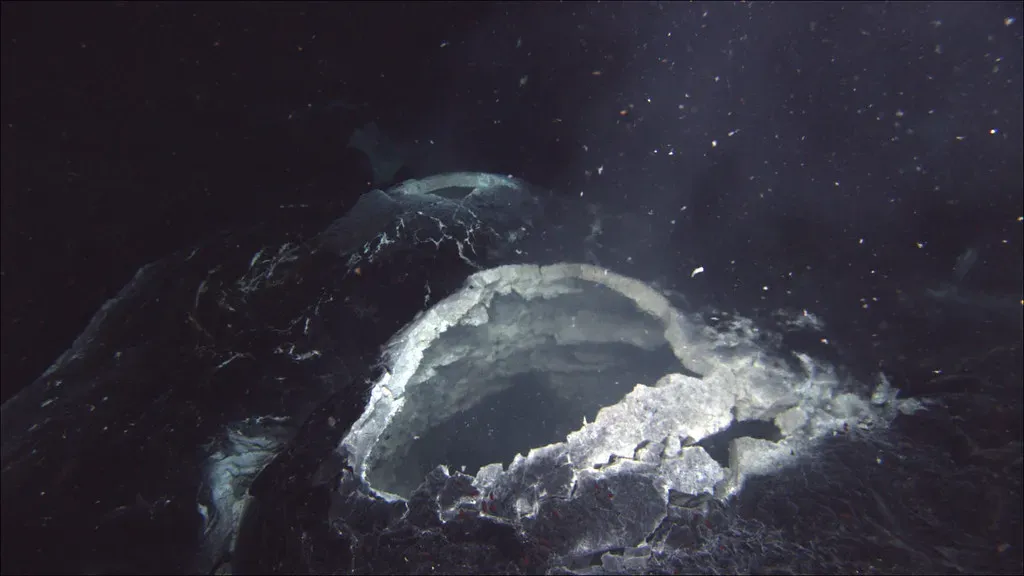
If you could visit a hydrothermal vent field, it would probably be one of the most surreal sights of your life. Superheated, mineral-rich water gushes from chimney-like structures that can tower as high as buildings, with dark plumes billowing upward into the cold surrounding water. Around them, you’d see dense clusters of creatures like giant tubeworms, vent crabs, and specialized shrimp, all crammed together in a place that looks more like a smoky industrial landscape than a typical ocean scene.
The most mind-blowing part is how fast these vent ecosystems can appear and disappear. A new vent may erupt and, within a surprisingly short span of time, become coated in microbial mats and crowded with animals that somehow found their way there in the vast dark. Then, when the vent shuts down, the community collapses and life moves on, almost like a temporary boomtown in the deep. You’re looking at a world that’s constantly rebuilding itself on a geological conveyor belt.
3. Gigantic Tube Worms Live Off Bacteria Instead of Having Mouths
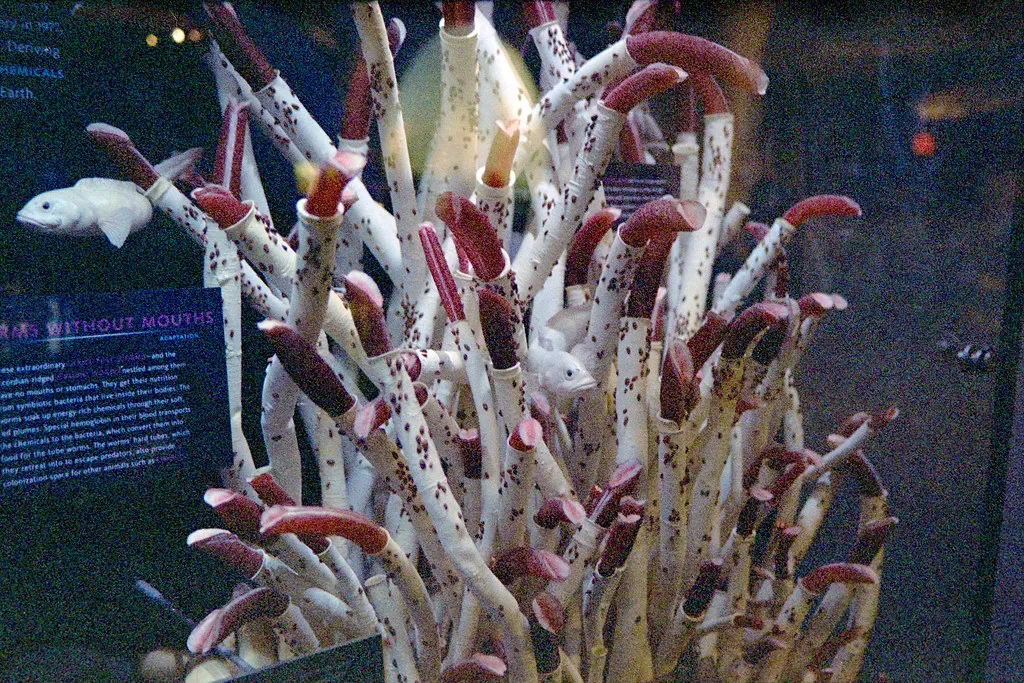
In a way, you can think of each worm as a living apartment building for microbes, trading safety and a stable home for a constant food supply. You might expect such extreme specialization to be fragile, but this partnership is surprisingly robust as long as the vent keeps flowing. It’s a reminder that in the deep ocean, survival often depends not on being fierce or fast, but on creating the right alliances with microscopic partners you never see.
4. Cold Seeps Are Slow-Motion Oases on the Seafloor
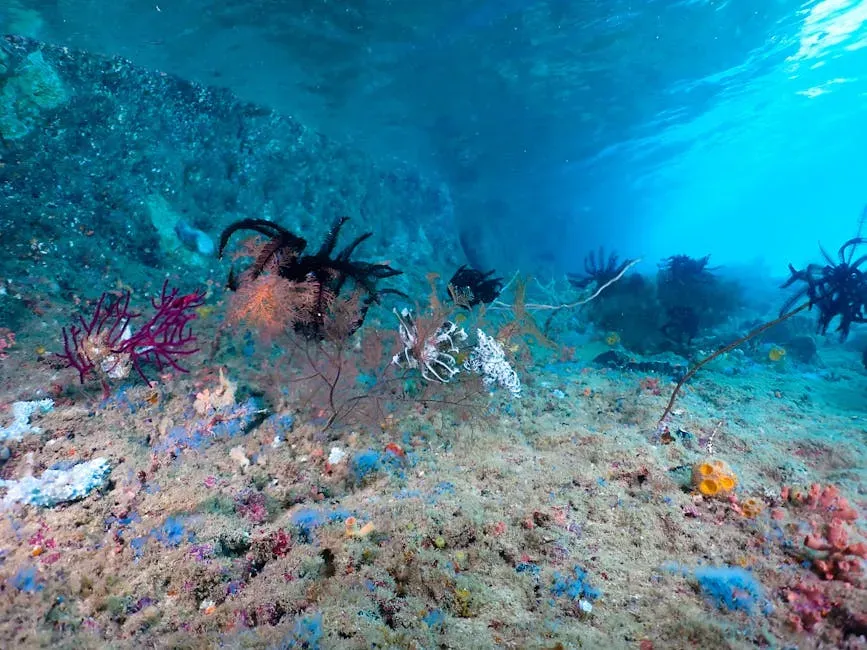
Over time, this slow but steady chemical trickle supports communities of mussels, clams, tube worms, and other animals that gather around the seep like residents around a natural spring in a desert. Some of these ecosystems can persist for extremely long periods, gradually building up carbonate formations and reshaping the seafloor beneath them. When you picture the deep ocean, you often imagine emptiness, but cold seeps show you that even gentle leaks of energy can nurture surprisingly rich pockets of life.
5. Whale Falls Turn Dead Giants into Temporary Deep-Sea Forests
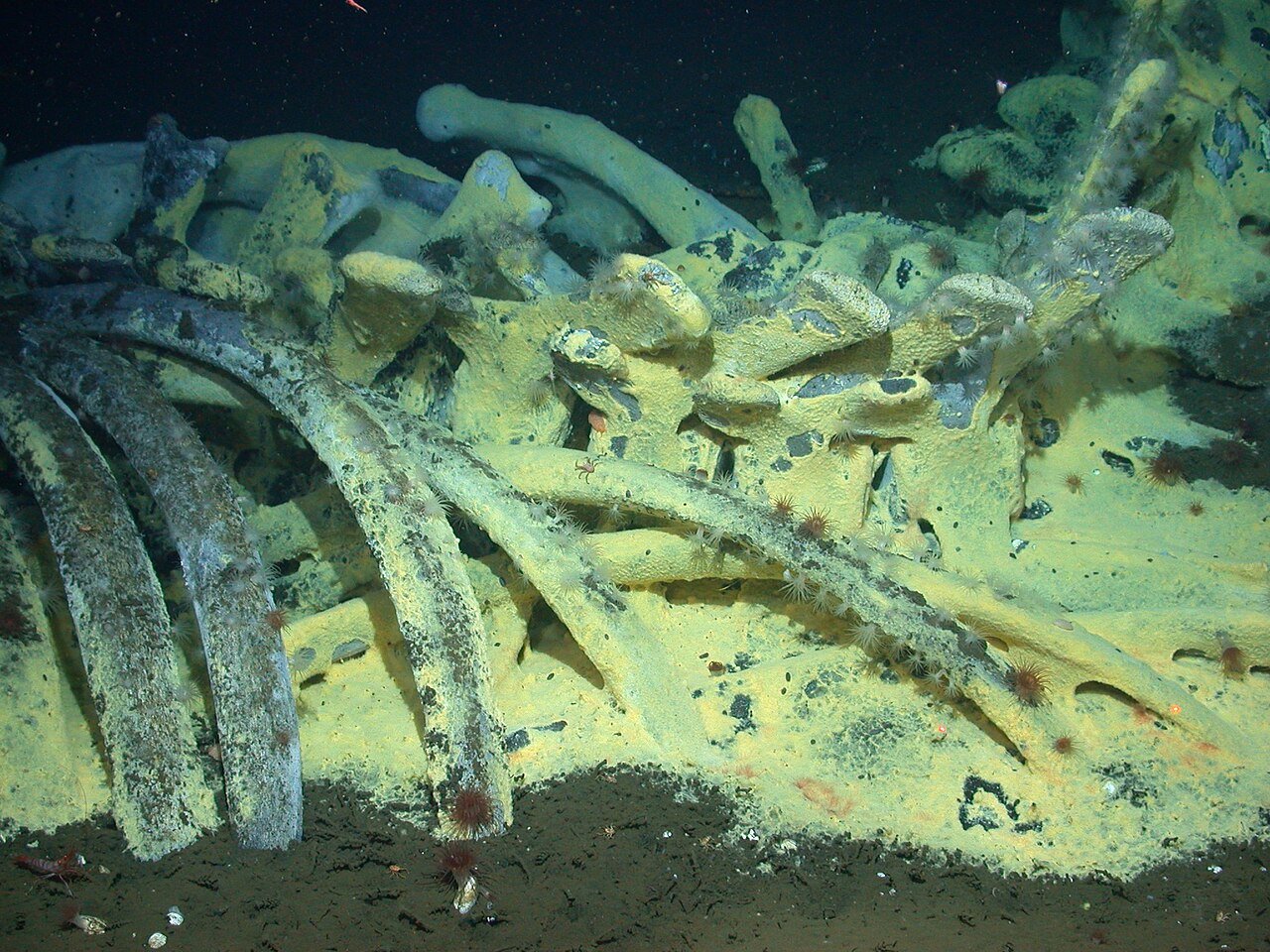
As the feast continues, the bones themselves become a long-lasting habitat. Specialized worms, snails, and bacteria move in to break down the remaining fats and collagen embedded in the skeleton, turning the whale into a multi-stage ecosystem that can last for years. You’re essentially watching a single dead animal transform into a miniature, temporary reef that supports layer after layer of life long after its final breath at the surface.
6. Brine Pools Are Like Underwater Lakes Inside the Ocean
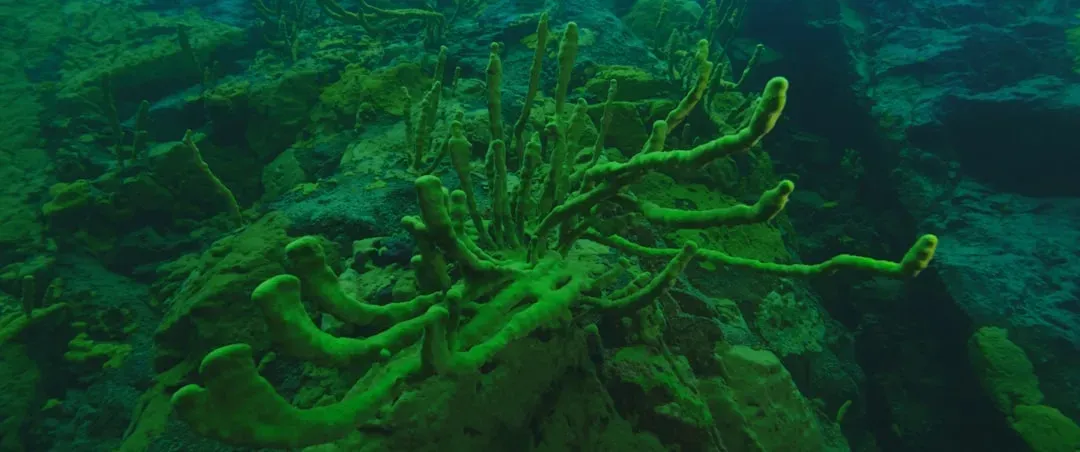
Because these pools are so salty and often carry high levels of other chemicals, many organisms can’t survive inside them, but some microbes and a few specialized animals can live right along the boundary. At that sharp edge, you can find communities taking advantage of chemical gradients much like the way plants use light gradients at the surface. You’re looking at a bizarre situation where one kind of water forms a separate “floor” for another, and life still finds a narrow band where it can hold on.
7. Bioluminescent Life Turns Darkness into a Living Light Show
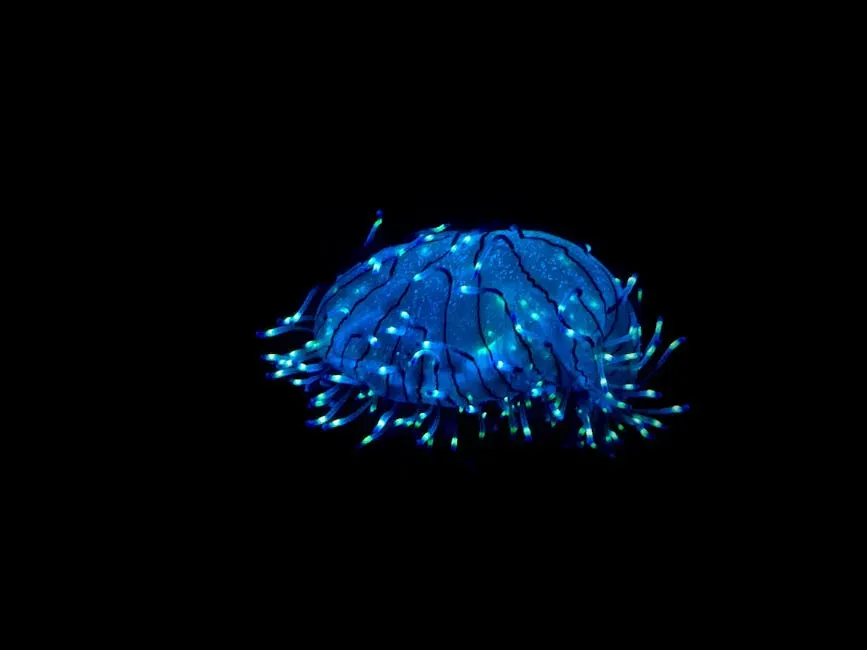
You rarely see light in the deep ocean wasted on decoration; it usually serves a purpose, and often more than one. Animals might use light to attract prey, confuse predators, recognize mates, or disguise their own silhouettes from enemies looking up from below. When you realize that a huge portion of deep-sea species seems to use bioluminescence in some way, it becomes obvious that in this darkness, light is a precious language you just can’t hear with your usual senses.
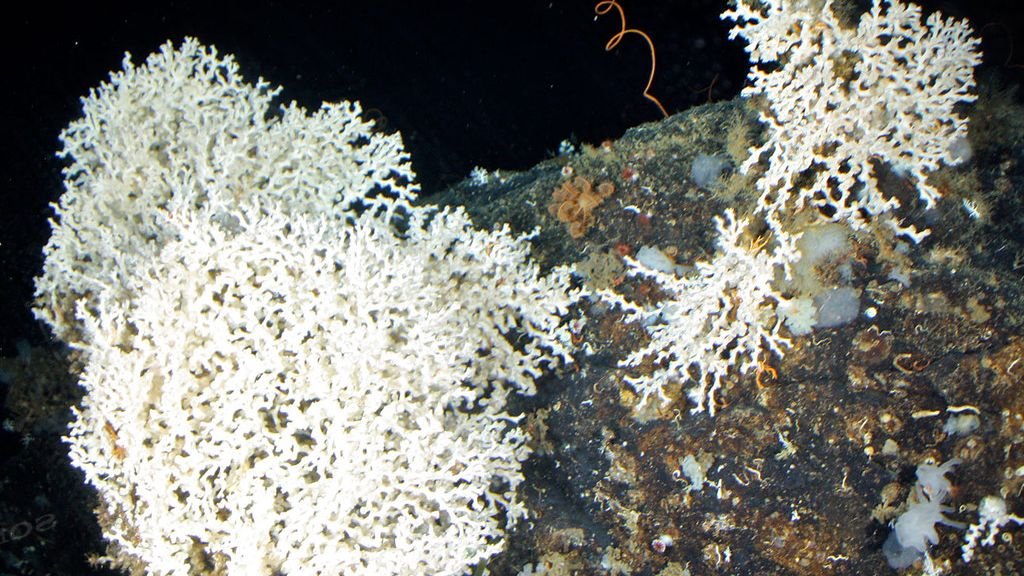
8. Deep-Sea Corals Build Slow, Ancient Cities in the Dark
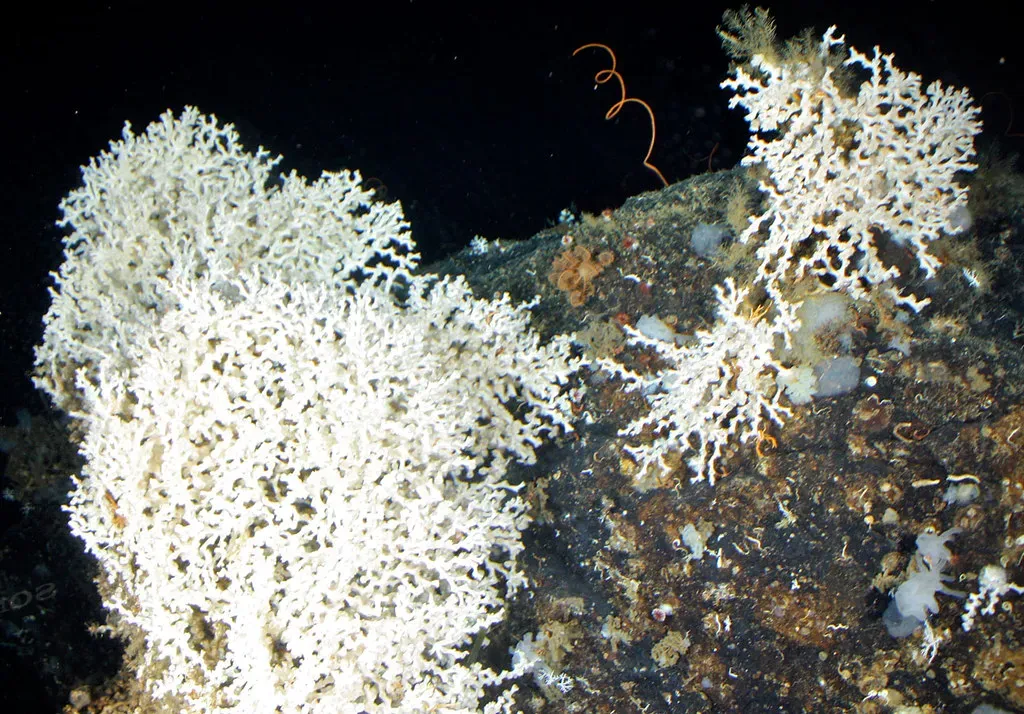
Because growth is slow and conditions are harsh, some deep-sea coral reefs and gardens have been forming for hundreds or even thousands of years, becoming towering, fragile habitats. Fish, crustaceans, and countless tiny invertebrates weave through the branches, turning these coral frameworks into vital shelter and feeding grounds. When you understand how long it takes for such ecosystems to grow, the idea of damaging them with a single pass of heavy fishing gear or industrial activity feels a bit like bulldozing an ancient city overnight.
9. These Hidden Ecosystems Quietly Shape Your Everyday Life
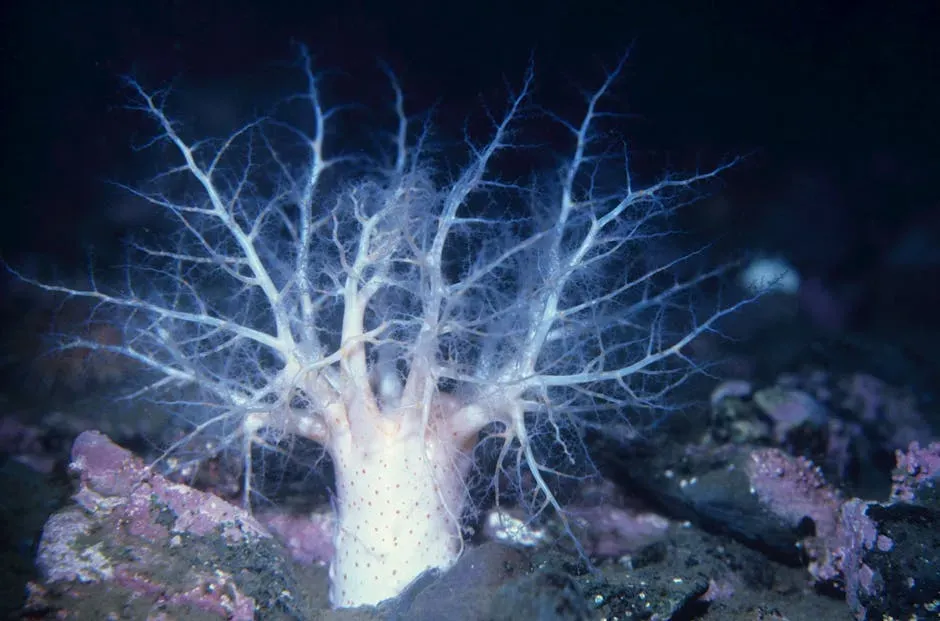
On top of that, many potential medical compounds and industrial enzymes have already been traced back to deep-sea organisms that had to evolve unusual biochemistry to cope with pressure, cold, and darkness. As research continues, you may find that lifesaving drugs, new materials, or cleaner technologies depend on genes and molecules first discovered in these obscure environments. Even if you never see them, these hidden ecosystems are quietly stitched into the background of your climate, your economy, and possibly your future health.
Conclusion: The Deep Sea Changes How You See Your Own Planet
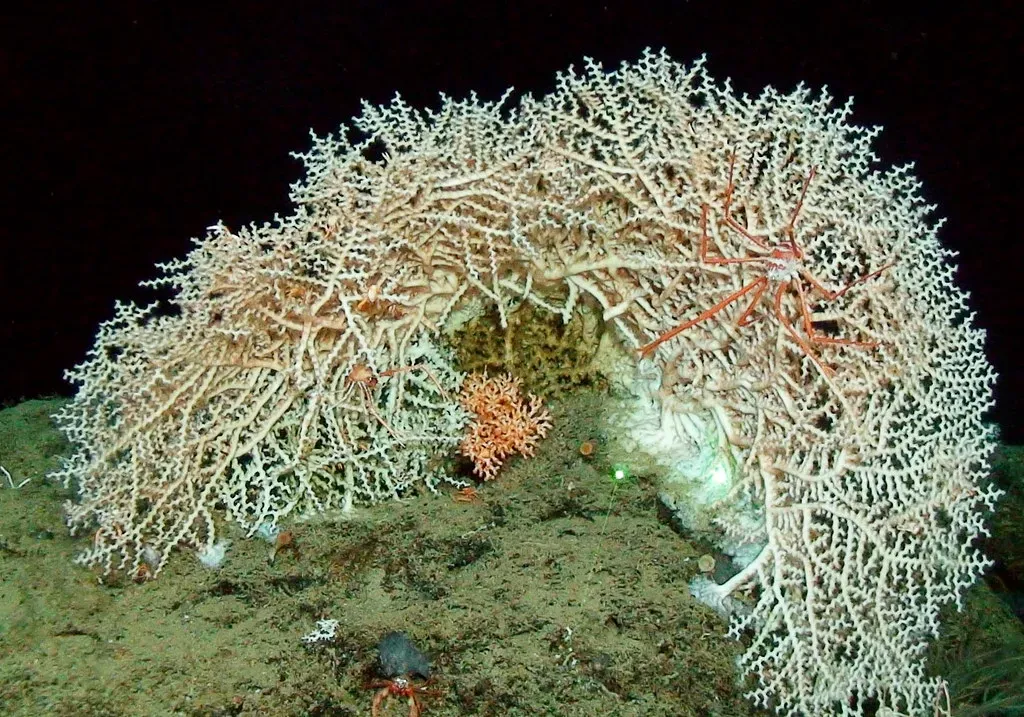
Once you step, even mentally, into the deep ocean’s hidden ecosystems, your sense of what is “normal” for life starts to unravel in the best possible way. You see food webs that ignore sunlight, animals that outsource digestion to bacteria, and communities that bloom around chemical springs or the bones of fallen giants. Instead of a dead abyss, you discover a patchwork of oases, each one running on its own strange rules yet still part of a larger planetary system you depend on.
Knowing this, it becomes harder to treat the deep sea as an empty dumping ground or a resource to strip without caution, because you understand that you are connected to these unseen worlds whether you notice them or not. The mystery is still huge; most of the deep ocean remains unexplored, leaving you with the humbling sense that your planet is far wilder and more intricate than your everyday view suggests. Now that you’ve peeked below the surface, what else do you think might be waiting in the dark that you haven’t imagined yet?