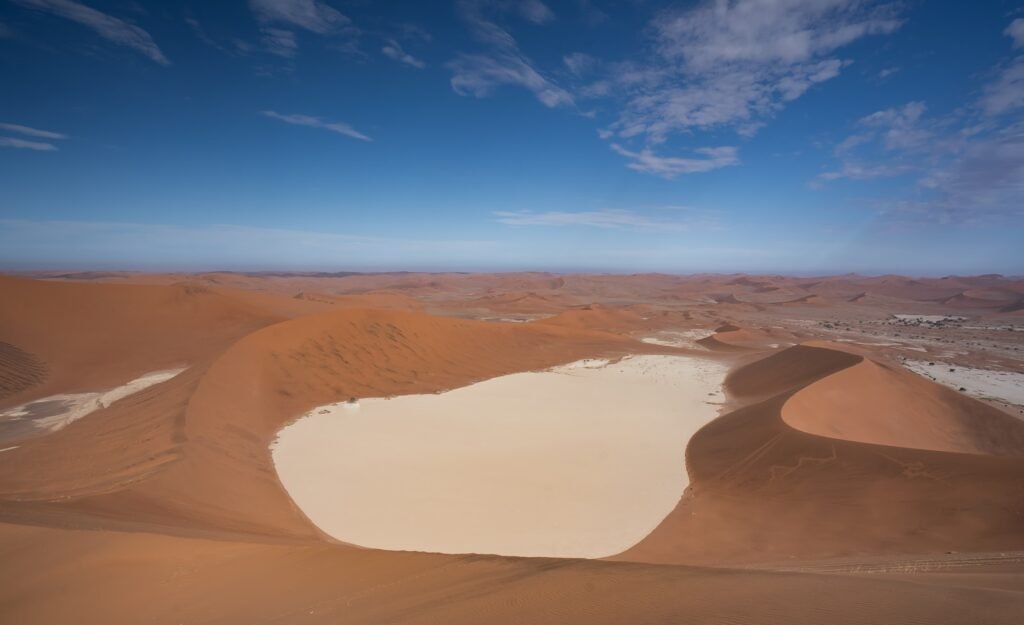
You probably think you know what “tough” looks like, but some of Earth’s smallest and strangest creatures would put your idea of resilience to shame. While humans bundle up against the cold, hide from the heat, and stock up on supplies, these animals quietly push biology to its limits, shrugging off conditions that would kill you a hundred times over.
As you explore these seven remarkable survivors, you’ll start to see our planet in a very different way. Deserts, deep seas, boiling vents, and even the vacuum of space stop being empty or lifeless and instead turn into extreme neighborhoods with their own specialists. By the end, you may catch yourself wondering not “How do they survive?” but “How are the rest of us so fragile?”
Tardigrades: The Near-Immortal Microscopic “Bears”
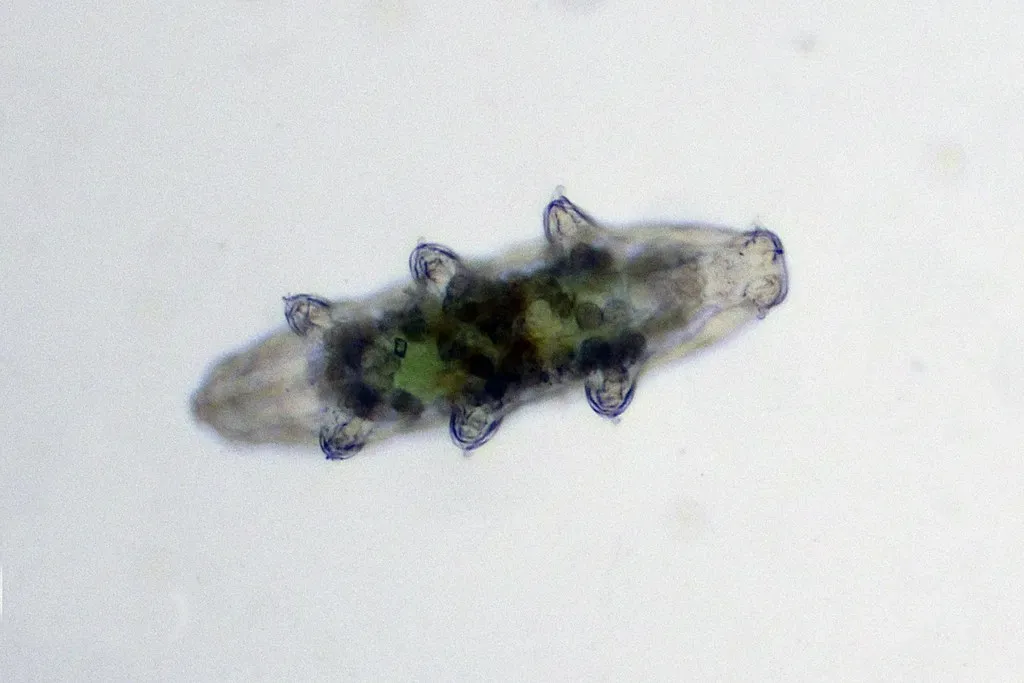
If there were a world championship for toughness, tardigrades would be the undefeated champions you never see coming. You can barely spot them under a microscope, yet they handle conditions that would instantly destroy you, from deep freezing to intense radiation and even the vacuum of outer space. When things get truly unbearable, a tardigrade shuts down nearly all of its body processes, curls into a tiny dried-out ball called a “tun,” and waits for better days.
You, as a complex mammal, depend on constant temperature, oxygen, and hydration, but a tardigrade can survive without water for years by dropping its metabolism to almost zero. When water finally returns, it rehydrates and comes back to life, as if someone just pressed play again. You might think of it like hitting pause on existence itself, a trick no human technology can fully copy yet, but that this little creature has mastered over hundreds of millions of years.
Antarctic Icefish: The Blood That Refuses to Freeze
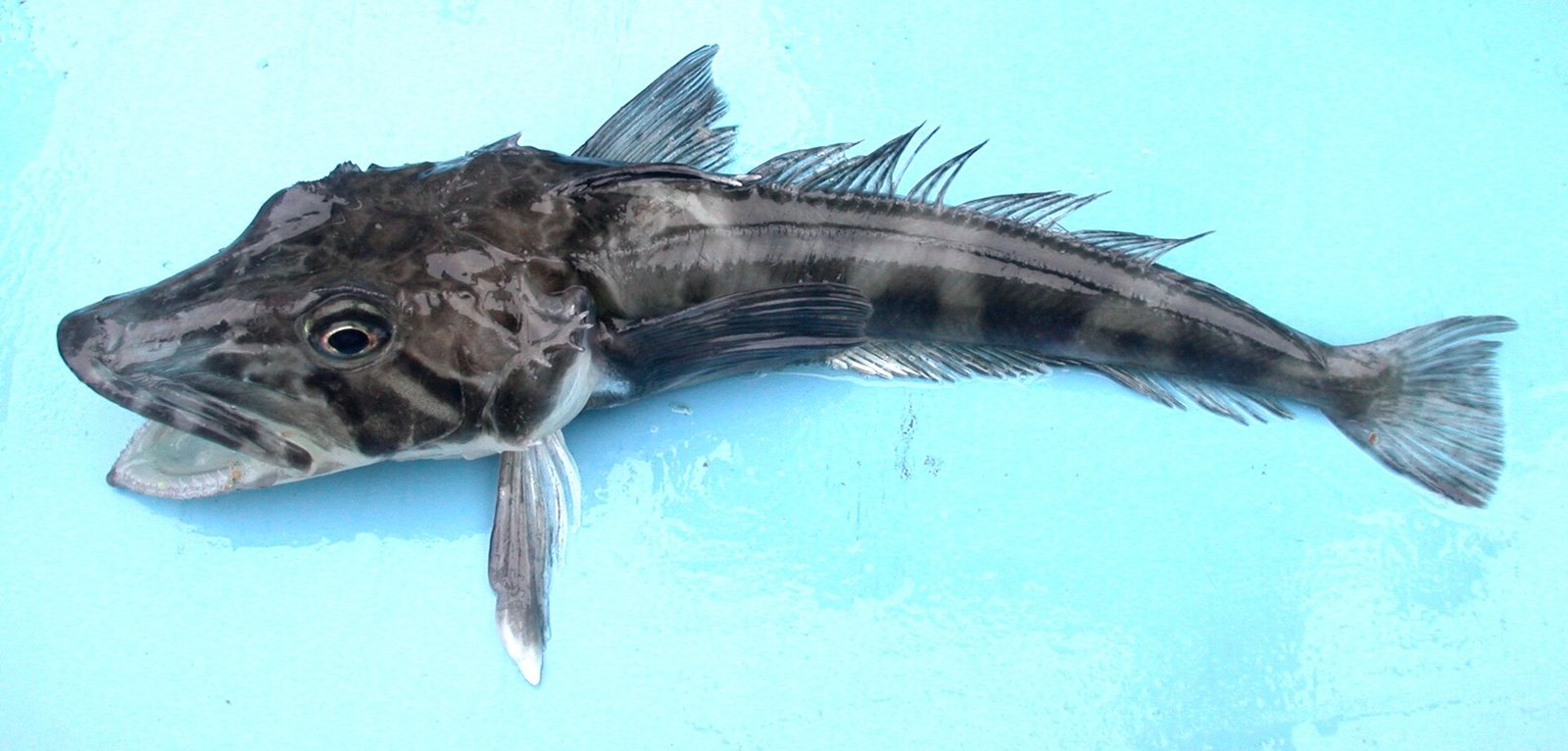
You know that water freezes at temperatures around the point where your fingers would go numb, so imagine living your whole life in seawater that hovers just below that. Antarctic icefish do exactly that, swimming in the frigid Southern Ocean where most other fish would turn sluggish or die. Their secret weapon is a set of natural “antifreeze” proteins that stop ice crystals from forming in their blood and body fluids.
When you look at them, you’d notice something even stranger: their blood is almost clear, because they lack the red oxygen-carrying pigment hemoglobin that you rely on. Instead, they pull enough oxygen directly from the freezing water through their gills and skin, helped by slow metabolisms and the extremely oxygen-rich polar seas. You, with your warm blood and constant body temperature, would last minutes at best in their world, but to an icefish, that silent, freezing darkness is home.
Pompeii Worms: Thriving on Scalding Deep-Sea Heat
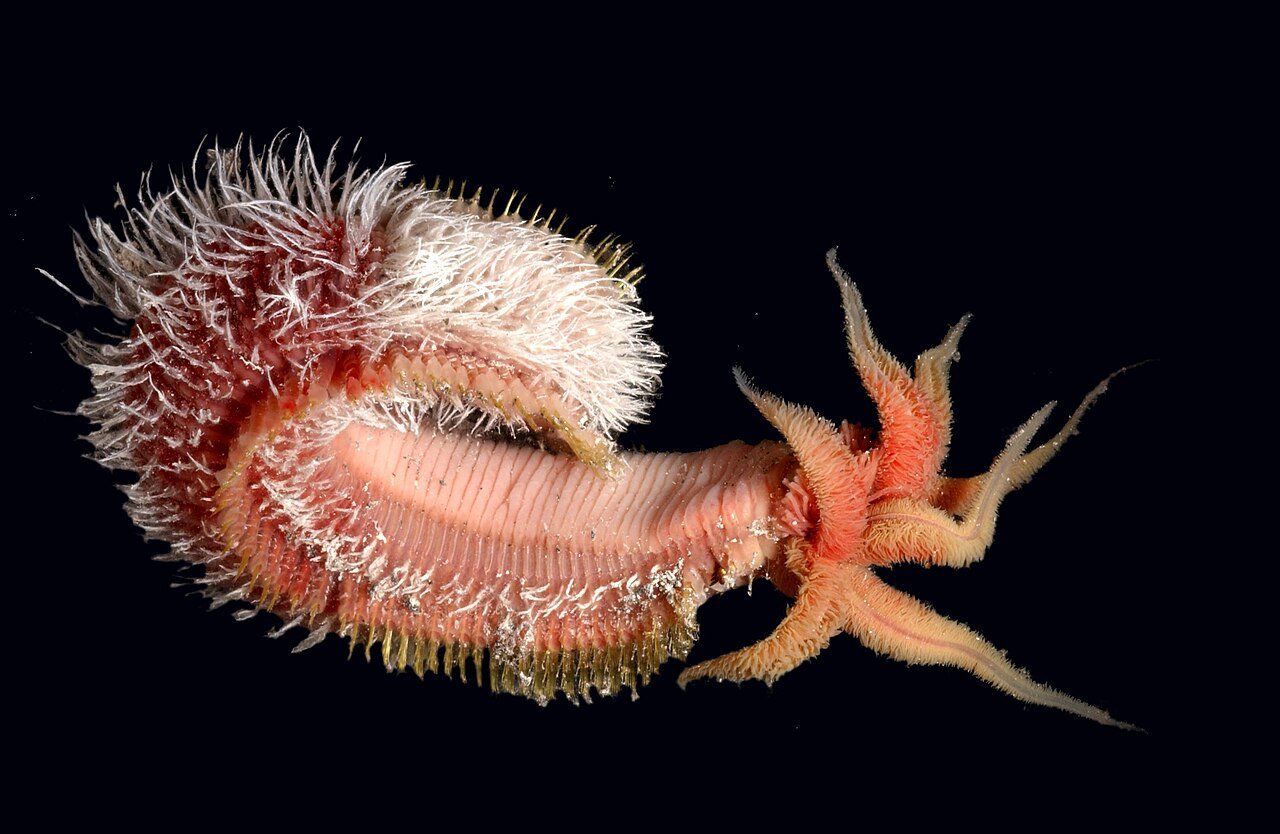
If you picture the deep ocean, you probably imagine cold, black water and crushing pressure. Now add something even more extreme: scorching hot vents spewing out fluids that can reach temperatures similar to boiling water or higher. This is where the Pompeii worm lives, clinging to hydrothermal vent chimneys on the seafloor, where the temperature can shift from comfortably warm to dangerously hot in the space of a few centimeters.
You would be cooked in seconds in those conditions, but the worm survives by positioning its head in cooler water while its rear end tolerates much hotter temperatures. Its body is also covered by a fuzzy-looking layer of bacteria that seem to act like a living heat shield and maybe even help detoxify harmful chemicals from the vent fluids. While you depend on sunshine and breathable air, this worm survives in a world of darkness, toxic metals, and chemical energy, proving that life does not need anything like your idea of comfort.
Wood Frogs: The Amphibians That Freeze Solid and Wake Up
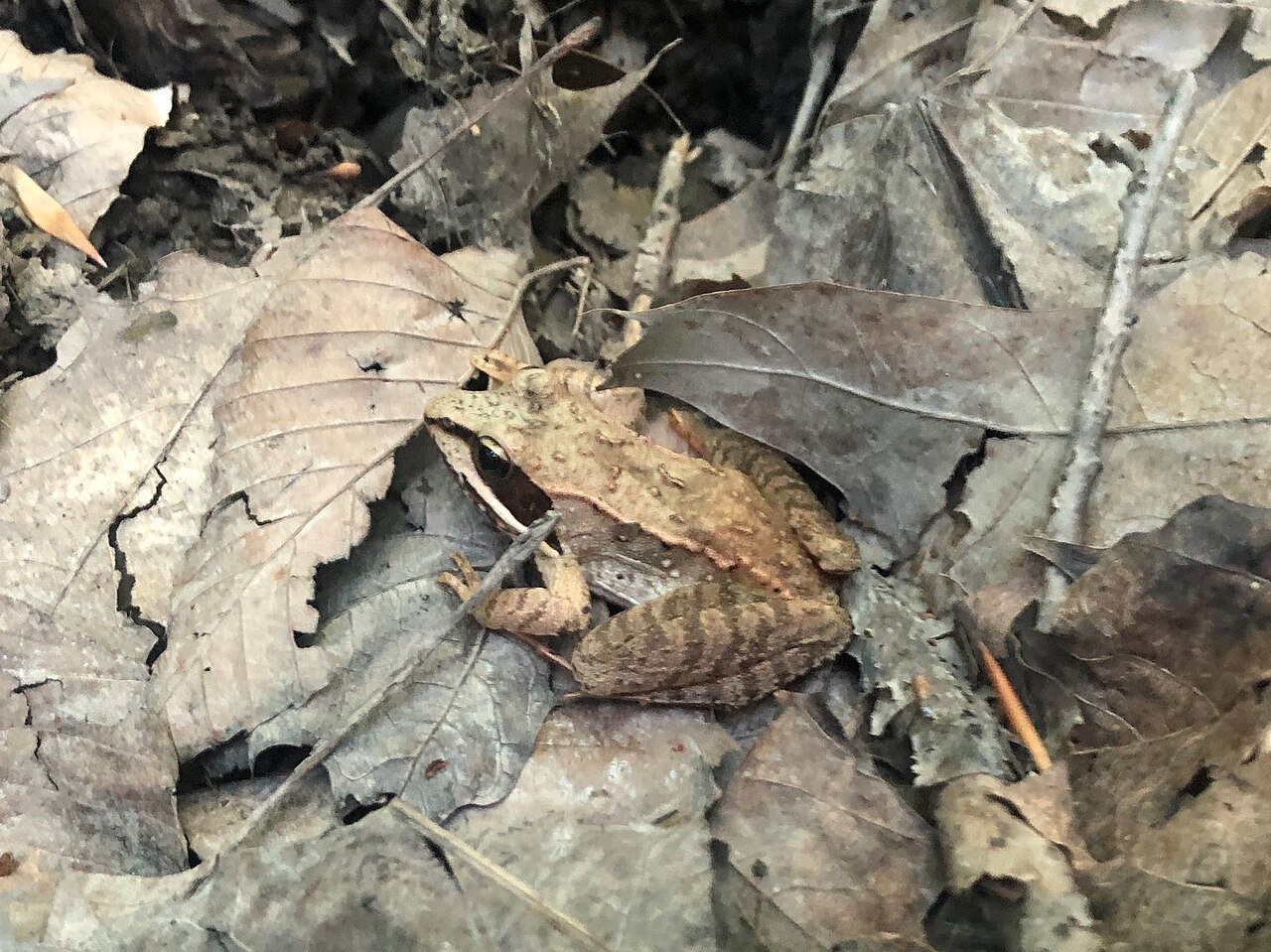
What saves the frog is a clever biochemical trick: it floods its cells with natural sugars and other compounds that act a bit like antifreeze, preventing deadly ice crystals from shredding delicate tissues. When spring arrives and temperatures rise, the frog thaws out, its heart starts beating again, and it simply hops off as though nothing strange just happened. You, on the other hand, can’t survive your organs freezing, which makes the frog’s built-in “cryosleep” feel almost like science fiction happening in a forest near you.
Camels: Masters of Heat, Thirst, and Desert Extremes
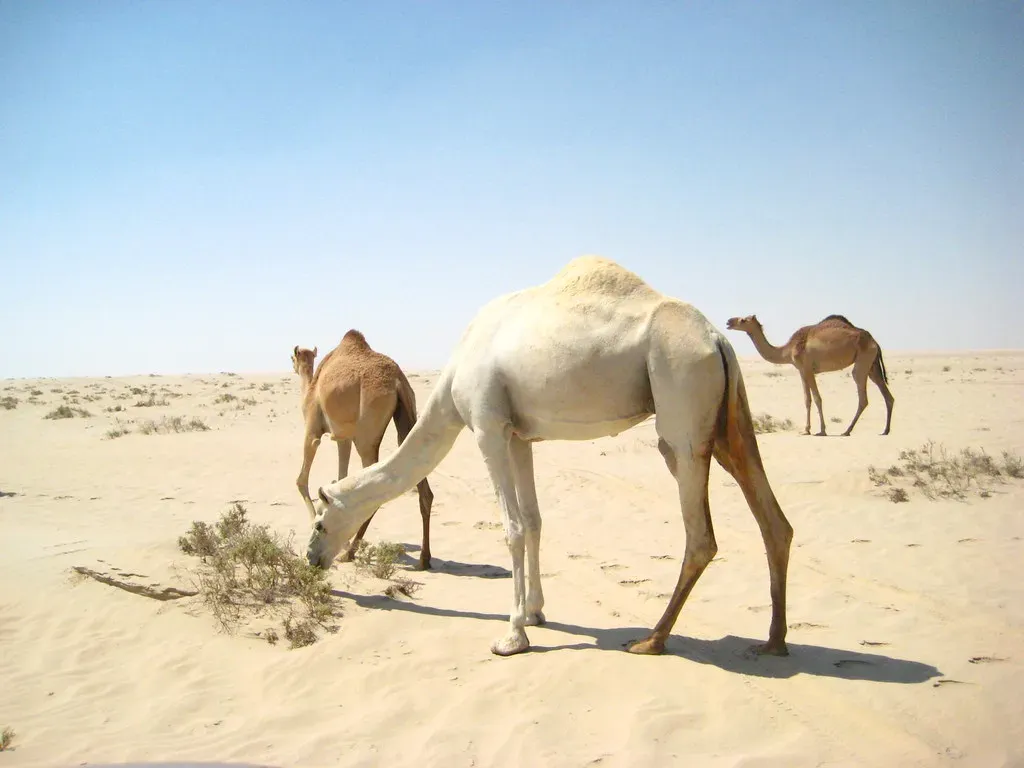
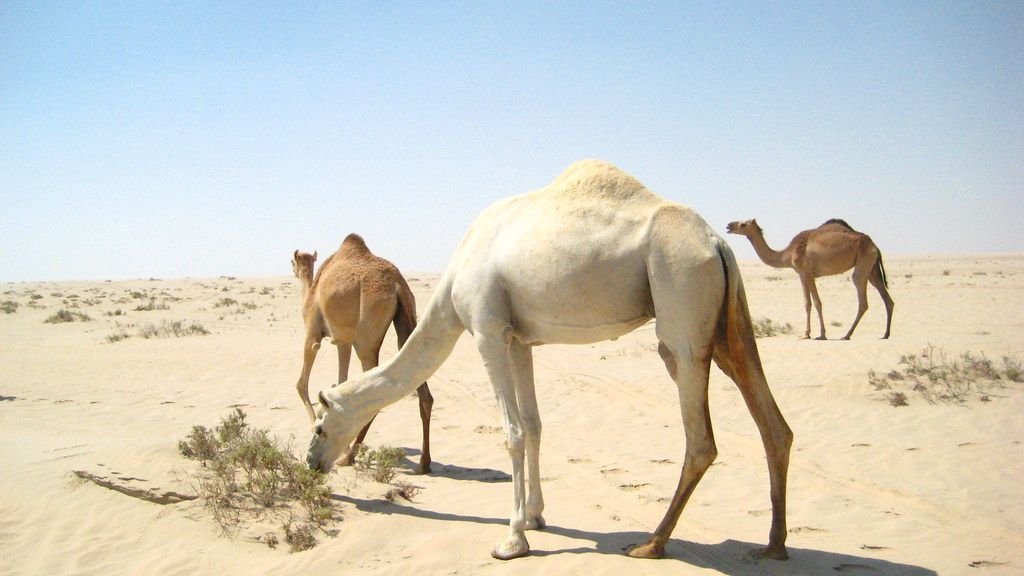
When you think of deserts, you might picture baking heat, endless sand, and no water in sight, a place where your body would quickly fail without constant shade and hydration. Camels, however, turn that nightmare into a daily routine. They can go long stretches without drinking, lose a significant portion of their body water that would send you to the hospital, and still stay functional. Their blood cells are specially shaped and flexible, helping them keep circulation going even when they are severely dehydrated.
You rely on sweating and drinking often to cope with heat, but a camel can let its body temperature rise and fall over the day, reducing water loss. Its hump stores fat, not water, but that fat can be broken down to release energy and small amounts of water when needed, like a backup fuel tank. While you might struggle to walk across hot sand for an hour, a camel can carry heavy loads all day under the same sun, showing how evolution has turned it into a living desert survival machine.
Devil Worms: Life in the Deepest Rock-Cracked Abyss
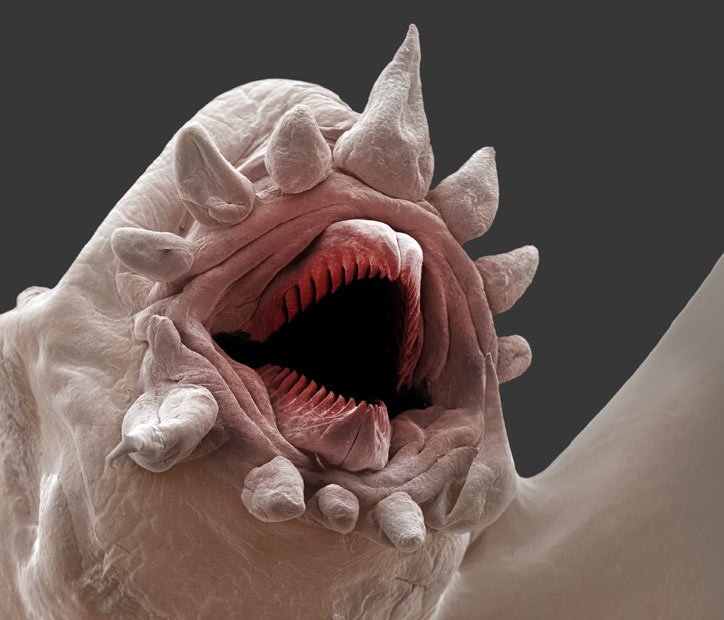
If you dig down deep enough into Earth’s crust, you reach a world that feels almost separate from the surface you know. There, water seeps through tiny rock cracks in darkness, under intense pressure and with scarce oxygen. This hidden realm is where the so-called devil worm lives, a microscopic nematode discovered thousands of meters underground. You depend on sunlight and open air, but this creature gets by on the tiny traces of resources available in these underground pockets.
For you, such depths would be lethal, crushing your body and depriving you of oxygen in seconds. The devil worm, by contrast, seems adapted to slow, patient life, surviving on minimal energy and enduring stress that would shatter more delicate organisms. Its existence forces you to rethink where life can persist on Earth, and even hints that similar tough little beings could be hiding deep beneath the surface of other planets or moons. Where you see rock and emptiness, it sees habitat.
Deinococcus Radiodurans: The Bacterium That Laughs at Radiation
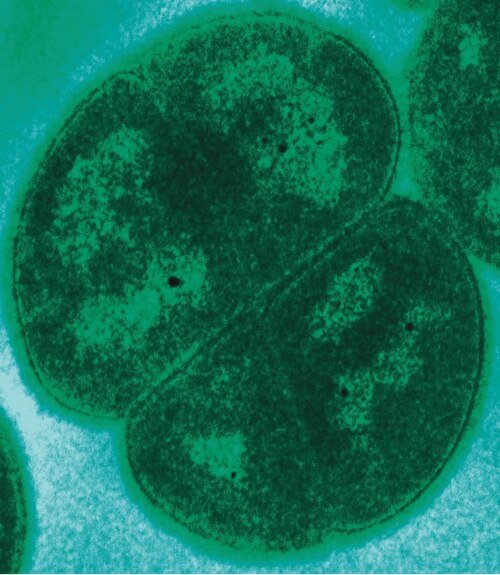
When you hear the word “radiation,” you probably think of something dangerous that damages your DNA, causes illness, and has to be very carefully controlled. For the bacterium Deinococcus radiodurans, intense radiation is less of a death sentence and more of an inconvenience. It can endure levels of radiation that would shatter your genetic material beyond repair. This microbe survives by using powerful systems that quickly piece its broken DNA back together, almost like a tiny molecular repair crew working overtime.
You have DNA repair systems too, but nothing close to this level of efficiency, which is why medical radiation has to be so precisely managed for humans. Deinococcus radiodurans was first noticed because it kept growing in canned food that had been blasted with radiation meant to sterilize it, a situation where you would expect nothing to survive. Now, scientists study it for ideas on how to protect your own cells, preserve medicines, or clean up radioactive waste. While your body panics at radiation, this little bacterium quietly gets on with life.
When you step back and look at all these creatures together, you realize that your idea of “unlivable” is really just a narrow slice of what life can handle. Frozen forests, superheated vents, crushing depths, and dry deserts are not empty after all; they are just ruled by specialists that play by rules your body cannot follow. Each of these organisms carries solutions that your technology can only dream of copying, from suspended animation to natural antifreeze and unbreakable DNA repair.
You may never survive a vacuum, freeze solid, or walk for days across a scorching desert without water, but learning about these survivors stretches your sense of what is biologically possible. They quietly prove that life is not fragile by default; it is creative, stubborn, and endlessly adaptive. The next time you complain about the weather being “unbearable,” will you remember that somewhere, a tiny creature is shrugging off conditions a thousand times worse?