You can stand at the edge of the Grand Canyon, feel the wind rush up the cliffs, and still have no real sense of just how deep into time you’re actually looking. Your eyes see a dramatic landscape, but your mind is staring down into nearly two billion years of Earth’s history laid out like the pages of an open book. The surprising part is that scientists are still arguing about how some of those pages fit together, and you’re living at a time when those debates are shifting in real time.
When you visit, it can feel like everything is ancient, fixed, and fully understood, but the truth is almost the opposite. New techniques in dating rocks, analyzing minerals, and even reading tiny crystals like geological time capsules are rewriting the story carved into those canyon walls. If you know what you’re looking at, the Grand Canyon stops being just a pretty view and becomes one of the most powerful places on the planet to understand how Earth became the world you live on today.
You’re Looking at Nearly Two Billion Years of Time in One View
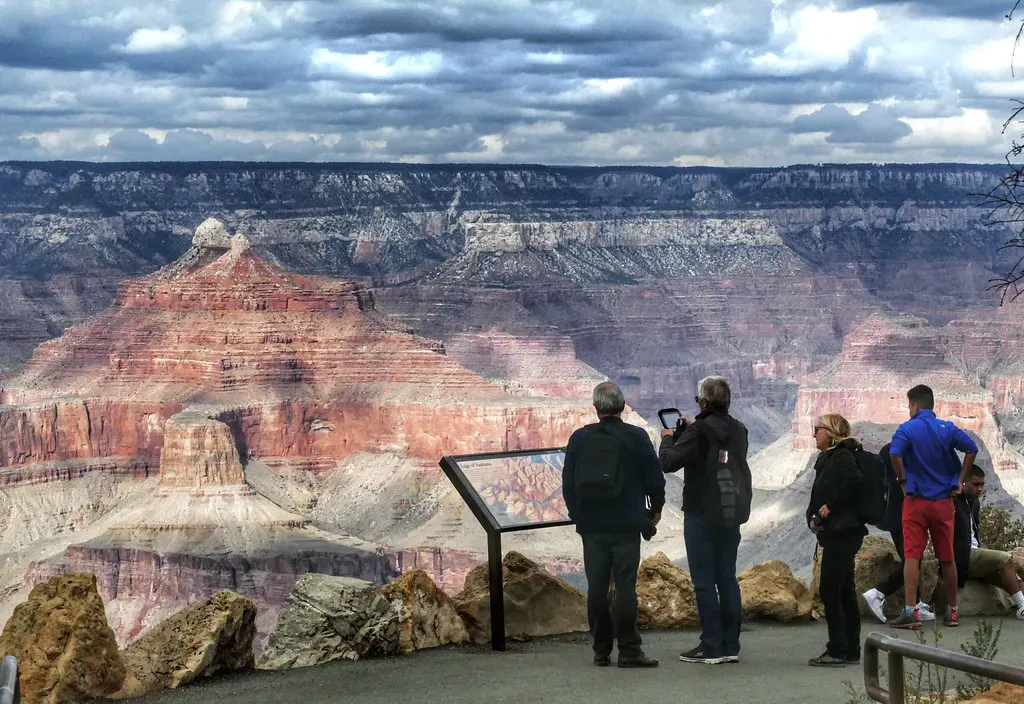
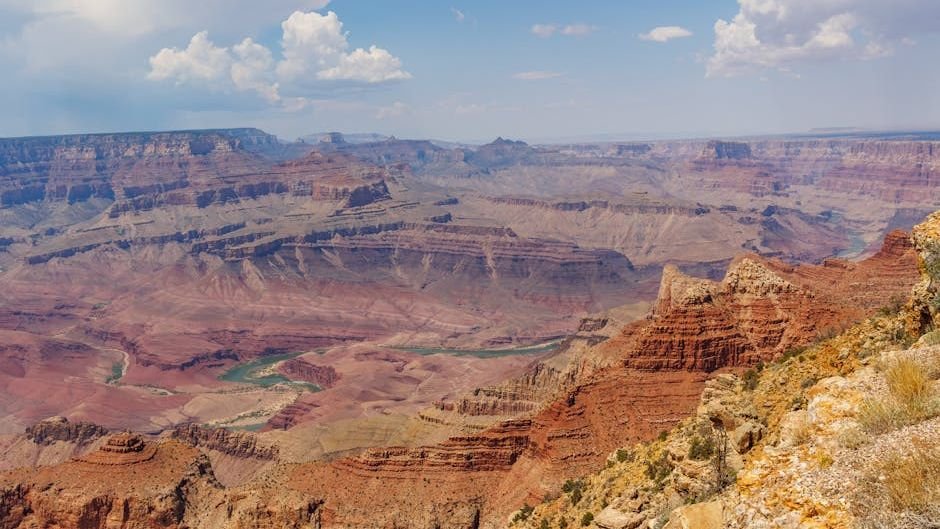
When you stare across the canyon, you’re not just looking at distance, you’re looking at time stacked in layers beneath your feet. The oldest rocks at the bottom, called the Vishnu Basement Rocks, are close to two billion years old, while the youngest layers near the top are still hundreds of millions of years in age. You’re literally seeing more than a third of Earth’s total history from one spot, which is mind-bending if you pause long enough to think about it.
Each band of color in the canyon walls represents a different chapter in that vast timeline. Red cliffs, pale ledges, darker slopes – they all formed in different environments under different climates, long before humans ever existed. As you move from top to bottom in your mind, you’re jumping backward through ancient seas, beaches, deserts, and even vanished mountain ranges. Visiting the Grand Canyon is one of the closest things you’ll ever have to stepping into a real-world time machine without leaving the surface of the Earth.
The Canyon’s Layers Reveal Lost Oceans, Deserts, and Coastlines
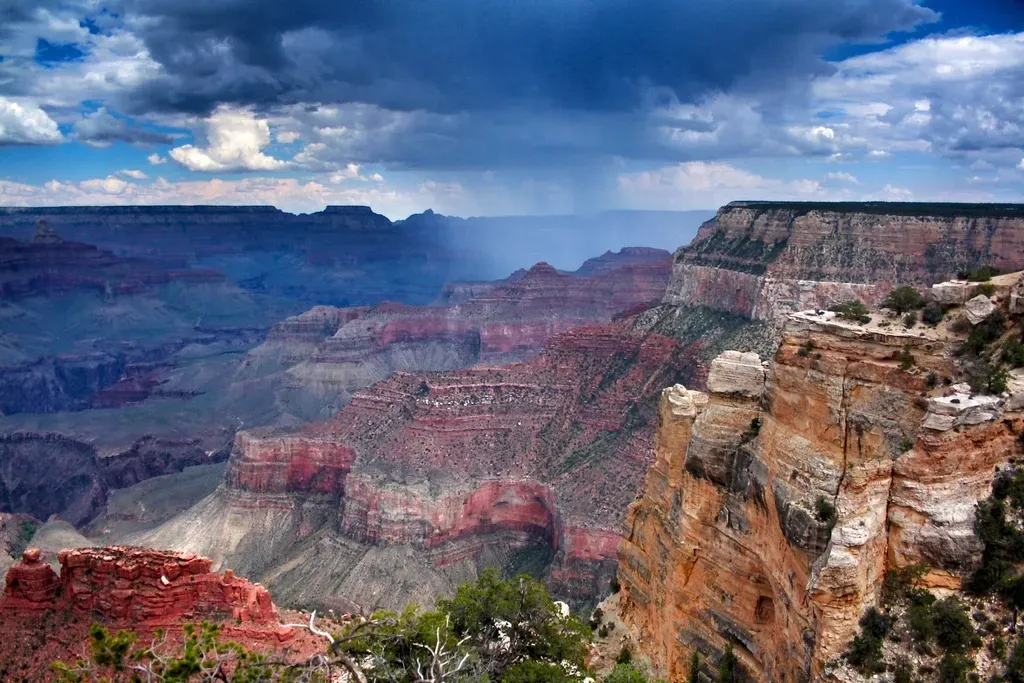
If you could run your hand down the canyon wall like a vertical map, you’d feel your way through a series of completely different worlds. Some layers, like the Kaibab Limestone at the top, formed on the floor of a shallow tropical sea, where marine creatures left behind shells and skeletons that turned into rock. Farther down, you hit formations like the Coconino Sandstone, which was once a vast desert of windblown dunes, similar to what you might see in the Sahara today.
As you move lower, you pass through ancient river systems, tidal flats, and muddy shorelines that shifted as sea levels rose and fell over millions of years. You’re seeing the ghost coastlines of long-gone continents, environments that came and went long before your species appeared. These rocks hold ripple marks, mud cracks, and cross-bedded dunes that quietly tell you the wind blew from one direction, waves lapped another, and climates swung from wet to dry in a planet that has never stopped changing. Reading these stories is like learning to interpret a language written by water, sand, and time instead of ink.
Unconformities: The Missing Pages in Earth’s Rock Record
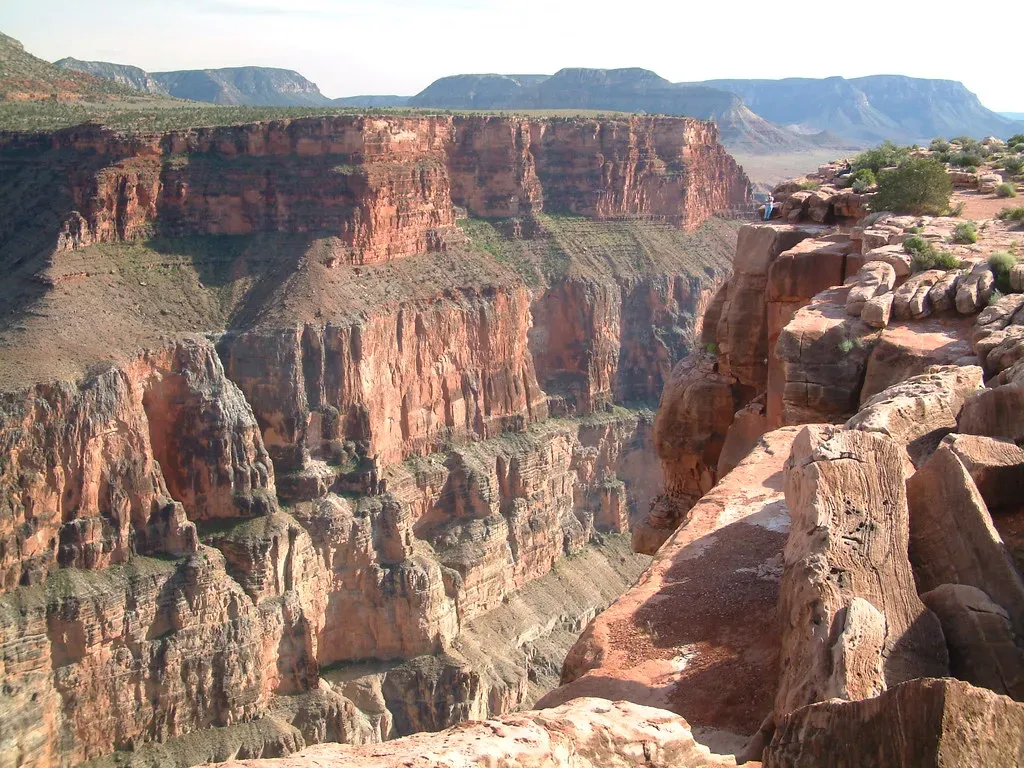
One of the strangest secrets you’ll encounter is that some of the canyon’s most important clues are actually gaps. Geologists call these gaps unconformities, and they mark places where rock layers were eroded away or never formed in the first place, leaving missing chunks of time. At the Grand Canyon, some of those missing intervals span hundreds of millions of years, as if whole chapters were ripped out of a book and the story somehow still continues above and below.
The most famous of these, often called the Great Unconformity, separates ancient crystalline rocks below from much younger sedimentary layers above. When you stand where these two very different rocks meet, you’re looking at an invisible time jump big enough to cover multiple supercontinents rising and falling. You’re forced to imagine everything that happened in between – the uplift of mountains, intense erosion, perhaps even global ice ages – without the comfort of seeing those events preserved in stone. In a way, the Grand Canyon teaches you that what is missing can be just as revealing as what remains.
Deep Ancient Rocks Hide Clues to Early Continental Crust
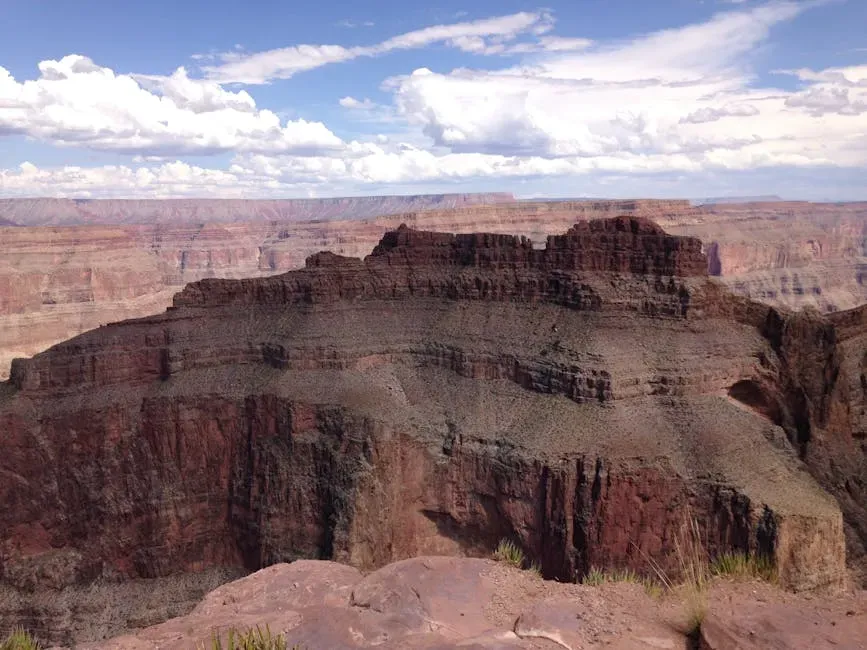
Down near the river, in the inner gorge, you see dark, twisted, heavily deformed rocks that look nothing like the flat-lying strata above. These are the ancient basement rocks, formed under intense heat and pressure deep in Earth’s crust, and they record some of the earliest building stages of the North American continent. When you look at them, you’re peering into a world where Earth’s surface was still young and continents were stitching themselves together through collisions and volcanic activity.
Minerals within these rocks, especially tiny crystals like zircon, act like memory chips that record the conditions under which they formed. By studying them, scientists can tell when the crust melted, when it cooled, and how it was later squeezed and reshaped. As research tools get more precise, your understanding of these early events keeps evolving, revealing new hints about how stable continental crust like the one you’re standing on actually came to exist. The Grand Canyon ends up telling you a story that starts far below the surface and far earlier in time than most people ever imagine.
Fossils in the Canyon Track the Rise of Complex Life
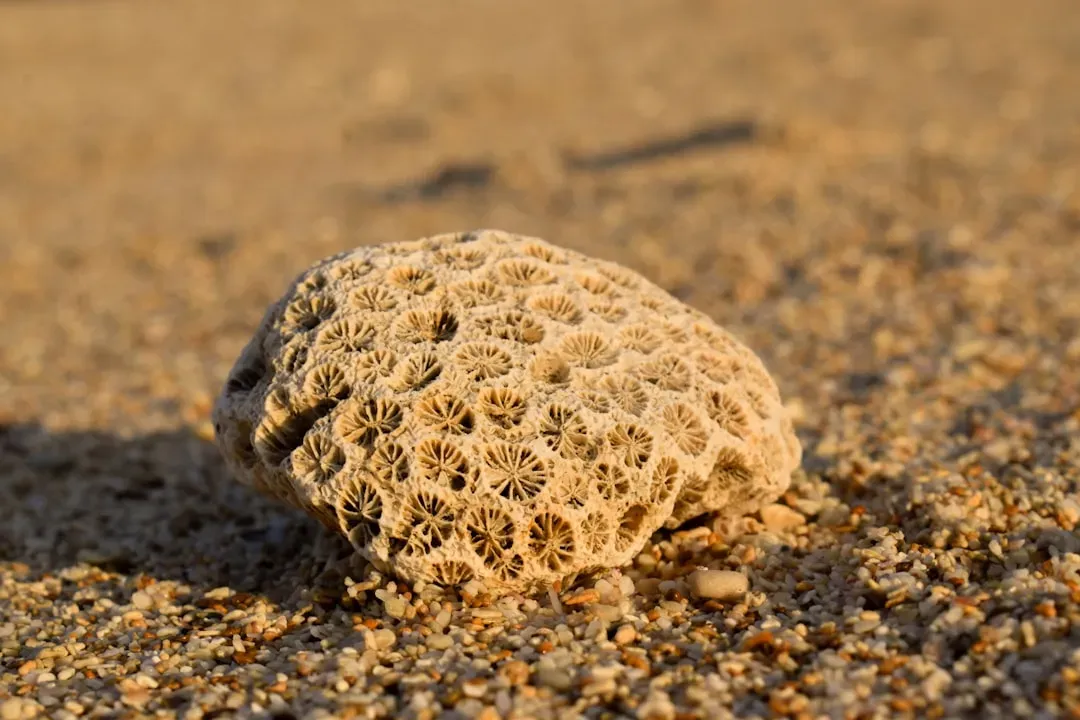
When you think of fossils, you might picture dinosaur bones, but the Grand Canyon’s story skips the dinosaurs almost entirely and reaches even deeper into life’s past. Many of the canyon’s key fossils are of marine creatures that lived in shallow seas: trilobites scuttling along the seafloor, brachiopods anchored in place, algae forming mats. These remains mark the rise and diversification of complex life in the oceans during ancient periods when your ancestors were still microscopic experiments in evolution.
Some rock layers capture traces of early animals burrowing through soft seafloor sediments, leaving behind trails and tunnels rather than skeletons. Others preserve the skeletons and shells of creatures that slowly built reefs, only to be buried and turned into rock. By moving from one fossil-rich layer to another, you can track how life shifted from simple to more complex forms, adapting to changing seas and climates as continents drifted. The canyon becomes a kind of biological diary, chronicling steps in the journey that, ultimately, led to you breathing at the rim and wondering how any of this could possibly still exist.
The Ongoing Debate: How Old Is the Grand Canyon Itself?
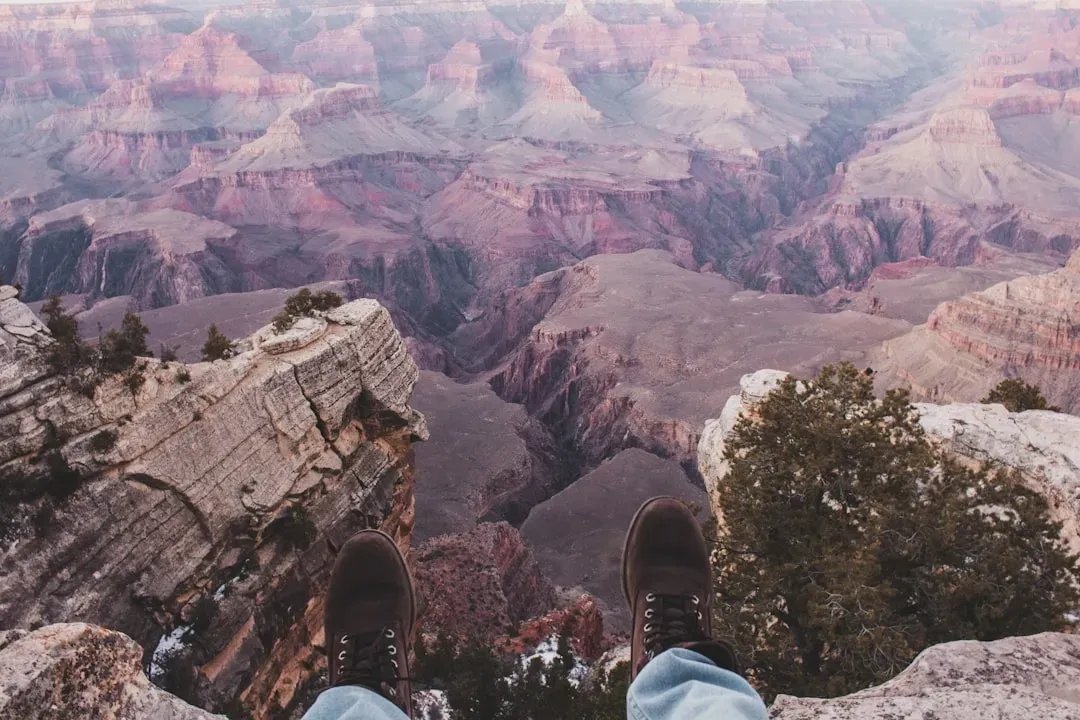
Here’s one of the most surprising things you learn once you dig into the science: experts still do not fully agree on exactly when the modern Grand Canyon was carved. Different studies have proposed very different ages, with some evidence suggesting certain segments of the canyon may have started forming tens of millions of years ago, while other data point to a much younger, more recent incision of the full canyon by the Colorado River. In other words, the rocks are ancient, but the gigantic gash through them may be far younger than you’d guess just by looking.
Researchers use tools like radiometric dating of minerals formed in caves and along canyon walls to estimate when certain parts became exposed. As new methods come online, earlier models sometimes get challenged or refined, which means your understanding of the canyon’s age is still moving. When you walk along the rim, you’re stepping into an active scientific argument where new data can change timelines by tens of millions of years. It’s a humbling reminder that even something as massive and seemingly permanent as the Grand Canyon can still surprise you.
Climate Change, Ancient and Modern, Is Written in the Rock
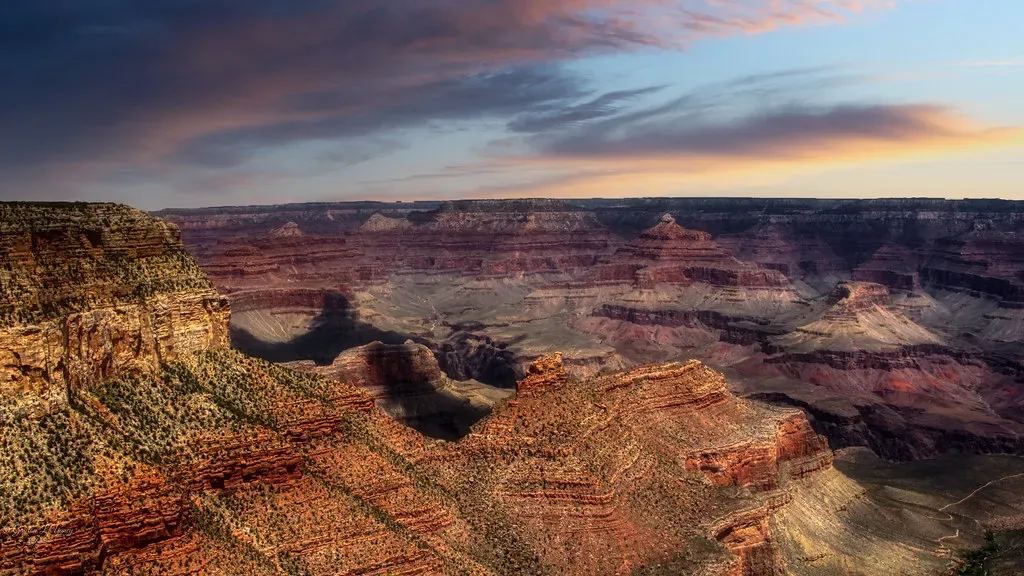
As you trace the canyon’s layers, you are also tracing the story of Earth’s shifting climates. Some layers formed during warm, shallow seas that stretched across continents, while others record times when deserts dominated and rainfall was scarce. Fossils, mineral types, and even the size and shape of sand grains help you reconstruct past temperature and rainfall patterns, long before humans began burning fossil fuels. The canyon walls quietly show you that climate has always changed, but at a pace far slower than what you’re witnessing today.
Modern climate change is starting to leave its own marks: shrinking snowpacks in the Colorado River’s headwaters, altered sediment flows, and stress on ecosystems that evolved around past patterns of water and temperature. As river flows and weather patterns shift, the ongoing erosion that continues to shape the Grand Canyon might change character too. Looking at the deep past etched into the rocks gives you a powerful backdrop for understanding just how abrupt and human-driven today’s changes are. The canyon ends up being both a record of natural climate swings and a quiet warning about the speed at which you’re now pushing the system.
The Colorado River Is Still Sculpting the Canyon Beneath Your Feet
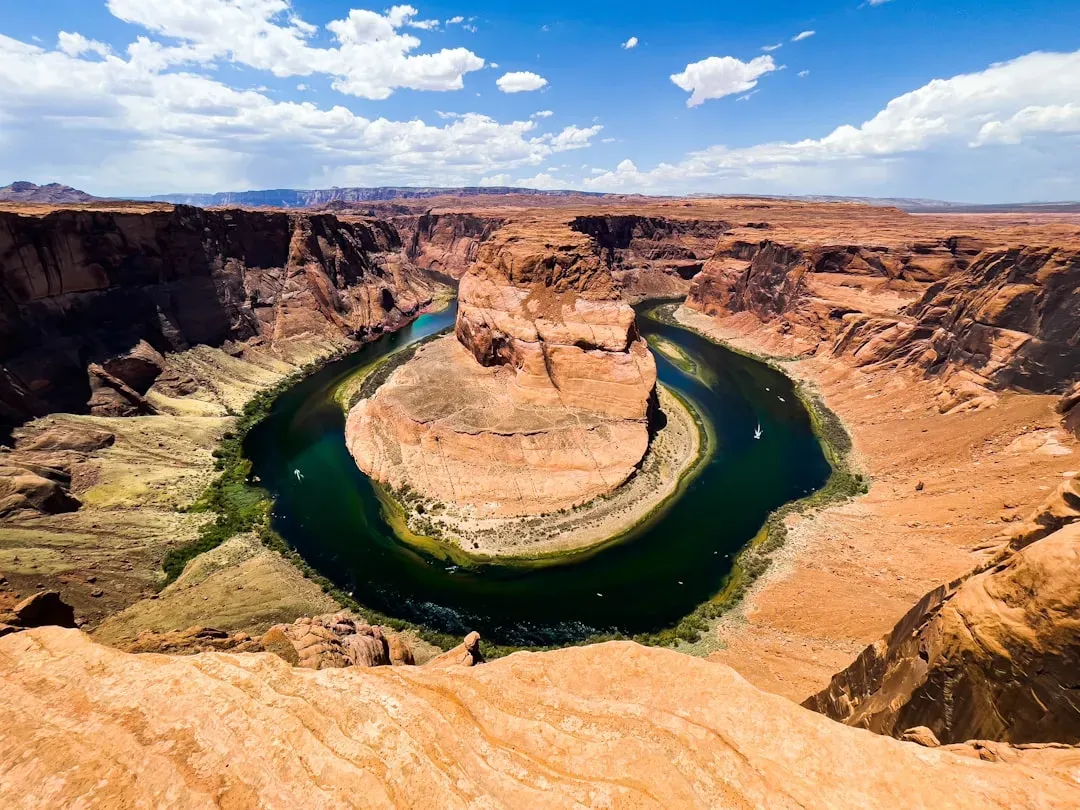
It is easy to think of the Grand Canyon as finished, but if you hike down to the river, you’ll quickly realize the work is ongoing. The Colorado River is still cutting, grinding, and transporting rock, especially during major flood events when its power surges. Every year, bits of canyon wash downstream as sediment, and over long stretches of time this process continues to deepen and widen the gorge. Even side canyons you might explore are being carved by flash floods that roar through after intense desert storms.
Human-built dams upstream have changed how much sediment and water the river carries, which in turn affects how the canyon continues to evolve. Beaches and sandbars that wildlife and rafters rely on can grow or shrink depending on how much sediment flows past the dams and how managers release water. You’re visiting a landscape that sits in the tension between natural forces and human decisions, and the shape of the canyon far into the future will partly reflect choices made in your lifetime. The so-called finished masterpiece is more like an ongoing sculpture with the chisel still in motion.
Hidden Caves and Springs Guard Subterranean Secrets
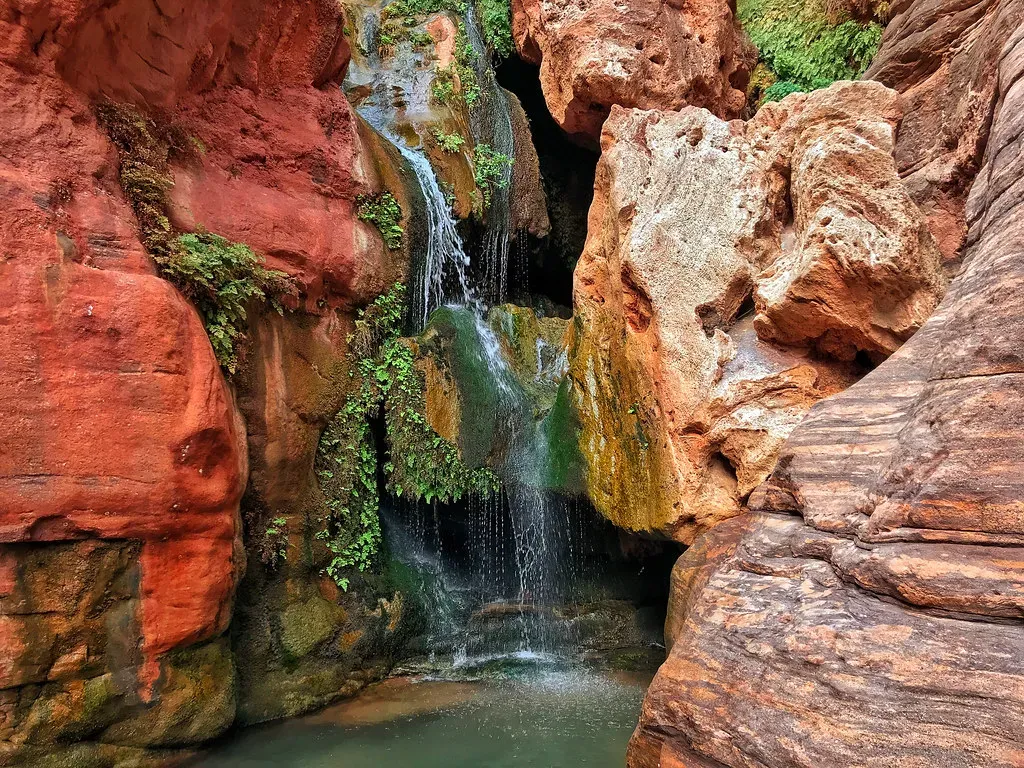
What you see on the surface is only part of the story; much of the canyon’s mystery lies inside its cliffs and beneath its floor. Thousands of caves – many of them unexplored or only partially studied – are tucked into the walls, some containing mineral formations, ancient sediments, or fossils that extend the timeline of events you can trace on the surface. Springs that emerge halfway down the canyon reveal complex underground water pathways, where rainfall and snowmelt can take years or even decades to travel through fractured rock before reappearing as clear flows.
The water chemistry of these springs tells you about the rocks the water passed through and how long it has been underground. Some caves also preserve delicate mineral deposits and sediments that act like archives of past rainfall patterns, vegetation, and even dust carried from far away. When you realize that there are still caves waiting to be mapped and springs waiting to be fully understood, it becomes obvious how incomplete your picture still is. The canyon is not just what you see in broad daylight; it is also a hidden, shadowed network of spaces where new discoveries still quietly wait.
The Grand Canyon Shapes How You See Earth’s Story
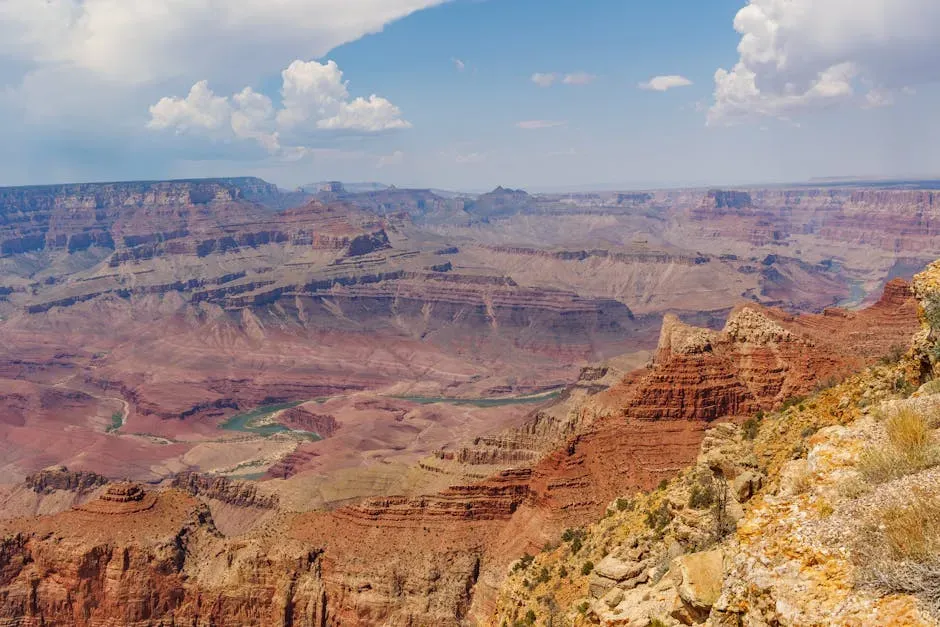
Standing at the rim, it is almost impossible not to feel your sense of time stretch and warp. Your daily worries run on the scale of hours, days, maybe years, but the canyon forces you to think in millions and billions of years. You begin to understand that mountains rise and vanish, seas come and go, and entire ecosystems flash into existence and disappear while the planet keeps rolling along. It can be unsettling, but it can also be strangely comforting to realize that Earth has weathered vast changes long before you arrived.
For many people, seeing that much history exposed in one place changes how they look at everything else. A boulder by the trail is no longer just a rock; it is a fragment of an ancient shoreline or seafloor, a survivor of pressures and forces you’ll never personally feel. You might leave with a deeper respect for how fragile your own moment is in the long story of the planet, and a sharper awareness that your actions still ripple forward into that story. Once you have looked into that much deep time, it is hard to go back to seeing Earth as just scenery.
In the end, the Grand Canyon is less like a postcard and more like a conversation between stone, water, and time that you happen to walk into partway through. You are catching it mid-sentence: rocks still shifting, river still carving, scientists still arguing over dates, and new tools still peeling back fresh details from very old clues. The secrets of Earth’s deep past are not all solved, and that is exactly what makes this place so powerful to visit and to imagine. Next time you look into those depths, what new stories will you be ready to see?