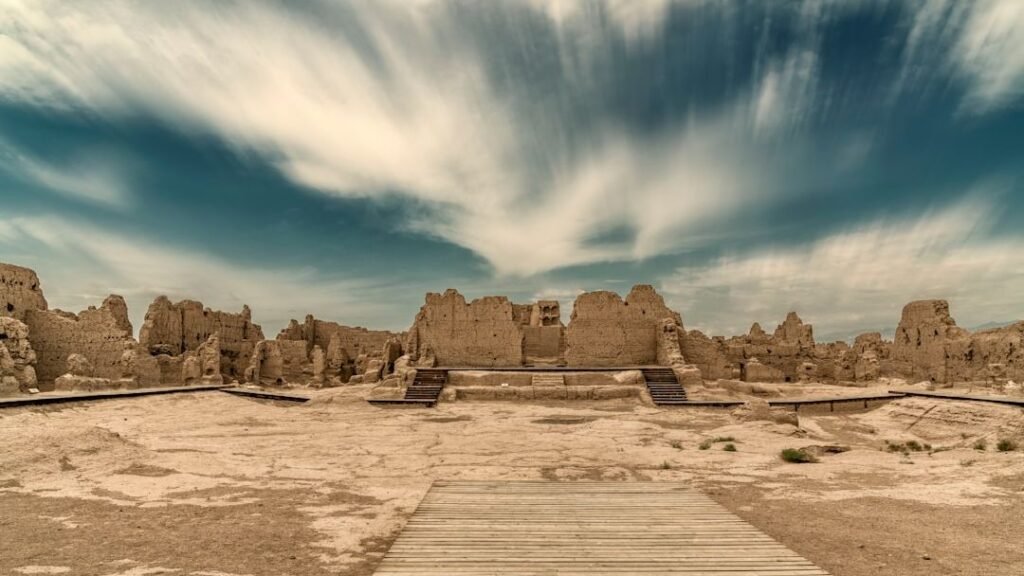

You probably grew up hearing neat, tidy stories about how civilizations rise and fall in slow motion: empires overextend, economies crumble, and centuries later the lights finally go out. But when you look closer at the archaeological record, you keep running into something far stranger and more unsettling: places that seem to empty almost all at once. Great cities abandoned, temples left half-finished, entire regions quieting down in what, on a human scale, feels disturbingly close to “overnight.” When you follow these trails, you discover a sobering truth: for some ancient societies, you still do not have a clear answer. You can trace their art, their engineering, their trade routes – and then the story stutters and breaks. Scientists have clues, models, and competing theories, but no comfortable consensus. And that uncertainty forces you to confront a hard question: if they could vanish so abruptly, how safe is your own world from the same kind of sudden unraveling?
The Civilization That Vanished Between One Flood And The Next
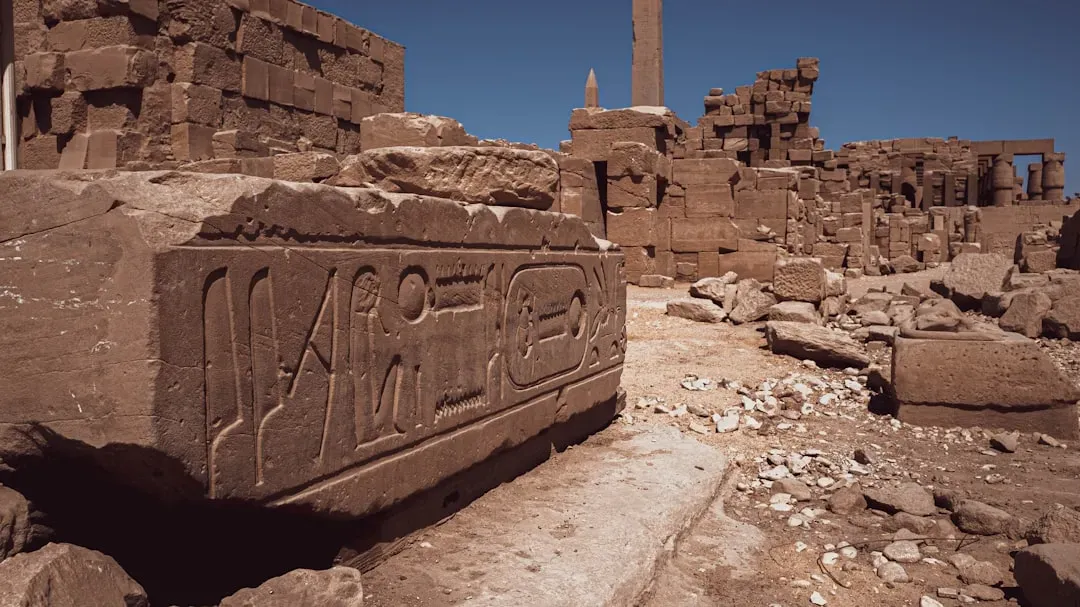
You can picture it: a network of prosperous settlements threaded around river plains and wetlands, where generations had learned to tame seasonal floods instead of being crushed by them. For centuries, this civilization flourished, building with stone, shaping fields, and carving out trade routes that tied distant communities together. From the ground level, if you lived there, it would have felt stable, almost eternal – your grandparents farmed here, your grandchildren surely would too.
Then the climate flickered. In some ancient regions, evidence in lake beds and cave formations shows that rainfall patterns can snap from stable to chaotic in just a few decades. When you are dealing with human lives, that kind of change might as well be instant. Flood defenses that worked for generations suddenly failed; floods that came every few years started coming every year, higher and more unpredictable. If your homes and fields were wiped out two or three seasons in a row, you would not politely wait around for the next catastrophe. You would leave – and to archaeologists thousands of years later, your departure would look unnervingly like a civilization vanishing almost overnight.
Why “Overnight” Can Be A Very Human Illusion
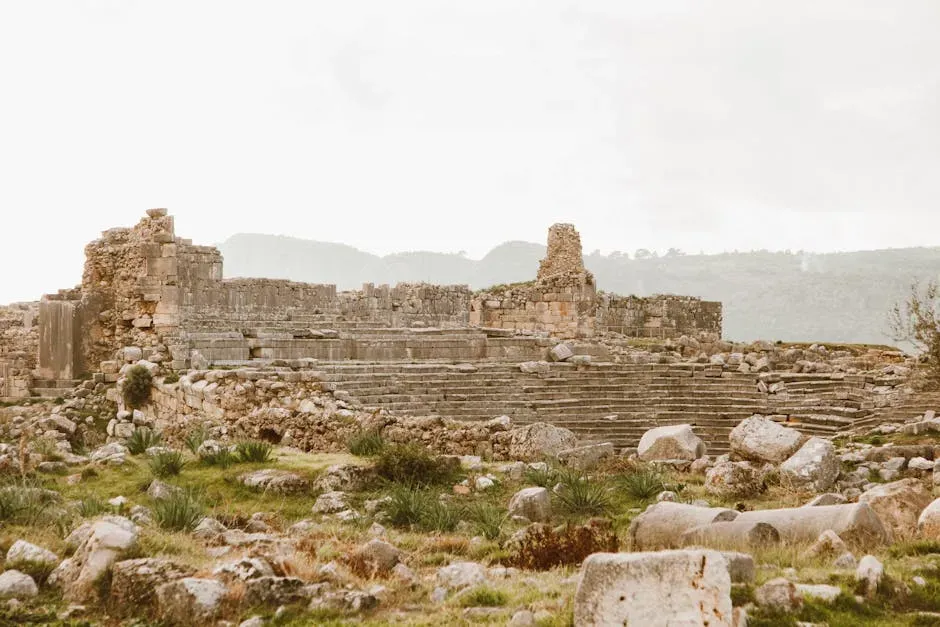
When you hear that an ancient civilization disappeared overnight, it is easy to imagine a single apocalyptic evening – a wall of fire, a sudden plague, a sky full of ash. Your brain wants a movie moment. But from the perspective of archaeology, “overnight” can mean something very different: a cluster of abandoned cities over the span of maybe fifty or a hundred years. For the people living through it, that is one or two lifetimes. For you, reading about it thousands of years later, that compression in time feels like a snap of the fingers.
What makes the mystery sharper is the silence of the sources. In many cases, you are dealing with societies that left few written records, or whose writing you still cannot fully read. That means you are not watching their world collapse from the inside; you are coming in as a forensic detective long after the fact, trying to reconstruct a complex drama from collapsed walls, pollen grains, and isotopes in old bones. The result is that entire centuries of fear, argument, migration, and adaptation squish into one archaeological moment – a layer of abandonment that feels impossibly sudden, even if the lived experience was a drawn-out struggle.
Climate Whiplash: When The Sky Turns Against You
If you want to understand how a thriving ancient society could unravel so fast, you have to start with the climate ceilings they lived under. You enjoy a world that still, at least for now, has global supply chains and vast, diversified economies. Many ancient civilizations had nothing like that safety net. They were exquisitely tuned to local rainfall patterns, river flows, and growing seasons. When those patterns shifted, they did not just have a bad harvest – they had cascading failure across food, trade, and political power.
Modern techniques like sediment analysis, tree rings, and cave deposits have shown you just how abrupt some of these shifts can be. In more than one case, scientists have found a clear signal: decades of unusually heavy rain or deep drought lining up with the decline of once-powerful cultures. Yet here is the twist that keeps the mystery alive: the climate record can tell you the stage caught fire, but not exactly how the actors reacted. Did elites cling to palaces while villages starved? Did rival factions turn on each other? Did people quietly walk away, following better rainfall elsewhere? Without their own voices, you are left with a crime scene – but no confession.
Invisible Failures: How Complex Systems Break All At Once
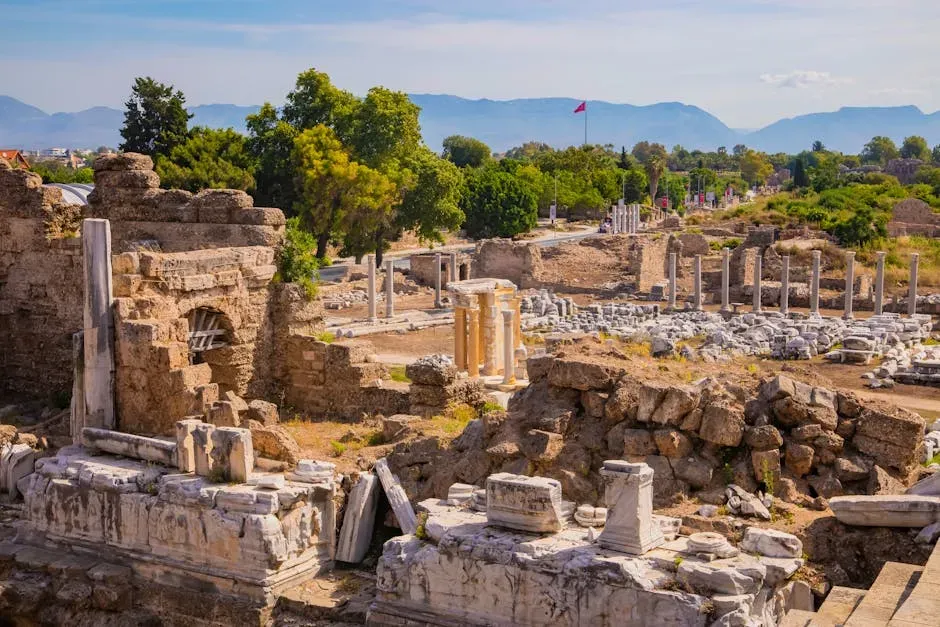
When you look at these vanished civilizations through the lens of systems, the idea of an “overnight” disappearance starts to make chilling sense. You are dealing with societies that stacked layer upon layer of complexity: irrigation networks, specialized labor, long-distance trade, religious hierarchies, and political elites. For a while, this complexity is a strength – it lets them extract more food, build bigger monuments, and support more people than neighboring cultures.
The problem is that every layer adds another point of failure. Imagine a suspension bridge: it feels rock solid right up to the moment a critical cable snaps, and then a whole span can peel away in seconds. In the same way, an ancient civilization can coast along with hidden stresses for years. Trade routes become fragile, soils get tired, commoners grow resentful, and elites double down on rituals instead of reforms. When a shock finally hits – a climate shift, an invasion, a pandemic – you get not a graceful decline but a hard break. From your present-day vantage point, that hard break is exactly what you see: abandoned capitals, toppled statues, irrigation canals choked with silt, and then…nothing.
The Temptation Of Wild Theories (And Why You Should Be Careful)
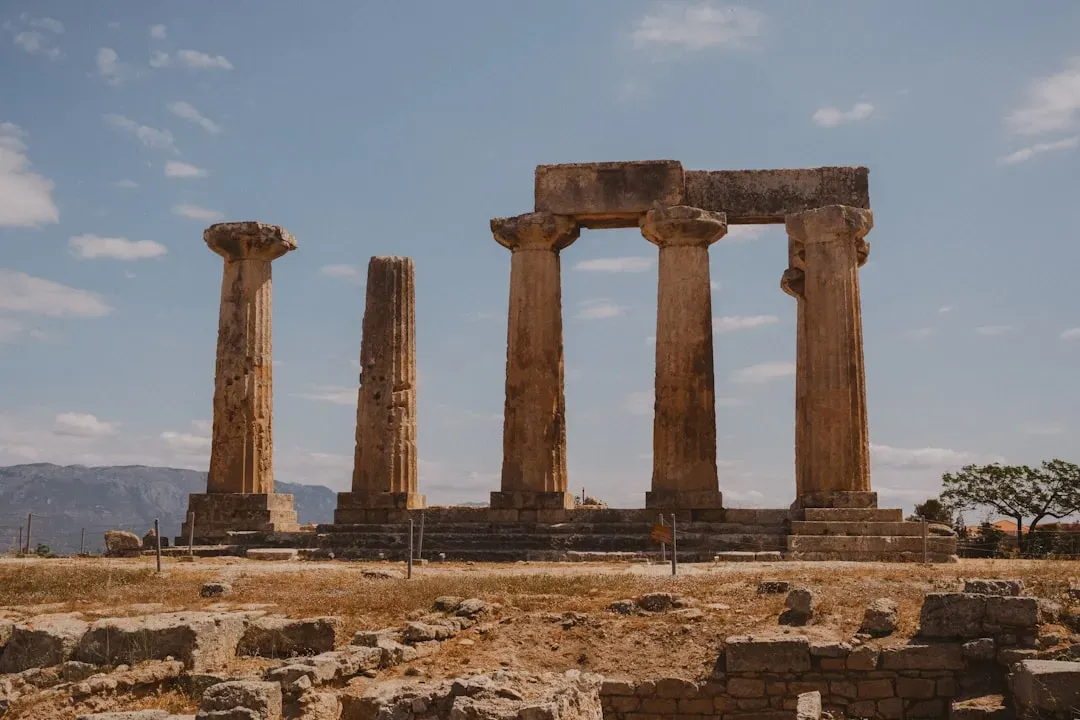
Because so many details are missing, you are constantly tempted to fill the gaps with dramatic explanations. Lost continents, secret advanced technologies, vanished global empires – the more sudden the disappearance looks, the easier it is to argue that something extraordinary must have happened. You have probably run into books, videos, or threads arguing that such an ancient civilization could only have vanished due to a comet impact, a pole shift, or some forgotten cosmic event. The truth is that a handful of researchers do explore catastrophic hypotheses, and they sometimes uncover intriguing anomalies in the geological record.
But when you step back, you notice something important: extraordinary claims tend to crumble when you ask for solid, repeatable evidence. If there had been a truly global, technologically advanced civilization before the ones you know, you would expect to find its fingerprints everywhere – durable alloys, industrial pollution layers, genetic traces, unambiguous high-tech debris. Instead, what you actually see are societies that are impressive for their time but still very much of their era: stone, clay, bone, limited metals. That does not make their disappearances boring; it makes them even more relevant. You are looking at real human systems, pushed past their limits by forces that are, disturbingly, still with you today.
What You Can Learn From A Civilization That Left No Explanation
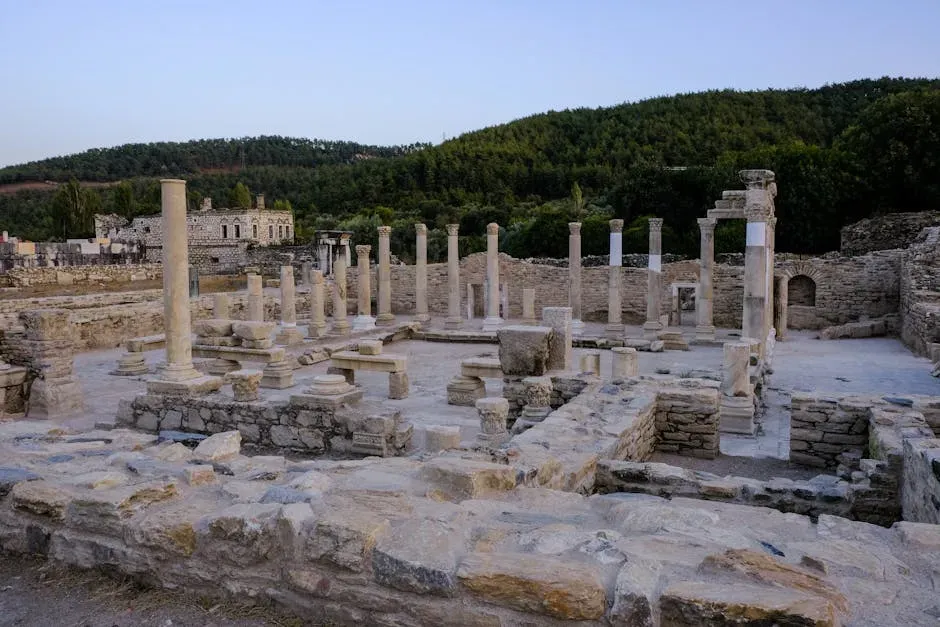
When you realize that scientists still cannot fully explain why some ancient civilizations emptied out so suddenly, it can feel unsettling, almost unfair. You are used to history having neat morals and clear villains. Yet the more you dig, the more you see a messier reality: multiple causes stacked together, a tangle of feedback loops, and a lot of ordinary people simply trying to survive. In a way, the silence of these vanished societies forces you to do something uncomfortable – you have to supply the empathy yourself.
It helps to imagine you are there on the edge of collapse. Maybe you are a farmer watching the river come higher every year. Maybe you are a trader whose usual routes have turned dangerous or unprofitable. Maybe you are part of the ruling class, clinging to ceremonies that feel less convincing each season. No one tells you, “Your civilization is about to disappear.” You just feel a growing wrongness, a sense that the old patterns no longer work. When enough people make the same quiet decision to leave, retreat, or change allegiances, the system they once upheld falls away. Millennia later, you only see the empty shell and call it a mystery – when in reality it was built from a thousand personal choices like yours.
Why The Mystery Still Matters To Your Future
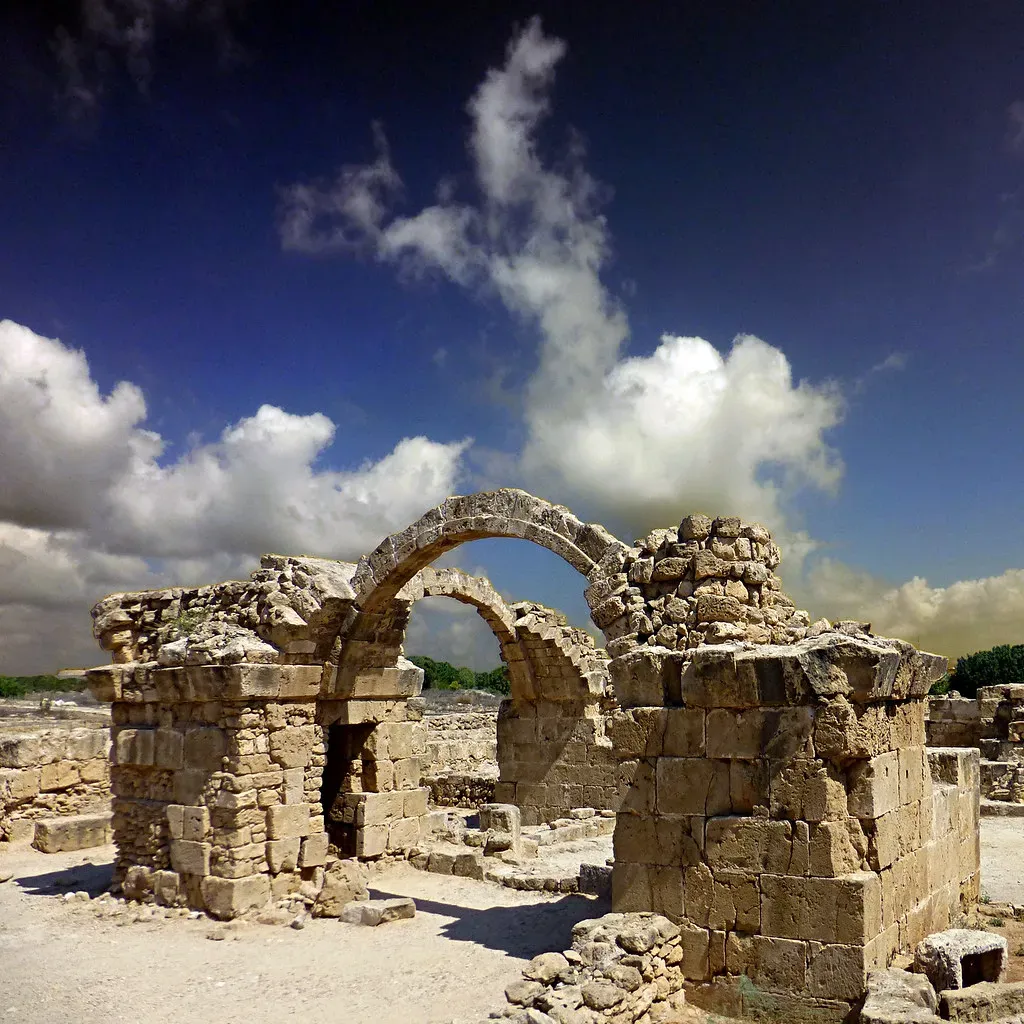
It would be easy to shrug and treat these vanished civilizations as distant curiosities, like puzzles in a museum display case. But if you look honestly, their stories land much closer to home. You also live in a complex, interconnected system balanced on climate stability, resource flows, and social cooperation. You like to believe you are more resilient because you have technology, global trade, and vast data sets. Yet the ancient record quietly reminds you that complexity without humility is a fragile bargain.
Scientists may never pin down a single, satisfying reason why that one civilization disappeared “overnight.” The evidence is too scattered, the written voices too few, the timelines too compressed. What you can do, though, is accept the warning they left behind in ruins and river mud: no matter how solid your world feels, it can be more brittle than you think. The same forces that unmade them – climate whiplash, ecological strain, political rigidity, and overconfidence – are still active under your feet. The real question is not whether some ancient people vanished without a trace; it is whether you will take their unfinished story as a strange legend, or as a mirror held up to your own age.