
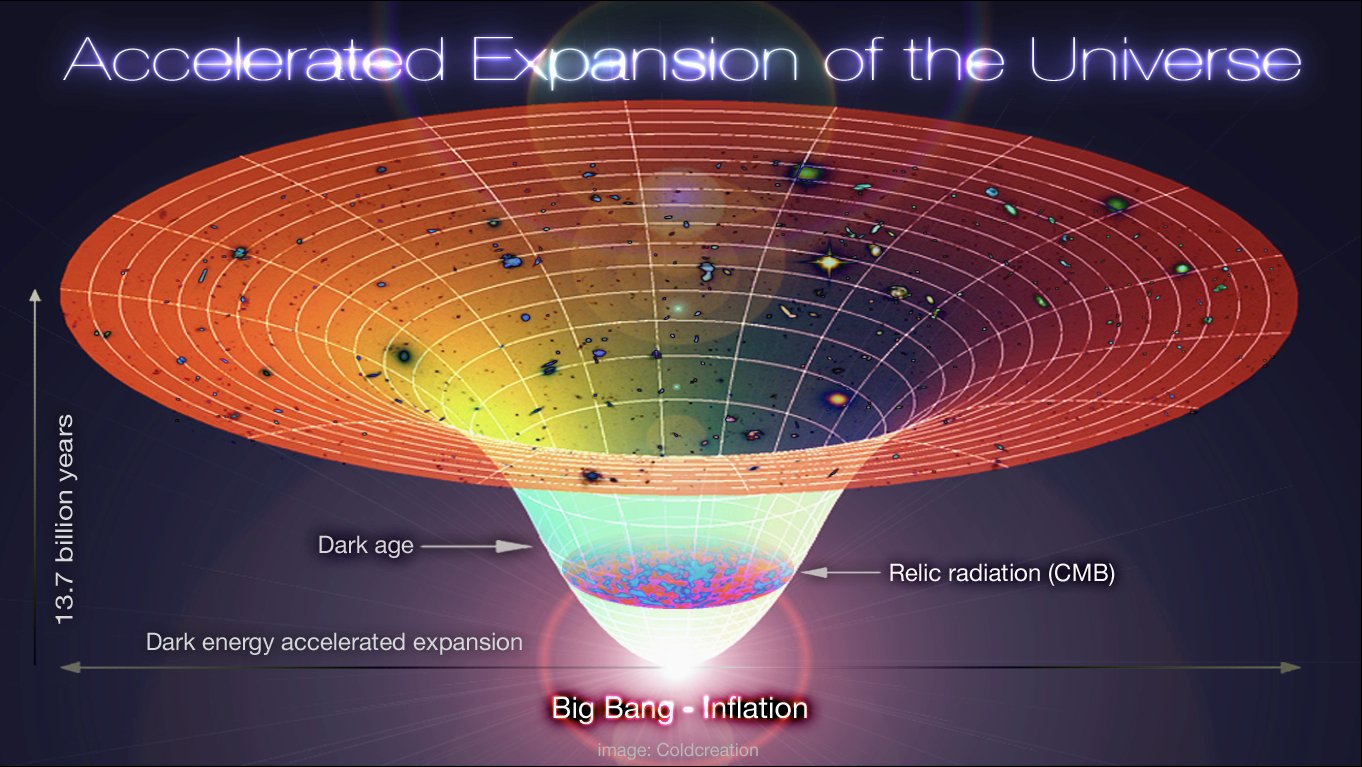
You live in a universe that is literally stretching beneath your feet, pulling distant galaxies farther and farther away from you every second. For a long time, scientists thought this cosmic expansion was slowing down, like a thrown ball that eventually falls back to the ground. Then, in the late nineteen nineties, observations of distant exploding stars revealed something shocking: the expansion is not slowing down at all. It is speeding up.
That discovery flipped cosmology on its head and forced you to rethink almost everything you thought you knew about space, time, and the ultimate fate of reality. Since then, better telescopes, new sky surveys, and improved measurements have only deepened the mystery. You now know that the universe is expanding faster than earlier models predicted, but you still do not fully know why. What you do have are a set of clues that point toward an invisible, repulsive ingredient in the cosmos and some very strange possibilities for the distant future.
The strange moment you discovered the universe is speeding up
If you had been an astronomer in the early nineteen nineties, you would probably have made a very reasonable assumption: gravity should slow cosmic expansion over time. After all, every galaxy pulls on every other galaxy, so you would expect the overall stretching of space to gradually ease off. To test this, scientists began studying special stellar explosions called Type Ia supernovae, which act like standard candles: they all reach roughly the same peak brightness, so their apparent brightness tells you how far away they are, and how their light stretches tells you how fast they are receding.
When two independent teams compared how bright and how redshifted those supernovae were, they ran into a puzzle that you would probably have doubted if you saw it first. The supernovae looked dimmer than they should have been in a slowing universe, which meant they were farther away than expected. To make sense of this, you are forced into a surprising conclusion: billions of years ago, the universe was expanding more slowly than it is right now. Somewhere along the way, expansion started accelerating, as if some hidden force had pushed its foot down on the cosmic gas pedal.
Dark energy: the invisible engine behind faster expansion
To explain this runaway expansion, you have to introduce an ingredient that does not behave like anything you see in everyday life: dark energy. You cannot see it, touch it, or bottle it, but every line of evidence suggests it fills all of space and exerts a kind of negative pressure. Instead of pulling things together like normal gravity, it acts like a built‑in antigravity effect that pushes the fabric of the cosmos outward, making distant galaxies race away from you at ever‑increasing speeds.
When you add everything up in the standard cosmological model, dark energy dominates the budget of the universe. Roughly about two thirds of all the energy content of the cosmos seems to be tied up in this mysterious component, completely overshadowing normal matter like stars, planets, gas, and dust. That means your familiar world – all the atoms in your body, your planet, and every visible star – is just a thin layer of frosting on a cake mostly made of things you cannot directly detect. Dark energy is not a detail on the side; it is the main driver of how the universe evolves on the largest scales.
How you actually measure the universe getting faster
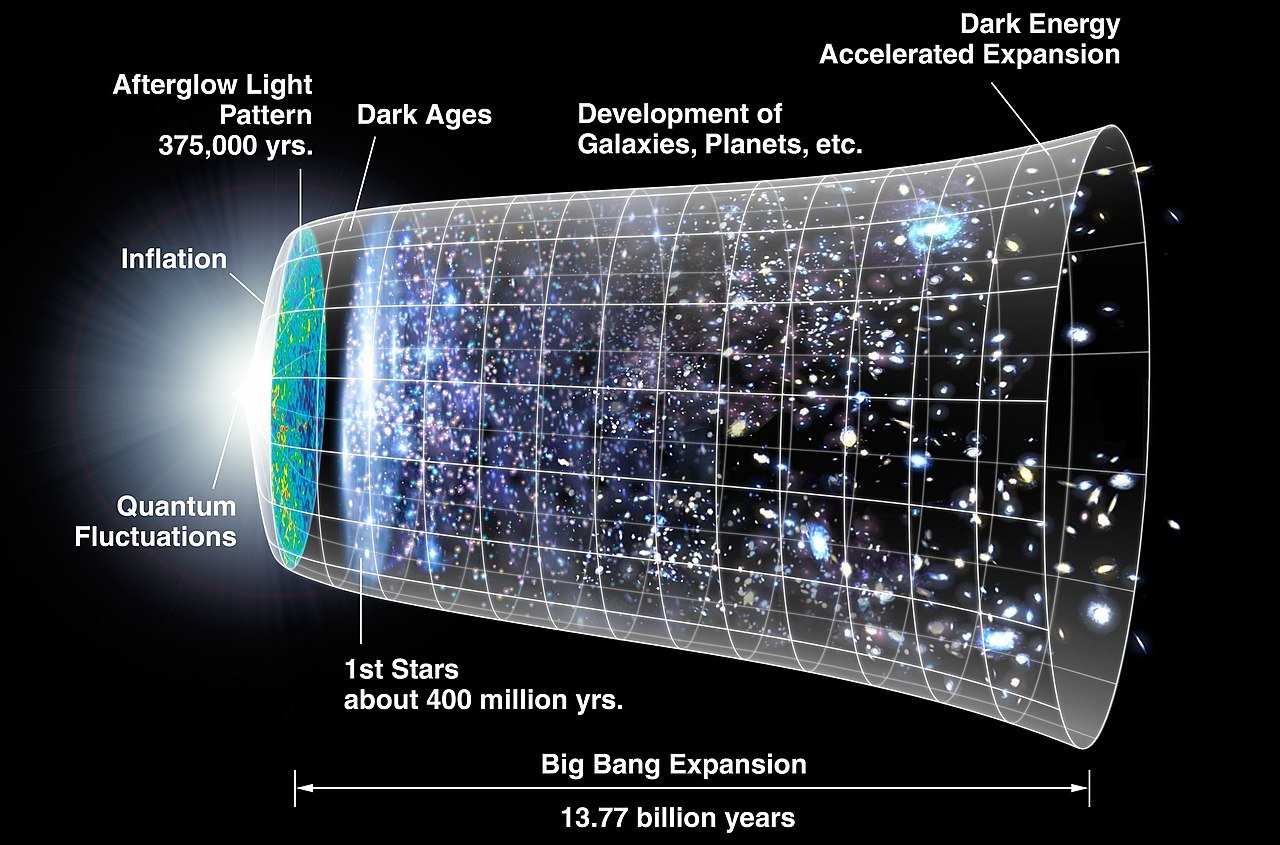
Talking about a faster expansion sounds abstract, but you can trace it with several independent tools, each giving you a different angle on the same story. Supernovae let you compare distance and redshift, which tells you how expansion has changed over billions of years. Ripples in the distribution of galaxies, called baryon acoustic oscillations, give you a kind of built‑in cosmic ruler, letting you check how big space has become at different epochs. The cosmic microwave background – the afterglow of the Big Bang – shows you a baby picture of the universe that you can compare with what you see today.
When you put these measurements together, you are doing the cosmic equivalent of replaying a time‑lapse video and checking whether the frame spacing gets wider or narrower as time passes. Every method relies on different physics and different types of data, yet they keep pointing to the same unnerving conclusion: expansion is not just continuing, it is accelerating. That agreement matters to you, because it reassures you that this is not a glitch in one telescope or a mistake in a single analysis. Instead, it is a real, baked‑in feature of the universe you inhabit.
Why Einstein’s old idea came back to haunt you
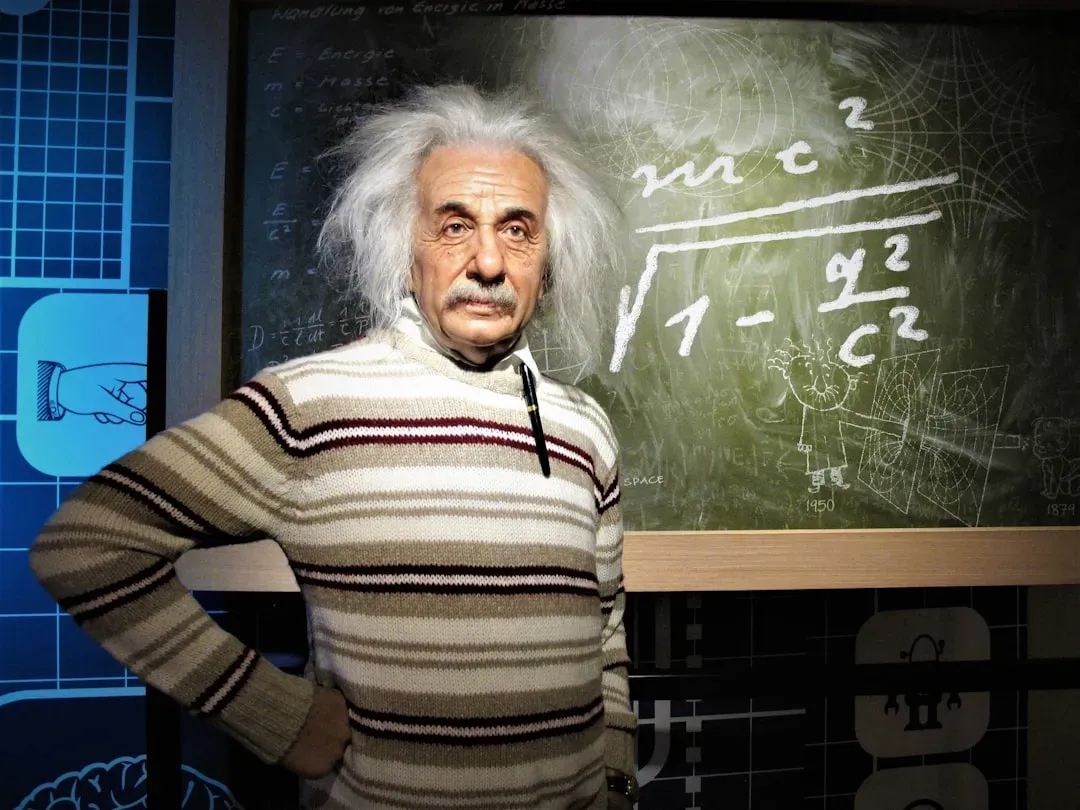
Long before you had evidence for acceleration, Albert Einstein introduced something called the cosmological constant into his equations of gravity. At the time, he thought the universe was static, so he tweaked the math by adding a term that could counteract gravity and hold everything in balance. When later observations revealed that the universe is actually expanding, he famously abandoned this constant, considering it a mistake. For decades, many physicists treated it as a curiosity rather than a serious part of nature.
Now you find yourself resurrecting that discarded idea under a new name: dark energy might simply be Einstein’s cosmological constant after all. In that view, empty space comes with a tiny, uniform energy density built in, the same everywhere and everywhen, gently pushing space apart. The problem for you is that attempts to calculate this vacuum energy from quantum theory overshoot the observed value by a staggering amount, far beyond what you can shrug off as a rounding error. You end up in the bizarre position where the simplest explanation fits the data, but clashes violently with your best theories of the microscopic world.
On top of that, you also have more exotic possibilities to wrestle with. Instead of a constant energy in empty space, dark energy could be a slowly evolving field, sometimes called quintessence, that changes over cosmic time. If that is true, the acceleration you see now might not last forever; it could speed up, slow down, or even reverse under the right conditions. For you, that means the fate of the universe is not carved in stone, but tied to the detailed behavior of a component you have not yet pinned down.
The Hubble tension: when the universe disagrees with itself
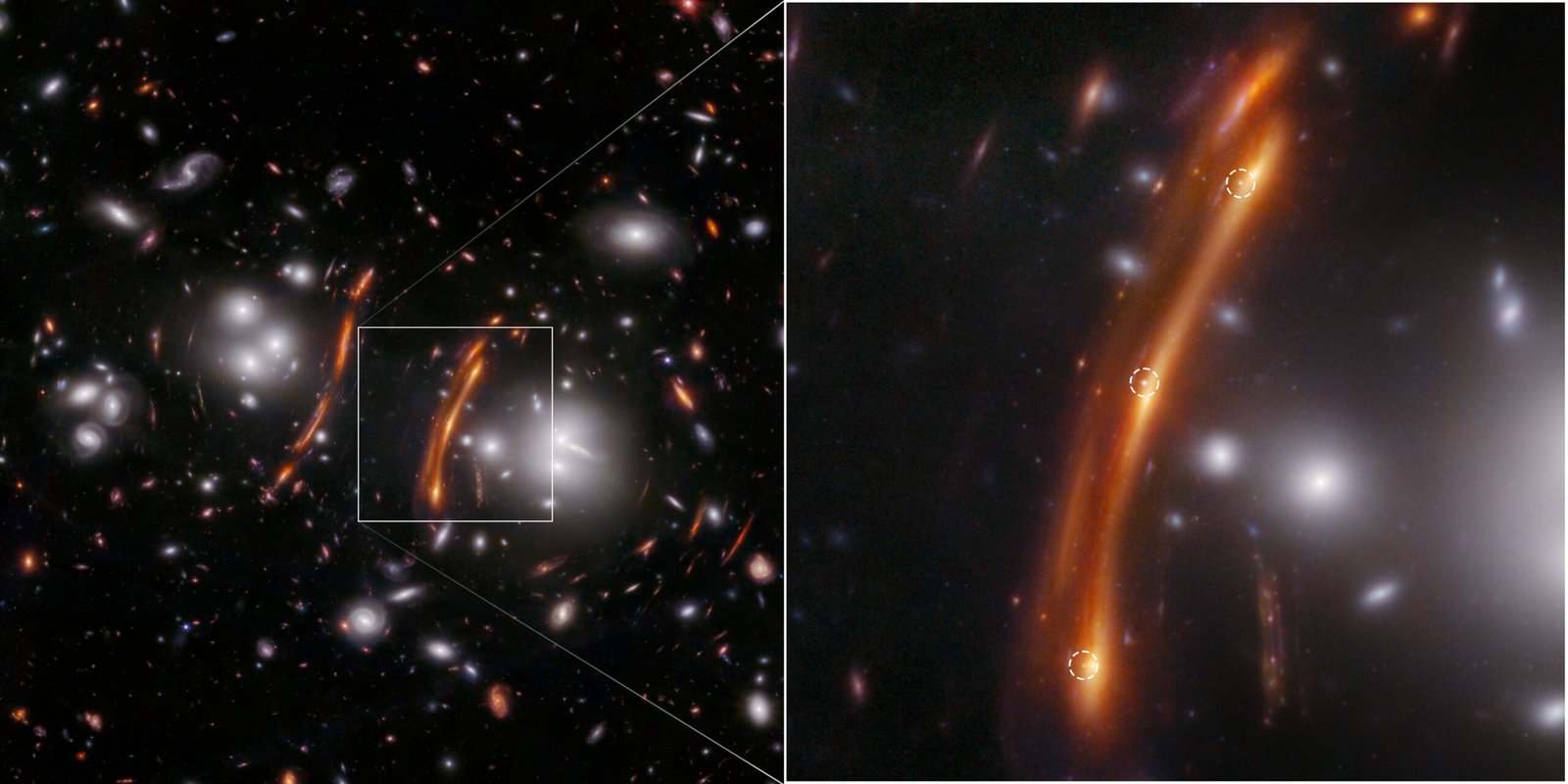
As you sharpen your measurements, another twist appears: different methods of measuring the current expansion rate, known as the Hubble constant, do not line up cleanly. When you infer the Hubble constant from the early universe, using the cosmic microwave background and standard cosmology, you get a value that is modestly lower. When you measure it more directly in the nearby universe, using supernovae, variable stars, or other distance indicators, you tend to get a higher value. The gap between these approaches has grown precise enough that you can no longer dismiss it as random noise.
This mismatch, often called the Hubble tension, is like asking two honest friends what time it is and getting answers that differ by more than a few minutes, even though both swear their watches are calibrated. For you, it raises an uncomfortable possibility: maybe the standard picture of dark energy as a simple cosmological constant is incomplete. Perhaps there were subtle changes in how dark energy behaved over cosmic history, or perhaps some other new physics is sneaking into the data. Until you resolve that tension, you are left with an itch that every careful cosmologist feels – a sense that there is a deeper layer you have not yet uncovered.
What a faster expansion means for your cosmic future
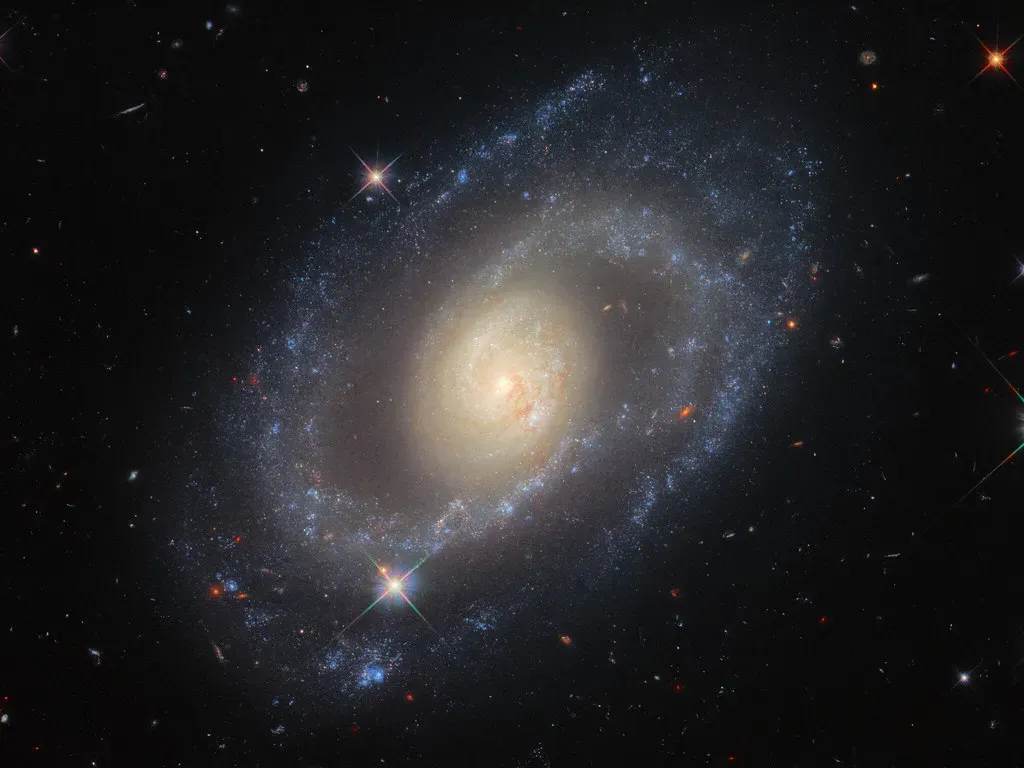
When you imagine the distant future of the universe, the accelerating expansion plays the starring role. If dark energy keeps behaving the way you currently infer, galaxies beyond your local group will drift faster and faster away from you, eventually crossing a kind of horizon where their light can never reach you again. The night sky will grow emptier on the largest scales, not because galaxies disappear, but because the space between you and them stretches too quickly. From your viewpoint, the observable universe will gradually shrink to a lonely island of nearby galaxies.
In more extreme scenarios, where dark energy grows stronger over time rather than staying constant, you could face a fate sometimes called the Big Rip. In that picture, the repulsive effect eventually overpowers gravity even on smaller scales, tearing apart galaxy clusters, then galaxies, then solar systems, and eventually even atoms themselves. You do not have solid evidence that this will happen, and current measurements lean more toward a milder, steady acceleration. Still, just knowing that the equations allow for such a dramatic ending gives you a sense of how radically dark energy can shape your long‑term cosmic story.
How this changes the way you see yourself in the cosmos
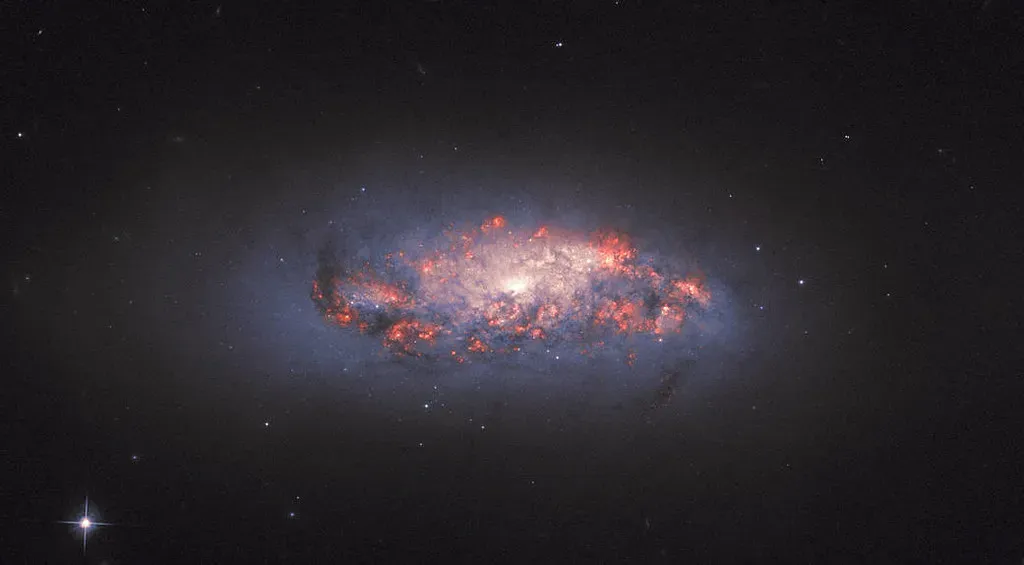
Once you accept that most of the universe is made of dark energy and dark matter, with normal matter playing only a minor role, your sense of place has to adjust. You grew up with the idea that Earth is not the center of the universe, and that your star is one of many. Now you also have to accept that the very stuff you are made of is not typical either. You are a small, luminous exception in a cosmos whose dominant ingredients are invisible and poorly understood, driving dynamics that you can only track indirectly through their effects on galaxies and light.
Oddly enough, that realization can be both humbling and empowering for you. On the one hand, it underlines how limited your intuition is when it comes to the universe at large. On the other, it highlights the sheer reach of human curiosity: with carefully built instruments and clever reasoning, you have managed to discover something that never shows up in day‑to‑day life. The fact that you can even talk meaningfully about dark energy, its properties, and its impact on cosmic history is a reminder that your species has learned to read the universe far beyond its immediate surroundings.
Why the mystery of faster expansion is far from solved
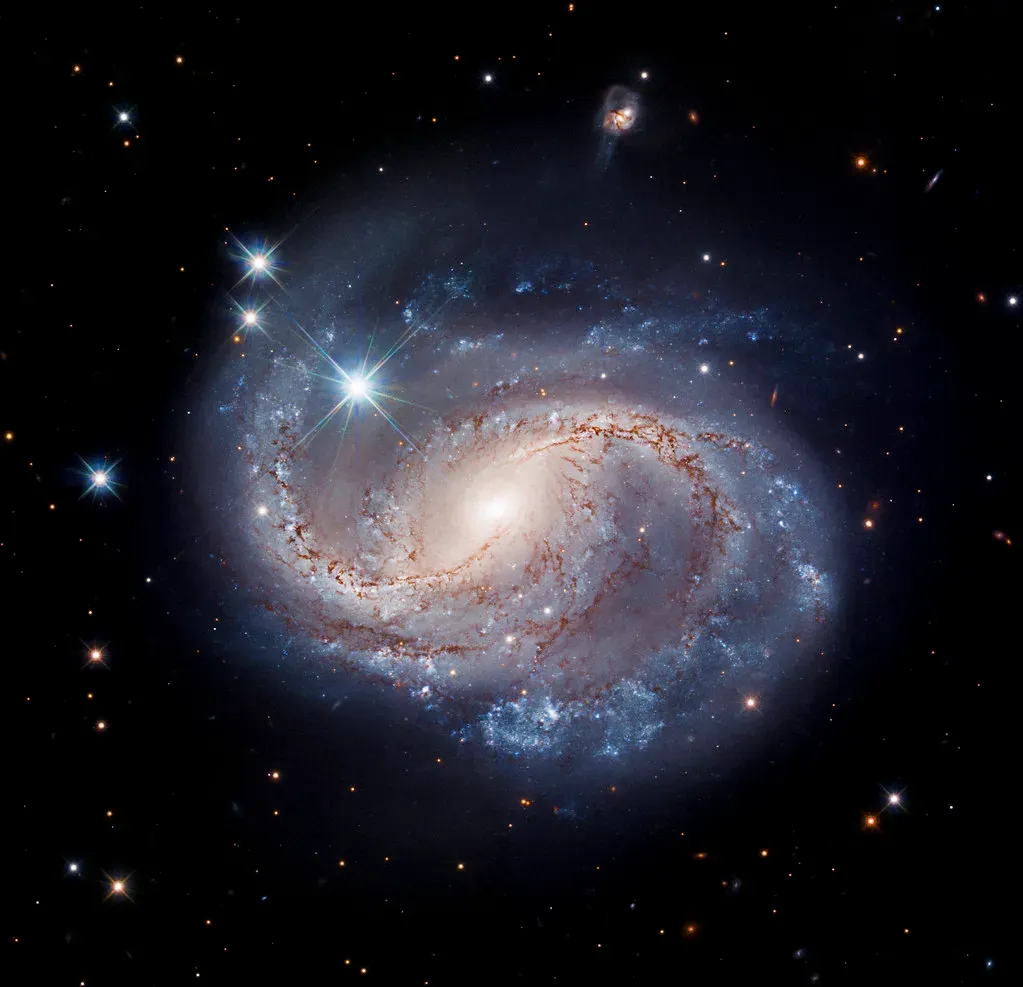
Even in twenty twenty‑six, you are very much in the middle of the story, not at the end. New telescopes and surveys on the ground and in space are mapping millions of galaxies, tracking how structures form and how they respond to dark energy over time. At the same time, experiments in particle physics and gravity are probing whether your current theories break down under extreme conditions. Every new dataset gives you another chance either to confirm the simple cosmological constant picture or to catch it slipping, revealing a hint of something richer going on.
If history is any guide, you should be prepared for surprises. A century ago, you did not even know the universe was expanding; a few decades ago, you assumed that expansion was slowing down; now you are trying to understand why it is speeding up. Each leap came from observations that forced you to abandon comfortable ideas and accept stranger, more counterintuitive ones. As you push deeper into this mystery, you might find that dark energy is just the first piece of a larger puzzle about space, time, and the quantum nature of reality itself.
Conclusion: living in a runaway universe
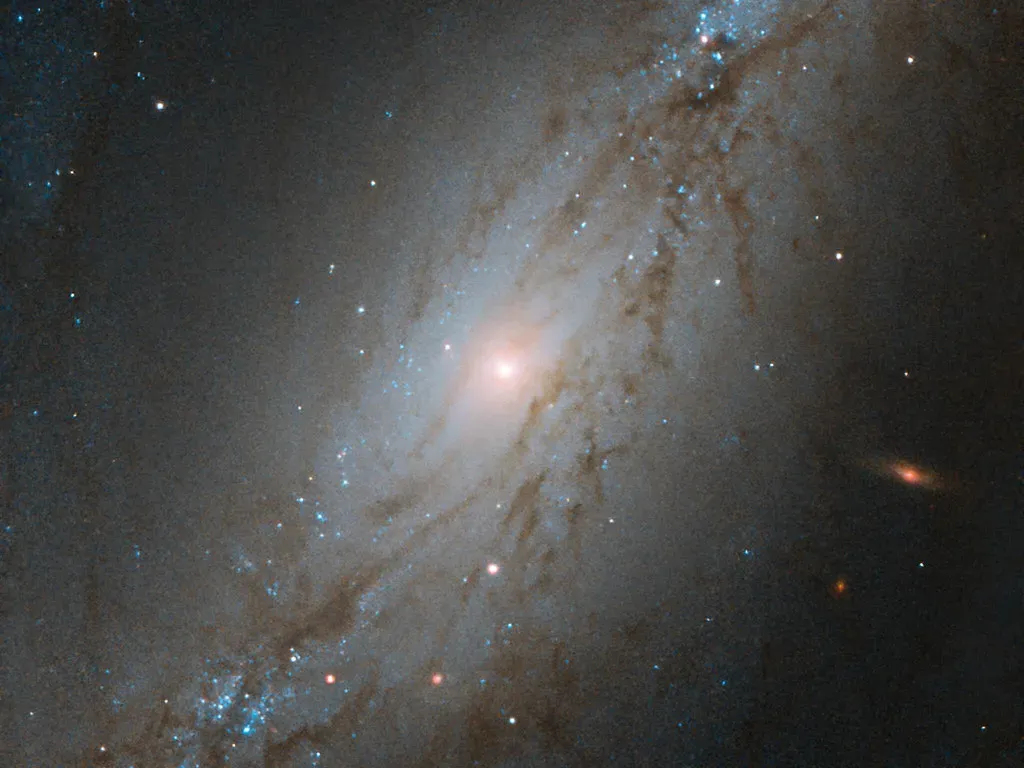
When you step back from the equations and the jargon, you are left with a striking picture: you live in a universe that is not just expanding, but accelerating, powered by an invisible ingredient that dominates all of cosmic history. You have strong evidence that this dark energy exists and a decent handle on how it behaves on large scales, yet you still do not know what it really is at a fundamental level. That combination of solid data and deep mystery is part of what makes cosmology so compelling; you are simultaneously standing on firm ground and staring into the unknown.
As new measurements roll in over the coming years, you may find that the universe is even stranger than your current models suggest, or you may see the pieces click into a simple, elegant pattern that has been eluding you. Either way, knowing that the cosmos is expanding faster than you once imagined changes how you think about beginnings, endings, and your brief moment in between. When you look up at the night sky, you are not just seeing stars – you are watching the fabric of reality race outward into a future you are only starting to understand. Did you expect your home universe to be in such a hurry?