
If you zoom out for a second and look at the arc of human history, you’ll notice something wild: most of the comforts you take for granted today would have looked like sorcery to people just a few generations ago. Clean water on tap, instant global communication, planes crossing oceans in hours, tiny computers in your pocket that can answer almost any question – none of this has been “normal” for very long. Right now, in labs around the world, you’re living through the early chapters of breakthroughs that could make today’s world look just as primitive to your grandchildren.
In this article, you’re going to walk through five of the most transformative scientific frontiers that could genuinely change how you live, age, work, and even think. Some of them are closer than you might realize; others are still more promise than product, but the early evidence is strong enough that you should be paying attention. As you read, try to imagine the downstream effects, not just the cool tech itself. Because the real story is not about gadgets – it’s about what your everyday life might feel like when these breakthroughs fully arrive.
1. Gene Editing That Lets You Rewrite Your Biological Destiny
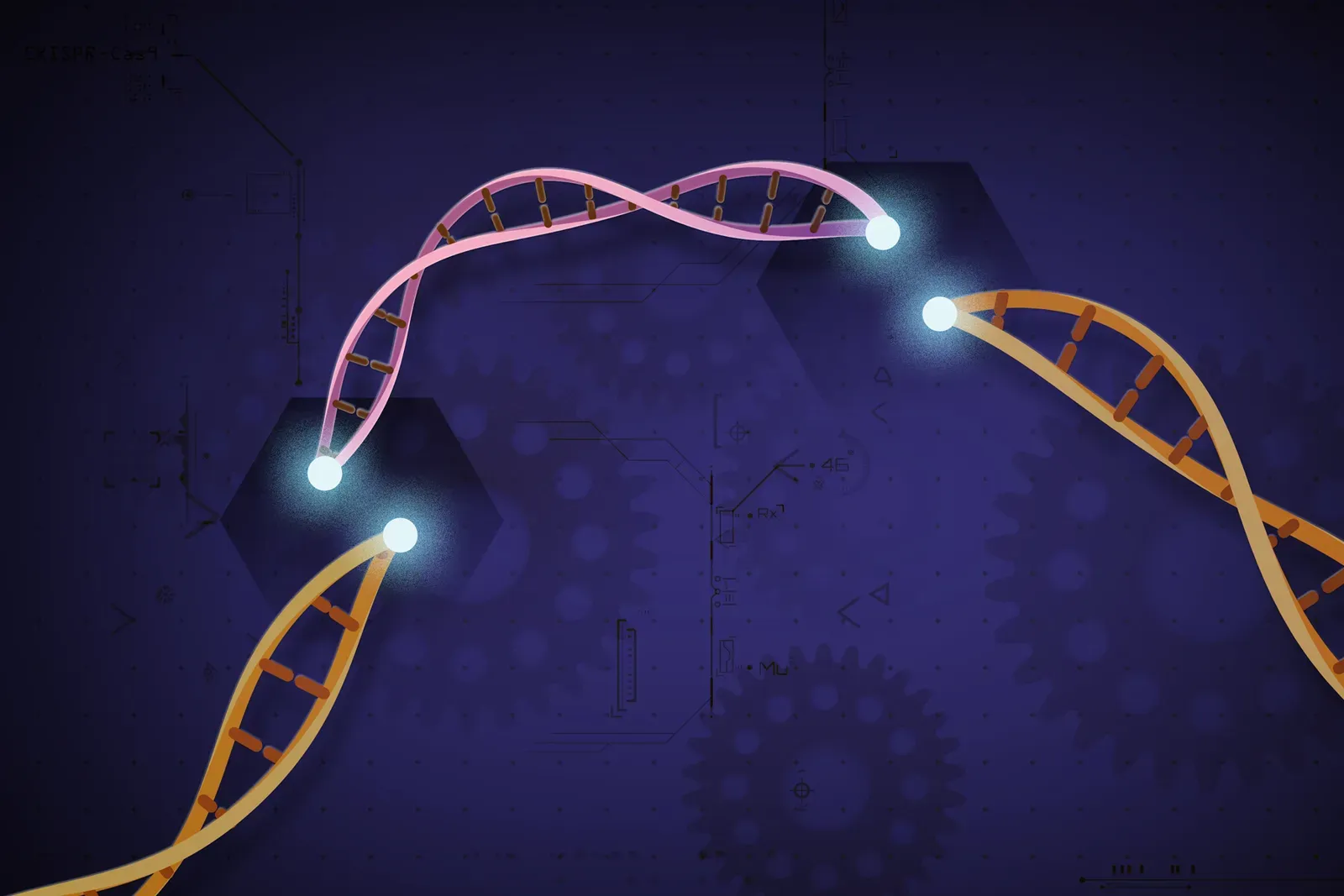
Imagine if instead of hoping you dodge the illnesses that run in your family, you could quietly edit them out of your life before they ever show up. That is the promise of modern gene-editing tools, especially CRISPR-based systems, which let scientists cut and modify DNA with a level of precision that would have sounded ridiculous a few decades ago. You are no longer talking about vague “genetic engineering” as a sci‑fi idea; you are talking about real clinical trials where people with serious inherited diseases are already seeing life-changing improvements.
In practical terms, this means you may soon live in a world where some of the worst genetic conditions – certain blood disorders, forms of blindness, maybe even some cancers – are targeted at the root level, rather than being managed symptom by symptom. You could also see preventive editing become part of your healthcare, where your genome is scanned early in life and high-risk variants are corrected before they cause damage. The ethical questions are huge: where do you draw the line between treating disease and “enhancing” human abilities, and who gets access first? But if you zoom in on your daily reality, gene editing holds the power to turn random genetic bad luck from a life sentence into a solvable problem.
2. Longevity Science Aiming to Slow, Halt, or Even Reverse Aging
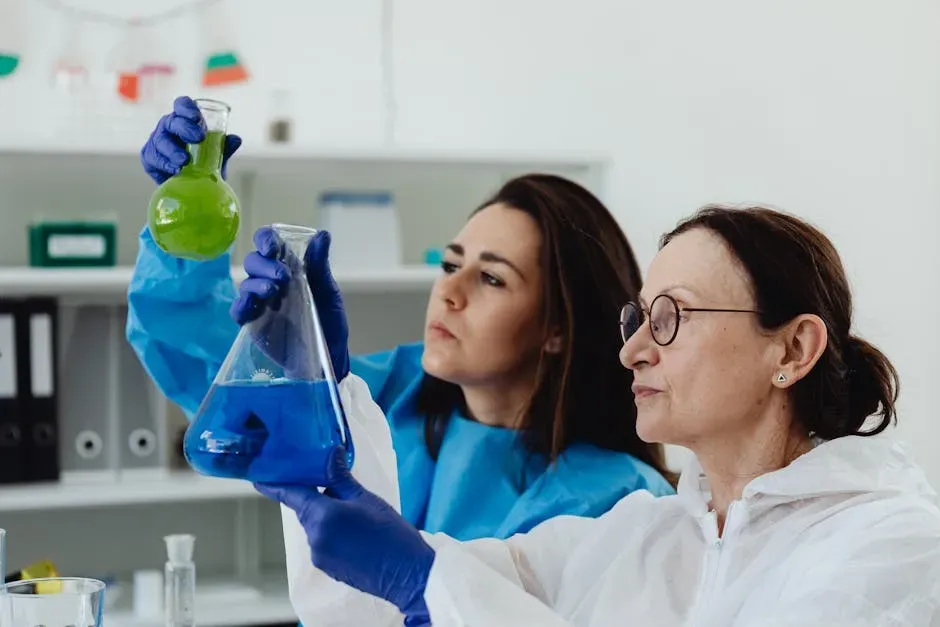
You have probably seen bold headlines about living to one hundred and twenty or more, and it is fair to be skeptical. Aging is complex, and you can’t hack your way out of it with one miracle supplement. But what has changed in the last decade is your scientific understanding of aging as something you can actually measure and intervene in at the cellular level. Researchers have identified hallmarks of aging – like DNA damage, senescent “zombie” cells, and changes in how your genes are switched on and off – that correlate with how your body breaks down over time.
From your point of view, the most important shift is this: aging is increasingly being treated as a process you can slow, not just a grim timer you have to accept. Senolytic drugs that clear out those zombie cells, therapies that tweak how your cells handle energy, and interventions that reset some aspects of your biological age are being studied in animals and, cautiously, in humans. If even a fraction of this translates well, you might be looking at a future where adding an extra decade or two of healthy, functional life is routine rather than exceptional. That does not mean immortality, and it definitely does not mean you can ignore sleep, food, and movement, but it does mean your seventies or eighties could feel more like your current fifties than your grandparents’ experience of old age.
3. Brain–Computer Interfaces That Blur the Line Between Mind and Machine
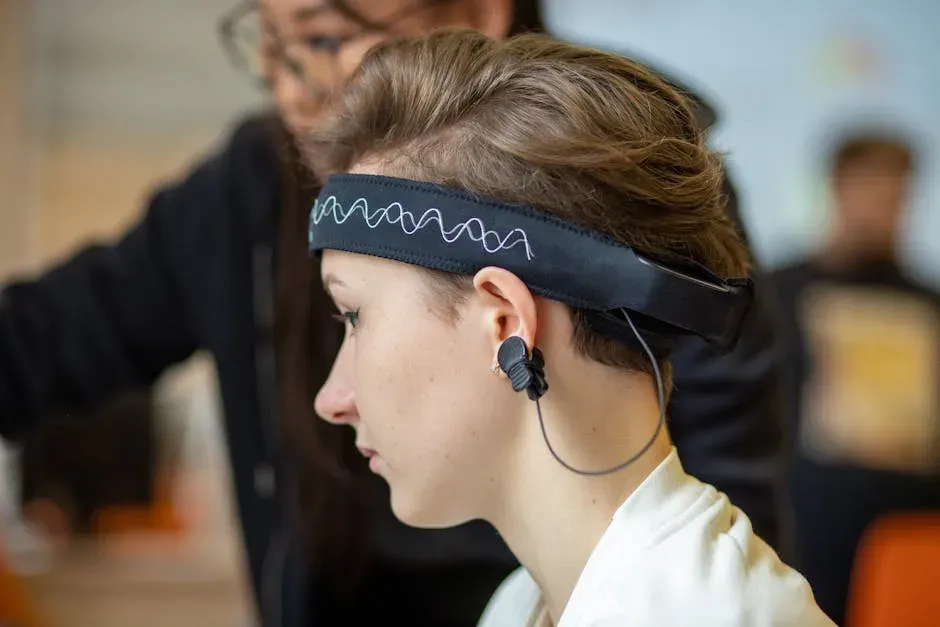
Picture being able to control a computer, prosthetic limb, or even a cursor on a screen just by intending to move, without touching a keyboard, mouse, or screen. That is not speculation anymore; brain–computer interfaces, often called BCIs, are already letting people with paralysis type messages, move robotic arms, and interact with digital systems via implanted or noninvasive sensors that pick up brain activity. You are essentially tapping directly into your nervous system and giving it a digital output channel.
For you, the near‑term impact is most obviously about restoring lost function – helping people who cannot speak, walk, or use their hands regain some independence and communication. But as the hardware gets smaller, safer, and more precise, you could see BCIs expand into everyday life, from more immersive gaming and virtual reality to new ways of interacting with your devices without screens at all. There are serious concerns you need to think about: privacy of your neural data, potential manipulation, and the risk of widening inequality if only a small slice of society can afford cognitive enhancements. Still, if handled responsibly, brain–computer interfaces could change how you think about disability, creativity, and the very boundary between your mind and the digital world around you.
4. AI Systems That Collaborate With You as Cognitive Partners
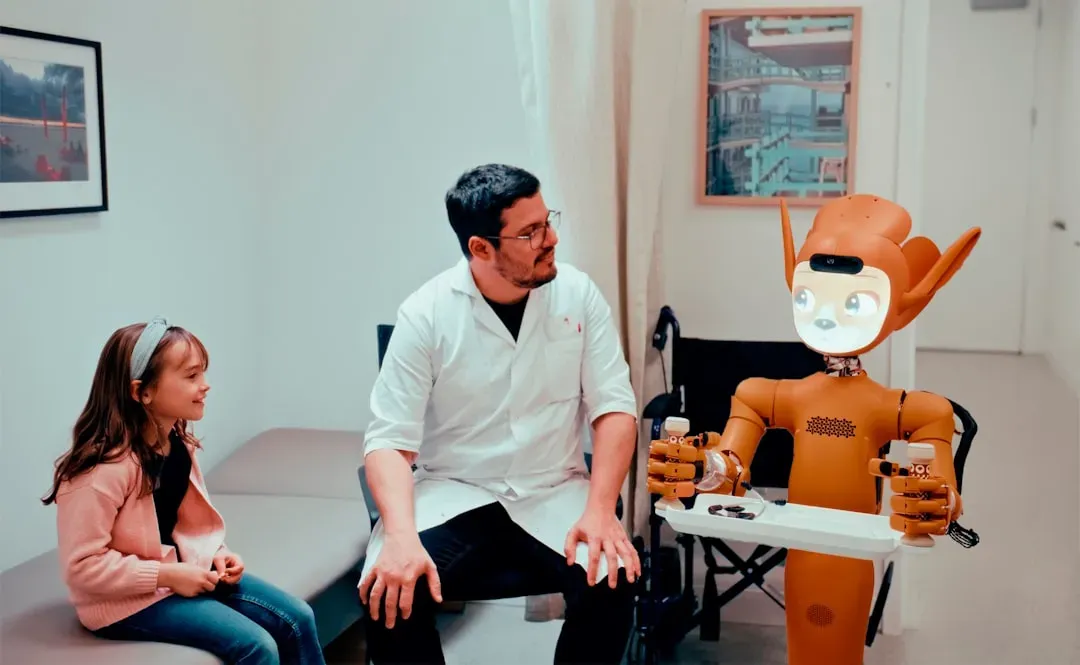
Right now you already lean on algorithms for recommendations, translations, and quick answers, but those tools still feel like external apps you query, not true collaborators. That line is blurring fast. Advances in large-scale AI models, multimodal systems that can handle text, images, audio, and more, and agents that can carry out multi-step tasks are pushing you into an era where software does not just respond – it plans, learns your preferences, and works alongside you. Instead of thinking of AI as a smarter search bar, you can think of it as a tireless junior colleague who never sleeps.
For your daily life, this could mean personalized tutors that adapt to how you learn, medical assistants that help your doctor spot patterns in your health data, and creative partners that help you brainstorm, draft, and refine complex projects. At its best, this kind of AI will not replace your judgment, but will expand what a single person can realistically take on, letting you work more like a small team than an individual. The flip side is that you need to stay clear‑eyed about bias, misinformation, and over‑reliance; if you treat AI as infallible, you give up your critical thinking. The real breakthrough is not that AI can think for you, but that, when used well, it can free more of your mental energy for the human things only you can do: setting goals, empathizing, making meaning, and deciding what actually matters.
5. Clean Energy and Material Breakthroughs That Reshape How You Power Your World
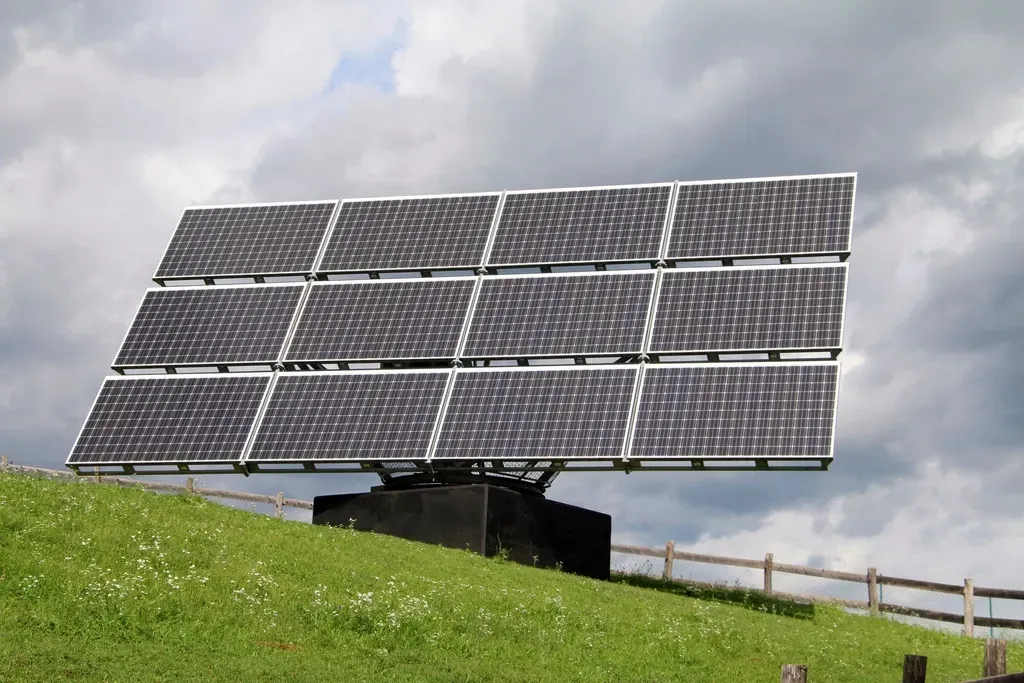
You are living in a world built on fossil fuels, and you feel the trade‑offs everywhere – from air quality in cities to the anxiety around climate change. The shift to cleaner energy is not a single invention but a wave of overlapping breakthroughs: more efficient solar cells, better wind turbines, advanced batteries, new grid technologies, and materials that let you store and move energy in smarter ways. On top of that, you are seeing intense research into nuclear fusion and new forms of fission, which aim to deliver huge amounts of power with far less long‑term waste and risk.
As these technologies mature, your relationship with energy could feel very different. You might live in a house that quietly generates and stores most of what it needs, drive or ride in vehicles that produce no tailpipe emissions, and rarely think about blackouts because your local grid is more resilient and distributed. New materials – stronger, lighter, more recyclable – will show up in everything from buildings to phones, shrinking your environmental footprint without requiring you to obsess over every small choice. None of this guarantees a perfect, crisis‑free future, but it does mean you have a realistic path toward a world where prosperity does not have to be tied to constant environmental damage, and where clean power is the default rather than the exception.
When you step back from all five of these breakthroughs – gene editing, longevity science, brain–computer interfaces, collaborative AI, and clean energy – you are really looking at different angles on the same big question: what kind of future do you want to build with the tools you are inventing? Each technology could nudge your life toward more health, freedom, and possibility, or toward deeper inequality, new forms of control, and fresh risks. The deciding factor is not the science alone, but the choices you and your societies make about regulation, access, ethics, and values.
You do not need to predict every twist and turn to start preparing; you just need to stay curious, demand transparency, and get involved in the conversations rather than assuming the future will simply happen to you. In a sense, you are already living in the prologue to a very different chapter of human history, and your decisions now will shape how those breakthroughs land. So as you think about these possibilities, ask yourself: when your grandchildren look back at this moment, what will they thank you for – and what might they wish you had done differently?