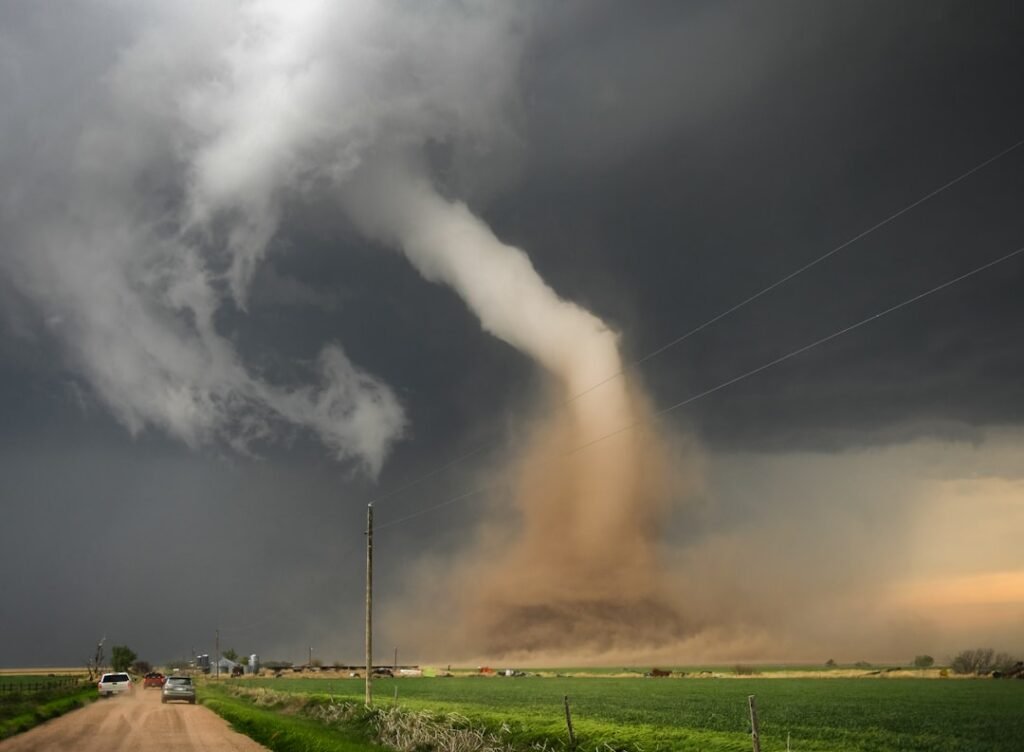
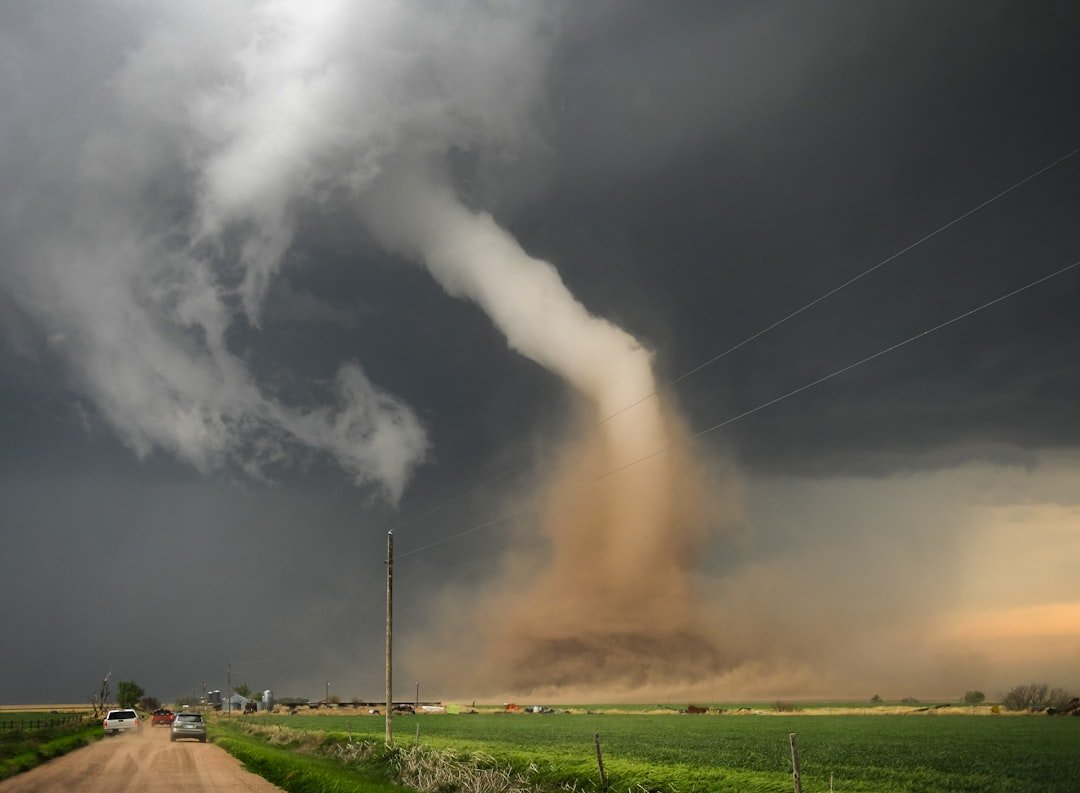
Friday’s Fury: A Tornado-Heavy Assault on the Plains and Midwest (Image Credits: Unsplash)
The Midwest and Great Lakes region endured a punishing outbreak of severe weather on Friday, marked by multiple confirmed tornadoes, destructive winds, and large hailstones.[1][2] Communities now assess the damage while meteorologists warn of lingering threats extending into the eastern Great Lakes today. This multi-day event has tested resilience across a vast corridor from the Plains to the lakeshore.
Friday’s Fury: A Tornado-Heavy Assault on the Plains and Midwest
Storms erupted with exceptional intensity across the Upper Mississippi Valley and surrounding areas. The National Weather Service in La Crosse, Wisconsin, issued 26 tornado warnings in a single day, the highest tally for such an event in recent records.[1] Supercell thunderstorms fueled the chaos, producing twisters that carved paths through rural and populated zones alike.
Reports poured in from Minnesota, Wisconsin, Iowa, and Illinois. A tornado flipped a semi-tractor near Elgin, Minnesota, and inflicted damage on nearby farmsteads. Further south in Rochester, Minnesota, another twister touched down, amplifying the outbreak’s reach.[3][4] Hailstones as large as golf balls and even softballs battered roofs and vehicles, while wind gusts exceeding 75 mph toppled trees and power lines.
Damage Assessment Begins Amid Widespread Impacts
Cleanup crews mobilized Saturday morning in affected communities. From the Great Lakes southward to Texas, the storms left a trail of structural harm, flooded roads, and disrupted power for thousands.[1] In southern Minnesota, three tornadoes struck farms, scattering debris across fields. Wisconsin residents near Madison and Wausau reported baseball-sized hail that punctured homes and cars.[5]
The Storm Prediction Center documented over 375 storm reports by late Friday, underscoring the outbreak’s scale. Eastern Iowa into northern Illinois saw particularly intense activity, with supercells lingering into the night. Flooding compounded the issues in low-lying areas near the Great Lakes.[6][7]
Eastern Great Lakes Enters the Spotlight Today
A cold front ushers in isolated to scattered severe thunderstorms across the eastern Great Lakes into early Sunday. Damaging winds pose the primary hazard, though isolated hail and an outside chance of tornadoes remain possible.[2] Cities like Chicago, Detroit, and points along Lake Erie fall within the risk zone, affecting tens of millions.
This final pulse caps a week-long siege that began in the southern Plains. Instability levels support gusts up to 80-90 mph, with embedded storms capable of brief spin-ups. Residents prepare for potential flash flooding as rains intensify overnight.[8]
Threats and Preparation: What Residents Need to Know
Severe weather advisories blanketed 28 million people Saturday, a sharp drop from Friday’s peak but still significant. The National Weather Service emphasizes vigilance through the weekend.
- Damaging winds: Primary concern, capable of 75+ mph gusts.
- Large hail: Golf ball to softball sizes in stronger cells.
- Tornadoes: Low probability but possible in discrete supercells.
- Flash flooding: Heavy downpours threaten urban and rural streams.
- Power outages: Widespread from downed lines and trees.
Officials urge secure outdoor items and monitor local alerts. Travel disruptions loom for highways like I-90 and I-94.[9]
- Friday’s outbreak confirmed multiple tornadoes across Minnesota, Wisconsin, Iowa, and Illinois, with 26 warnings from NWS La Crosse.[1]
- Damage includes flipped vehicles, farm destruction, and hail-ravaged structures; cleanup starts amid ongoing risks.
- Eastern Great Lakes faces winds, hail, and minor tornado odds today before threats ease.
As the storms shift eastward, this episode highlights the region’s vulnerability to springtime fury. Recovery will take days, but proactive measures saved lives. What impacts did you see in your area? Share in the comments below.