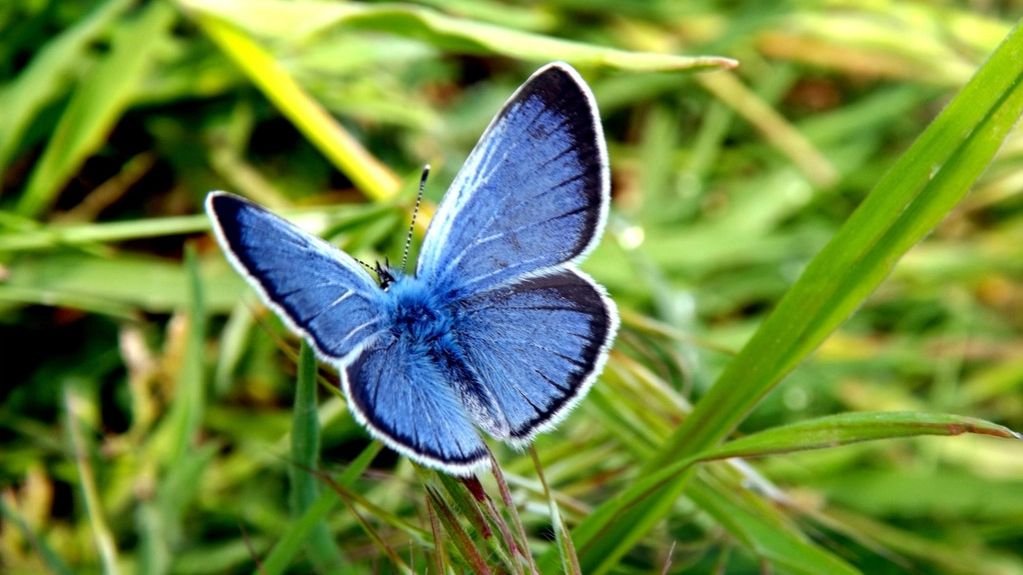
Sometimes life feels like it’s hanging by a thread: the bus you barely catch, the message you almost don’t send, the job you nearly turned down. Later, looking back, it’s hard not to wonder how different everything might be if one small thing had gone the other way. That unsettling, almost magical feeling sits right at the heart of what people call the butterfly effect.
The idea is simple but unnerving: tiny changes can lead to massive consequences over time, especially in complex systems. This isn’t just poetic language or science fiction; it’s a real concept from modern science that reshaped how we think about prediction, control, and even responsibility. Let’s walk through what it actually means, where it’s grounded in reality, and how it quietly shapes our weather, our lives, and maybe our sense of meaning in a messy universe.
The Real Story Behind the Butterfly Effect
The butterfly effect didn’t start as a deep philosophical idea; it started as a technical headache. In the 1960s, meteorologist Edward Lorenz was using a primitive computer to simulate weather patterns, trying to make forecasts more accurate. One day he restarted a simulation with what he thought were the same numbers, just rounded slightly, and got a completely different forecast. That tiny rounding difference did not just nudge the outcome; it essentially rewrote it.
What Lorenz had stumbled on was sensitivity to initial conditions: in certain systems, even the smallest change at the start can grow into something enormous later. The famous image of a butterfly flapping its wings eventually leading to a tornado half a world away came later as a way to explain this to non-scientists. The key point isn’t really about butterflies or tornadoes, but about how some systems are so delicately balanced that pinpoint prediction becomes practically impossible.
Chaos Theory: Order Hiding Inside Apparent Randomness
The butterfly effect is part of something bigger called chaos theory. Chaos, in this context, doesn’t mean pure randomness or total mess. Instead, it describes systems that follow precise rules but are incredibly sensitive to initial conditions, making them look unpredictable in practice. Weather, population growth, the motion of planets, and even some economic systems can show this chaotic behavior.
What’s wild is that chaos often hides patterns. When scientists plot these complex behaviors, they sometimes find shapes called strange attractors – beautiful, looping structures that show there is order inside all that apparent unpredictability. So the universe isn’t just rolling dice; it’s more like a complicated dance where the steps are fixed, but a tiny stumble at the beginning changes the whole performance in ways we can’t easily see coming.
Weather Forecasts: Where the Butterfly Effect Was First Exposed
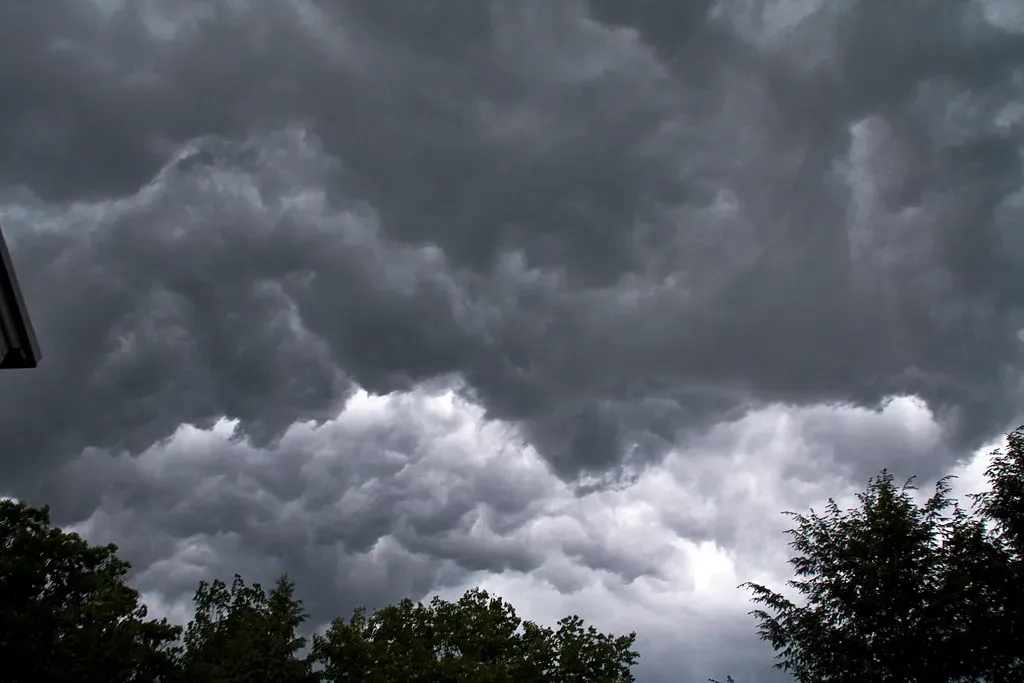
Weather is the classic example of the butterfly effect for a reason. The atmosphere is a giant, swirling, fluid system where temperature, pressure, humidity, and wind all depend on each other. A barely noticeable difference in any of these at one moment can grow into a huge difference days later. That’s why meteorologists can usually do pretty well for the next few days, but forecasts beyond a week or so get fuzzy fast.
Modern weather forecasting uses incredibly powerful computers and vast networks of observations from satellites, planes, ships, and ground stations. Even then, forecasters rely on ensembles – many parallel simulations with slightly different starting conditions – to get a sense of the range of possible futures. The butterfly effect is baked into this approach: instead of pretending we can know the exact outcome far ahead, we accept sensitivity and talk in probabilities and scenarios.
From Hurricanes to Heartbeats: Complex Systems Everywhere
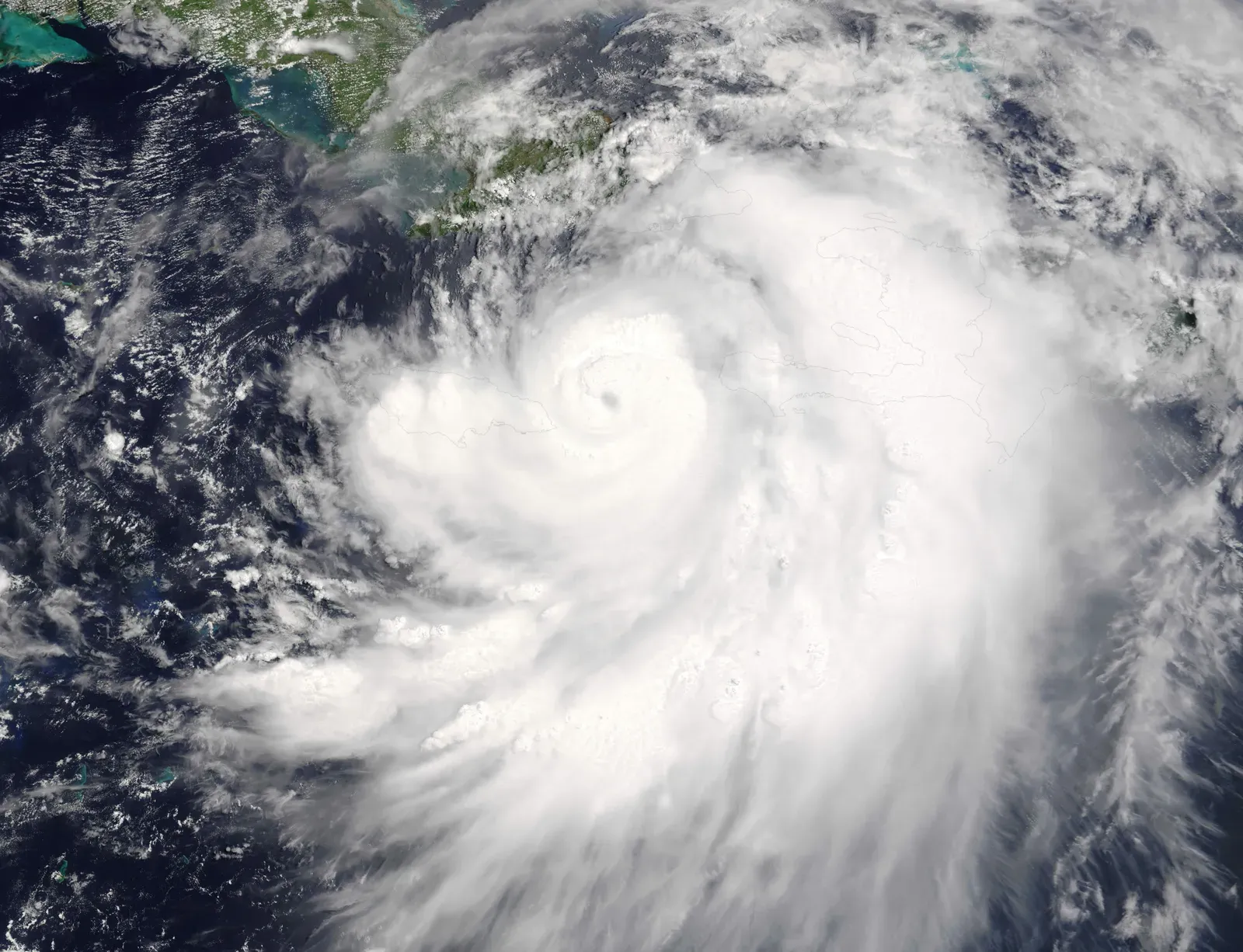
Once scientists recognized the butterfly effect in weather, they started noticing similar behavior in all sorts of systems. In biology, heart rhythms can shift from healthy to dangerous arrhythmias, sometimes triggered by small disturbances. In ecology, tiny changes in predator or prey populations can cascade into totally new balances in an ecosystem. In traffic flow, one driver braking just a bit too hard can ripple backward as a traffic jam for hundreds of cars.
These systems all share something in common: lots of interacting parts, feedback loops, and non-linear responses, where doubling an input doesn’t just double the output. In those conditions, small nudges can grow into big shifts, or sometimes disappear entirely, depending on timing and context. It’s a bit like trying to predict where a single drop of dye will end up in a fast-moving river; the rules are known, but the details spiral out of our grasp quickly.
Are Tiny Choices in Your Life Really That Powerful?

It’s tempting to stretch the butterfly effect into a comforting or terrifying story about our personal lives: that every tiny choice we make will eventually reshape our entire future. There’s a grain of truth there – some small decisions do turn out to matter a lot – but real life isn’t as clean or as sensitive as a weather simulation. Many choices end up canceled out, absorbed, or overwhelmed by bigger forces and random events we can’t see coming.
Still, patterns emerge. Saying yes to a coffee with a stranger, picking a particular city to move to, or deciding to send one honest message instead of staying silent can kick off long chains of consequence. But our lives are also buffered by habits, institutions, and plain luck, which dampen or redirect these chains. So yes, small choices can matter, but not every skipped workout or late-night snack is secretly rewriting your destiny in some dramatic way.
Free Will, Fate, and a Sensitive Universe

The butterfly effect raises unsettling questions about control. If the universe is so sensitive to tiny details, it can feel like we’re at the mercy of random, almost invisible nudges. On the other hand, if everything follows underlying rules, that might suggest a kind of determinism, where every future outcome is already implied by the present – even if we can’t calculate it. We end up in a strange place: the world is both lawful and unpredictably wild at the same time.
Philosophers and scientists still debate what this means for free will and responsibility. One way to see it is that our choices are part of those initial conditions; we’re not outside the system, we’re influencing it from within. You don’t control everything, not even close, but you’re not irrelevant either. You’re more like one thread in a huge, tangled tapestry, where a slight change in your direction can subtly reshape the pattern around you over time.
Why We Love Butterfly-Effect Stories in Movies and Books
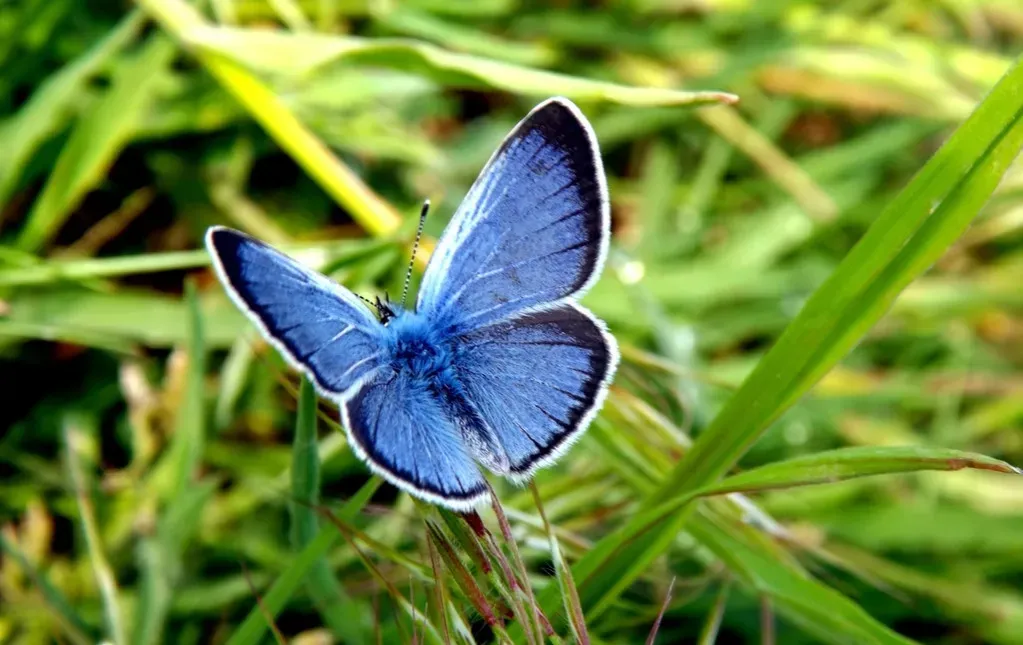
Stories that play with the butterfly effect grab us because they tap into familiar fears and fantasies: what if one moment changed everything? Films and novels often exaggerate the concept, showing time travelers stepping on a bug and coming home to a completely different world. That’s not how real-world physics or history usually works, but it’s a powerful narrative tool. It lets us explore regret, second chances, and the weight of decisions in a dramatic way.
In real life, cause and effect tend to be more tangled and less theatrical. Major historical events rarely hinge on one tiny, isolated incident; they grow out of layers of social, economic, and political pressures. Yet on a personal scale, it’s absolutely true that one phone call, one conversation, or one risk taken can shift your path. These stories resonate because, deep down, we know our lives are branched like trees, built from countless forks we barely noticed when we chose them.
Limits of the Butterfly Effect: Where Small Changes Don’t Matter Much

It’s important not to turn the butterfly effect into a mystical slogan that explains everything. Not all systems are extremely sensitive to tiny changes. Some are robust or buffered, like a big metal bridge that won’t collapse just because a single person walks across it a little differently. Engineers, doctors, and designers often build in safety margins, redundancies, and stabilizing feedbacks precisely so that little disturbances do not spiral into catastrophes.
Even in chaotic systems, sensitivity has limits. Many small effects cancel each other out, and some conditions steer systems back toward a typical pattern. In climate science, for example, the overall warming trend from greenhouse gases is a strong, large-scale driver that dominates over the flapping of any individual butterfly. That doesn’t make the butterfly effect fake; it just means it operates inside a broader framework of bigger forces and structural constraints.
Everyday Ripples: Small Actions That Actually Add Up

In daily life, the most meaningful butterfly effects are usually slow, cumulative ripples. Smiling at a stranger does not instantly prevent a war or cure a disease, but consistent kindness can shape the mood of a workplace, a family, or a neighborhood over years. Tiny habits, like reading a page a day or putting aside a little money regularly, can quietly build into major changes in knowledge, stability, or opportunity.
I once answered an email I almost ignored, just because I had an extra minute and felt vaguely guilty leaving it unread. That reply led to a project, which led to a new friendship, which eventually changed where I lived. It wasn’t dramatic in the moment; it was just one of those tiny choices that only feels “big” when you see it in hindsight. The catch is, we rarely know in advance which small actions will matter, so the safest bet is to treat the small things as if they might.
Living With Uncertainty: How the Butterfly Effect Can Make Us Wiser, Not Anxious

Once you grasp the butterfly effect, it’s easy to slide into anxiety: if everything is so sensitive, how can you not obsess over each decision? But that’s the wrong lesson to take away. The true message is that total control is an illusion, and chasing it will drive you crazy. You can’t know all the ripples, and you don’t need to. What you can do is focus on your values, aim your small actions in the right general direction, and accept that some outcomes will always surprise you.
There’s a quiet kind of relief in that. You’re responsible for your intentions and your efforts, not for perfectly managing the universe’s complex web of cause and effect. The butterfly effect reminds us that life is both fragile and generative: small harms can spread, but so can small kindnesses, small acts of courage, and small moments of honesty. If tiny changes really can ripple outward, why not choose as many of those tiny changes as you can to be generous ones?
Conclusion: Finding Meaning in the Ripples

The butterfly effect shows us a world that’s stranger and more intricate than it first appears. From Lorenz’s rounded-off numbers to today’s climate models and complex systems research, we’ve learned that tiny causes can sometimes grow into huge effects – and that precise prediction often has hard limits. That can feel unsettling, but it also reveals a universe that is alive with possibility, where not everything is locked in or obvious from the start.
In your own life, you won’t see every ripple, and you won’t always understand why things happened the way they did. Still, every small decision, every habit, every quiet act sits inside a web of consequences that stretches further than you’ll ever know. You don’t have to carry the weight of that; you just have to decide what kind of ripples you want to send out. If even a butterfly can matter, what might your next tiny choice set in motion that you’d be proud to discover years from now?