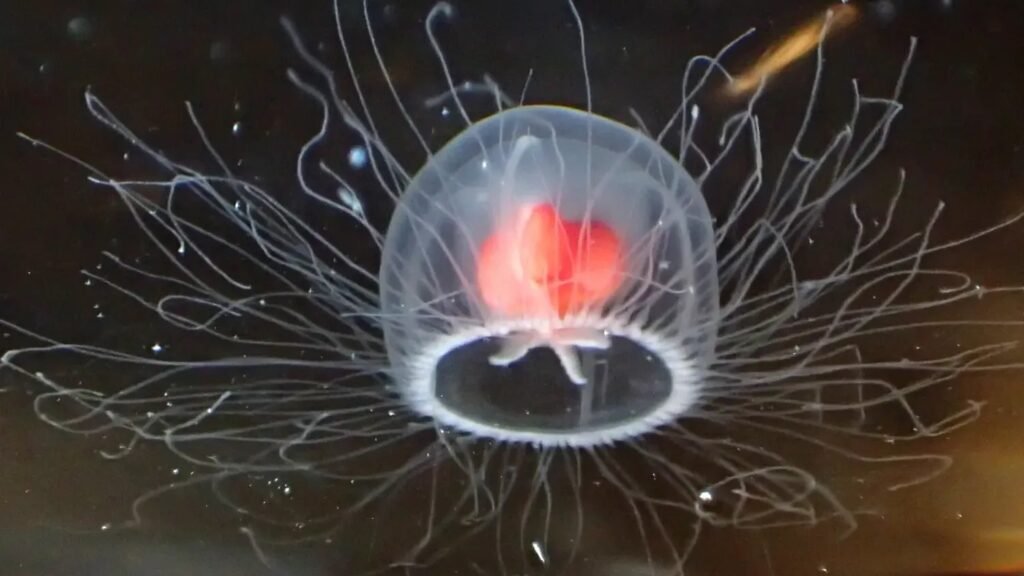
Some animals seem to bend the rules of life, but one tiny creature practically laughs in the face of aging. The immortal jellyfish, properly known as Turritopsis dohrnii, is so small you could miss it on your fingertip, yet it has become one of the most talked‑about creatures in modern marine biology. It doesn’t have a brain, a heart, or bones, but it does have something we’ve been chasing for centuries: a biological trick that looks a lot like cheating death.
This isn’t a Marvel character or a myth from the deep; it’s a real species living quietly in oceans around the world. The more scientists learn about it, the more unsettling and inspiring it becomes. At the same time, a lot of its story is blown out of proportion by social media and pop science headlines. So let’s dig into what’s actually known, what’s still mysterious, and why this barely visible blob of jelly might hold clues that could change how we think about aging and resilience.
1. The Immortal Jellyfish Can Technically Age Backwards
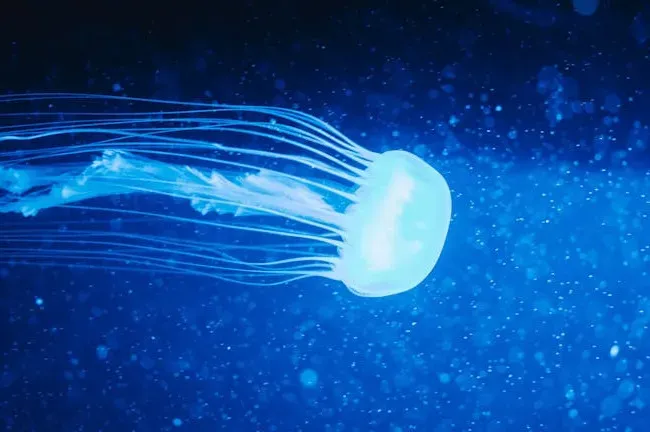
Imagine hitting a reset button on your own body whenever life gets tough: that’s essentially what the immortal jellyfish can do. Instead of just growing old and dying like most animals, Turritopsis dohrnii can reverse its life cycle and transform from an adult medusa back into its juvenile polyp stage. It is the only known animal that can routinely do this under natural conditions, which is why people call it “immortal.”
This doesn’t mean it cannot be killed – it can still die from disease, predation, or bad conditions. The “immortality” part refers to its ability to potentially avoid death from old age by rebooting its body again and again. It’s less like living forever in the same body and more like repeatedly restoring your system to factory settings. That alone is wild enough to keep scientists obsessed with this tiny creature.
2. Its Life Cycle Is Like a Reversible Time-Lapse
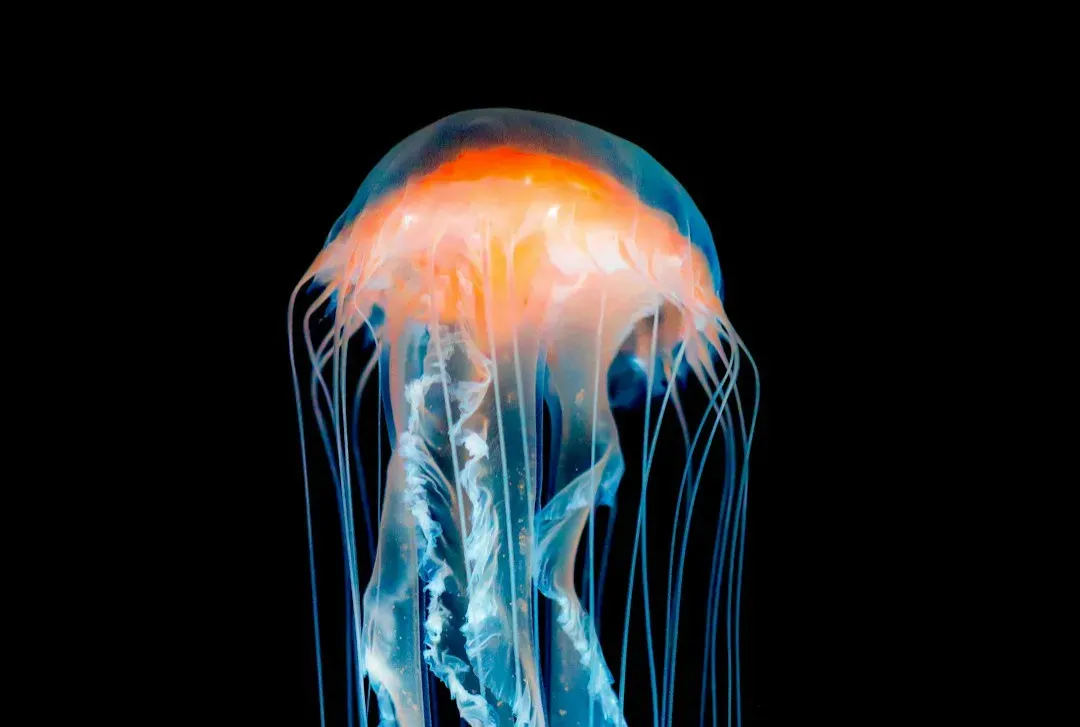
Most jellyfish follow a straightforward path: egg, larva, polyp stuck to a surface, then an adult medusa floating around. The immortal jellyfish starts the same way, but it keeps a secret trick for later. When the adult medusa is stressed, injured, starving, or exposed to sudden changes in its environment, it doesn’t just wither away; it essentially rewinds its own development.
In this reversal, the adult jellyfish’s body shrinks, its tentacles are reabsorbed, and its cells migrate and reorganize until it becomes a tiny polyp colony again. That polyp then buds off new medusae, which are genetically the same as the original. It’s like a plant cutting that grows into another plant, except the “cutting” is your own body turning into baby you. This loop of polyp to medusa and back again can, at least in principle, continue indefinitely.
3. Its “Immortality” Hinges on Cellular Shape-Shifting
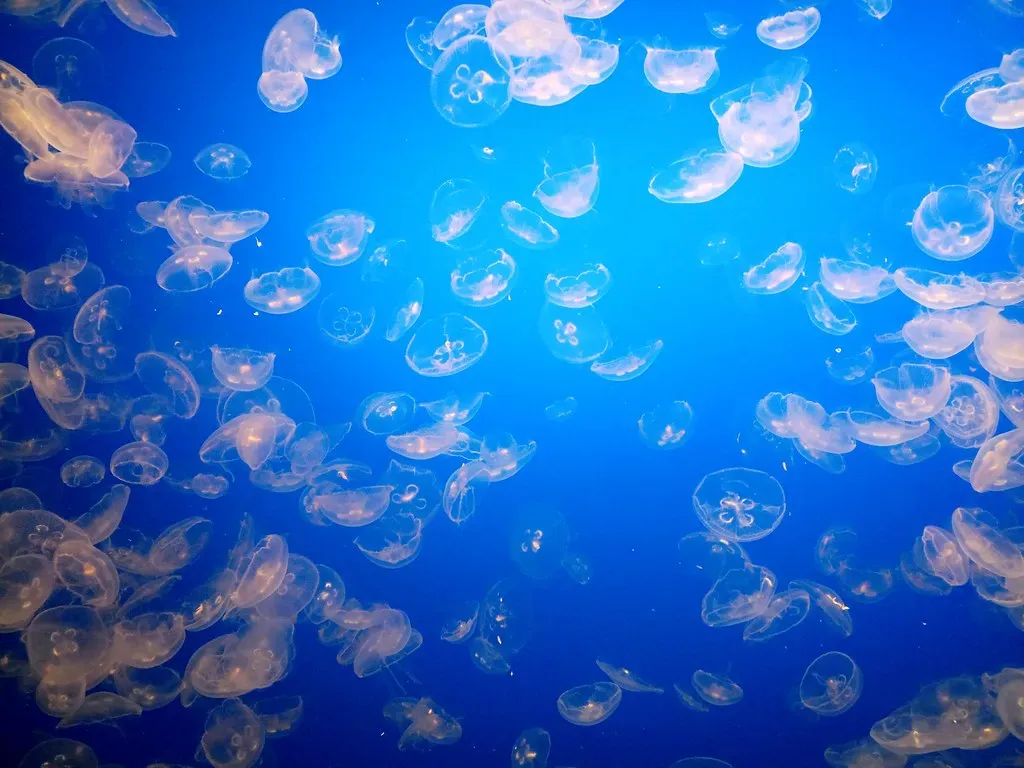
The real magic happens at the cellular level through a process that’s a bit like shapeshifting. During the reversal from medusa to polyp, many of the jellyfish’s cells undergo transdifferentiation, where one mature cell type changes directly into another. In other words, a specialized cell doesn’t have to go back to a stem-cell baby state first; it can rewrite its identity and become something new.
In humans, most cells are locked into their roles once they mature: skin cells remain skin cells, nerve cells remain nerve cells. The immortal jellyfish doesn’t fully play by that rule. Its ability to remodel its tissues by reassigning cell roles might be one of the core reasons it can roll its life cycle backward instead of forward. That cellular flexibility is what makes biologists look at this tiny animal and think, “There’s something here we don’t fully understand yet.”
4. It Wasn’t Discovered Yesterday – But It Took Time to Understand
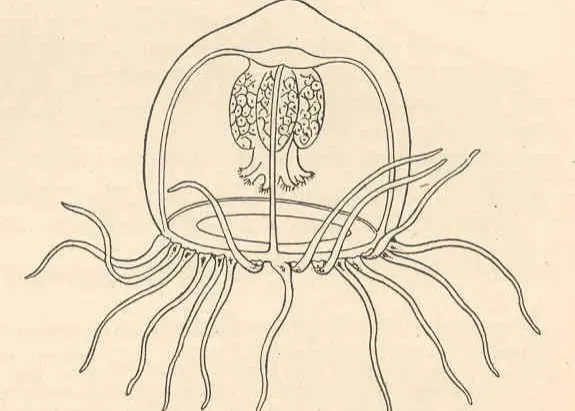
The immortal jellyfish is often portrayed as a brand‑new scientific shock, but it’s been known to science for decades. Researchers first described Turritopsis dohrnii in the late twentieth century, but at the time, nobody realized just how strange its life cycle was. Only later did careful lab observations reveal that adults could revert all the way back to the polyp stage instead of dying.
This discovery didn’t come from some flashy deep‑sea expedition; it was more like a slow, meticulous surprise in aquariums and lab tanks. As scientists kept the jellyfish under controlled conditions, they saw individuals that should have died essentially rebuild themselves as juveniles. That moment changed the species from just another tiny hydrozoan into one of the most intriguing model organisms for studying cellular plasticity and aging.
5. It’s Tiny, Transparent, and Easy to Overlook
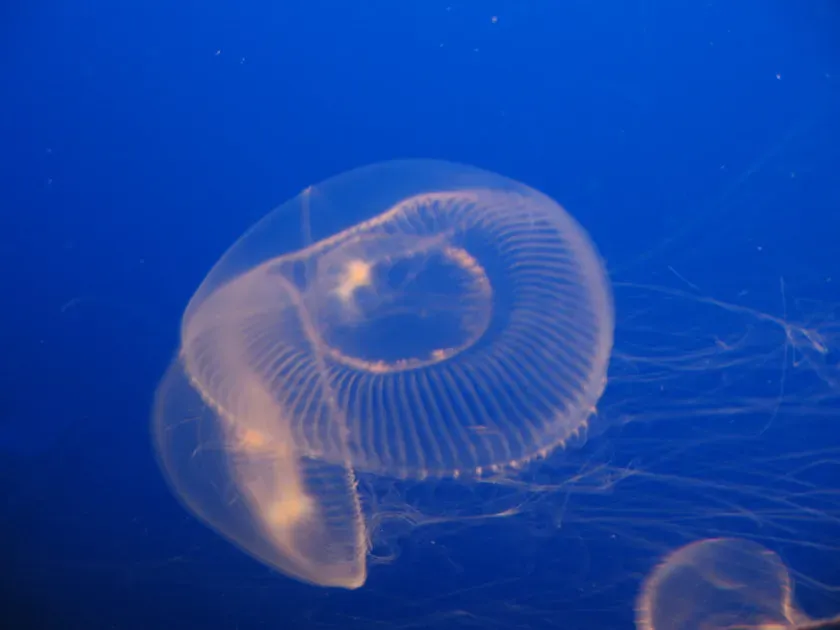
For an animal with such a dramatic reputation, the immortal jellyfish looks surprisingly unremarkable. Adult medusae are usually smaller than a human fingernail and almost completely transparent, with a bell‑shaped body and a ring of delicate tentacles. If you swam right past one in the ocean, there’s a good chance you wouldn’t notice it at all.
That small size and near invisibility actually help it survive, but they also make it very easy to misidentify or miss entirely. For many years, people likely saw it without realizing what they were looking at. There’s something weirdly poetic about an animal with perhaps the most dramatic life trick on Earth being almost invisible to the naked eye. It’s like hiding a science fiction story inside a soap bubble.
6. It Has Spread Around the World – Largely Thanks to Us
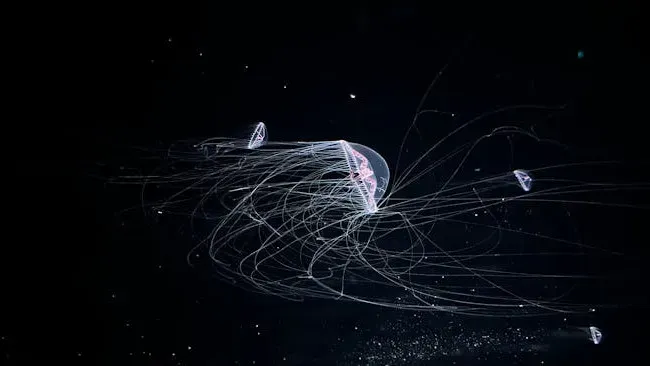
The immortal jellyfish wasn’t born a global traveler, but human activity has helped it get around. It likely originated in the Mediterranean region, but now it has been reported in various oceans around the world. Ships moving across oceans, with ballast water and hull surfaces acting like unwilling taxis, probably gave this tiny passenger an express route to new coastlines.
Marine biologists see it as one of many small, quietly spreading species that are hitching rides in global shipping networks. Because it is so small and hard to spot, it can easily be overlooked when monitoring invasive species. Right now, there’s no strong evidence that it is causing major ecological damage, but it’s another reminder that even microscopic travelers can change the balance of ecosystems in ways we don’t always notice at first.
7. Its “Immortality” Is Amazing – But Not a Magic Key for Humans
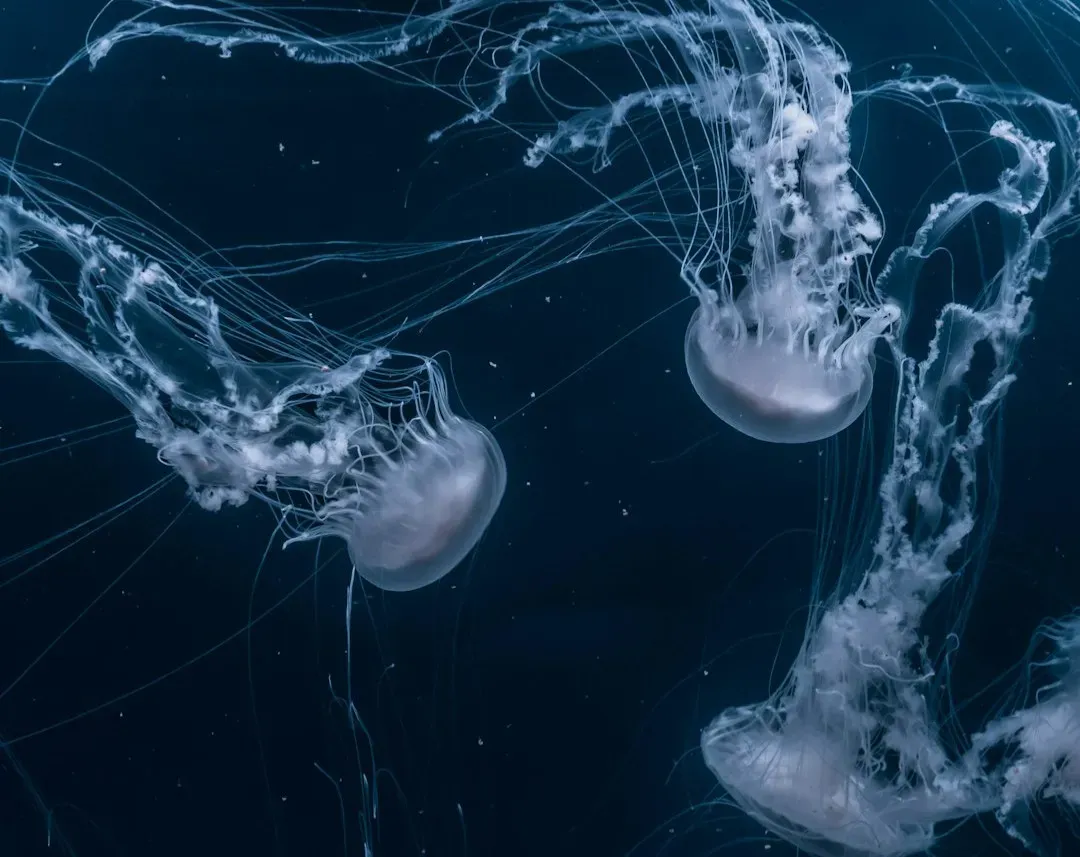
Whenever people hear about the immortal jellyfish, the next thought is almost always the same: could this help humans live forever? Researchers are genuinely interested in what its biology might teach us, but the realistic answer is more grounded. Human bodies are enormously more complex, with organs, immune systems, and brains that work in ways a simple jellyfish never has to deal with.
That doesn’t mean it’s useless to study; far from it. Understanding how its cells manage to change identity, repair damage, and reorganize whole tissues could inspire new strategies for regenerative medicine or age‑related disease. But translating those insights into human therapies is a long, uncertain road, not a quick copy‑and‑paste solution. The jellyfish’s story is less about promising eternal life and more about expanding the boundaries of what we know life can do.
8. It Still Dies – Just Not of Old Age in the Usual Way
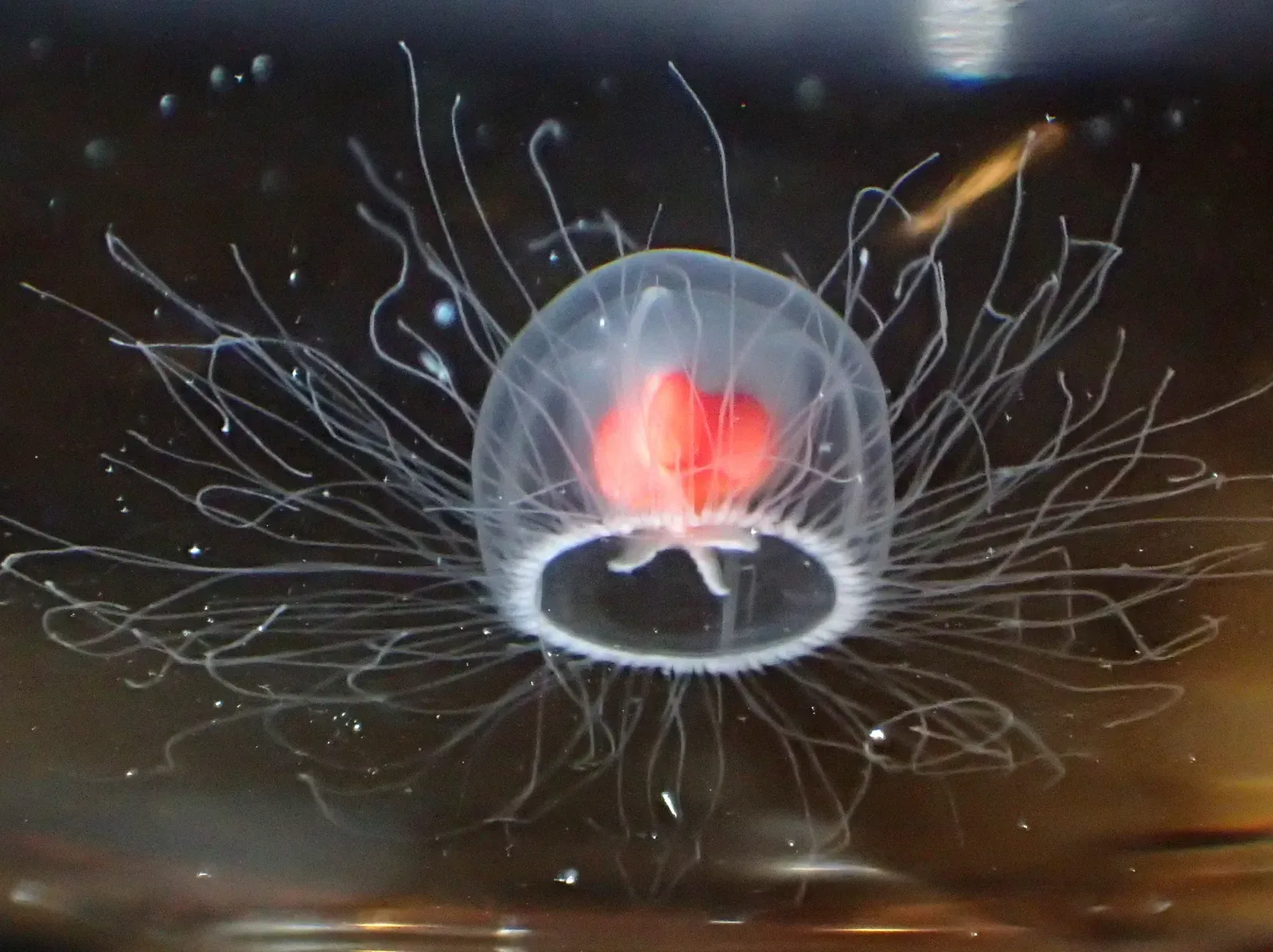
The word “immortal” sounds absolute, but in nature, nothing is truly untouchable. The immortal jellyfish can be eaten by predators, destroyed by pollution, or wiped out by harsh environmental shifts just like any other small marine organism. Its superpower is not invincibility; it is the ability to dodge aging‑related death by resetting its body when conditions allow.
In the wild, many individuals probably never get the chance to complete multiple full reversal cycles because life in the ocean is messy and dangerous. So while a single jellyfish has the built‑in potential to avoid senescence again and again, the reality is more fragile. This makes its story both less mythical and more relatable: even with a remarkable biological backup plan, it’s still at the mercy of the world around it.
9. It’s Forcing Scientists to Rethink What Aging Even Means
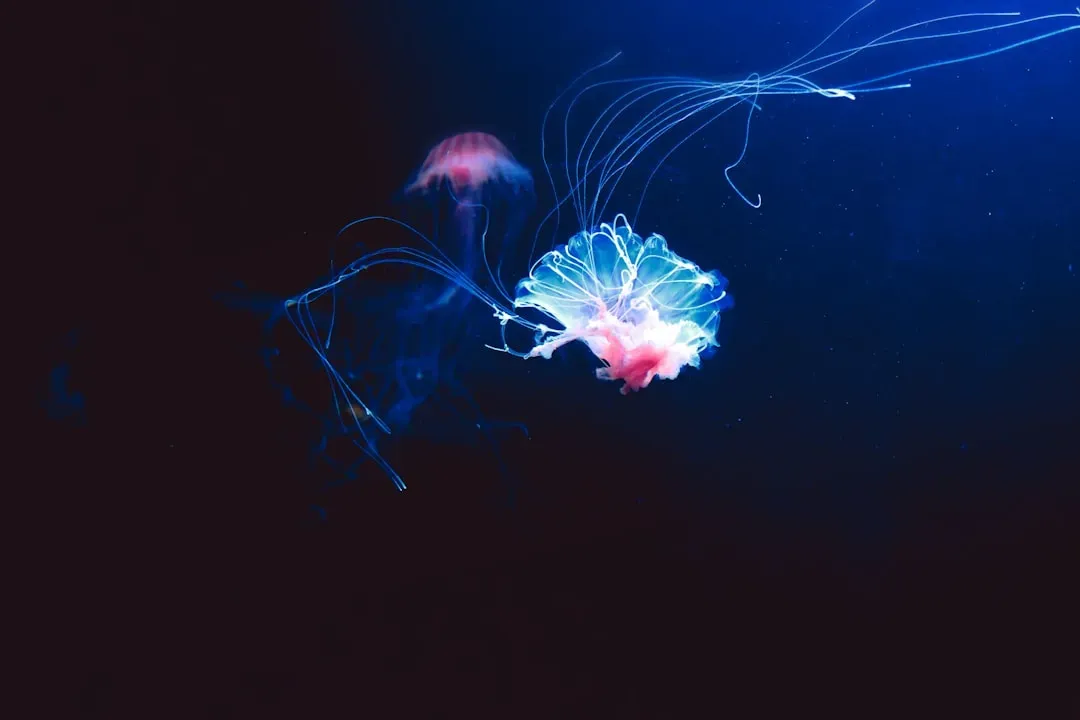
For a long time, aging was seen as a one‑way road toward decline and death that all animals travel. The immortal jellyfish undermines that simple picture. By showing that at least one animal can reverse development and reclaim a juvenile state, it raises deeper questions about whether aging is as locked‑in as we once believed. It suggests that under certain conditions, some living systems can reorganize themselves in ways we never expected.
Scientists studying Turritopsis dohrnii are trying to map out which genes switch on during its reversal, how its tissues remodel, and what signals trigger the whole process. This research doesn’t automatically translate into human therapies, but it challenges some basic assumptions. Personally, I find that both humbling and exciting: it’s a reminder that nature often has more imagination than we do, and that our definitions sometimes need updating when the evidence refuses to fit neatly.
10. Its Biggest Secret Is How Much We Still Don’t Know
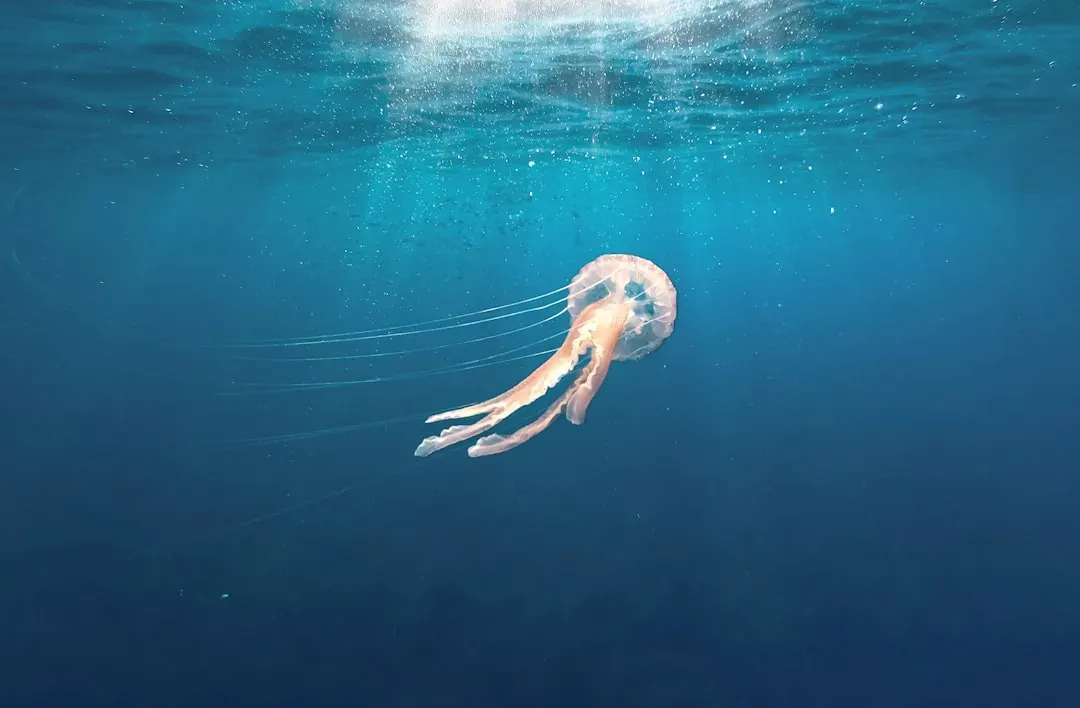
For all the headlines and dramatic nicknames, the immortal jellyfish is still, in many ways, a mystery. Lab studies have shown its reversal trick multiple times, but scientists are still working to understand exactly how often it happens in the wild, how many cycles a single lineage can realistically pass through, and what hidden limitations there might be. It’s entirely possible that there are trade‑offs and vulnerabilities we haven’t fully mapped yet.
The organism also sits at the crossroads of several complex questions: how cells decide their identity, how tissues regenerate, and how life history strategies evolve under pressure. So while we love telling the simple “immortal sea creature” story, the truth is more nuanced and more interesting. Instead of a neatly solved riddle, the jellyfish feels more like a door that has just been cracked open. Behind it might not be human immortality, but something equally valuable: a better understanding of how life can adapt, rebuild, and start again.
Conclusion: A Tiny Creature, A Giant Question Mark
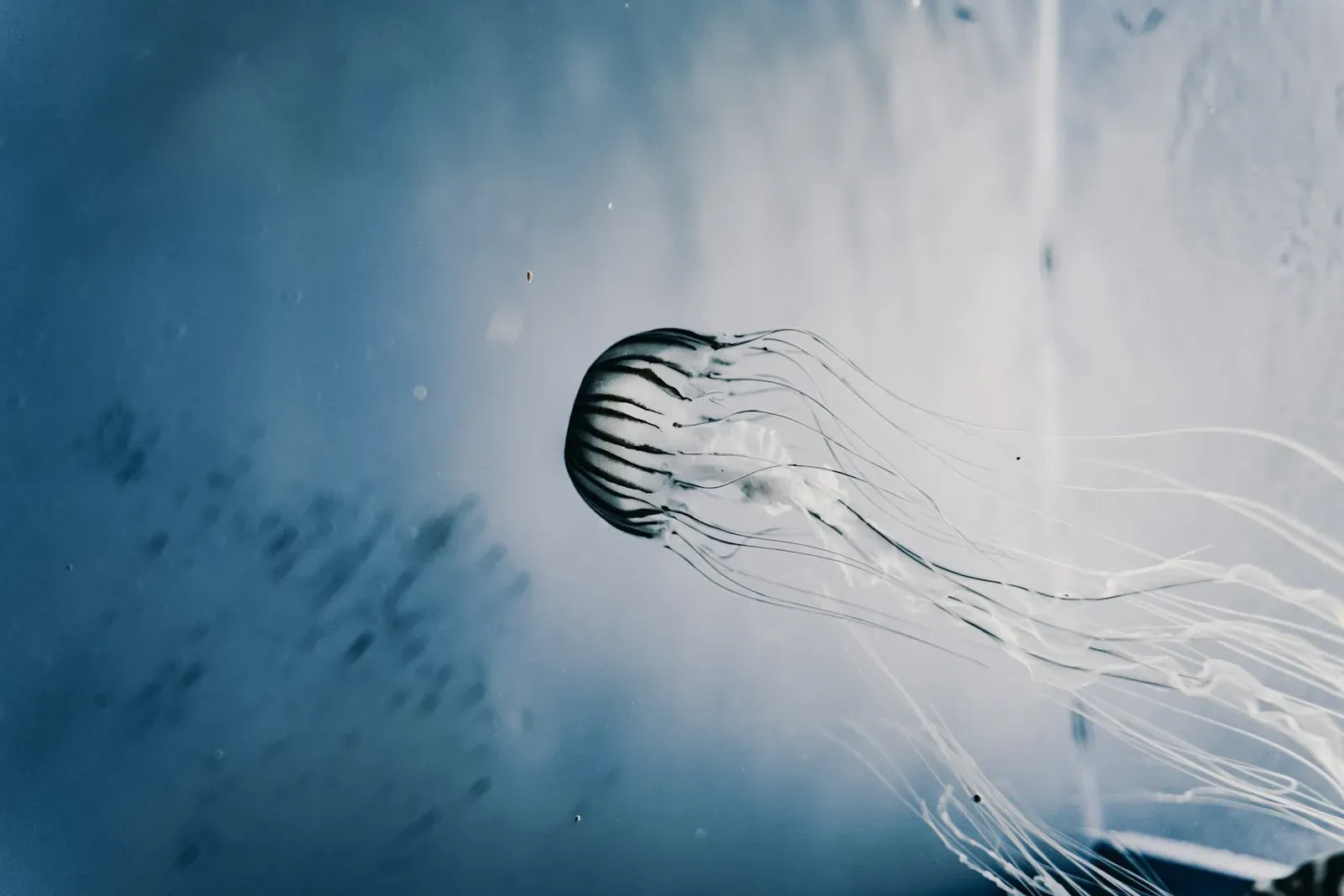
The immortal jellyfish is a reminder that some of the most astonishing stories in biology come in the smallest, quietest packages. It can turn back its own clock, reshape its cells, and restart its life cycle in a way that almost sounds like science fiction, yet it still lives a precarious, ordinary existence in a dangerous ocean. Its “immortality” is real in a narrow, technical sense, but it doesn’t make it a godlike being – just a very clever survivor with a strange toolkit.
For us, its greatest gift might not be a recipe for eternal youth, but a new way to think about aging, damage, and repair in living systems. It reminds us that life is more flexible than we once assumed and that even our most basic biological rules can have surprising exceptions. The next time you hear the phrase “that’s just how biology works,” you might think of this almost invisible jelly quietly rewriting its own fate. If a brainless speck drifting in the sea can bend the rules of aging, what else might be possible that we haven’t even thought to look for yet?