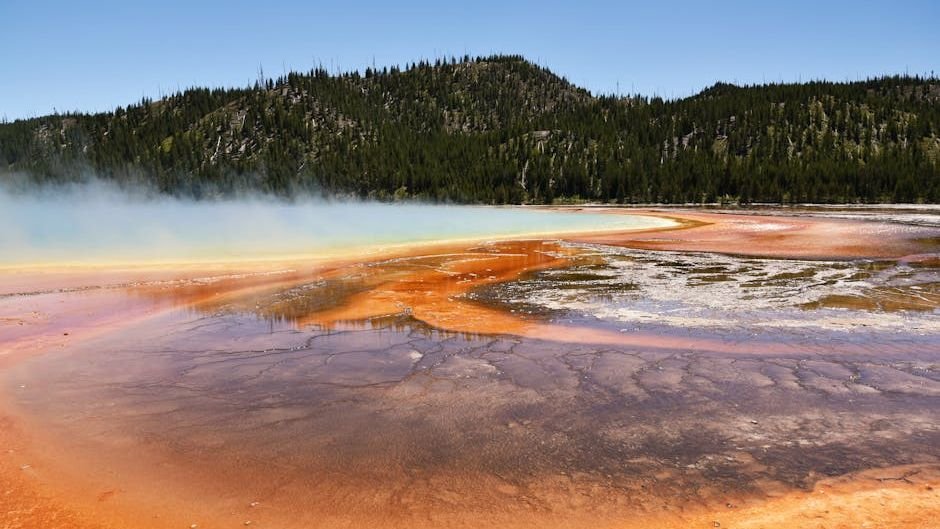
Stand on a boardwalk in Yellowstone, watching boiling pools burp and hiss just a few feet away, and it hits you: this place is alive underneath. Not in a poetic way, but in a raw, geologic, miles-of-molten-rock kind of way. Yellowstone is gorgeous on the surface, but what really grips people’s imagination is what lies below it: a supervolcano big enough to redraw maps if it ever unleashed its full power.
At the same time, the story of Yellowstone is a clash between fear and facts. On one side, viral doomsday videos talk about instant apocalypses; on the other, quiet, patient data tells a slower, more complicated story of magma, gas, and time. Somewhere between those two extremes sits the truth: Yellowstone is powerful, yes, but it’s also one of the most intensely watched pieces of land on Earth. Understanding that balance is the only way to see America’s “sleeping giant” clearly, without either panic or denial.
The Hidden Monster Under Yellowstone: What A Supervolcano Really Is
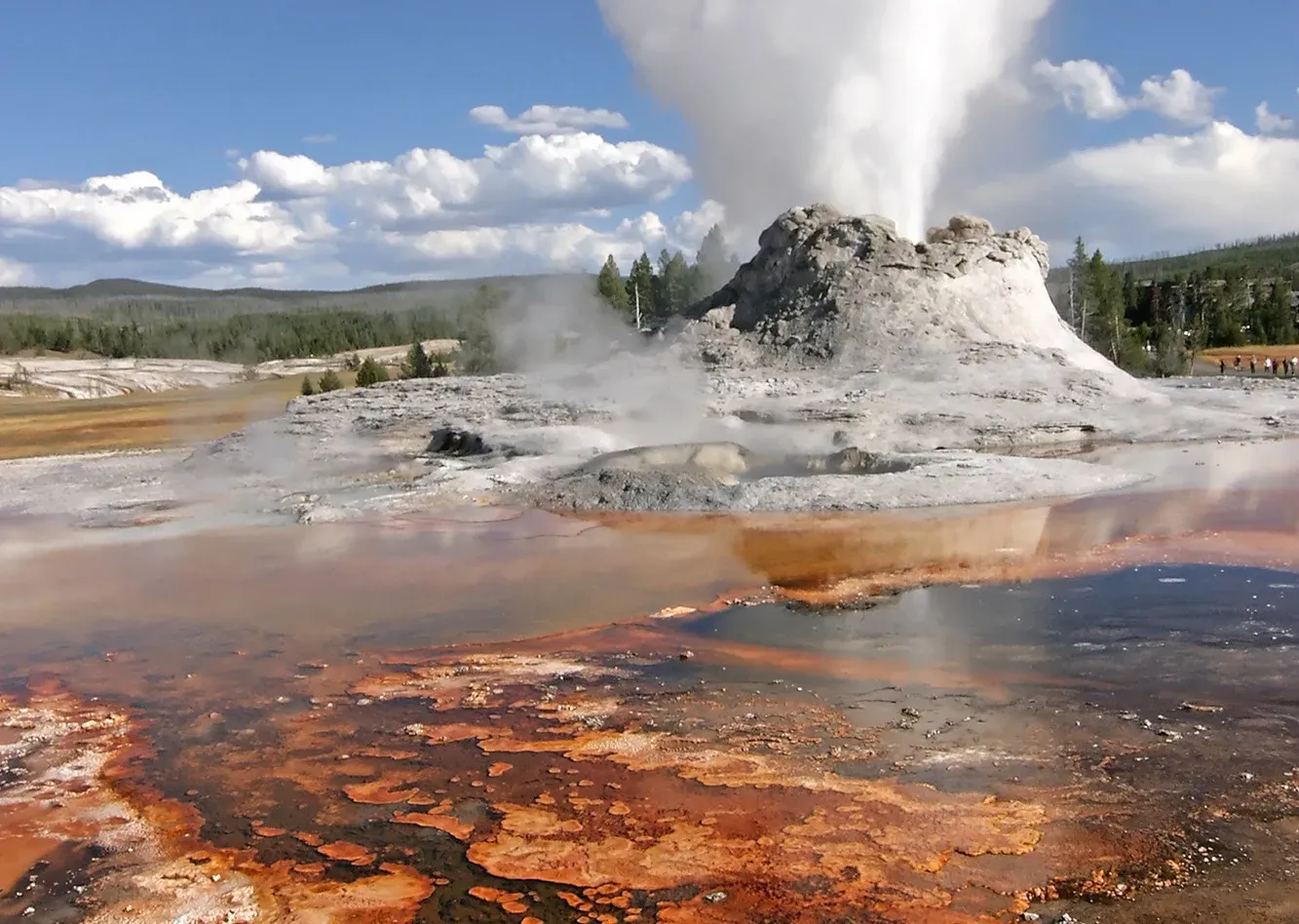
When people hear “supervolcano,” they often imagine a Hollywood-style explosion that wipes out continents in a single blast. In reality, a supervolcano is defined by the size of its past eruptions, not by constant, explosive behavior. Yellowstone earned that label because some of its ancient eruptions released volumes of ash and lava that were thousands of times larger than a typical modern eruption like Mount St. Helens. It’s less like a regular volcano with a cone, and more like a deep, wide wound in the crust that has healed over at the surface.
Think of it as a huge pressure cooker spread across an entire region rather than a single dramatic mountain peak. Under Yellowstone, layers of hot, partly molten rock and gas sit in vast reservoirs, interacting with the cold crust above. That interaction drives the hot springs, mud pots, and geysers that tourists love. The “super” part doesn’t mean it is constantly on the verge of disaster; it just means that, in its past, it had the capacity to erupt at a truly enormous scale. That geological history is what keeps scientists alert, but it doesn’t mean every rumble is a countdown clock.
A Hotspot On The Move: How Yellowstone Ended Up Here
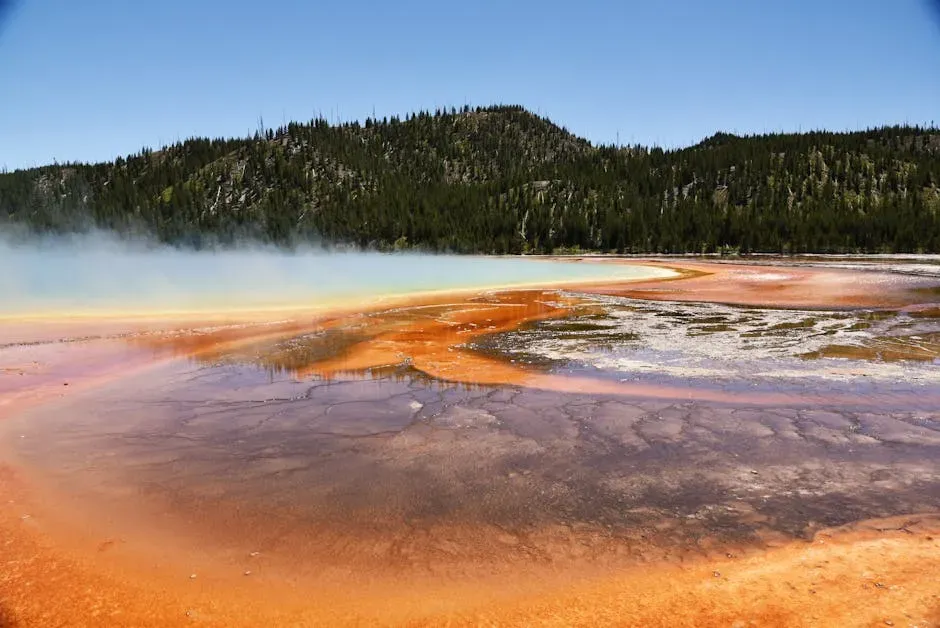
Yellowstone’s story actually starts deep inside the planet, far beneath the North American continent, with what geologists call a hotspot. Picture a blowtorch under a moving conveyor belt: the torch stays put while the belt slides over it, leaving a trail of burned spots. In the same way, the hotspot is more or less stationary in the mantle, while the continent slowly drifts over it. Over tens of millions of years, that movement has carved out a chain of volcanic scars stretching from the Pacific Northwest into present-day Wyoming.
If you look at a map of the Snake River Plain in Idaho, you’re basically seeing the footprints of where the hotspot used to be. As the continent moved, the location of surface eruptions shifted, ending up beneath what we now call Yellowstone. The modern park sits right over the current position of this hotspot, which is why the ground here is unusually thin and heated from below. It’s not that Yellowstone is cursed or uniquely doomed; it just happens to be the latest stop on a very slow, very long geological journey.
Three Colossal Past Eruptions: What The Record Actually Shows
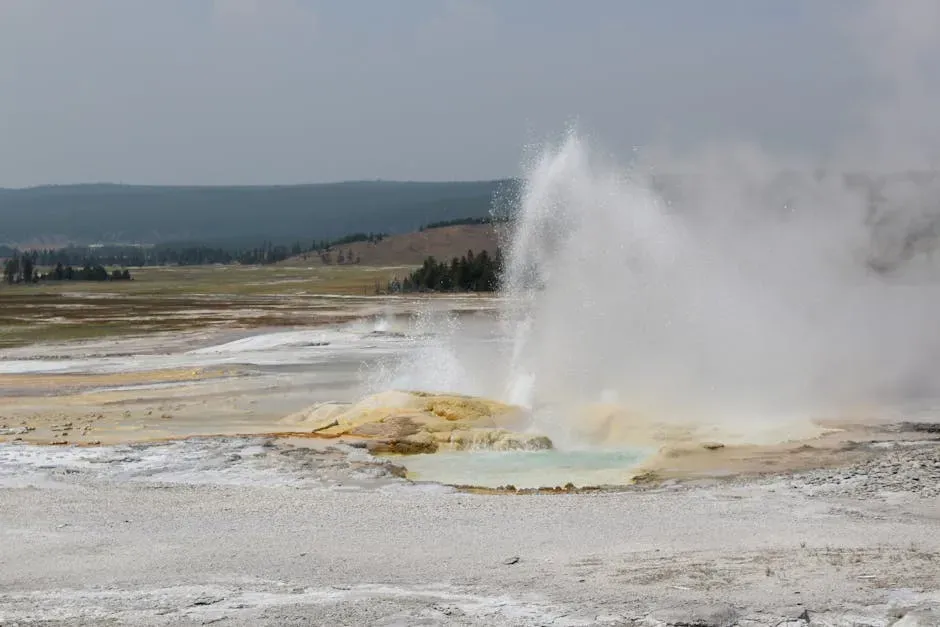
Yellowstone’s reputation comes largely from three immense eruptions in its distant past, the kind that show up in global geological records. Roughly about two million years ago, an eruption formed what is known as the Huckleberry Ridge caldera, a massive depression created when the ground collapsed after magma was expelled. Later, about one and a half million years ago, another major event formed the Mesa Falls caldera. The most recent of the big ones, roughly six hundred and forty thousand years ago, produced the Yellowstone caldera we see evidence of today.
These eruptions spread ash over huge parts of North America and would have dramatically altered regional climates for a time. But between these super-eruptions, Yellowstone also produced smaller, more localized lava flows and hydrothermal explosions. The gap of hundreds of thousands of years between each major event matters: it reminds us that Yellowstone’s “cycle” is not a neat, predictable schedule. Its past behavior was episodic and messy, driven by complex internal conditions, not a fixed timer silently ticking toward the next catastrophe.
What’s Really Below: The Magma System Explained
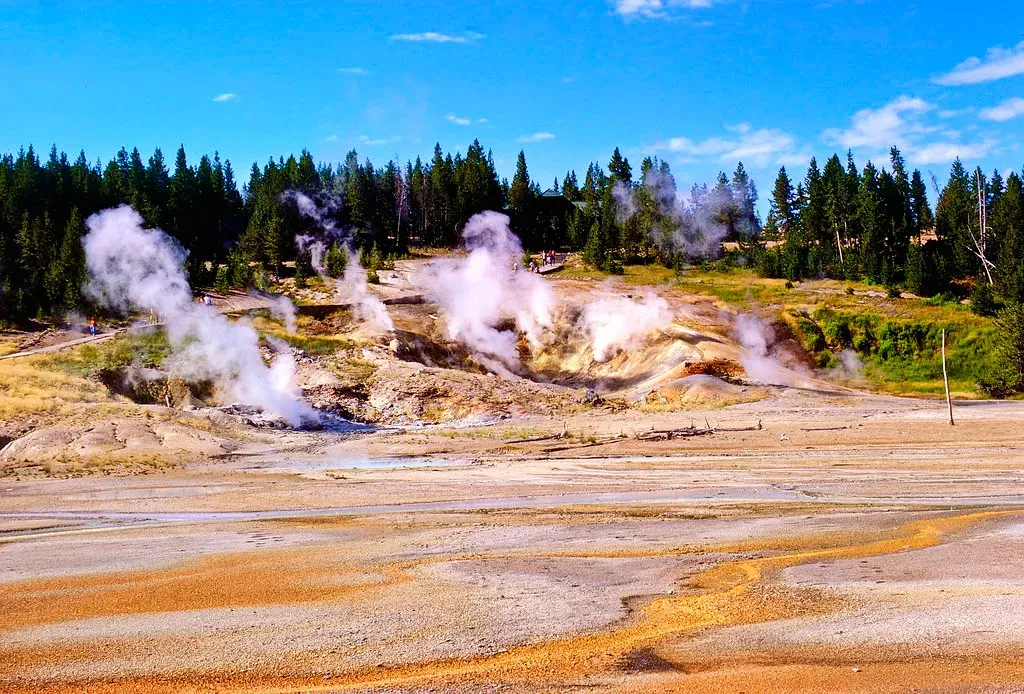
One of the most surprising realities is that Yellowstone’s magma chamber is not a giant underground lake of pure, glowing liquid. Modern imaging, using seismic waves like a kind of underground ultrasound, suggests that most of what’s down there is actually hot, partly melted rock with a mix of solid and liquid. Only a smaller fraction is truly molten at any given time. That matters, because you need a certain amount of eruptible, connected melt for a major eruption to even be possible.
Beneath Yellowstone, there appear to be at least two main zones: a shallower magma reservoir rich in silica and a deeper, larger one containing hotter basaltic material. The system is dynamic, with magma slowly moving, cooling, and sometimes replenishing over long timescales. Instead of a single ticking bomb, it’s more like a complicated plumbing system that can clog, leak, or quiet down at different times. For an eruption to occur, a lot of things have to line up: enough melt, enough gas pressure, and a way to fracture the rock above. Right now, the data don’t show that kind of alignment.
Why The Ground Breathes: Uplift, Subsidence, And Earthquakes
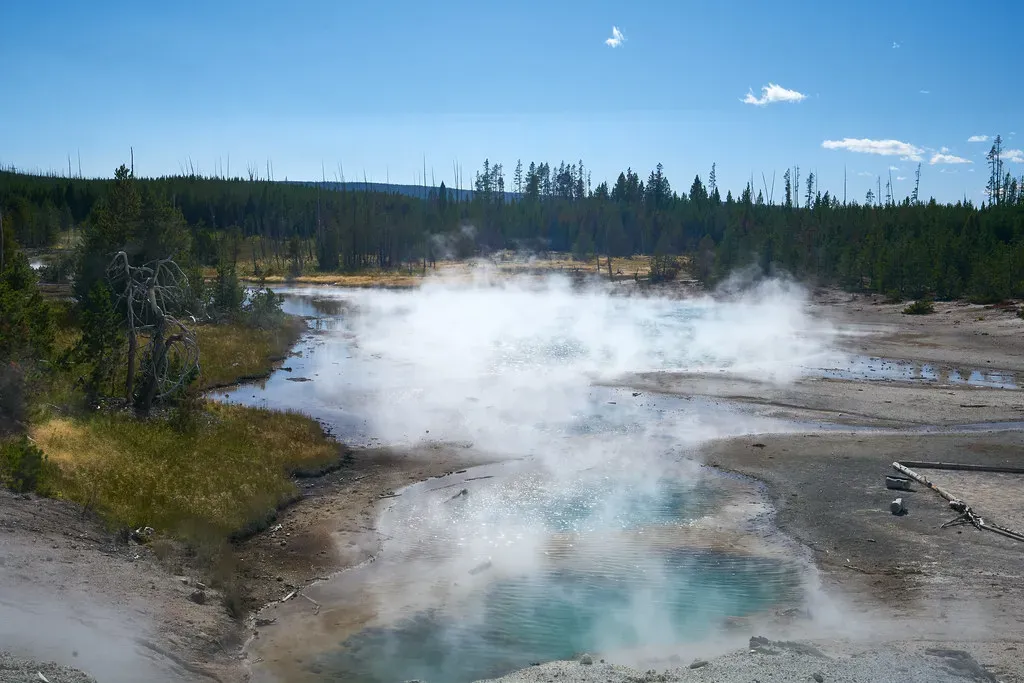
Yellowstone’s surface actually moves up and down over time, like a sleeping giant taking long, slow breaths. Instruments have recorded episodes where the ground rose by several centimeters over a few years, then slowly sank again. These changes are usually caused by shifts in pressure and movement of fluids within the crust, such as magma or hot water and gas finding new pathways. To scientists, this movement is not automatically alarming; it’s part of how a living volcanic system behaves.
Then there are the earthquakes. Yellowstone experiences thousands of small quakes every year, though most are too weak for people to feel. They often come in swarms, clusters of many small quakes over days or weeks, which can sound scary when you read about them without context. But these swarms usually reflect shifting stresses and moving fluids rather than an imminent eruption. If we think of the crust as a creaking old house, those tremors are more like settling noises than signs the roof is about to cave in.
How Closely It’s Watched: Monitoring The Sleeping Giant
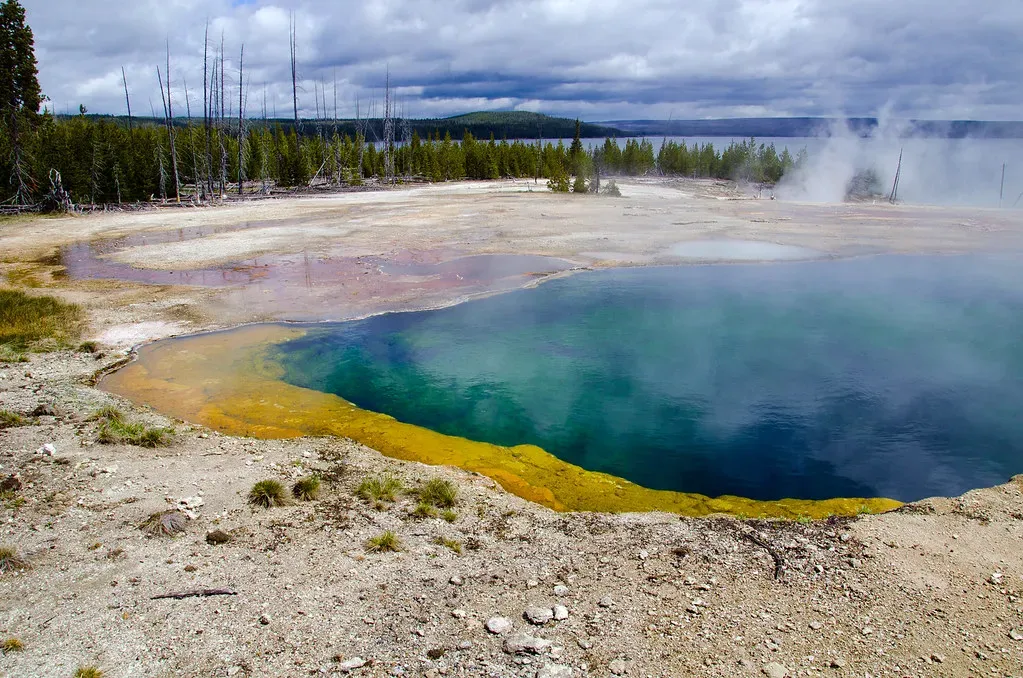
Yellowstone might be one of the most closely monitored pieces of ground on the planet. Networks of seismometers, GPS stations, tiltmeters, gas sensors, and satellite measurements are constantly feeding data to scientists. They track everything from quake locations and depths to minute changes in ground elevation and temperature. If anything significant starts to shift, they’re almost guaranteed to see it show up across multiple instruments, not just a single blip on one sensor.
The key point is that large eruptions, especially something on the scale of a super-eruption, don’t just happen out of nowhere with zero warning. You’d expect to see a sustained pattern of escalating activity: rising seismicity, significant ground deformation, notable changes in gas emissions, and other clear signals. So far, the monitoring data show a restless but stable system, not one racing toward the edge. It’s a bit like having constant medical checkups on a patient with a known condition – risk exists, but it’s watched so intensively that surprises are far less likely than many people imagine.
Could It Erupt Soon? Separating Fear From Probability
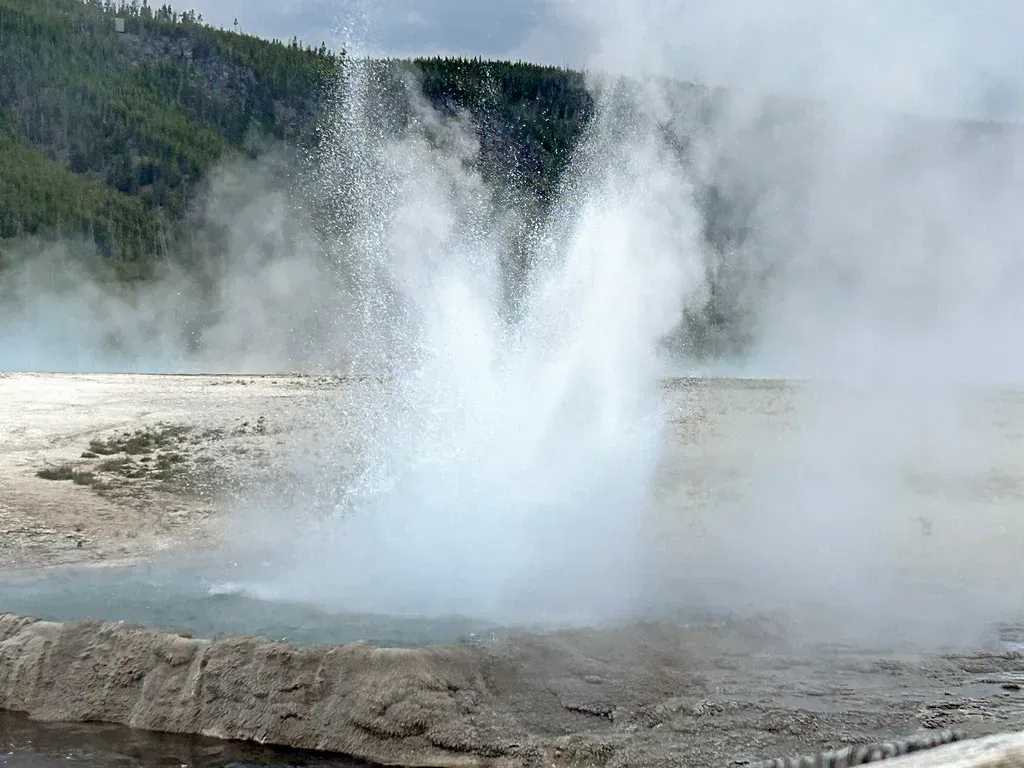
It’s tempting to look at the rough spacing between Yellowstone’s past giant eruptions and say it’s “overdue,” but nature doesn’t work like a train timetable. Geologists emphasize that there is no solid evidence of a fixed cycle; those past events are too few and too irregular to define a reliable pattern. Statistically, based on current understanding, the chance of a super-eruption in any given human lifetime is extremely low. Other types of volcanic activity, like smaller lava flows or hydrothermal explosions, are far more likely and still significant on a local scale.
Some of the fear comes from viral claims that any uptick in quakes or uplift means a massive eruption is around the corner. In reality, Yellowstone has gone through many “restless” phases with no eruption following. Scientists are pretty blunt that, if they saw signs of a genuine shift toward dangerous conditions, they would raise alert levels and say so. That doesn’t mean Yellowstone is harmless; it means that risk must be described honestly, not inflated for drama. Living with a supervolcano on your continent is about accepting a very long-term risk, not panicking about every headline.
What A Major Eruption Would Actually Mean
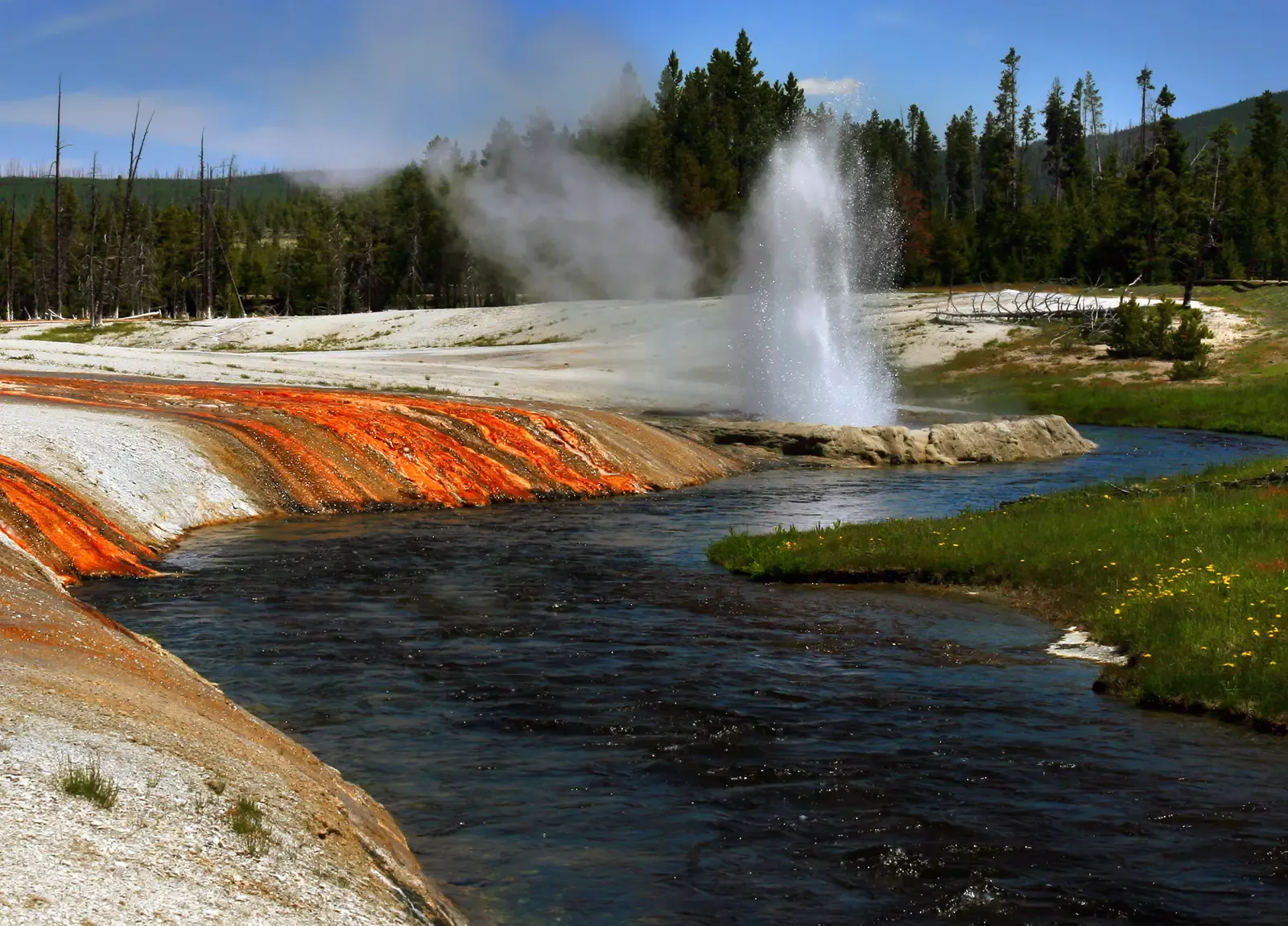
If Yellowstone did produce a large eruption, especially on the higher end of the scale, the impact would be severe, but not identical to the most extreme doomsday scenarios you see online. Locally, areas close to the caldera would face catastrophic destruction from pyroclastic flows, ash, and collapsing ground. Ashfall could spread over a big portion of North America, thick enough in some regions to damage buildings, clog engines, shut down agriculture for seasons, and disrupt transportation and power. Even far away, a fine layer of ash could cause air-quality issues and ground aircraft.
Globally, enough ash and gas in the upper atmosphere could cool the climate for a period, altering rainfall patterns and harvests. But the extent and duration of that cooling would depend heavily on the size and composition of the eruption, which can’t be guessed with precision. It would be a global crisis, but not necessarily the end of civilization. Humanity has weathered serious volcanic events before, though nothing exactly like a modern Yellowstone-scale blast. Preparing mentally means recognizing the seriousness without surrendering to hopelessness or turning scientific uncertainty into wild speculation.
The More Likely Threats: Geysers, Hydrothermal Blasts, And Ash
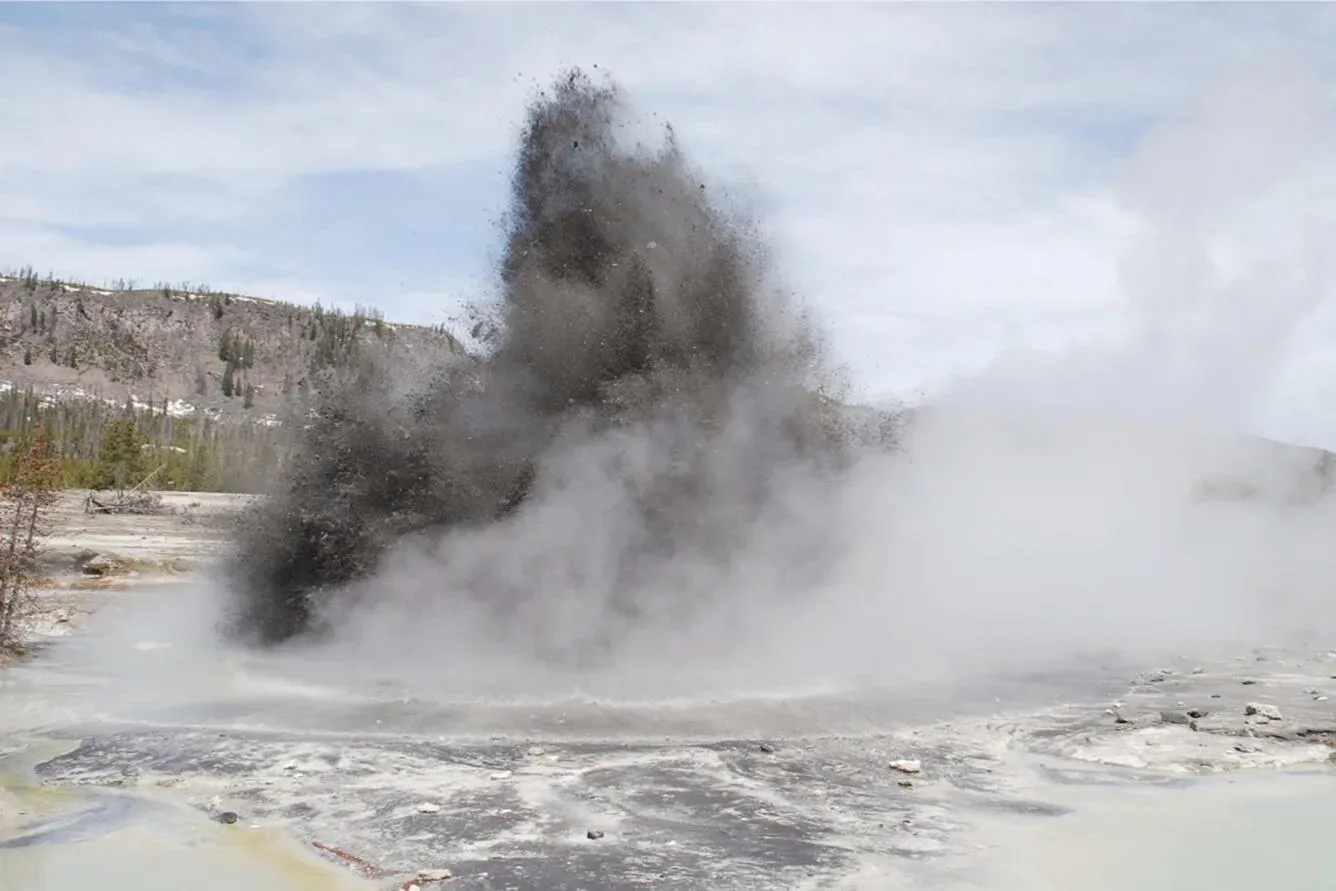
While the world fixates on the idea of a super-eruption, the most realistic hazards at Yellowstone are smaller, closer, and more immediate. Hydrothermal explosions – sudden blasts of steam and rock when superheated water flashes into vapor – have happened in the park in the past and will happen again. These can blast out craters, hurl rocks, and seriously injure or kill anyone nearby. That’s one big reason why park rules about staying on boardwalks and marked paths really matter, even if they feel fussy when you’re just trying to get a better photo.
There’s also the possibility of smaller volcanic eruptions, like localized lava flows or minor ash-producing events. Those would be big news and could require evacuations, but they would not rewrite the entire continent. Even a moderate ash-producing eruption could disrupt regional air travel and infrastructure without being globally catastrophic. In other words, Yellowstone’s most probable future problems look more like a series of regional disasters than a single apocalyptic event. That distinction matters for planning, insurance, emergency response – and for keeping the public conversation grounded in reality.
Living With A Sleeping Giant: Why Yellowstone Still Inspires Awe
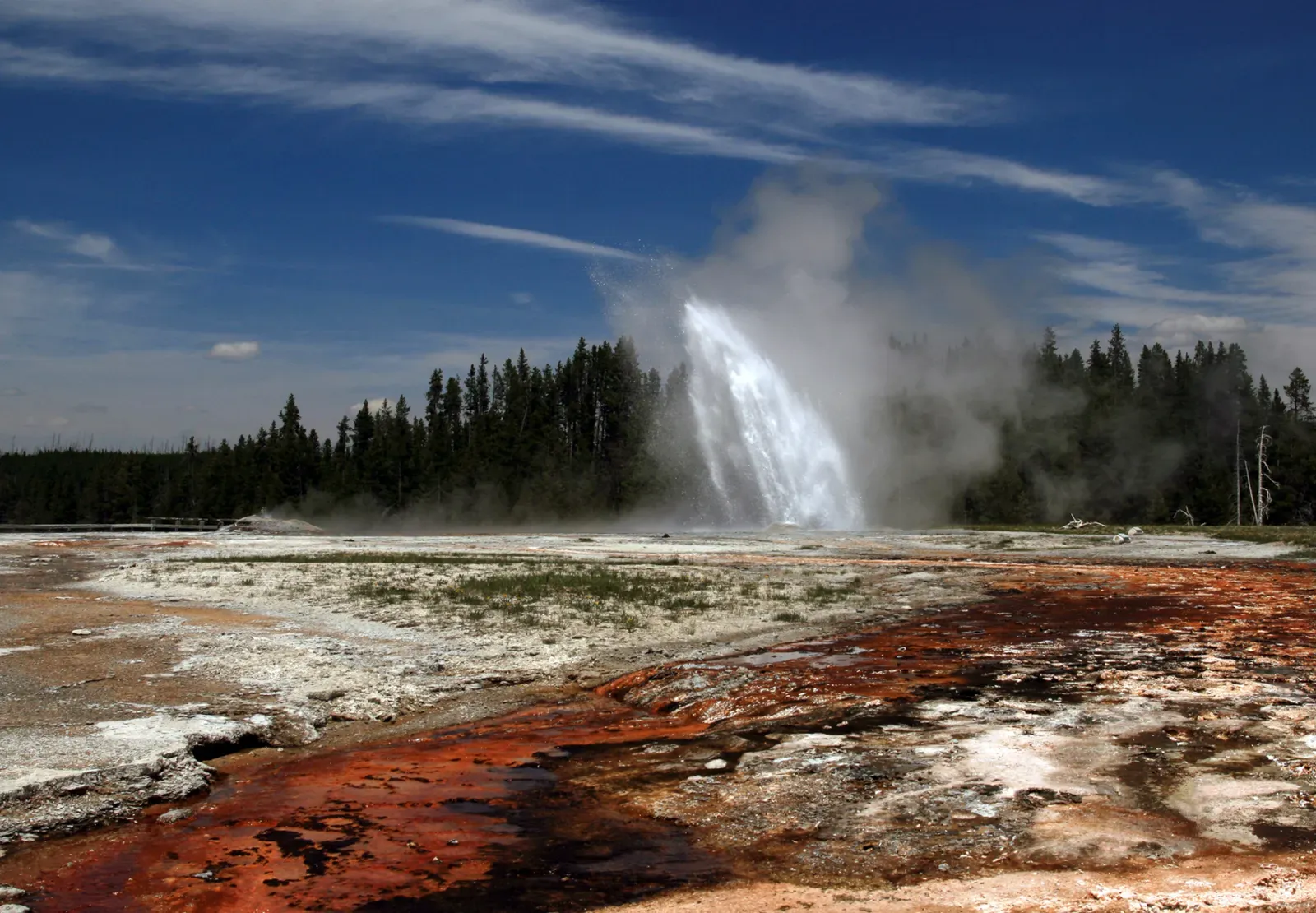
For all the worry it generates, Yellowstone is also a reminder of how alive our planet really is. Standing next to a geyser that blasts boiling water into the sky every few minutes, you’re basically watching Earth breathe through its pores. There’s something oddly comforting about that: the ground beneath us isn’t just dead rock, it’s part of a slow, powerful engine that has been reshaping continents for billions of years. That same power that scares us is also the reason Yellowstone exists at all, with its surreal colors and alien landscapes.
Personally, I find it helpful to see Yellowstone less as a lurking villain and more as a stern, unpredictable neighbor we’ve gotten to know pretty well. We can’t tame it, and we can’t promise it will always stay quiet, but we can listen to it carefully and learn its patterns. The fact that we can now image its magma system, track its tiny tremors, and model its potential impacts would have felt like science fiction a century ago. Maybe the real story of Yellowstone is not just raw natural power, but our growing ability to live beside that power with eyes open instead of shut.
Conclusion: Respect, Not Panic, In The Shadow Of Yellowstone
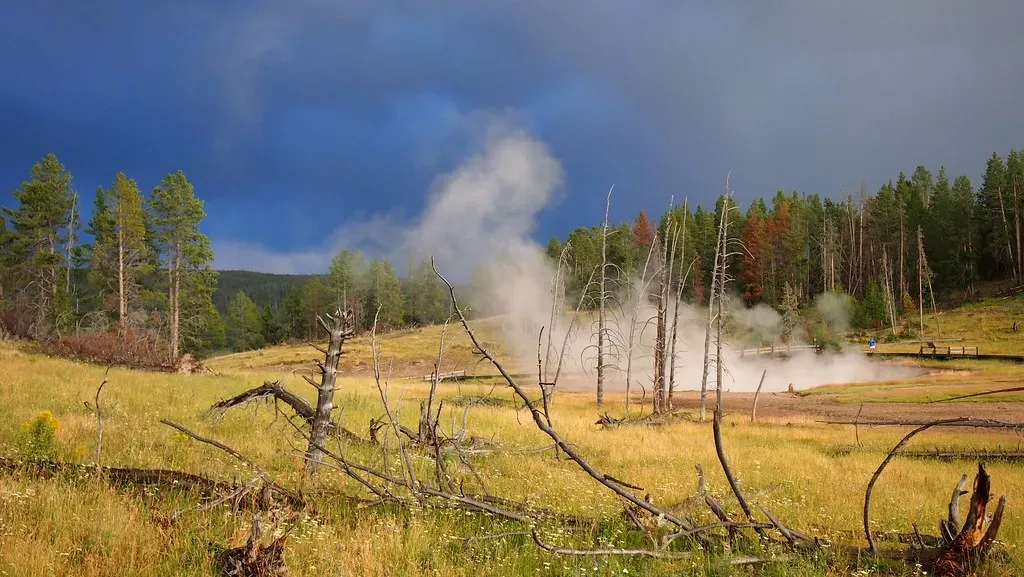
Yellowstone’s supervolcano sits at the crossroads of fear, fascination, and fact. Beneath one of America’s most beloved national parks lies a complex magma system capable of extraordinary eruptions, but also spending vast stretches of time simply simmering, sighing, and reshaping the land in slow motion. The science tells a nuanced story: yes, the potential for truly massive eruptions exists, but the odds in any human timescale are low, and the system is watched with an intensity that makes sudden, silent catastrophe very unlikely. The more we learn, the more Yellowstone looks less like an unpredictable monster and more like a restless, well-studied giant.
In the end, living with Yellowstone is an exercise in mature humility. We acknowledge that the Earth can still surprise us, that some risks cannot be engineered away, and that beauty and danger often share the same address. Instead of giving in to either denial or doom, we have the option to stay curious, stay informed, and respect the forces beneath our feet. When you picture those shimmering hot springs and rumbling faults now, do you see them as a threat waiting to strike – or as a reminder that our planet is still very much alive, whether we’re ready or not?