
Space is supposed to be ruled by clear, elegant laws. Gravity pulls, planets orbit, stars shine and die. Yet, the more precisely we observe the universe, the more it behaves like a magician who keeps slipping new tricks into the show just when we think we’ve figured out the routine.
Some of these cosmic oddities are so strange they genuinely bother scientists. Not in a scary way, but in that itchy, restless way that keeps you awake at 2 a.m. replaying the problem in your mind. I still remember the first time I read about one of the mysteries below and thought: “Wait… that can’t be right.” But it is. Let’s walk through seven of the biggest head-scratchers hiding in the dark between the stars.
1. Dark Matter: The Invisible Glue Holding Galaxies Together
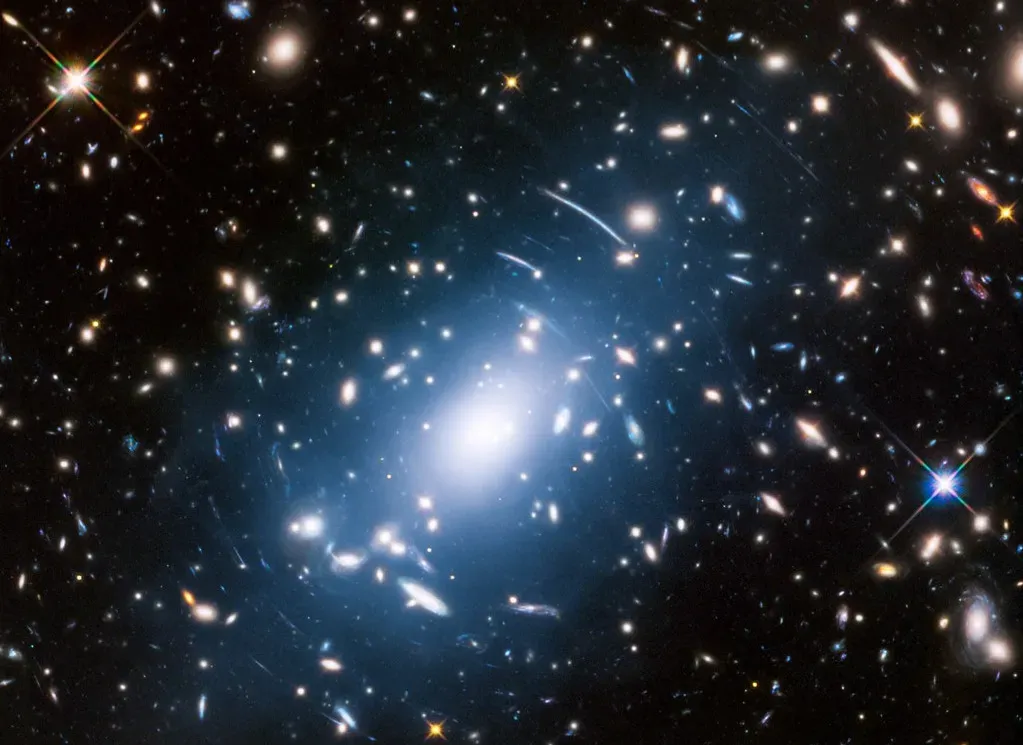
Imagine watching a spinning carousel where the horses on the outer edge are moving just as fast as the ones near the center. In our universe, that’s what galaxies look like, and by normal physics, they should fly apart. Yet they don’t. The only way to make the math work is to assume there’s a huge amount of invisible “stuff” adding extra gravity, something we now call dark matter.
Measurements of galaxy rotations, galaxy clusters, and the way light bends around mass all point to this hidden component. The strange part is that dark matter doesn’t seem to interact with light or regular matter the way normal particles do. Particle detectors on Earth, from underground facilities to experiments at the Large Hadron Collider, have spent years looking for dark matter candidates, and so far, nothing definitive has turned up. It’s like the universe is clearly pushing on us with an unseen hand, but every time we turn around to catch it, there’s nobody there.
2. Dark Energy: The Force That’s Making the Universe Speed Up
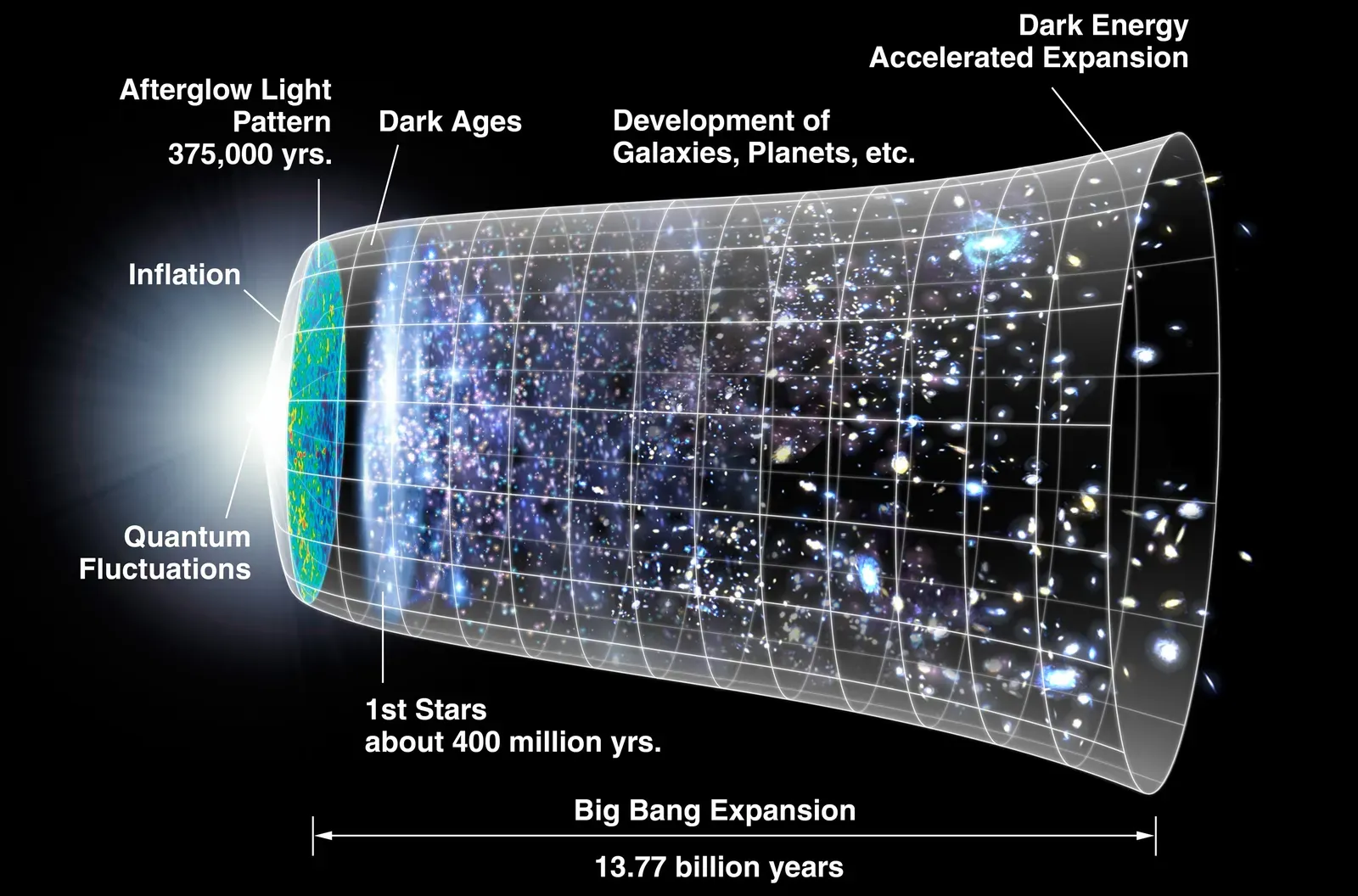
You’d think that after the Big Bang, gravity would slowly drag everything back, or at the very least, make the expansion of the universe gradually slow down. Instead, observations of distant exploding stars show the opposite: the expansion is speeding up. To explain this, scientists added another mystery ingredient to the cosmic recipe: dark energy, a kind of energy that seems to be built into the fabric of space itself.
The really unsettling part is scale. Roughly about two thirds of the entire energy content of the universe appears to be this dark energy, yet we have almost no idea what it actually is. Some models treat it like a constant property of space, others see it as something that might change over time. If dark matter is like a hidden scaffolding holding galaxies together, dark energy is more like a quiet, relentless wind stretching space from within. We can measure its effects extremely well, but we still have no satisfying answer for why it exists at all.
3. Fast Radio Bursts: Millisecond Flashes from the Deep Unknown
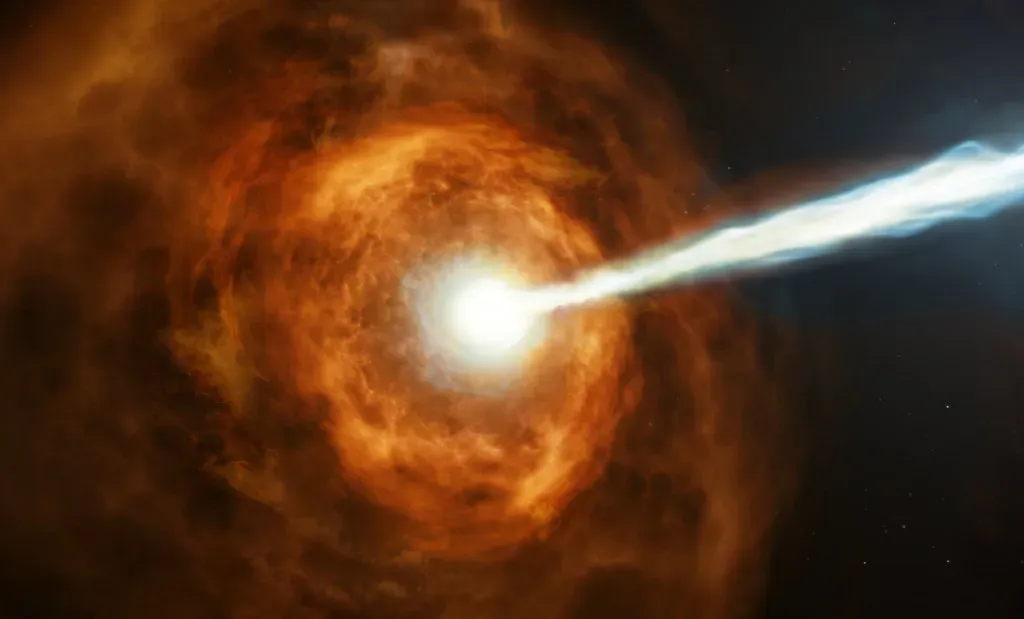
In the early 2000s, astronomers noticed something odd in radio telescope data: extremely brief, incredibly powerful bursts of radio waves coming from far outside our galaxy. These fast radio bursts, or FRBs, last only a fraction of a second, but in that blink they can release as much energy as the Sun does in days. What’s wild is how often they happen across the sky, even though catching one in the act still feels like winning a cosmic lottery.
We now know that some FRBs repeat, while others appear to fire once and go silent forever. That complicates things, because it suggests more than one kind of source. Leading ideas include highly magnetized neutron stars, collisions between dense stellar remnants, or sudden starquakes on exotic objects called magnetars. But no explanation yet fits every known FRB perfectly. In a universe that’s supposed to be predictable, these ultra-short, high-powered flashes feel like anonymous phone calls from a number we can’t quite trace.
4. The Hubble Tension: Conflicting Measurements of Cosmic Expansion
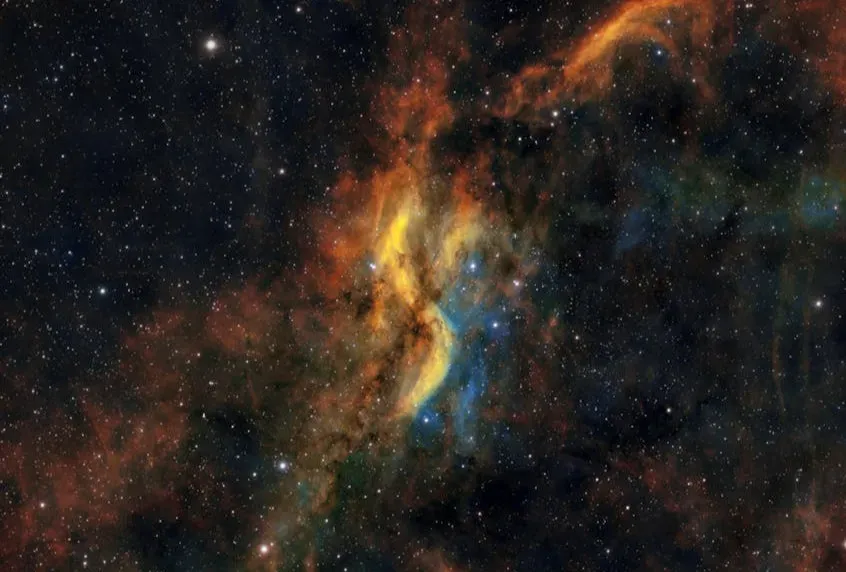
Ask two different teams of scientists how fast the universe is expanding right now, and you’ll get two slightly different answers that stubbornly refuse to converge. One uses nearby objects, such as certain types of supernovae and variable stars, as cosmic yardsticks. The other relies on measurements of the cosmic microwave background, the faint afterglow from shortly after the Big Bang, combined with our best model of how the universe has evolved.
Both methods are precise and well-tested, yet their results disagree by more than can be easily explained by simple errors. This ongoing puzzle is called the Hubble tension, and it has turned into one of the most nagging problems in modern cosmology. Either there is some subtle bias in one or both measurement chains, or our current model of the universe is missing an important ingredient. It’s like measuring the same room with two different tape measures and getting two correct but incompatible answers, and no one can figure out what’s off.
5. The Wow! Signal and Other Eerie Radio Oddities
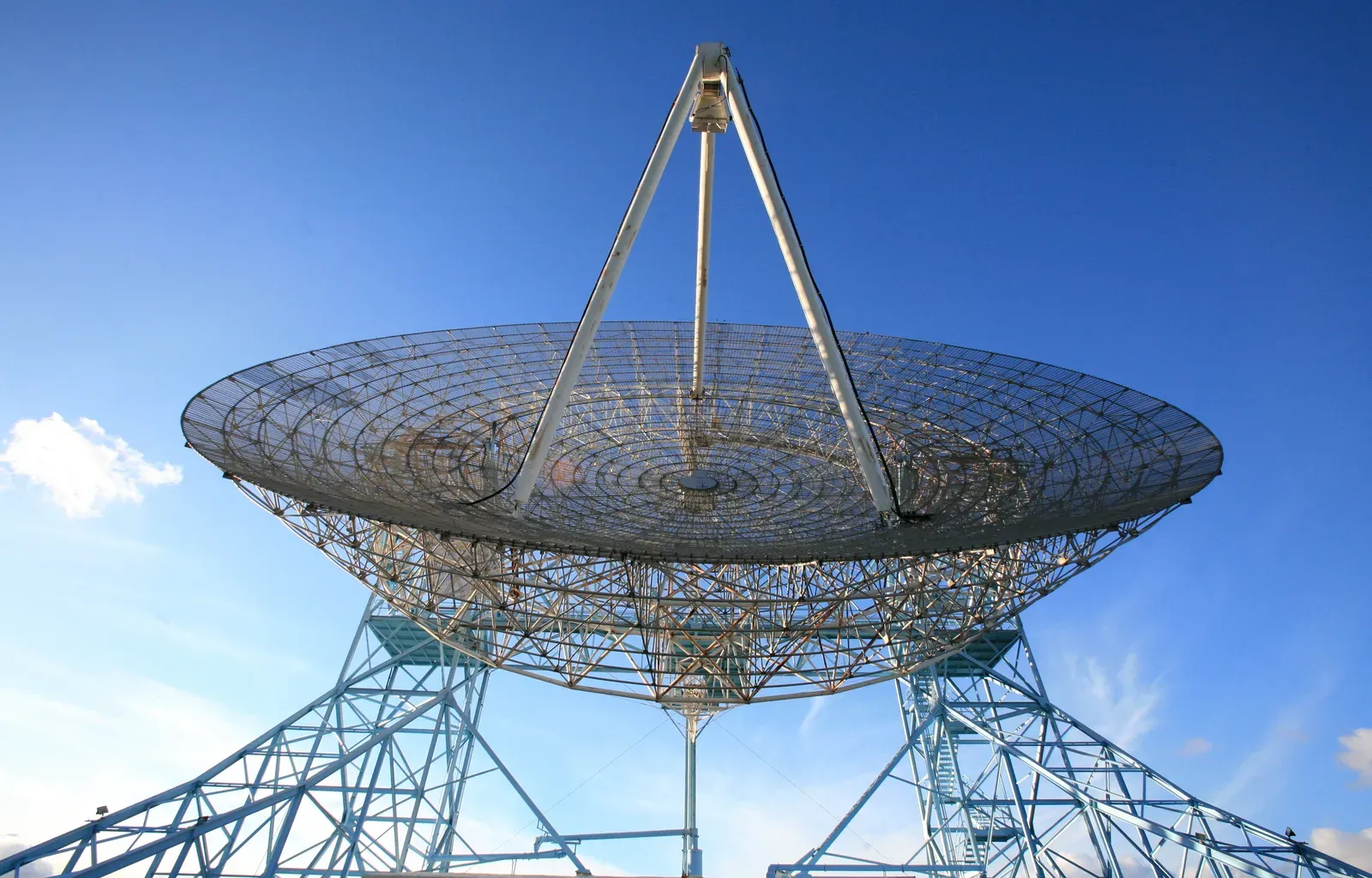
Back in the late 1970s, a radio telescope picked up a strong, narrowband radio signal from space that looked strikingly different from typical natural background noise. It came from a region toward the constellation Sagittarius and lasted just over a minute. Despite years of follow-up searches, nothing exactly like it has been seen again. This event, often called the Wow! signal, still hovers in that awkward space between “probably natural” and “we honestly don’t know.”
Since then, various radio surveys have turned up other strange blips and one-off events that don’t cleanly fit the patterns of known astrophysical sources. Most researchers lean heavily toward natural explanations, such as rare stellar flares, unknown types of plasma behavior, or even interference from human technology that slipped through early filters. Still, the unease remains. When a signal appears once with no repeat and no clear origin, it feels a bit like finding a single unexplained footprint in fresh snow and then watching the storm erase it before you can look for a trail.
6. Rogue Planets: Worlds Adrift with No Sun
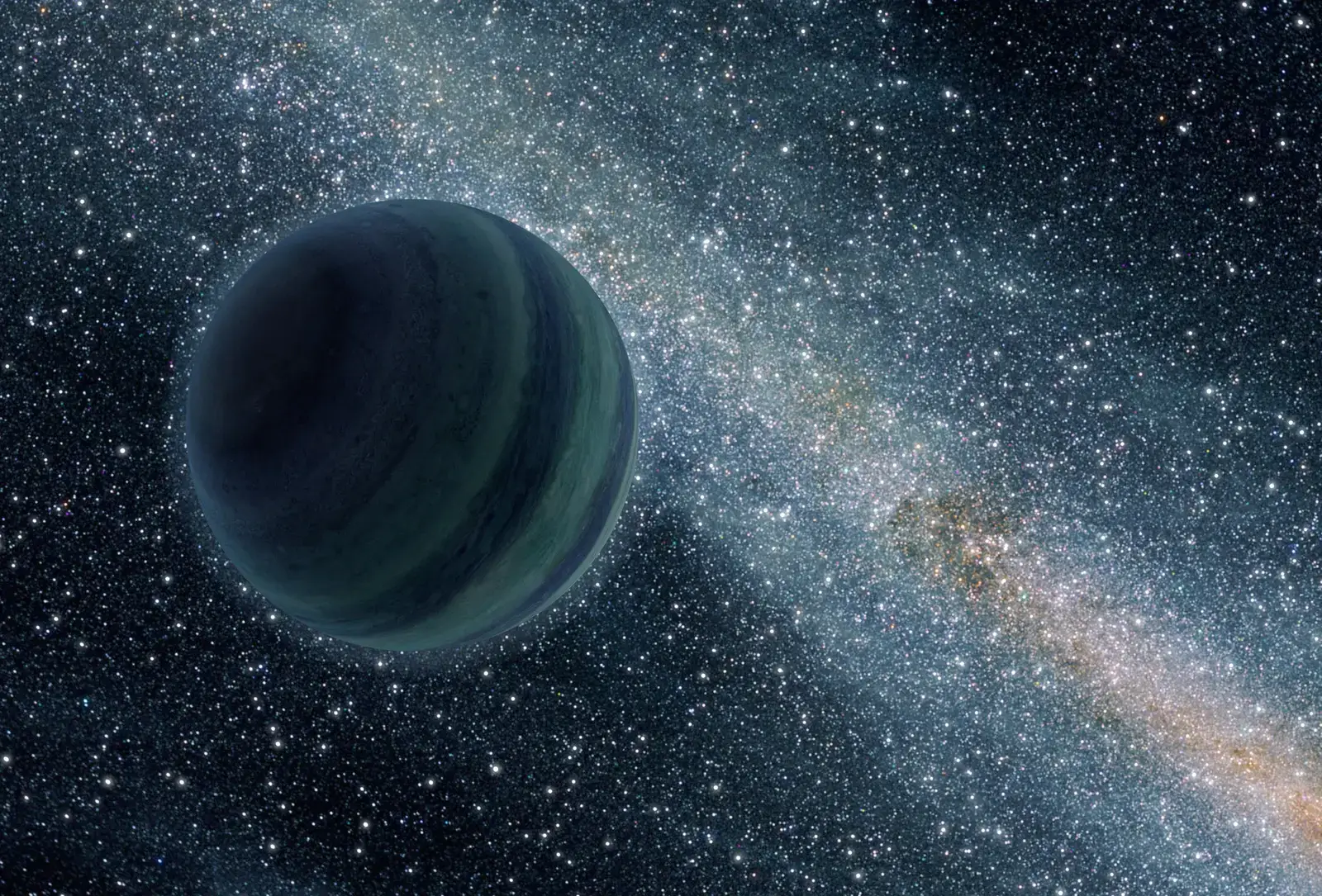
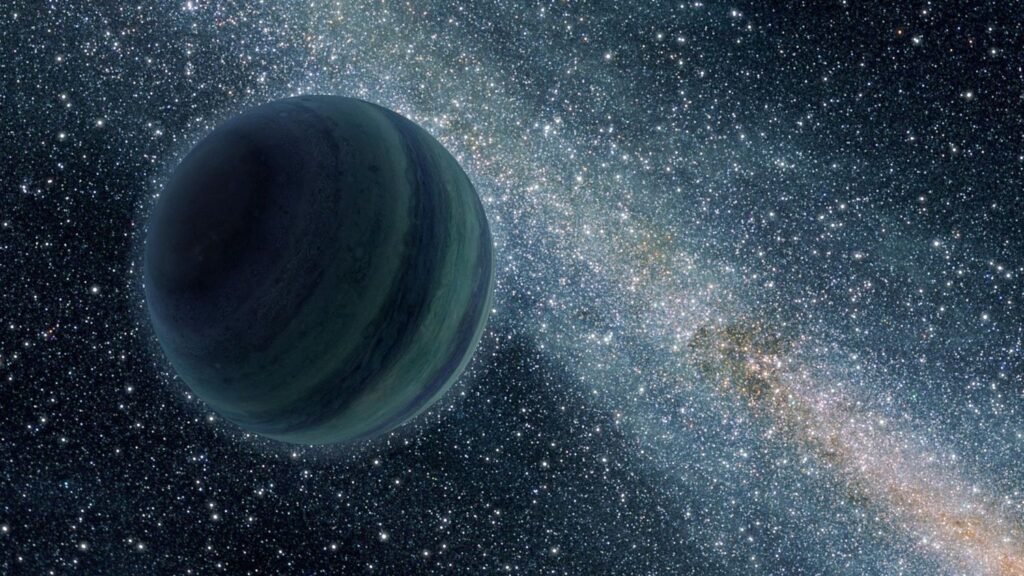
When we imagine planets, we usually picture them orbiting stars, bathed in light, even if they’re cold and distant. But astronomers have found compelling evidence that there are planets drifting freely through space with no parent star at all. These rogue planets may have been kicked out of their original planetary systems through gravitational scuffles, or in some cases, they might even have formed alone in dense regions of gas and dust.
What makes them so intriguing is how invisible they are. Without a nearby star, they don’t reflect much light, so we usually detect them through subtle gravitational effects or rare alignments when they pass in front of more distant stars. Some estimates suggest there could be as many or more rogue planets as there are stars in our galaxy. It’s a haunting thought: countless lonely worlds wandering the darkness, some perhaps with thick atmospheres or hidden oceans, forever circling nothing.
7. Ultra-High-Energy Cosmic Rays: Particles That Shouldn’t Be Possible
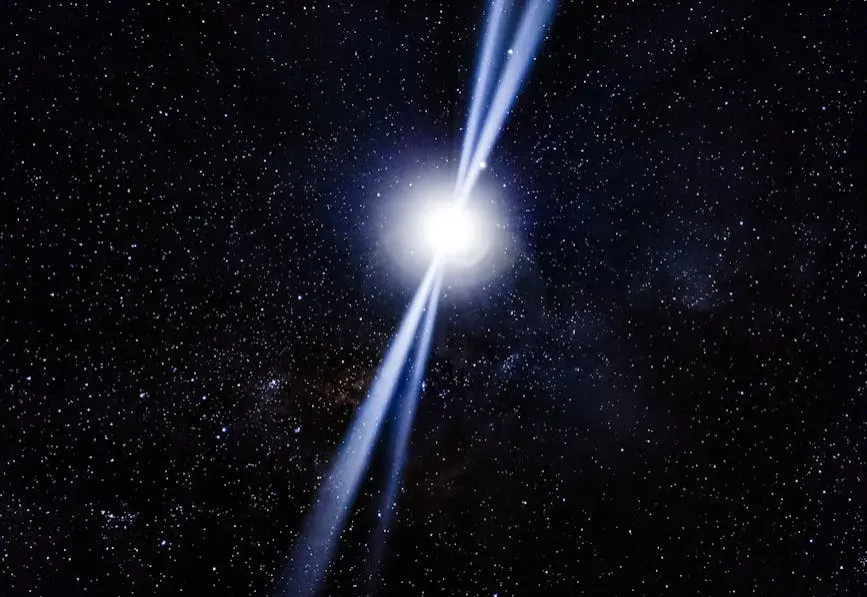
Cosmic rays are high-energy particles, mostly protons, that constantly rain down on Earth from space. Most are relatively modest, but a tiny fraction arrive with mind-bending energies, far higher than anything we can produce even in our most powerful particle accelerators. These ultra-high-energy cosmic rays hit our atmosphere with the punch of a well-thrown baseball concentrated into a single subatomic particle.
The puzzle is where and how they are accelerated to such extremes. Known astrophysical engines, like supernova remnants or active black holes, can explain a lot of high-energy particles, but the very highest-energy events push against theoretical limits of what those objects can do. On top of that, interactions with the cosmic microwave background should sap their energy over vast distances, limiting how far they can travel. Yet we see them, sporadically, like stray bullets with no obvious shooter in sight, forcing us to consider whether there are cosmic machines out there more extreme than anything we’ve yet imagined.
Conclusion: A Universe That Refuses to Be Boring
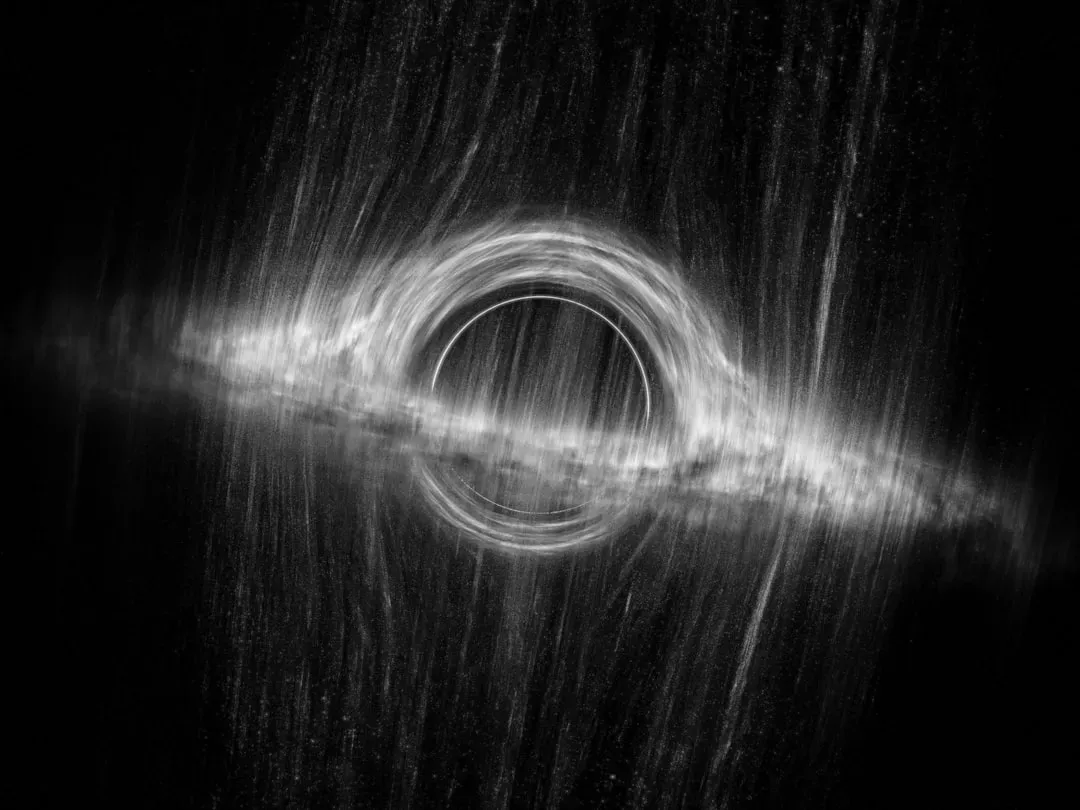
What all these mysteries share is a kind of stubbornness. Dark matter, dark energy, FRBs, the Hubble tension, strange radio signals, rogue planets, and impossible cosmic rays all resist fitting neatly into the frameworks we’ve built. They aren’t evidence that “anything goes” in the universe. Instead, they’re clues that something deeper and more elegant is waiting behind the curtain, just beyond what our current tools and theories can reach.
In a way, that’s the most exciting part. If everything in space behaved exactly as expected, astronomy would feel like filling out a worksheet instead of exploring a frontier. Instead, we’re left with a sky full of unanswered questions, each one an invitation to build better instruments, test bolder ideas, and admit what we don’t yet know. When you look up at the night sky now, which of these mysteries do you secretly hope we solve first?