Step into the American desert at noon and it feels like the world has been turned up too high: scorching sunlight, baking rocks, barely a hint of shade. Yet, in these harsh conditions, life isn’t just hanging on by a thread – it’s thriving in strange, ingenious, almost unbelievable ways. Desert animals across the Southwestern United States, from Arizona’s Sonoran Desert to Nevada’s Mojave and Texas’s Chihuahuan, have evolved survival tricks that sound more like science fiction than real biology.
I still remember the first time I stepped out of an air-conditioned car in southern Arizona and instantly felt my skin prickle from the dry heat. I thought, “How does anything live out here without a bottle of water and a hat?” As it turns out, desert animals manage without either, using built‑in cooling systems, water‑saving bodies, and clever behavior patterns that put most human survival tips to shame. Let’s dive into ten of the most impressive adaptations that help them outsmart one of the harshest climates in the United States.
1. Kangaroo Rats: Masters of Waterless Living
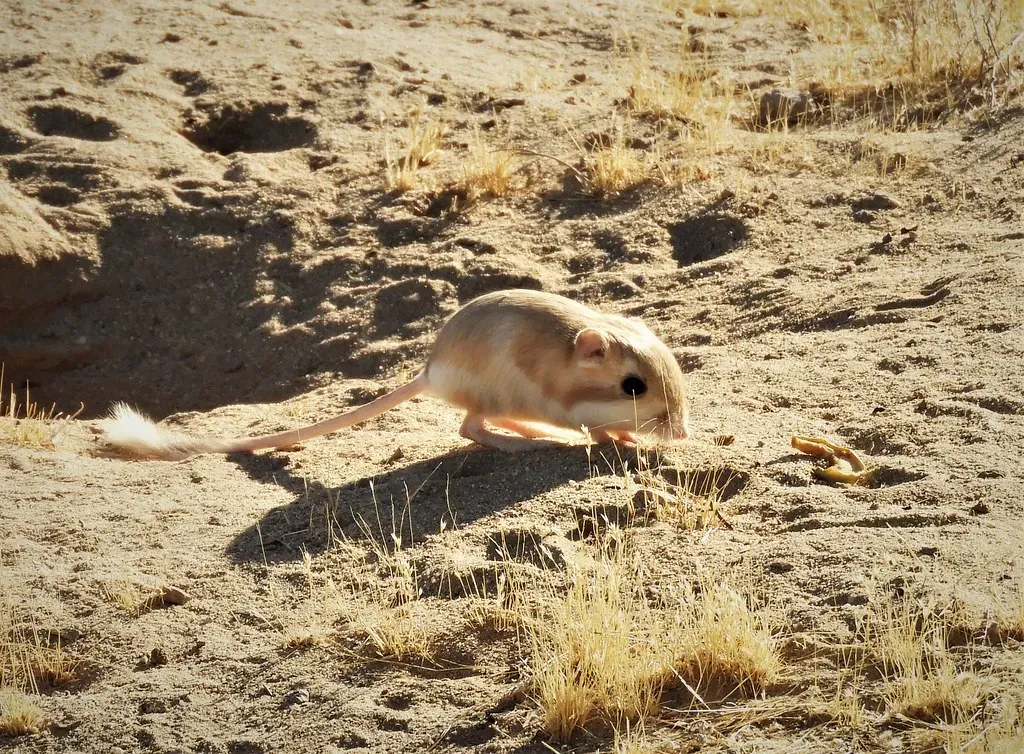
Imagine never drinking a single drop of water in your entire life and still staying perfectly hydrated. That’s normal for kangaroo rats, tiny nocturnal rodents found in deserts like the Mojave and Sonoran across the American Southwest. They live almost entirely on dry seeds, yet their bodies pull enough moisture from that food to meet all their water needs, even when daytime temperatures soar and humidity is basically nonexistent.
The real magic happens in their kidneys and noses. Kangaroo rats have some of the most efficient kidneys of any mammal, concentrating urine so much that they lose astonishingly little water. Their nasal passages act like built‑in condensers, cooling the air they exhale so that moisture condenses and gets recaptured rather than wasted. It’s like having a personal, ultra‑efficient recycling plant inside a mouse‑sized body.
2. Desert Bighorn Sheep: Vertical Climbers in a World Without Shade
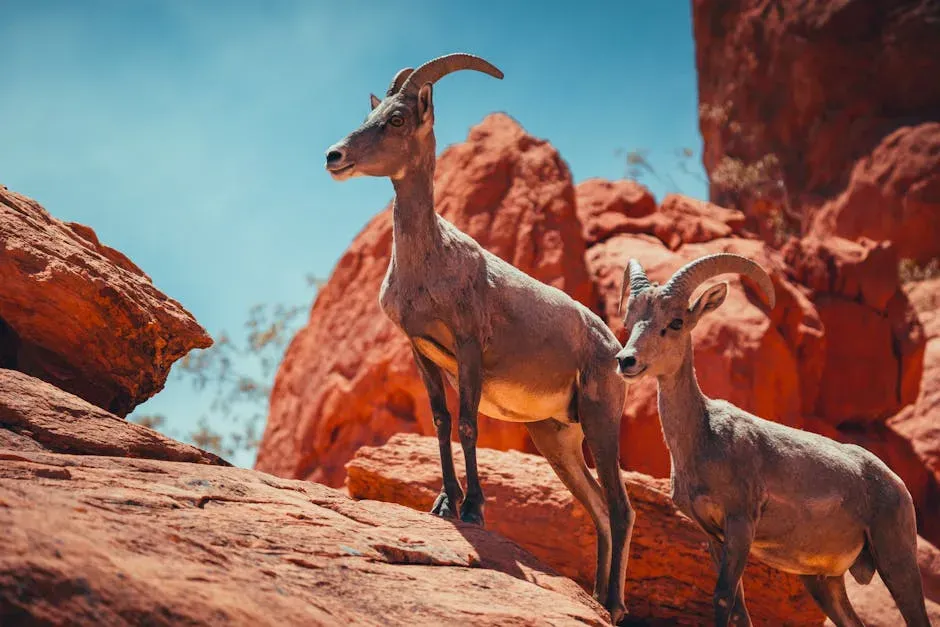
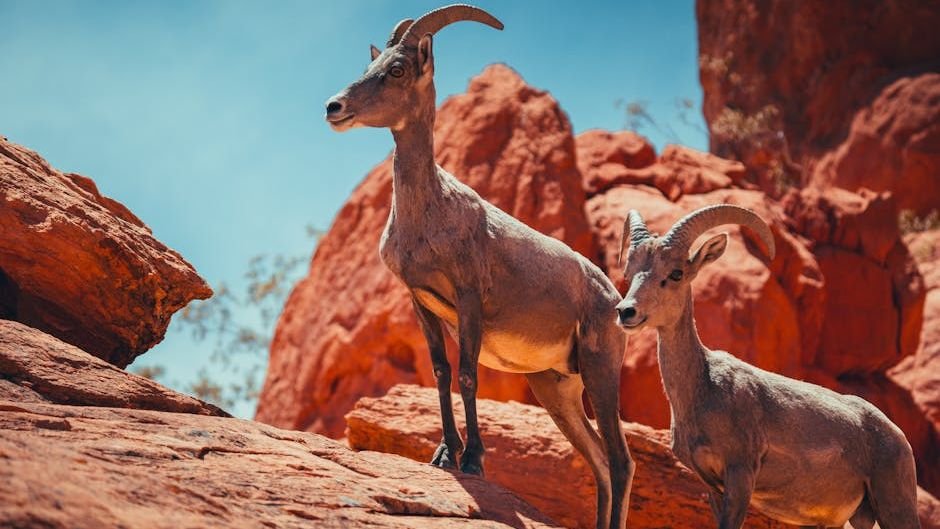
When the desert sun is brutal and the air barely moves, climbing a cliff to escape the heat sounds crazy, but for desert bighorn sheep, it’s survival strategy 101. These sheep, living in rocky desert ranges from California to New Mexico, use sheer cliffs and rugged mountains as their sanctuary. Higher ground often means a slight drop in temperature and at least a bit more breeze cutting across the rock faces.
Their bodies are built for this lifestyle: powerful legs, shock‑absorbing hooves with a rough outer rim and softer center for grip, and a frame that can handle dizzying heights. Instead of relying on deep shade, they tap into microclimates, resting on cooler, wind‑exposed ledges during the hottest parts of the day. It’s a reminder that in the desert, survival isn’t just about water; it’s also about reading the landscape like a detailed topographic map.
3. Gila Monsters: Slow, Venomous, and Surprisingly Efficient
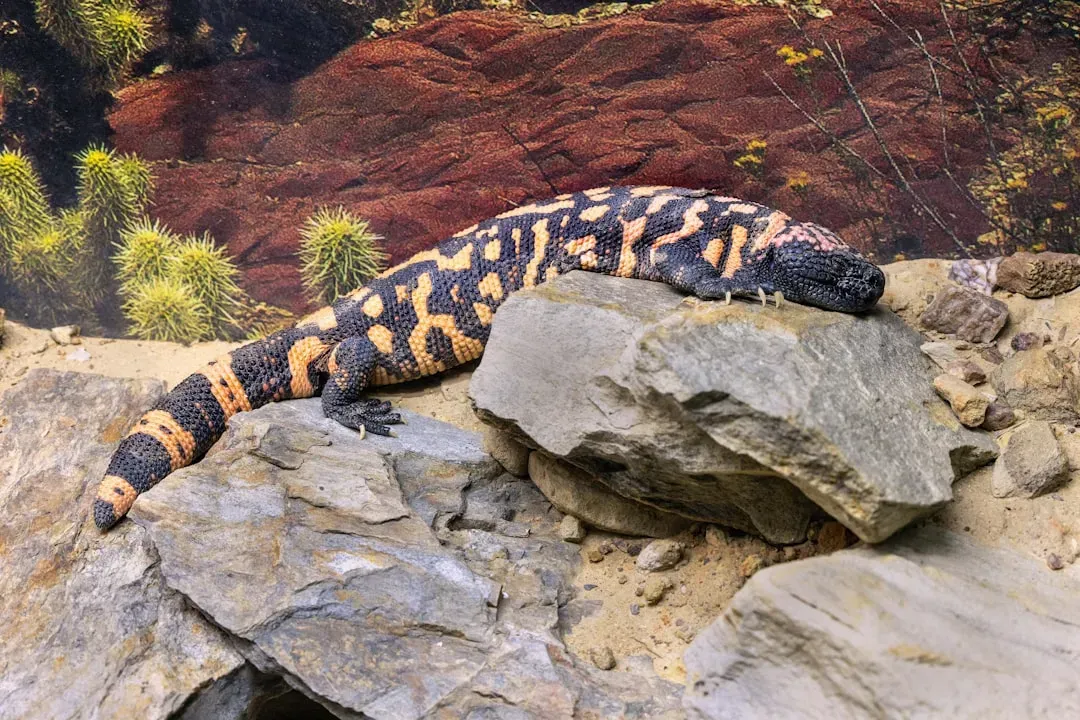
At first glance, the Gila monster, found in the deserts of Arizona and parts of Nevada, looks like someone crossed a lizard with a beadwork project. Heavy‑bodied, slow‑moving, and armed with venom, it’s not what most people picture when they think of a desert survivor. But that slow pace is exactly what makes it so good at handling extreme heat and scarce food. Moving less means burning fewer calories and losing less water in the process.
Gila monsters take advantage of short bursts of abundance, especially during the spring, when they feed on eggs, nestlings, and small animals, packing on energy reserves. They can then go long stretches without eating, retreating to burrows where the temperature is far more stable than the oven‑like surface. By living a low‑energy, high‑efficiency life, they turn the desert’s unpredictability into a workable, if somewhat lazy‑looking, routine.
4. Roadrunners: Speed and Shade in the Open Desert
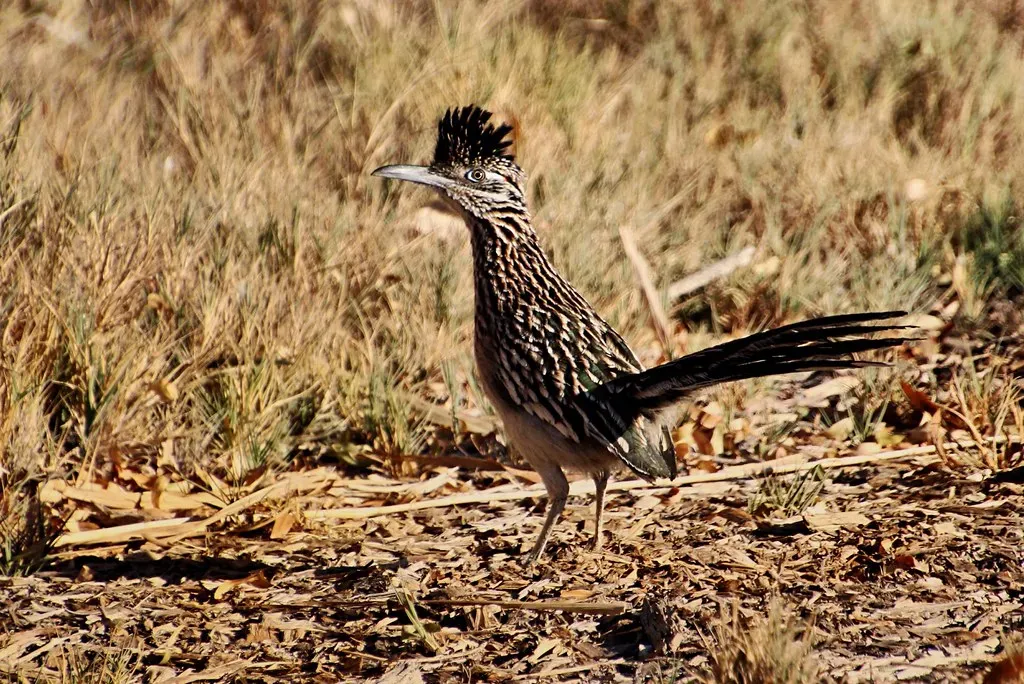
The greater roadrunner, famous in Southwestern deserts from New Mexico to California, doesn’t just sprint across cartoon screens – it actually prefers running to flying. That ground‑dwelling lifestyle is more efficient in hot, open terrain, letting it dart between patches of shade, low shrubs, and scattered rocks. This speed helps it catch lizards, snakes, and insects while also avoiding becoming lunch itself.
But what really stands out is how it handles temperature swings. Early in the day, roadrunners often use the sun to warm up, fluffing their feathers to expose dark skin that soaks in heat. When things get dangerously hot, they do the opposite, keeping feathers tight and seeking whatever shade or airflow they can find. It’s like watching a bird constantly adjust its built‑in thermostat to stay just on the safe side of comfortable in an environment that doesn’t care if it overheats.
5. Desert Tortoises: Underground Timekeepers of the Mojave and Sonoran
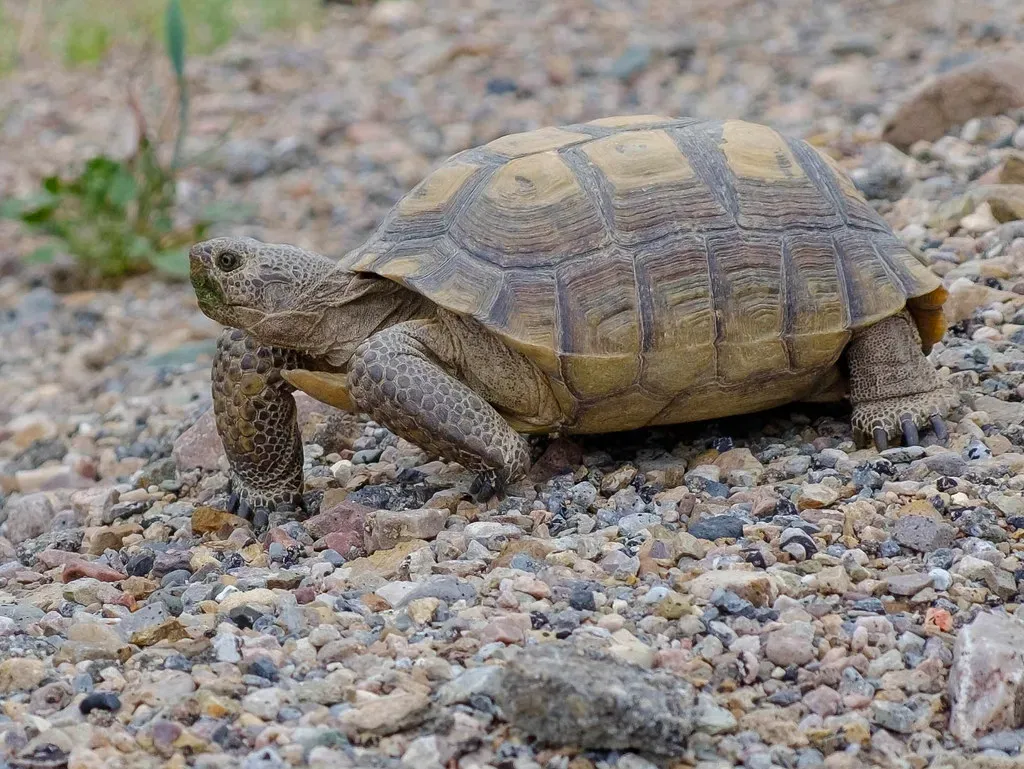
Desert tortoises might be the ultimate example of slow and steady winning the race against extreme heat. Found in the Mojave and Sonoran deserts of the southwestern United States, they spend most of their lives underground, in burrows they dig into the soil. Down there, temperatures are far more moderate and humidity is higher, reducing the risk of overheating and dehydration. In a way, they’ve opted out of the worst parts of desert weather.
These tortoises also have a clever way of dealing with unpredictable rain. When water is available, they drink heavily and store it in their bladder, which acts as a reservoir. That stored water can later be reabsorbed when the environment turns harsh and dry again. It’s not glamorous, but it’s incredibly effective, turning their own body into a canteen that keeps them alive when the surface looks and feels more like a baking pan than a home.
6. Fennec‑Like Desert Foxes: Big Ears, Big Cooling Power
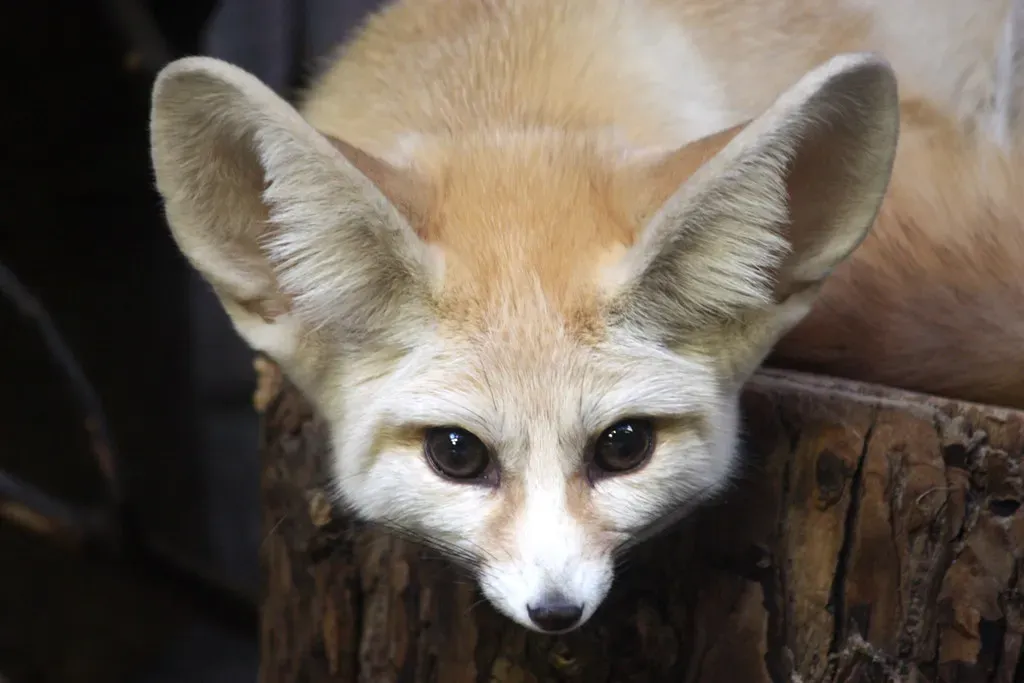
While the classic fennec fox is native to the Sahara, several foxes in the American Southwest, like the kit fox, echo many of its famous adaptations to life in extreme heat. One of the most striking features is their outsized ears, which aren’t just cute; they’re an important cooling system. Blood vessels run close to the surface of the ear, allowing heat to dissipate into the air, almost like a living radiator that never switches off.
These foxes are also night specialists, waiting until after dark to hunt rodents, insects, and small birds when temperatures drop to more manageable levels. They rest in burrows by day, shielded from the brutal sun, often choosing sites with good airflow and firm soil. Their slim bodies, light-colored coats, and quiet movement through sparse vegetation turn them into desert ghosts that appear only when the worst heat has faded.
7. Sidewinder Rattlesnakes: Moving Differently to Beat the Heat
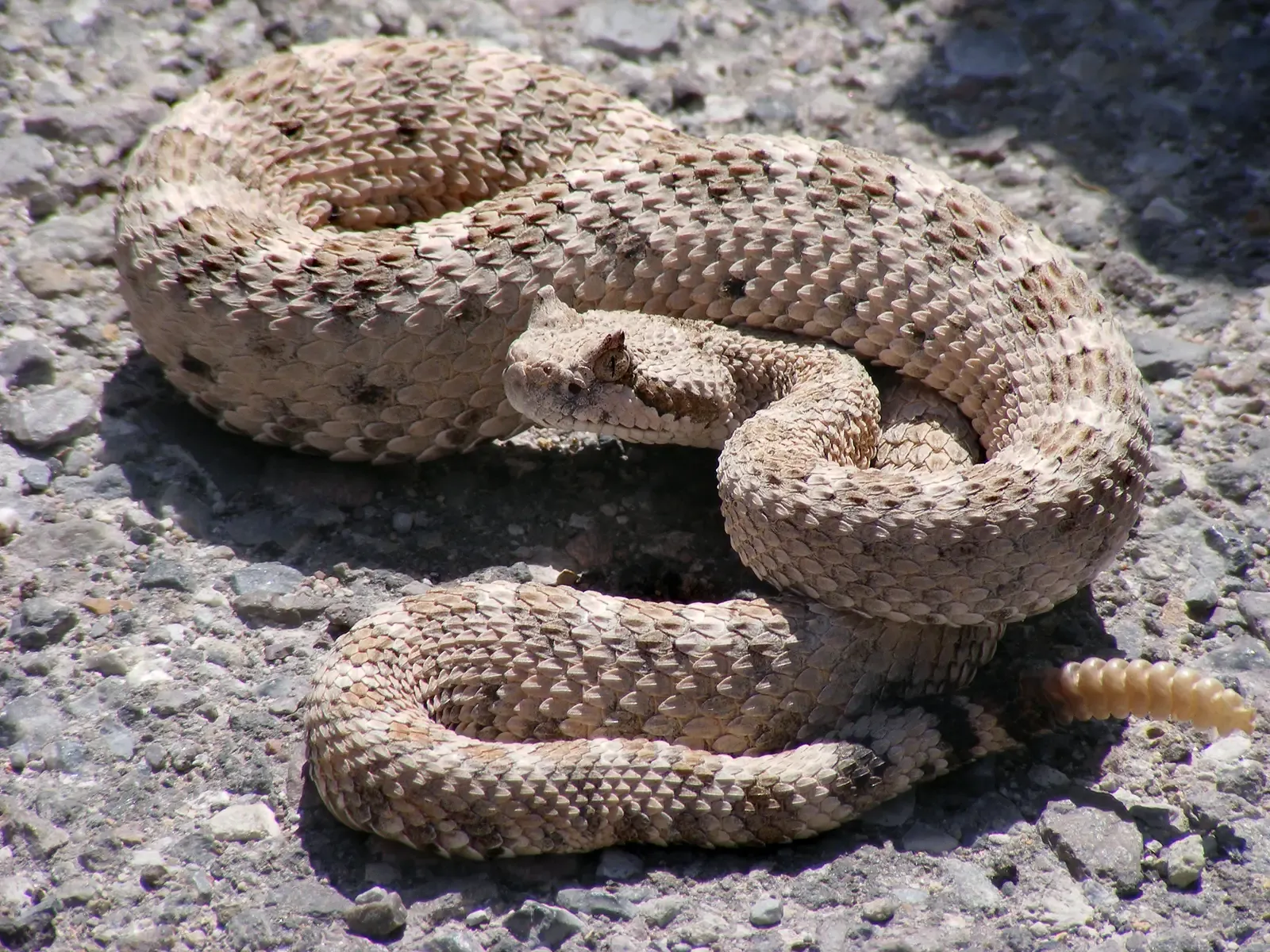
Crotalus_cerastes_mesquite_springs_CA.JPG: Tigerhawkvok (talk · contribs), CC BY-SA 3.0)
If you’ve ever seen a desert video where a snake seems to “walk” sideways across sand, that’s likely a sidewinder rattlesnake. These snakes, especially common in the Mojave and Sonoran deserts, use a unique form of movement called sidewinding that keeps most of their body off the hot ground. Only two small sections of the snake’s body touch the sand at any given moment, cutting down on heat transfer and making it easier to cross soft dunes.
Their coloration also works in their favor, blending into pale sands and gravel so effectively that they can ambush prey with very little energy expenditure. During the day, they shelter under rocks or in rodent burrows, emerging primarily at dawn, dusk, or night when temperatures are less dangerous. When you think about it, they’ve turned both movement and timing into precise tools for surviving a place where simply lying on the ground for too long could be deadly.
8. Jackrabbits: Giant Ears as Desert Radiators
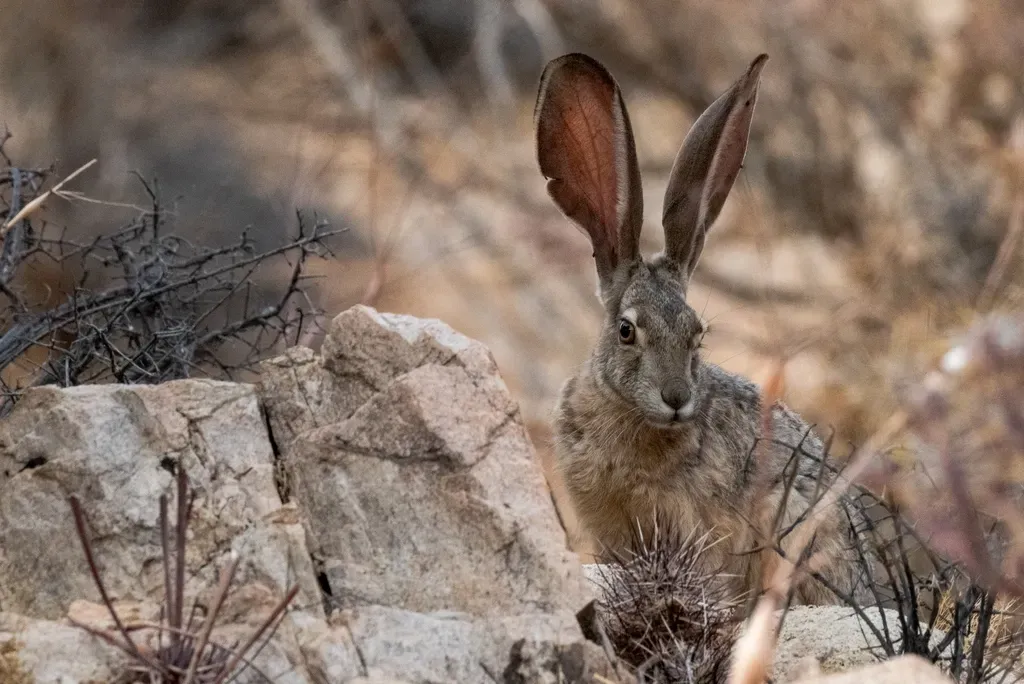
Black‑tailed and antelope jackrabbits, common across deserts in Arizona, New Mexico, and Texas, look almost exaggerated, with impossibly long legs and those huge, thin ears. Those ears are far more than a style choice from nature; they’re a critical cooling device. Like foxes, jackrabbits have an intricate network of blood vessels in their ears that radiate heat away when the air moving around them is cooler than their body temperature.
They combine this anatomical trick with smart behavior. In the hottest hours, jackrabbits rest in shallow depressions, often in the shade of shrubs, keeping their bodies tight to the ground where temperatures can be slightly lower. At dawn and dusk, they dart through open spaces, feeding when it’s safer and less draining. Watching a jackrabbit bound across a desert at sunset, you’re seeing a finely tuned balance between speed, heat management, and the constant need to find enough food in a sparse landscape.
9. Spadefoot Toads: Desert Amphibians That Live Like Seeds
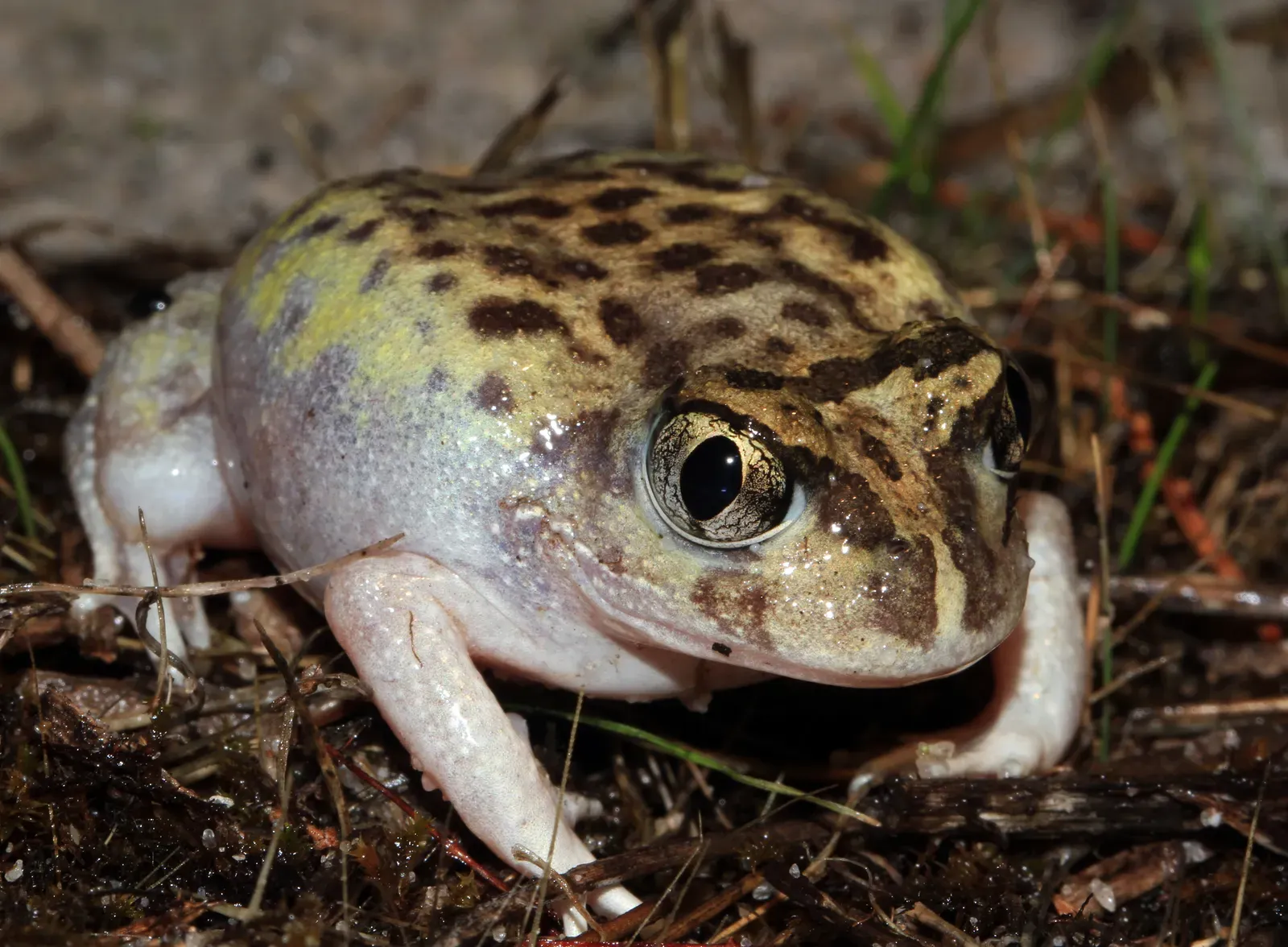
Uploaded by SunOfErat, CC BY 2.0)
Amphibians and deserts sound like a contradiction, yet spadefoot toads prove it can work with the right strategy. Found in arid regions across the southwestern United States, they spend most of their lives hidden under the ground, almost like dormant seeds waiting for the right moment. On their hind feet, they have hardened, spade‑like structures that help them dig quickly into loose soil, where temperatures and moisture levels are more stable.
These toads can remain underground for many months, emerging only after rare, intense rainstorms that temporarily flood desert basins and washes. When that happens, they surface in huge numbers, breed quickly in newly formed pools, and race through their life cycle before the water disappears again. Their entire existence is timed to irregular storms, a risky but effective bet in environments where surface water can vanish almost as fast as it appears.
10. Camouflage and Color: Light Coats, Hidden Bodies
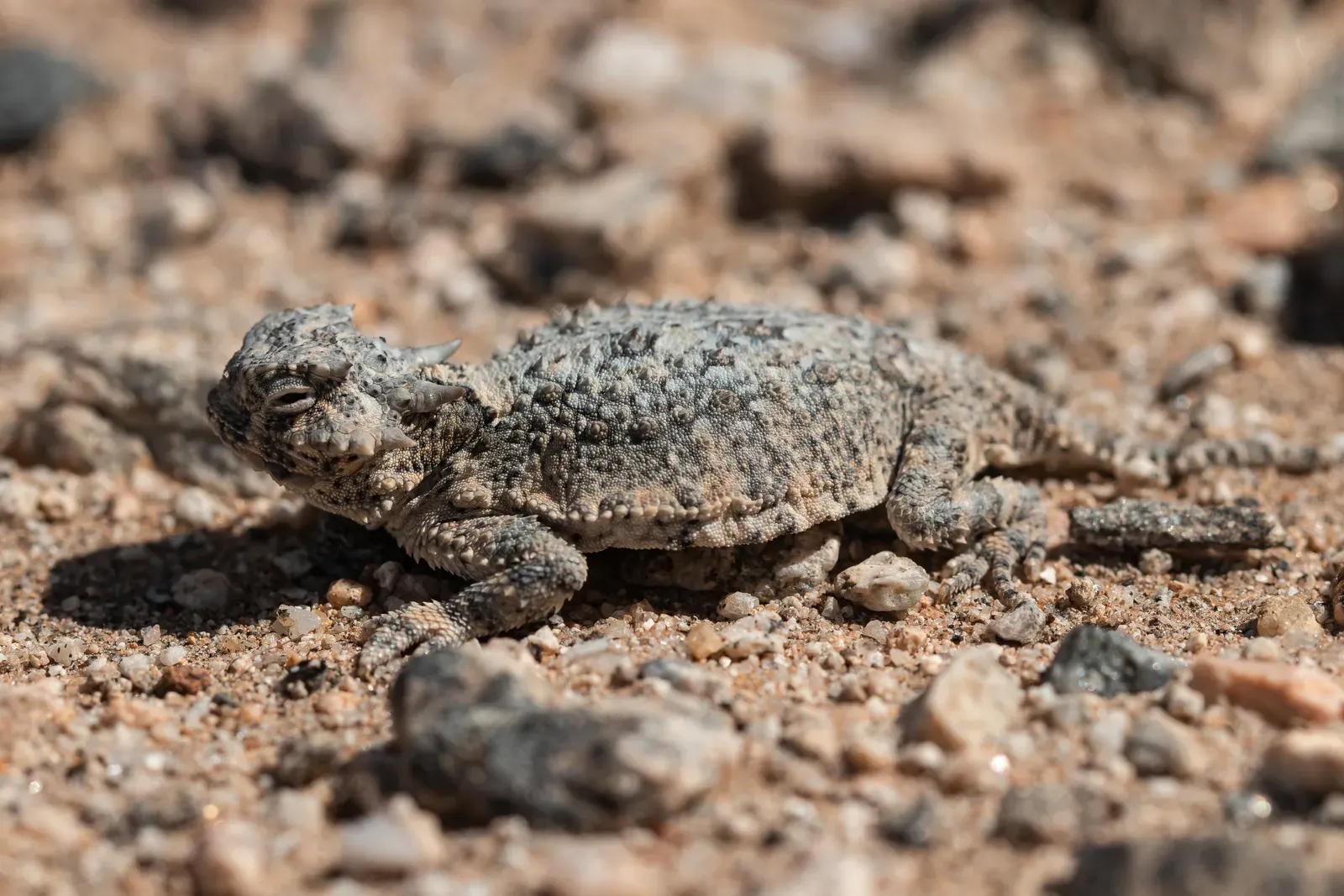
Beyond any single species, one of the most widespread and underrated desert adaptations across the American Southwest is the simple act of matching the landscape. Many desert mammals, lizards, and birds share light, sandy, or grayish coats and feathers that reflect more sunlight and absorb less heat. This lighter coloring also blends them into pale soils and rocks, making it easier to hide from predators or sneak up on prey without burning unnecessary energy on frantic chases.
You can see this in everything from pale‑colored lizards sunning on rocks to sand‑colored rodents that vanish against gravel washes. Even some birds, like sparrows and thrashers that live in desert scrub, have coats that mimic dry branches and dust. Camouflage in the desert isn’t just about hiding; it’s also a quiet form of temperature control, where every bit of reflected light and avoided confrontation adds up to a better chance of surviving another blistering day.
Conclusion: A Harsh Land Full of Ingenious Survivors
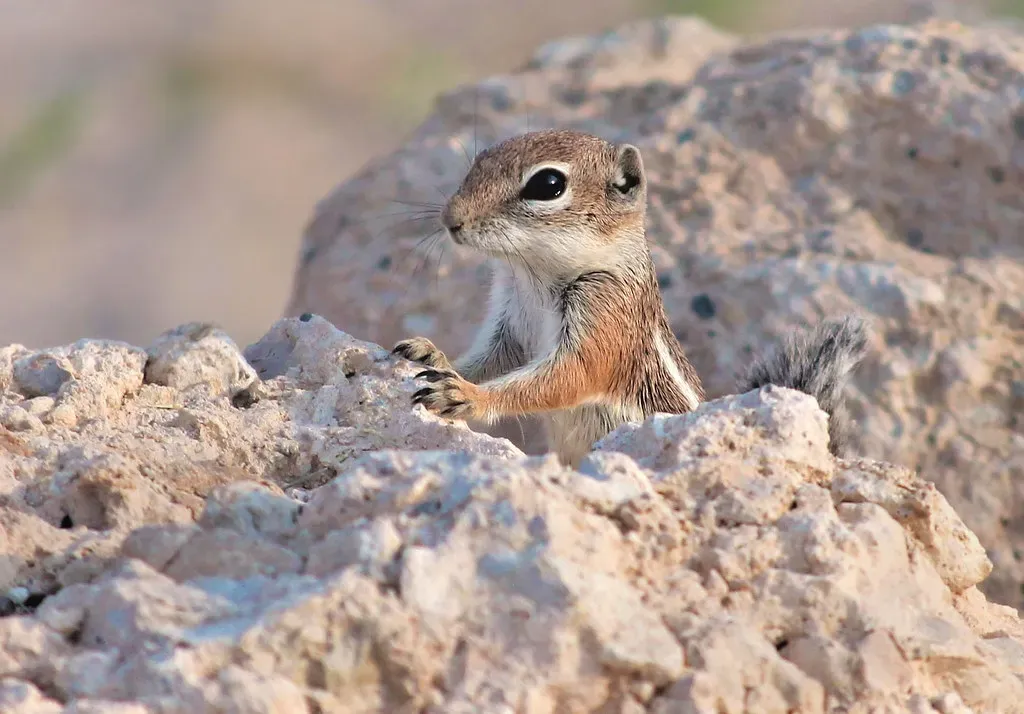
Once you start looking closely, the deserts of the United States stop feeling empty and start to look like a massive, ongoing experiment in survival. From kangaroo rats that never drink water to sidewinders that barely touch the ground, each species has solved the same core problems – heat, dryness, scarcity – in its own, strangely elegant way. These adaptations aren’t just curiosities; they’re living blueprints of how life can bend, twist, and reinvent itself to fit almost impossible conditions.
The next time you drive through a place that seems lifeless, with heat shimmering off the highway and scrub stretching to the horizon, remember that an entire hidden world is out there, perfectly tuned to that very harshness. In a warming world, these desert specialists might have more to teach us than we realize about resilience, efficiency, and using less to live well. Which of these desert tricks surprised you the most, and which one do you wish you could borrow for your next summer heatwave?