
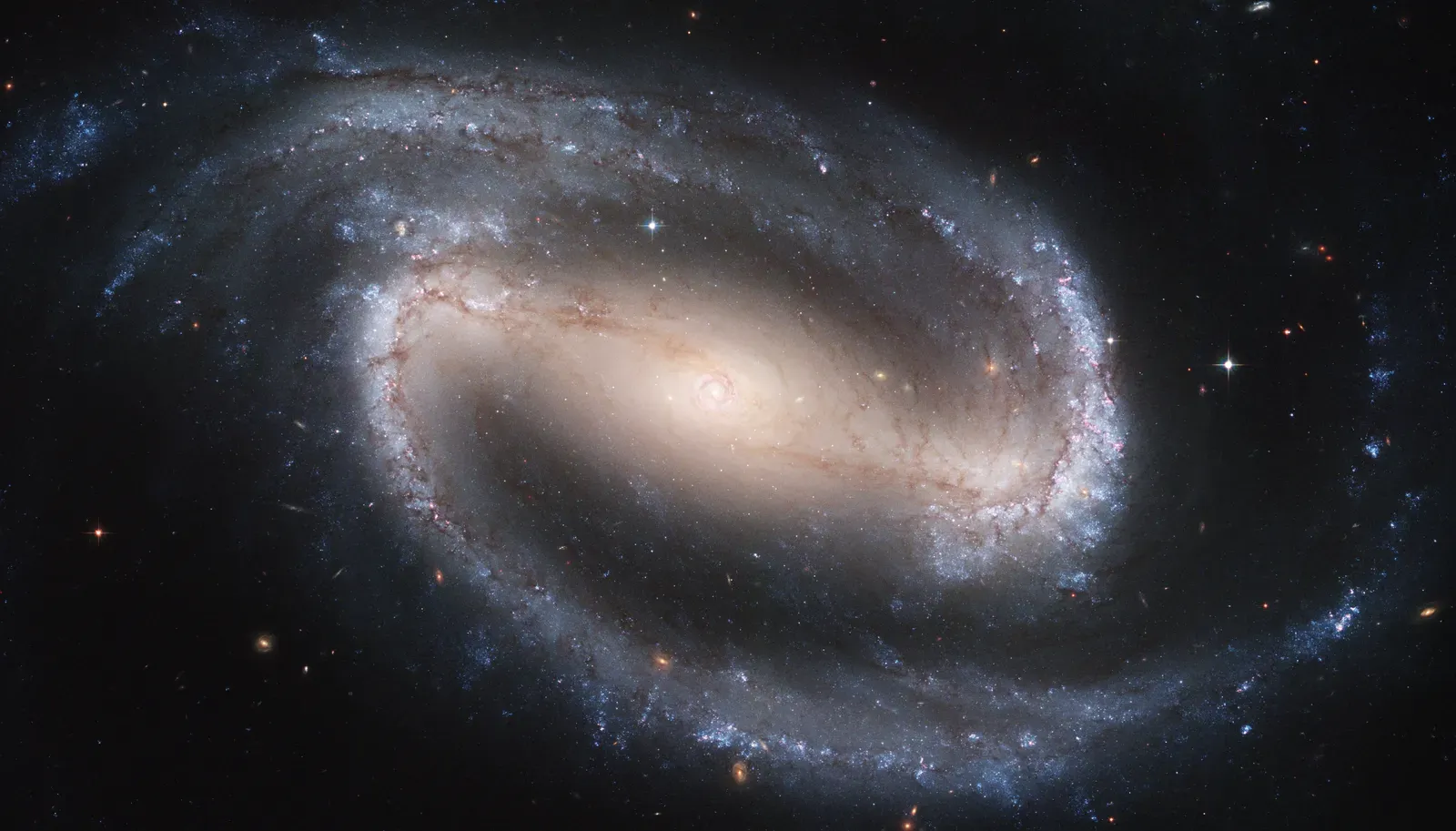
Imagine looking up at the night sky and realizing that almost everything you see – every star, every glowing galaxy, every nebula in your favorite telescope photo – is basically just cosmic crumbs. That’s the unsettling reality: all the matter we know and love makes up only a small fraction of the universe. The rest is dominated by something we can’t see, can’t touch, and barely understand: dark energy.
I still remember the first time I read that the universe is not just expanding, but speeding up as it expands. It felt almost wrong, like someone suddenly announcing that gravity sometimes pushes instead of pulls. Dark energy is the name we’ve slapped onto this terrifyingly mysterious phenomenon, and more than two decades after its discovery, it might be the biggest open question in all of science. Let’s peel back the layers and see how much we really know – and how much still slips through our fingers.
A Universe Built Mostly From the Unknown
Here’s the first shocking twist: the stuff that makes up planets, people, and pizza is only a tiny part of the cosmic pie. Observations of galaxies, galaxy clusters, and the glow from the early universe all point to the same conclusion – ordinary matter, the kind made of atoms, accounts for just a small slice of the total energy budget of the cosmos. Dark matter, another invisible ingredient, contributes a bigger share, but even that isn’t the main player.
The real heavyweight is dark energy, which appears to make up roughly about two thirds of the total energy content of the universe. We don’t detect it directly; we infer its existence from the way space itself behaves on the largest scales. It’s as if the universe’s checkbook doesn’t balance unless we include this strange term labeled “dark energy.” In a very real sense, most of reality is a ghost we only know by the way it tugs on everything else.
The Shocking Discovery: An Expanding Universe Gone Wild
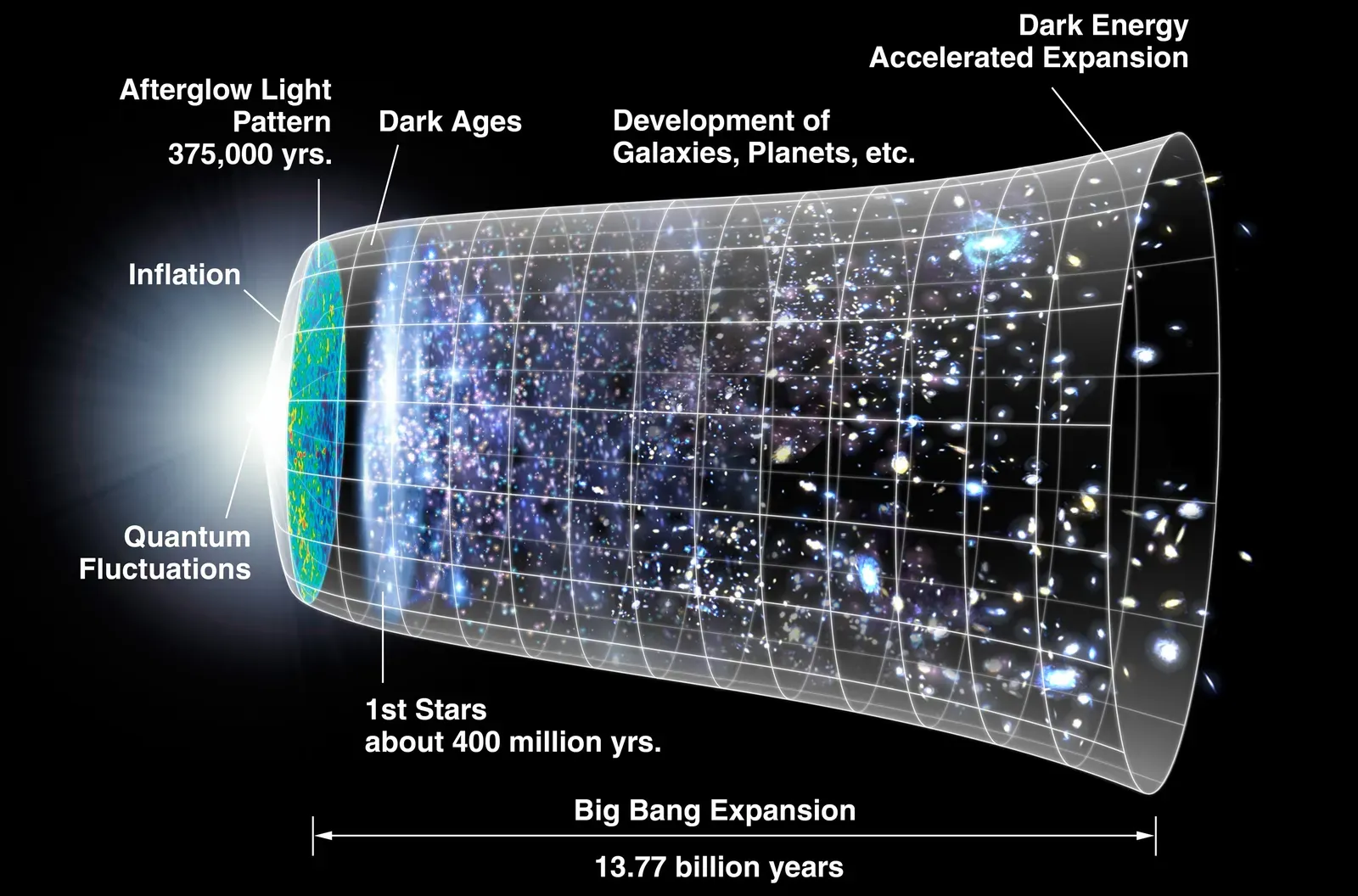
For most of the twentieth century, cosmologists assumed that the universe’s expansion, discovered in the nineteen twenties, should be slowing down. Gravity pulls everything together, so over billions of years, the expansion was expected to gradually decelerate, even if it never fully stopped. That idea felt natural and tidy, the way you’d expect a ball thrown upward to slow as gravity fights its motion.
Then came the late nineteen nineties and two teams of astronomers tracking exploding stars called Type Ia supernovae in distant galaxies. These supernovae act like cosmic yardsticks, letting scientists measure both how far away they are and how fast the universe was expanding when their light was emitted. The results were startling: distant supernovae were dimmer than expected, meaning they were farther away than any decelerating universe model allowed. The only explanation that fit was that the expansion of space has been speeding up for billions of years. The universe, instead of coasting or braking, had its foot pressed gently but relentlessly on the accelerator.
What Exactly Is Dark Energy Supposed To Be?
Dark energy isn’t a substance in the traditional sense, like a gas filling the universe or a hidden fluid between galaxies. In the simplest picture, it behaves more like a property of space itself – a kind of built-in pressure that doesn’t thin out as the universe expands. As more space appears, more of this energy seems to come along with it, so its overall influence stays dominant over time.
Physicists often describe dark energy using something called the cosmological constant, an extra term in Einstein’s equations that acts like a uniform energy density spread throughout space. This approach has one big advantage: it matches current observations strikingly well. The catch is that we have absolutely no satisfying explanation of why that constant should have the tiny but nonzero value we measure. If you ask quantum theory how large it should be, the answer is so absurdly huge compared to reality that many researchers jokingly call it the worst prediction in physics.
Einstein’s Biggest “Blunder” That Wasn’t
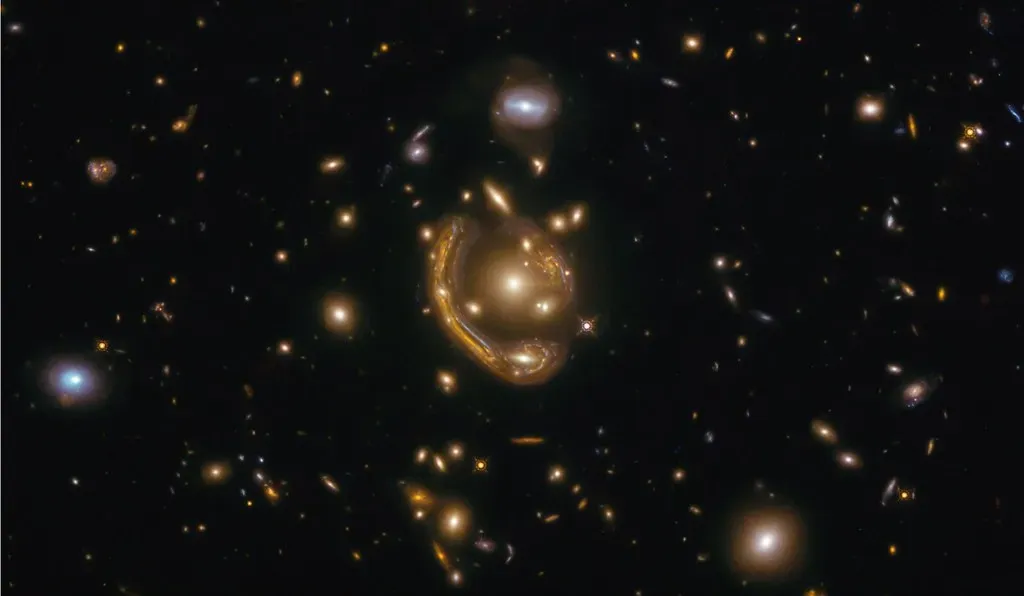
Long before anyone talked about dark energy, Einstein introduced the cosmological constant as a mathematical tweak to keep the universe static. At the time, the idea of an unchanging universe was the default assumption, and his equations, in their original form, naturally produced an expanding or contracting cosmos. By adding this extra term, he balanced gravity with a repulsive effect, like placing a book perfectly between two magnets pulling in opposite directions.
When observations later revealed that the universe was actually expanding, Einstein supposedly abandoned the cosmological constant and called it his greatest blunder. Fast-forward several decades, and the concept returns center stage as the simplest explanation for dark energy and the accelerating expansion. In a sense, the term he once tried to erase has become one of the most important elements in our current model of the universe. Whether that’s poetic irony or just a reminder that nature doesn’t care about our aesthetic preferences is still up for debate.
How We Measure an Invisible Force Shaping Everything
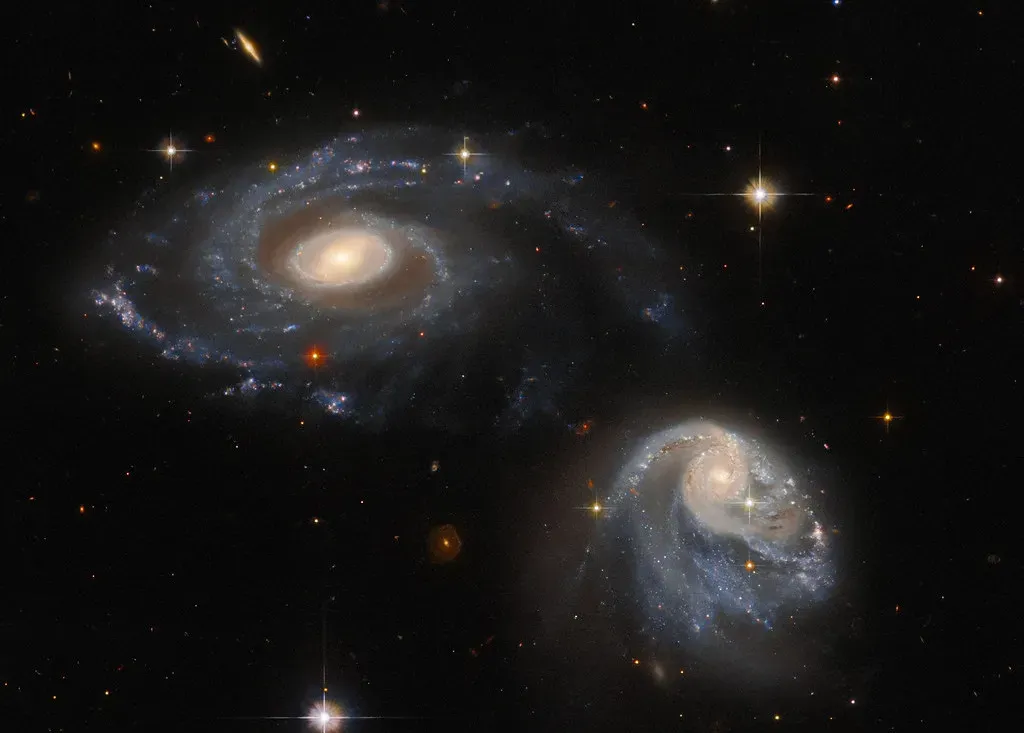
It’s fair to ask how we can be so confident about something we can’t detect directly. The answer is that dark energy leaves fingerprints all over the large-scale structure and history of the cosmos. Astronomers use Type Ia supernovae, galaxy surveys, gravitational lensing, and the cosmic microwave background – the afterglow of the Big Bang – to map how expansion has changed over time.
By combining these different measurements, scientists can reconstruct the universe’s expansion history like a doctor reading a patient’s chart. If dark energy were stronger in the past or varied wildly, the pattern of galaxies over billions of light-years would look very different from what we see. So far, the data keep pointing to a remarkably consistent picture: a universe dominated by a smooth, persistent form of energy that acts almost exactly like a cosmological constant. The mystery isn’t whether something is there, but what on Earth – or rather, what in space – it actually is.
Vacuum Energy: When Empty Space Is Anything But Empty
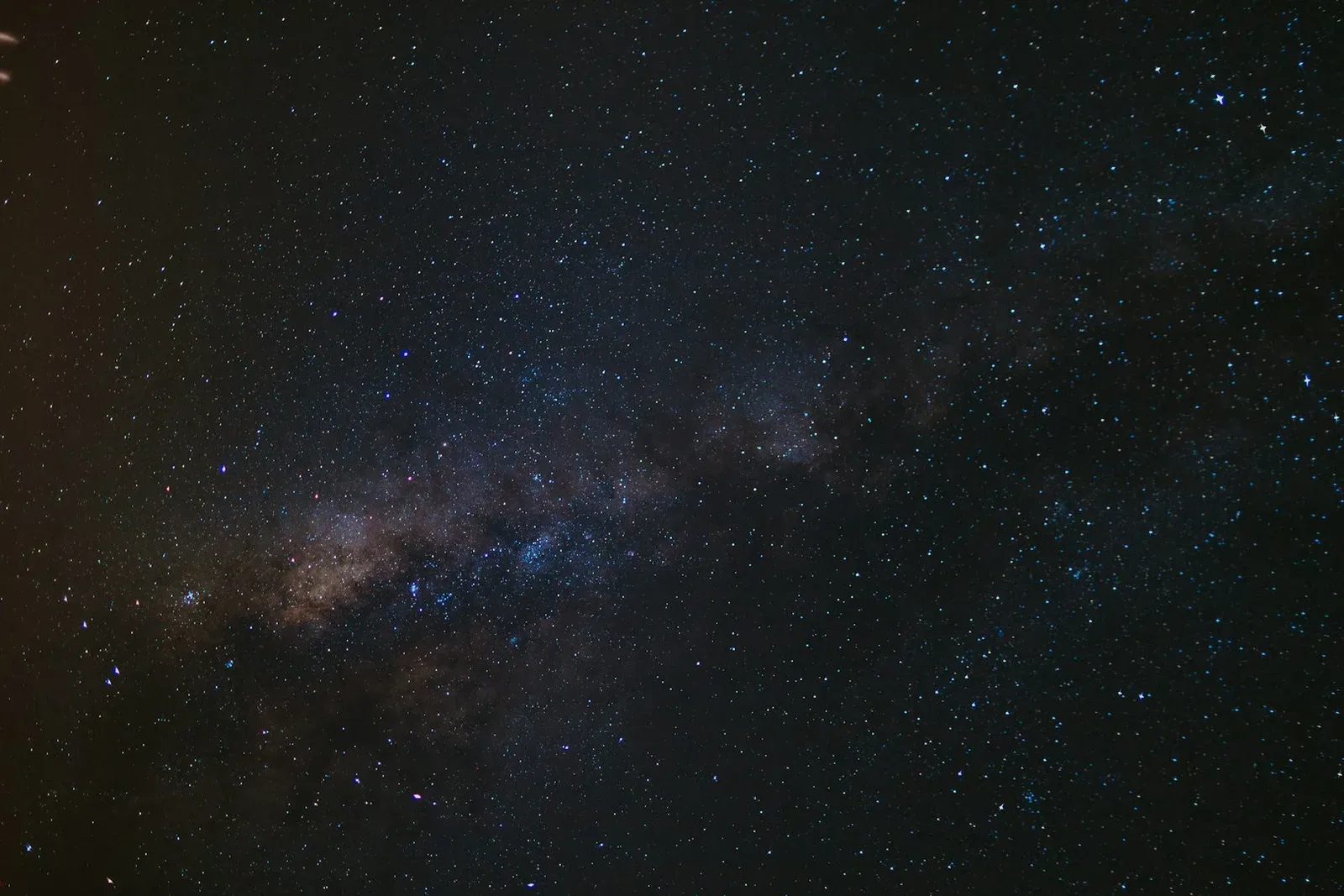
One tempting idea is that dark energy is just the energy of the vacuum itself – the restless background of quantum fields that, according to quantum theory, can never be fully at rest. Even in a perfect vacuum, particles and antiparticles flicker in and out of existence for brief moments, like foam on the surface of a quiet sea. This churning undercurrent contributes energy to space, which in principle could act just like a cosmological constant.
The problem is that when physicists try to calculate how big this vacuum energy should be, they get a number that overshoots the observed value of dark energy by a ridiculous margin. Not a factor of ten or a thousand, but by many orders of magnitude – so large that if it were correct, the universe would have blown itself apart almost instantly. This huge mismatch is one of the deepest puzzles in theoretical physics. It suggests that something very important is missing in our understanding of how quantum fields, gravity, and the fabric of space all fit together.
Could Dark Energy Change Over Time?
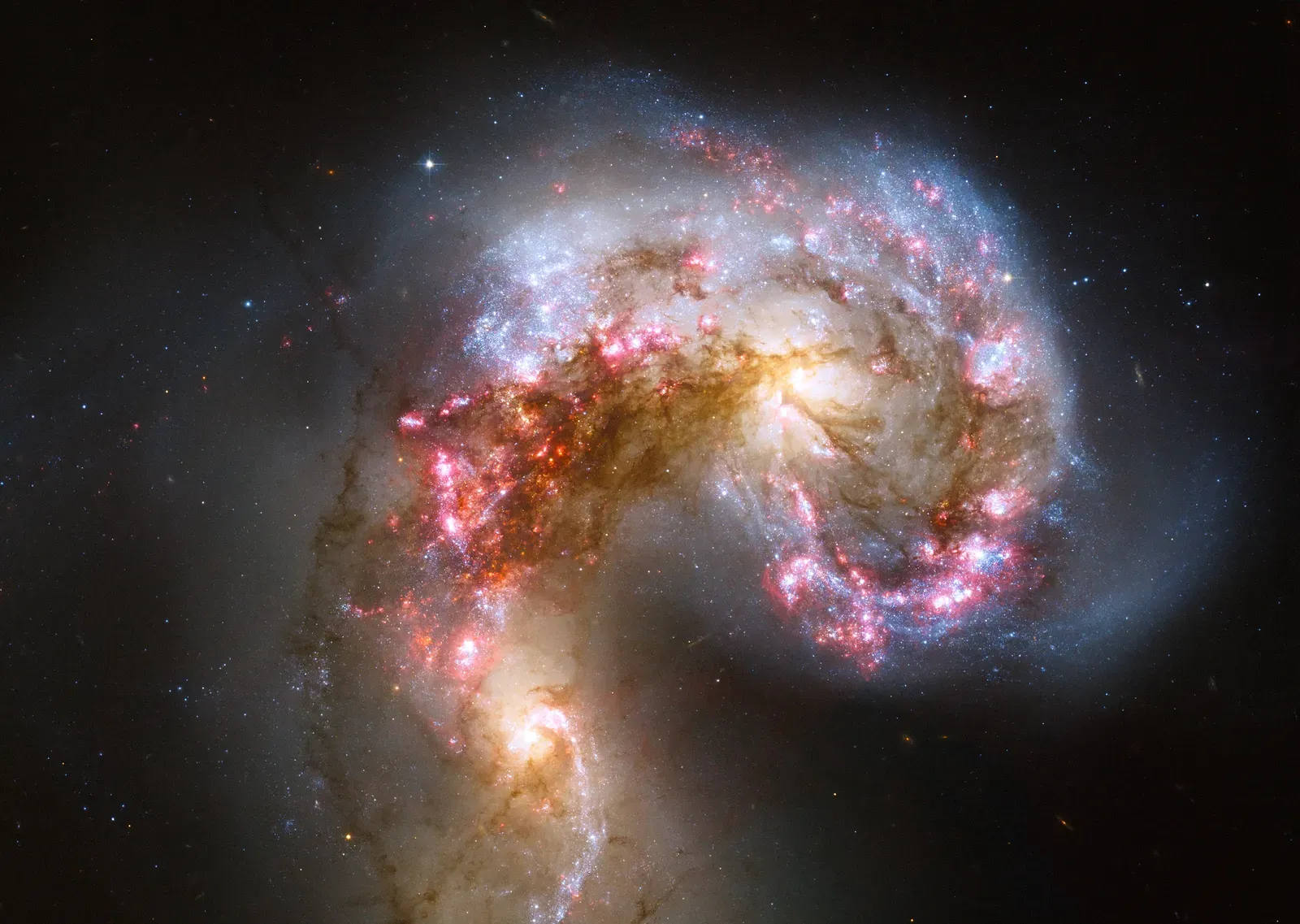
While the cosmological constant is the simplest explanation, it might not be the final word. Some researchers explore models where dark energy slowly evolves, like a very light field that changes gradually over cosmic time. These scenarios, often lumped under the label “quintessence,” allow dark energy to have a more dynamic personality instead of being a fixed background feature.
If dark energy does evolve, its influence on the expansion rate would shift over billions of years, leaving subtle signatures in the distribution of galaxies and the pattern of cosmic structures. Observational projects today and in the coming years are pushing hard to test this, measuring the “equation of state” of dark energy – essentially how its pressure relates to its energy density. So far, every high-precision survey has narrowed the room for variation, nudging the data closer to a simple, constant-like behavior. That tension between imagination and measurement is where the most interesting work is happening right now.
The Tools Chasing the Dark Energy Ghost
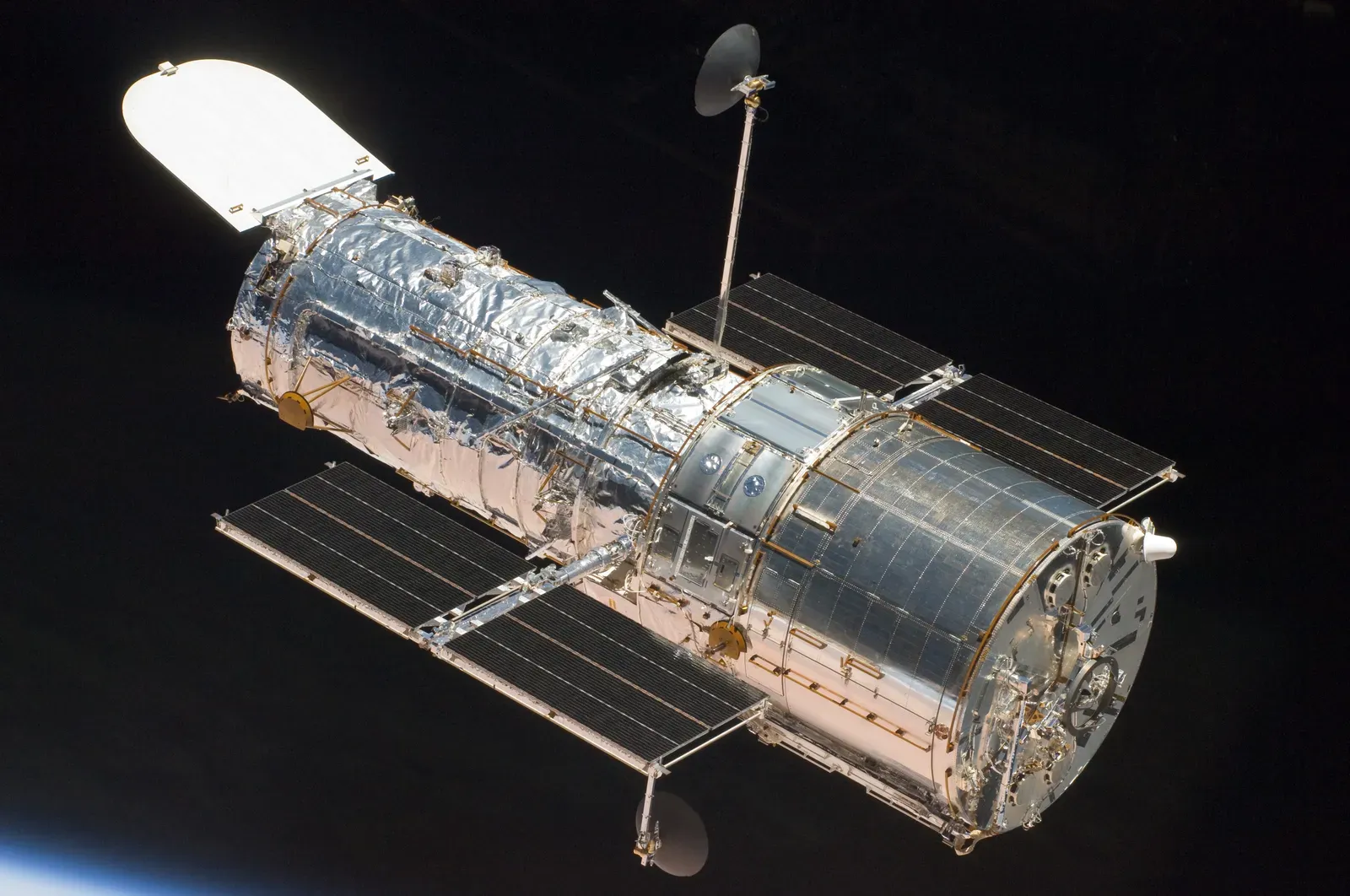
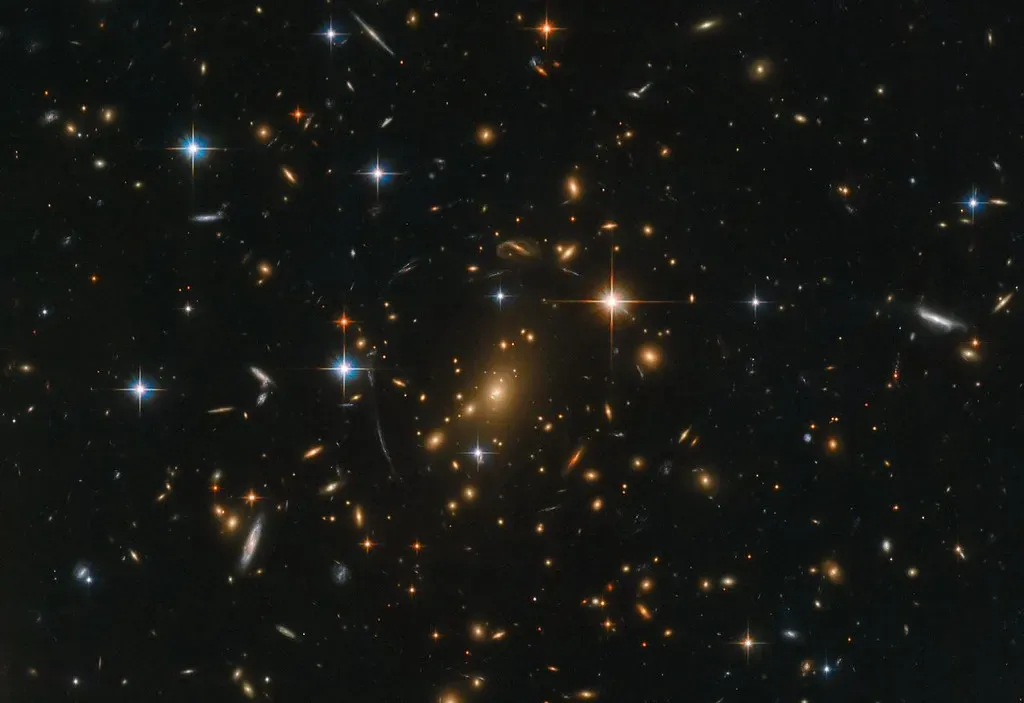
We’re not just sitting around guessing; entire space missions and massive telescopes have been built largely to pin down dark energy’s properties. Projects like the European space-based observatory that maps billions of galaxies, or the new ultra-wide-field surveys from Earth, are designed to measure how structures grow and how space stretches across vast distances. These instruments effectively turn the universe into a giant physics lab, with galaxy clusters and cosmic filaments acting as the experiment’s readouts.
By comparing how light from distant objects is bent, stretched, and dimmed, scientists can reconstruct the geometry of the cosmos with impressive precision. Think of it as trying to infer the shape of a room by watching how ping-pong balls bounce around inside it. Each new dataset tightens the allowed range for dark energy’s behavior, ruling out more exotic models and sometimes exposing puzzling tensions between different measurements. Some of those tensions may be statistical flukes, while others could be the first hints that our current cosmic story still misses a crucial chapter.
What Dark Energy Means for the Future of the Cosmos
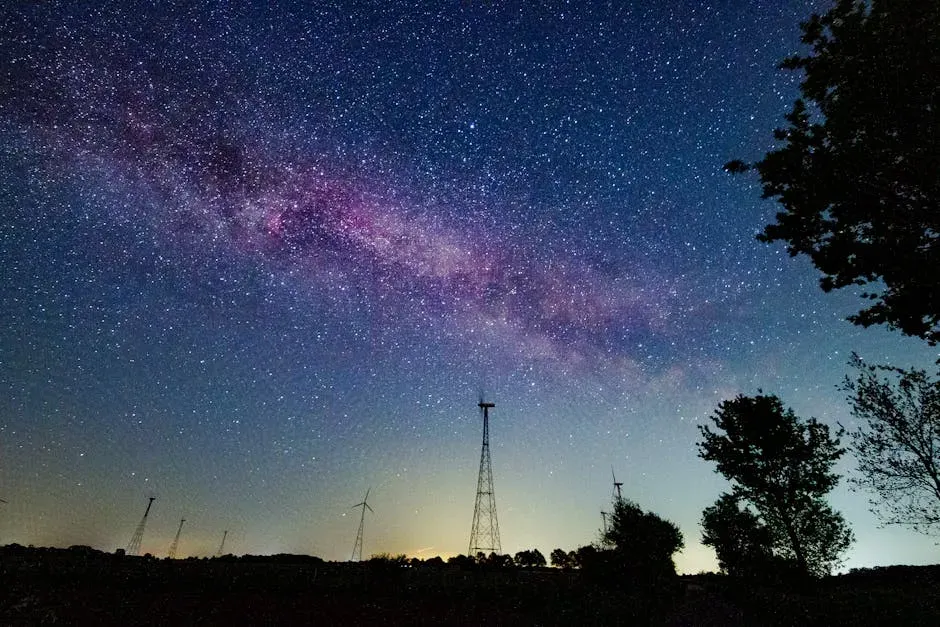
Dark energy isn’t just a curiosity about how the universe behaves today; it shapes the entire future of everything. If it continues to act as it does now, the expansion of the universe will keep accelerating, and distant galaxies will drift farther and farther away from us. Over unimaginably long timescales, many galaxies will pass beyond our observable horizon, their light stretched so much that it can never reach us again.
In that scenario, the night sky of an extremely far-future civilization might look almost empty, with only the remnants of its local group of galaxies visible. Other, more speculative models where dark energy grows stronger with time predict even more dramatic fates, such as a “Big Rip” where galaxies, stars, and ultimately atoms themselves could be torn apart. Current data don’t demand these extreme endings, but they remind us that dark energy isn’t just an abstract parameter in an equation. It is, quite literally, the author of the universe’s long-term storyline.
Why This Invisible Mystery Matters So Deeply
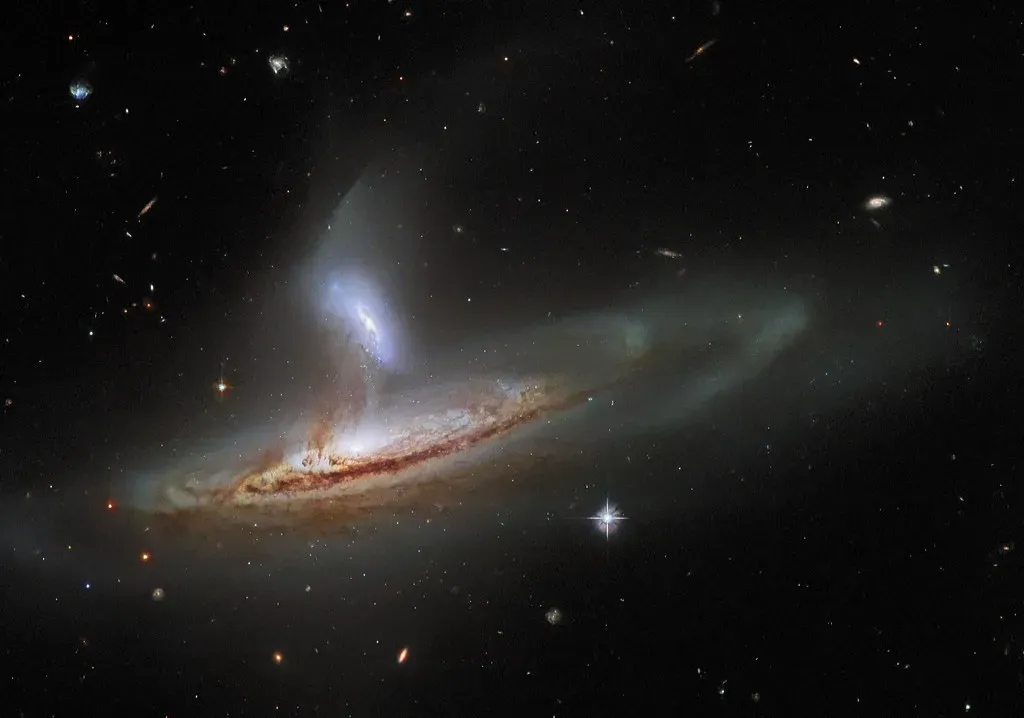
It might be tempting to shrug and think of dark energy as a distant curiosity, something for cosmologists to argue about while the rest of us get on with our lives. But the question of what dark energy really is touches some of the most profound issues we can ask: Why does the universe have the properties it does? Why is there structure instead of chaos? How do gravity and quantum mechanics truly coexist? These aren’t just technical details; they’re about the framework that makes our existence possible.
On a more personal level, there’s something intensely humbling about realizing that most of the cosmos is governed by a form of energy we barely grasp. Human beings have mapped genomes, landed probes on comets, built global networks that shrink the world into a screen – and yet, when it comes to the dominant ingredient of the universe, we’re still at the stage of giving it a vague label and admitting we’re in the dark. To me, that mix of ignorance and progress is oddly comforting. It means there are still enormous secrets left to uncover, and that future generations of curious minds will have something truly cosmic to chase.
Conclusion: Living With a Universe Full of Questions
The dark energy puzzle sits at the intersection of our greatest achievements and our deepest ignorance. We’ve measured the expansion history of the universe with incredible care, mapped the cosmos across billions of light-years, and built a standard model of cosmology that works astonishingly well – as long as we accept that most of it is driven by something we don’t yet understand. It’s like finishing a thousand-piece jigsaw only to realize the central image is still blurred.
Maybe dark energy will turn out to be a simple cosmological constant, a quiet feature of space that we eventually learn to explain from deeper principles. Or maybe it will force a radical rethink of gravity, quantum theory, or even our assumptions about what “nothing” really means. Either way, the search itself is reshaping how we see our place in the cosmos. The universe, it seems, isn’t just bigger than we imagine – it’s stranger than we’ve ever allowed ourselves to believe. When you look up at the night sky now, can you feel that hidden pressure pushing everything apart in the distance, and does it change how small – and how lucky – we are to be asking these questions at all?