You probably hear about endangered tigers, rhinos, maybe even polar bears. But some of the most threatened creatures on Earth are much closer to you than you think, hidden in swamps, deserts, islands, and forests across the United States and its territories. Many of them are animals you have never seen, and in some cases, you might not have even heard their names before today.
Once you start looking, you realize something unsettling: these animals are disappearing so quietly that most people will never know they existed. As you read through this list, you are not just learning fun nature trivia – you are stepping into the middle of real survival stories that are unfolding right now, in your lifetime. And surprisingly, there are simple ways you can tilt the odds in their favor.
1. Red Wolf – The Ghost of the American South
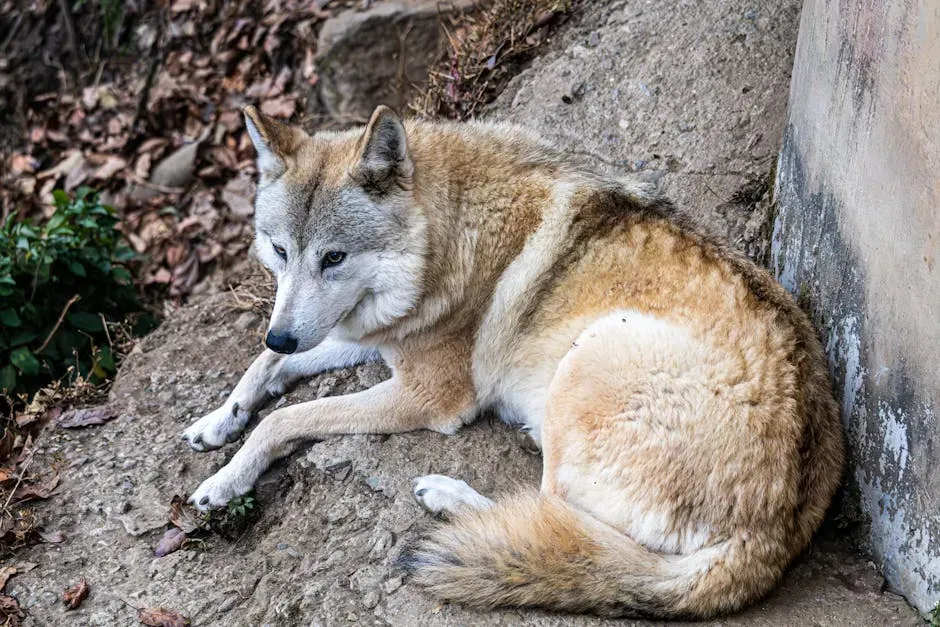
If you picture a wolf in the United States, you probably imagine the gray wolves of Yellowstone or the Rockies, not a lanky, copper-tinged wolf slipping through the swamps of North Carolina. Yet the red wolf is one of the rarest wild canids on Earth, and it once roamed from Texas to the Atlantic coast. Today, you are looking at a species whose entire wild population can fit into a single small town, with only a few dozen individuals roaming the Albemarle Peninsula of eastern North Carolina.
The red wolf’s biggest enemy is not just habitat loss; it is confusion and conflict. Red wolves are shot because people mistake them for coyotes, and when they breed with coyotes, their already tiny gene pool gets diluted further. Conservation teams are doing some almost science-fiction style work – like sterilizing coyotes to act as “placeholders” so that red wolves can reclaim their territory without hybridizing. If you care about this animal’s future, even something as simple as supporting science-based wolf policies or learning how to tell a red wolf from a coyote puts you on its side.
2. Hawaiian Hoary Bat – Hawaii’s Only Native Land Mammal
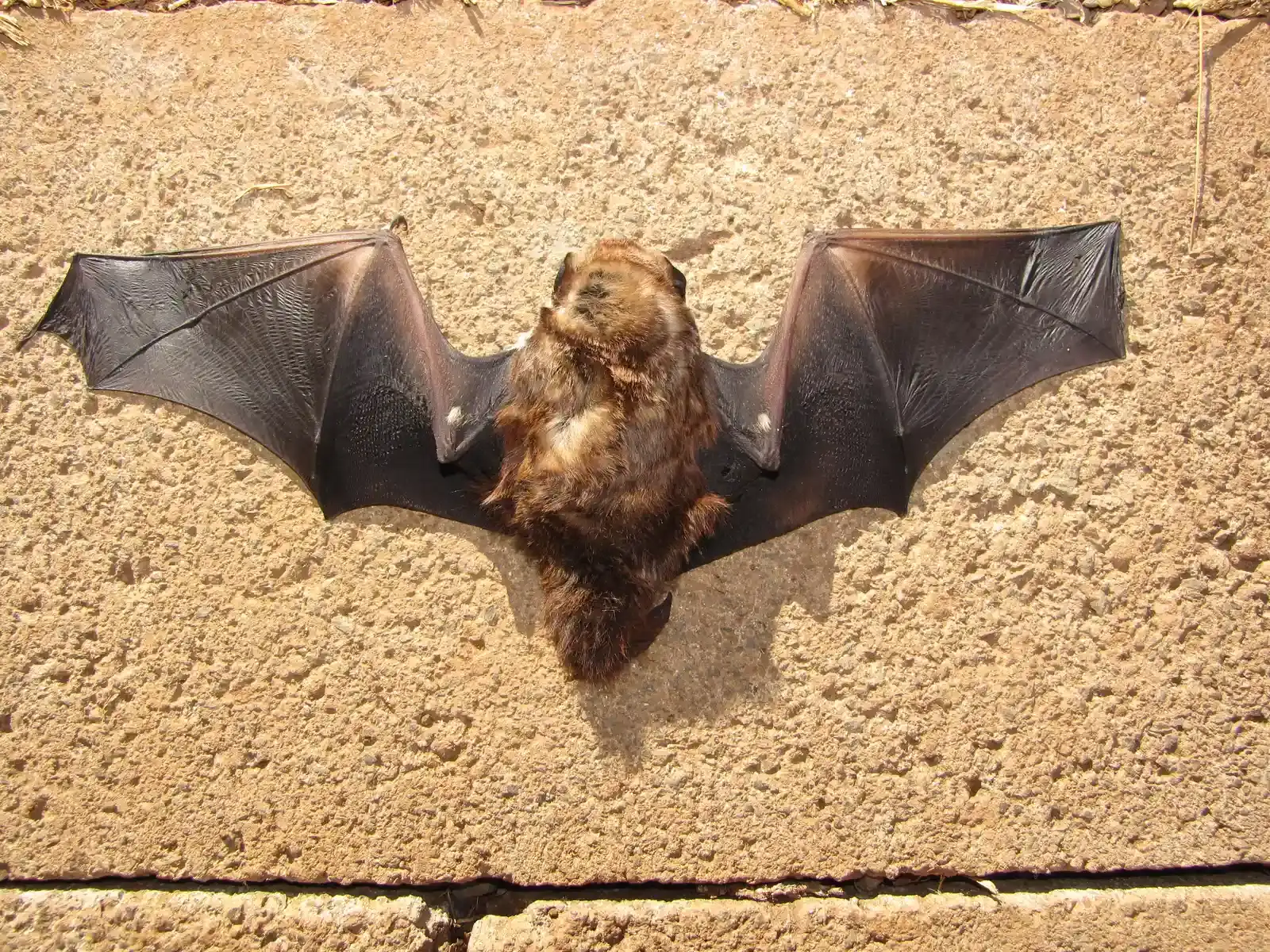
When you think of Hawaiian wildlife, you probably jump straight to colorful fish, sea turtles, or coral reefs. What you almost never picture is a tiny bat, silently hawking insects over lava fields and forest edges at dusk. The Hawaiian hoary bat, or ‘ōpe‘ape‘a, is the only native land mammal left in the islands, and it has been officially listed as endangered for more than half a century. You can still find it on several of the main islands, but it is elusive enough that scientists are still piecing together basic details of its life.
Its survival is complicated by the same things that draw you and millions of others to Hawaii: development, infrastructure, and clean energy projects. This bat collides with wind turbines, loses roosting trees when forests are cleared, and is vulnerable because it lives and hunts alone rather than in dense cave colonies. You help more than you realize by supporting bird- and bat-friendly wind energy, respecting forest closures during bat breeding seasons, and keeping cats indoors in sensitive areas. For such a mysterious creature, its fate is surprisingly tied to the everyday choices you and other visitors make.
3. Key Largo Woodrat – The Secretive Engineer of a Single Island
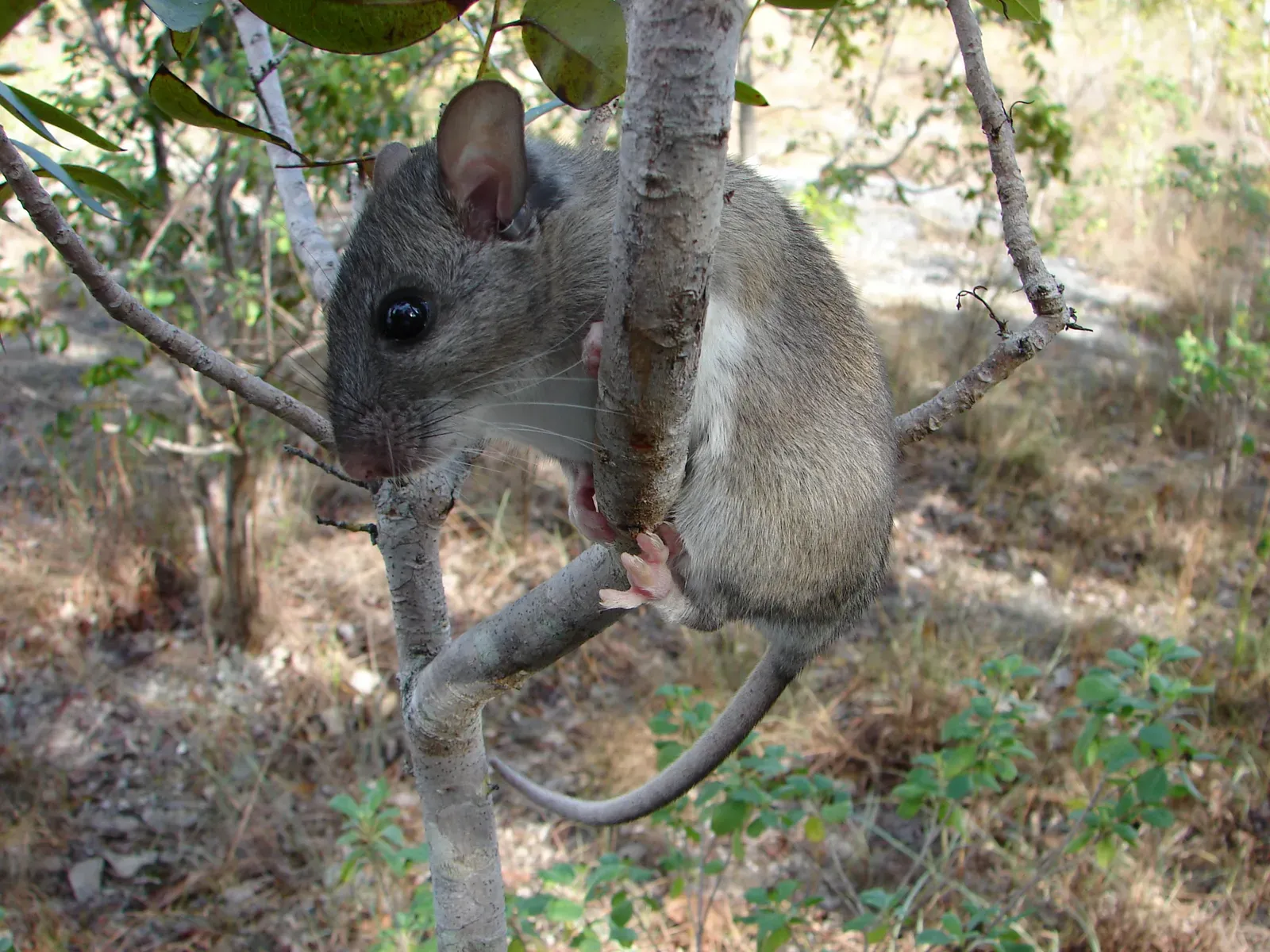
On a map, Key Largo looks like a sunny tourist getaway – boats, resorts, cocktails at sunset. Hidden in a sliver of tropical hardwood hammock on the northern end of that island lives an animal you are almost guaranteed never to see: the Key Largo woodrat. This nocturnal, nest-building rodent is found nowhere else on Earth. It once scurried all over the island, but now it clings to fragments of protected forest squeezed between development and rising seas.
The woodrat builds elaborate stick nests that act like tiny apartment complexes for insects, lizards, and other small creatures, so when you lose the woodrat, you quietly unravel an entire micro-neighborhood of life. Its biggest threats are habitat loss, feral cats, and invasive predators. When you support land conservation in the Keys, spay or neuter outdoor cats, or back ordinances that keep wild areas intact, you are silently voting in favor of this little island engineer – an animal that helps hold the last wild corners of Key Largo together.
4. Flattened Musk Turtle – A River Specialist on the Edge
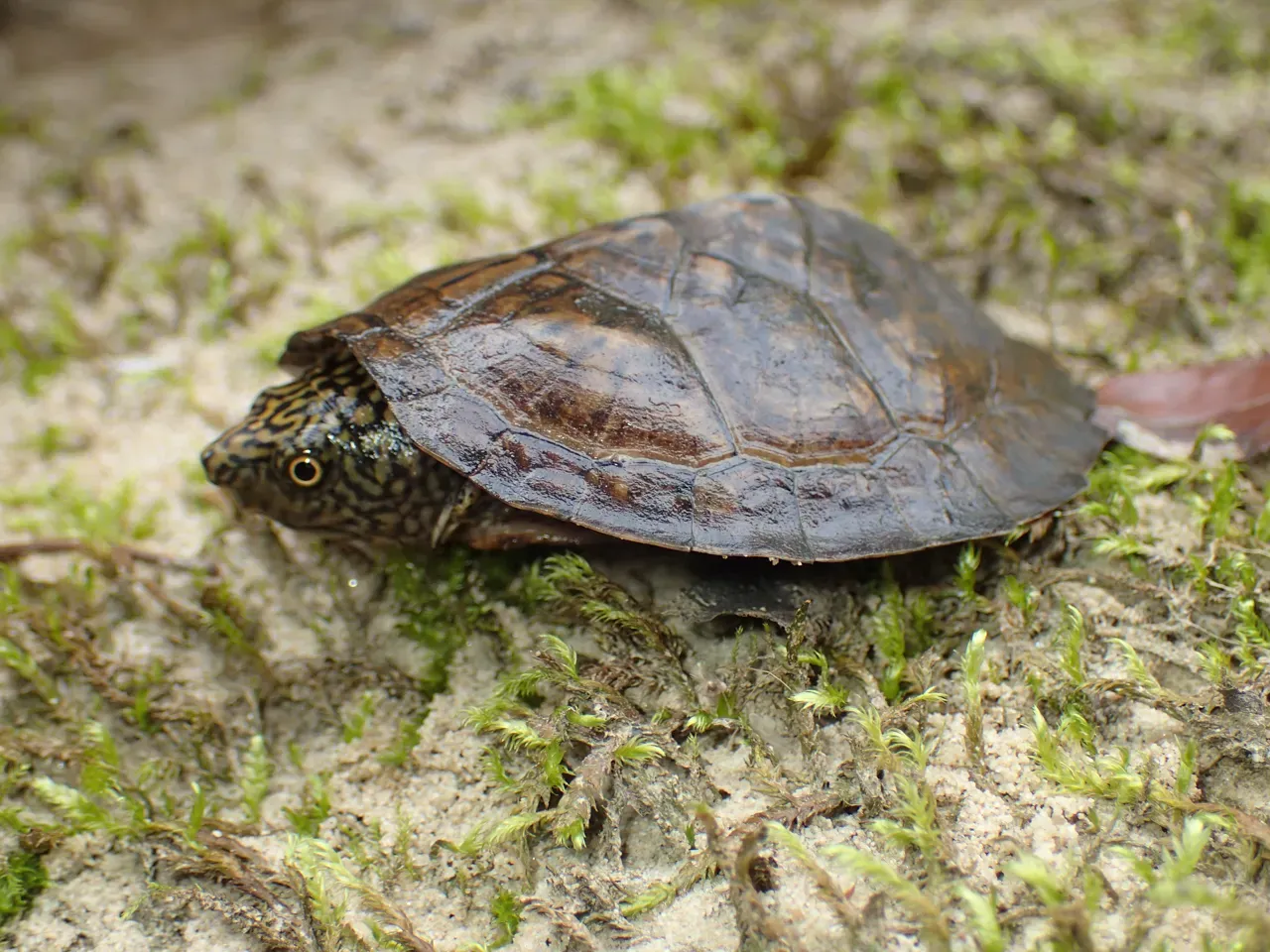
You might assume turtles are tough survivors, like tiny armored tanks that can handle almost anything. The flattened musk turtle proves otherwise. Endemic to a small stretch of rivers and streams in north-central Alabama, this turtle has a shell that is unusually flat – an adaptation that lets it squeeze beneath rocks in clear, fast-moving water. That unique body shape, though, also makes it painfully dependent on clean, flowing habitat.
As you dam rivers, mine the hillsides, or allow sediment and pollution to wash into waterways, you literally smother the turtle’s world under mud and murk. On top of that, illegal collection for the pet trade and disease add extra pressure to a species that never had a wide range to begin with. When you choose to support stronger water-quality protections, oppose destructive gravel mining or poorly planned dams, or simply reduce lawn chemicals that can run into streams, you are quietly helping keep this little river specialist from becoming a ghost story told by biologists.
5. Sierra Nevada Red Fox – A High-Altitude Phantom
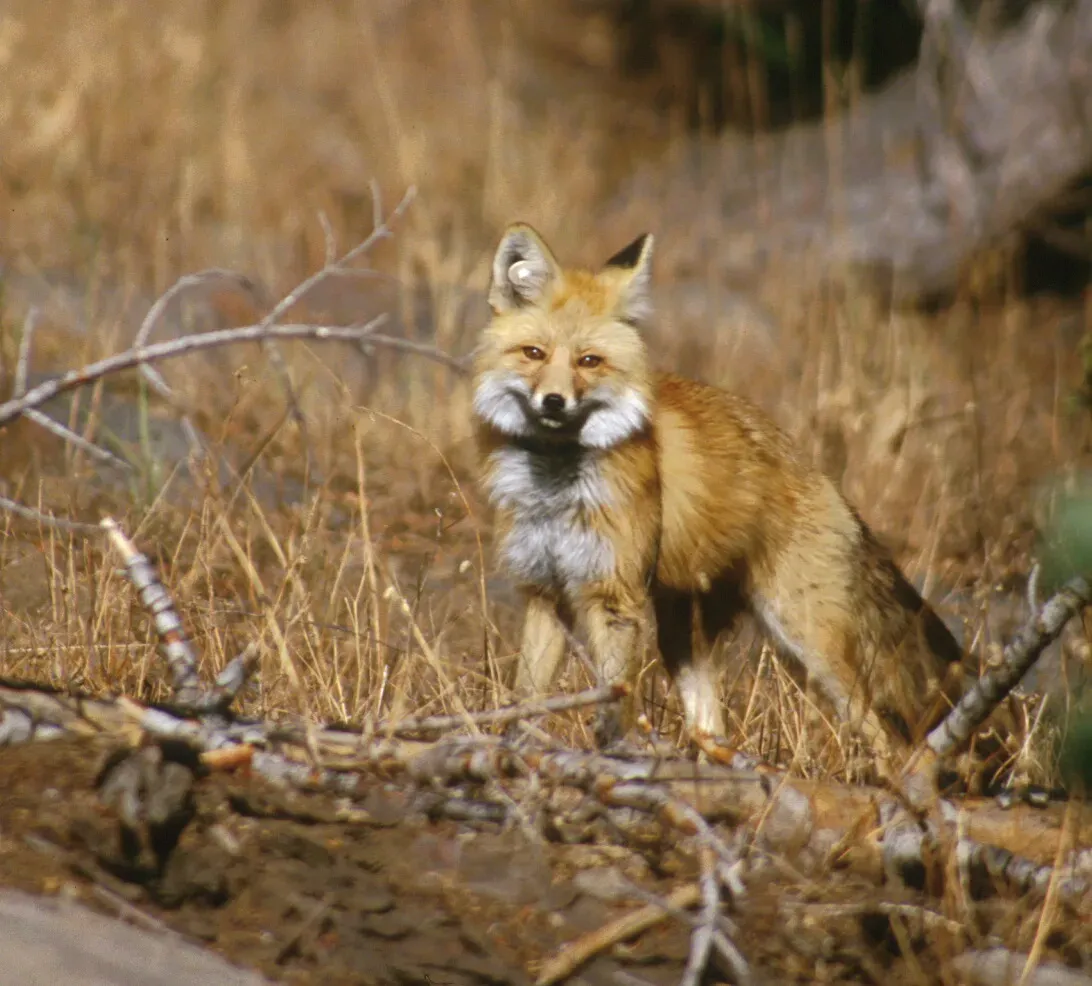
If you ever hike in the high country of California or Oregon, you might think you are alone with the granite, snowfields, and wind. Somewhere above the treeline, though, a small, rust-colored fox with huge, furred paws may be watching you from a distance. The Sierra Nevada red fox is adapted to deep snow and brutal winters, and it is so rare that for years people were not even sure how many were left. You are dealing with a carnivore that clings to scattered mountaintops like isolated islands in the sky.
Climate change is its quiet enemy. As snowpack shrinks and forests creep higher up the slopes, the fox faces more competition from coyotes and other predators that follow the warmer conditions uphill. Ski resorts, roads, and recreation fragment its remaining habitat even further. Supporting climate-smart policies, backing protected wilderness in mountain regions, and sticking to trails and regulations in high-elevation habitats may not feel like fox conservation in the moment – but for this elusive animal, those choices shape whether it keeps its last strongholds.
6. Florida Bonneted Bat – A City-Neighbor on the Brink
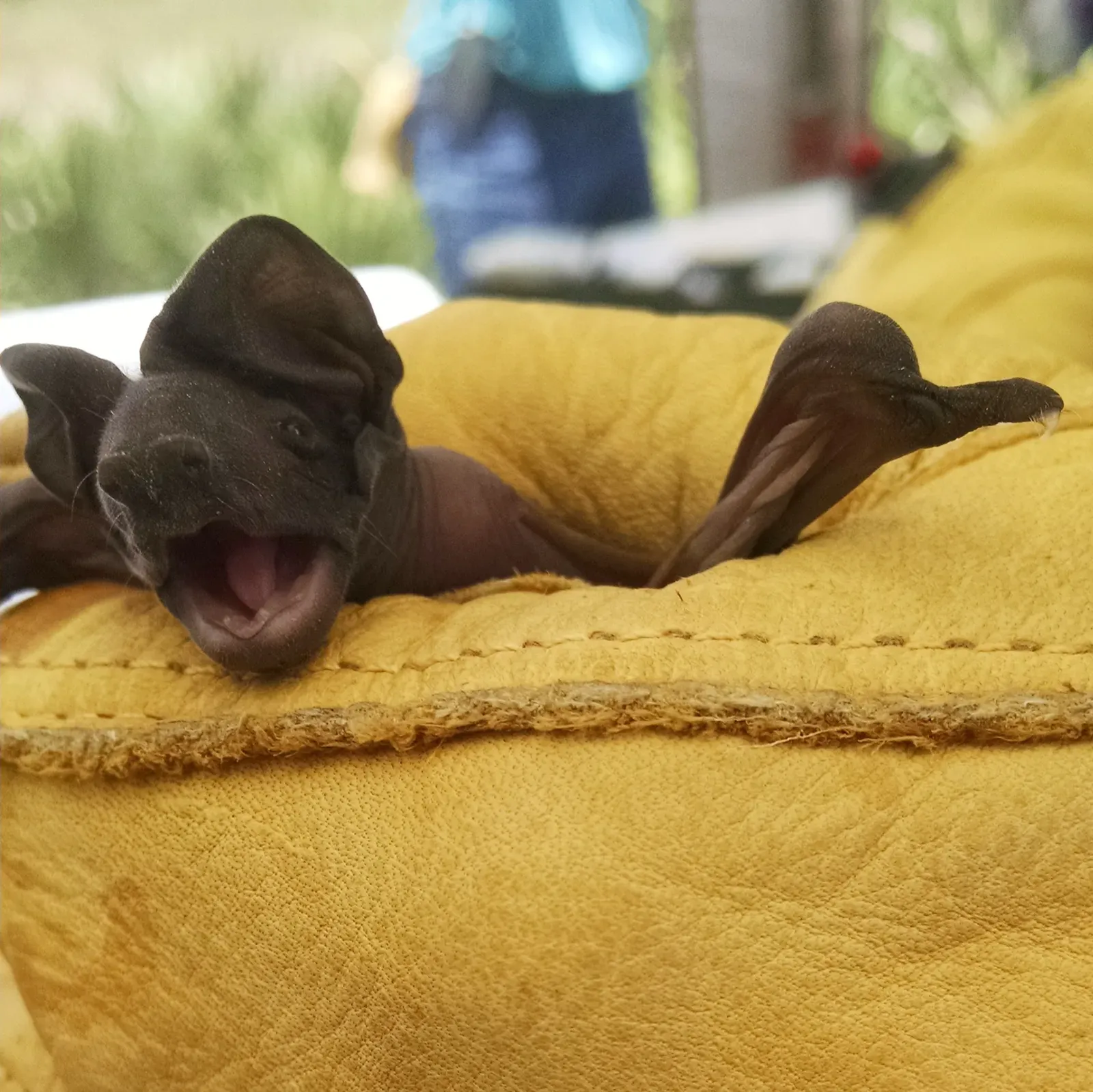
Most people in Miami or other south Florida cities do not realize they share their night skies with one of the rarest bats in North America. The Florida bonneted bat is a large, high-flying bat that can sometimes be heard emitting chirping calls above neighborhoods and golf courses. Instead of roosting in caves, it often tucks itself into tree cavities or even old buildings, which means it lives uncomfortably close to constant construction and demolition.
Because it has such a small range – mainly in southern Florida – every lost roost tree or pesticide-heavy lawn matters more than you might think. The bat’s insect diet means it does you a favor by eating agricultural pests and mosquitoes, yet it pays the price when you rely heavily on chemical sprays. When you protect old trees, support dark-sky lighting, reduce pesticide use, and listen to local efforts to map and safeguard bat roosts, you are making the urban and suburban landscape less of a minefield for this precarious neighbor.
7. Mohave Desert Tortoise – Slow Life in a Fast-Changing Desert
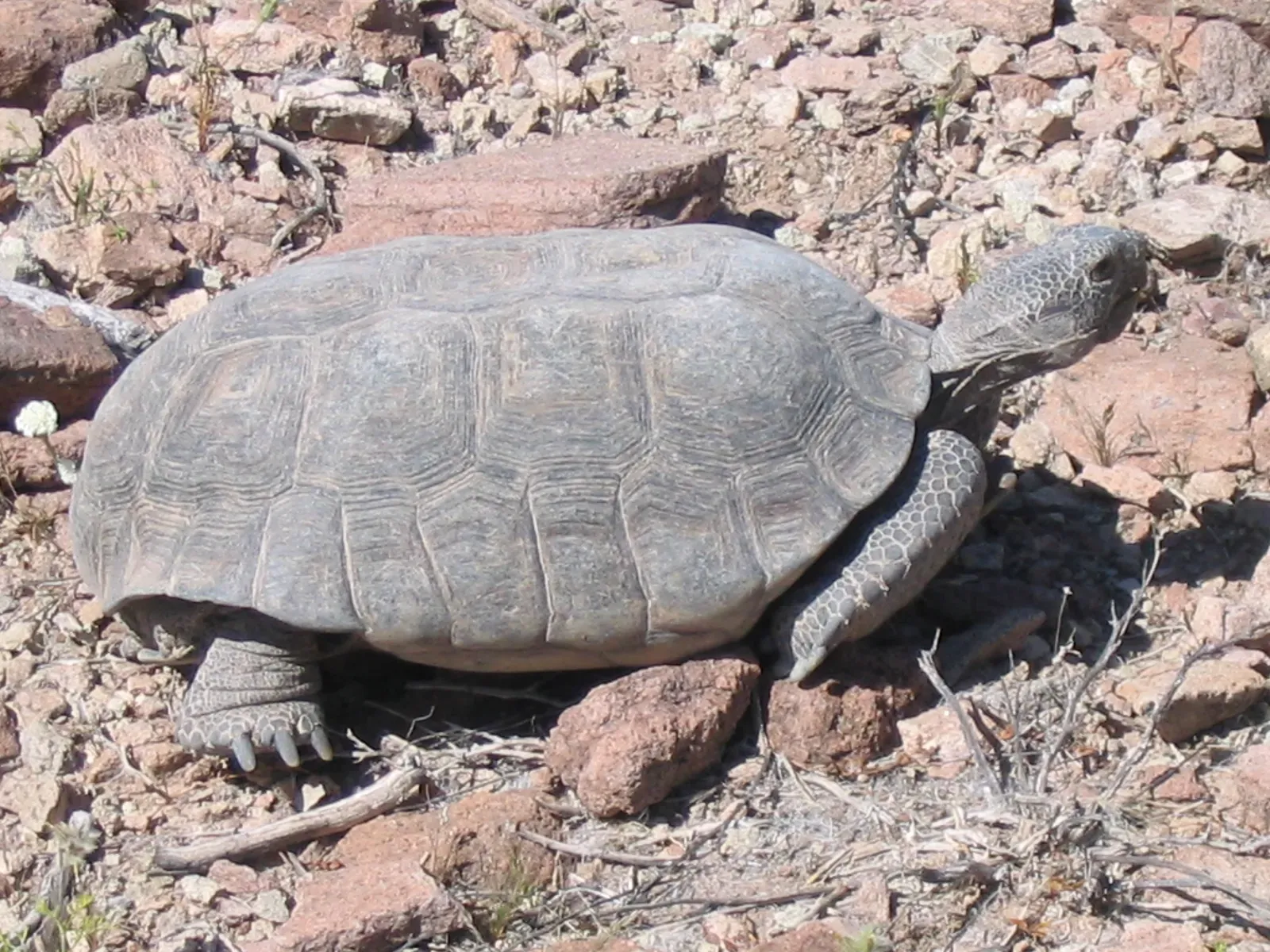
Imagine living your entire life in one rough neighborhood of desert, depending on the same burrows and the same patchy vegetation for 50 years or more. That is roughly the pace of a Mojave Desert tortoise. You find this animal in parts of California, Nevada, Arizona, and Utah, spending much of its time underground to escape heat and conserving every drop of water. It survives on sparse grasses and wildflowers that appear after rare rains, making it a master of endurance in a harsh environment.
The trouble is that your modern desert is no longer the quiet, mostly empty place it once was. Off-road vehicles crush burrows, new roads slice through habitat, solar farms and housing developments spread into previously undisturbed areas, and an introduced disease called upper respiratory tract disease has sickened many wild tortoises. Even ravens, boosted by human trash, prey on young tortoises more heavily than before. You help by supporting well-planned renewable energy that avoids key habitat, staying on designated routes in the desert, and never relocating or “rescuing” wild tortoises unless professionals tell you to. What looks like a slow-moving reptile is actually a living test of how respectful you are willing to be toward the landscapes you cross.
8. Eastern Hellbender – The Giant Salamander That Needs Clean Streams
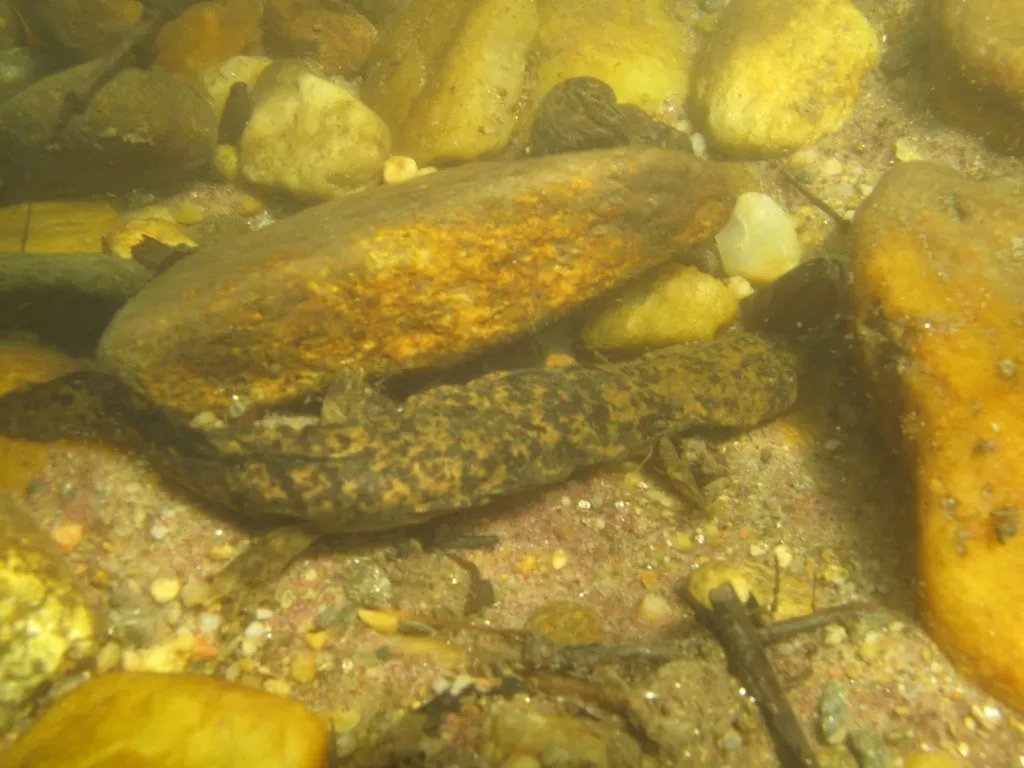
With a name like “hellbender,” you might expect some kind of monster. What you actually get is a flat, wrinkled, two-foot-long salamander that spends its life tucked under rocks in cold, fast-flowing streams from the Appalachian Mountains into parts of the Midwest. You rarely see it, but if you have ever stuck your feet in a clear mountain creek, you might have shared the water with one. The eastern hellbender breathes largely through its skin, which means it is incredibly vulnerable to anything that dirties or clogs the water.
When you allow erosion from clear-cutting, poorly managed farms, or construction to pour silt into streams, you literally bury the crevices it uses for shelter and nesting. Pollution, dams, and disease make things worse, and in many areas populations have crashed. You can support organizations that restore riparian buffers, fence livestock out of streams, and improve culverts and crossings to keep water cool and moving. Anglers and paddlers who respect habitat regulations, avoid moving rocks for makeshift dams, and report sightings are playing an overlooked but real role in keeping this odd, ancient creature around.
9. Mariana Fruit Bat – Island Flyer in US Pacific Territories
This tag does not indicate the copyright status of the attached work. A normal copyright tag is still required. See Commons:Licensing.See Category:Images from the United States Fish and Wildlife Service.
(link no longer available), Public domain)
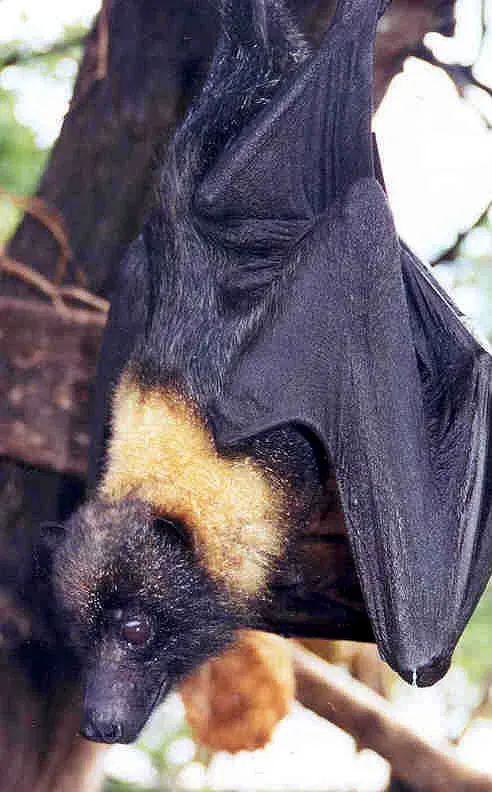
Not all American wildlife lives within the 50 states. In the forests of Guam and the Northern Mariana Islands, large fruit bats known as Mariana fruit bats or fanihi once filled the evening sky. Today, if you stood beneath the canopy at dusk, you might see only a few gliding silhouettes where there used to be hundreds. Habitat loss, hunting in the past, and predation by invasive snakes and other species have pushed this bat into threatened or endangered territory under US law.
Because it feeds on fruits and flowers, this bat acts like a long-distance gardener, dispersing seeds and pollinating native trees that define island forests. When you lose the bat, you start losing the forest structure that protects soils, freshwater, and native birds. If you live in or visit these islands, supporting strict controls on invasive species, respecting hunting bans, and backing the protection of remaining native forest is your way of helping. Even if you are far away, supporting conservation projects in US territories reminds you that the American conservation story does not stop at the mainland shoreline.
10. Rusty Patched Bumble Bee – The Vanishing Backyard Pollinator
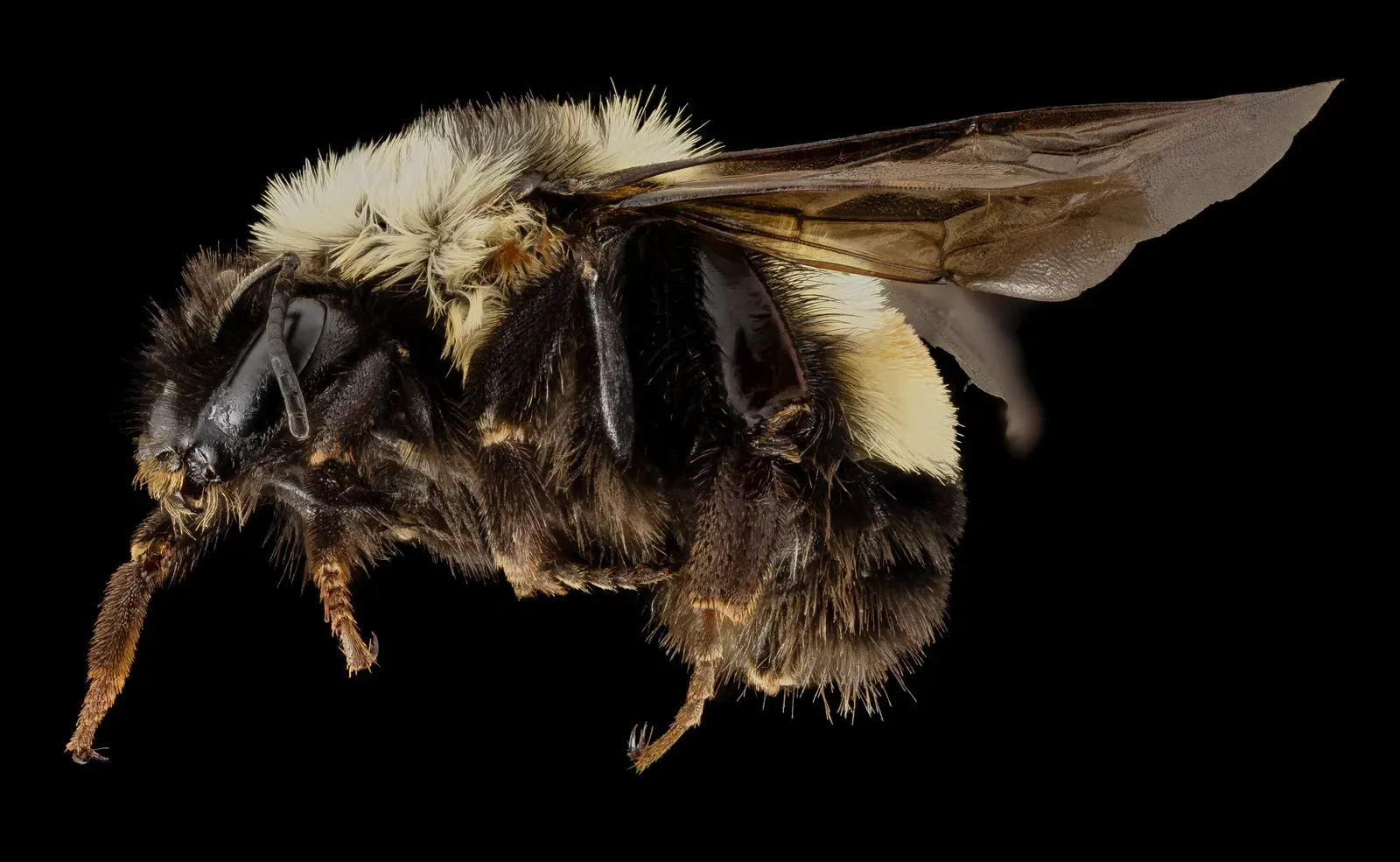
Of all the animals on this list, the rusty patched bumble bee might be the one you have walked past and never noticed. It used to be a common pollinator across parts of the Upper Midwest and Northeast, buzzing across gardens, meadows, and city parks. Over a few decades, its numbers dropped so sharply that it became the first bumble bee in the continental United States to be listed as endangered. Now, just spotting one is enough to make biologists pull out their cameras.
Unlike some rare creatures that live only in remote habitats, this bee’s fate is tangled right into your everyday routines. Heavy pesticide use, loss of wildflower-rich habitat, disease spread from commercial bees, and climate shifts all play roles in its decline. The hopeful twist is that your backyard, balcony, or local park can literally serve as refuge. When you plant native flowers that bloom from early spring to late fall, avoid insecticides, leave some messy corners with stems and leaf litter, and support community pollinator projects, you turn your own space into part of the species’ survival strategy.
Conclusion: Quiet Animals, Loud Choices
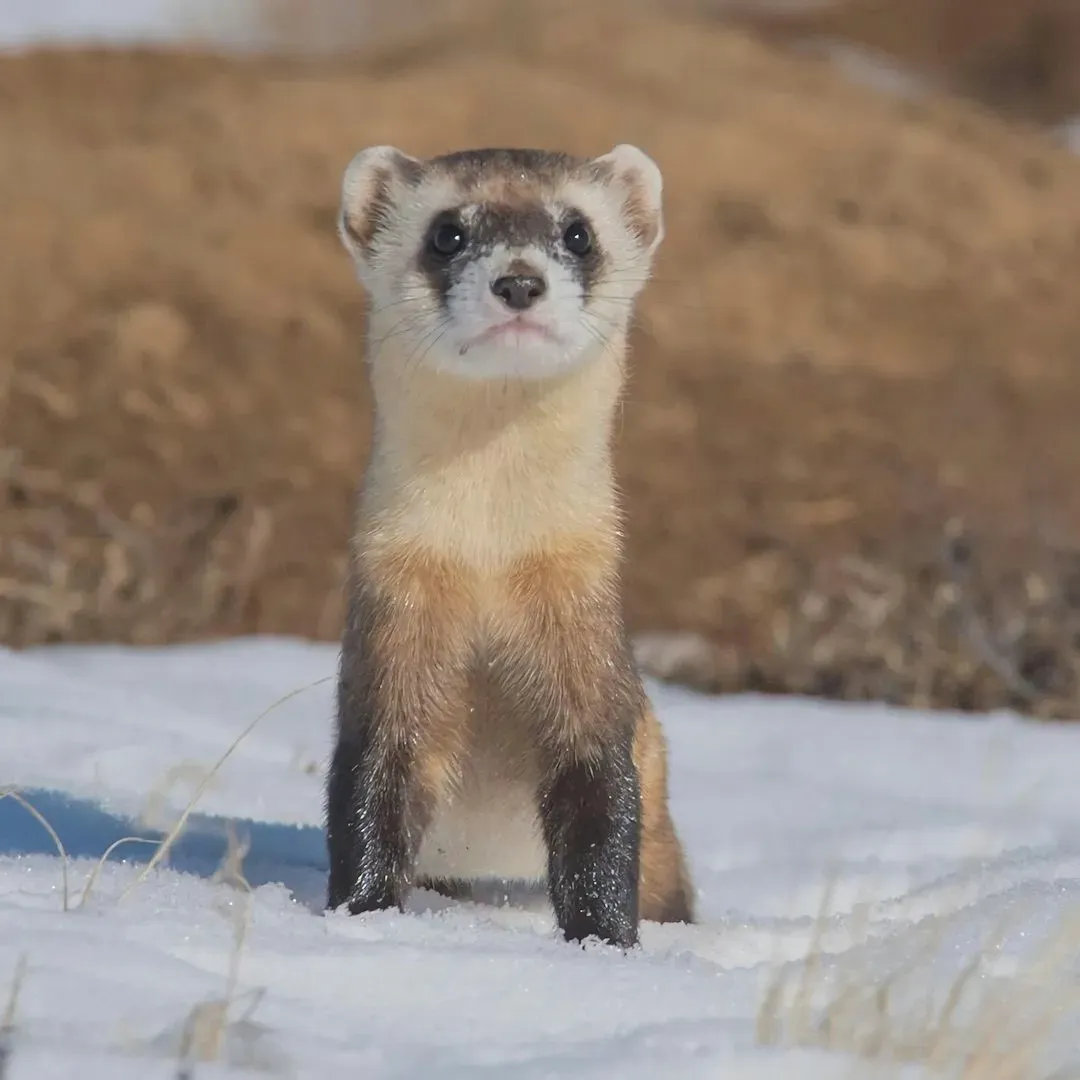
Looking through these ten species, you might notice something striking: none of them are the usual poster children you see on glossy wildlife calendars. They are bats that hunt over parking lots, turtles hiding under river stones, wolves slipping between soybean fields, and bees visiting the flowers by your mailbox. You are living in the same country – and in some cases the same neighborhood – as animals that are on the knife’s edge between survival and disappearance.
The uncomfortable truth is that your daily choices add up. The food you buy, the laws you vote for, the places you vacation, the way you treat water, land, and even your own yard all push these animals either closer to safety or closer to being gone forever. You do not have to become a full-time activist to matter; you just have to start noticing, caring, and making a few more deliberate decisions. Now that you know these lesser-known survivors are out there, quietly fighting for their future, what part do you want to play in their story?