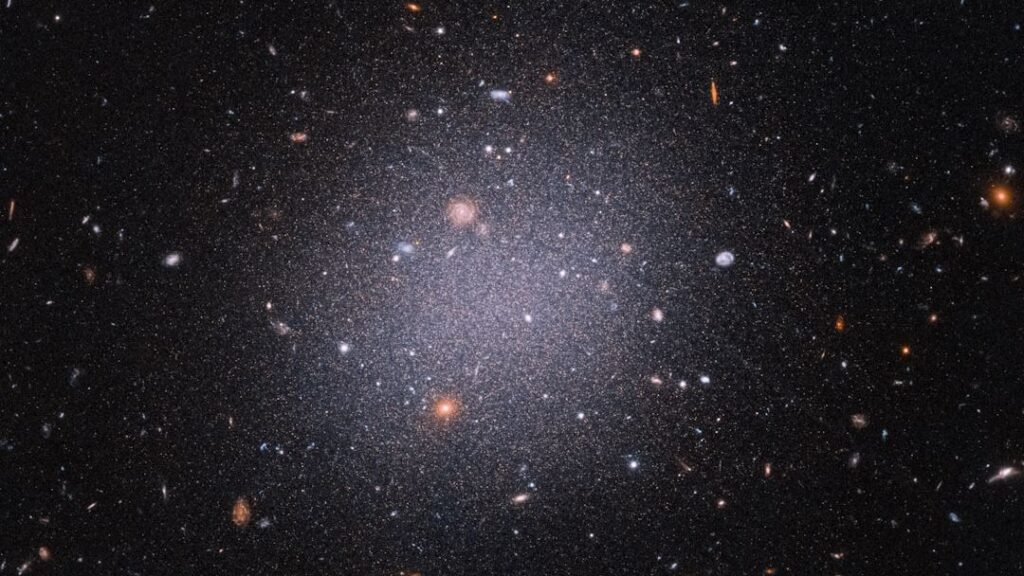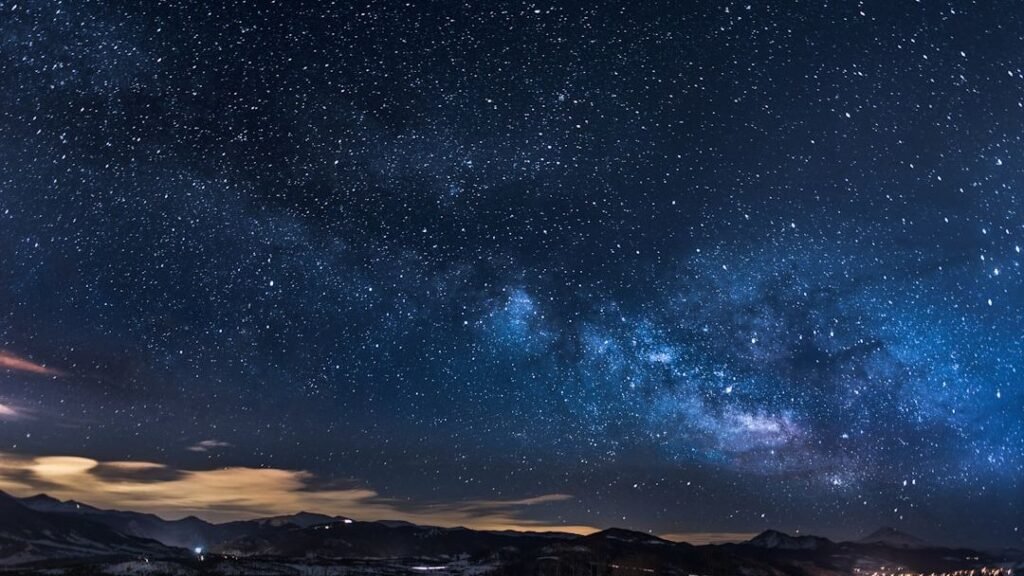

You probably remember lying on your back as a kid, staring up at a sky overflowing with stars. If you go outside tonight and really look, you might feel a quiet shock: where did they all go? It can feel almost like a magic trick, as if someone dimmed the universe when you were not paying attention.
Some stars truly do vanish from your view, but not always for the reasons you think. Sometimes the stars themselves are changing in dramatic, violent ways. Other times, the universe is simply playing hide-and-seek with dust, light, and distance. And often, the real culprit is much closer to home: the way you have changed the night sky on Earth without even realizing it.
The Vanishing Act You Can See From Your Own Backyard
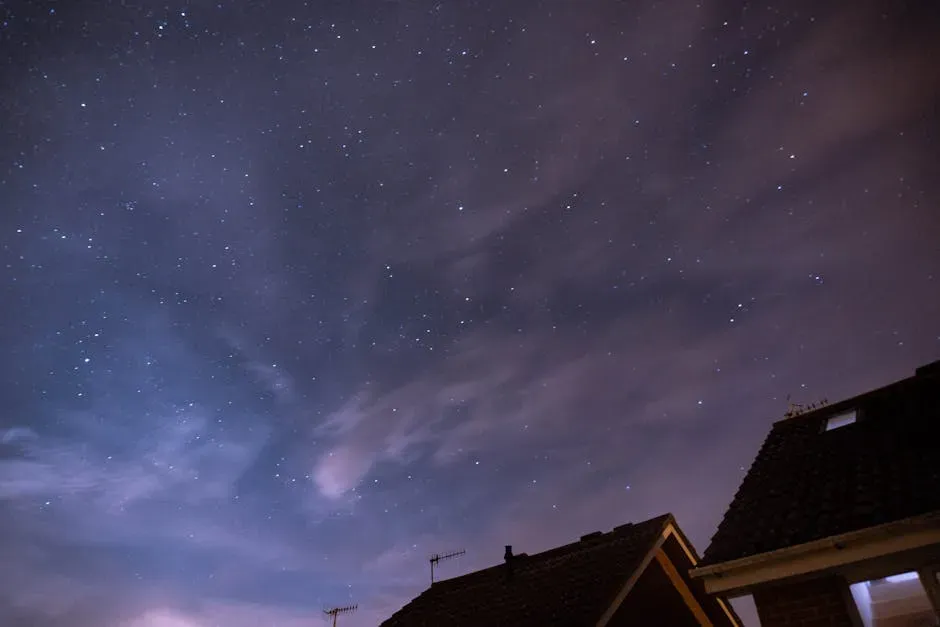
One of the strangest truths is that you do not have to leave your neighborhood to watch stars disappear; you just have to compare your sky to what people saw a few decades ago. If your grandparents grew up in a small town or rural area, they probably saw a Milky Way so bright it cast a faint shadow, while you might struggle to find more than a scattered handful of stars above your street. You are living in the same universe, yet you are watching a completely different show.
When you stand under a sky washed with city glow, you are not seeing fewer stars because they are gone; you are seeing fewer because your own lights overpower them. Street lamps, billboards, parking lots, and house lights all send wasted light up into the sky, creating a hazy dome that drowns out the faintest stars. From your perspective, though, the emotional effect is the same: constellations look broken, familiar patterns seem incomplete, and it feels as if someone quietly erased parts of your childhood sky.
Light Pollution: The Biggest Thief of Your Night Sky
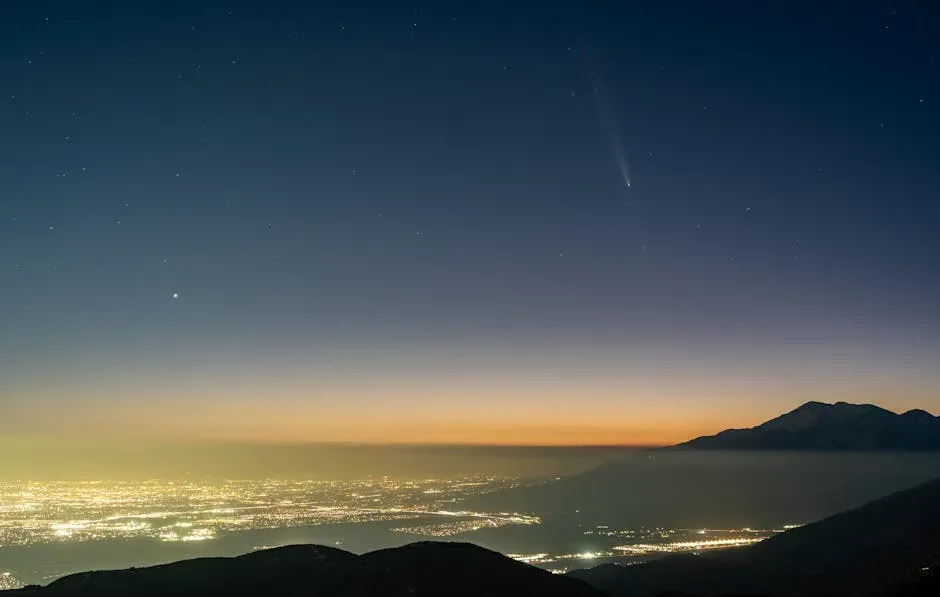
Light pollution is the single biggest reason stars seem to vanish, and you are surrounded by it almost everywhere you go. When you look toward a big city at night, that hazy orange or white glow on the horizon is not natural; it is artificial light scattered by dust and molecules in the atmosphere. That scattered glow is bright enough to outshine most of the stars your eyes are capable of seeing, so the sky looks flatter, emptier, and strangely lifeless.
You might notice this most when you travel. If you leave a city and drive into the countryside, the sky slowly transforms above you; suddenly, constellations become rich with extra stars you never realized were there. This is a painful clue: those stars did not suddenly appear; you just finally turned down the volume on Earth’s lights. If you live in a large metropolitan area, your eyes may only catch a small fraction of the stars you could see under a truly dark sky, so it can genuinely feel as if most of the universe has been stolen from you.
Dust, Gas, and Cosmic Fog: When the Universe Blocks Its Own Light
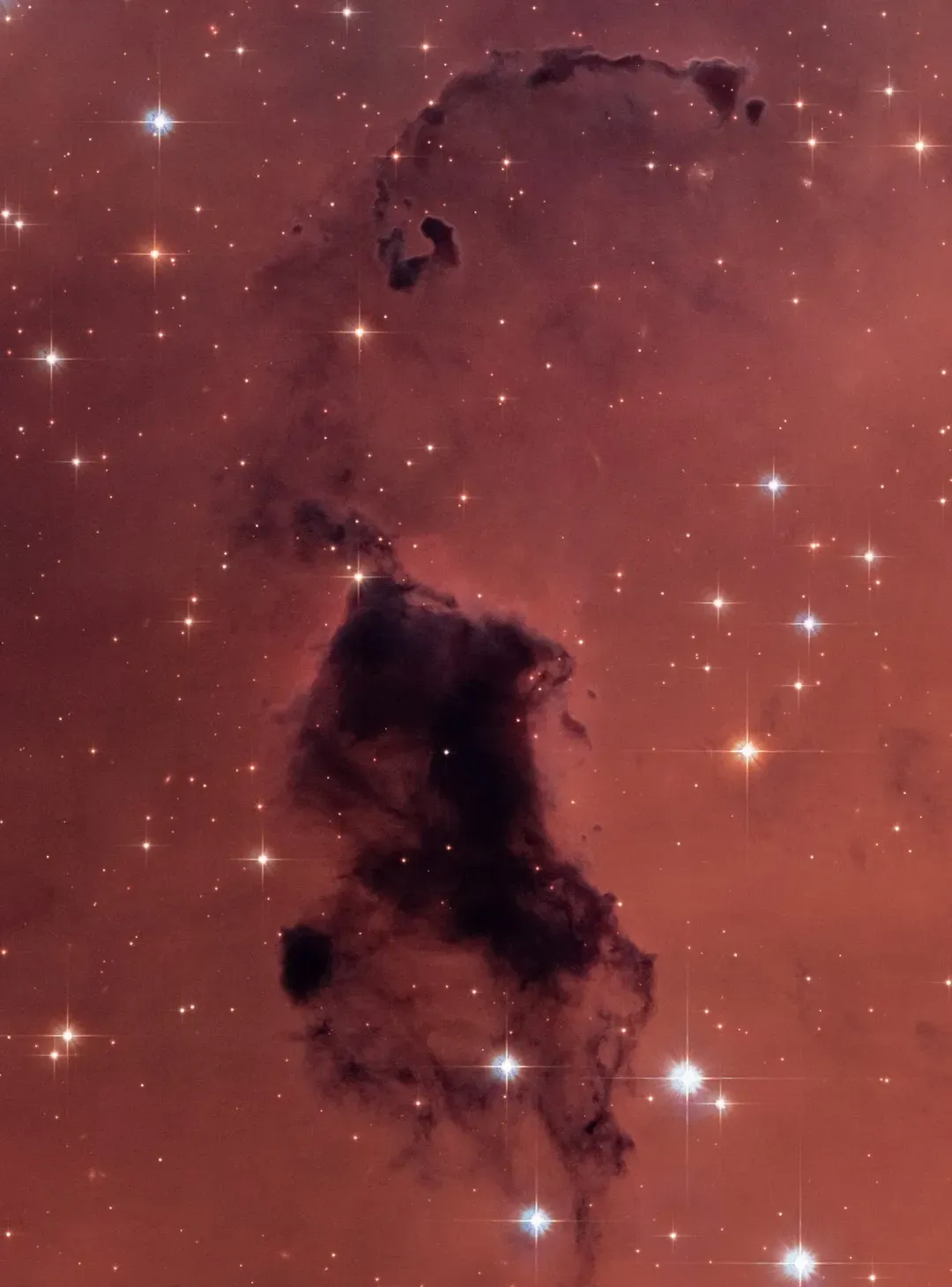
Even if you turned off every street lamp on Earth, some stars would still vanish from your view because space itself is messy. Giant clouds of gas and dust drift between you and distant stars, and while they look dark and empty, they are actually thick veils that swallow starlight. You are peering through a kind of cosmic smog, except this “fog” can stretch for hundreds of light-years and hide entire clusters of stars behind it.
When you look toward the band of the Milky Way, those inky patches you see are interstellar dust lanes blotting out the light behind them. Over time, as these clouds move and evolve, some regions become more opaque and others thin out, changing what you can see. To your eyes from Earth, it can seem like certain stars or patterns fade away, when in reality, dust has simply slid into the way like a cosmic curtain. You are not just watching stars; you are also watching the shifting weather of the galaxy.
Variable Stars: When a Star Really Does Fade in and Out
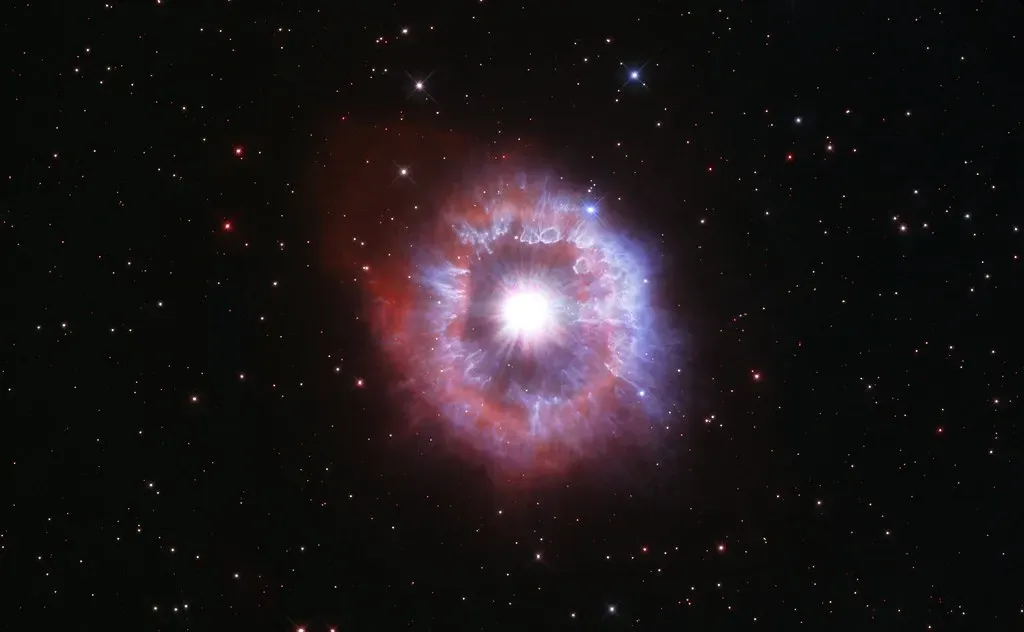
Unlike your porch light, a star is not always steady. Some stars are naturally unstable, swelling and shrinking, brightening and dimming as they burn through their fuel and shuffle energy from their cores to their outer layers. From your perspective on Earth, these are the stars that sometimes seem to flicker or change in brightness over weeks, months, or even years, almost like they are breathing in slow motion.
There are stars that dim so much you can barely see them without a telescope, and then brighten again to naked-eye visibility. In some rare cases, a star can be clearly visible for a while, then fade below your detection for a long time. If you were casually stargazing and not keeping notes, you might be convinced that a star you used to see has simply disappeared for good. In truth, you are catching only a tiny slice of its life, a brief scene in a much longer drama that is playing out on timescales far bigger than your lifetime.
Stellar Death: Supernovae, White Dwarfs, and Silent Remnants
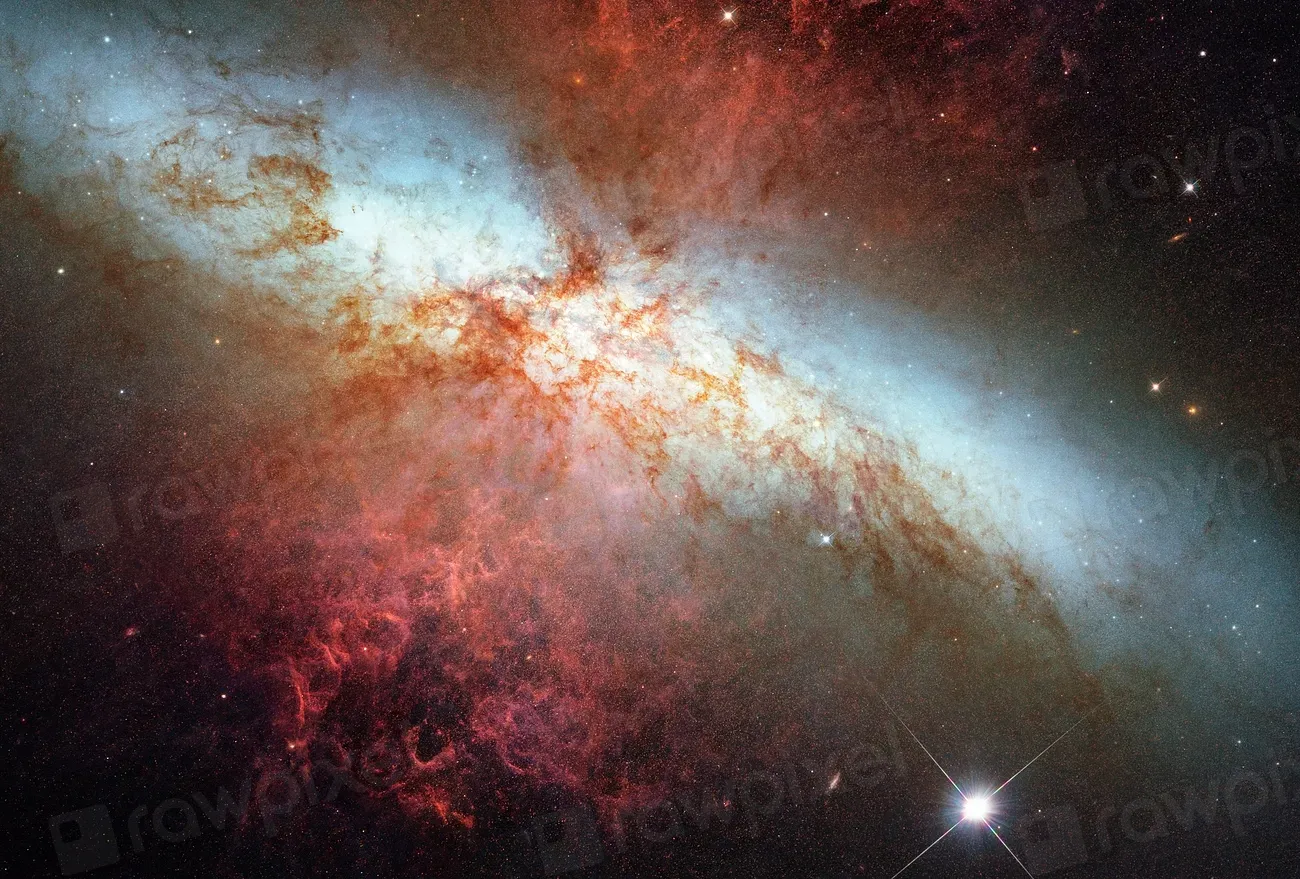
Sometimes, though, a star really does die, and if you are lucky with timing, you might see its final act. Massive stars end their lives in titanic explosions called supernovae, shining as brightly as an entire galaxy for a short window of time. To you, that can appear as a new bright “guest star” that suddenly shows up in the sky, lingers for weeks or months, and then fades away until it is no longer visible to your naked eye. From your perspective, that star has appeared and then disappeared forever.
When the light show ends, what remains is usually something you cannot see without serious equipment: a dense white dwarf, a neutron star, or even a black hole. These remnants still exist, still curve space, and sometimes still emit radiation, but to your unaided eyes they are gone. History tells you about bright stars that once dominated the night and are no longer visible at all, leaving only ancient records and the faint fingerprints of debris for astronomers to study. You are looking at a sky where some of the most dramatic deaths have already happened, and many of the bright, steady stars above you are just waiting for their own turn to vanish.
The Motion You Cannot Feel: Stars Drifting Out of View
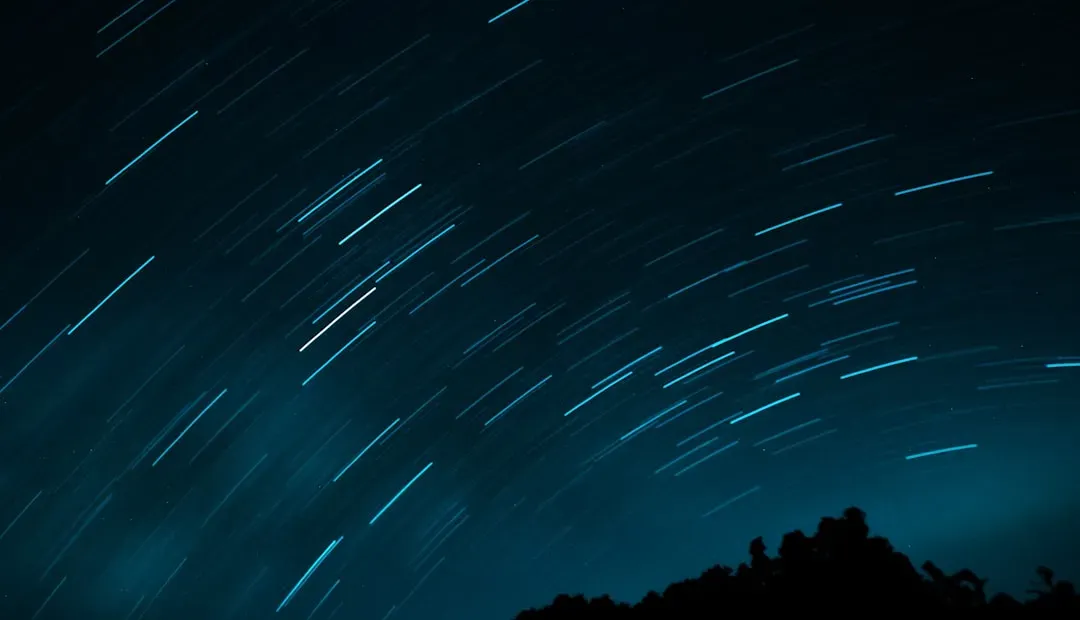
When you glance up, the constellations feel permanent, like old friends that never move. In reality, every star you see is hurtling through space at incredible speeds, and you are racing around the galaxy with them. Most of the time, the distances are so enormous that you do not notice any change; a lifetime or even several lifetimes are too short to spot obvious motion with your bare eyes. But over centuries and millennia, stars shift position enough that patterns distort and sometimes break apart.
If you could compare your sky to what someone saw tens of thousands of years ago, you would barely recognize some constellations. A few stars have already moved so much that they no longer sit in the same place relative to their neighbors, and future generations will see a different arrangement again. When a star slowly drifts away from your line of sight or slips closer to the Sun’s glare from your vantage point, it can effectively vanish from the patterns you are used to. You are catching the constellations in a particular era, like a single frame from a very long movie that keeps playing long after you are gone.
When the Atmosphere Plays Tricks on Your Eyes
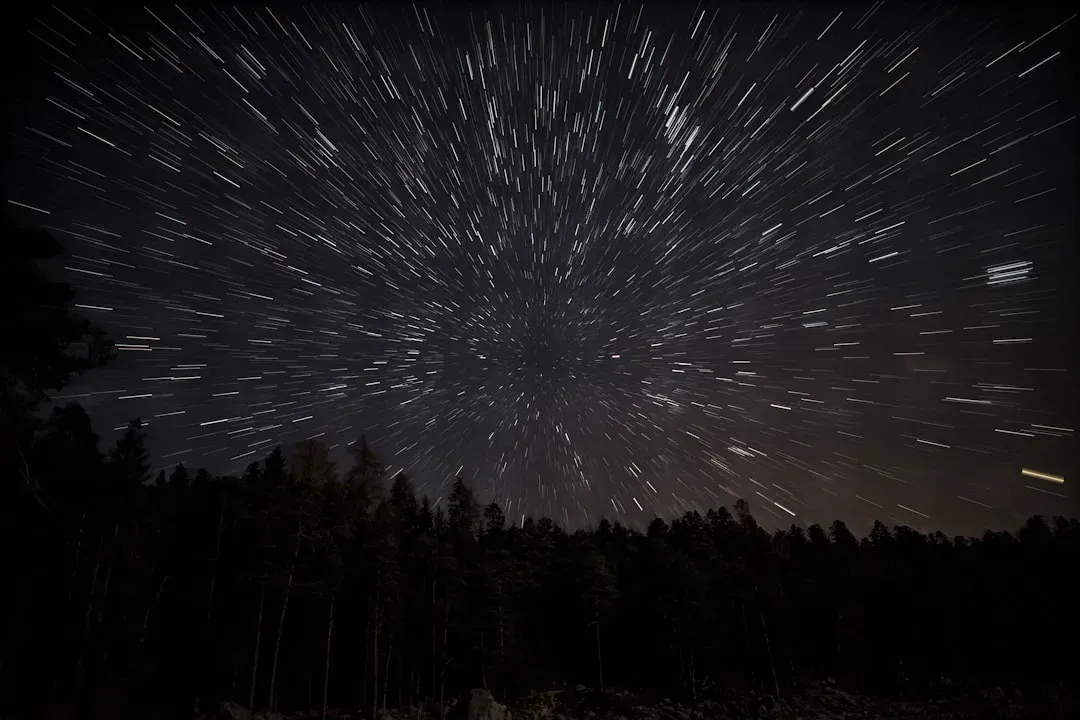
Sometimes the illusion of a disappearing star has nothing to do with the star and everything to do with the layer of air wrapped around your planet. Your atmosphere bends, scatters, and distorts light, especially when you look near the horizon. A star that seems to “wink out” as it gets lower is not actually fading in space; its light is being stretched and smeared by thick layers of turbulent air, until eventually it is completely lost in the glow and haze near the ground.
Thin clouds, high-altitude ice crystals, smoke, and pollution can all selectively block or dim only some of the stars in a patch of sky. On one night you see a familiar pattern clearly; on another night, a couple of its fainter members seem to have vanished. Your brain notices the difference and tells you something is missing, even if you cannot immediately explain why. Part of the art of stargazing is learning to tell the difference between a star that is truly gone and a sky that is just particularly moody that night.
Human Eyes, Human Limits: You Can Only See So Much
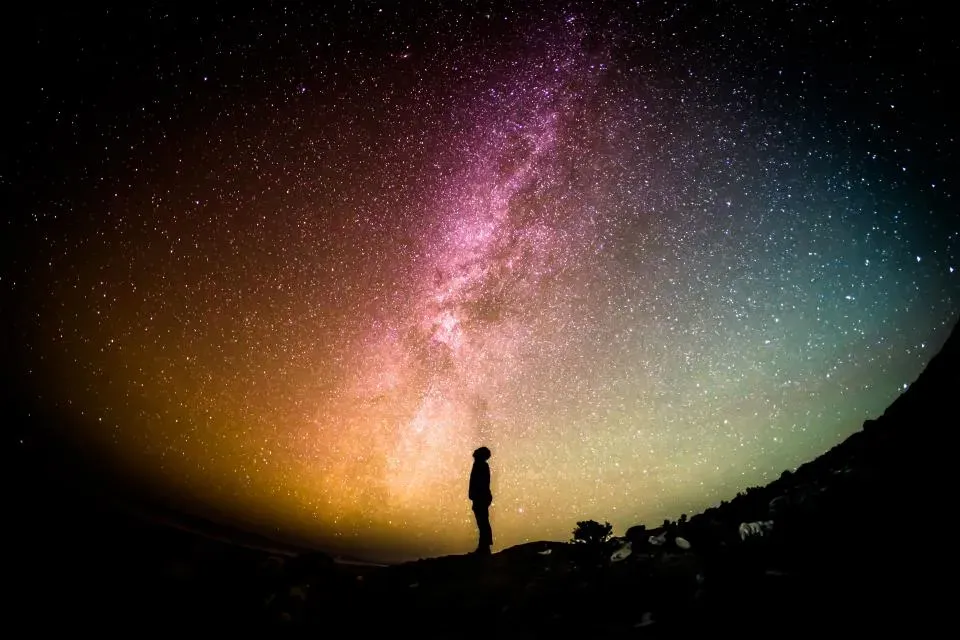
You might not realize it, but your own eyes are part of the mystery. Human vision is wonderful at seeing detail and color in daylight, but at night your eyes shift into a different mode that is more sensitive to faint light yet poor at resolving fine patterns. That means faint stars near the edge of what you can detect will sometimes pop in and out of view depending on how dark-adapted you are, how tired you feel, or even whether you just glanced at your phone a minute ago.
If you step outside from a bright room and immediately look up, you will see a much poorer sky than if you let your eyes adjust in darkness for twenty or thirty minutes. During that time, more and more faint stars will “appear” to you, as if the universe is slowly turning up the brightness. Lose your dark adaptation by looking at a bright screen or car headlights, and some of those same stars will quietly disappear again. Your perception of the night sky is not fixed; it breathes along with your biology, making the border between visible and invisible stars surprisingly fragile.
How You Can Bring Back the “Lost” Stars
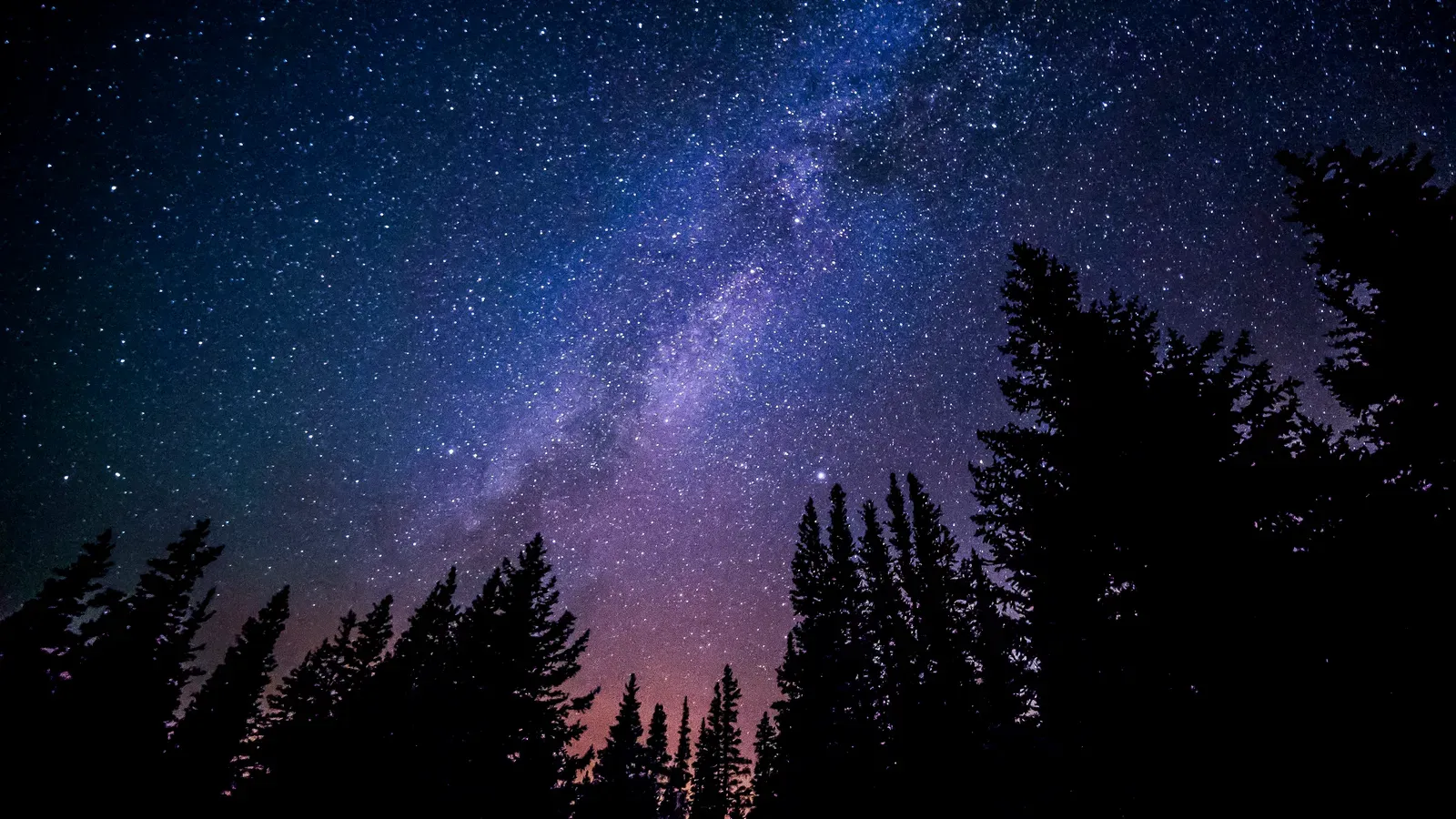
The good news is that many of the stars you think you have lost are still there, just hiding behind the choices your society has made about light. You can start small: shielding outdoor lights, using warmer and dimmer bulbs, and turning off fixtures that point straight up can dramatically cut the glow you send into the sky. If enough people in your neighborhood or city do this, the sky literally grows darker, and more stars emerge from the background. You are not helpless; you are one of the people shaping what the future night sky will look like.
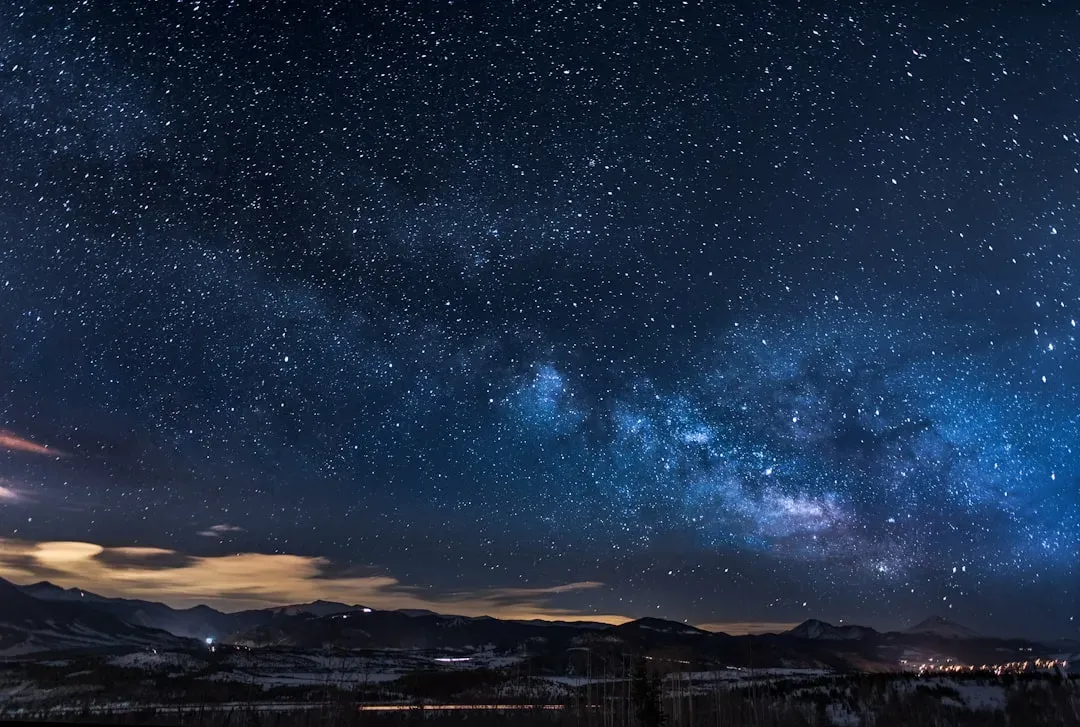
You can also reclaim some of that childhood wonder by seeking out darker places on purpose. Planning a trip to a dark-sky park, camping in a remote area, or even just driving an hour away from the city on a clear moonless night can completely change what you see. You may suddenly find the Milky Way arching overhead, bright star clusters sparkling to the naked eye, and constellations packed with stars you never knew existed. In those moments, you realize that the universe did not shrink; your view just got noisy. When you give yourself darkness again, the stars quietly come back.
Conclusion: The Sky Has Not Forgotten You
When you feel like the stars are disappearing, you are touching something deeply human: a quiet grief that the world above you seems smaller than the one you remember. Some of that loss is real, written in the deaths of massive stars and the slow drift of constellations across cosmic time. But much of it is an illusion, created by your own lights, your atmosphere, interstellar dust, and the limitations of your eyes. The universe is still buzzing with activity; you are just seeing it through a keyhole.
If you choose to widen that keyhole, you can. You can dim your own lights, travel to darker skies, and give your eyes time to adjust, and in return the universe will show you more of itself. The strange truth is that the night sky is not vanishing so much as it is waiting for you to look differently. The next time you step outside at night, will you accept what you see at first glance, or will you give the stars a real chance to come back into focus?