

Most of us treat our bodies like background apps: always running, rarely noticed, only getting attention when something crashes. We complain when we are tired, when we ache, when we get sick, but we almost never stop to think about the insane, microscopic-level choreography that keeps us alive every second. If a smartphone did even a fraction of what your cells do in one day, the marketing campaign would never end.
Once you start looking closely, the human body stops being “normal” and starts looking more like science fiction. Systems are constantly predicting, repairing, filtering, recalibrating, and reorganizing… all while you’re scrolling social media or looking for snacks. Let’s walk through seven of the most underrated, shockingly brilliant wonders inside you that deserve a lot more gratitude than they usually get.
The Brain’s Silent Storm of Electricity
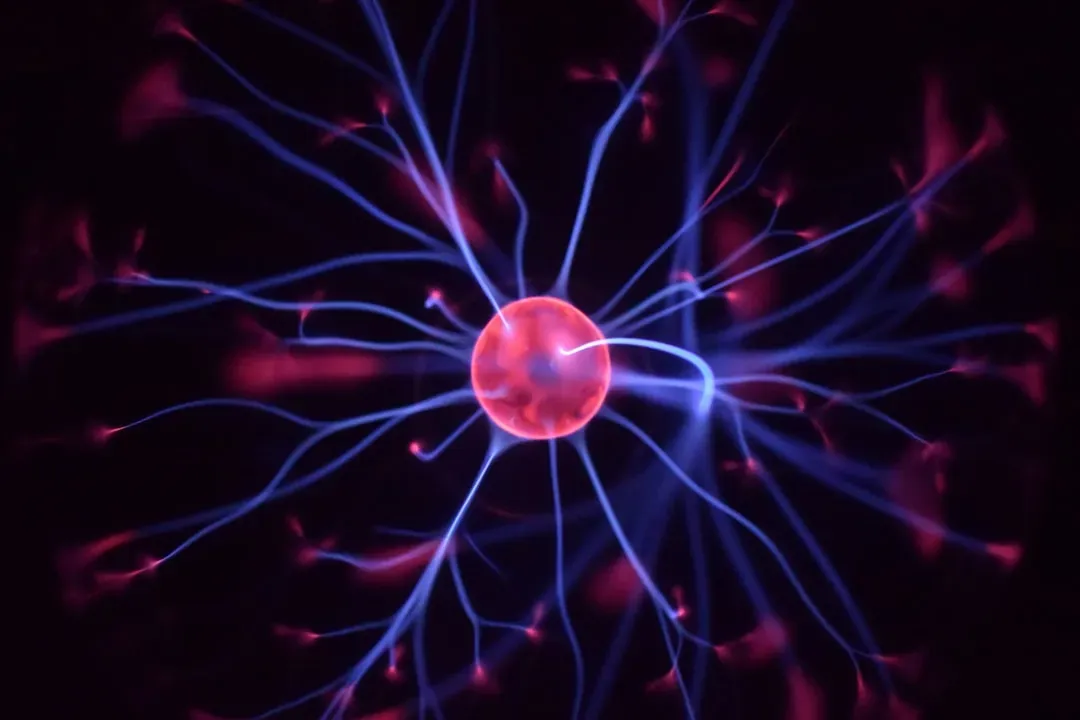
Right now, even as you casually read this, your brain is firing off tiny electrical signals at a speed and complexity no supercomputer can truly match. Billions of neurons are talking to each other through trillions of connections, shaping every thought, memory, habit, and feeling you’ve ever had. The electricity in your head at any given moment is small in raw power, but the pattern of it is everything: who you are, what you remember, what you notice, and what you ignore.
What blows my mind is how quiet it feels from the inside. No flashing lights, no crackling sounds, just a calm interior experience while entire “weather systems” of electrical activity pass through the brain’s different regions. When researchers measure brain activity, they’re basically watching storms of signals sweep across a landscape, like a time-lapse of a city at night turning its lights on and off. You can be completely still on the outside while a lightning show of thought is happening inside your skull.
Your Heart: Relentless, Uncomplaining Engine
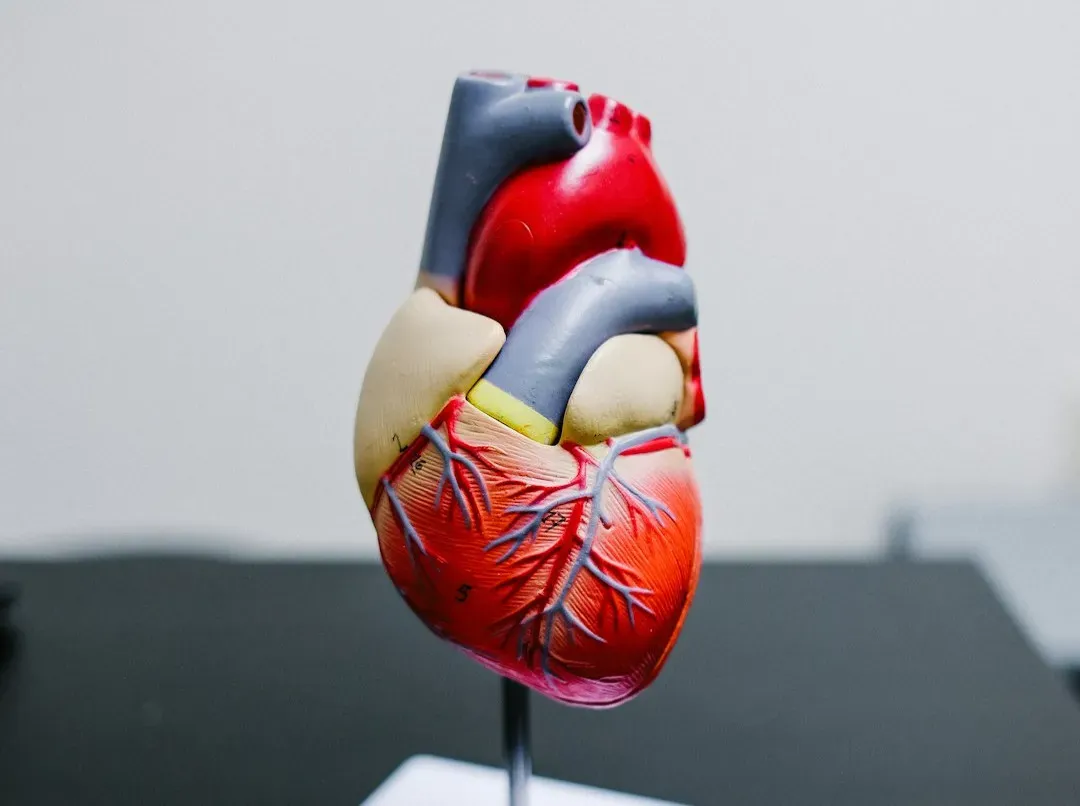
Your heart starts beating before you’re even born, and if everything goes reasonably well, it doesn’t stop for decades. No breaks, no holidays, no “I’m just not feeling it today.” Beat after beat, it pushes blood through a massive network of vessels stretching far enough to wrap around the Earth multiple times if laid end to end. Every heartbeat is a tiny push against gravity, distance, and resistance, just to keep oxygen and nutrients moving where they need to go.
What’s easy to forget is how adaptive this engine is. When you sleep, it slows down; when you sprint, it speeds up; when you’re stressed, hormones nudge it to pump harder. Most people only notice their heart when it races or flutters, but the real wonder is how it almost always gets the pace right without your conscious input. It’s like having a world-class marathon runner hidden in your chest, silently pacing your entire life.
The Lungs: Folding Air Into Life
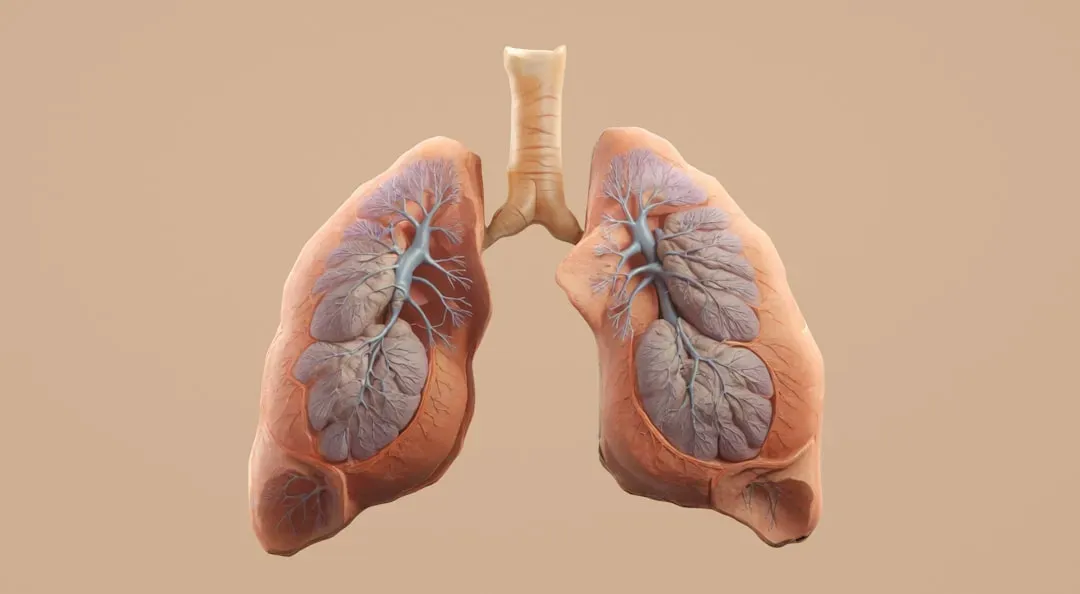
Every breath you take is a ridiculously delicate exchange: oxygen in, carbon dioxide out, with a paper-thin barrier keeping your blood separate from the outside world. Inside your lungs are millions of tiny air sacs, each one like a microscopic balloon where this trade happens. Spread out flat, all those air sacs together would cover a space comparable to a small apartment, folded neatly into your chest without you ever noticing.
What’s wild is how responsive your lungs are to what you do. Walk up the stairs and your breathing automatically adjusts, matching the demand without you planning it. Hold your breath and your body quietly keeps track of how long it’s been, gradually turning up the discomfort until you finally inhale again. Breathing feels automatic because it is – but underneath that calm rhythm lies a constantly recalculated balance, tuned moment by moment to keep your blood gases in a narrow, life-friendly range.
The Immune System’s Invisible War Room
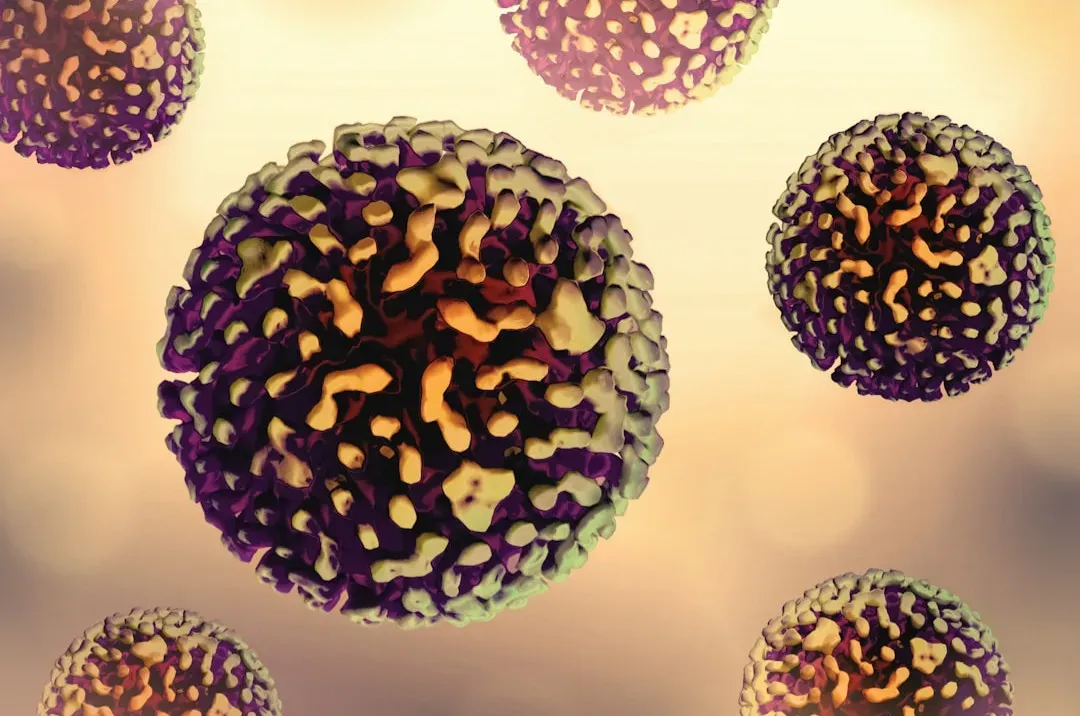
If you could watch your immune system work in real time, it would look less like “getting sick” and more like a high-speed strategy game. Cells patrol your blood and tissues, constantly scanning for anything that looks suspicious or out of place. The moment something odd shows up – a virus, a bacterium, even a damaged cell – signals go out, backup arrives, and specialized units move in with almost absurd precision. It’s a full-time surveillance and response network that you never consciously feel until it turns up the heat, literally, as a fever.
One of the most mind-bending parts is immune memory. When you recover from an infection or receive a vaccine, some cells are basically “briefed” and then hang around as long-term guards, ready to react faster if that same threat appears again. You might forget the flu you had years ago, but parts of your immune system haven’t; they’re like seasoned security staff who remember exactly which intruder tried what. It’s not perfect, of course, but the fact that your body can learn, adapt, and remember enemies without your awareness is nothing short of astonishing.
The Liver: The Body’s Quiet Workhorse Lab
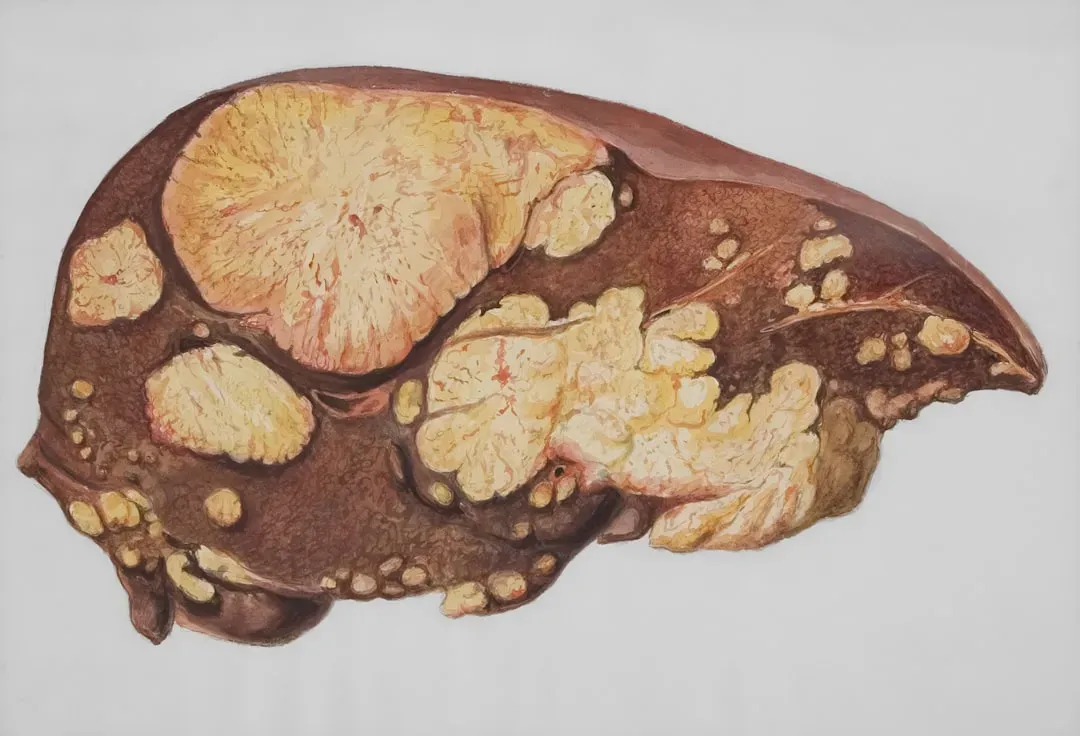
The liver is not glamorous, but it might be the hardest working multitasker in your body. It filters your blood, helps you digest fats, stores energy, and handles toxins, drugs, and metabolic waste like a 24-hour chemical processing plant. While you eat, drink, and live your life, it is quietly taking in raw materials and turning them into something useful – or at least something harmless enough to send out of the body. You rarely feel it working, which is exactly the point.
What really sets the liver apart is its capacity to recover from damage. It’s one of the few organs that can regenerate to a surprising extent, rebuilding itself if a portion is removed or injured, as long as the remaining part stays healthy enough. That doesn’t mean it’s indestructible, but it does mean your body gave this particular organ some backup options, knowing how crucial its role would be. It’s like having a factory that can partially rebuild itself while still staying open for business.
Your Skin: Armor, Sensor, and Messenger

Your skin is often treated like a cosmetic issue, something to moisturize, shave, tan, or cover with makeup – but it’s really your personal environmental suit. It keeps water in, keeps most microbes out, and helps regulate your temperature with sweat and blood flow changes. At the same time, it’s packed with sensory nerves that tell you within milliseconds if something is too hot, too sharp, too rough, or simply pleasant. You navigate the world through that thin layer more than you realize.
Beyond protection and sensation, your skin also quietly reflects what’s happening inside. Stress, sleep, hormones, nutrition, and illness can all leave subtle (and sometimes not-so-subtle) marks on its texture, color, and feel. When scientists talk about the skin as an organ, they’re not being dramatic – it truly behaves like a complex, active system. It negotiates with the outside world every second, playing bouncer, messenger, and alarm bell all at once.
The Gut-Brain Axis: Your Second Brain in Action
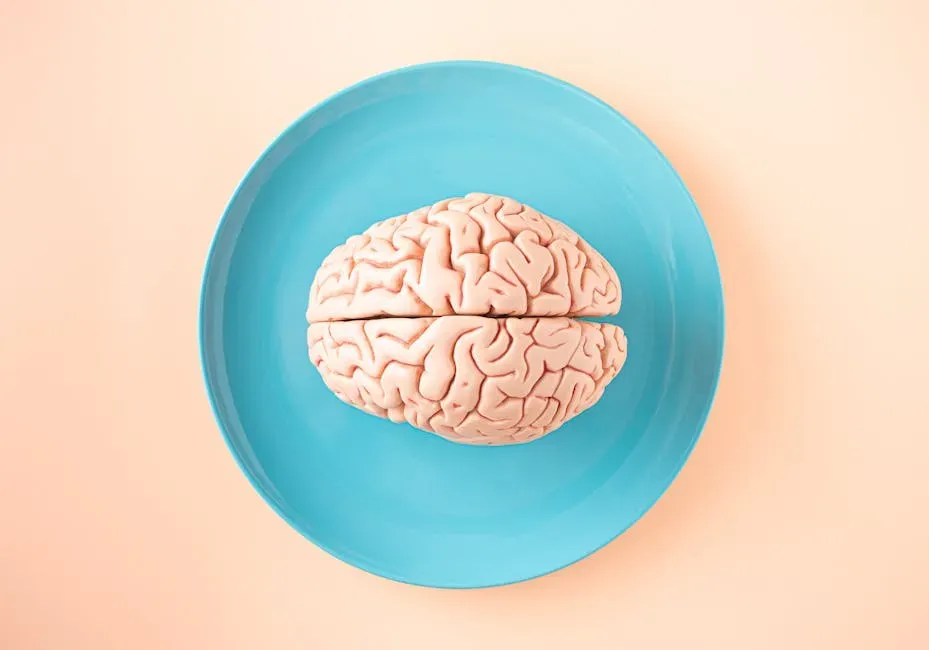
Your digestive system is famous for one thing – processing food – but it deserves a lot more credit than that. Lined along your gut is an intricate network of nerves often called the “second brain,” because it can coordinate digestion largely on its own. This nerve network talks constantly with the brain in your head, sending information about what you’ve eaten, how your gut is moving, and what’s going on with your internal chemistry. That’s one reason your mood can drop when your stomach is upset, or why stress can throw your digestion off.
Recent research has been exploring how the trillions of microbes living in your gut might influence things like immunity, metabolism, and even aspects of mental health. The science is still evolving, and we have to be careful not to oversell it, but it’s clear that the gut is more than just a food pipe. The conversation between your gut, your microbes, and your brain is like a group chat that never ends, constantly adjusting appetite, energy, and comfort in the background. When you say you have a “gut feeling,” your body might be more literal about that than you think.
Conclusion: A Lifetime of Miracles Hiding in Plain Sight

Once you start paying attention, it’s hard to see your body as ordinary ever again. Electrical storms in your brain, a tireless pump in your chest, lungs unfolding air into life, and an immune system running invisible war games – all of it happening while you complain about slow Wi‑Fi or stand in line for coffee. The real wonder is not that things sometimes go wrong, but that so much goes right for so long with so little of your conscious effort. You are, in a very literal sense, living inside a masterpiece of organized chaos.
I catch myself getting frustrated with my body sometimes – feeling tired, feeling sore – and then I remember it has been quietly keeping me alive every second of every day without asking for a thank-you. If anything in your life deserved more appreciation, attention, and basic care, it would be this strange, beautiful, overworked collection of cells you live in. Maybe the most powerful mindset shift is this: your body is not your enemy or your project, it’s your oldest and most loyal ally. Knowing that, what’s one small way you might treat it differently today?