Stand on a busy street corner for five minutes and you’ll realize something slightly unsettling: we’re not the only ones who’ve moved into the city. Pigeons on the power lines, raccoons checking the trash schedule more reliably than the neighbors, foxes trotting down sidewalks like they own them – urban wildlife is quietly rewriting the rules of survival. Cities, once thought of as concrete deserts, have become sprawling, chaotic ecosystems where only the most flexible species truly thrive.
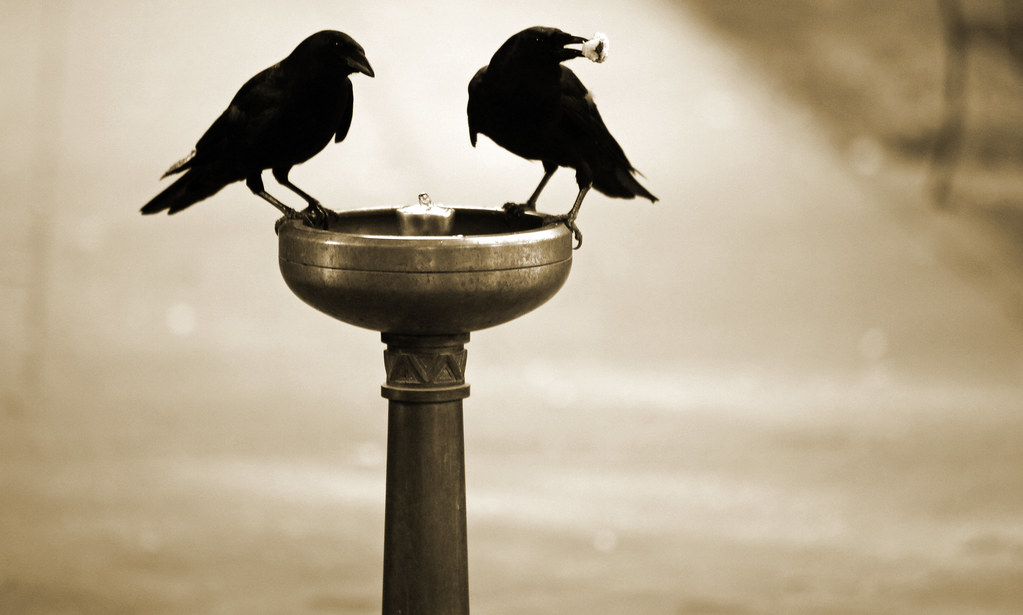
I still remember watching a crow drop a walnut onto a crosswalk, then waiting for the traffic light to change so a car could crack it. The bird hopped in when the light turned red, grabbed its snack, and flew off like this was completely normal. That was the moment I realized: many animals in cities aren’t just coping; they’re learning, innovating, and in some cases, outsmarting us. Here’s how they’re doing it.
1. Learning to Live by Streetlight and Headlight
One of the most surprising urban superpowers is time-shifting. Many animals that were originally active during the day have started becoming more nocturnal in cities, quietly slipping into the hours when humans are mostly indoors. Studies in multiple countries have found that some mammals in urban areas are active at night far more often than their rural cousins, likely to avoid people, traffic, and noise. The city never truly sleeps, but animals have figured out when it at least slows down.
Streetlights and building glows have become a twisted sort of moon, reshaping routines. Foxes, raccoons, coyotes, and even some bird species navigate by this artificial light, using darker side streets and parks as “night highways.” It’s not all good news – light pollution can confuse migration and breeding cycles – but the adaptability is striking. Animals are not waiting for quieter worlds; they’re carving out their own schedules inside ours.
2. Turning Trash into a Buffet (and Learning Our Routines)
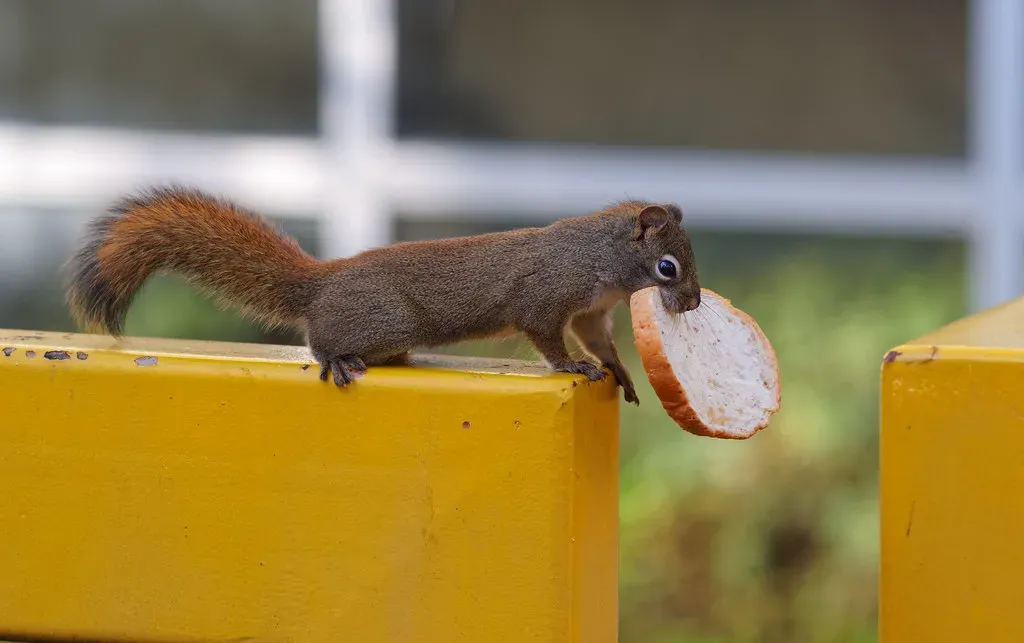
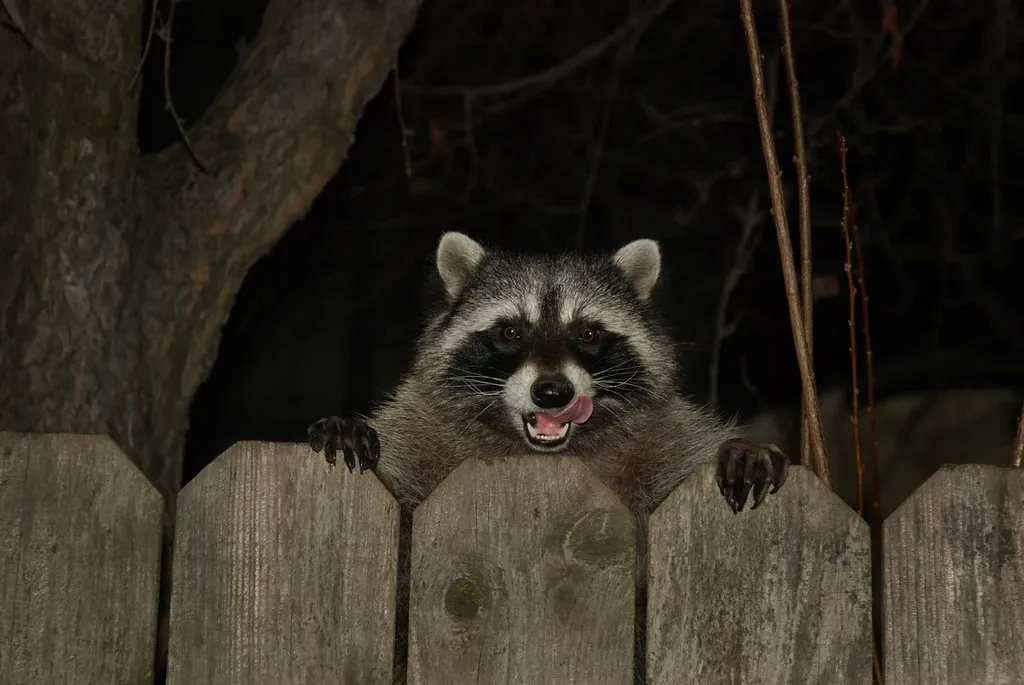
If you’ve ever taken trash out late and startled a raccoon, you know the look: wide-eyed, guilty, but absolutely determined to finish the job. Urban animals have turned our waste into a reliable food source, treating garbage day like a weekly festival. Raccoons, gulls, crows, rats, and foxes have all learned to exploit overflowing bins, dropped fast food, and poorly sealed bags. For them, the city is a giant, messy, all-you-can-eat buffet.
What’s wild is not just that they eat our leftovers, but how precisely they learn our schedules. Some studies have shown urban raccoons and foxes timing their activity to when garbage is put out or when certain businesses close. In some cities, gulls regularly patrol schoolyards right after lunch breaks, knowing kids are generous (and clumsy) with snacks. We like to think we’re the planners, but in many ways, we’ve become utterly predictable background characters in their foraging routines.
3. Evolving Smaller Bodies and Shorter Wingspans
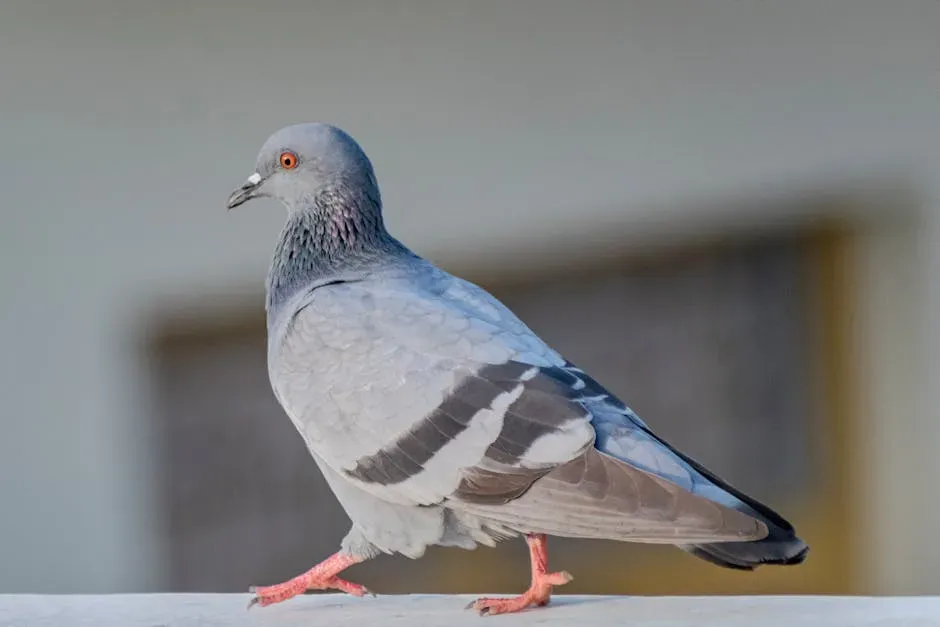
Over generations, city life doesn’t just change behavior; it can reshape bodies. In some urban bird populations, researchers have found subtle shifts: slightly shorter wingspans that make it easier to dart between buildings and react quickly to sudden obstacles. Shorter, rounder wings can trade long-distance efficiency for agility – exactly what’s needed in a maze of cars, cables, and glass. It’s like going from a glider to a stunt plane because the flight path got a lot more complicated.
Body size can change too. In tight, resource-limited environments, being smaller can be an advantage: you need less food, squeeze into more hiding spots, and avoid detection. Some small mammals in cities are showing trends toward lighter bodies compared to rural groups, although it varies by species and location. Evolution in cities isn’t one single story; it’s many small tweaks happening at different speeds. But it proves a quietly radical point: our buildings are not just backdrops – they’re active forces shaping how animals physically evolve.
4. Mastering Human Infrastructure as Shelter and Nesting Space
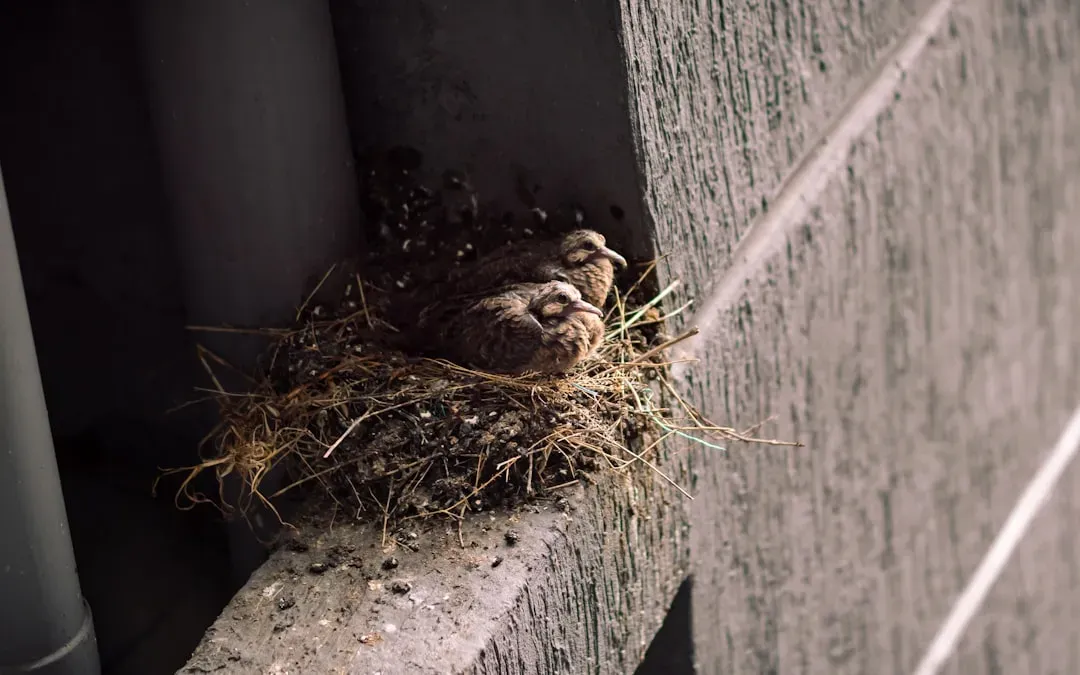
To a pigeon, a bridge is just a high, relatively safe cliff. To a falcon, a skyscraper is a perfect hunting lookout that just happens to have elevators and a lobby. Animals don’t see buildings the way we do; they strip away the human meaning and look for niches: ledges, holes, beams, vents. Many birds now nest on balconies, under highway overpasses, and in warehouse rafters, treating the city like a strange but serviceable rock face. Swifts, swallows, and sparrows in particular have become experts at turning human structures into nurseries.
Mammals have gotten in on the game too. Foxes dig dens under garden sheds, hedgehogs slip through fence gaps, and bats squeeze behind loose bricks or into roof spaces. Some animals even use air vents and drainage pipes as travel corridors and hiding spots. What we consider defects, cracks, and “maintenance issues” are often prime real estate for wildlife. The more complex the city, the more micro-habitats it unintentionally creates – and the more species quietly move in.
5. Developing New Problem-Solving Skills and Urban Intelligence
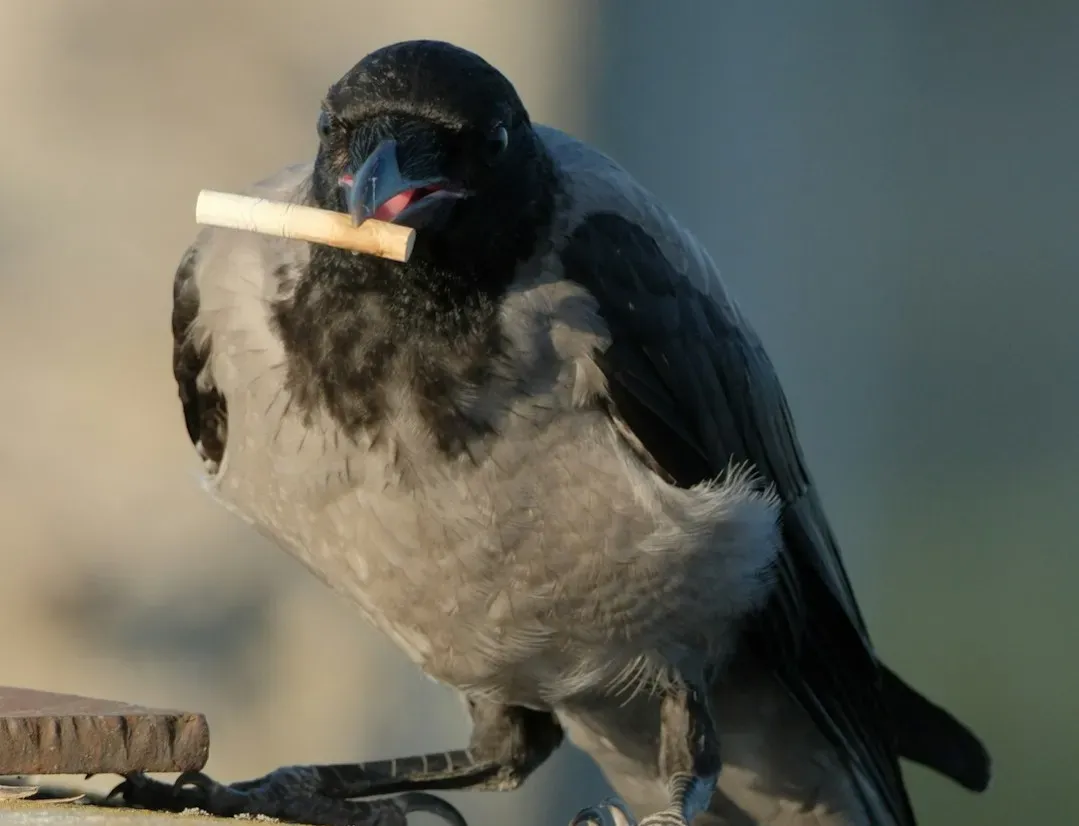
Crows opening lunchboxes, pigeons remembering which subway exits lead to food courts, raccoons figuring out “raccoon-proof” bins – these aren’t cute one-off stories; they’re patterns. Several species in cities show higher levels of problem-solving and innovation compared to rural populations of the same species. Faced with unfamiliar barriers, new food sources, and a constantly shifting environment, the animals that can experiment and learn quickly have a huge advantage. In a way, cities reward curiosity.
Researchers have found, for example, that some urban birds can solve simple puzzles faster than their rural counterparts, like flipping lids or pulling strings to get food. I once watched a city squirrel methodically test different angles on a tricky bird feeder, like a tiny, furry engineer refusing to accept defeat. Urban life is basically a never-ending brain gym: traffic, doors, crowds, sudden noises, and countless human inventions. Over time, that pressure seems to select for animals who are more flexible, bolder, and better at learning new tricks.
6. Changing Diets to Thrive on Fast Food and City Plants
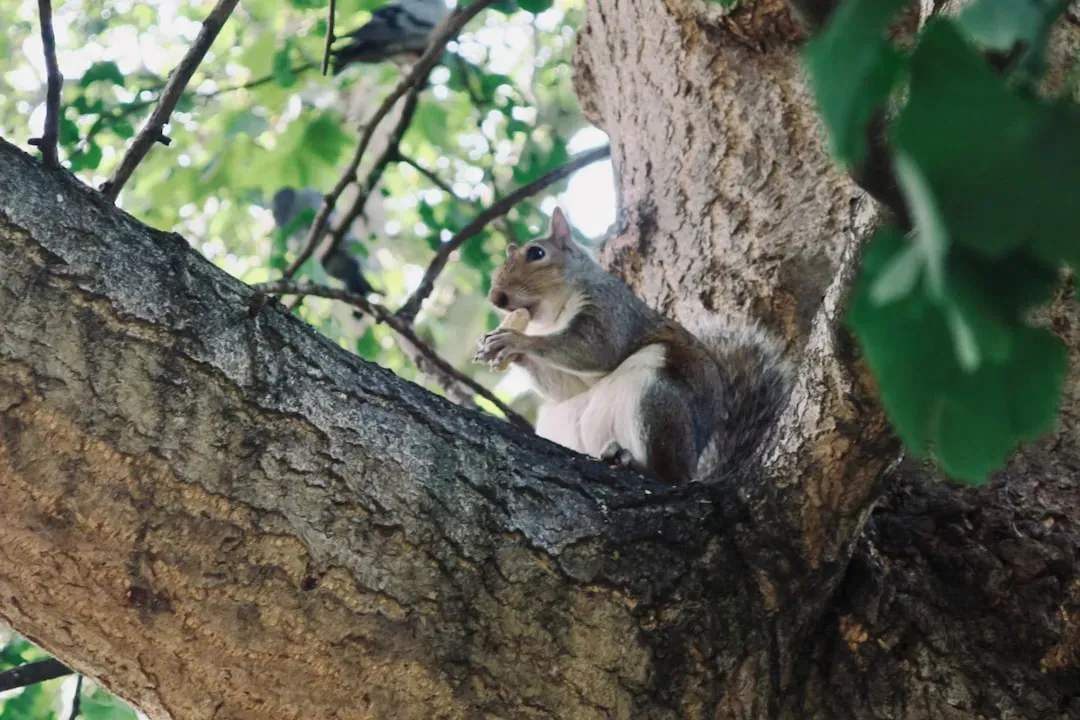
In the wild, a fox might eat small mammals and insects; in the city, it might snack on pizza crusts and chicken bones. Urban animals often expand their diets dramatically, adding human food, exotic garden plants, and even food intended for pets or backyard birds. Pigeons, rats, gulls, and many city birds are famous for eating just about anything, from bread and fries to seeds spilled from pet shops. It’s not exactly a nutritionist-approved menu, but it is calorie-rich, and survival-focused evolution tends to care more about “enough” than “ideal.”
Some species are even adapting to newly planted city trees and ornamental plants, using fruits, nectar, or seeds that aren’t native to the region at all. There are foxes that know which neighborhood has generous compost bins, and parrots in some cities that feed heavily on trees imported from the other side of the world. It’s as if animals have started treating cities like global food markets, sampling whatever humans bring in. The downside, of course, is the risk of poor nutrition or dependence on handouts – but in a harsh environment, flexibility often beats perfection.
7. Tweaking Communication: Louder, Higher, and Smarter Calls
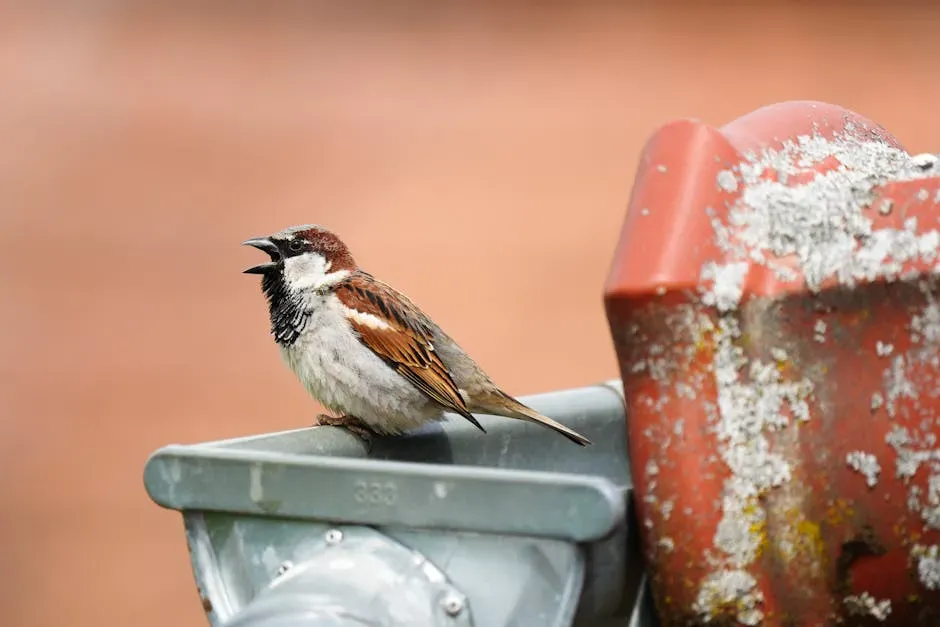
Imagine trying to hold a conversation next to a highway. That’s everyday life for urban birds, frogs, and even some insects. To cope with the constant roar of engines and machinery, several bird species in cities have been found to sing at higher pitches or at different times of day compared to their rural relatives. Higher-frequency sounds can cut through low-frequency traffic noise, making it easier for mates or rivals to hear them. It’s basically the animal version of speaking up at a loud party.
Some birds also adjust the timing of their songs, calling earlier in the morning before rush hour gets going, or using short, repeated notes that are less likely to be drowned out. Urban coyotes and foxes may alter where and when they vocalize, relying more on body language and scent marking in louder zones. Communication is not something animals can simply turn off; it’s essential for finding mates, defending territory, and keeping groups coordinated. So they bend it, stretch it, and adapt it to slip through the cracks in our noise.
8. Exploiting Green Patches and Micro-Habitats like Tiny Wild Parks
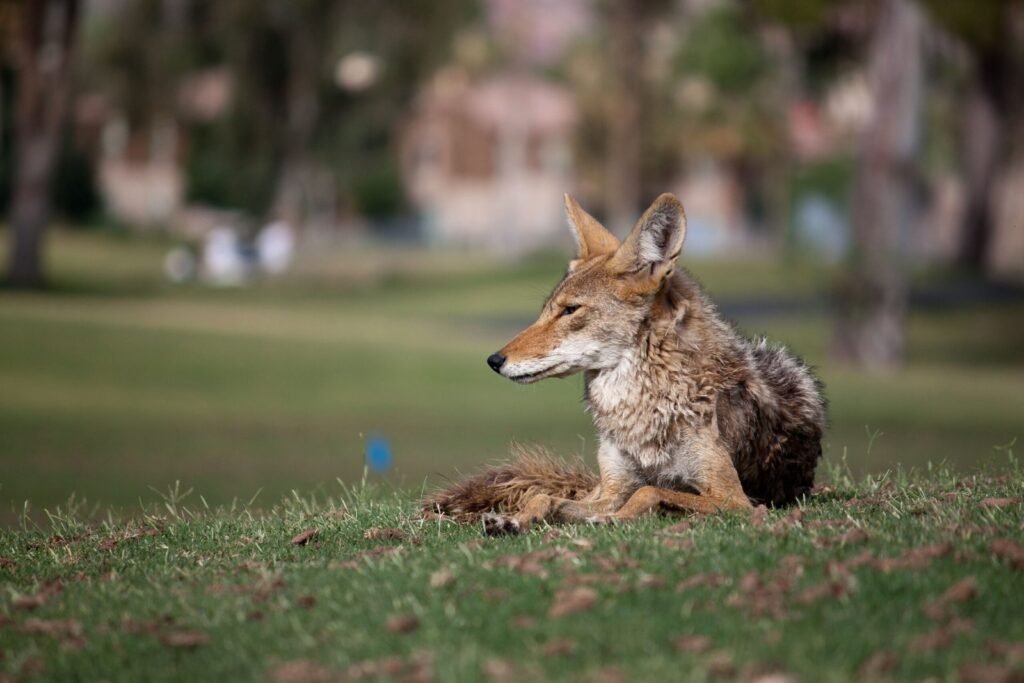
From our perspective, a city park can feel like a token patch of green – a nice break from concrete. To animals, those patches are lifelines. Urban wildlife clusters around parks, cemeteries, empty lots, riversides, and even rooftop gardens, stitching them together into networks of habitat. A single overgrown vacant lot can become a hunting ground for foxes, a nesting site for birds, and a foraging spot for insects, all quietly cooperating in an invisible web of life. It’s like a fragmented forest laid over a grid of streets.
What’s fascinating is how animals use the spaces in between too. Railway lines, canal edges, roadside verges, and drainage ditches become corridors that connect larger green spots. Some species time their movements to quieter hours, dashing between safe zones under cover of darkness. While we see the city as blocks and districts, many animals see it as islands and bridges. That perspective has even started influencing urban planning, with some cities deliberately creating “wildlife corridors” to support the species that have made themselves at home.
9. Losing Fear of Humans (Just Enough to Benefit)
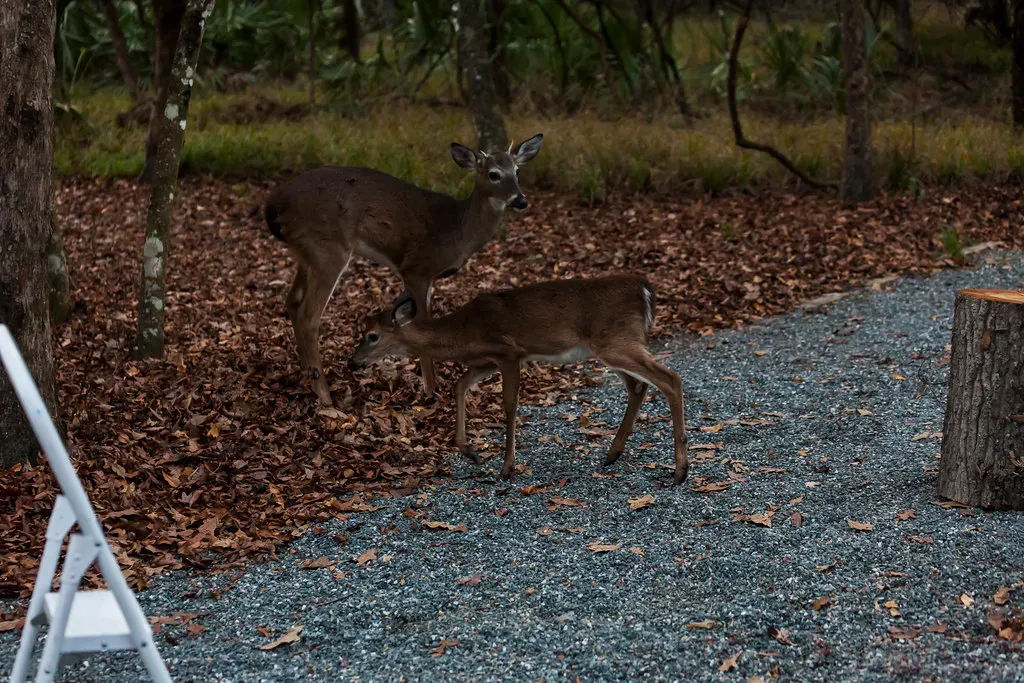
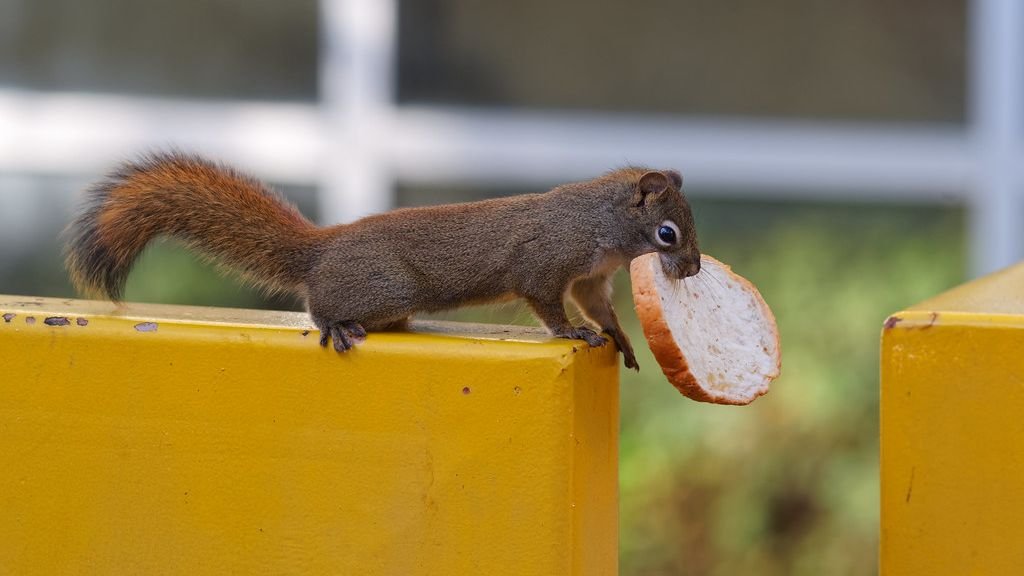
In rural areas, many animals bolt at the first hint of a human silhouette. In cities, though, animals that remain constantly terrified simply waste too much energy or miss opportunities. Over generations, some urban populations become noticeably bolder and more tolerant of people standing nearby, driving past, or even sharing the same bench. Think of squirrels that practically pose for photos, pigeons that stroll through crowds, or foxes that trot down sidewalks a few meters from pedestrians. They’re not tame, but they are calculating the real level of risk very differently.
This loss – or softening – of fear is a delicate balance. Too much fear, and an animal misses easy food and safe shelter; too little, and it risks cars, dogs, or people who are not so friendly. The most successful species seem to have hit a sweet spot: wary enough to flee when something feels off, relaxed enough to forage and move in our presence. It’s slightly humbling to realize that while we debate how we feel about them, they’re constantly fine-tuning how they feel about us.
10. Using Roads, Rails, and Even Our Rules to Get Around
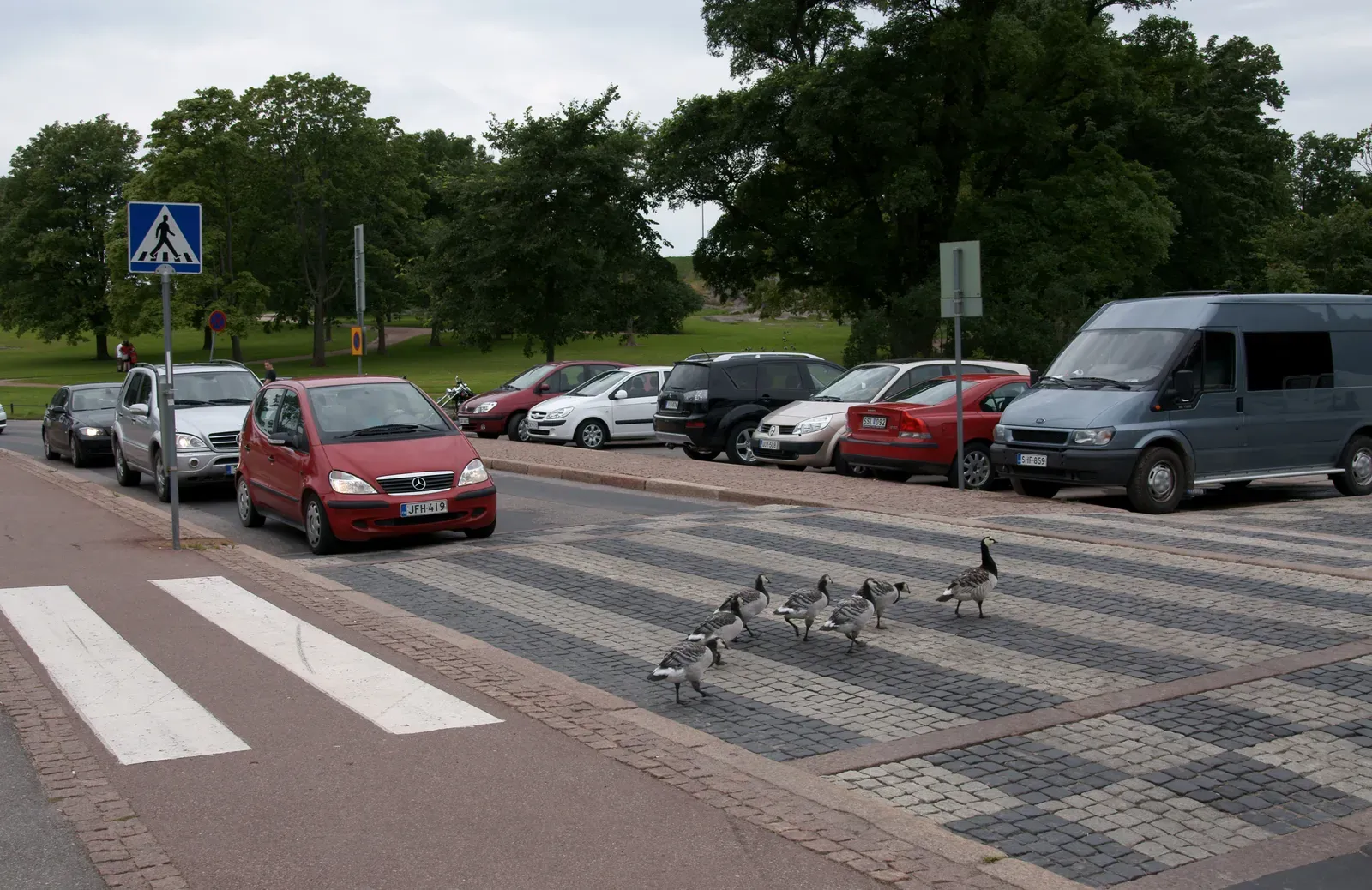
Urban animals are not just avoiding our infrastructure; some are actively using it. There are documented cases of birds learning to ride air currents around tall buildings, gulls following fishing boats into harbors, and even mammals using roadside verges as travel lanes. In some cities, monkeys and dogs have learned rough traffic patterns, crossing at calmer times or following people across streets as living “crosswalk signals.” The rules we create for ourselves – stoplights, crosswalks, predictable commuting peaks – accidentally create patterns that attentive animals can exploit.
Rodents and small mammals sometimes move along subway tunnels, culverts, and storm drains to avoid open spaces where predators (including humans) could spot them. Meanwhile, predators like hawks and falcons use tower blocks and light poles for perfect hunting vantage points over open plazas and roads where prey is exposed. The city’s hard edges become guide rails for movement, like rivers carved in concrete. Once you understand that, you can’t unsee it – you start spotting the paths animals trace through the same streets you thought belonged only to you.
Conclusion: A New Kind of Wild Right Outside the Window
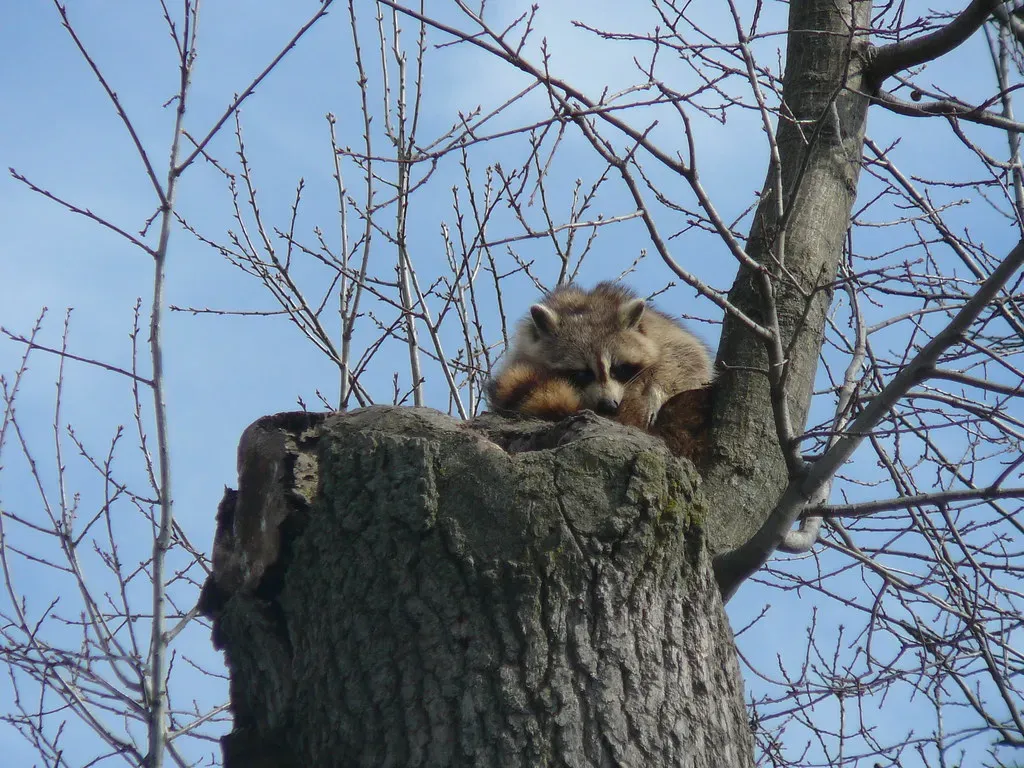
Urban wildlife shatters the old idea that nature is somewhere far away, behind a fence or at the end of a hiking trail. It’s under the bridge, in the alley, on the window ledge, and underneath the patio deck, rewriting survival strategies in real time. Some of these adaptations are inspiring – creative, flexible, almost eerily clever. Others are more troubling, especially when animals end up dependent on junk food, choked by pollution, or pushed into dangerous contact with people. The city is both opportunity and trap, and animals are constantly negotiating that edge.
The bigger question might be what we do with this knowledge. We can keep pretending cities are “ours,” or we can admit they’ve become shared landscapes where our choices shape evolution every day. That realization can be unsettling, but also oddly hopeful: if animals can adapt this fast, maybe we can adjust too, making room for a smarter, healthier coexistence. Next time you see a pigeon on a ledge or a fox at dusk, will you see a nuisance – or a survivor rewriting the rules in the shadows of our skyscrapers?