PlanetWaves Ushers in New Era of Wave Prediction (Image Credits: Unsplash)
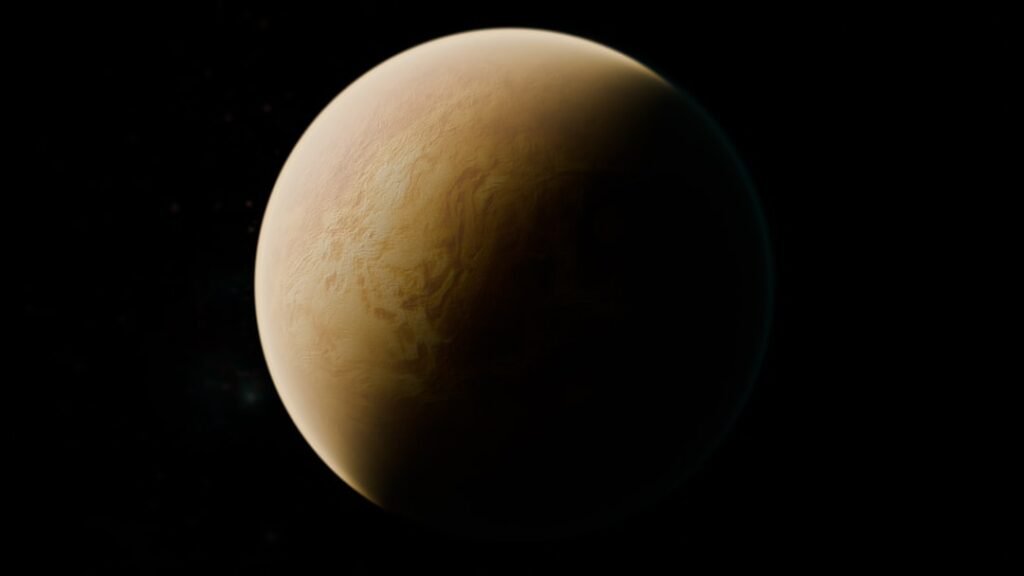
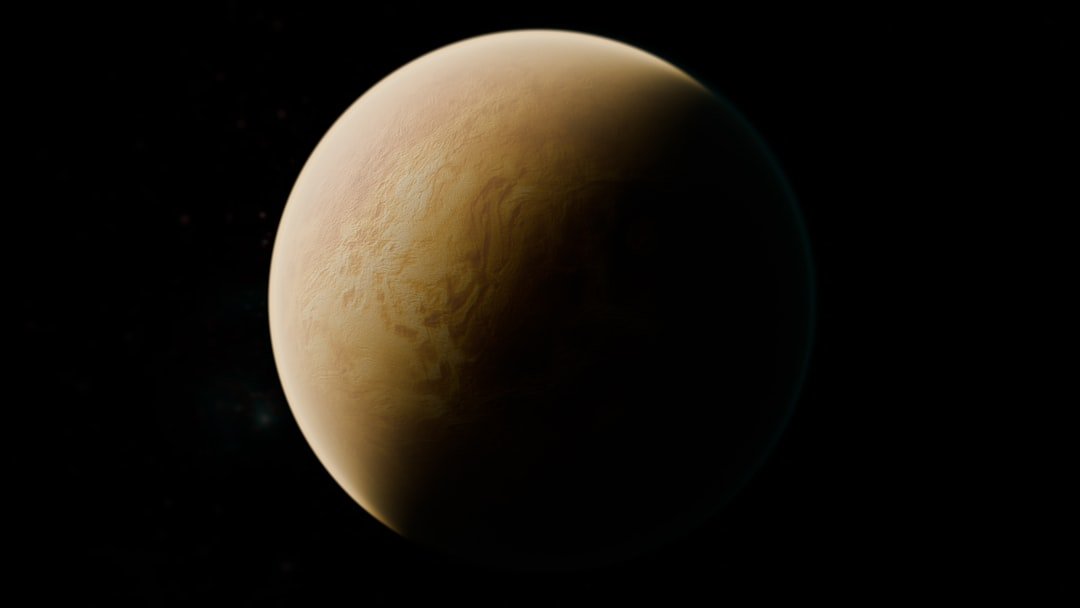
Saturn’s largest moon, Titan, stands out as the only world besides Earth with confirmed surface liquids in the form of hydrocarbon lakes. Researchers at MIT have unveiled a pioneering model that forecasts how even soft breezes on Titan might generate waves up to 10 feet tall. This simulation reshapes understanding of extraterrestrial water bodies and their influence on planetary surfaces.
PlanetWaves Ushers in New Era of Wave Prediction
MIT scientists introduced PlanetWaves, the first comprehensive tool designed to simulate wind-driven waves across diverse worlds. The model integrates a planet’s gravity, the liquid’s density, viscosity, surface tension, and atmospheric pressure to predict wave formation from initial ripples onward. Developers validated it against two decades of wave measurements from buoys on Lake Superior, confirming accurate forecasts under Earth’s conditions.
Una Schneck, a graduate student in MIT’s Department of Earth, Atmospheric and Planetary Sciences and lead author, highlighted the innovation. Previous efforts focused mainly on gravity’s role, she noted, but overlooked liquid composition. PlanetWaves fills this gap, enabling reliable projections for alien environments.[1]
Titan’s Lakes Respond Dramatically to Light Winds
Titan’s lakes, brimming with lightweight methane and ethane, react far more intensely than Earth’s waters to the same winds. Low gravity and sparse atmospheric pressure allow gentle gusts to build towering waves that move in exaggerated slow motion. A observer on the shore might sense only a mild zephyr while watching massive swells approach.
“If you were standing on the shore of this lake, you might feel only a soft breeze but you would see these enormous waves flowing toward you,” Schneck explained. Cassini mission radar previously revealed these lake formations, but direct wave observations remain elusive. The model now provides a crucial glimpse into their behavior.
From Ancient Mars to Exotic Exoplanets
PlanetWaves extends its reach to other bodies, revealing varied wave dynamics. On ancient Mars, diminishing atmospheric pressure demanded fiercer winds to sustain waves in sites like Jezero Crater. Exoplanets present even starker contrasts based on their unique liquids and forces.
| World | Liquid Type | Wind Needed for Waves |
|---|---|---|
| Titan | Light hydrocarbons | Gentle breeze (10-foot waves) |
| Ancient Mars | Water | Stronger winds as pressure fell |
| LHS1140b | Water (assumed) | Earth-like winds yield smaller waves |
| Kepler 1649b | Sulfuric acid | High winds for basic ripples |
| 55 Cancri e | Liquefied rock | Hurricane-force (80 mph) for cm-high waves |
Taylor Perron, Cecil and Ida Green Professor at MIT, emphasized the model’s breadth: “Anywhere there’s a liquid surface with wind moving over it, there’s potential to make waves.”
Deciphering Titan’s Enigmatic Shorelines
Waves likely sculpt Titan’s coasts in unfamiliar ways, explaining the scarcity of river deltas despite evident waterways. On Earth, sediments pile into deltas at river mouths, but Titan’s powerful swells may scatter them differently. This insight could resolve long-standing geological riddles from Cassini data.
“Unlike on Earth where there is often a delta where a river meets the coast, on Titan there are very few things that look like deltas,” Perron observed. “Could waves be responsible for this?” Andrew Ashton, an associate scientist at Woods Hole Oceanographic Institution, added that the tool challenges earthly biases in planetary studies.
Key Takeaways:
- PlanetWaves accurately models waves by factoring in gravity, liquid properties, and atmosphere.
- Titan’s gentle winds produce outsized 10-foot waves due to low gravity and light hydrocarbons.
- Implications span Titan’s landscapes, Mars history, exoplanet oceans, and mission designs.
This model not only illuminates Titan’s dynamic lakes but also equips future explorers with vital data for robust landers. As missions to these worlds advance, understanding wave forces will prove essential. What mysteries might Titan’s waves still conceal? Share your thoughts in the comments.