
Think about the harshest places on Earth for a second: thin air on a towering mountain, searing desert heat, crushing depths of the ocean, or the eerie stillness of outer space. Now imagine your body not just surviving there, but quietly rewiring itself so you can function better than you ever thought possible. That sounds like science fiction, but it is exactly what your body is built to do.
As you move through different environments, your heart, lungs, blood, brain, and even your cells are constantly making small tweaks and, over time, huge upgrades. You might not feel it day to day, but your body is basically a tireless engineer, always testing, adjusting, and optimizing to keep you alive. Once you understand how many hidden systems jump into action for you, it is hard not to feel a bit of awe every time you take a breath.
1. Supercharging Your Blood at High Altitude
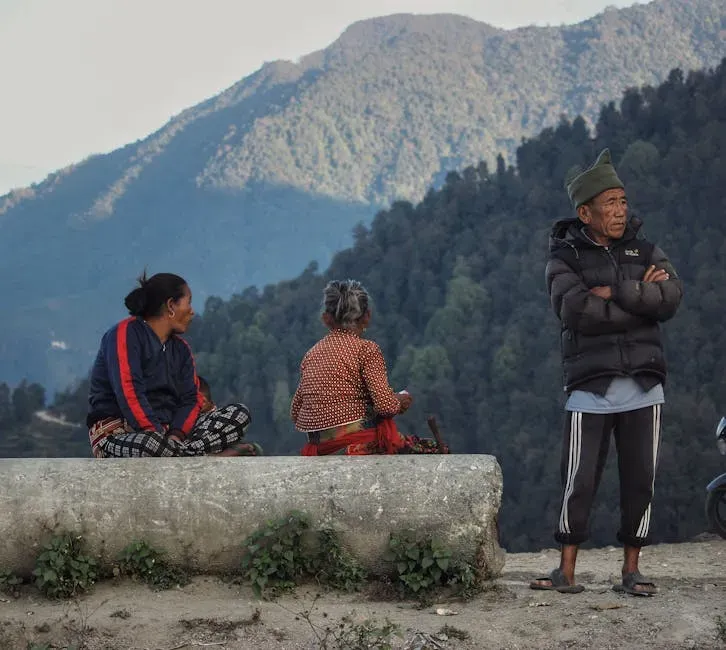
When you climb to high altitudes, the air feels thin because there is less oxygen in every breath you take. At first, you might feel dizzy, short of breath, or get a pounding headache. What you do not see is your body going into emergency overhaul mode, scrambling to grab every bit of oxygen it can from the environment and deliver it where it is needed most. Your breathing rate increases, your heart pumps faster, and your body prioritizes your brain and vital organs.
Stay at altitude for days to weeks, and the changes get far more dramatic. You start making more red blood cells so you can carry more oxygen with each heartbeat, and your blood’s main oxygen-carrying protein, hemoglobin, becomes more effective at picking up and delivering that oxygen. Tiny blood vessels in your muscles can grow and become more efficient, so your tissues learn to live on less. You might feel wiped out when you first arrive, but give it time and you are suddenly hiking or working in thin air that would have floored you before.
2. Turning Into a Heat-Handling Machine in Extreme Heat

If you have ever gone from a cool climate to a blistering hot one, you know how miserable those first days can feel. Your heart races, sweat pours off you, and even small tasks feel exhausting. But if you stick with it, your body gradually learns how to handle the heat with far less drama. You start to sweat earlier and more efficiently, so you cool down faster without wasting as much fluid and salt. Your circulation improves, shunting more blood to your skin so heat can escape.
Inside, your body gets better at controlling your core temperature, almost like upgrading from a cheap thermostat to a high-end climate control system. Your heart does not have to work as hard, and your overall strain for the same workload drops. That is why someone who lives in a desert or trains in hot conditions can function in temperatures that would flatten you on day one. With repeated exposure and smart hydration, you really can transform into someone who feels almost at home in the heat.
3. Conserving Every Drop in Desert Dryness
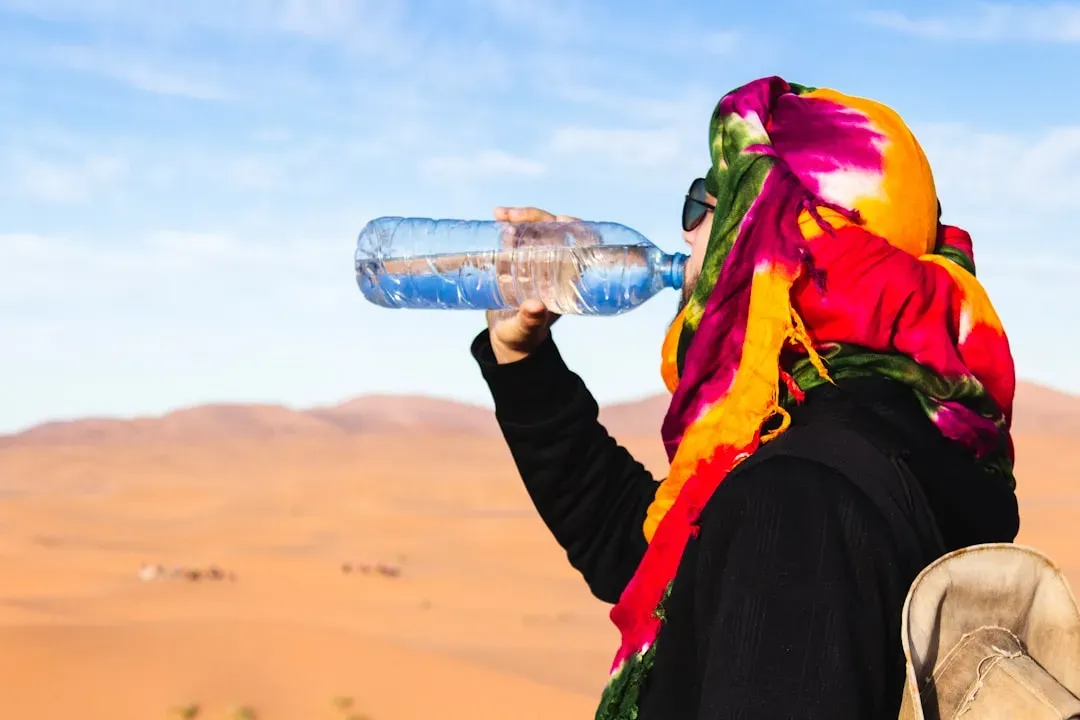
In brutally dry or desert environments, staying hydrated becomes a full-time job for your body. You lose water with every breath and every bead of sweat, and there is often not much around to replace it. In response, your kidneys step up as your personal water-management experts, concentrating your urine so you lose less fluid, and holding onto essential salts more tightly. Hormones kick in to regulate how much water you keep or release, constantly balancing your internal chemistry.
You also unconsciously change small habits: you might move slower, seek shade more often, and instinctively drink whenever you get the chance. Over time, your body can become more efficient at sweating just enough to cool you down without wasting as much fluid, and you may feel fewer wild swings between feeling fine and feeling desperate for water. These adjustments do not make you invincible in the desert, but they give you a fighting chance to keep going in conditions that would otherwise dehydrate you frighteningly fast.
4. Becoming Surprisingly Cold-Hardy in Freezing Conditions

Cold hits you like a shock at first: your fingers burn, your teeth chatter, and you just want to get back inside. But if you repeatedly expose yourself to cold in a controlled way, your body starts making subtle but powerful changes. You begin to shiver less for the same temperature, and your body gets better at generating heat in other ways, including through a type of tissue called brown fat. This special fat burns energy specifically to create warmth, acting like a built-in space heater.
Your blood vessels in your skin also learn a smarter pattern: they constrict to preserve heat, then periodically open to keep your tissues from getting damaged, cycling in a way that protects both warmth and function. Over time, you might notice your tolerance improving; what once felt unbearable now just feels uncomfortably manageable. You still need proper clothing and precautions, but your internal systems stop panicking as much and start working with the environment instead of against it.
5. Remodeling Your Heart and Lungs for Endurance

Spend enough time doing hard physical work in challenging environments – high mountains, hot climates, or even just demanding training – and your heart and lungs literally remodel themselves. Your heart muscle can become stronger and more efficient, able to pump more blood with each beat so it does not need to pound as fast. Your lungs can improve their capacity and the efficiency with which they exchange oxygen and carbon dioxide, especially when you consistently push yourself just outside your comfort zone.
This remodeling does not happen overnight, but the payoff is huge. You start to notice that activities which once left you gasping now barely raise your heart rate. You recover faster between efforts, and you can sustain work in harsh conditions for longer bursts. In effect, you are building an internal engine that can operate reliably in situations that used to feel extreme, which is exactly why acclimatization and gradual training matter so much when you are heading somewhere tough.
6. Rewiring Your Brain to Handle Stress and Sensory Overload

Extreme environments are not only hard on your body; they are brutal on your mind. Whether you are surrounded by endless snow, trapped in a noisy industrial setting, or dealing with isolation and darkness, your brain has to filter an onslaught of stress. Over time, your nervous system can adapt by dialing down its response to constant stimuli, so sounds, sights, or sensations that once felt overwhelming start to fade into the background. You become less jumpy and more focused on what actually matters for your survival.
Your stress response can also shift. At first, your body might release a surge of stress hormones at every challenge, leaving you exhausted and drained. With repeated exposure and experience, that reaction can become more targeted and controlled; you still react, but more like a seasoned firefighter than a startled rookie. You learn patterns, your brain recognizes what is truly dangerous versus just uncomfortable, and your emotional swings often smooth out. In a very real sense, you are training your brain to stay sharp instead of panicked when the environment refuses to cooperate.
7. Strengthening Skin and Tissues as a Living Armor

Your skin is the frontline soldier between you and the environment, and it adapts more than you probably realize. In sunny, high-UV environments, your skin can produce more melanin, which gives you a darker tone and offers some protection against radiation damage. In rough, abrasive, or high-friction conditions, your skin thickens and forms calluses, turning soft spots into tougher, more resilient surfaces. It is your body’s way of building armor exactly where you need it.
Under the skin, your tendons, ligaments, and connective tissues also respond to repeated stress from terrain, temperature, and movement. With ongoing loading and proper recovery, they can become stronger and better aligned, helping you handle uneven ground, heavy loads, or awkward movements that are common in extreme environments. Of course, push too far too fast and you risk injury, but when you gradually expose yourself, you are literally upgrading the materials that hold you together in the face of physical hardship.
8. Tuning Your Metabolism to Scarce or Unusual Food
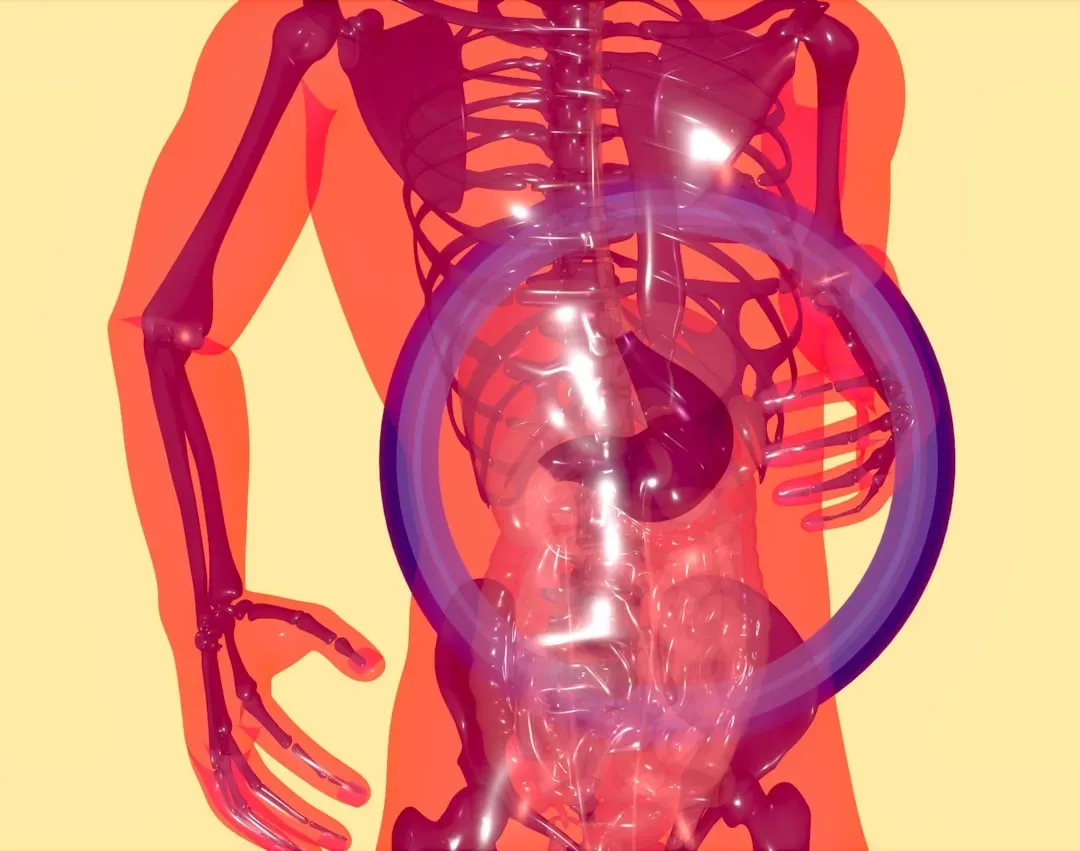
Harsh environments often mean unpredictable access to food, and your body has a remarkably flexible metabolism to cope with that. When food is scarce or your eating pattern changes dramatically, your body can slow down certain processes, prioritize essential functions, and tap into stored energy in fat and muscle. Hormones that regulate hunger and fullness shift, trying to nudge you toward behaviors that conserve energy and keep you alive longer on less fuel.
In some environments, you might take in very different types of food than you are used to – more fat, more protein, fewer carbohydrates, or vice versa. Your digestive system and enzymes can adapt to make better use of what you actually have, and your gut microbiome can shift toward bacteria that excel with that diet. You might feel sluggish or off at first when your fuel source changes, but over time, your body gets better at extracting every bit of usable energy out of whatever is available, a quiet survival trick you rarely notice until you push your limits.
9. Adjusting Your Internal Clock to Extreme Light and Darkness

In places where the sun barely rises or barely sets – far north, far south, or even in underground or isolated settings – your sense of time can get completely scrambled. Your internal clock, which normally follows a rough twenty-four-hour cycle, relies heavily on light and darkness as anchors. When that pattern disappears, your body starts to lean more on other cues like meal timing, activity, and social routines. If you create consistent habits, your internal rhythms can re-sync even when the sky offers no guidance.
Your sleep, hormone release, body temperature, and even mood all depend on this internal timing system. In extreme light or dark environments, you may initially feel wired at night, sleepy at odd hours, or emotionally off-balance. With deliberate structure – regular wake times, meal schedules, and controlled light exposure – your body can gradually reset. You are essentially teaching your biology a new definition of day and night, which is why people working in polar regions, submarines, or space stations rely so heavily on strict routines.
10. Facing Microgravity and the Challenge of “No Weight”
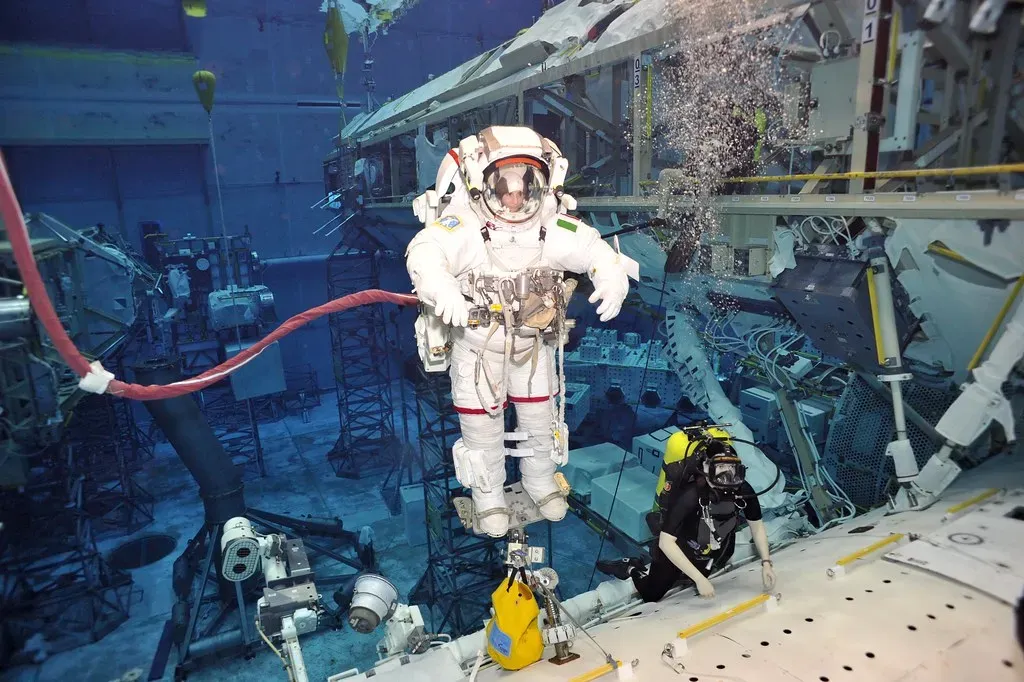
In space or in microgravity environments, your body encounters something it has never evolved to handle: the near absence of weight. Without gravity constantly pulling you down, your bones and muscles do not get their usual load-bearing signals, and they quickly begin to lose density and strength. Your body is not being lazy; it is simply adapting to what it senses as the new normal, trimming away what it thinks is extra capacity that you no longer need in that environment.
To counter this, astronauts use intense exercise and other strategies to remind their bones and muscles that they are still needed. Your fluid distribution also changes; more fluid shifts toward your upper body and head, affecting your face, eyes, and cardiovascular system. When you eventually return to gravity, you feel weak and unstable at first, but over weeks and months your body can re-adapt, rebuilding strength and recalibrating balance. It is a powerful reminder that your body is always listening to the environment and reshaping itself in response.
Conclusion: Your Body Is More Extreme Than You Think
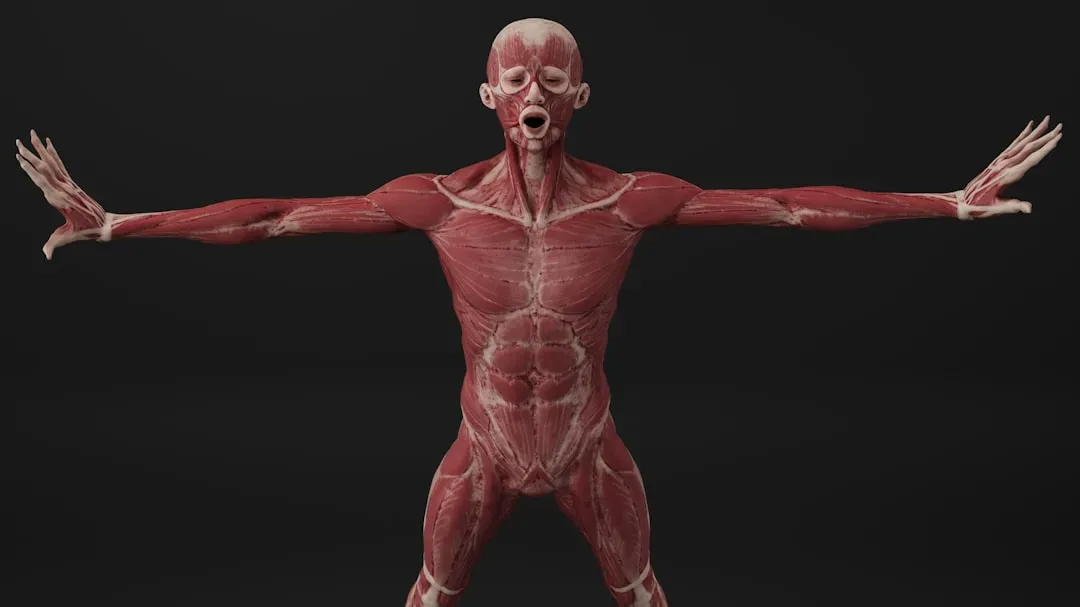
When you zoom out and look at all these adaptations together, you start to see your body less as a fragile machine and more as a living, learning system. High altitude, scorching heat, bitter cold, isolation, strange schedules, and even microgravity all push you in different ways, yet the same underlying theme keeps showing up: you are built to adjust. You may not always feel strong in the moment, but your cells, organs, and brain are constantly rewriting the rules to keep you going.
I still remember the first time I felt that shift myself – struggling for breath on a mountain one day, then, a week later, walking the same path with surprising ease. It drove home how much quiet work your body does behind the scenes while you complain, doubt, or push forward anyway. So the next time you find yourself in an environment that feels impossibly harsh, it might help to remember this: your body has been preparing for extremes far longer than you have. Knowing that, what new environment would you actually dare to let yourself adapt to?