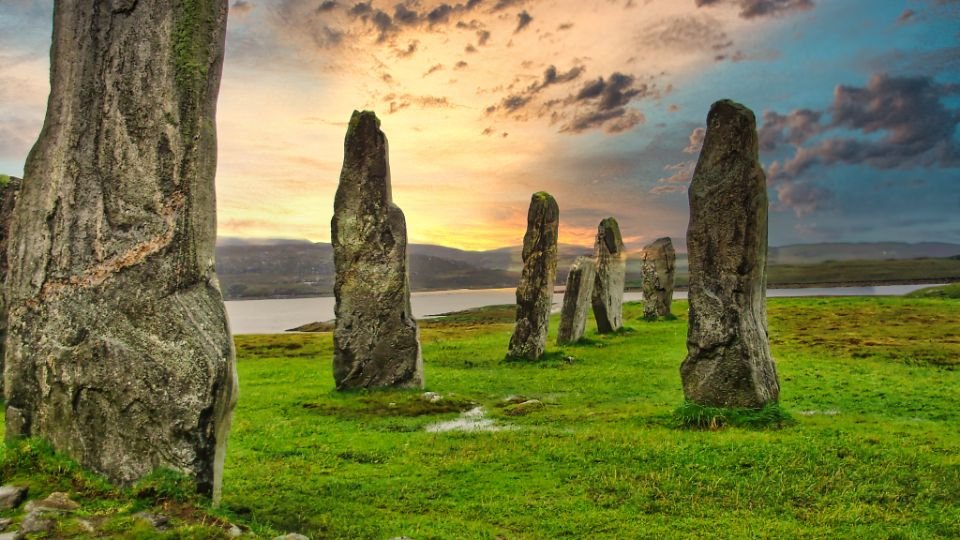

You probably like to think that by now, with satellites, lasers, and labs that can date a single grain of sand, humanity has history more or less figured out. Then you stumble across a site that looks like it belongs in a fantasy novel rather than a textbook, and you realize just how patchy your knowledge of the past still is. Some places refuse to give up their secrets, no matter how carefully you excavate them or how many theories you stack on top.
The seven sites you’re about to walk through are not just old ruins; they’re open questions carved in stone. You’ll meet cities that seem too advanced for their time, ocean-floor structures that might not even be man-made, and temples that appear centuries before you’re “supposed” to see anything so complex. As you read, pay attention to how often the honest answer from specialists is: “We’re still not sure.” That gap between evidence and explanation is where your imagination starts to wake up.
Göbekli Tepe: A Monument That Shouldn’t Exist (But Does)
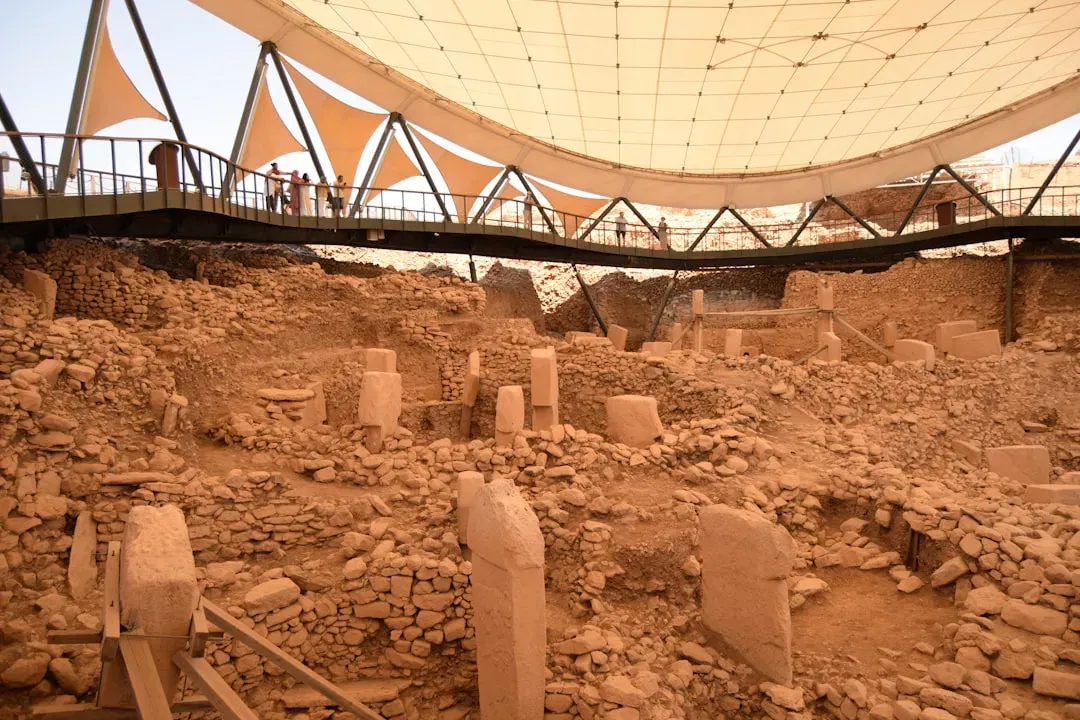
If you could time‑travel back about eleven thousand years to southeastern Turkey, Göbekli Tepe would shatter your expectations of what early humans were capable of. Here you’re looking at ring after ring of towering T‑shaped stone pillars, some nearly the height of a small house, weighing many tons, carved with foxes, snakes, wild boars, vultures, and abstract symbols. This is deep prehistory, well before pottery, metal, or what you normally think of as settled village life, yet someone organized huge work crews, quarried stone, moved it uphill, and planned a layout with a clear architectural vision. ([arxiv.org](https://arxiv.org/abs/1307.8397?utm_source=openai))
What really unsettles archaeologists – and you, once you sit with it – is that the usual story runs the other way around: first farming and stable villages, then temples and large ceremonial centers. Göbekli Tepe seems to flip that script, hinting that shared ritual or belief may have been the glue that persuaded scattered hunter‑gatherers to band together in one place. No houses, hearths, or everyday trash have turned up in the main enclosures, so you’re likely looking at a sacred complex rather than a town. The site was also deliberately buried in ancient times, as if the builders decided to entomb their masterpiece, leaving you with a monument that rewrites the timeline and still refuses to tell you exactly what story it was built for. ([arxiv.org](https://arxiv.org/abs/1307.8397?utm_source=openai))
Nan Madol: A Stone City Floating on the Pacific
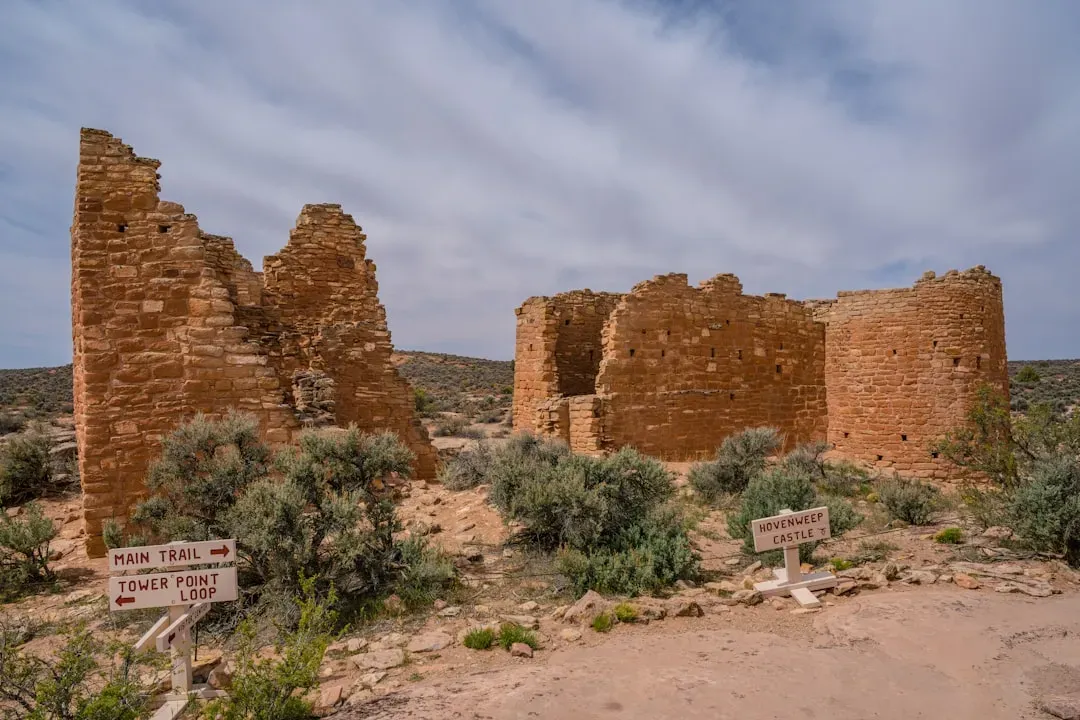
Picture yourself approaching a remote Micronesian island and seeing a maze of dark basalt blocks rising straight out of tidal canals, like a flooded fortress from some forgotten epic. That’s Nan Madol, built on a series of artificial islets off Pohnpei, and it feels wrong in all the best ways. You see walls stacked from long, prismatic stones resembling giant logs of stone, some weighing several tons, arranged to form platforms, tombs, and compounds linked by narrow waterways. No wheels, no draft animals, just people somehow quarrying and rafting this material across the reef to assemble a city in the sea. ([en.wikipedia.org](https://en.wikipedia.org/wiki/Nan_Madol?utm_source=openai))
What puzzles you is not just the raw effort, but the motivation. Archaeologists connect Nan Madol with the island’s Saudeleur dynasty, a chiefly elite that ruled over the surrounding population, yet you still do not have a clear explanation for why they chose such a logistically brutal place to construct their political and ritual center. Oral traditions are rich but often symbolic, and written records are absent. You can map out high‑status tombs and ceremonial spaces, but you’re still left wondering how many people actually lived there, how they managed food and fresh water, and why this maritime stone labyrinth was abandoned long before outsiders wrote anything down. ([en.wikipedia.org](https://en.wikipedia.org/wiki/Nan_Madol?utm_source=openai))
Yonaguni Monument: Natural Rock or Sunken Architecture?
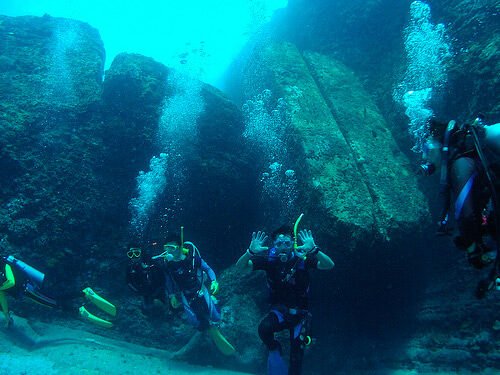
Now imagine descending beneath the waves off Japan’s Yonaguni Island and watching a massive stepped structure loom out of the blue, its terraces, sharp corners, and flat platforms looking eerily like a drowned pyramid complex. As you swim around, you see straight edges, right angles, and features that resemble stairways and plazas, which makes it easy to feel like you’re hovering over a sunken city. This formation sits about twenty to twenty‑five meters below the surface, which would mean, if humans carved it, they did so when sea levels were lower, long before any known Japanese monumental architecture appears in the record. ([timesofindia.indiatimes.com](https://timesofindia.indiatimes.com/life-style/travel/5-unsolved-archaeological-mysteries-from-around-the-world/articleshow/125635164.cms?utm_source=openai))
Here’s where it gets messy for you: geologists point out that sandstone can fracture into blocky steps and ledges, while some divers and alternative researchers insist the symmetry is too neat to be natural. Archaeologists, caught between these camps, admit that no confirmed tools, inscriptions, or cultural material directly tied to the structure have turned up on the seabed. So you’re staring at a Rorschach test in rock – your brain is wired to see patterns, and the ocean is very good at carving illusions. Whether you lean toward natural formation, human modification, or a blend of both, you’re dealing with a site whose very status as an “ancient monument” still sparks debate in professional circles. ([timesofindia.indiatimes.com](https://timesofindia.indiatimes.com/life-style/travel/5-unsolved-archaeological-mysteries-from-around-the-world/articleshow/125635164.cms?utm_source=openai))
Plain of Jars: Megaliths Without a Manual
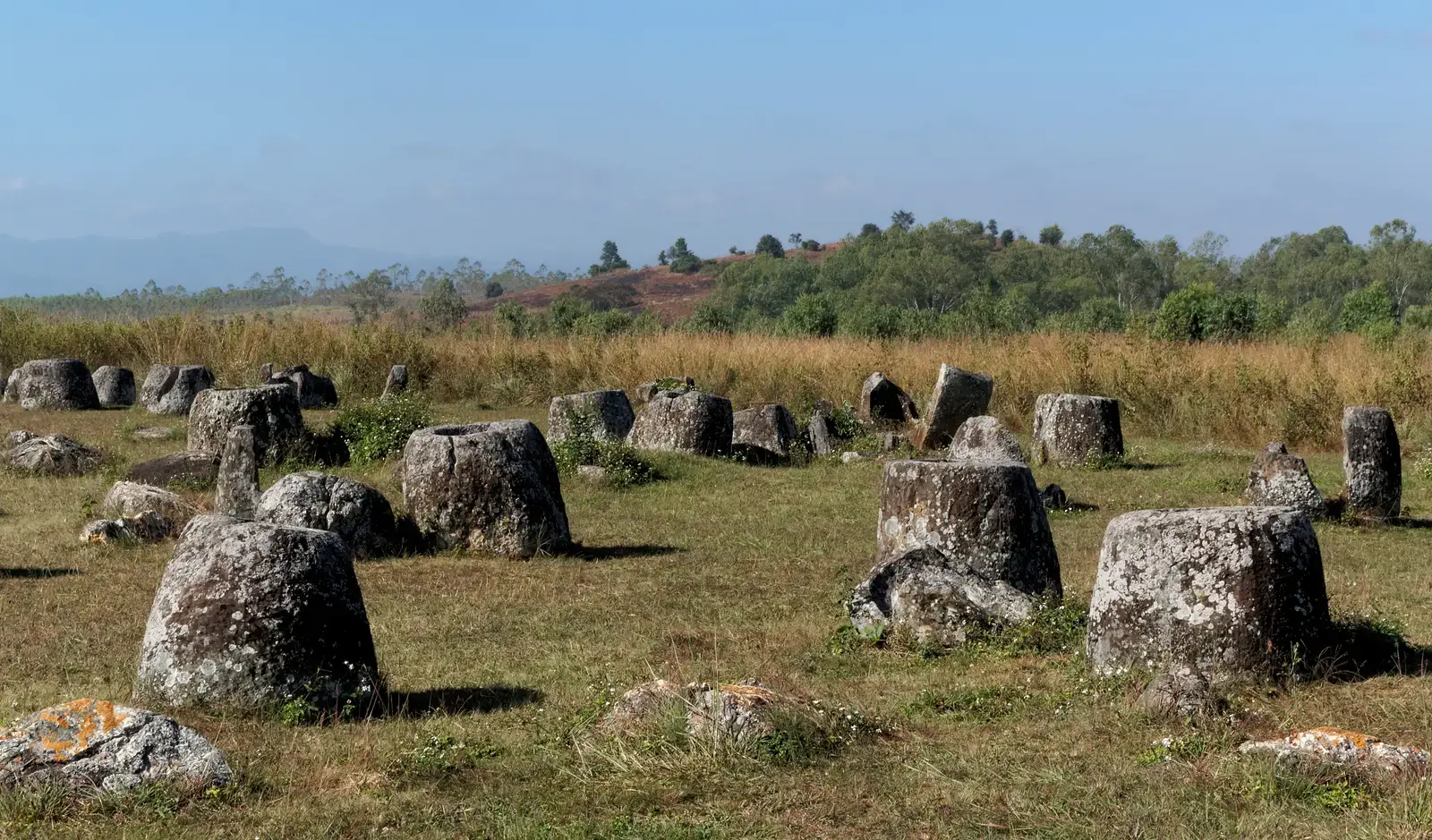
Travel with your imagination to the rolling hills of Laos, where thousands of massive stone jars lie scattered like a giant’s forgotten drinkware collection. Some are taller than you are, many weigh several tons, and they’re clustered in fields, on ridges, and along ancient routes with no surviving written explanation. When you stand among them, you feel that unmistakable sense that everything meant something very specific to the people who carved and placed them, yet time has stolen the operating instructions. Dating and limited excavations suggest an Iron Age culture, and you find burial remains and grave goods in association with some jar sites, pointing toward funerary or ritual use. ([timesofindia.indiatimes.com](https://timesofindia.indiatimes.com/life-style/travel/5-unsolved-archaeological-mysteries-from-around-the-world/articleshow/125635164.cms?utm_source=openai))
Even with that, big questions gnaw at you. How were the jars moved from quarries to their final locations without beasts of burden or wheels? Why do some areas hold dense clusters while others are sparser? And what exactly happened inside or around each jar – were bones placed within, offerings left nearby, or did they mark processional paths you can no longer see? Modern research is hampered by unexploded ordnance from twentieth‑century conflicts, which means parts of the landscape are still dangerous to investigate. So the jars sit in the grass, weathering slowly, while archaeologists work around both modern hazards and ancient silences to piece together a story you still only glimpse in fragments. ([timesofindia.indiatimes.com](https://timesofindia.indiatimes.com/life-style/travel/5-unsolved-archaeological-mysteries-from-around-the-world/articleshow/125635164.cms?utm_source=openai))
Tiwanaku and Puma Punku: Precision at the Edge of the Altiplano
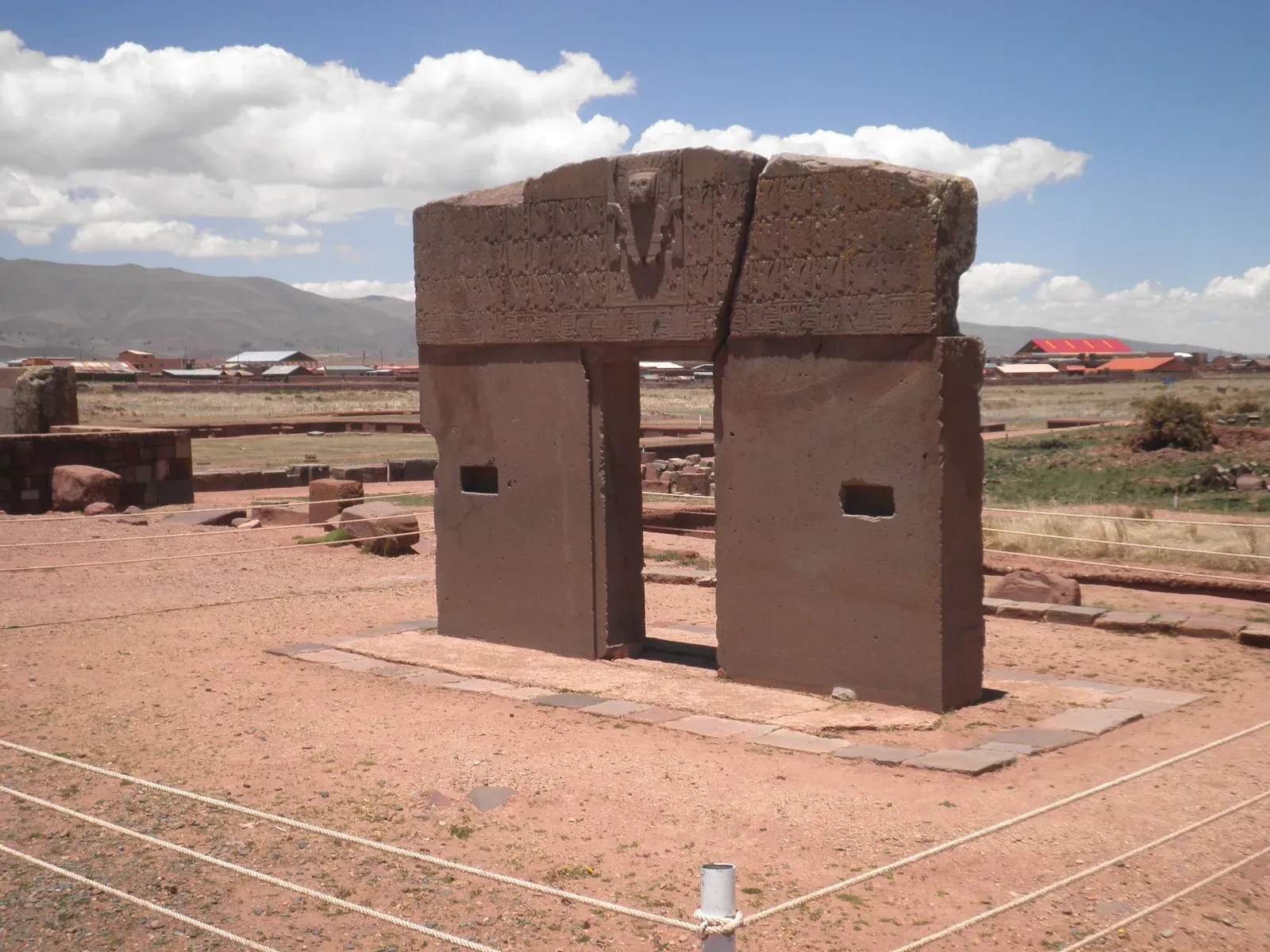
At nearly four thousand meters above sea level near Lake Titicaca in Bolivia, you step into the ruins of Tiwanaku and, nearby, the smaller but even stranger complex of Puma Punku. Here you’re not just looking at big stones; you’re looking at stones shaped with a level of precision that makes you instinctively check the date twice. You see finely cut andesite blocks with interlocking profiles, sharp corners, and repeated geometric motifs that slot together like three‑dimensional puzzles, along with massive foundation slabs that may have weighed dozens of tons. All of this appears in a civilization that flourished roughly between the first millennium before the common era and the early second millennium of the common era, long before Spanish chroniclers ever wrote the region into their histories. ([historysnob.com](https://www.historysnob.com/places/20-ancient-architectural-marvels-no-one-can-explain?utm_source=openai))
Archaeologists can tell you that Tiwanaku was a powerful ceremonial and political center, influencing vast stretches of the Andes with its art, religion, and agricultural systems, yet you still do not have a neat explanation for some of the construction choices at Puma Punku. The quarries are distant, the altitude is unforgiving, and the tool marks suggest skilled stoneworking techniques using stone and metal tools rather than anything exotic, but replicating that accuracy with replica tools is not trivial. Add in evidence that parts of the complex were deliberately dismantled or violently damaged, and you’re left wondering what sort of upheaval hit this high‑altitude society. You can model the engineering and chart trade networks, but the exact rituals, beliefs, and political struggles that drove people to carve such perfect blocks on a windswept plain remain largely opaque to you. ([historysnob.com](https://www.historysnob.com/places/20-ancient-architectural-marvels-no-one-can-explain?utm_source=openai))
Ħal‑Saflieni Hypogeum: An Underground Enigma in Malta
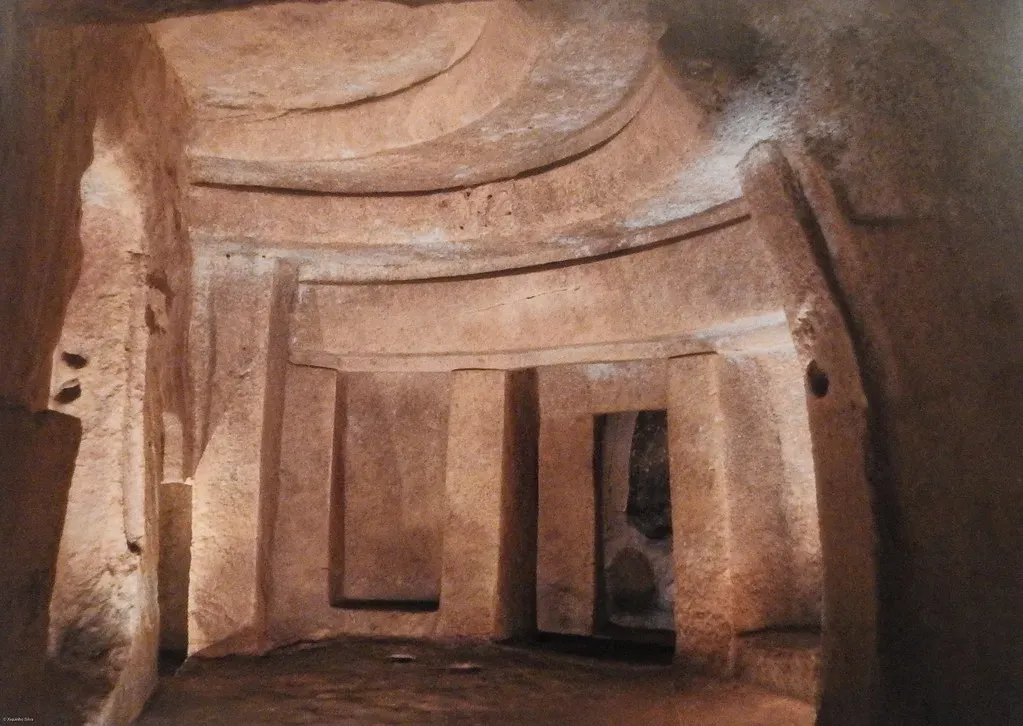
Now drop underground beneath the town of Paola on the island of Malta, where you find yourself wandering through the Ħal‑Saflieni Hypogeum, a prehistoric complex carved entirely out of limestone. Corridors, chambers, and carved architectural features mimic above‑ground buildings, but here everything is underground, hewn by hand several thousand years ago. You see niches, altars, and carefully shaped spaces that suggest a mix of ritual, burial, and perhaps initiation, yet there are no written records from the culture that created it to tell you what any of it officially meant. Human remains and grave goods reveal that this was a significant mortuary site, but the layout feels more like a planned sacred architecture than a simple mass grave. ([yahoo.com](https://www.yahoo.com/news/articles/12-ancient-monuments-whose-purposes-130103554.html?utm_source=openai))
What really catches your attention are details that seem almost designed to play with human perception. Certain chambers have unusual acoustic properties; a voice or chant in specific spots can resonate in ways that many visitors describe as unsettling or trance‑like. That might be coincidence, or it might be a deliberate feature used in ceremonies you can only guess at. Because of its fragility, access today is tightly controlled to prevent damage from humidity and carbon dioxide, which means even modern studies are limited. You’re left with a site that clearly mattered deeply to its builders, that took significant coordinated labor to create, but that keeps its core symbolism just out of your reach, like a half‑remembered dream. ([yahoo.com](https://www.yahoo.com/news/articles/12-ancient-monuments-whose-purposes-130103554.html?utm_source=openai))
Shimao: A Monumental City That Rewrites a Timeline
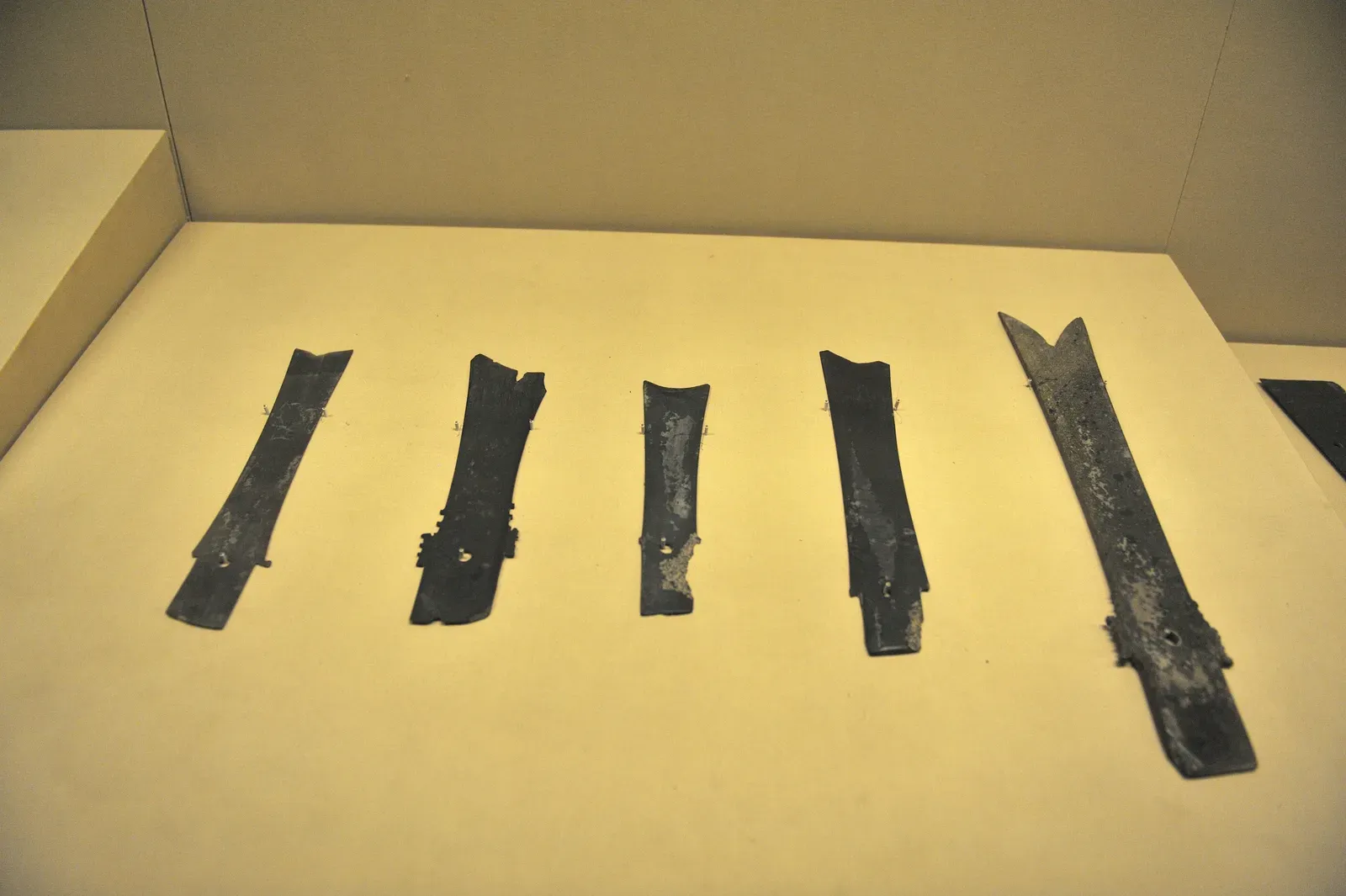
Finally, picture northern China, far from the traditional heartland where you’re taught early Chinese civilization first flourished. Here lies Shimao, a huge walled city dating back more than four thousand years, with stone fortifications, terraces, and elaborate gates that look startlingly advanced for their age and location. When you walk its perimeter in your mind, you pass defensive features like towers, bastions, and complex entry passages that show someone here understood warfare, control, and display very well long before the classic Bronze Age dynasties of the Central Plains rose to fame. Yet ancient written texts – the very records that usually anchor early Chinese history – never mention such a city in this region. ([reddit.com](https://www.reddit.com/r/China/comments/i526uu?utm_source=openai))
Excavations have revealed evidence of long‑distance contacts, luxury artifacts, and troubling finds such as human sacrifice, suggesting Shimao was both cosmopolitan and deeply ritualized. For you, the real shock is what this does to the tidy story you may have absorbed about a single cradle of Chinese civilization that gradually spread outward. Shimao forces you to imagine multiple centers of complexity interacting, competing, and influencing one another, some of which later chronicles simply chose not to remember or did not know about. Many questions hang in the air: what name did its inhabitants use, why did the city fall, and how exactly did its culture feed into or diverge from later states? Until more of the site is excavated and compared with others, Shimao sits there like a missing chapter that suddenly appeared in the middle of a book you thought you had already finished. ([reddit.com](https://www.reddit.com/r/China/comments/i526uu?utm_source=openai))
Conclusion: Living With Questions Carved in Stone
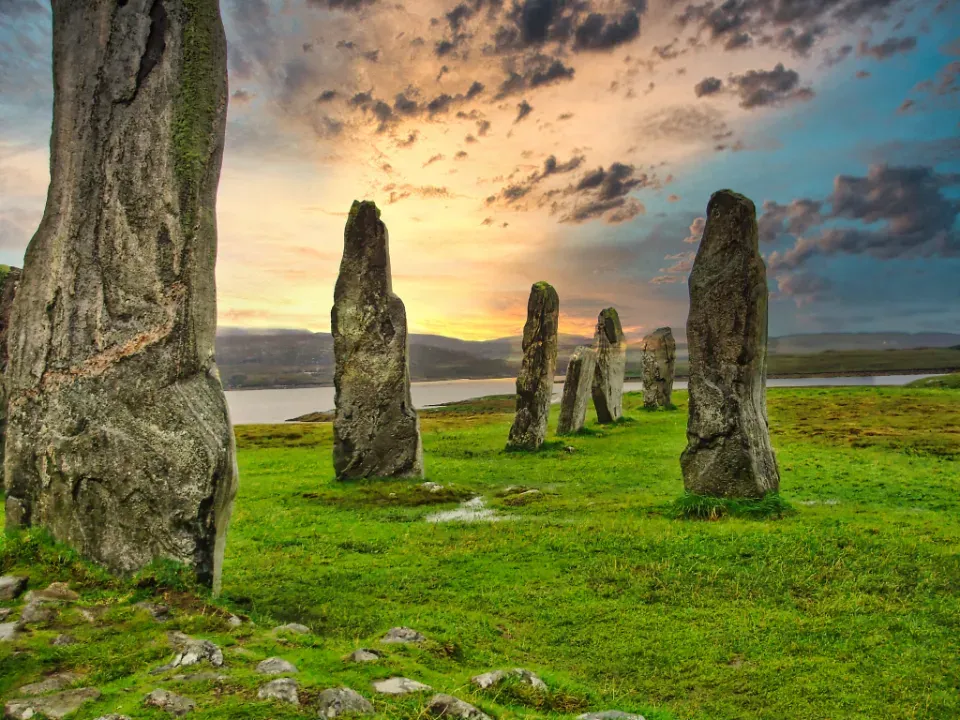
When you step back from these seven places, a pattern emerges that has less to do with aliens or secret master technologies and more to do with your own appetite for neat explanations. Each site gives you solid, stubborn facts – stones, bones, dates, layouts – and then surrounds them with blank space where texts, oral traditions, or continuous occupation should have been. You’re used to thinking of the past as a fixed story, but what you’re actually dealing with is more like a jigsaw puzzle where most of the pieces have been lost and a few might have been chewed by the dog.
Archaeologists work in that uncomfortable space every day, weighing evidence, discarding seductive but unsupported ideas, and accepting that for some questions, “we don’t know yet” is the most honest answer you can give. For you as a curious outsider, that uncertainty is not a flaw; it’s the hook that keeps you looking closer and reading further. These sites remind you that human beings have been ambitious, spiritual, ingenious, and sometimes brutal far longer than your school timelines usually admit. The real mystery is not just how they built such things, but how many other stories like these are still buried, waiting for someone like you to care enough to uncover them – what other chapter of our shared past do you think is still hiding under the next layer of earth or sea?