If there’s one place on Earth that still feels genuinely alien in 2026, it’s not Mars, not the dark side of the Moon, but the deep ocean. We’ve mapped distant galaxies with more confidence than the terrain just a few kilometers below the waves. Every time researchers send a submersible into the abyss, they come back with something that forces us to rethink what we thought we knew about life, about our planet, even about our future as a species.
I remember watching a grainy ROV video from a deep-sea expedition years ago and feeling my stomach drop. There was this ghostly, transparent creature drifting in pitch-black water, pulsing with its own light like a floating galaxy. No sunlight, crushing pressure, almost freezing temperatures – and yet it was thriving. That moment changed the way I think about “hostile” environments. The deeper we look, the more the ocean quietly whispers the same unsettling truth: the rules we assumed were universal might only be local guidelines.
The Deep Sea Is Our Planet’s Last Great Frontier
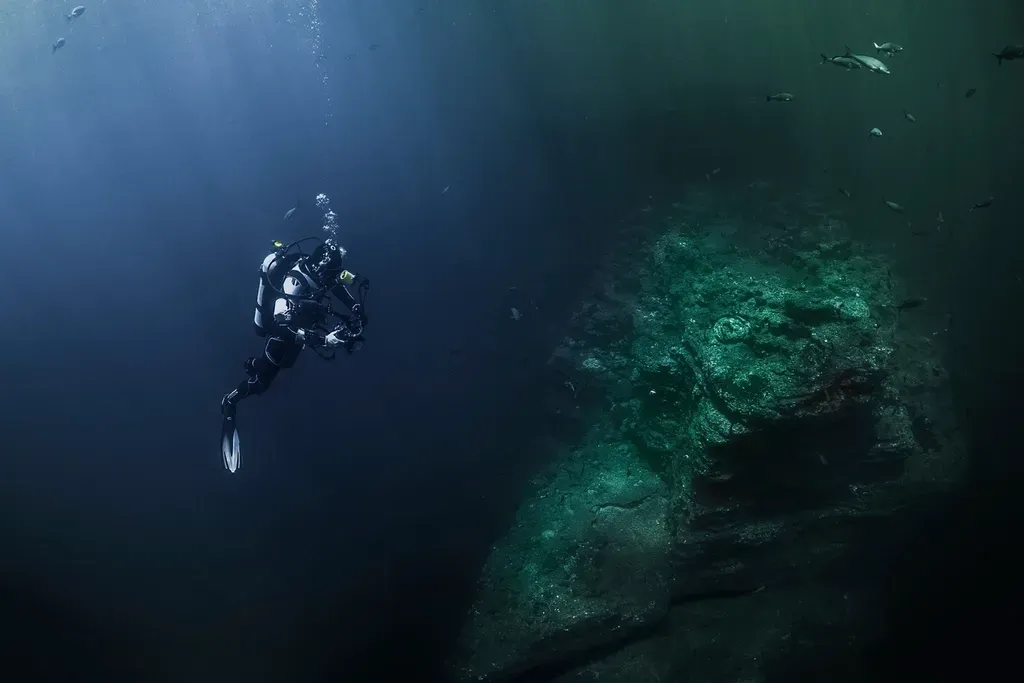
Here’s a wild thought: we have better maps of the surface of Mars than of most of our own seafloor. The deep ocean – generally considered anything below about two hundred meters – is so vast and so difficult to reach that the majority of it remains unexplored in any meaningful way. In some regions, we’ve only done quick sonar passes, which are kind of like looking at a city from an airplane and claiming you know every street and building.
Because of that, scientists regularly stumble upon entire underwater landscapes that no one knew were there: enormous canyons, towering seamounts, and volcanic fields stretching farther than some countries. These aren’t just pretty maps; they shape currents, influence climate, and create habitats for unique ecosystems. When you hear researchers say we’ve only explored a small slice of the deep sea, they’re not being poetic – they’re being literal, and that should reset how we think about “knowing” our own world.
Life Thrives Where We Once Thought It Impossible
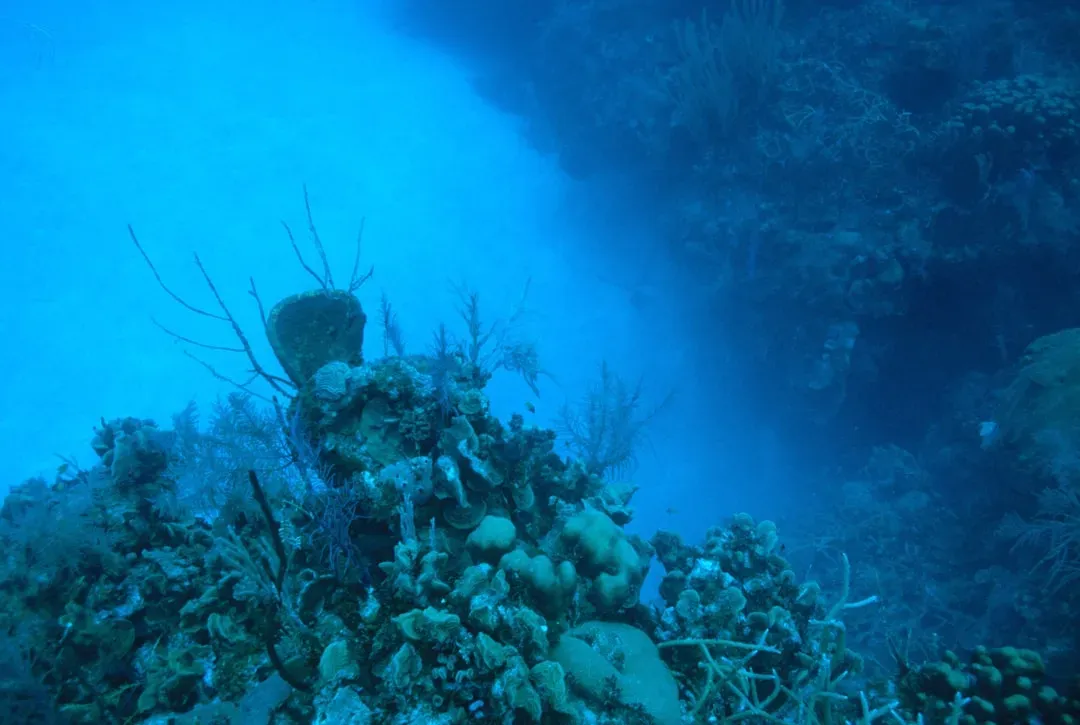
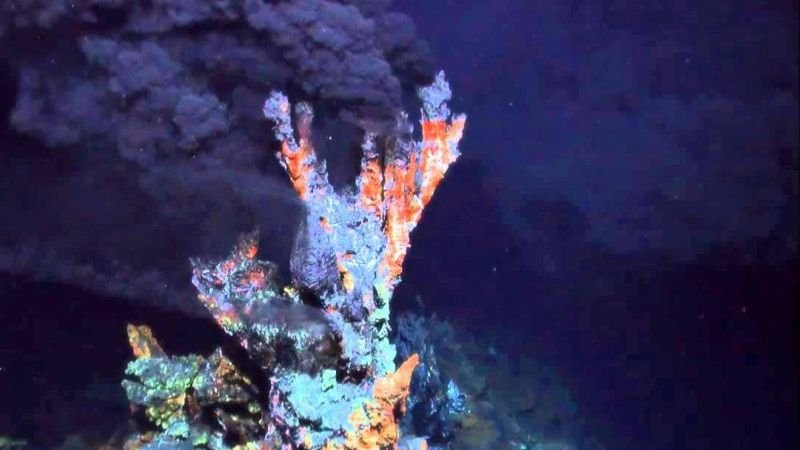
For most of human history, we assumed life needed sunlight. No light meant no photosynthesis, and no photosynthesis meant a dead, empty wasteland. Then deep-sea explorers found hydrothermal vents – essentially underwater geysers spewing superheated, mineral-rich water – and everything broke open. Around these vents, entire communities of animals grow from chemical energy alone, using chemosynthesis instead of photosynthesis. It’s like finding a rainforest at the bottom of a mine.
Tube worms taller than a person, ghostly white crabs, clams the size of dinner plates – these creatures build food webs that don’t rely on the sun at all. That’s not just a cool trivia fact; it upends our assumptions about where life can exist. If life can flourish in complete darkness at crushing pressures just by feeding off chemicals from rocks and hot water, then maybe similar ecosystems could exist on icy moons, subsurface oceans, or planets we’ve already written off as barren. The deep sea is quietly expanding the map of where life might be hiding in the universe.
Alien Worlds Might Look More Like Our Seas Than Our Skies
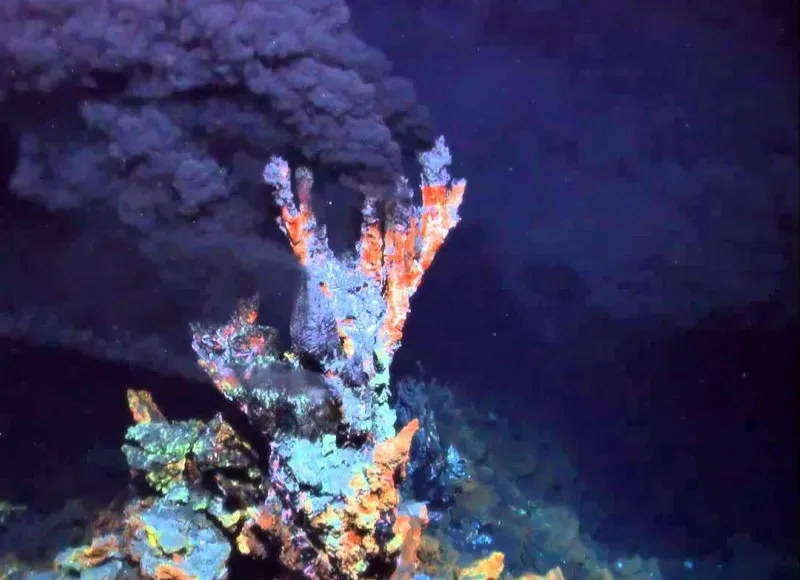
When people picture extraterrestrial life, they often imagine desert planets, red dust, and thin atmospheres – basically, lots of Mars. But the discoveries from Earth’s own abyss suggest that ocean worlds may be far more promising places to search for life. Several bodies in our solar system, like Europa and Enceladus, seem to have global oceans sealed beneath thick ice, with strong hints of hydrothermal activity at their rocky floors. That sounds uncannily similar to the deep ocean vents we’ve already found teeming with life here.
The weird, resilient creatures of Earth’s deep ocean – microbes that eat rock, animals that thrive in toxic chemicals, organisms that shrug off pressures that would crush a submarine – serve as proof of principle. They are living counterarguments to the old idea that life is fragile and rare. Instead, they suggest life is persistent and adaptable, ready to exploit whatever energy sources exist. Suddenly, “habitable zone” stops meaning just a narrow belt at the right distance from a star and starts meaning “anywhere liquid water and energy can coexist,” which is a far more generous definition than we used to work with.
The Ocean’s Climate Engine Is Deeper Than We Imagined
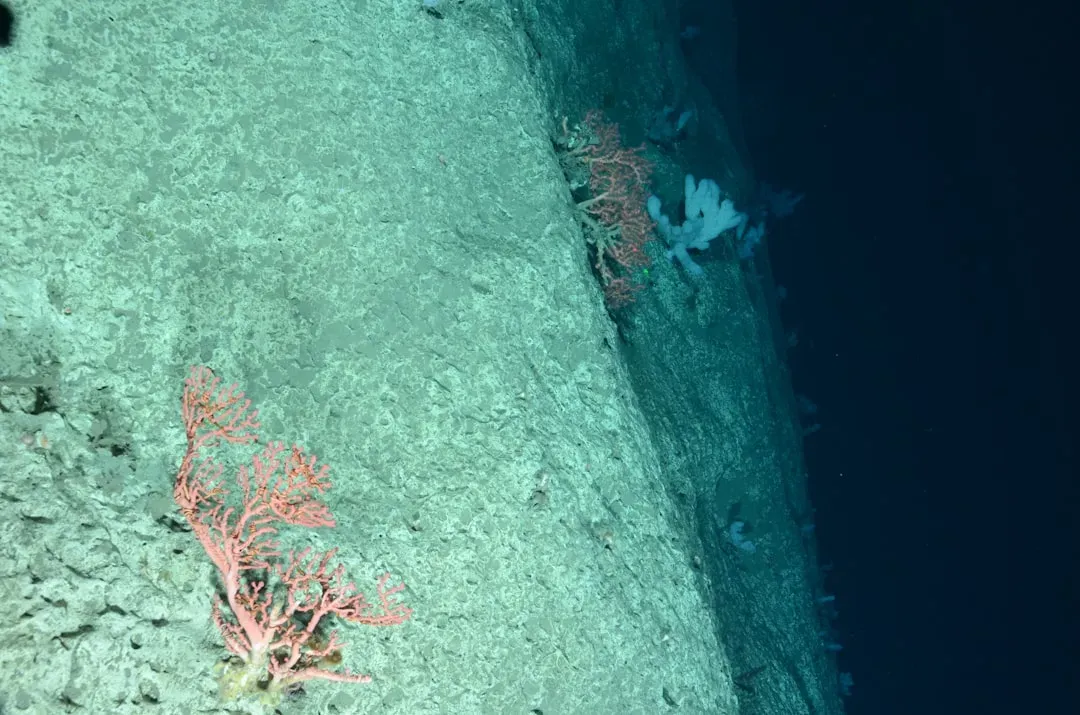
Most discussions about climate focus on the atmosphere, forests, and maybe melting ice, but the deep ocean is the quiet giant in the room. It absorbs huge amounts of the heat and carbon dioxide that humans pump into the air, acting like a planetary buffer. This isn’t just about the surface layers where we swim and surf; deeper currents carry that heat and carbon downward, sometimes locking it away for centuries or longer. The deep sea is not a passive reservoir – it’s a moving, breathing system that shapes climate patterns we experience on land.
Recently, scientists have been warning that changes in deep ocean circulation could have dramatic consequences for weather, sea levels, and even regional climates. If those circulation patterns slow or shift, the timing and intensity of storms, droughts, and temperature extremes could all be affected. In a way, trying to understand climate change without the deep ocean is like trying to understand a person by only looking at their face and ignoring the rest of their body. As we’re forced to confront this, our worldview shifts from seeing the ocean as a scenic backdrop to recognizing it as the core machinery of the planet’s climate system.
Deep-Sea Mining Could Force an Ethical Reckoning
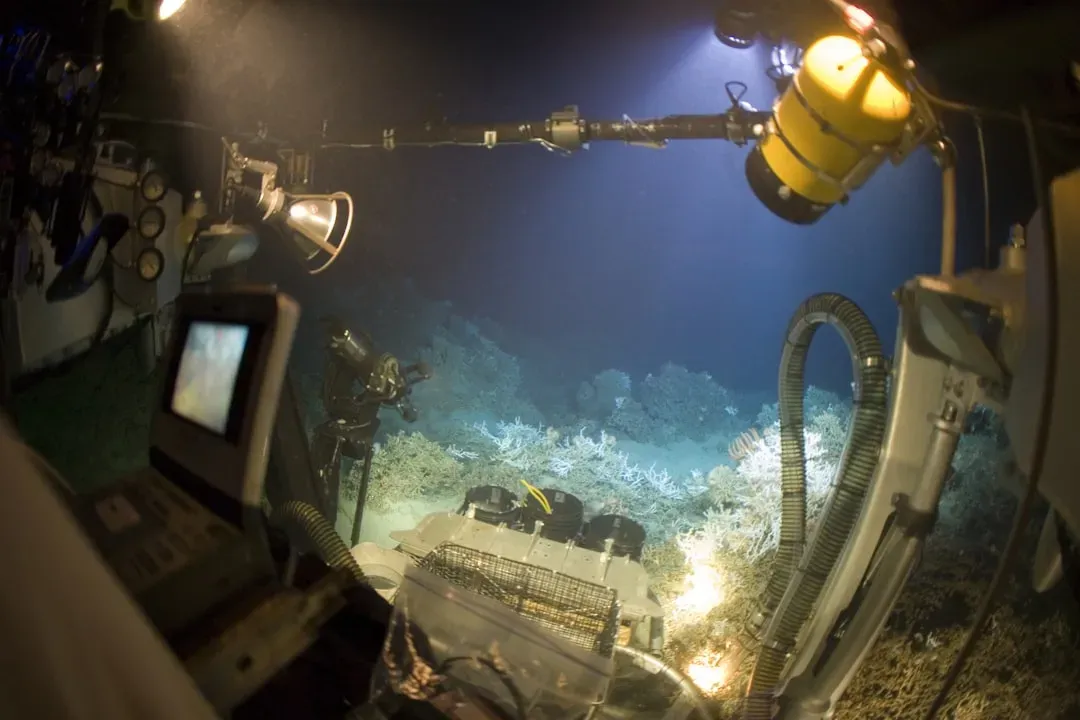
Buried on the deep seafloor are metals vital for modern technologies: cobalt, nickel, manganese, rare earth elements used in batteries, electronics, and renewable energy infrastructure. For companies and some governments, the abyss suddenly looks like a treasure chest waiting to be opened. The technology to mine these resources from several kilometers down is rapidly advancing, and so are commercial pressures to start extracting. On paper, it sounds practical: if we need more metals, why not get them from a place where no one lives?
But this is where things get uncomfortable. The ecosystems living on and around the seafloor, including on the mineral-rich nodules and crusts targeted for mining, are still poorly understood. Many species have only just been discovered, and countless others remain unknown. Mining could destroy habitats that took millions of years to form before we even realize what we’re losing. This forces a moral question we can’t dodge forever: is it acceptable to rip apart entire deep ecosystems for short-term human gain, especially when we barely understand them? The answer we choose will say a lot about who we think we are as a species.
Deep Ocean Biodiversity Is a Biological Goldmine
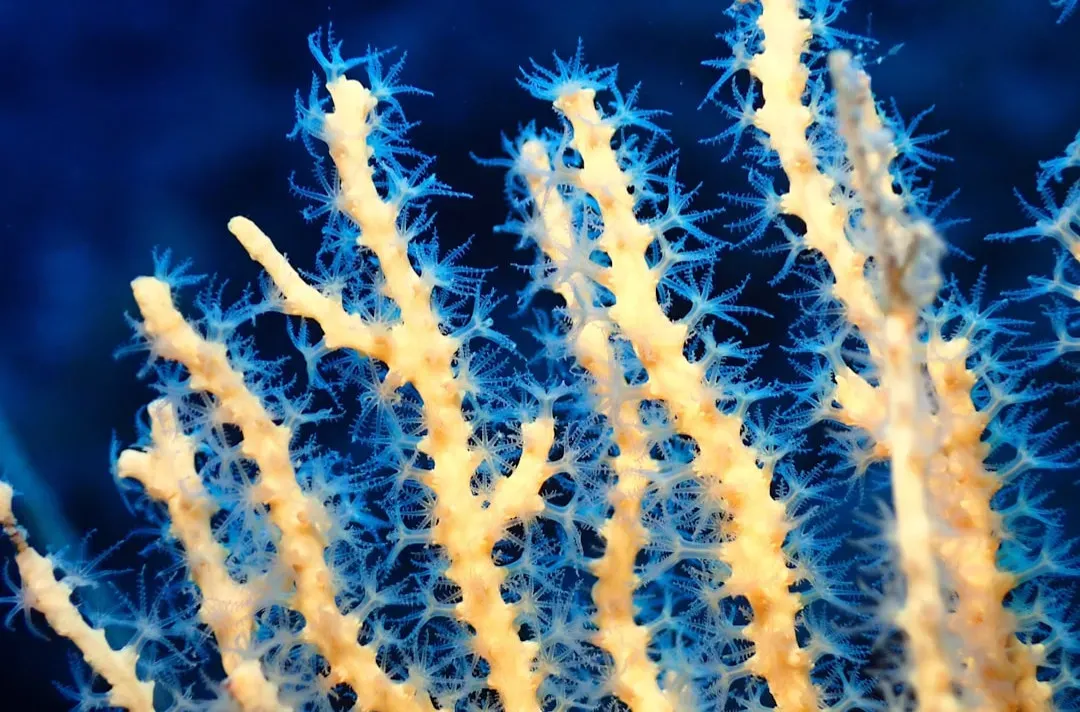
Beyond exotic fish and strange worms, the deep sea holds something far more subtle and potentially transformative: biochemical diversity. Many deep-sea organisms have evolved unique molecules to help them survive pressure, cold, darkness, and low oxygen – molecules that may have applications in medicine, materials science, and biotechnology. Enzymes that work efficiently at high pressure and low temperature, for example, could revolutionize industrial processes or diagnostic tools. It’s a bit like discovering a secret library full of books written in a language we’re just learning to read.
There have already been promising leads, such as compounds from deep-sea microbes being investigated for cancer treatments or new antibiotics. Yet we’ve only sampled a tiny fraction of the species living down there. Every expedition that collects deep-sea DNA or new organisms adds to the sense that this is a vast, largely untapped reservoir of biological innovation. Realizing that cures for diseases, new materials, or eco-friendly industrial solutions might be hiding in dark, high-pressure trenches forces us to admit how incomplete our current view of life’s potential truly is.
Sensing and Mapping the Depths Is Rewiring Our Technology
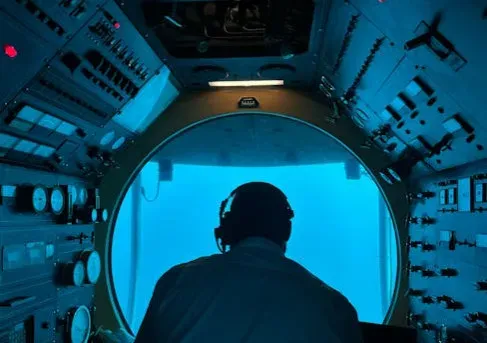
To explore the deep ocean, humans had to invent machines that can withstand pressures that would crush steel, navigate pitch-black water, and send data across kilometers of dense, salty liquid. In the process, ocean research has driven major improvements in robotics, sensors, batteries, AI-based navigation, and communication systems. Autonomous underwater vehicles and remotely operated vehicles now roam the deep largely on their own, using advanced imaging and acoustic tools to produce maps and videos that would have been science fiction a few decades ago.
These technologies do more than satisfy scientific curiosity; they spill over into other fields like offshore engineering, search and rescue, environmental monitoring, and even space exploration. The challenges of operating in the deep ocean – distance, darkness, pressure, communication delays – are similar to problems we face when exploring other planets and moons. In a strange twist, learning to “see” the deep sea with machines is training us to build better explorers for the solar system. The more we push into the depths, the more deeply technology and ocean science become intertwined.
Deep Soundscapes Are Changing How We Listen to the Planet
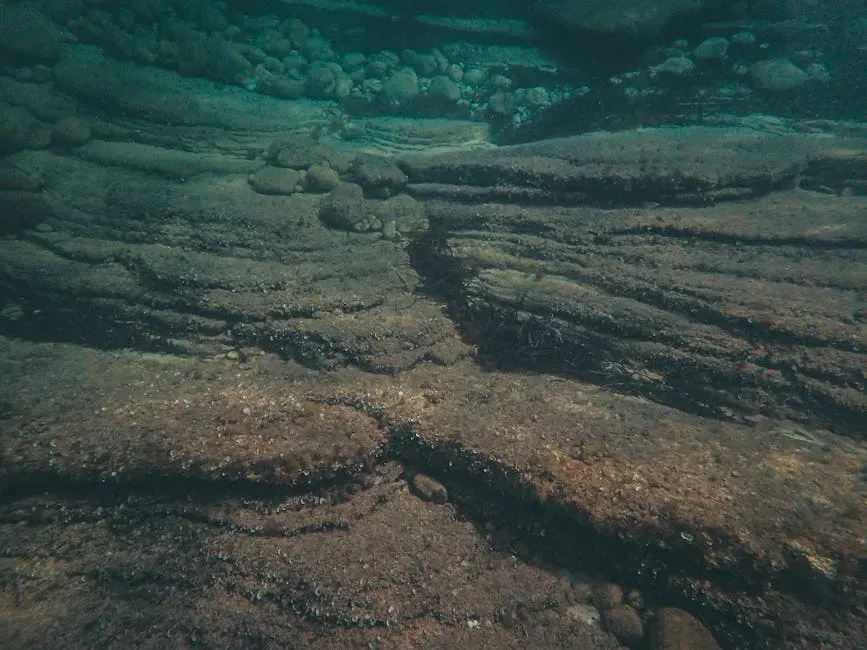
Most of us think of the ocean in terms of what we can see – waves, beaches, maybe a coral reef on a vacation brochure. But in the depths, sound is far more important than light. Sound travels long distances underwater, and the deep sea is full of it: calls from whales far above, distant earthquakes, shifting ice, and even human activity like shipping and industrial operations. By placing listening devices across the ocean floor, scientists are building a kind of planetary stethoscope, turning vibrations and echoes into information.
These deep acoustic networks have revealed surprising things, from unrecognized whale migration routes to underwater volcanic activity and even details about climate-linked changes in ice and currents. At the same time, they’ve exposed how noisy we’ve made the ocean, with constant low-frequency hums and pulses that can interfere with marine life. Learning to listen properly to the deep ocean teaches us that Earth is not silent; it’s constantly speaking in frequencies we mostly ignored. As that realization sinks in, the planet starts to feel less like a stage we stand on and more like a living system we’re only starting to hear.
The Deep Sea Forces Us to Rethink Ownership and Responsibility
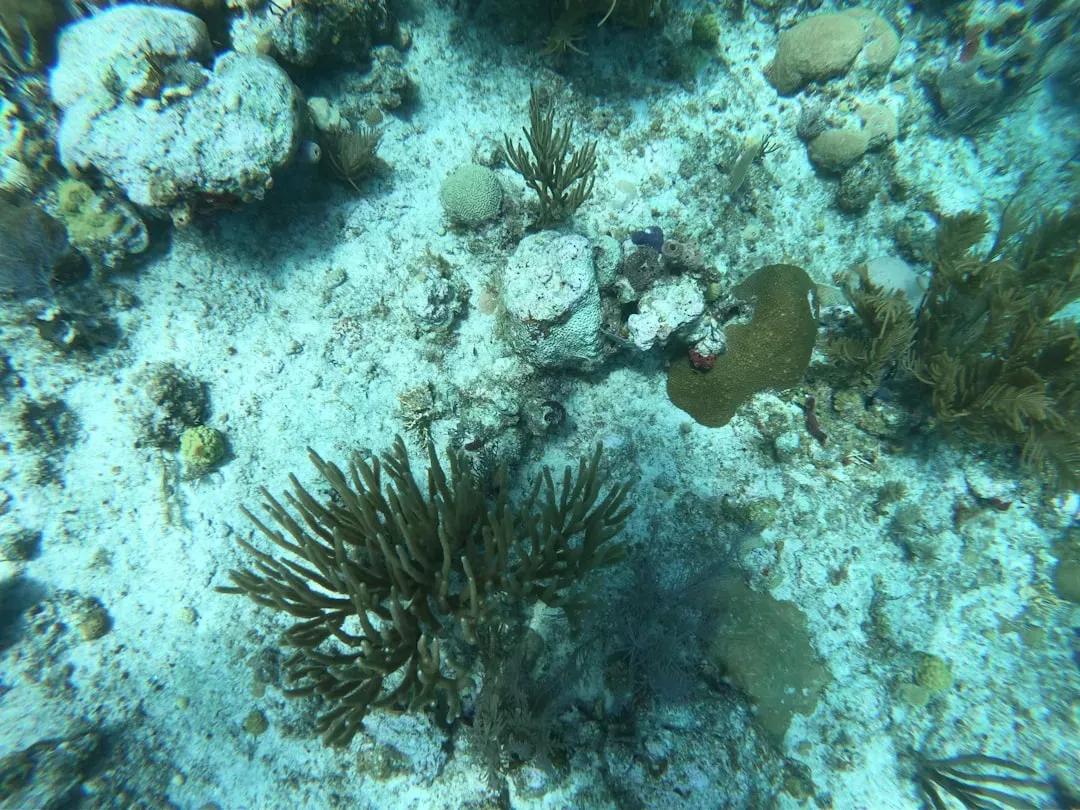
Most of the deep ocean lies beyond national borders, in areas often referred to as the high seas. That means no single country can point to a map and say, “This trench is ours, we’ll do what we like with it.” Instead, the deep is governed by a patchwork of international agreements and organizations that try to balance exploration, exploitation, and conservation. This setup challenges our usual way of thinking about resources and territory, which has historically been very land-focused and competitive.
As debates intensify over deep-sea mining, conservation of vulnerable ecosystems, and the fair sharing of scientific benefits, we’re being pushed into a new kind of moral and legal space. Do we treat the deep ocean as a common heritage that we must protect collectively, or as a new frontier for whoever gets there first with the right technology and funding? Grappling honestly with that question forces us to expand our concept of justice beyond national interests and toward something more planetary. It’s uncomfortable, but it might be exactly the kind of shift our world desperately needs.
A Hidden Mirror for Our Place in the Universe
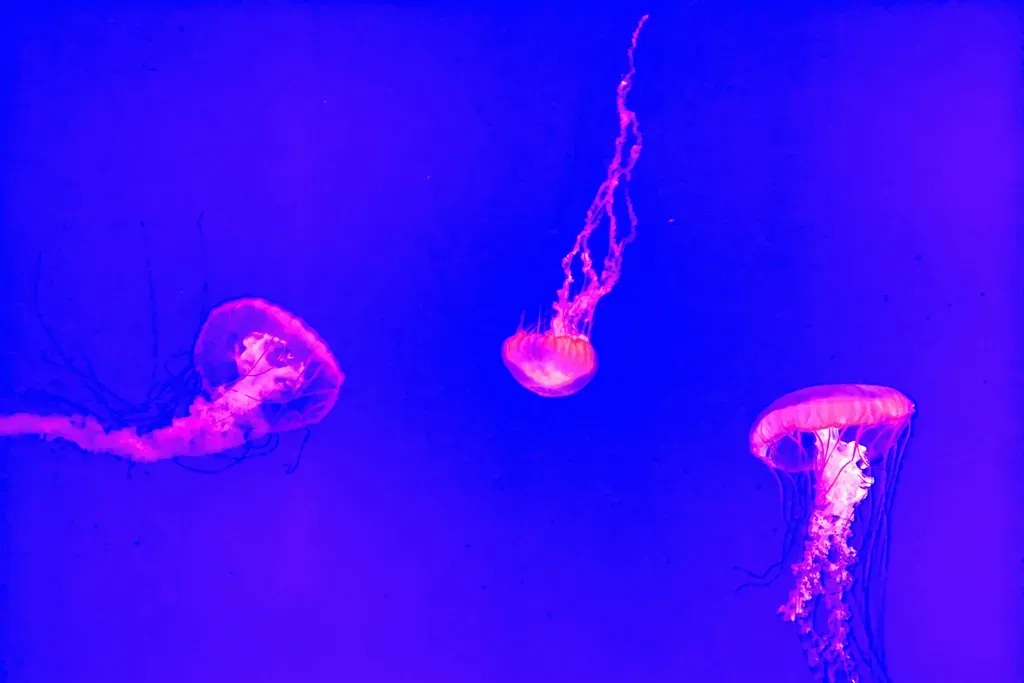
Whenever I see footage from a deep dive, I’m struck by how wrong our everyday mental model of Earth really is. We imagine continents and cities as the main event, with a bit of water around the edges, when in reality most of our planet is cold, dark, and under immense pressure. The deep ocean makes it very clear that human experience is not the default condition of Earth; it’s just one thin, bright layer on top of something far stranger and older. That realization is humbling in the best possible way.
By revealing life that lives without sunlight, ecosystems that depend on rock and chemistry, and landscapes as vast and dramatic as anything on land, the deep ocean quietly rearranges our worldview. It hints that our planet is more like a small, dynamic space station with complex internal systems than a simple rock with some water and air. And if that’s true here, then other worlds might be just as rich in hidden layers. Maybe the real question is not whether the deep sea holds secrets that will reshape how we see things, but how much longer we can afford to ignore those secrets. What else might be waiting in the dark, quietly rewriting the story of who we are and where life can exist?