
There’s something almost unsettling about standing in front of a pyramid or a sarcophagus and realizing that people just like us, with fears and ambitions and family drama, built all of this more than four thousand years ago. We think we know Ancient Egypt from school textbooks and museum displays, but the truth is stranger, messier, and far more mysterious than the familiar images of golden masks and stone statues suggest. For every mystery that archaeologists manage to solve, another one seems to appear just around the corner.
In the last few decades, new technologies like high-resolution satellite imaging, DNA analysis, and non-invasive scanning have quietly rewritten parts of the story we thought we understood. Some cherished theories have fallen apart; others have been strengthened. Many questions are still frustratingly open. What follows isn’t a list of magic answers, but a journey through the biggest enigmas that still haunt the sands of Egypt – and how close we really are to deciphering the truth.
The Riddle of the Pyramids: How Were They Really Built?
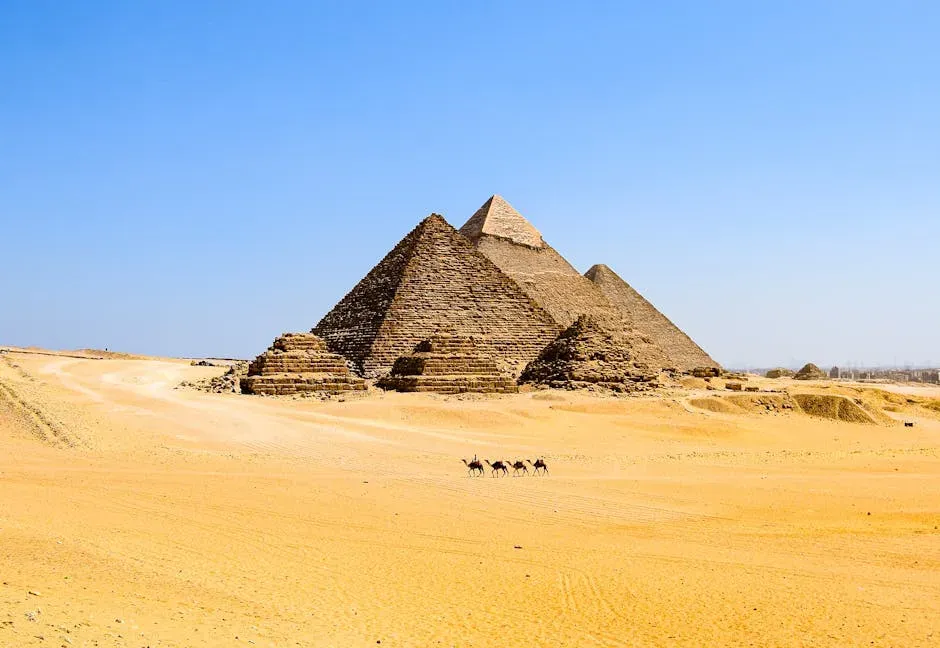
It sounds almost impossible on paper: millions of limestone blocks, some weighing more than a small car, aligned with astonishing precision long before steel, engines, or modern cranes existed. For a long time, people filled the gaps with wild ideas about aliens or lost super-technologies, mostly because the simple explanation – that organized human labor, planning, and engineering can be incredibly powerful – felt too ordinary to be true. Yet excavations at places like the Giza workers’ village have revealed bakeries, sleeping quarters, and tools that point clearly to skilled laborers, not enslaved masses or otherworldly helpers.
Modern experiments, using replica sledges and wet sand, suggest that teams of workers could move heavy blocks by reducing friction, a technique that makes sense once you see it tested in real life. Archaeologists have also found remains of ramps, though there is still debate over their exact shape – straight, zigzagging, or wrapping around the pyramid. The real enigma now isn’t whether humans could do it, but exactly which combination of ramps, levers, and clever logistics they used. It’s a bit like trying to reverse-engineer a massive construction site when the blueprints are gone and only small clues are left behind in the dust.
Hidden Chambers and Secret Passages: What Still Lies Inside the Pyramids?
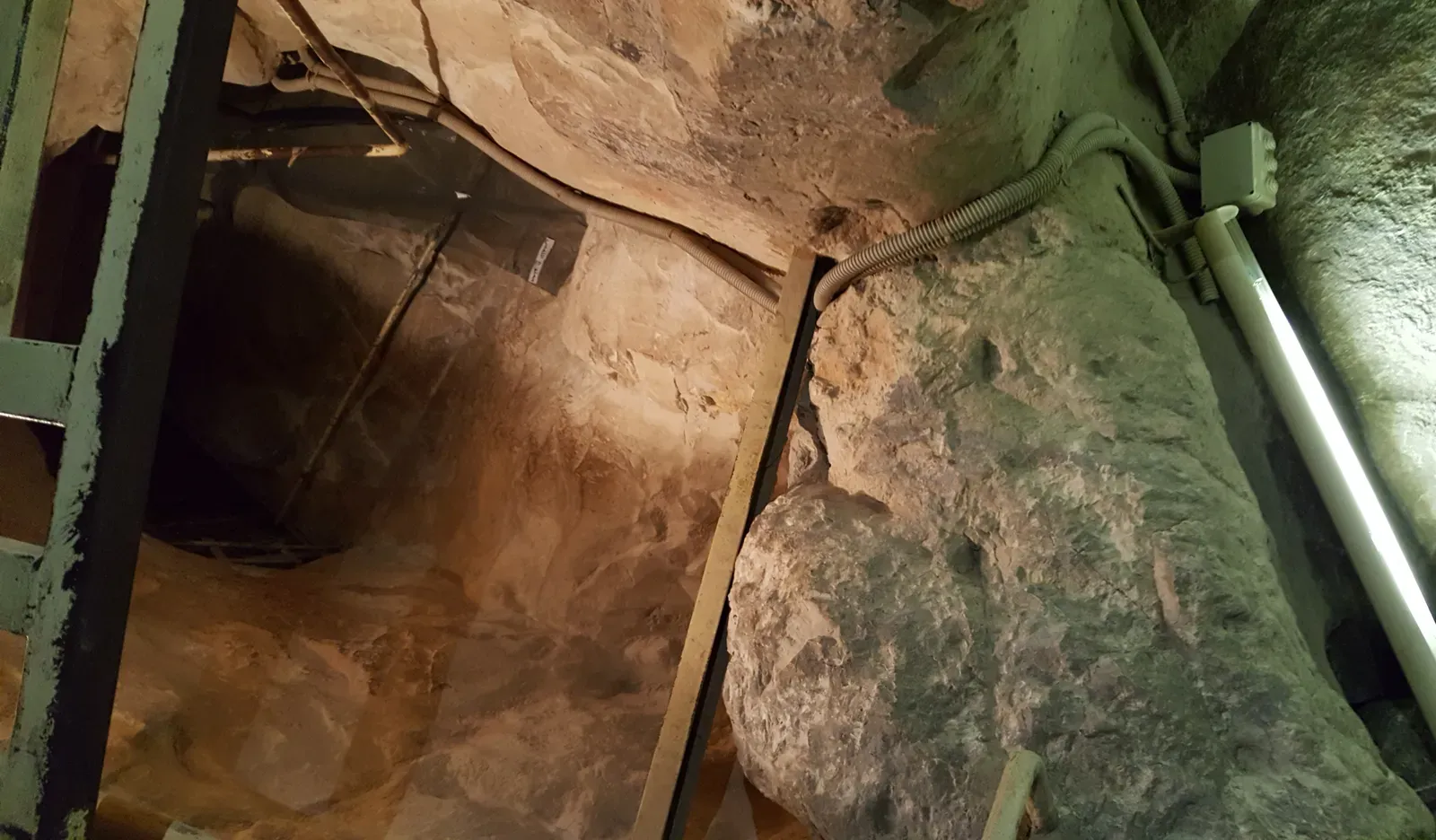
The idea that the pyramids might still be hiding something feels like the plot of an adventure movie – but it’s not just fantasy. In recent years, scientific teams have used cosmic-ray muon tomography, a kind of super-powered X-ray that tracks particles from space, to peer through the stone without drilling or blasting. This work has revealed intriguing voids inside the Great Pyramid of Giza, including a large previously unknown cavity above the Grand Gallery that nobody has entered in modern times. Its purpose is still up for debate: was it purely structural, or did it serve some hidden ritual function?
Egyptian authorities have been very cautious about how to proceed, balancing the tantalizing possibility of discovery against the risk of damaging a monument that has survived for millennia. So for now, we mostly have shapes on scans and educated guesses from engineers and Egyptologists. It’s strangely suspenseful: we know something is there, but not what it is, and we might be waiting years before a safe, minimally invasive way to inspect it is agreed on. In a world where we’re used to instant answers, the pyramids are a reminder that some secrets still resist the timeline of our curiosity.
The Sphinx: Guardian Statue or Something Much Older?
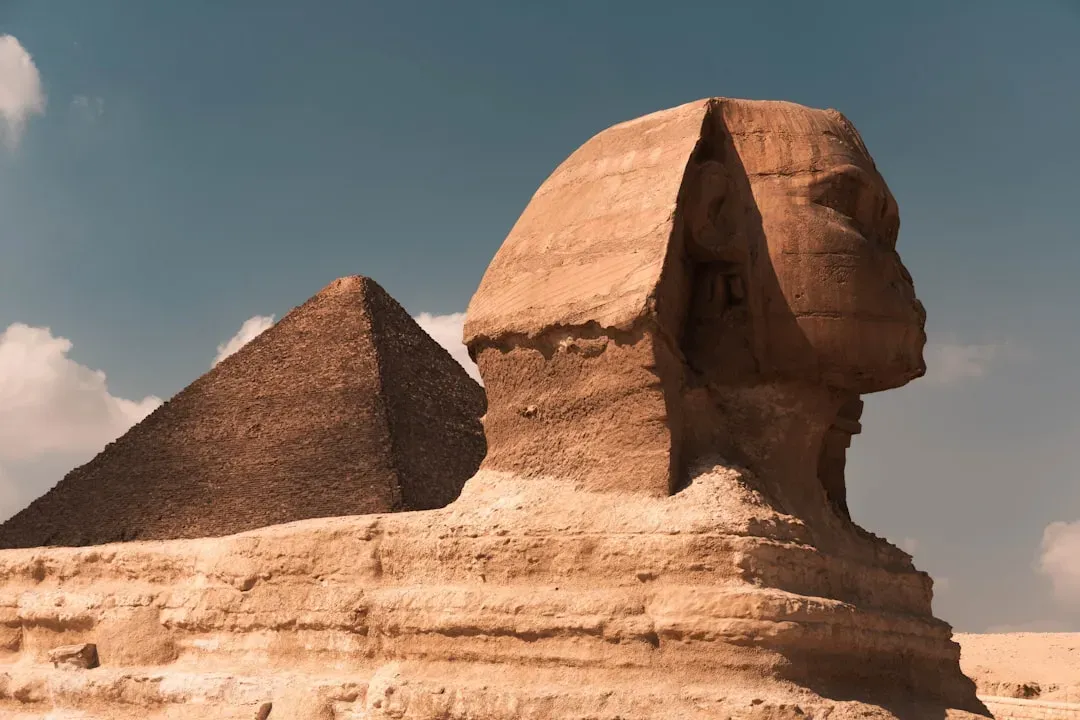
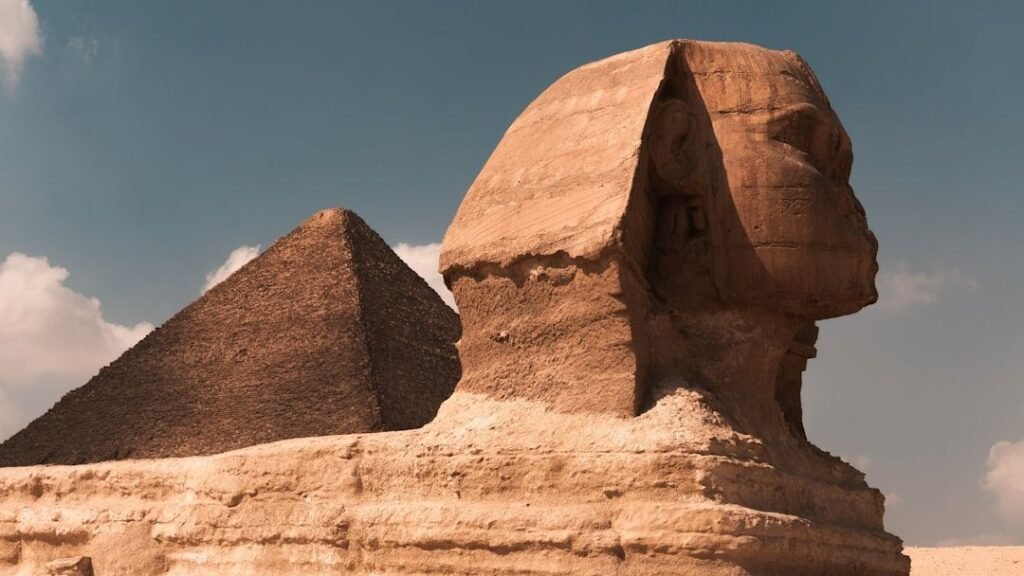
The Great Sphinx at Giza is one of those objects that seems to stare back at you, as if it knows something you don’t. Carved directly out of the bedrock, with the body of a lion and the head of a human, it has inspired theories ranging from sober archaeological hypotheses to full-blown speculative fiction. Most scholars currently link it to the reign of the pharaoh Khafre during the Old Kingdom, based on its alignment with his pyramid complex and nearby temples. But its weathered surface and patchwork repairs have fueled arguments that parts of it might be older than the standard timeline suggests.
What we can say with some confidence is that the Sphinx has been reworked, buried, and re-excavated multiple times across history, sometimes almost disappearing under the desert sands. Its original purpose remains oddly slippery: was it simply a royal monument, a symbolic guardian of the necropolis, or part of a more elaborate solar or cosmic cult? Weather patterns, erosion studies, and stylistic comparisons have all been used to argue for different dates, but no single piece of evidence has settled the question. The Sphinx is like a riddle written in stone, with half the clues worn away and the answer just out of reach.
The Missing Mummy of Khufu: Where Is the Builder of the Great Pyramid?
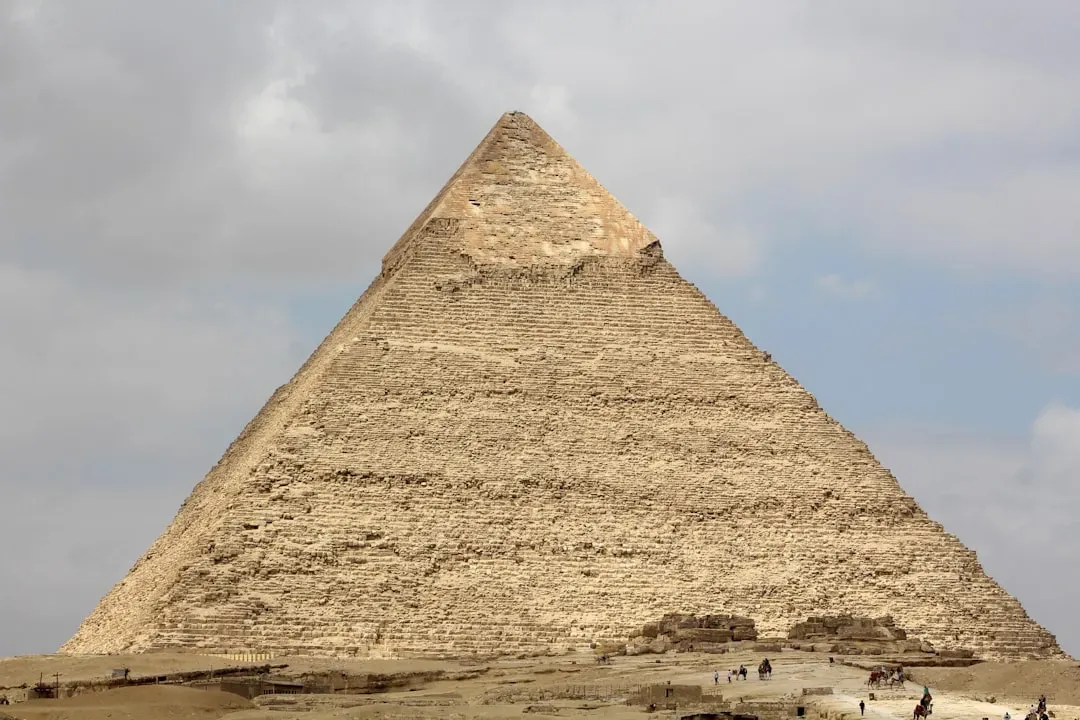
Here’s one of the simplest yet most nagging questions: where is Khufu, the king behind the Great Pyramid? For a long time, people just assumed his mummy had either been stolen in antiquity or destroyed by the humid conditions that sometimes devastate organic remains. But unlike several other New Kingdom pharaohs found in the Valley of the Kings, there is no clearly identified mummy of Khufu confirmed by inscriptions and modern testing. His sarcophagus in the Great Pyramid stands empty, and that emptiness feels strangely loud.
Some have suggested that Khufu’s mummy might one day turn up misidentified in a museum collection or hidden in a yet-unexcavated tomb, especially given how many royal burials were moved and reburied in secret caches in later periods. Others argue that the Great Pyramid was always more symbolic than functional as a tomb, though that view is far from mainstream. DNA analysis and CT scanning have helped match some royal mummies to their families, but for Khufu, we’re still staring at a missing piece in the jigsaw puzzle. His absence has become its own sort of presence, a reminder that even the most powerful rulers can vanish from the physical record.
Hieroglyphs and Lost Texts: How Much Can We Still Not Read?
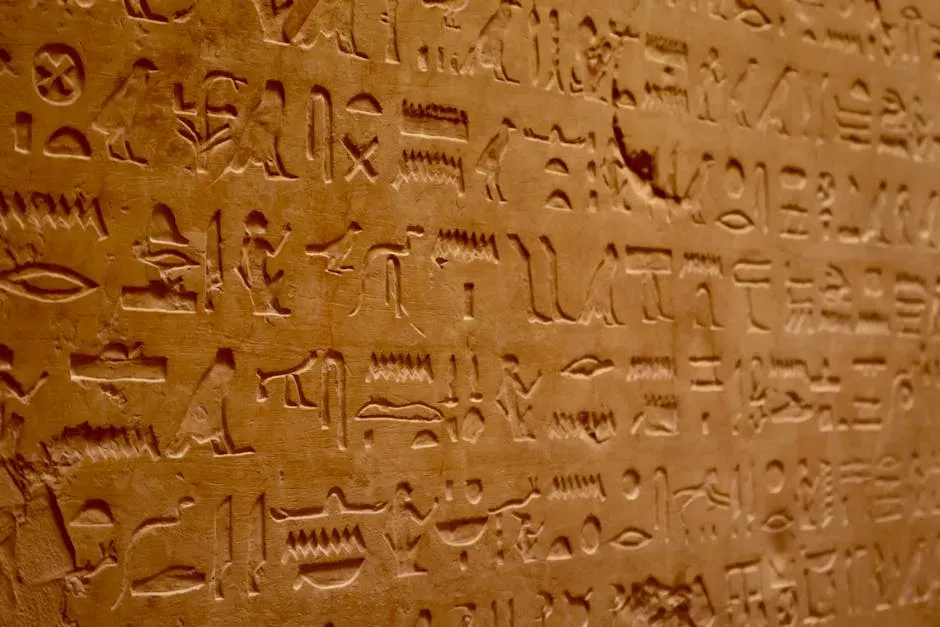
The cracking of the hieroglyphic code in the nineteenth century using the Rosetta Stone is often told as a neat success story, as if it suddenly opened a door and now we just read ancient Egyptian like a normal language. The reality is more complicated and far more interesting. While scholars can read a huge amount of material and understand the grammar reasonably well, many symbols have multiple layers of meaning that depend heavily on context. Religious and magical texts in particular can feel like poetry, legal document, and riddle all rolled into one, with nuance that’s easy to misinterpret.
On top of that, we know we’re missing entire genres of writing, simply because papyrus decays and many texts were never copied or preserved. Imagine trying to understand a modern country’s culture if nearly all its novels, emails, and private letters vanished, leaving mostly official inscriptions and a few religious writings. That’s roughly the position we’re in with Egypt. Every time a new inscription is discovered – a personal letter, a medical note, a scribal exercise – it can subtly shift our understanding of how Egyptians thought and spoke. We’ve come incredibly far in reading their words, but there’s still a sense that some of their thoughts are just beyond our linguistic fingertips.
The DNA of the Pharaohs: What Can Their Bodies Really Tell Us?
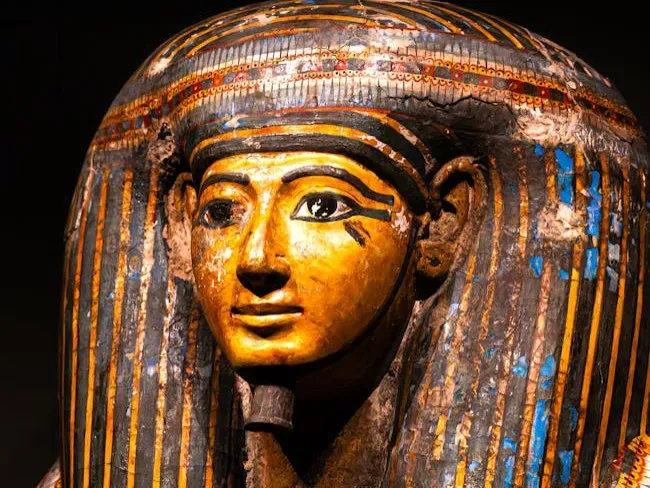
There’s something undeniably eerie about scanning the face of a pharaoh in a CT machine or extracting DNA from a royal mummy’s tooth. Modern science has promised to answer questions about lineage, disease, and even appearance, and in some cases it has delivered remarkable insights. Genetic studies have helped map family relationships among New Kingdom rulers, confirming some suspected links and revealing just how common intermarriage within the royal family really was. CT scans have also uncovered hidden injuries, signs of infections, and possible causes of death that were invisible to the naked eye.
But this isn’t a neat, straightforward story either. Ancient DNA is often degraded, and contamination from modern handlers is a serious concern, so results are sometimes partial or difficult to interpret. There are also ethical debates about how far we should go in dissecting the remains of people who were meticulously mummified to preserve their bodies for eternity. The genetics can tell us something about ancestry and health, but they can’t fully explain personality, political decisions, or cultural beliefs. The mummies speak, in a way – but in a whisper, not a shout, and we have to be careful not to force them to say more than the data supports.
The Akhenaten Revolution: Heretic Pharaoh or Visionary Outsider?
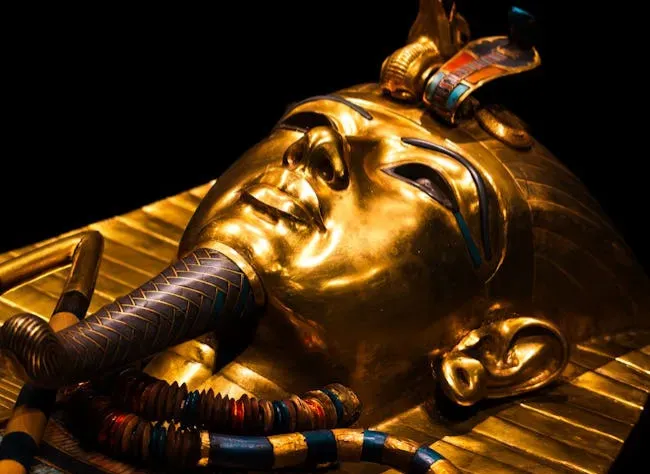
Every long-running culture has its rebels, and in Ancient Egypt, Akhenaten is the name that still causes arguments. He shifted religious focus dramatically toward the Aten, associated with the sun disk, closed or sidelined traditional temples, and built a brand-new capital at Amarna. Art from his reign shows elongated heads, unusual body shapes, and a more intimate family style that feels shockingly different from the stiff formality of earlier periods. To some, he looks like a revolutionary who tried to remake religion; to others, he was a disruptor whose experiment quickly collapsed.
When Akhenaten died, later rulers systematically dismantled his city and tried to erase his memory from official records, which makes piecing together his motives especially difficult. Was he pursuing some kind of early monotheism, or just elevating one god above others for political and economic control? Did his artistic and religious changes reflect genuine conviction, or were they a calculated power grab dressed up as piety? We can read the inscriptions and walk the ghostly outlines of his abandoned city, but his inner life remains frustratingly out of reach. He feels like a character from a half-burned novel: surprising, intriguing, and permanently incomplete.
The Lost Tombs: Who Is Still Waiting Beneath the Sand?
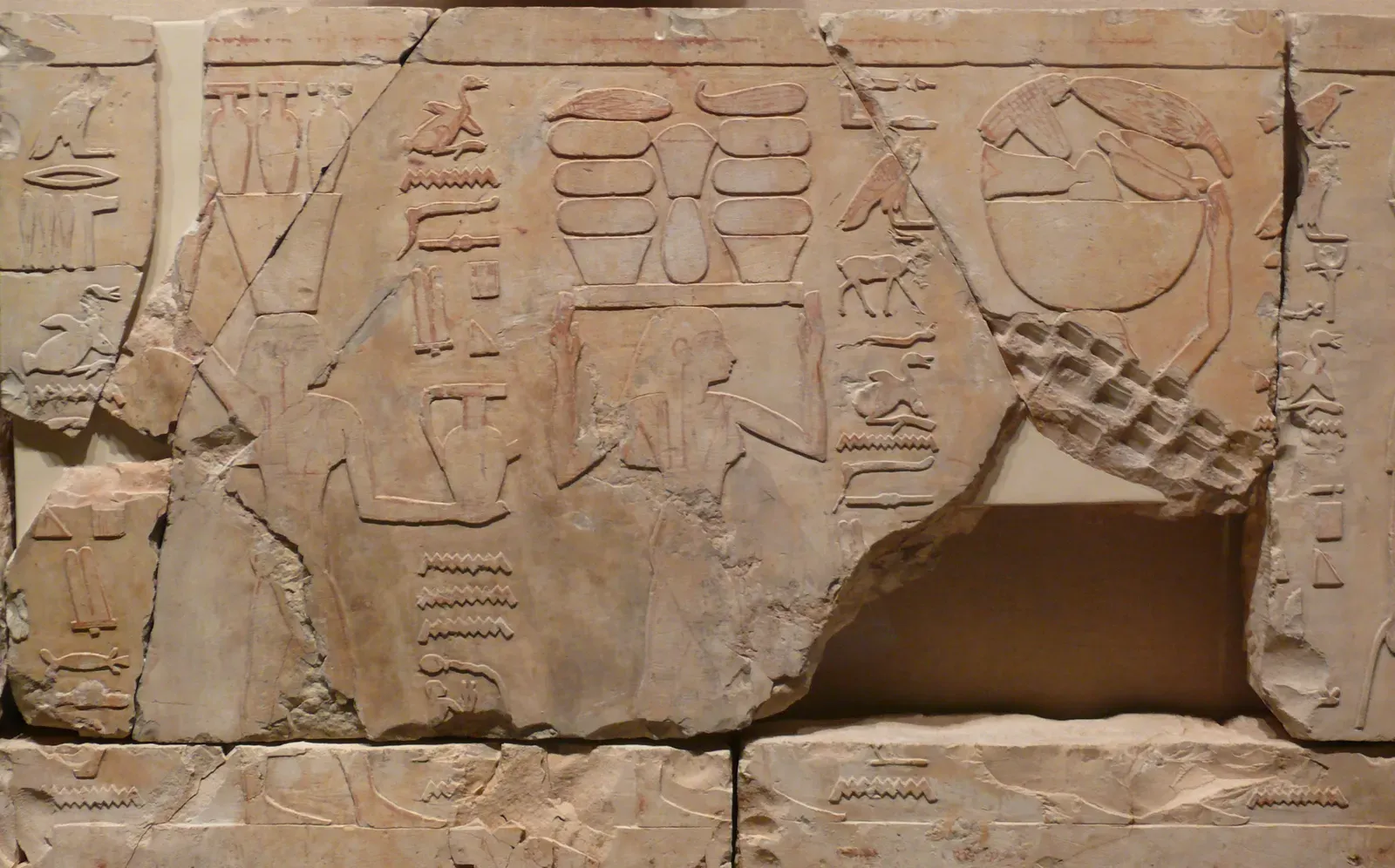
It’s easy to think that all the big finds happened a century ago, with dramatic discoveries like the tomb of Tutankhamun dominating the public imagination. But if you talk to archaeologists working in Egypt today, many will tell you that large parts of the ancient landscape are still only lightly explored or completely untouched. Remote sensing, satellite imagery, and ground-penetrating radar have revealed settlement patterns, buried structures, and possible tomb entrances that haven’t yet been excavated. The feeling is a bit like holding a treasure map where some of the Xs are only faintly visible.
Not every tomb is going to be packed with gold, of course, and most are more valuable for the information they hold than for any objects inside. Even a small, seemingly modest burial can preserve clothing fibers, plant remains, or inscriptions that transform what we know about everyday life. That said, a few famous figures – like certain queens, high-ranking officials, and possibly even some pharaohs – remain “missing” in a very literal sense. Every new season of excavation carries a quiet question: will this be the year one of those names finally emerges from the earth, or will the desert keep its silence a little longer?
Everyday Egyptians: The Lives Behind the Monuments
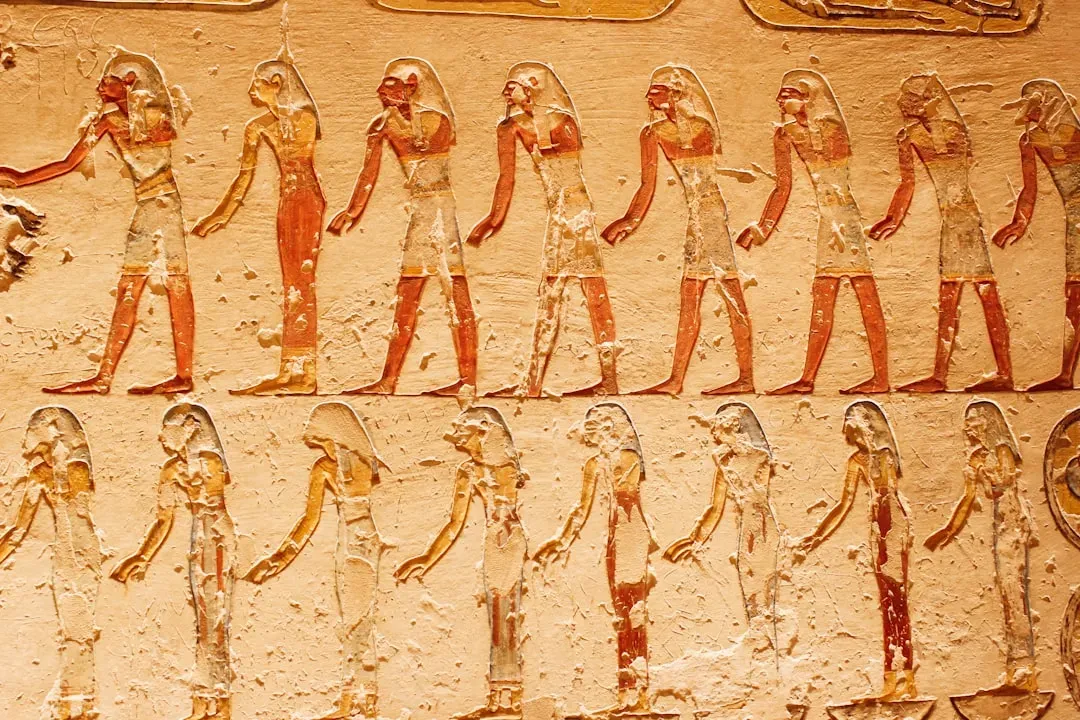
One of the biggest shifts in modern Egyptology has been the move away from focusing almost entirely on kings and temples toward understanding ordinary people. Villages like Deir el-Medina, the workmen’s settlement for the Valley of the Kings, have preserved graffiti, letters, and even lists of excuses for missing work that feel wonderfully familiar. You can see neighbors arguing, families celebrating births, and people worrying about wages and grain rations. Suddenly Egypt stops being a land of faceless pyramids and becomes a place of human voices that could almost be from today.
Yet even here, there are secrets. The record is uneven, heavily biased toward people connected to the state or religious institutions, and poorer communities are often archaeologically invisible. Objects like toys, combs, and amulets hint at emotions and beliefs that never made it into official inscriptions. Reading between the lines of tax records and tribunal reports, scholars try to reconstruct the tensions between elites and workers, officials and villagers. The enigma isn’t just what the pharaohs believed, but how different classes of society experienced the grand ideologies projected from palaces and temples. It’s like listening for the background conversation behind a noisy public speech.
The Afterlife Obsession: Did Egyptians Really Believe They’d Live Forever?
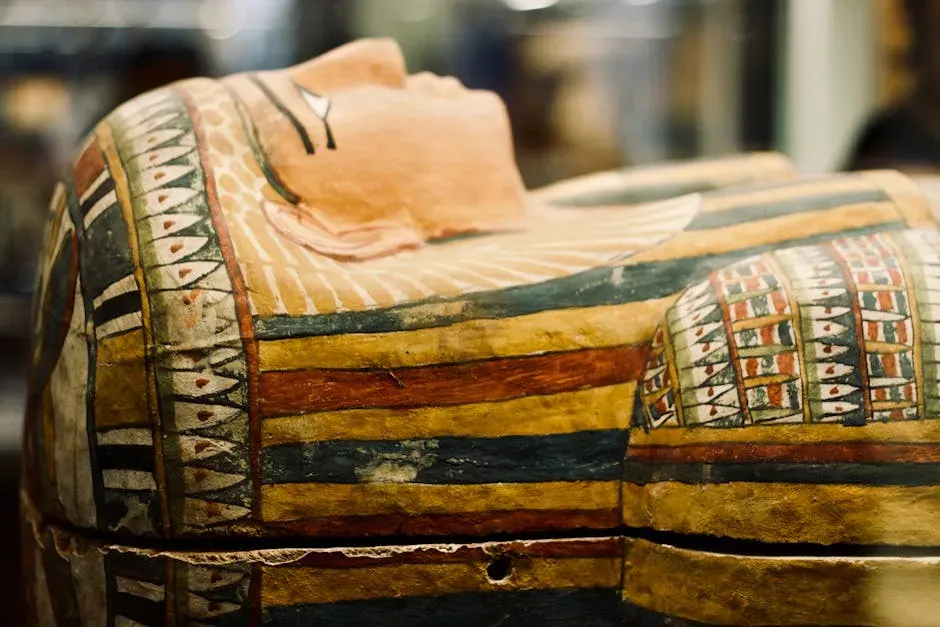
From the outside, it can seem as if Egyptians were completely obsessed with death, judging by the tombs, mummies, and funerary texts that survive. But many scholars argue that what we’re actually seeing is a deep investment in continuity – maintaining identity and relationships beyond the physical end of life. Texts like the so-called Book of the Dead, along with tomb scenes and grave goods, suggest a vision of the afterlife where people still worked, ate, loved, and worshipped, just in a perfected, idealized version of reality. It wasn’t a vague cloud-like heaven; it was a carefully imagined extension of their world.
At the same time, the detailed spells and rituals hint at fear and uncertainty. There were ways to fail in the afterlife, trials to pass, and dangers to face; it was not guaranteed that everyone made it through unscathed. Amulets, prayers, and offerings were like insurance policies against cosmic chaos. The puzzle for modern readers is how literally to take these texts. Were they understood as precise roadmaps, symbolic expressions of hope, or something in between? The Egyptians left us an enormous amount of material about death and the beyond, but decoding the emotional tone behind it – panic, confidence, resignation – is still very much an open question.
Conclusion: Living with Unfinished Answers
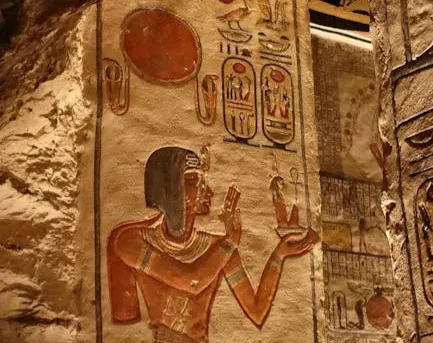
The more we learn about Ancient Egypt, the more obvious it becomes that we’re never going to reach a moment when someone can declare the mystery completely solved. New technologies peel back layers of stone and sand, but they also reveal how much is missing, lost, or distorted by time. Some secrets are probably gone for good; others are simply waiting for the right question, the right excavation, or the right piece of broken pottery to fall into place. That might sound frustrating, but there’s something strangely comforting about it too. The past refuses to be a closed book.
In a way, the real “lost secret” of Ancient Egypt is not a single hidden chamber or magic formula, but the reminder that human cultures are always richer and stranger than the stories we tell about them. The pharaohs and their people lived complicated lives, full of ambition, doubt, and belief, just as we do – only their traces are written in stone instead of pixels. As we keep probing the desert with scanners, trowels, and cautious theories, we’re not just hunting for treasure; we’re testing how well we can listen to voices that have been quiet for thousands of years. When you think about it, which is more mysterious: what we’ve uncovered so far, or everything we still don’t know?