

Almost everyone has had that one dream that sticks like wet paint in the mind: running in slow motion, teeth falling out, seeing someone you lost long ago, or suddenly realizing you can fly. Then you wake up, your heart racing, staring at the ceiling wondering what on earth just happened in your brain. Dreams feel meaningful, ridiculous, terrifying, and beautiful all at once, like a late-night movie directed by someone who knows all your secrets.
For centuries, people blamed dreams on gods, demons, or hidden messages from the universe. Today, science offers far more grounded explanations, but it hasn’t killed the mystery. If anything, looking at dreams through brain scans and sleep labs has made them even weirder. Why does a sleeping brain, cut off from the outside world, work so hard to build entire realities we experience as if they were real? Let’s walk through what researchers know, where they still shrug and say “we’re not sure,” and why your dreams might matter more than you think.
The Sleeping Brain: What Actually Happens When You Dream

Here’s something surprisingly wild: your brain is almost as active during some stages of sleep as it is when you’re wide awake. Dreaming is mostly linked to REM sleep, short for rapid eye movement, a stage that cycles through the night several times. During REM, your eyes twitch under your eyelids, your breathing gets irregular, and certain brain regions light up like a late-night city, especially those involved in emotion, memory, and imagery.
At the same time, areas tied to logical thinking and self-control calm down. It’s as if your brain turns up the volume on feelings and imagination and turns down the part that says, “Wait, this doesn’t make sense.” That’s one reason you can accept totally impossible situations in dreams – like chatting with a cat about your tax return – without questioning it. Your body, meanwhile, is effectively paralyzed from the neck down, a safety mechanism that keeps you from acting out your dreams in real time.
Why We Dream: The Leading Theories (And Why None Fully Win)

Scientists don’t agree on one single purpose for dreams, and that’s important to say up front. Instead, there are several strong theories that may each be partly true. One idea is that dreams help process emotions: your brain replays difficult or intense experiences in a safer, virtual environment, bending and twisting them as it tries to make sense of what you feel. Another theory says dreams are like a mental filing system, helping your brain decide which memories to keep, which to forget, and how to connect new information with old knowledge.
There’s also the “threat simulation” theory, which suggests that dreams let you rehearse dealing with danger – escaping, fighting, solving problems – like a built-in training simulator. On the other side, some researchers argue that dreams are simply the brain’s attempt to make a story out of random signals while you sleep, more of a side effect than a grand design. The truth may be a mix: dreaming could be both messy and useful, not one single function but many overlapping ones that evolved together.
Dreams, Memory, and Learning: A Night School in Your Head
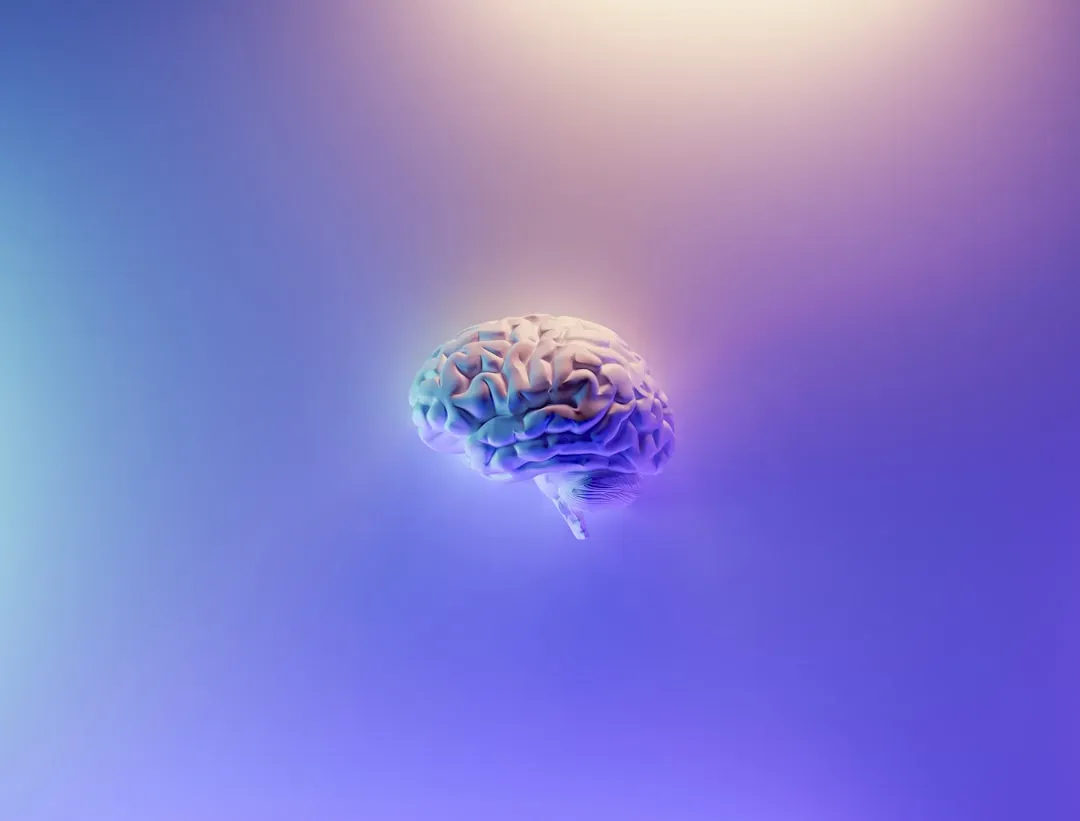
If you’ve ever studied hard and then slept on it, only to find things make more sense the next day, that’s not just luck. A lot of research connects certain kinds of dreaming with memory consolidation, the brain’s process of strengthening and reorganizing memories. During sleep – especially during REM and some deep non-REM stages – the brain replays patterns of activity from the day, almost like a quiet rehearsal. Dreams may be the conscious “echo” of that hidden replay.
People who are woken during REM after learning a new skill, like a tricky piano pattern or a maze, often do better at it the next day than those whose REM is heavily disrupted. Some studies even find that when your dreams include fragments of the thing you’re learning – say, pieces of a language or images from a task – you’re more likely to improve. It’s as if your brain uses the dream space not only to store information but to test how it fits into the bigger story of your life and knowledge.
Emotion on Overdrive: How Dreams Work Through Feelings

One of the most striking things about dreams is how emotional they are. Fear, relief, embarrassment, grief, joy – they’re often turned up to maximum volume. Brain imaging studies show that areas linked to emotion, like parts of the limbic system, are especially active during REM sleep. Meanwhile, regions responsible for balancing those emotions with rational judgment are quieter. That imbalance may explain why a small worry can explode into a full-blown nightmare.
Some psychologists see dreams as a built-in emotional therapy session. When you relive stressful or painful experiences in a dream, your brain can slightly detach the raw emotional charge from the memory. It does not erase what happened, but it can soften the sting over time. This might be why recurring upsetting dreams often shift in content slowly, like your mind is trying again and again to rewrite the script until the feelings become manageable.
Nightmares: When the Brain’s Simulation Turns Dark

As unpleasant as they are, nightmares offer a revealing window into how and why we dream. They tend to spike during times of stress, trauma, illness, or major life changes, and they’re especially common in people who have experienced serious trauma. In post-traumatic stress, for example, nightmares can replay parts of the event in raw, intense detail, sometimes for years. The brain seems stuck in a loop, trying unsuccessfully to integrate a memory that feels too overwhelming.
Yet even nightmares might serve a purpose. From one angle, they’re the brain’s desperate attempt to process threats and fears that feel too big for waking life. Therapies that help people rewrite or rescript their nightmares – imagining a different ending, for example – can reduce both dream distress and daytime anxiety. That suggests nightmares are not just random torture but part of a system that, when supported, can move from re-injury toward healing.
Recurring and Bizarre Dreams: Why the Same Weird Stuff Keeps Showing Up

Teeth crumbling, being unprepared for an exam, trying to run and going nowhere, showing up naked in public – these themes show up in different cultures over and over. They’re so common it’s almost funny, until you realize how deeply they tap into core human anxieties about control, competence, and vulnerability. Recurring dreams might be your brain’s way of waving a flag: there’s an unresolved issue or worry that keeps needing attention, so it reappears in endlessly remixed form.
The bizarreness of dreams also has a neurological angle. Because the rational, fact-checking parts of the brain are toned down, your mind freely stitches together memories, scraps of conversation, movies, fears, and desires into surreal combinations. A friend’s face on a stranger’s body, a childhood home floating in space, your boss speaking in your grandmother’s voice – these are the brain’s creative shortcuts. It doesn’t care about realism; it cares about intensity and association, which is why dream logic often feels coherent in the moment and absurd in the morning.
Lucid Dreaming: When You Wake Up Inside Your Own Dream

Lucid dreaming is what happens when you realize you’re dreaming while you’re still inside the dream. For some people, it’s a rare accident; for others, it’s a skill they practice, like mental surfing. Brain scans of lucid dreamers show something fascinating: regions tied to self-awareness and executive control, which are usually dampened in regular dreams, flicker back to life. You get a strange hybrid state – part dreamlike immersion, part waking-level insight.
People use lucid dreams for all sorts of things: facing fears, practicing public speaking, exploring creative ideas, or simply flying for the joy of it. Some evidence suggests lucid dreaming techniques can help people with frequent nightmares by giving them more control within their dream world. Still, it’s not a magical superpower, and not everyone finds it easy or pleasant. Like tinkering with any deep brain process, it’s powerful, intriguing, and worth approaching with realistic expectations.
Culture, Meaning, and the Temptation to Over-Interpret

Across history, different cultures have treated dreams as prophecies, spiritual messages, or keys to the soul. Even if you’re firmly grounded in science, it’s hard not to search for meaning after a particularly intense dream. Symbolic dream dictionaries are tempting because they offer neat answers: this object means that feeling, this animal means this specific fear. The reality is much messier and more personal. While some broad patterns exist, the meaning of a symbol in your dream depends heavily on your own experiences and associations.
Modern psychology tends to be cautious: dreams can be meaningful, but they’re not secret codebooks with universal translations. They can highlight what’s been on your mind, amplify anxieties you’ve tried to ignore, or experiment with different versions of “you.” But they can also be random mental noise. The real value often comes from how you reflect on a dream afterward – what it stirs up in you – rather than any rigid decoding system claiming to reveal hidden truths.
When Dreams Go Wrong: Sleep Disorders and Disturbances
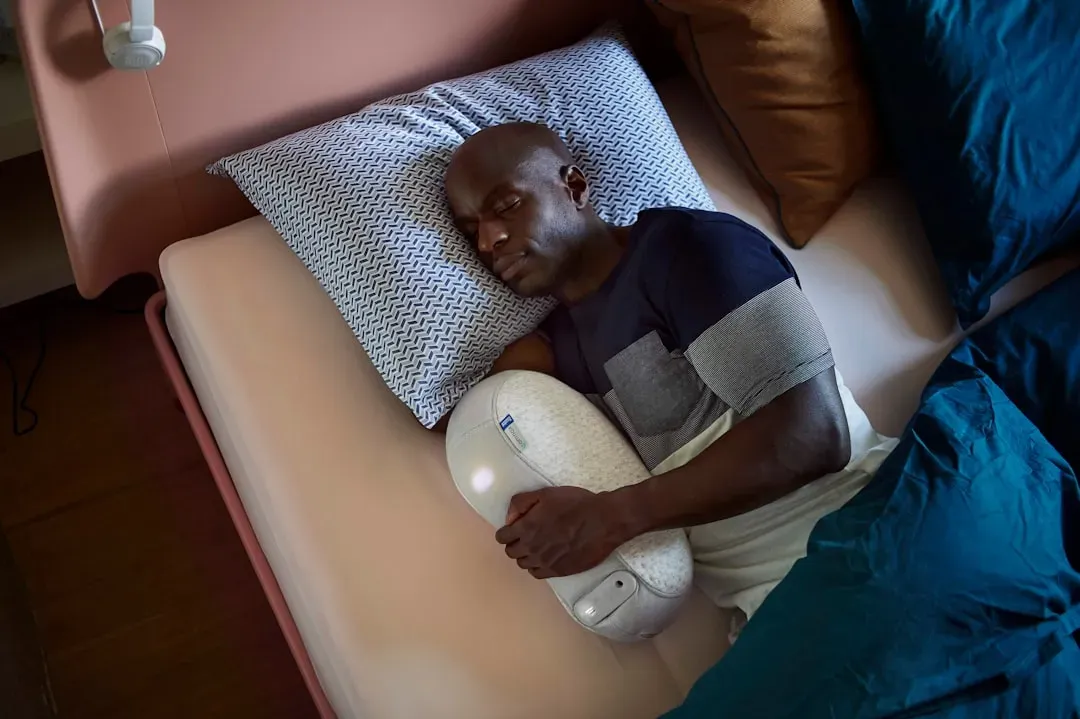
While most strange dreams are harmless, some conditions blur the line between sleeping and waking in ways that can be dangerous or deeply unsettling. REM sleep behavior disorder, for example, occurs when the usual paralysis during dreaming breaks down, and people physically act out their dreams – kicking, shouting, or even leaping from bed. Night terrors, more common in children but possible in adults, involve sudden awakenings with intense fear and confusion, often without clear dream recall.
These disorders remind us that dreaming isn’t just about stories in the mind; it is tied to complex brain and body mechanisms that can malfunction. Sometimes, dream-related problems can be early warning signs of other neurological or mental health issues, which is why persistent, severe disturbances are worth talking about with a doctor or sleep specialist. Understanding the science behind them turns something that feels almost supernatural into something treatable, or at least understandable, which can be a huge relief.
Can We Hack Our Dreams? The Emerging Future of Dream Science

In the last couple of decades, dream research has started to move from simply observing dreams to gently influencing them. Experiments have shown that certain sounds, smells, or light cues introduced during sleep can nudge dream content in predictable ways, at least some of the time. Researchers have even established basic communication with lucid dreamers – asking yes-or-no questions and getting eye-movement responses while the dream is ongoing. It sounds like science fiction, but it has already happened in tightly controlled labs.
The big question is where this goes next. Some hope these techniques could one day help treat nightmares, support mental health, or boost learning by guiding the brain’s night-time simulations more precisely. Others worry about the ethical side: if dreams can be influenced, who gets to do the influencing, and for what purpose? For now, the technology is limited and clumsy, but the direction is clear. The private world of dreams may never be completely under our control, yet it’s becoming less opaque than it has ever been in human history.
Conclusion: Dreams as the Nightly Mirror of the Mind

Dreams sit at a strange crossroads where biology, psychology, memory, and culture all collide. On one side, they’re rooted in clearly measurable brain processes: sleep cycles, electrical patterns, neurotransmitters turning up and down like dimmer switches. On the other, they feel deeply personal and emotional, revealing worries we do not say out loud and desires we barely admit to ourselves. They are both ordinary – you do it every night – and astonishing, because your brain quietly builds entire worlds while you lie motionless in the dark.
We still do not know exactly why we dream, and honestly, that uncertainty is part of their power. The best evidence suggests dreams help with emotion, memory, and adaptation, but they also seem to be the mind’s playground, an unruly space where logic loosens and imagination runs strange experiments. Next time you wake up from a wild scene – half rattled, half fascinated – it might be worth pausing for a moment before brushing it off. If dreams are the stories your brain tells itself about you, what do yours keep trying to say?