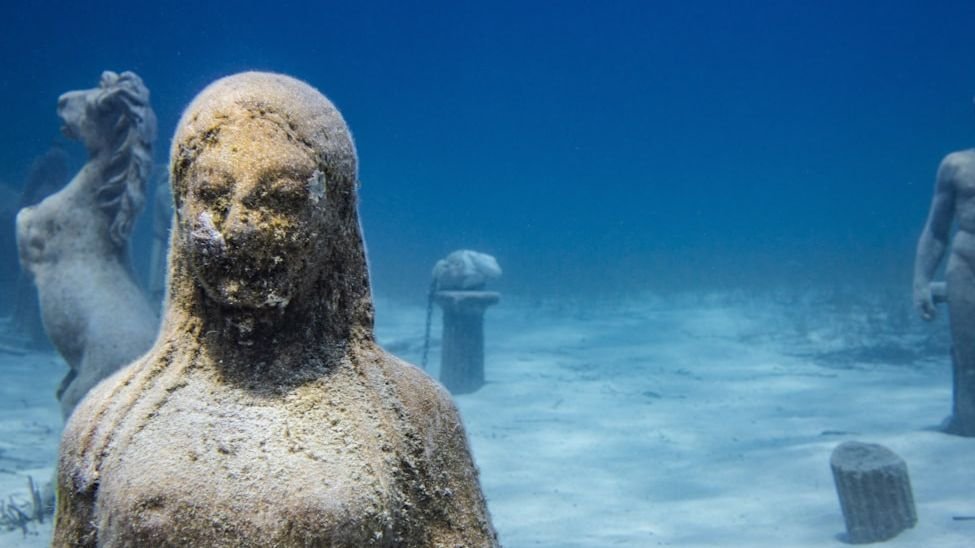

Atlantis has always felt like the ultimate what-if: a glittering civilization swallowed by the sea and memory in a single, terrifying night. For centuries, it’s lived somewhere between myth and possibility, hovering in that delicious space where history and storytelling blur. Now, a new wave of research, satellite scans, and underwater discoveries is quietly forcing a hard question back onto the table: what if there really was something behind the legend?
That doesn’t mean crystal pyramids on the ocean floor or sci‑fi technology hidden beneath the waves. Instead, the emerging picture is more subtle and, in many ways, more interesting. Historians, geologists, and archaeologists are increasingly open to the idea that Plato’s famous tale may be a distorted echo of real cities, real disasters, and real cultures. The story of Atlantis might not be about one lost city at all, but about how an entire world struggled to make sense of sudden catastrophe.
The Original Atlantis Story: What Did Plato Actually Say?
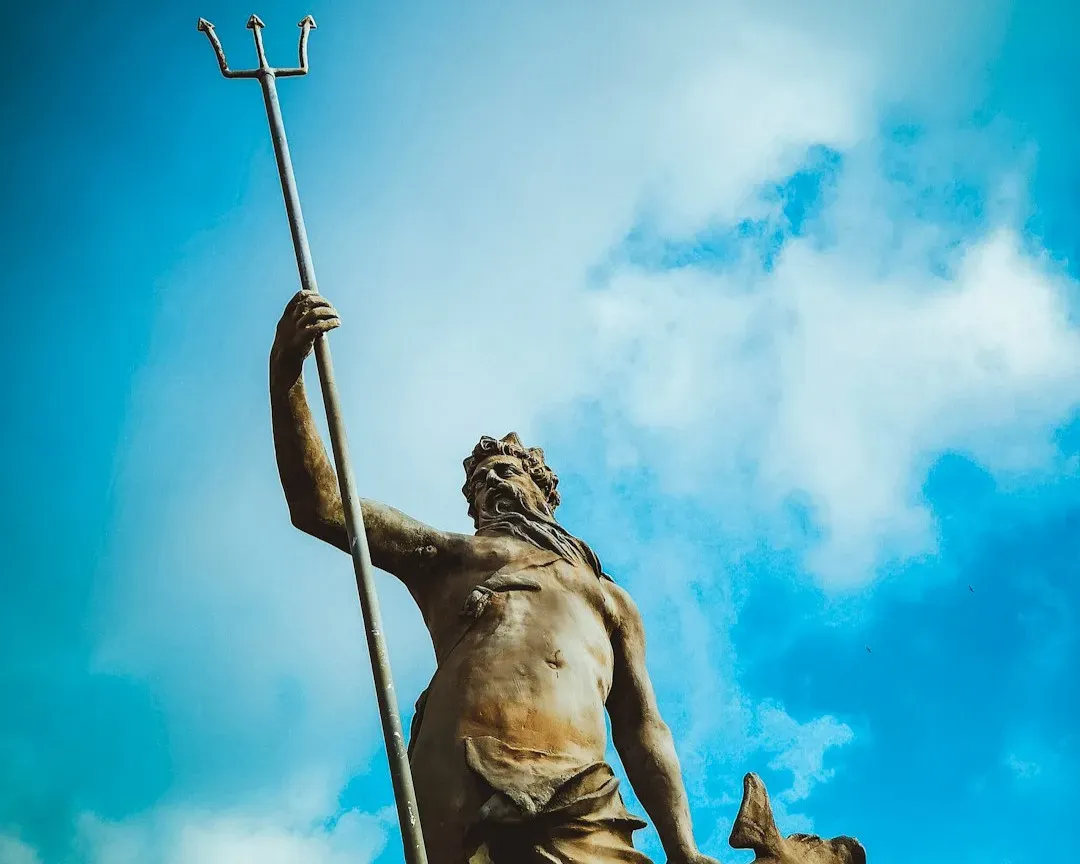
Any honest search for Atlantis has to start with Plato, because that’s our only primary source for the tale. Writing in the fourth century BCE, he described an advanced maritime power located “beyond” the Pillars of Hercules, which most historians agree means the Strait of Gibraltar. According to him, Atlantis was wealthy, organized, and militarily powerful, with an impressive capital city built in concentric rings of land and water.
Plato also claimed that this civilization was destroyed by earthquakes and floods in a single day and night of misfortune, leaving the sea where it once stood “impassable” due to mud. Modern scholars have long argued that he used Atlantis as a moral and political allegory, a dramatic way to criticise arrogance and imperial overreach. But the level of geographical detail, the references to real peoples, and the violent natural disaster at the heart of the story have made some experts wonder whether he was also drawing on older memories, passed down through generations.
Why Atlantis Refuses To Die As “Just A Myth”
Most ancient stories fade quietly into the background, but Atlantis keeps boomeranging back into the spotlight. Part of that is psychological: we’re drawn to the idea that somewhere out there, hidden beneath the waves, lies proof that our ancestors knew and built more than we give them credit for. The image of a sophisticated city swallowed by the ocean taps into deep fears of fragility, and deep hopes that the past still has secrets worth finding.
But there’s also a more sober reason Atlantis endures: the last few decades have uncovered real, spectacular examples of lost cities and drowned landscapes. We now know that dramatic sea level changes and catastrophic eruptions really did erase entire communities throughout history. When underwater archaeologists pull up stone walls, harbor works, and streets from places long assumed to be empty seabed, it becomes harder to wave Atlantis away as pure fantasy. The line between legend and history is suddenly less clear than it once looked.
Underwater Discoveries That Changed The Conversation
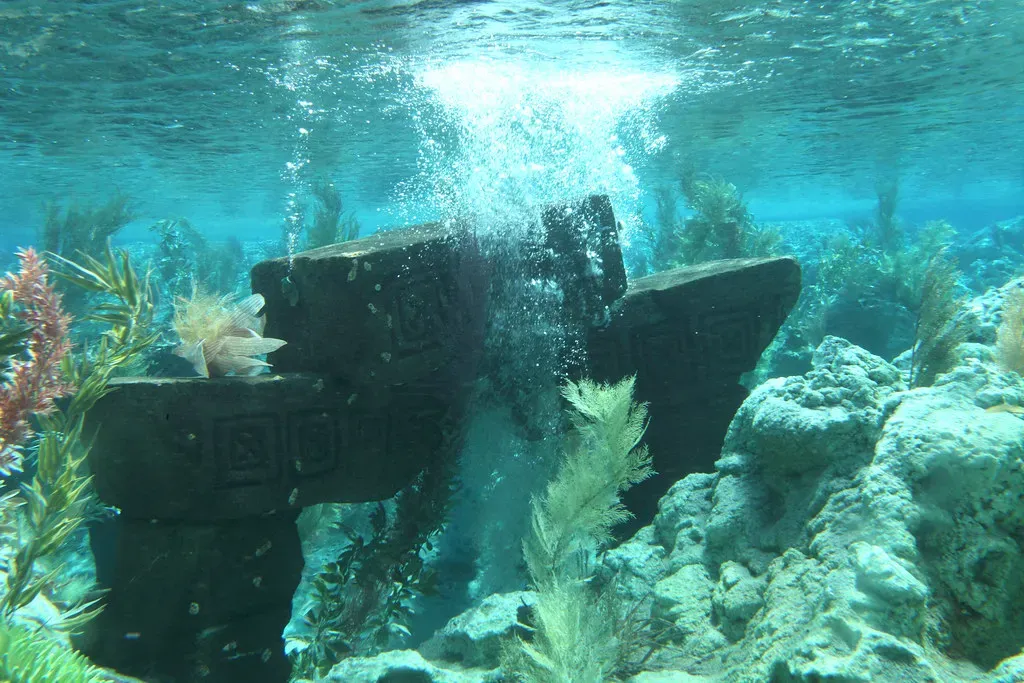
In recent years, sonar mapping, high‑resolution satellite imagery, and autonomous underwater vehicles have turned the seafloor into something we can explore with surprising precision. Off the coasts of places like Egypt, Greece, and India, researchers have found the remains of ancient ports, temples, and entire city blocks sitting where waves now roll. These aren’t speculative shapes on a screen; they’re real stone structures, sometimes with inscriptions and artifacts that can be studied and dated.
Each new underwater discovery is a reminder that coastlines are not fixed lines but moving edges. Ancient people built their cities close to the water for trade and access, and that made them vulnerable when the sea turned hostile. So when a sonar scan reveals gridded layouts or harbor basins in what used to be shallow coastal zones, it becomes easier to picture how a once‑busy hub could vanish in the chaos of storms, quakes, or rising seas. Suddenly, a story like Atlantis doesn’t sound quite as impossible as it did a century ago.
Santorini And The Minoans: A Real Disaster Behind The Legend?
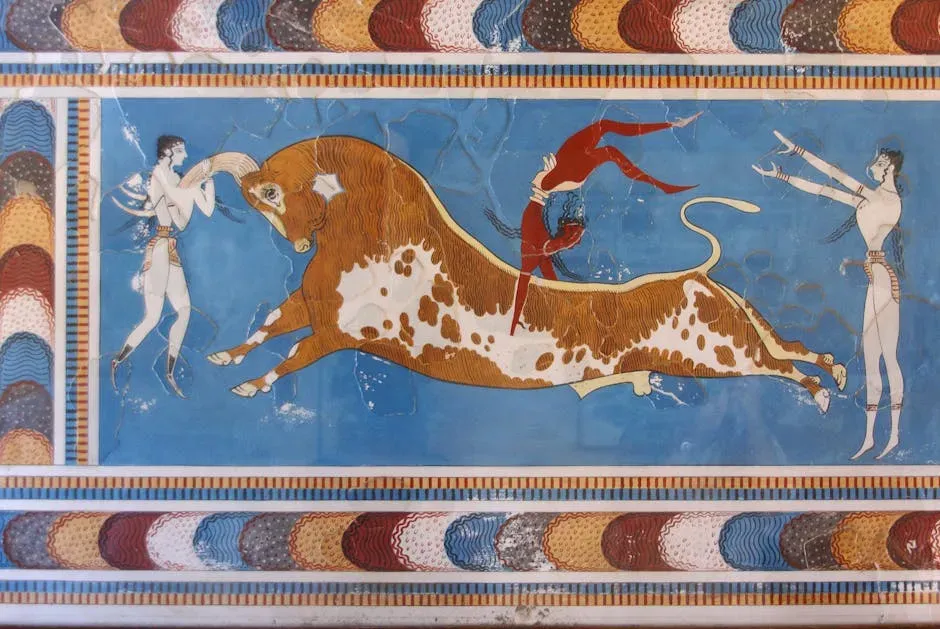
One of the strongest real‑world candidates linked to the Atlantis story is the volcanic island of Santorini, known in antiquity as Thera. Around the second millennium BCE, a colossal eruption tore the island apart, sending ash over vast distances and triggering tsunamis that likely hammered nearby coasts, including Crete, home of the flourishing Minoan civilization. The explosion ranks among the largest eruptions in human history, powerful enough to scar the climate and wreck trade networks.
Archaeologists at the site of Akrotiri on Santorini have uncovered a wealthy, sophisticated Bronze Age town frozen in ash, with multi‑story buildings, frescoes, and advanced drainage. It looks strikingly like the sort of place Plato might have imagined when describing an organized, seafaring culture. While Santorini itself doesn’t match all of his geographic details, the idea that memories of such a massive eruption and the decline of a powerful maritime civilization might morph into a tale of a vanished island has gained traction. History and myth often meet at the fault lines of memory.
The Atlantic, The Mediterranean, Or Somewhere Else Entirely?
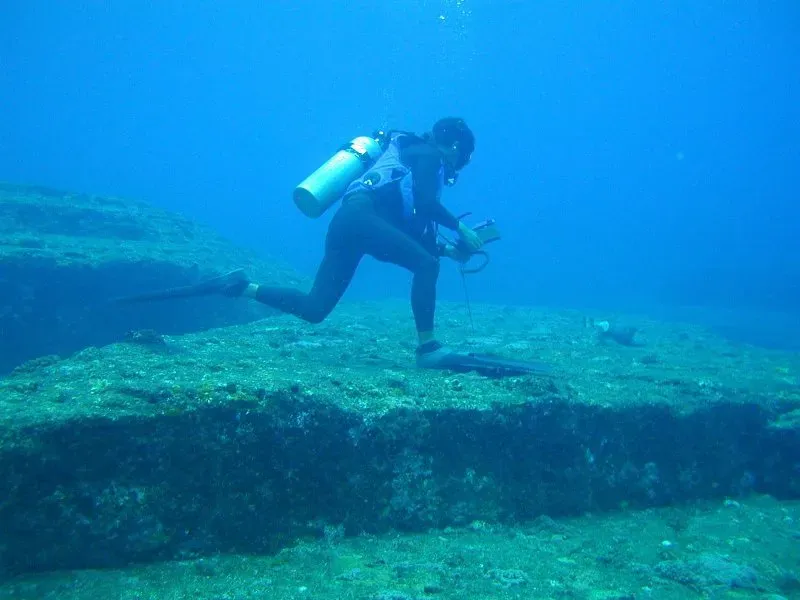
Ask ten Atlantis researchers where it might have been, and you’ll probably get ten different maps. Some argue that Plato meant what he appeared to say, and place Atlantis in the Atlantic Ocean, beyond the Strait of Gibraltar, sometimes linking it to submerged structures or strange seafloor features. Others think the “beyond” language is looser than it sounds and that he was really pointing to somewhere within or near the Mediterranean basin, where we have strong evidence of complex ancient societies and natural disasters.
There are also hypotheses that stretch from the coasts of Spain and Morocco to the Black Sea, and even further afield into the Americas or Antarctica. The more adventurous ideas tend to crumble under basic scrutiny, especially when they demand impossible technologies or rewrite major chunks of geology. Still, the geographic tug‑of‑war reveals something useful: the known ancient world contained many low‑lying, vulnerable regions where advanced port cities could be wiped out, and it doesn’t take much imagination to see how one of these might seed a story like Atlantis.
New Tech: Satellites, Lidar, And The Shape Of Lost Worlds
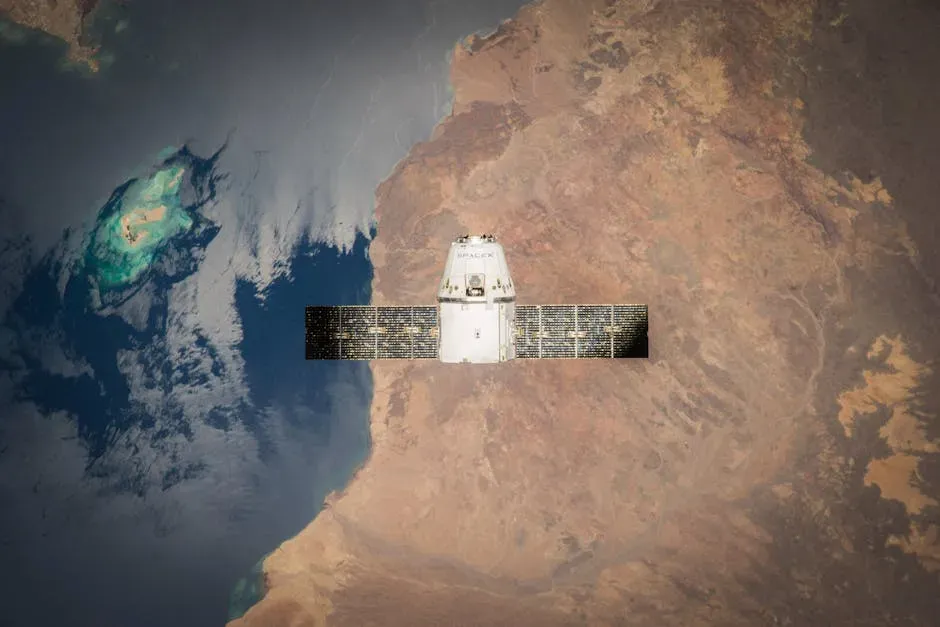
Over the last decade or so, the biggest breakthroughs have not come from divers stumbling on stone blocks but from data streaming down from the sky and across the seabed. Satellites can detect subtle changes in vegetation and soil that hint at buried walls on land once connected to now‑drowned coasts. Lidar, which uses laser pulses to strip away modern surface clutter, has revealed ancient cities under dense jungle; the same principle is being adapted to study shallow underwater zones and estuaries where rivers meet the sea.
At the same time, improved seafloor mapping has made it possible to create detailed images of submerged plateaus, channels, and old river valleys. In places around the Mediterranean and Atlantic margins, researchers have identified ancient shorelines and terraces where human settlements would have made sense during periods of lower sea level. While nothing discovered so far can be confidently stamped as “Atlantis,” the growing library of data is shrinking the amount of truly unknown territory. The more we see of the drowned world, the easier it becomes to sort plausible from impossible.
Geology, Sea Level Rise, And Cities That Literally Vanished
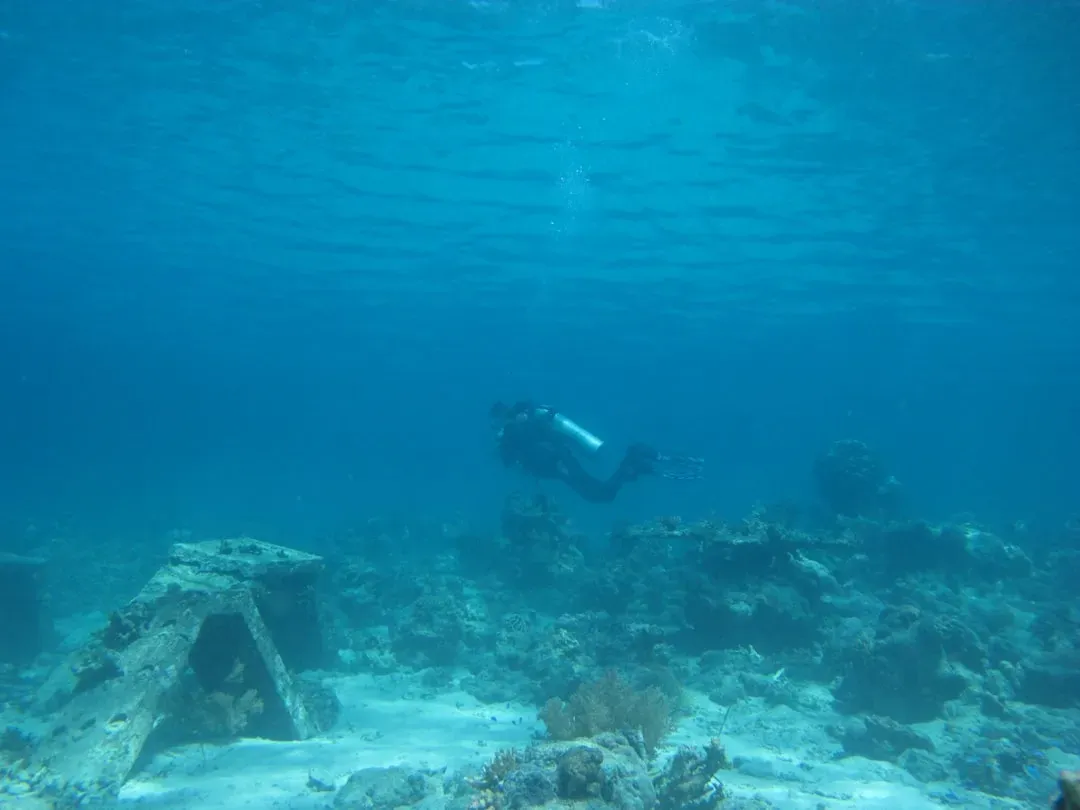
One of the most sobering shifts in recent research is just how dynamic we now know coastlines to be over long timescales. During and after the last Ice Age, sea levels rose by many tens of meters, swallowing vast stretches of continental shelf that had once been dry land. Even within historical time, earthquakes, tsunamis, and subsidence have dragged coastlines down and pushed them up, sometimes in a single terrifying night. To someone living through it, a harbor city “sunk by the gods” is exactly how such a disaster might feel.
Modern geology also helps explain details in Plato’s account, like his references to muddy shallows and impassable seas. Large earthquakes and landslides can release massive amounts of sediment into the water, clogging harbors and changing currents. Oceanographers and geologists studying sediments in the eastern Mediterranean and nearby basins have identified layers that match episodes of intense seismic and volcanic activity. When these layers sit alongside evidence of human occupation and sudden abandonment, it’s not hard to see how stories of punished cities and angry seas would be born.
Separating Science From Pseudoscience In The Atlantis Obsession
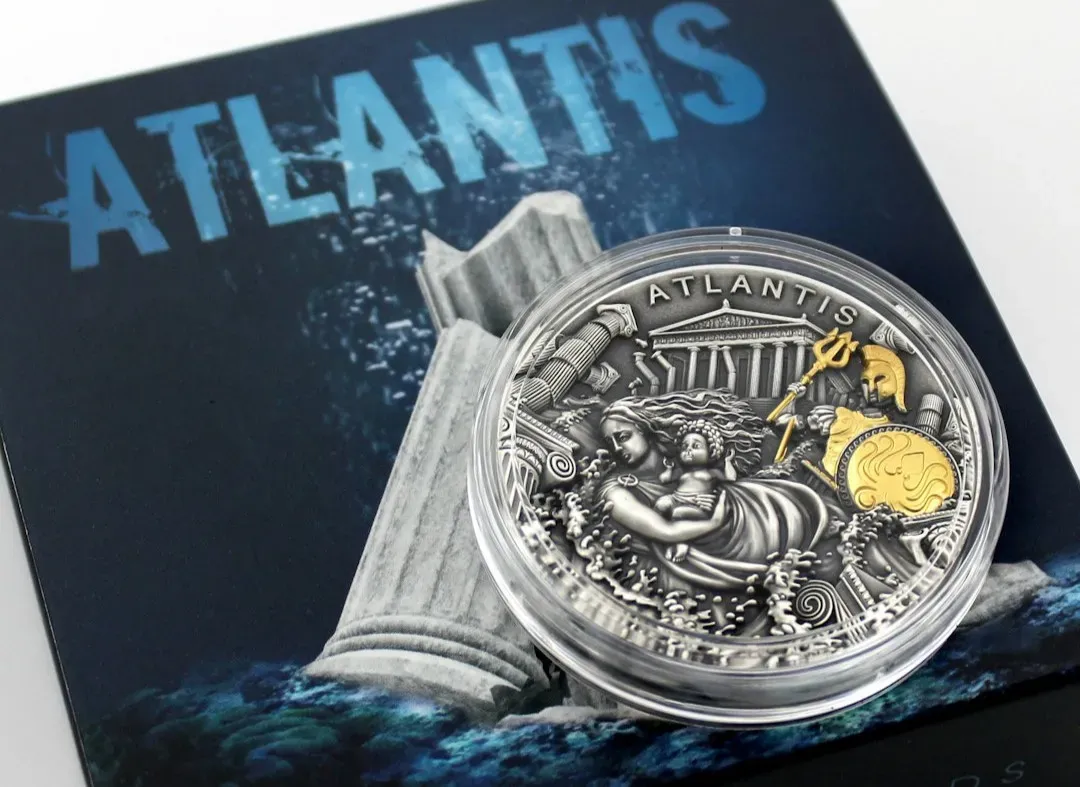
The same story that inspires serious scholars also attracts opportunists, and that’s where things get messy. Atlantis has been used over the years to sell everything from fringe racial theories to wild claims about alien engineers and impossible technologies. These versions might make for entertaining late‑night TV, but they lean on speculation, cherry‑picked evidence, and sometimes outright fabrication. They also make it harder for credible research on lost coastal cultures to get the attention it deserves.
Responsible investigators tend to focus on what can be measured, dated, and tested: pottery, building styles, sediment layers, radiocarbon results, and consistent patterns across multiple sites. When new evidence is presented, the key questions are always the same: does it fit with known geology, known sea level changes, and known cultures, or does it demand that we rewrite physics to make it work? The more we keep those standards in mind, the more room there is to explore the exciting possibilities around Atlantis without drifting into fantasy dressed up as fact.
A Personal Take: Atlantis As A Memory, Not A Map Pin
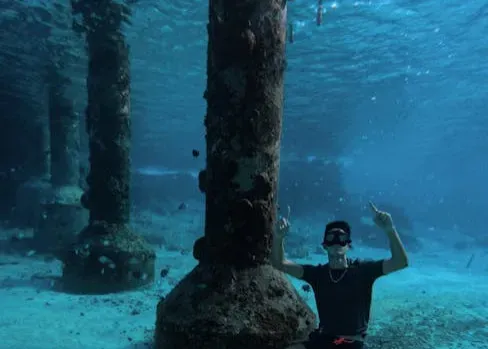
If you go looking for a single city that ticks every box in Plato’s story, you’ll probably come away disappointed. Over time, I’ve come to think of Atlantis less as a treasure hunt for one set of ruins and more as a kind of echo chamber for multiple real events: eruptions like Thera, floods that swallowed coastlines, and the slow drowning of places people once called home. In that sense, Atlantis feels a bit like a collage, built from different disasters, stitched together into one haunting narrative.
There’s something strangely moving about that idea. Instead of being a neat X on a map, Atlantis becomes a symbol for how vulnerable even the most impressive societies are when nature decides to shift gears. It reminds us that the ground under our feet and the sea at our door aren’t as stable as they look on a postcard. For me, that makes the legend more powerful, not less: it’s a warning, a lament, and maybe a stubborn hope that someone, somewhere, will remember what was lost.
Conclusion: Was Atlantis Real After All?
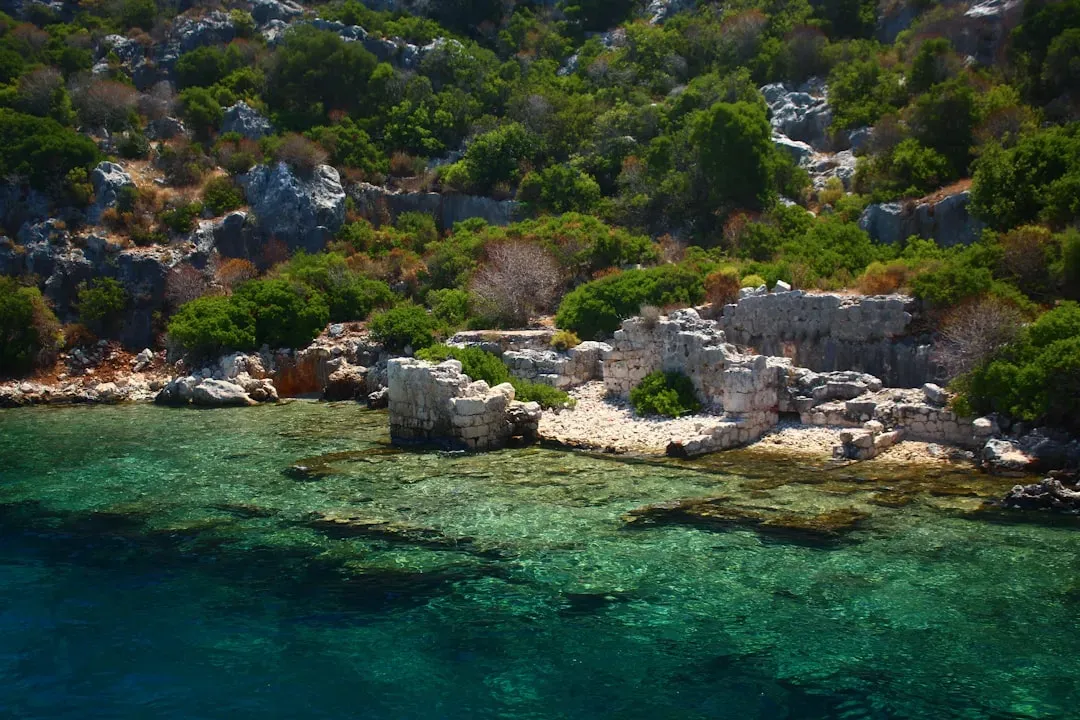
So, was Atlantis real? If by “real” you mean a perfect match to every line in Plato’s tale, with a nameplate on the seabed saying “Welcome to Atlantis,” the evidence just isn’t there. But if you mean a powerful, sea‑going culture partly erased by disaster, whose fate echoed through the centuries as stories passed from mouth to mouth, then the answer feels much closer to yes. The combination of underwater archaeology, geological research, and new scanning technologies strongly suggests that the ancient world saw more sudden, devastating losses than we once imagined.
In the end, the most compelling version of Atlantis is not a fantasy of super‑technology, but a very human story about overconfidence, nature’s force, and the fragility of coastal cities. We may never be able to point to one definitive site and close the case, and maybe that’s for the best. The mystery keeps us curious, keeps us digging, keeps us humble in the face of deep time and deep water. As new evidence continues to surface from the seafloor and the archives, it quietly reshapes the question from “Was Atlantis real?” to “How many Atlantises have already been forgotten?”