

There’s a strange, electric silence that falls over you in certain moments – staring up at a sky crowded with stars, hearing a piece of music that feels like it was written just for you, standing at the edge of a canyon that looks too big to be real. Your thoughts slow down, your usual inner monologue goes quiet, and for once, you’re not reaching for your phone. That feeling, that wordless shock mixed with wonder, is what scientists now study under a single name: awe.
For a long time, awe sounded like something reserved for poets, philosophers, and spiritual seekers. But over the past two decades, psychologists, neuroscientists, and even immunologists have started asking a simple question: what exactly happens to us when we feel awe, and why does it matter? The answers are surprisingly practical – awe doesn’t just feel good, it can calm our bodies, reshape our sense of self, and even change how we treat other people.
What Exactly Is Awe, Really?

Awe is one of those emotions that everyone recognizes but nobody defines the same way. Researchers tend to describe it as the feeling you get when you encounter something vast that forces you to adjust how you see the world. That “vastness” can be physical, like a mountain range, but it can also be mental or social, like hearing a big, mind-bending idea or watching an act of tremendous courage.
What makes awe different from simple pleasure or surprise is that it stretches your understanding. You don’t just say, “Wow, that’s cool.” You feel a kind of mental pause, as if your brain suddenly realizes its usual categories are too small. Instead of slotting the experience into an existing box, you sense you might need new boxes entirely. That quiet, humbling recalibration is at the heart of awe.
The Two Core Ingredients: Vastness and Cognitive Overload

Scientists often break awe down into two basic ingredients. The first is vastness: a sense of something so big, complex, or powerful that it dwarfs your usual frame of reference. This might be outer space, a thunderstorm, a cathedral, or even the intricate design inside a tiny shell when you really look at it. Vastness isn’t just about size; it’s about feeling that you’re in the presence of something beyond your normal scale.
The second ingredient is what researchers call the need for cognitive accommodation – basically, your brain’s way of saying, “My usual mental map doesn’t cover this.” In awe, your mind stalls for a moment because it can’t instantly explain or categorize what you’re seeing. That little glitch can feel unsettling or exhilarating, or both at once. It’s like running software that suddenly bumps into a file that’s too large or too strange, and has to update itself to keep going.
What Awe Does to Your Brain and Body

When you’re in awe, your brain doesn’t just sit back and admire the view; it lights up in very particular ways. Studies using brain imaging have found changes in areas linked to self-focused thinking and the default mode network, a system that’s active when your mind is wandering or daydreaming about yourself. During awe, activity in some of these self-focused regions tends to dial down, while networks involved in attention and sensory processing may ramp up, as if your brain is saying, “Shh, listen, this matters.”
On the physical side, awe often brings a sense of calm alertness. People report chills, goosebumps, a lump in the throat, or a floating, spacious feeling in the chest. Some research suggests awe can reduce markers of inflammation and stress, and can slow the perception of time, making moments feel more spacious and full. It’s as if your internal clock stretches, giving your nervous system a chance to step off the treadmill and take a longer, deeper breath.
Why Awe Shrinks Your Ego (In a Good Way)

One of the most fascinating effects of awe is how small it can make you feel – and how strangely good that can be. In awe, people often report feeling like a “small self” against something much larger, whether that’s nature, humanity, the universe, or even time itself. Instead of feeling diminished or worthless, that smallness can be oddly comforting, like finally realizing you don’t have to carry the whole world on your shoulders.
When your sense of self softens and stretches, problems that felt huge a few minutes ago suddenly look a bit more manageable. You might find your own worries shifting to the background, while curiosity and appreciation take center stage. This doesn’t magically solve anything, but it can loosen the tight, anxious grip of self-absorption. In that looser space, you see yourself as part of a bigger story instead of the only character that matters.
Awe and Time: Why Big Moments Feel Slow and Deep
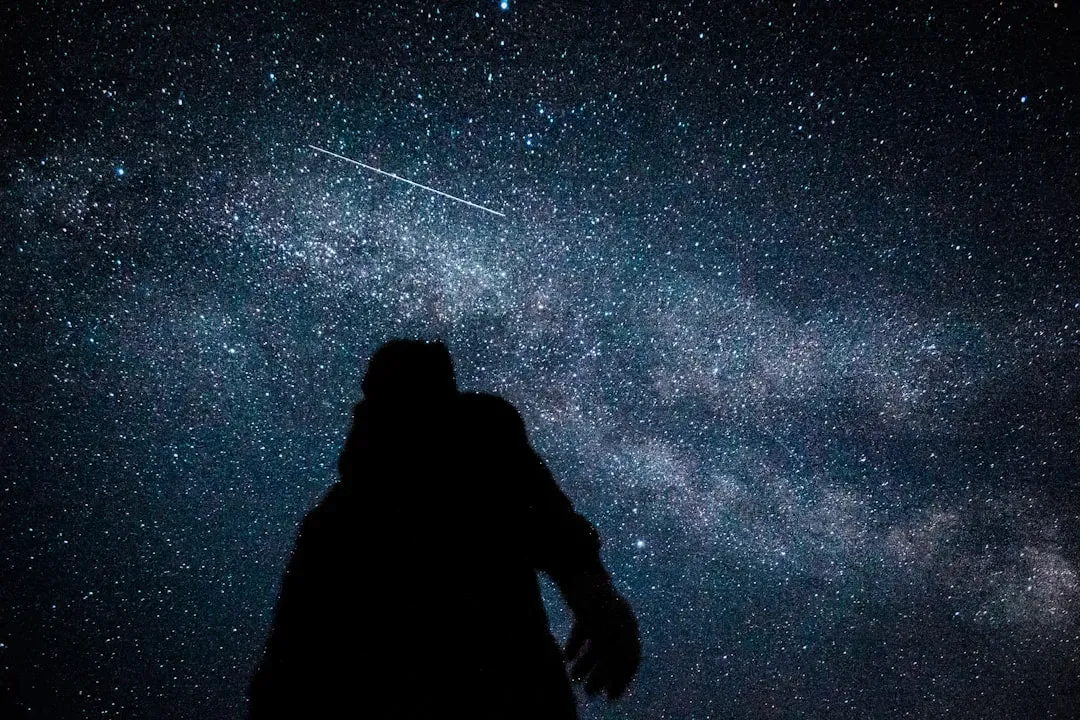
Think about the last time you were truly awestruck – maybe watching an eclipse, a meteor shower, or a breathtaking performance. Many people say those moments feel strangely “thick,” as if time stretches out and each second carries more weight. Researchers studying awe have consistently found that people feel like they have more time when they’re in awe, even when the clock hasn’t changed at all.
This expanded sense of time has interesting side effects. When you feel less rushed internally, you’re often more willing to help others, more patient, and less obsessed with cramming in the next task. Awe doesn’t give you extra hours in your day, but it shifts your relationship to time – from racing against it to inhabiting it more fully. It’s the difference between sprinting on a treadmill and standing quietly on a hillside, watching clouds move across the sky.
How Awe Changes Our Relationships and Behavior
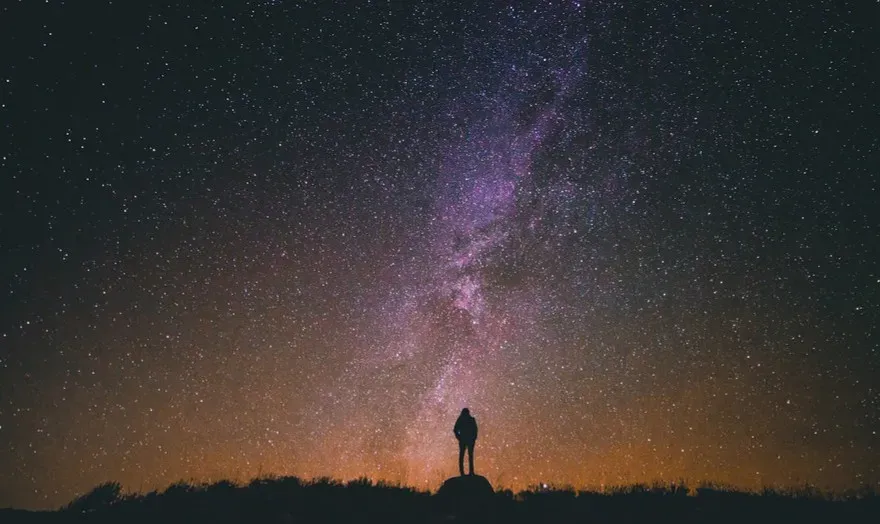
Awe may feel personal and private, but it tends to ripple outward into how we act. People who experience awe often report feeling more connected to others, more willing to cooperate, and more inclined to put the common good ahead of narrow self-interest. In experiments, even brief awe experiences have been linked to increased generosity and more ethical decision-making, at least in the short term.
Part of this comes back to that shrinking ego. When you feel less like the center of the universe, it’s easier to notice the people around you, their needs, and your shared humanity. Awe can nudge you out of the mental bunker of “me versus everyone” and into a sense of “we.” It doesn’t instantly turn anyone into a saint, but it tilts the internal balance toward compassion and cooperation instead of fear and defensiveness.
Everyday Awe: It’s Not Just for Grand Canyons and Galaxies

It’s easy to think awe requires a plane ticket or a rare, once-in-a-lifetime event, but that’s not what the research suggests. Many people describe awe in surprisingly ordinary settings: watching a child learn something new, hearing a stranger sing on a subway platform, seeing a quiet act of kindness at exactly the right moment. Awe hides in the corners of daily life when you actually bother to look.
You can even train yourself to notice awe more often. Simple practices, like taking “awe walks” where you deliberately seek out things that evoke wonder – old trees, dramatic clouds, street art, even complex city infrastructure – can increase feelings of awe over time. The trick is slowing down just enough to let yourself be surprised again, to look at your world as if you’d never seen it before instead of sleepwalking past it on autopilot.
The Dark Side: When Awe Turns into Fear or Overwhelm

Awe isn’t always gentle or comforting. Sometimes it veers into terror, especially when the vastness you face feels threatening or completely beyond control. Think of standing under a violent storm, watching massive waves crash during a hurricane, or confronting a medical diagnosis that rewrites your understanding of your own body. Those moments can carry a flavor of awe mixed with dread, a recognition that you are very, very small in the face of something powerful.
Researchers sometimes distinguish between positive and more threatening forms of awe. The positive version tends to bring curiosity, gratitude, and connection, while the darker side can tilt toward anxiety or a sense of helplessness. The line between the two isn’t always clear, and the same event can hold both at once. The key is that awe is emotionally intense; it shakes the foundations of how you see things, which can feel liberating or destabilizing, depending on the context and your sense of safety.
Can We Use Awe as a Tool for Mental Health?
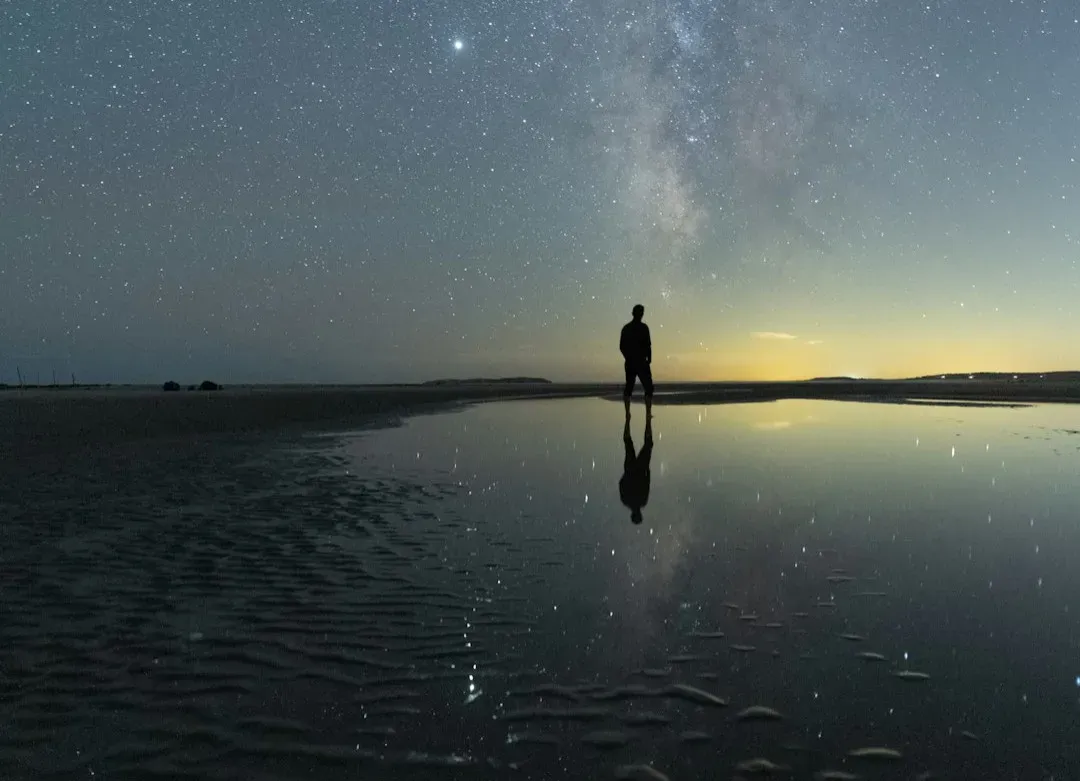
In the past few years, therapists and researchers have started to ask whether awe could be more than a happy accident – could it be something we deliberately cultivate to support mental health? Early work suggests that regular experiences of awe are linked to lower stress, greater life satisfaction, and a stronger sense of meaning. Awe won’t replace therapy or medication, but it might act as a powerful supplement, like a psychological nutrient many of us are missing.
In practice, that might mean weaving awe into existing approaches rather than treating it as a cure-all. For some people, this could look like guided nature experiences, mindful attention to art or music, or even structured reflection on moments of moral courage and resilience. At a smaller scale, simply asking yourself once a day, “What amazed me today?” can shift your attention toward experiences that expand you instead of just drain you. It’s not magic, but over time, it can slowly recalibrate how you move through the world.
Designing an Awe-Filled Life in a Distracted World

Modern life isn’t exactly optimized for awe. Constant notifications, tight schedules, and flat screens take up the mental space that awe needs to breathe. Many of us live with our eyes locked on the next task, the next message, the next minor crisis, rarely lifting our heads long enough to notice the sky, the people around us, or the quiet strangeness of simply being alive. It’s no wonder awe feels rare; we’ve accidentally built lives that crowd it out.
But awe doesn’t demand a complete lifestyle overhaul; it just asks for a different kind of attention. That might mean leaving your phone in your pocket during a concert, walking a little slower through a park, or actually looking at the stars instead of checking the weather app. It might mean exposing yourself to ideas that challenge you, or spending time with people whose courage and creativity stretch your imagination. Little by little, you can choose environments and habits that make awe more likely, instead of hoping it randomly shows up once a decade.
Conclusion: Letting Yourself Be Astonished
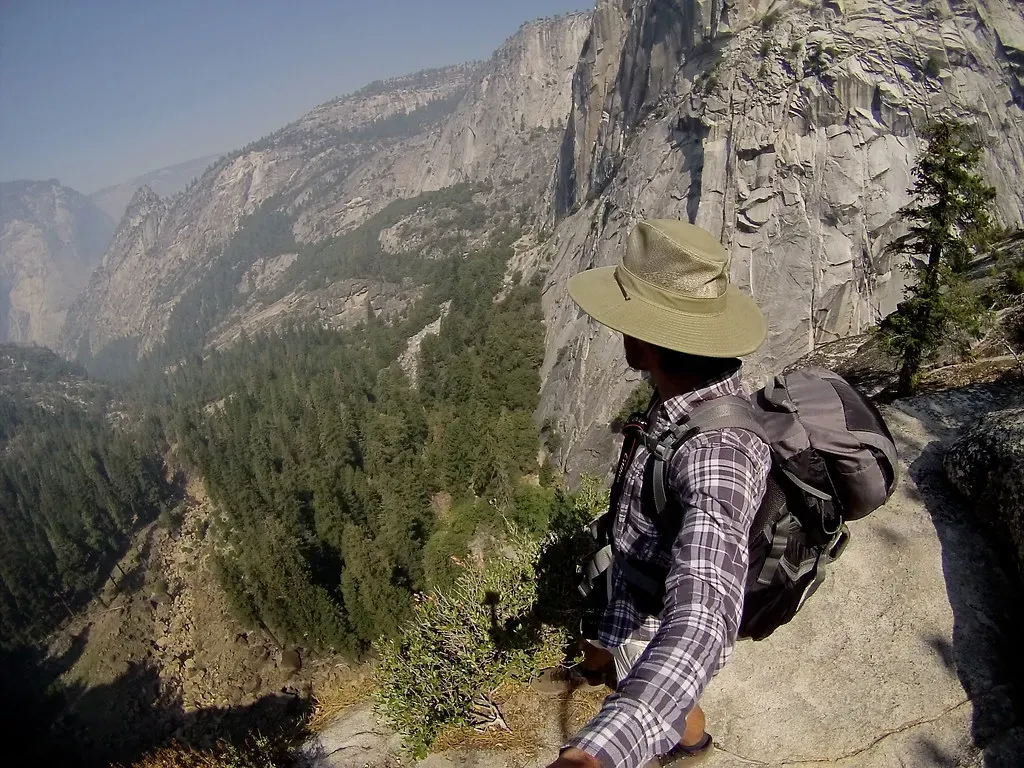
Underneath all the science and terminology, awe is a reminder that the world is bigger, stranger, and more intricate than our daily worries would have us believe. It pulls us out of the cramped apartment of our own heads and throws open the windows, letting in a gust of fresh, chilly air. In that air, our ego shrinks, time stretches, and our sense of connection quietly grows. We remember, for a moment, that we’re part of something far larger than our inboxes and to-do lists.
I still remember standing alone on a cliff years ago, watching the sun bleed into the ocean, feeling both impossibly small and deeply okay for the first time in months. That feeling didn’t fix my life, but it shifted the ground beneath it. Awe does that: it doesn’t hand you answers, but it changes the questions you ask. Maybe the real challenge in a noisy, distracted age isn’t finding awe at all – it’s allowing ourselves to be astonished when it finally knocks. When was the last time you let something leave you truly, honestly speechless?