
Walk through an abandoned ancient city and you can almost hear the echo of voices that stopped mid-sentence. Great roads lead nowhere, temples stand silent, and the people who once filled them are simply gone. No farewell note, no neat conclusion, just a sudden break in the story of a whole civilization. That feeling – that sharp, unsettling emptiness – is exactly why lost cultures fascinate us so deeply.
Some of these civilizations were powerful enough to bend rivers, cut mountains, and reorder the land itself, yet they couldn’t escape disappearance. Wars, plagues, climate shifts, political chaos, or something we still can’t fully explain may have swept them away. We’re left with fragments: shattered pottery, strange scripts, collapsed pyramids, and questions that nag at us like an unfinished sentence. Let’s walk through thirteen of these vanished worlds and see what their ruins are still trying to tell us.
The Indus Valley Civilization: A Silent Urban Giant
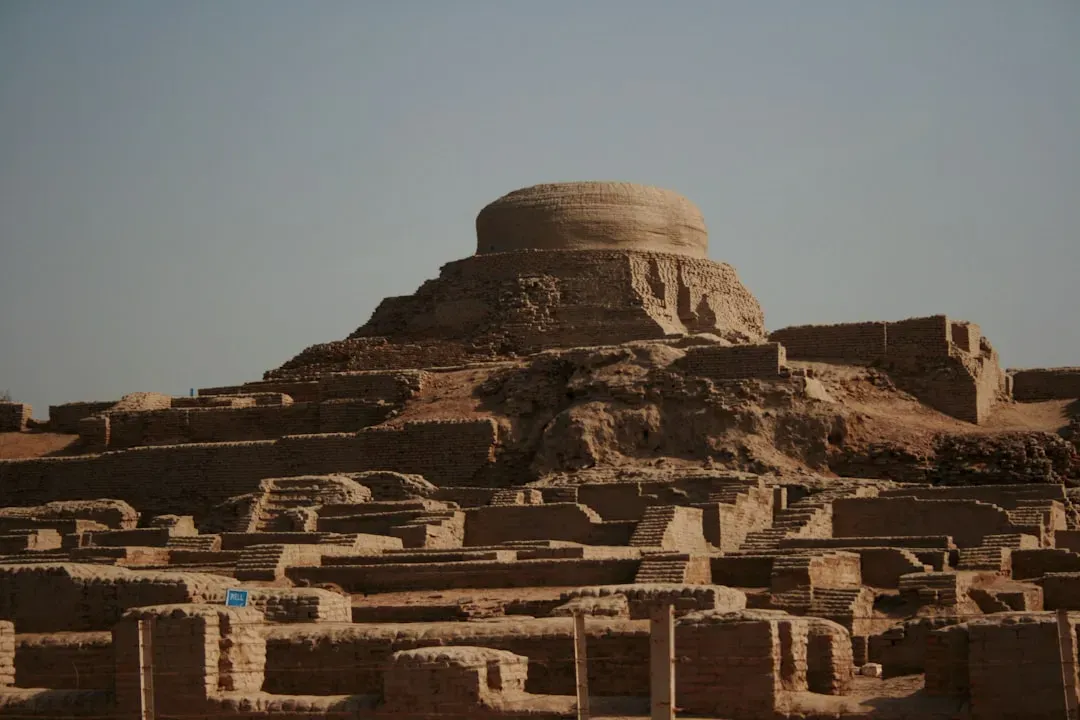
It’s shocking how a civilization as advanced as the Indus Valley could vanish so quietly. Centered around cities like Mohenjo-daro and Harappa in what is now Pakistan and northwest India, it flourished roughly four thousand years ago. These people built carefully planned grid cities, sophisticated drainage systems, and standardized weights long before many other famous cultures did. Yet we still can’t fully read their script, and that alone makes them feel strangely out of reach.
What makes the mystery deeper is the absence of obvious war or massive destruction layers in many of their sites. Instead, evidence points toward gradual decline – river shifts, possible climate change, and the slow unraveling of trade networks. Imagine a world where your river, your lifeline, simply moves away from you over generations. The people didn’t vanish overnight; they seem to have dispersed into smaller communities, leaving behind big cities that slowly crumbled under dust and time.
The Maya Cities of the Lowlands: Palaces Swallowed by Jungle
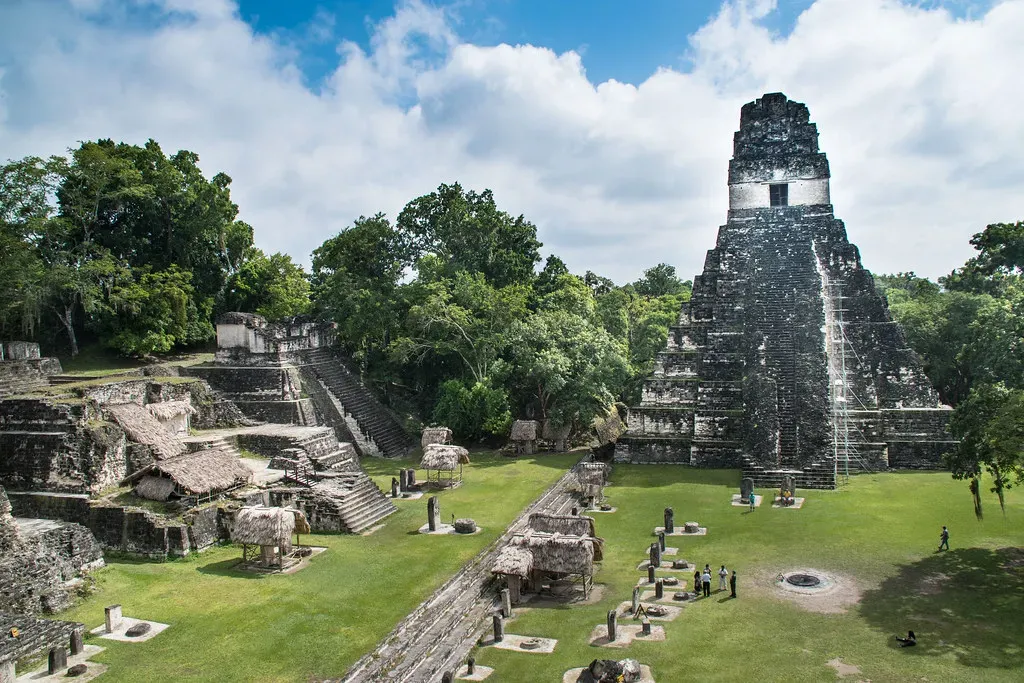
Climb a Maya pyramid in Guatemala or Mexico today and you’re standing on the shell of a lost world. These cities – like Tikal, Copán, and Palenque – once towered over dense forest, filled with scribes, astronomers, and rulers obsessed with time and the stars. Their stone monuments, carved with intricate glyphs, record the lives of kings and their battles in astonishing detail. Yet by around twelve hundred years ago, many of these great lowland cities had been abandoned.
Researchers now think overlapping crises may have triggered the collapse: long droughts, overuse of land, internal warfare, and the pressure of competing city-states. It’s like a complex machine that starts breaking down in several places at once. What’s fascinating is that the Maya people themselves didn’t vanish; their descendants still live throughout the region today. But the grand ceremonial centers and palaces were left to the jungle, which crept in slowly, root by root, until whole cities disappeared under green.
Çatalhöyük: The Packed-Together Puzzle of Prehistory
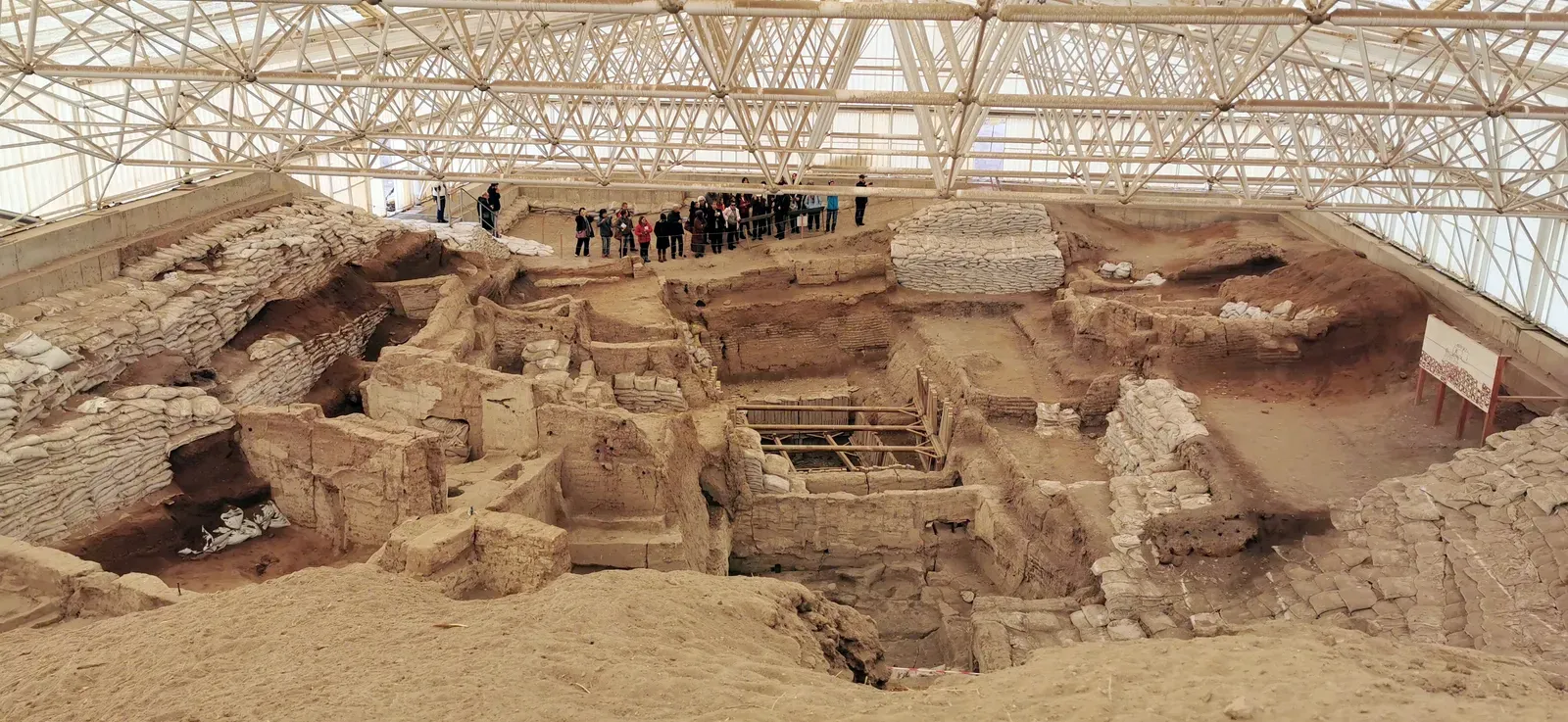
Çatalhöyük in modern Turkey looks less like a city and more like a dense honeycomb of houses fused together. Around nine thousand years ago, this was one of the largest known settlements of its time, long before the pyramids or classical temples. People built homes so close that they entered through the roof, walking over neighbors’ houses as if on a shared terrace. Inside, walls were decorated with murals and plastered skulls, hinting at complex rituals and beliefs.
But after more than a thousand years of occupation, the settlement was gradually abandoned and shrank away. There’s no single clear catastrophe to point to, just subtle clues: crowding, health issues, environmental strain, and perhaps social tension. It feels like a slow realization that living so tightly packed wasn’t sustainable anymore. People seem to have moved into smaller, more dispersed communities, trading a buzzing, crowded hill of houses for something quieter and more spread out.
Nabta Playa: A Desert Observatory Lost to the Sands
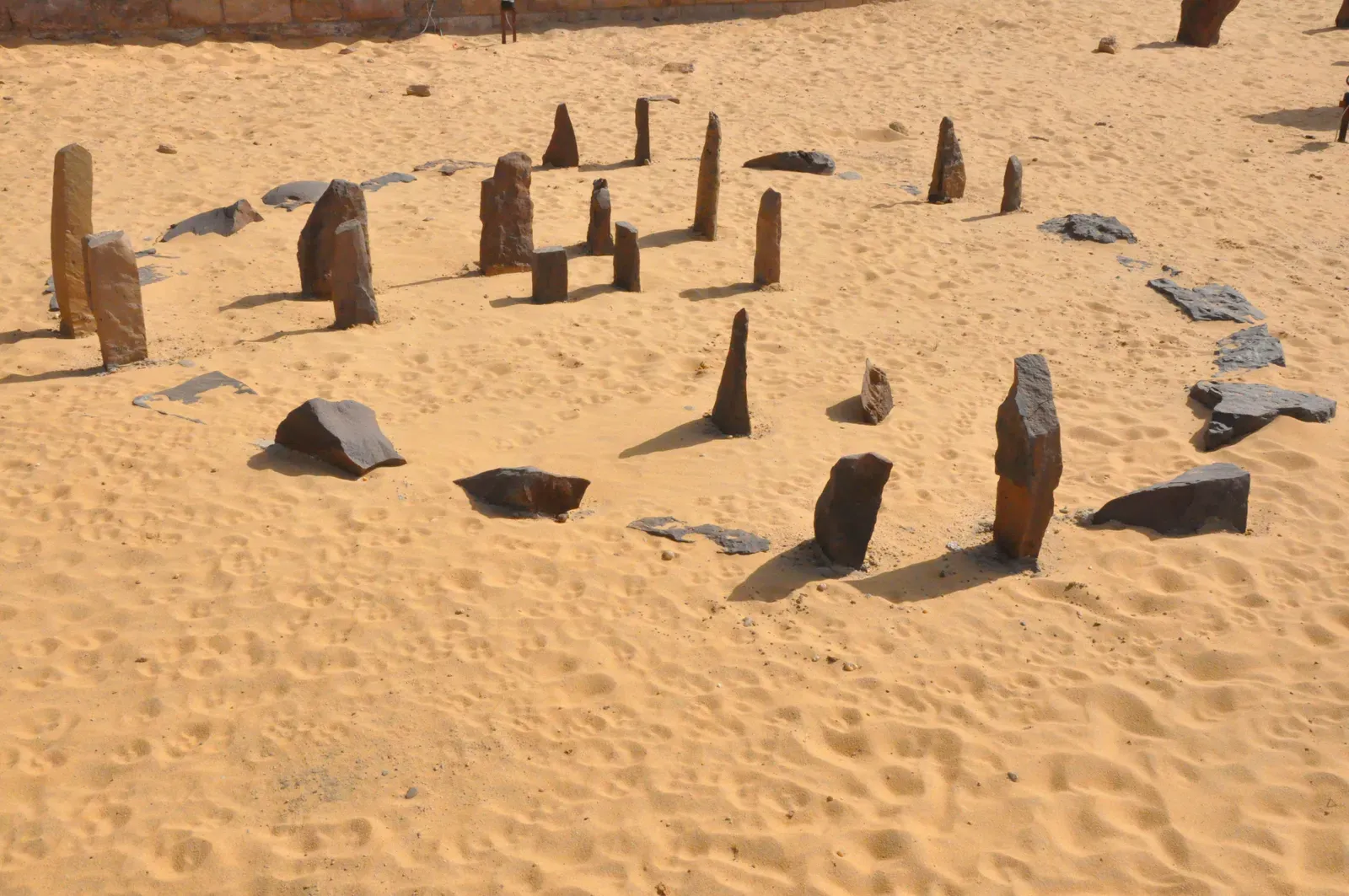
Deep in what is now the Egyptian Sahara lies Nabta Playa, a place that was once a seasonal lake thousands of years before the pharaohs. There, early pastoralist communities built stone circles and alignments thought to mark astronomical events, possibly tracking the summer solstice. Think of it as a prehistoric calendar standing in the middle of a landscape that would later become bone-dry desert. These stone structures suggest planning, shared beliefs, and a surprising interest in the sky.
Then the climate turned against them. Over time, the region became more arid, the lake vanished, and the people moved on, following water and grazing lands. The monuments remained, but their makers disappeared into the broader story of early North African cultures. Today, all that’s left is a scattering of carefully placed stones in an unforgiving environment, quietly hinting that people once patiently watched the stars from a place almost no one can live in now.
The Minoans: Palace Builders of the Sea
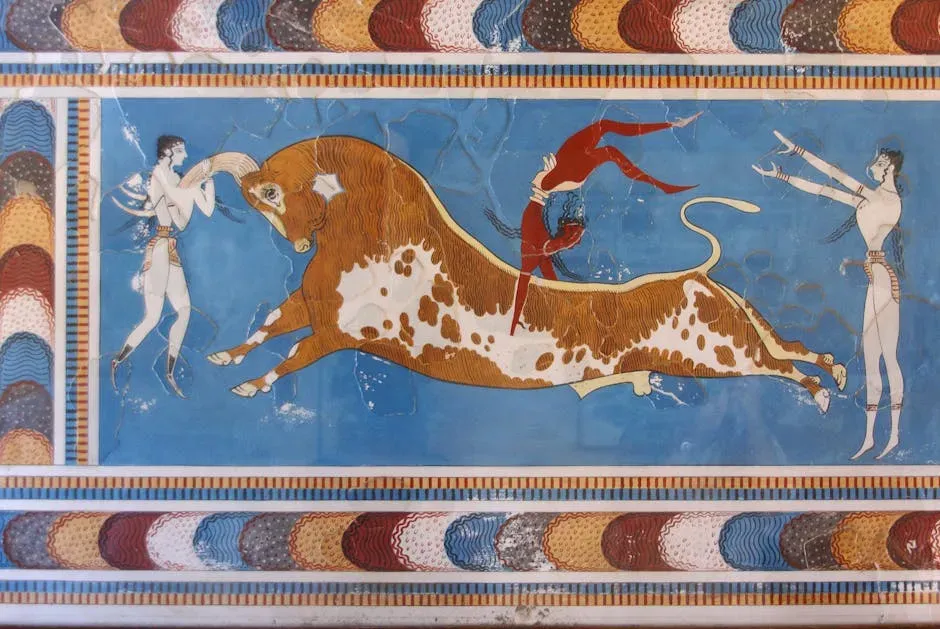
On Crete, the ruins of Minoan palaces like Knossos look like the stage sets of a forgotten myth. This Bronze Age civilization thrived in the eastern Mediterranean, building complex multi-story structures, developing vibrant art, and trading widely by sea. Their frescoes show leaping bulls, sacred rituals, and elegant figures that feel almost modern in their motion. For a long time they were seen as a peaceful, almost utopian culture – though later evidence suggests they had their share of conflict and hierarchy.
Their decline is tangled up with natural disaster and human rivalry. The massive volcanic eruption on nearby Thera (Santorini) likely triggered tsunamis and regional chaos, hammering their economy and ports. At the same time, rising powers on the Greek mainland, such as the Mycenaeans, took advantage of that weakness and moved in. By the time the dust settled, Minoan palaces were destroyed or transformed, their script still not fully understood, and their independent identity faded into someone else’s story.
Ancestral Puebloans of Chaco and Mesa Verde: Stone Cities in the Cliffs
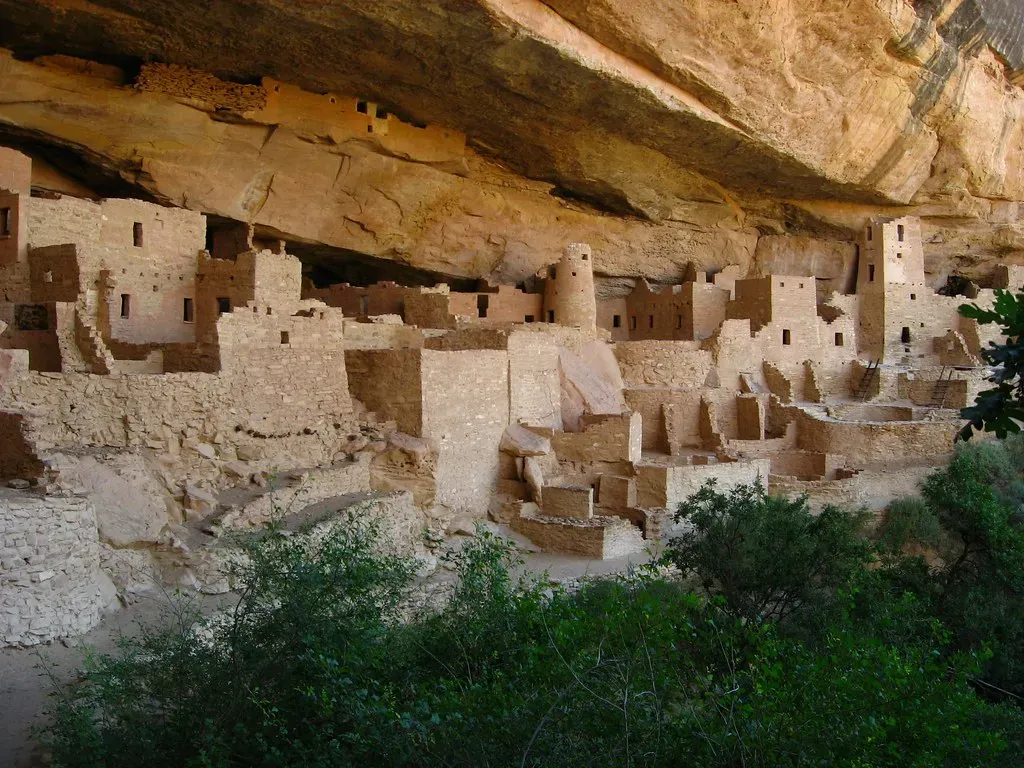
In the American Southwest, ancient roads and great houses cut through stark desert landscapes, pointing toward a vanished world. The Ancestral Puebloans who built massive complexes at Chaco Canyon and dramatic cliff dwellings at Mesa Verde created planned ceremonial centers, kivas, and astronomical alignments. From above, the great houses look like intricate blueprints stamped into the earth. These communities were at the center of wide trade networks, moving turquoise, shells, and ideas across vast distances.
Yet by around seven hundred years ago, many of these monumental sites were left behind. Long droughts, crop failures, social tensions, and possibly conflict pushed people to reorganize their lives and move elsewhere. Instead of a dramatic single collapse, it was more like a slow, painful decision to walk away from beloved homes. Today, the cliff dwellings and great houses stand empty but not forgotten, watched over by descendant Native communities who maintain cultural ties to these places.
Nabateans of Petra: The Rose-Red City Without Its People
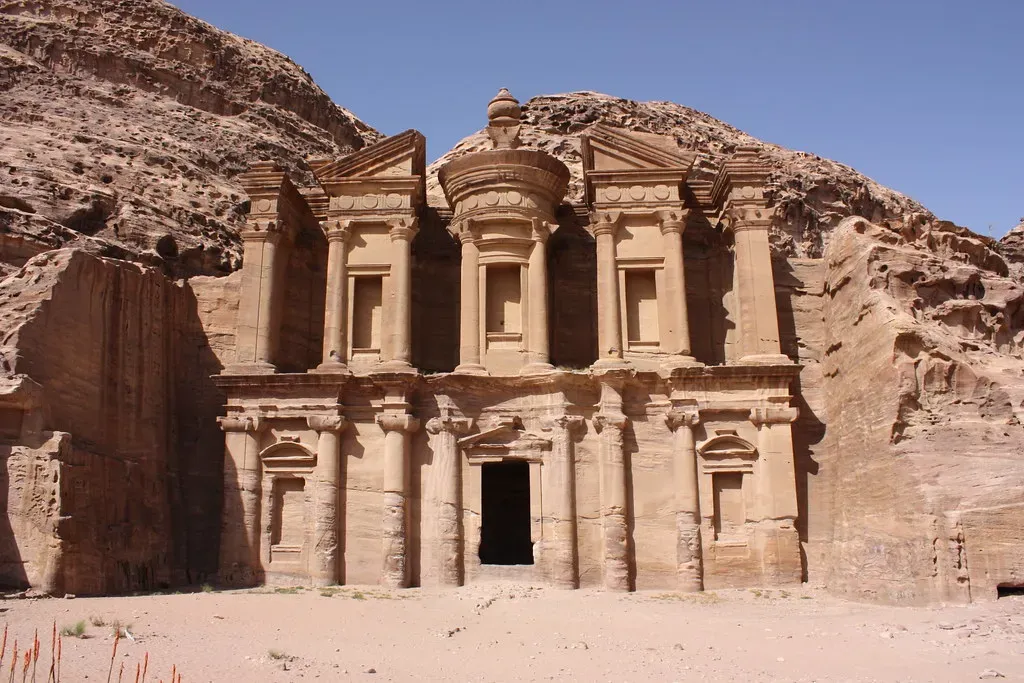
Petra in Jordan looks like something out of a dream: entire facades carved into rosy cliffs, soaring tombs, and a narrow canyon that suddenly opens into a hidden city. The Nabateans, who built this capital, were masters of water management and trade, controlling key caravan routes through the Arabian deserts. They cut cisterns into rock, channeled rare rainfall, and turned an unlikely location into a thriving, wealthy urban center. Their rock-cut architecture still feels theatrical, like a permanent stage set waiting for actors who never arrive.
But history moved on without them. As Roman power expanded, the Nabateans were gradually absorbed into the empire, and over time, trade routes shifted away from Petra. Earthquakes damaged parts of the city, and the delicate balance of water and commerce that had sustained it began to falter. Eventually, the population shrank, and Petra slipped into obscurity, known mostly to local Bedouin communities. When outsiders “rediscovered” it in the nineteenth century, the city itself remained – but the civilization that had carved it was long gone.
The Hittite Empire: A Superpower That Vanished Overnight
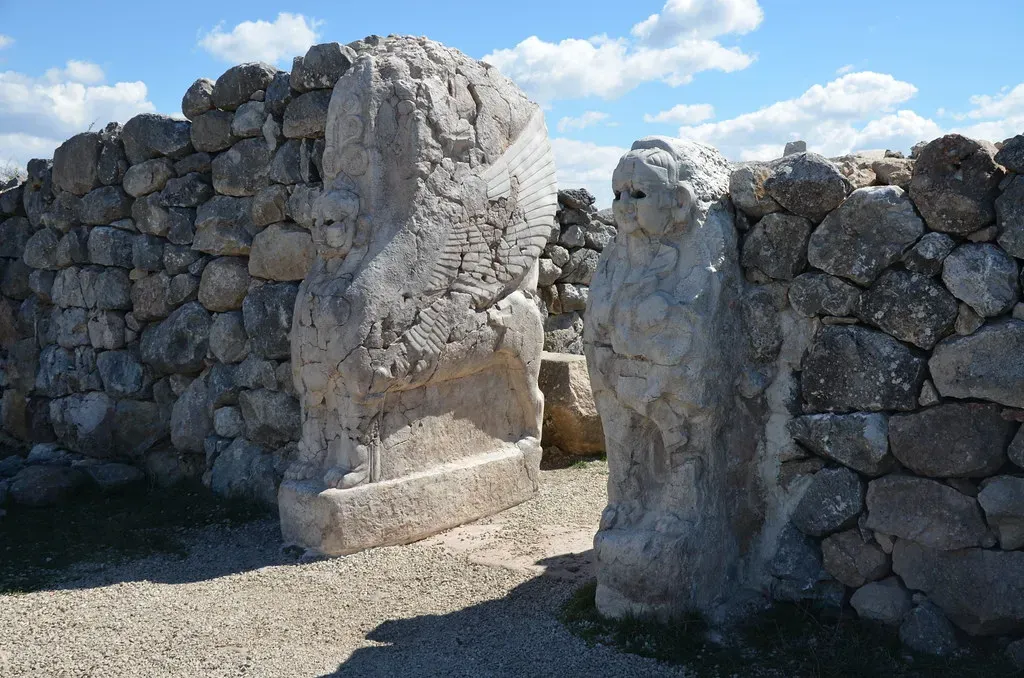
For a while in the late Bronze Age, the Hittites were one of the region’s major powers, rivaling Egypt and Babylon from their stronghold in central Anatolia. They controlled trade routes, commanded large armies with iron weapons, and negotiated treaties that reshaped the Near East. Their capital at Hattusa was full of fortifications, temples, and archives written on clay tablets. For a long time, we didn’t even realize how important they were until their records were deciphered in the twentieth century.
Then, around the time of the so-called Late Bronze Age collapse, their empire disintegrated with shocking speed. A mix of factors likely played a role: invasions, internal revolts, economic strain, and wider regional turmoil affecting many societies at once. There’s no single smoking gun, but the pattern is clear – great cities were burned, administration broke down, and the Hittite state shattered into smaller local groups. Hattusa itself was abandoned, leaving behind walls and gates that now guard only the wind.
Teotihuacan: The Avenue of the Dead to Nowhere
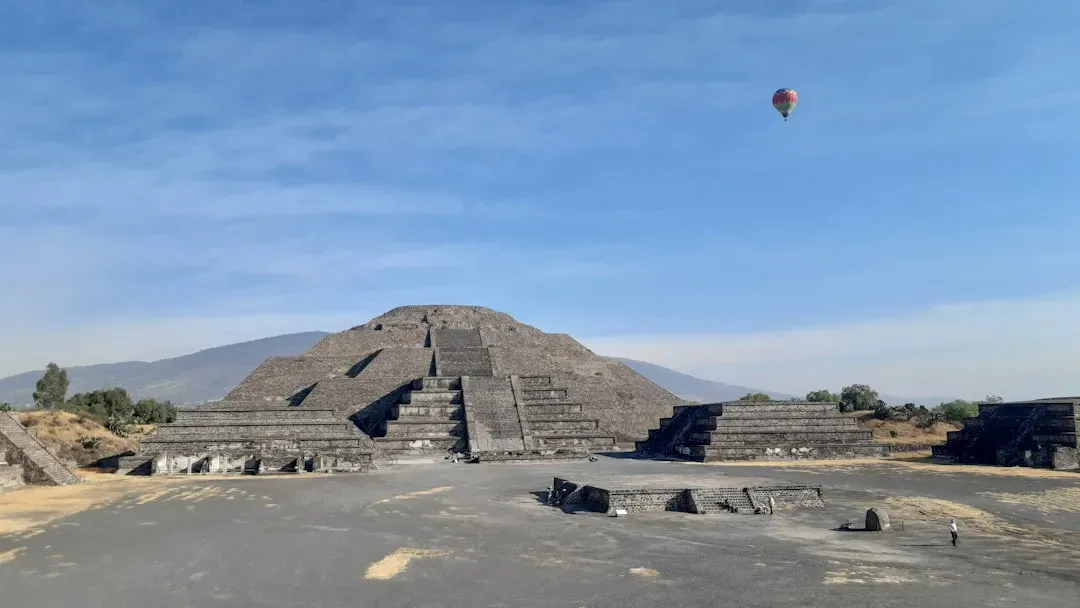
Teotihuacan, near modern Mexico City, was once one of the largest cities in the world, with broad avenues and massive pyramids rising out of the plateau. Walking down the Avenue of the Dead today, you pass the Pyramid of the Sun and the Pyramid of the Moon, silent proof of intense religious and political life. At its height, the city drew people from many cultures, creating a kind of ancient metropolis that shaped the entire region. Its art and architecture influenced later societies, including the Aztecs, who revered it long after it had fallen silent.
But around the sixth century, something went terribly wrong inside the city. Archaeologists have found signs of deliberate burning in some elite compounds, suggesting internal conflict or uprising. Add to that possible drought, resource pressure, and social inequality, and it looks like the system simply hit a breaking point. The population dwindled, monuments fell into disrepair, and the city turned into a vast ghost town. By the time the Aztecs arrived centuries later, they saw Teotihuacan as the work of gods rather than of people who had faced all-too-human problems.
The Clovis Culture: Hunters at the Edge of the Ice
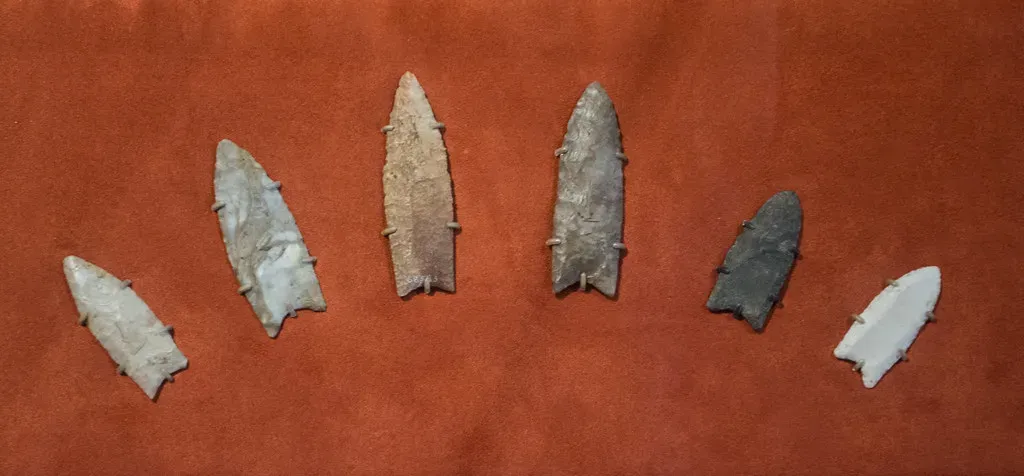
Far earlier than most of the other civilizations on this list, the Clovis culture in North America is known mostly from distinctive stone spear points. These people lived more than ten thousand years ago, hunting large Ice Age animals and crossing a continent that looked very different from today. Their tools, often found with the bones of mammoths and other megafauna, show skill and adaptability. For a long time, Clovis was even thought to represent the first widespread human culture in the Americas, though that view has changed with newer discoveries.
Then, quite abruptly in archaeological terms, their specific tool style and way of life disappear from the record. As the climate warmed and many large animals went extinct, the hunting strategies that had worked for generations stopped making sense. People didn’t literally vanish; they adapted, diversified, and developed new regional traditions. It’s a reminder that sometimes “disappearance” is really transformation – like a story changing genres rather than ending outright.
The Cucuteni–Trypillia Mega-Settlements: Burned Cities on Repeat
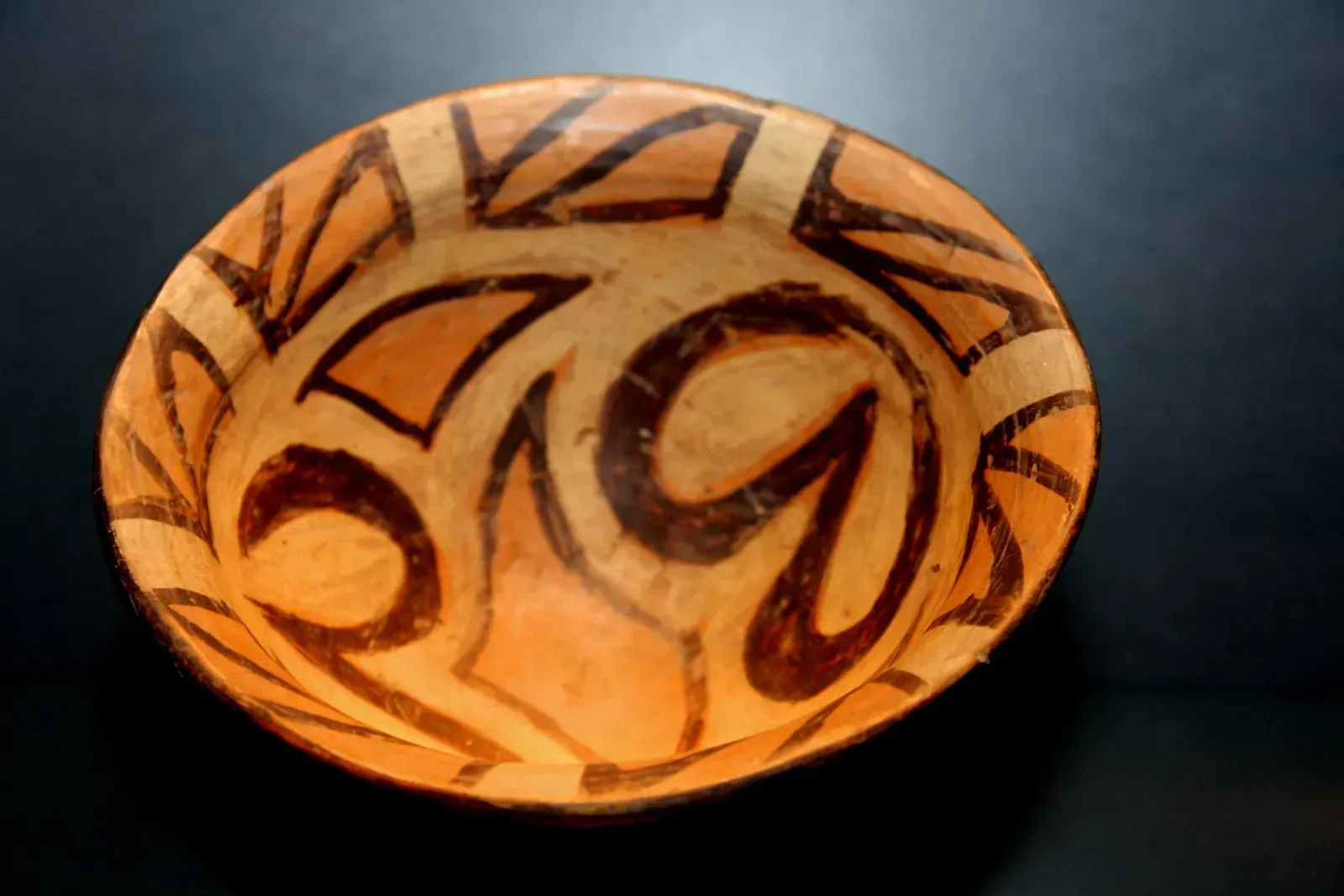
In parts of today’s Ukraine, Moldova, and Romania, the Cucuteni–Trypillia culture built some of the largest Neolithic settlements in Europe. Some of these “mega-sites” grew to tens of thousands of people, with houses arranged in spiral patterns and elaborate ceramic art. One of the most striking patterns archaeologists see is repeated burning: entire settlements intentionally destroyed by fire, only for new ones to rise nearby. It almost feels like a ritualized reset button, pressed again and again across centuries.
Eventually, though, that pattern stops, and the culture as we recognize it dissolves. Climatic changes, pressure from steppe pastoralist groups, and the strain of maintaining such large settlements may all have played roles. Farming methods might have exhausted soils, making huge villages harder to sustain. Over time, the big, carefully arranged sites shrank and disappeared from the landscape. What remains are charred floors, fragments of pottery, and the faint outline of a society that seemed comfortable burning its own homes – until it burned out completely.
The Mississippian City of Cahokia: Monks Mound and the Vanishing Crowd
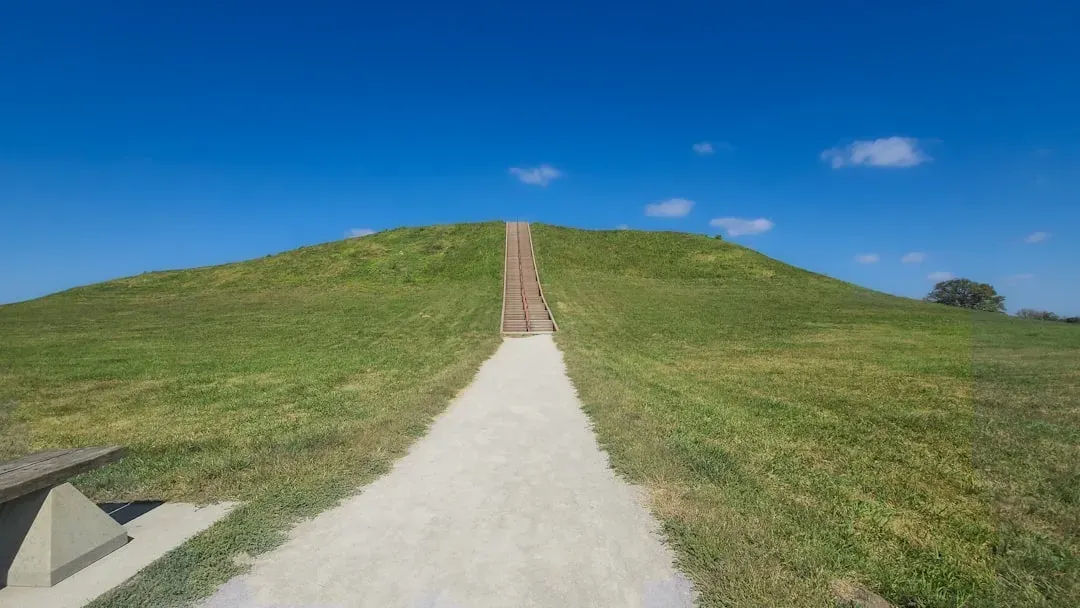
Across the river from modern St. Louis once stood Cahokia, the largest pre-Columbian city north of Mexico. Its centerpiece, Monks Mound, is a massive earthen pyramid that dominates the landscape even today. At its peak around nine hundred years ago, Cahokia pulsed with life: plazas filled with people, wooden palisades, temples, and neighborhoods spreading across the floodplain. It was the heart of the broader Mississippian cultural world, linked to distant communities through trade and shared iconography.
Yet within a couple of centuries, the city was mostly empty. Environmental stress from deforestation, flooding, crop failures, and perhaps epidemics or social unrest seem to have converged. Living in such a dense, resource-hungry center may have become too risky or unstable. People gradually dispersed, and the great mounds were reclaimed by grass and tree roots. When European settlers later arrived in the region, they found huge earthworks but had no idea who had built them, as if the land itself had decided to keep that secret.
The Rapa Nui of Easter Island: Statues Without Their Makers
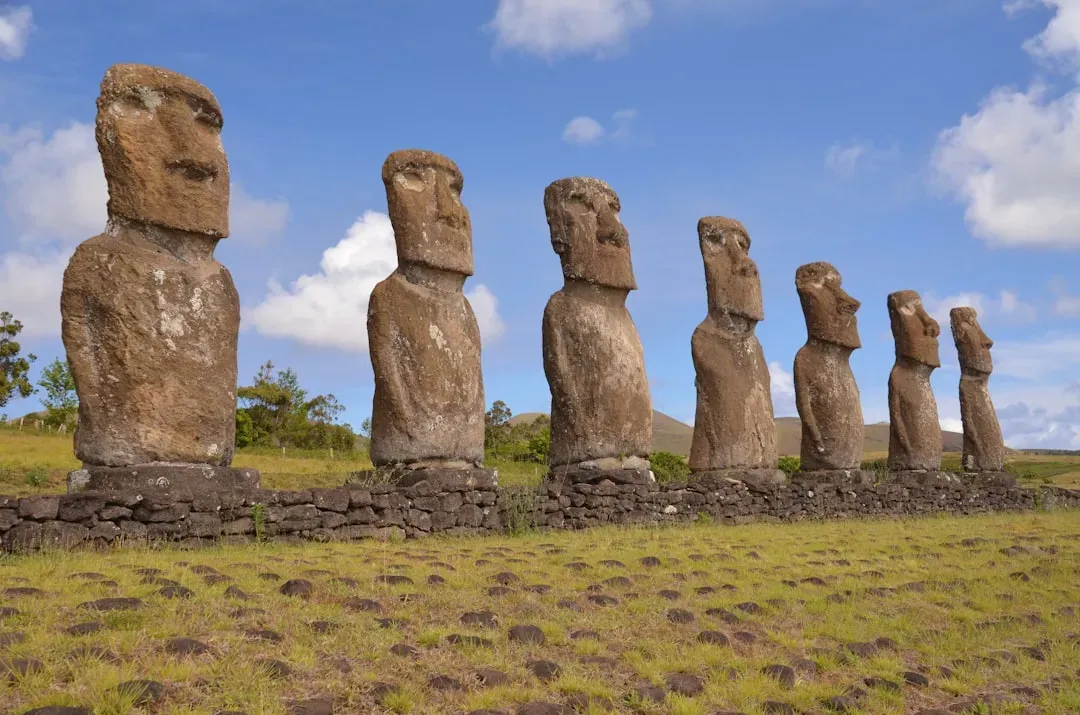
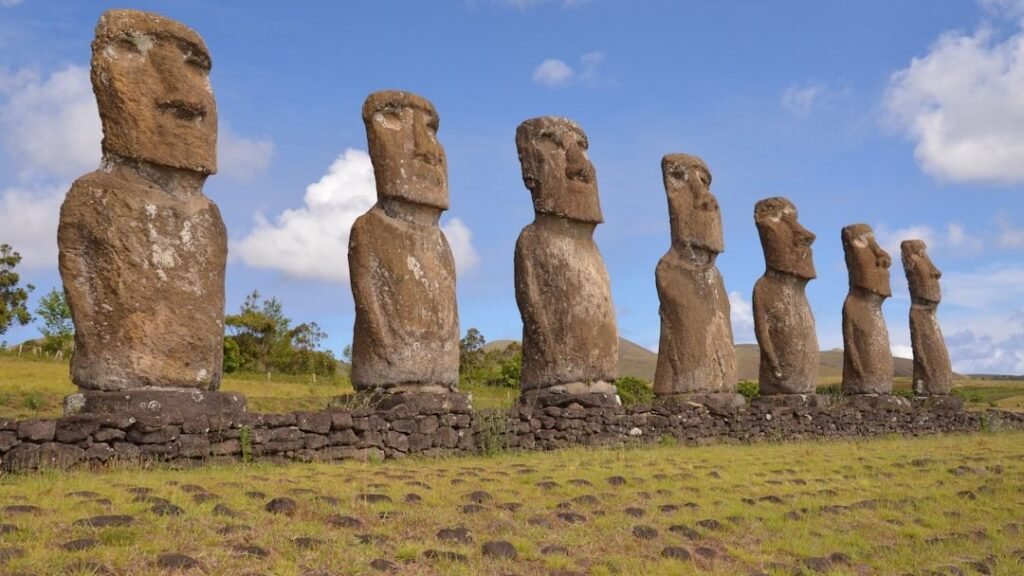
Easter Island, or Rapa Nui, is one of the most isolated inhabited spots on Earth, famous for its moai – giant stone statues with solemn faces staring inland. The people who carved and transported these immense figures across the island created a complex, hierarchical society tied closely to ancestor worship. For a long time, popular stories claimed the Rapa Nui simply destroyed their own environment in a frenzy of statue-building. That narrative has been heavily challenged by newer research showing a more nuanced, slower shift shaped by multiple pressures.
What’s clear is that by the time European ships reached the island, its population had collapsed from a combination of ecological change, internal conflict, and later devastating contact-era diseases and slave raids. The society that had once marshaled the labor to move moai from quarry to coast was shattered. Today, the statues still stand or lie half-buried, but the full richness of the culture that created them is only partially understood. The island feels like a stage after the play is over, scenery intact but most of the script missing.
Across these thirteen vanished civilizations, one pattern jumps out: no matter how advanced, creative, or powerful a society becomes, it’s never guaranteed a permanent place in history. Climate can shift, trade can falter, neighbors can turn hostile, or internal tensions can rip a culture apart from the inside. What survives are the ruins, the tools, the bones, and a handful of clues we keep reinterpreting as new evidence appears. It’s humbling to realize how many once-mighty worlds are now just questions carved in stone. What do you think future archaeologists will wonder about us when they walk through our own abandoned cities someday?