
If you think you already know the world’s rarest animals, you’re probably picturing tigers, pandas, and maybe a rhino or two. But some of the most endangered creatures on Earth are ones most people have never even heard of – animals hiding in remote forests, deep rivers, and forgotten corners of the map.
These “unknown” species are quietly slipping away, and with them go entire stories, ecological roles, and possibilities we’ll never get back. Once you learn about them, it’s hard not to feel a mix of awe and anger: awe at how strange and wonderful life can be, and anger that we’re letting it disappear in the background. Let’s shine a light on nine of these overlooked survivors and why they matter more than you might think.
Saola – The Asian Unicorn of the Annamite Mountains
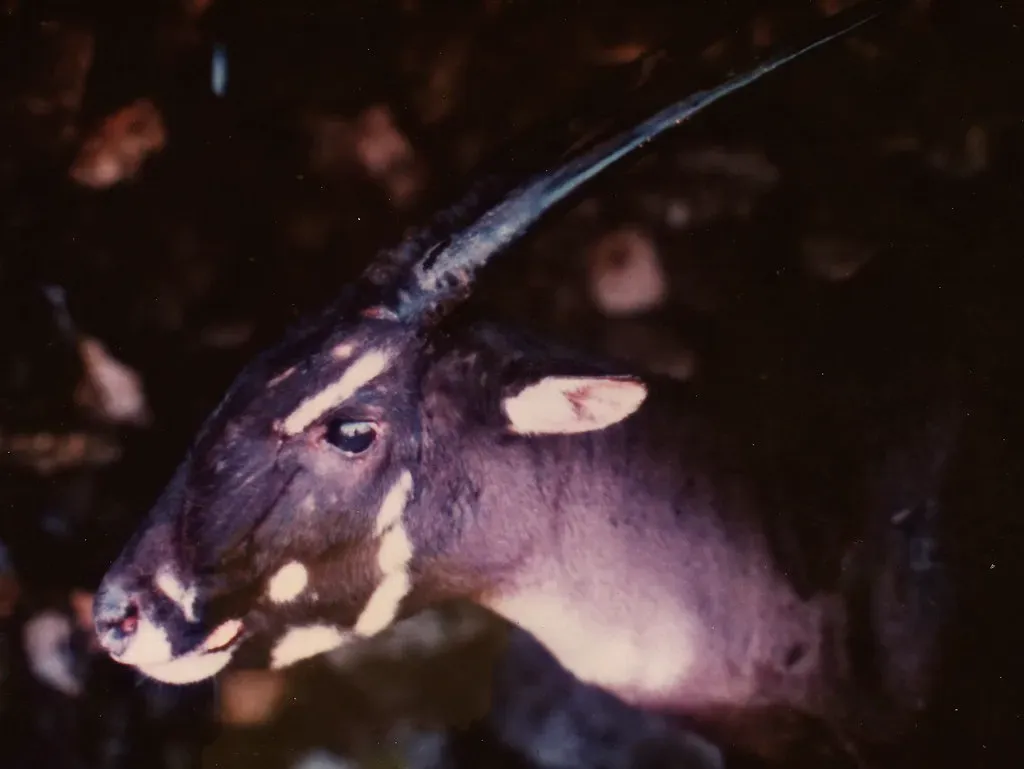
The saola looks like something dreamed up in a fantasy novel: slender, chocolate-brown body, white facial stripes, and two elegant, almost perfectly parallel horns. It was only formally described by scientists in the early 1990s, making it one of the most dramatic large-mammal discoveries of the last century. Many local people had known it existed, but the outside world had no idea such an animal was quietly living in the misty forests between Vietnam and Laos.
The saola is now considered one of the world’s rarest large mammals, likely down to only a few dozen, maybe a few hundred at most, and none survive in captivity. It gets caught in snares set for other animals, and its forest home is chipped away by roads, logging, and development. Ecologically, it’s a symbol of how little we truly know about Earth’s biodiversity – if we discovered a large mammal this recently, how much more could we still be missing? The saola matters because it reminds us that wild, undiscovered wonders still exist, and we can lose them before we even get a chance to understand them.
Kakapo – The Flightless Night Parrot of New Zealand
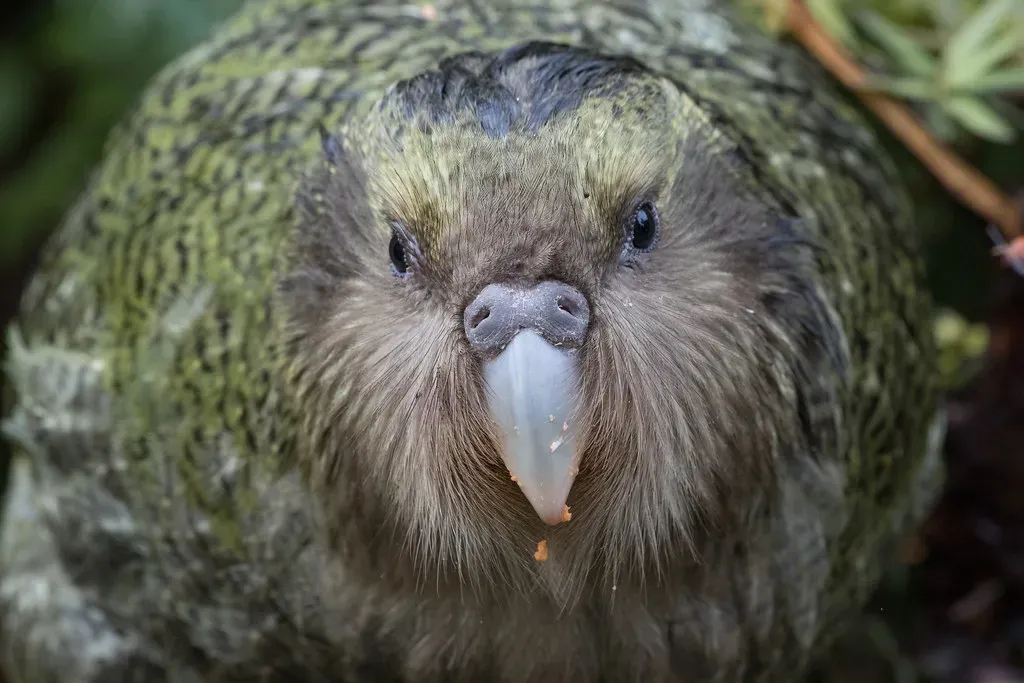
The kakapo is a parrot that can’t fly, smells a bit like a musty forest, and booms like a distant drum at night. It’s also one of the most intensively protected birds on the planet, with each surviving individual named, tracked, and, frankly, treated like a celebrity by conservation teams. Once widespread across New Zealand, kakapo were devastated by cats, stoats, and other predators brought in by humans.
What makes the kakapo so fascinating is how completely it trusted a world that no longer exists – one without mammals that want to eat it. It evolved to nest on the ground, freeze instead of flee, and breed slowly, all of which worked fine until we changed the rules. Kakapo matter because they show the long-term cost of human introductions and how fragile island ecosystems can be. When people put this much effort into saving a single quirky, chunky parrot, it also sends a powerful message: some things are worth fighting for simply because they are unique and irreplaceable.
Pygmy Three-Toed Sloth – A Tiny Specialist on a Tiny Island
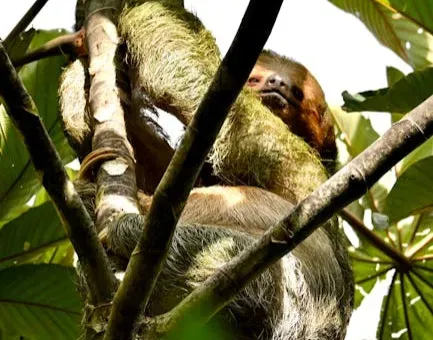
The pygmy three-toed sloth lives on a single little island off the coast of Panama, and that’s not an exaggeration. It’s smaller and more delicate than its mainland relatives and spends much of its life in mangrove trees, moving so slowly that algae can grow on its fur. For many years, it wasn’t even recognized as a separate species, which meant its unique situation was mostly ignored.
Because its entire world is essentially one tiny speck of land, any change – rising sea levels, storms, development, tourism – poses a massive risk. Losing it wouldn’t just mean one less sloth species; it would mean losing a textbook example of extreme specialization and island evolution. The pygmy three-toed sloth matters because it’s like nature’s reminder that life can adapt to the narrowest of niches, but those niches are incredibly vulnerable. When we protect it, we’re also protecting a fragile coastal ecosystem that supports fish, birds, and human communities.
Vaquita – The Ghost Porpoise of the Gulf of California
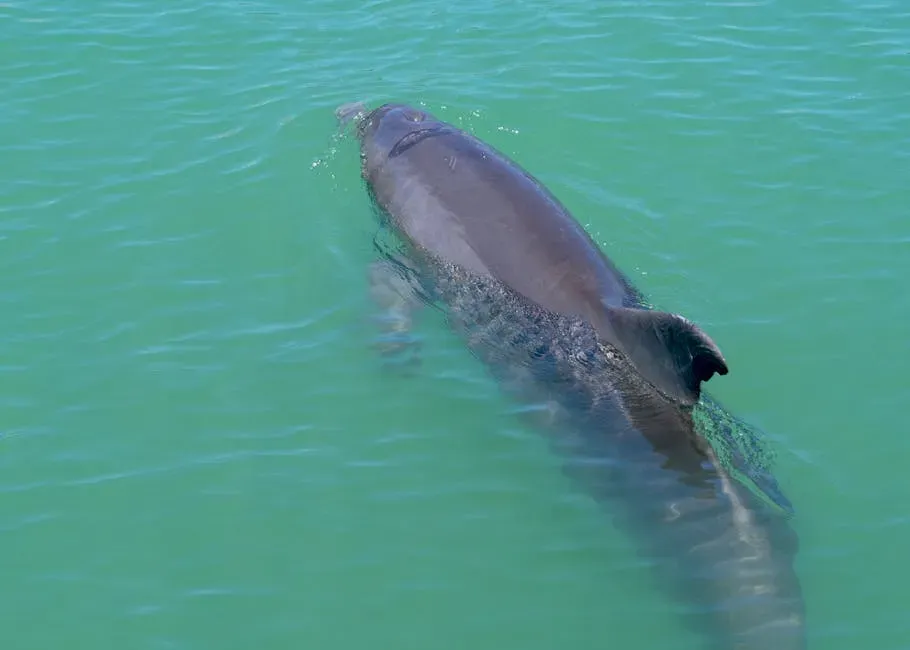
The vaquita is the smallest porpoise in the world, with dark, panda-like markings around its eyes that make it instantly recognizable once you know what you’re looking at. Sadly, almost no one will ever see one in the wild. Its last home is a small corner of the Gulf of California in Mexico, and estimates suggest only a tiny handful remain alive today, making it perhaps the most endangered marine mammal on Earth.
Vaquitas are not being hunted directly, yet they still die in illegal gillnets set for another fish that’s smuggled to international markets. It’s a brutal example of how a species can become collateral damage in a global chain of demand and profit. The vaquita matters because it forces us to confront the human choices behind extinction: fishing methods, law enforcement, consumer behavior, and political will. If such a charismatic, well-studied species can vanish while the world watches, it raises a tough question – who will speak up for all the animals we barely notice?
Kipunji – The Rare Monkey Hiding in the Tanzanian Mist
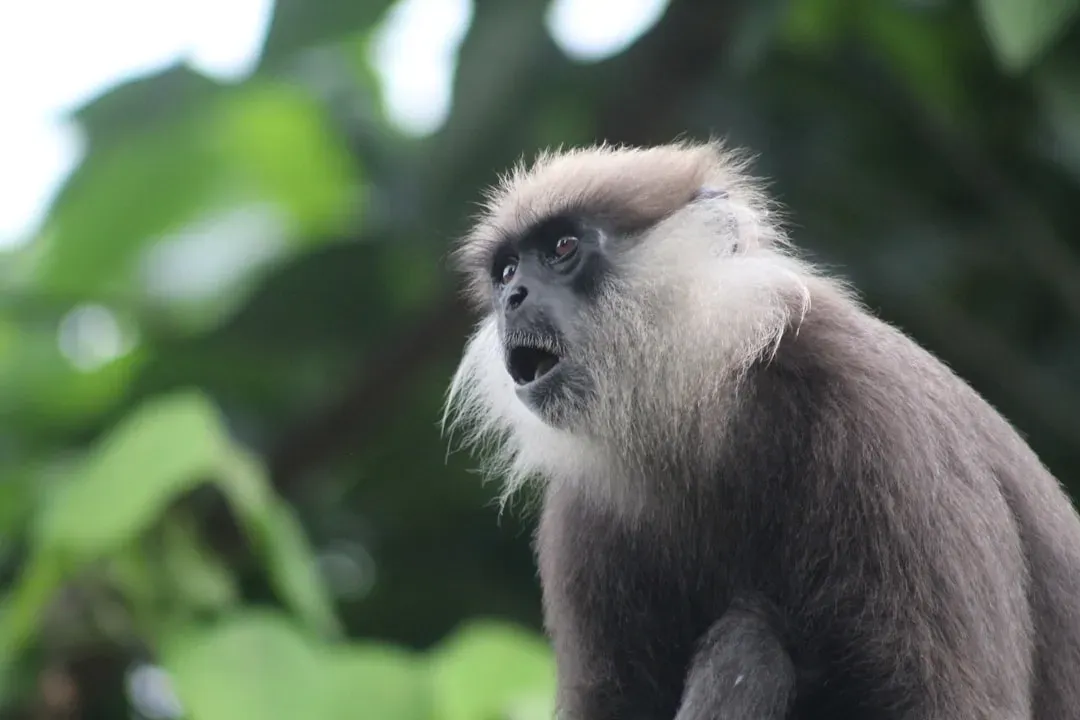
The kipunji is a lanky, shaggy-haired monkey discovered only in the mid-2000s in the misty highlands of Tanzania. For a primate, especially one living not that far from human communities, being described so recently was a shock to scientists. It has a distinctive mohawk-like crest, a soft, almost anxious expression, and strange calls that helped researchers realize it was something entirely new.
Its forest habitat is carved up by logging, agriculture, and human settlement, leaving it stranded on shrinking patches of mountain forest. As a primate, the kipunji plays a key role in spreading seeds and keeping forest ecosystems functioning, yet it competes with people for land and resources. The kipunji matters because it shows that even among our closest animal relatives, we’re still discovering species, even as we endanger them. Every new primate we find is like a mirror held up to us, reflecting the urgency of safeguarding what’s left of wild spaces.
Chinese Pangolin – The Quiet Victim of a Global Trade
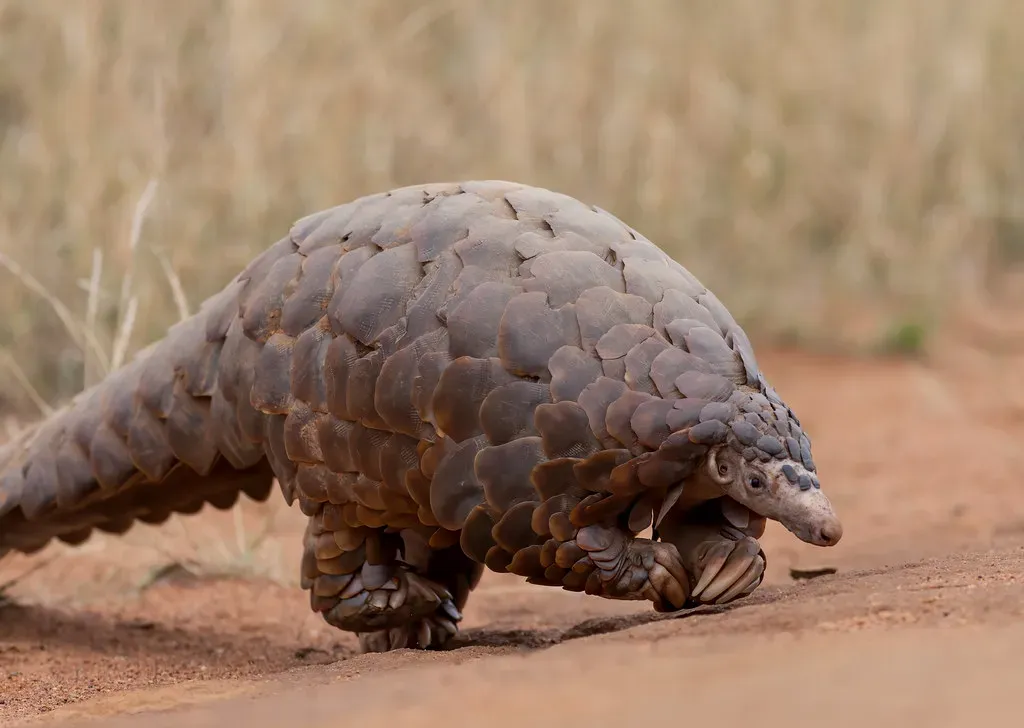
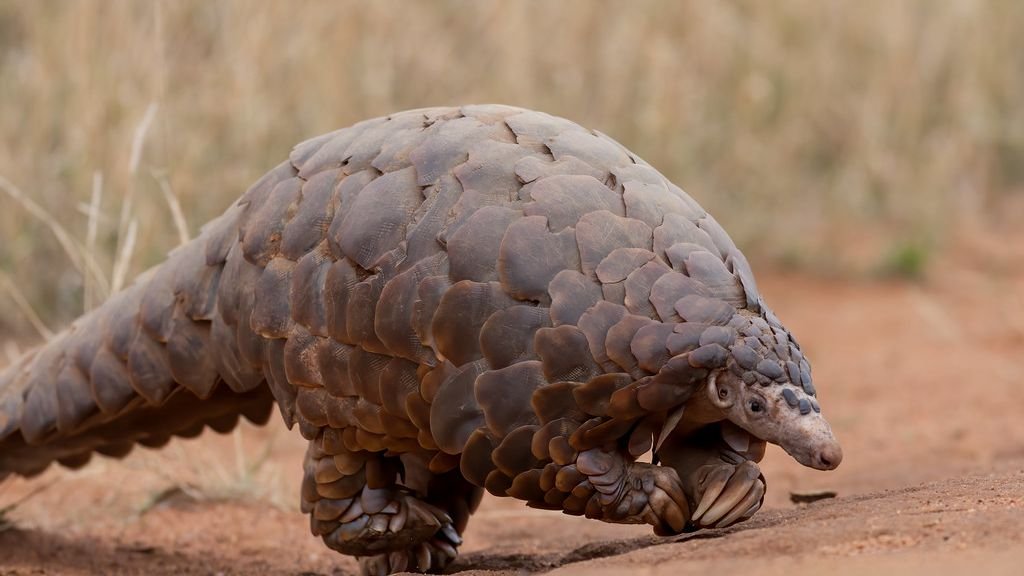
The Chinese pangolin looks like a pinecone that grew legs and started walking around at night. It’s completely covered in protective scales made of keratin, the same material as human fingernails. Ironically, those scales are exactly why it’s in serious trouble, as pangolins have been heavily hunted and trafficked for use in traditional medicine and as a status food across parts of Asia.
Even though awareness has grown and legal protections have tightened over the last decade, illegal trade has pushed the Chinese pangolin to the edge in much of its range. They’re shy, solitary animals that play a big role in controlling insect populations by devouring ants and termites. The Chinese pangolin matters because it shows how cultural practices, consumer demand, and organized crime can all converge to drive a species toward extinction. Their story is a harsh lesson in how slow the law can be, and how quickly greed can empty a forest.
Hirola – The Worlds Rarest Antelope on the Brink
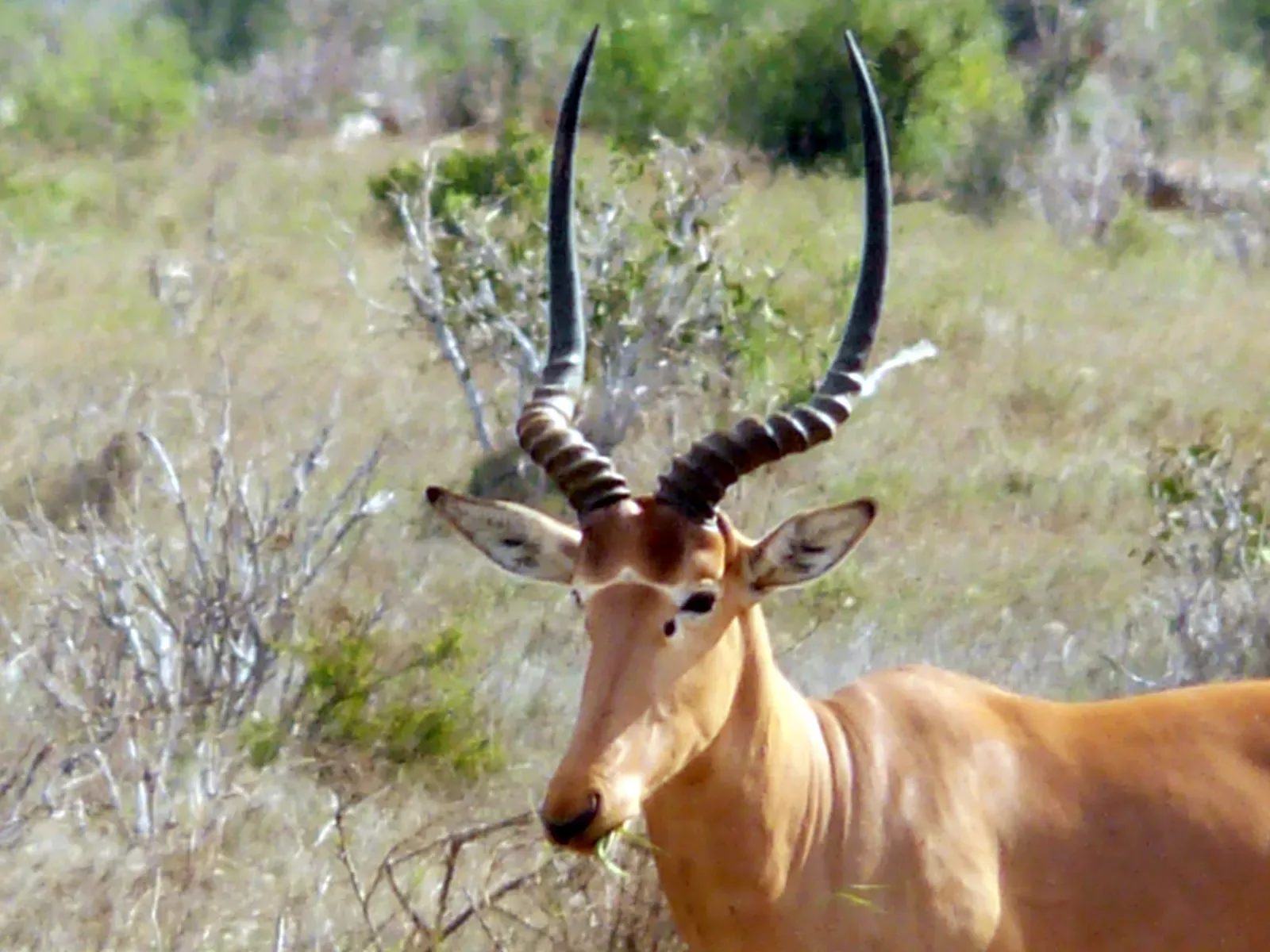
The hirola, sometimes called the “four-eyed antelope” because of the dark patches under its eyes, roams the dry grasslands between Kenya and Somalia. Or more accurately, it used to roam; now it’s down to a small fraction of its historical range, making it one of the world’s rarest antelopes. Many people who can name a dozen African animals have never heard of it, even though it’s every bit as distinctive as gazelles and impalas.
Hirola populations have been hammered by habitat loss, drought, competition with livestock, and past disease outbreaks. With such low numbers, one bad year of drought or conflict could push them over the edge. The hirola matters because it’s a living piece of Africa’s natural heritage that could disappear without most of the world even noticing. When local communities and conservationists work together to protect it, they’re also securing grasslands that support cattle, wildlife, and the people who rely on both.
Madagascar Big-Headed Turtle – An Ancient Survivor in Disappearing Wetlands
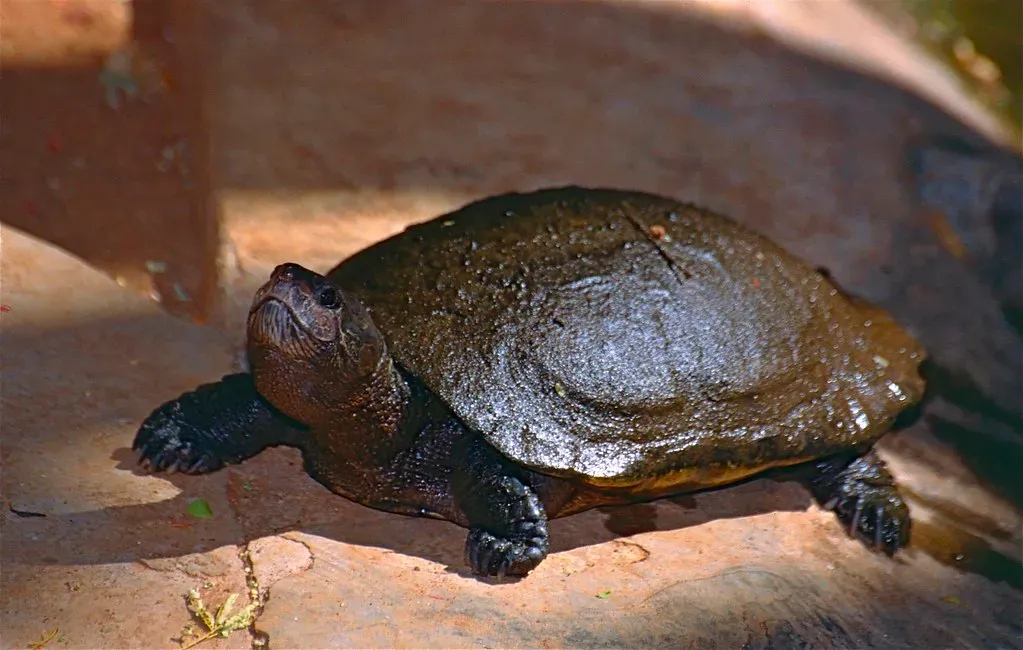
The Madagascar big-headed turtle looks almost prehistoric, with a large, armored head that seems too big for its body. It lives in rivers and lakes on the island of Madagascar, where it has survived for countless generations amid shifting climates and landscapes. What it struggles to survive, however, is modern human pressure: hunting for food, illegal collection for the pet trade, and destruction of its wetlands.
Freshwater turtles are among the most threatened groups of vertebrates on the planet, and this species is one of the most critically endangered of them all. As a top or mid-level predator in its habitat, it helps control fish and invertebrate populations, keeping the system balanced in quiet, invisible ways. The Madagascar big-headed turtle matters because it represents an entire crisis most people rarely think about – the silent disappearance of river and wetland species. Saving it means protecting water sources and habitats that local communities depend on too.
Hawksbill Turtle – The Jewel-Shelled Navigator of Coral Reefs
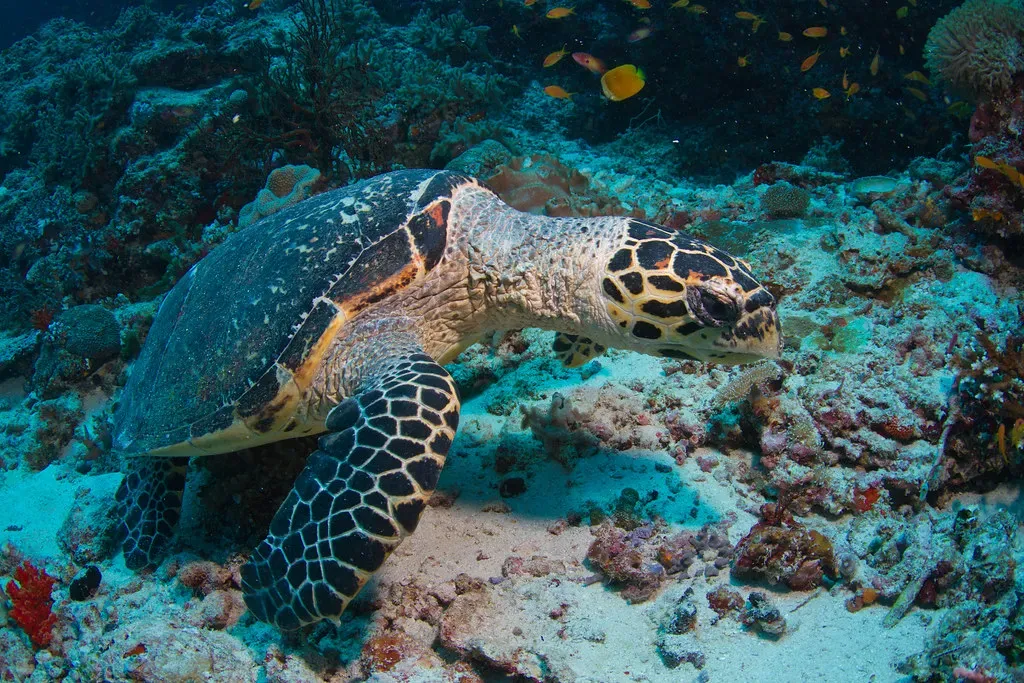
The hawksbill turtle is instantly recognizable once you see its beautifully patterned shell and sharp, bird-like beak. Those same colorful shells made it a target for centuries, turned into decorative objects and luxury items. Even though international trade in hawksbill shells is banned, historic exploitation and ongoing illegal trade, along with habitat loss, mean their numbers remain dangerously low.
Hawksbills are crucial for coral reef health because they feed on sponges that would otherwise smother the reefs. In a time when coral reefs are under heavy stress from warming oceans and pollution, losing the hawksbill would be like removing a careful gardener from a fragile underwater garden. The hawksbill turtle matters because it connects human choices on land – plastics, tourism, coastal development – with the fate of some of the ocean’s most biodiverse ecosystems. Once you realize how much is riding on the survival of a single turtle species, it’s hard to see their shimmering shells as anything but a warning.
Conclusion – Why These “Invisible” Species Should Be Impossible to Ignore
All of these animals share one troubling trait: they’re vanishing quietly, overshadowed by more famous endangered species that soak up most of the attention. Yet each one carries an entire network of relationships, ecological roles, and human stories that will unravel if they disappear. When a saola or a vaquita is lost, it’s not just a number on a list; it’s an entire branch of the tree of life snapping off.
These lesser-known species matter because they push us to rethink what we value and protect. Do we only fight for the animals with plush toys and documentaries, or do we also stand up for the obscure monkey, the shy turtle, the strange little sloth on a forgotten island? In the end, caring about the rare and the obscure is really about deciding what kind of world we want to live in – one that shrinks quietly, or one that stays wild, surprising, and full of lives we’re still getting to know. Which future would you choose?