
There is something almost unsettling about how fast our picture of the cosmos has changed. Just a few decades ago, black holes were still debated as theoretical ideas, we had no idea whether other solar systems even existed, and the sheer scale of the universe was something we could only begin to imagine. Then science caught up, and everything we thought we knew started to shift.
From technologies that let us hear the universe’s ancient echoes to telescopes that peer back to the very dawn of cosmic time, the breakthroughs keep arriving at a pace that seems almost impossible to keep up with. So strap in. What follows might genuinely change the way you see the night sky forever. Let’s dive in.
1. The First Direct Detection of Gravitational Waves
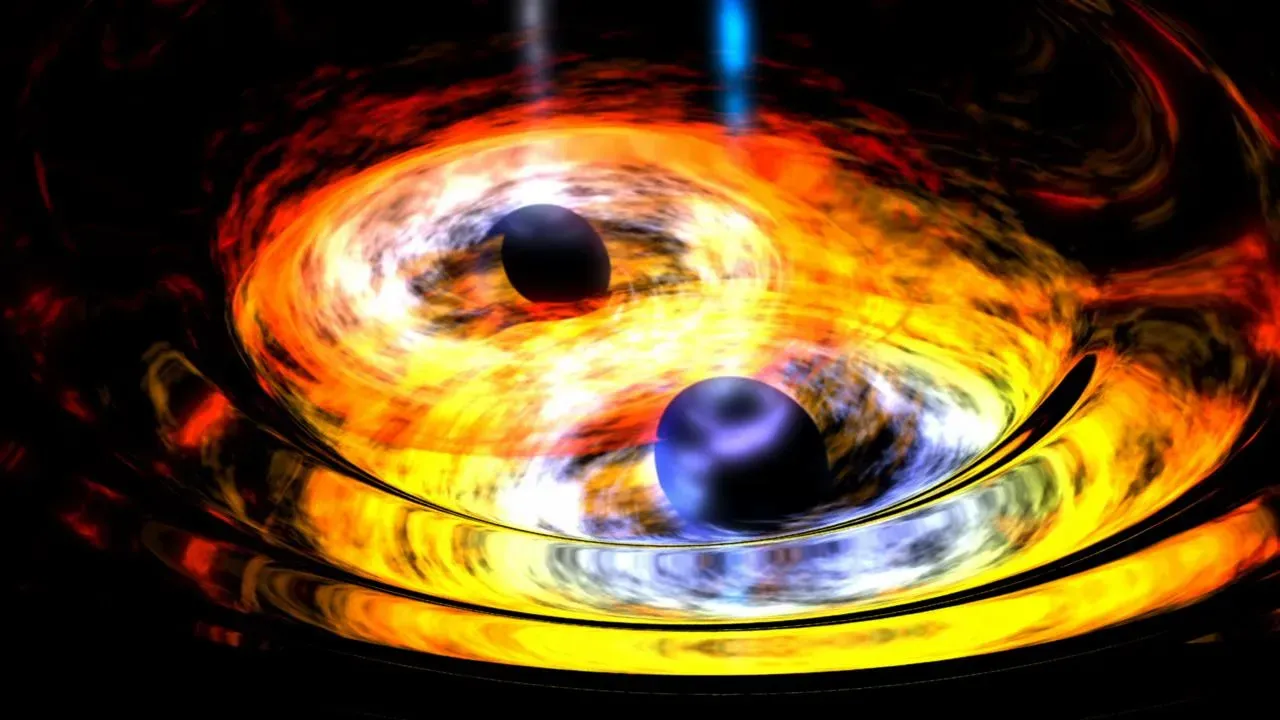
Honestly, this one still gives me chills. Almost 100 years after Albert Einstein predicted the existence of gravitational waves – ripples in the fabric of space-time set off by violent cosmic events – science finally caught them. The first direct observation was made on September 14, 2015, and announced by the LIGO and Virgo collaborations on February 11, 2016. It was the moment physics had been holding its breath for a century to witness.
Scientists estimated that the two merging black holes were about 29 and 36 times the mass of the sun, with the event taking place 1.3 billion years ago. About three times the mass of the sun was converted into gravitational waves in a fraction of a second, with a peak power output roughly 50 times that of the whole visible universe. The detection confirmed a major prediction of Einstein’s 1915 general theory of relativity and marked the beginning of an entirely new field: gravitational-wave astronomy.
2. The First True Image of a Black Hole
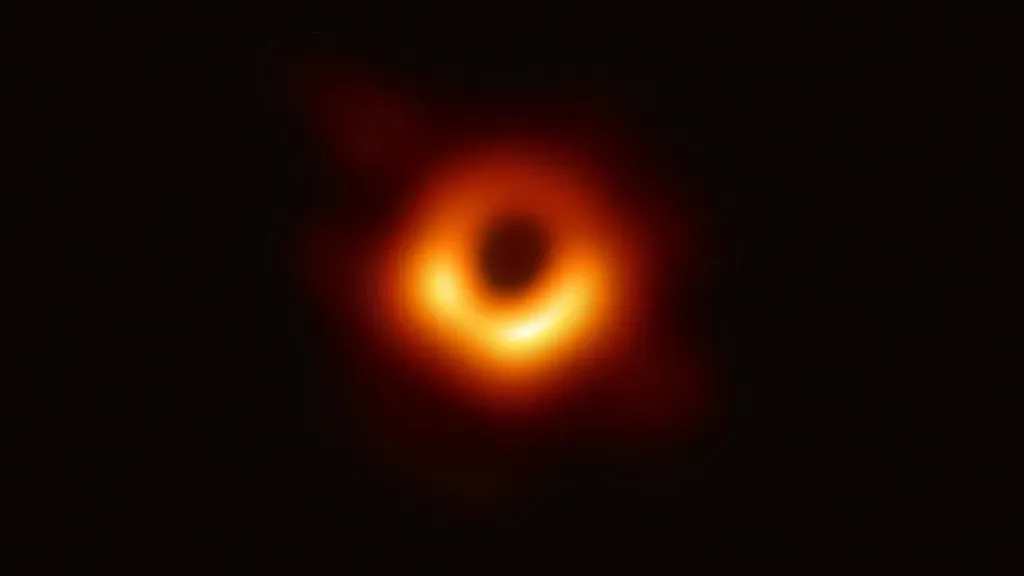
In 2019, an international array of coordinated telescopes, collectively called the Event Horizon Telescope, achieved what was conventionally thought to be impossible: it captured an image of the silhouette of one of the most elusive objects in the universe – a black hole. Think about that for a moment. An object so dense that even light cannot escape, and we actually photographed it. The supermassive black hole caught on camera lies 53 million light years away, at the heart of the galaxy Messier 87, and contains the equivalent mass of 6.5 billion stars the size of our sun.
Black holes have long been famed as the ultimate dark object in the universe, impossible to capture in pictures by virtue of their strong gravity, which prevents any light from escaping. While it is a fact that light cannot get out of a black hole from inside its event horizon, it had long been thought that a black hole might be viewed in silhouette against the glow of hot gas surrounding it. That glowing ring of fire surrounding the darkness turned out to be one of the most iconic images in the history of science.
3. The Discovery That the Universe Is Accelerating Apart
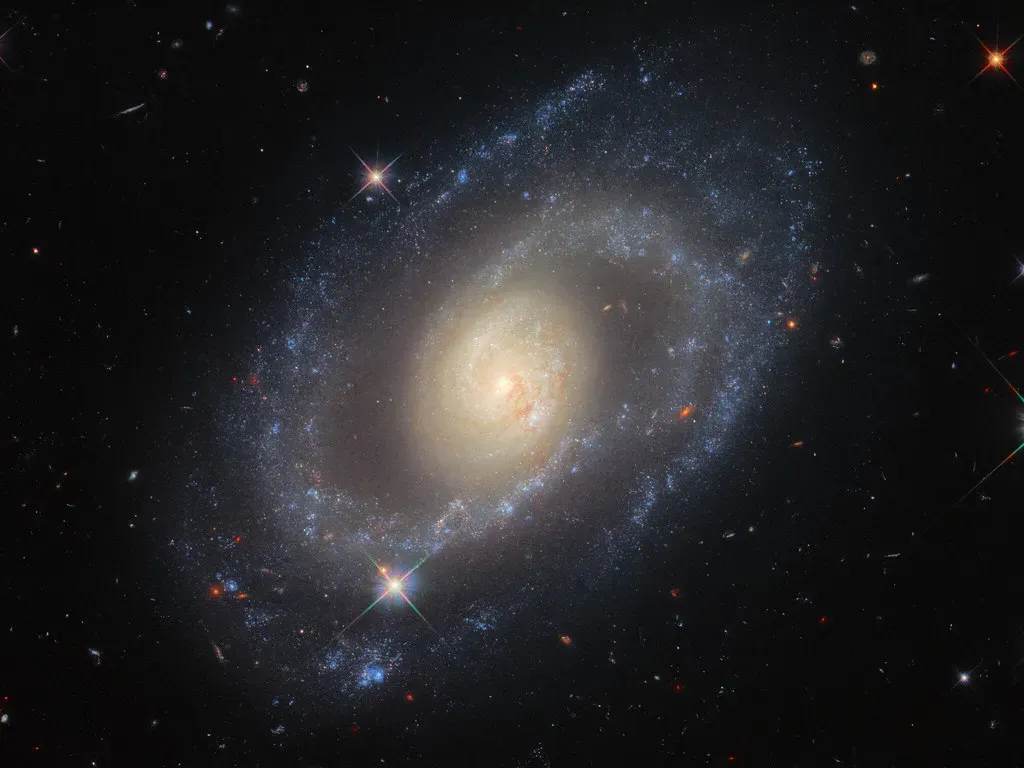
Here is the thing about this one: it came completely out of nowhere. In 1998, the scientific community was stunned to discover that our universe is not only expanding, a fact known for decades, but expanding at an accelerating rate. Conventional wisdom dictated that gravitational attraction by matter within the universe should be slowing the expansion, but careful observations of a special type of supernova revealed the opposite. Nobody saw that coming. At all.
So the idea of “dark energy” was born, a strange form of energy thought to permeate the universe and exert a repulsive force on all large-scale structures – galaxies and clusters of galaxies – driving them farther apart at an ever-faster rate. Though its nature remains largely unknown, it is estimated that at least 68% of the universe’s overall composition is made up of dark energy. We are, in essence, swimming in something we cannot see, touch, or fully explain – and it controls the fate of everything.
4. The Hubble Deep Field: A Universe Full of Galaxies
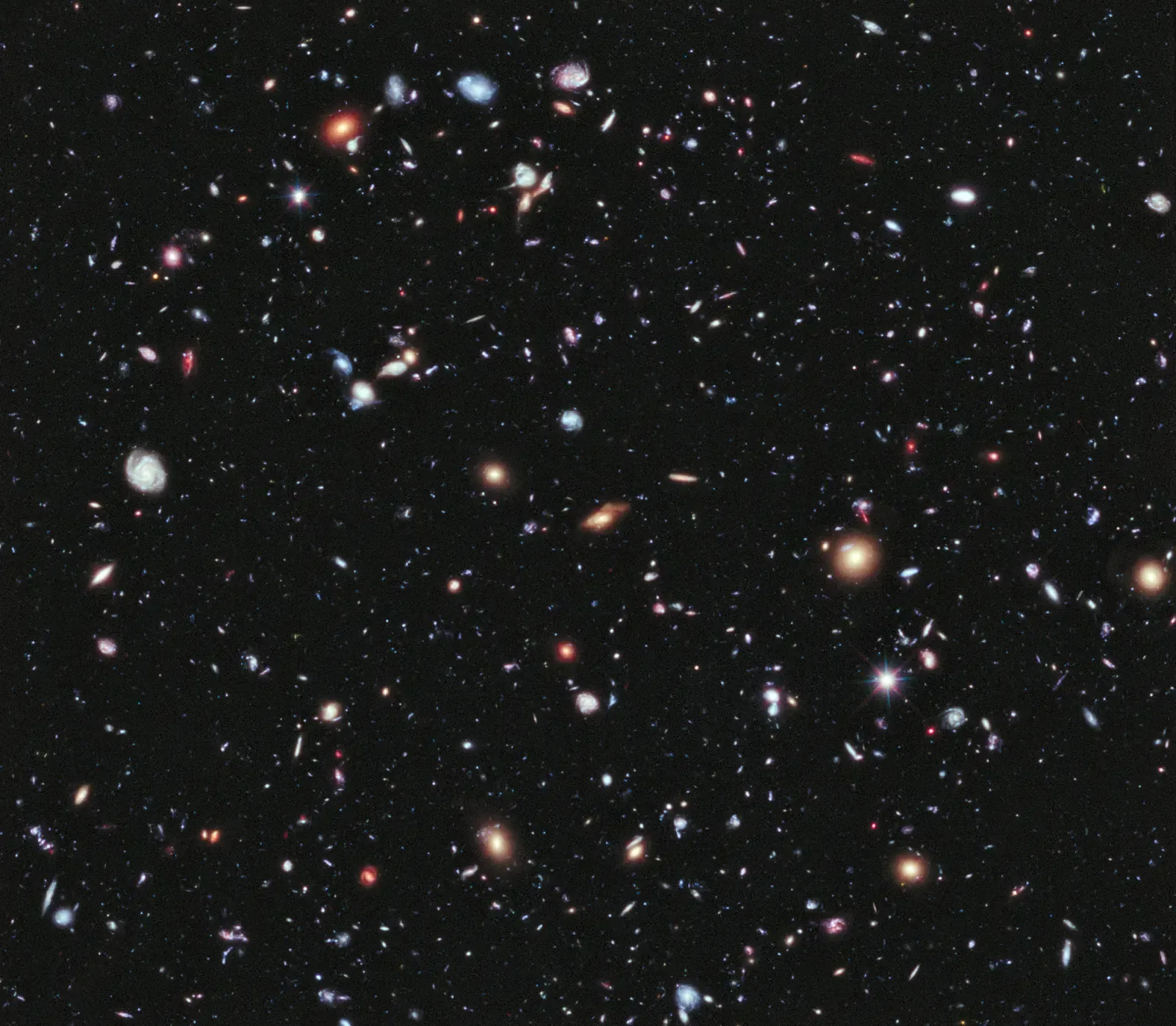
This incredible image was captured by the Hubble Space Telescope over the course of ten consecutive days in December 1995. The Hubble Deep Field focused on a seemingly empty and dark patch of sky, no larger than a grain of sand held at arm’s length, within the constellation Ursa Major. Nobody quite expected what would emerge from that tiny sliver of darkness. It’s one of those moments in science that manages to make you feel both insignificant and completely awestruck at the same time.
What appeared as an unremarkable, seemingly empty expanse actually unveiled an astonishing truth. The image, although covering an area of the sky equivalent to merely one-twenty-four millionth of its total area, captured over 10,000 galaxies of various shapes, sizes, and ages. This cosmic snapshot fundamentally changed our understanding of the universe and our place within it. Some of the galaxies observed were so distant that their light had been traveling for billions of years before reaching Hubble, meaning the image provided a snapshot of the universe’s history, revealing galaxies as they were billions of years ago.
5. James Webb Finds the Most Distant Galaxies Ever Seen
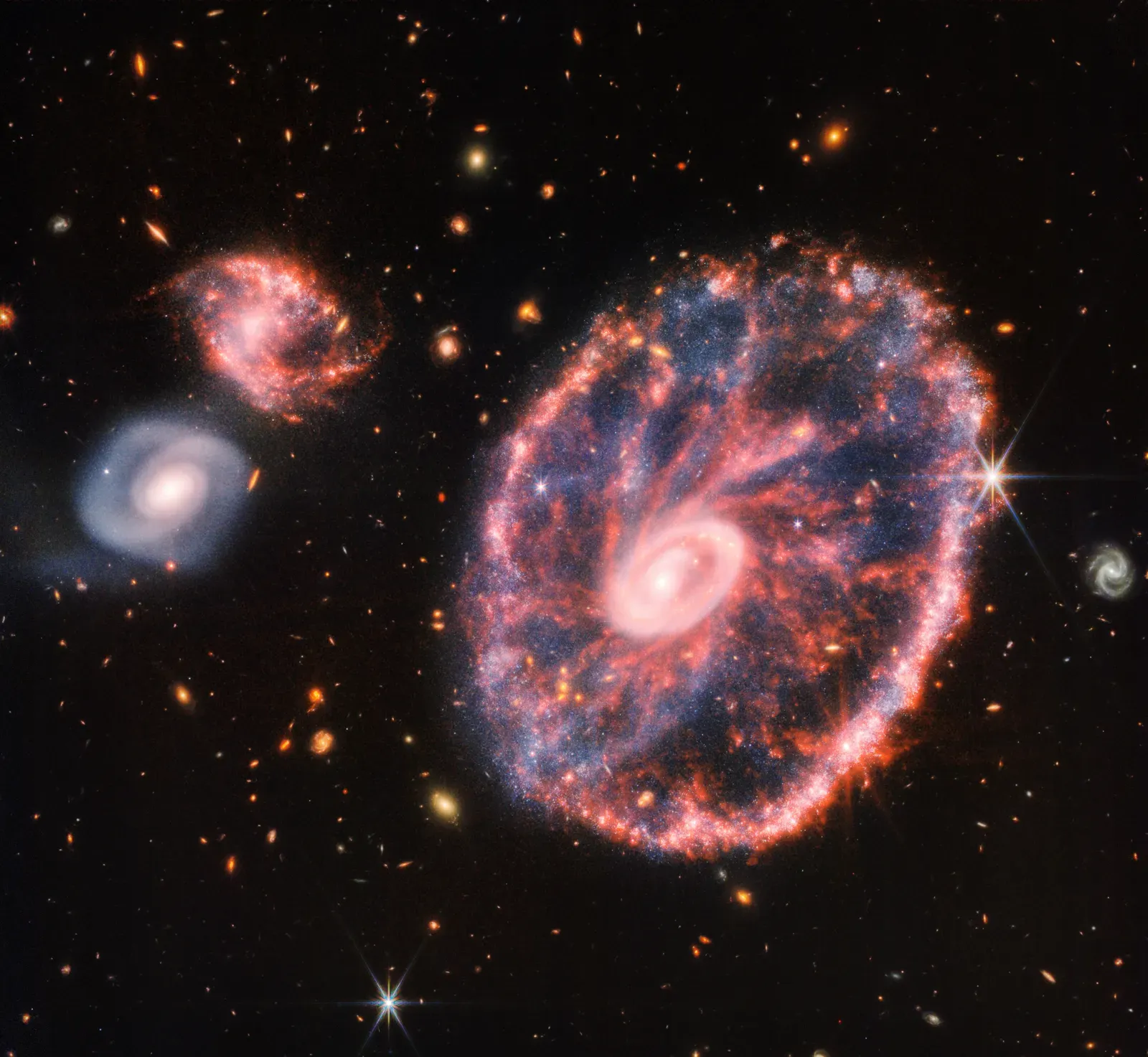
If Hubble showed us a universe packed with ancient galaxies, the James Webb Space Telescope went further than anyone thought possible – and then kept going further still. NASA’s James Webb Space Telescope discovered the most distant galaxy, JADES-GS-z14-0, dating back to 290 million years after the Big Bang – a groundbreaking discovery that offers new insights into early galaxy formation and challenges existing theories about the universe’s infancy. That light has been traveling for roughly 13.5 billion years just to reach us. It is almost impossible to wrap your head around that number.
The combination of the high luminosity and the stellar origin makes JADES-GS-z14-0 the most distinctive evidence yet found for the rapid formation of large, massive galaxies in the early universe – a trend that runs counter to pre-Webb expectations of theories of galaxy formation. JWST has since broken its own record again, spotting the ancient object MoM-z14, extending the observational frontier to a mere 280 million years after the Big Bang. The James Webb telescope, it seems, cannot stop outdoing itself.
6. Enceladus: A Moon Shooting Geysers Into Space
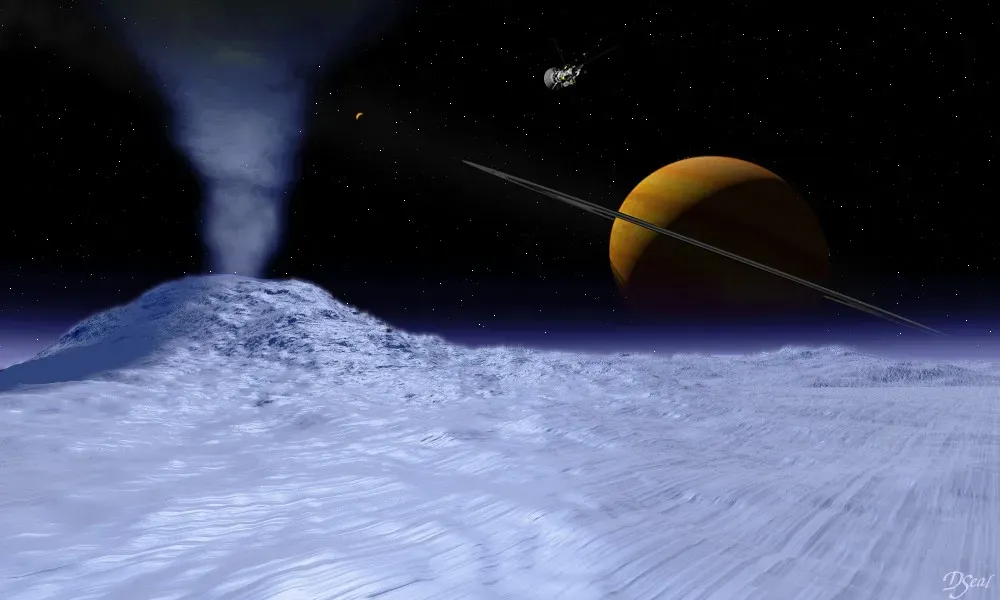
If you want to talk about a discovery that quietly rearranged our understanding of where life might exist, this one deserves far more attention than it gets. The Cassini spacecraft’s flybys of Saturn’s moon Enceladus, starting in 2005, transformed our view of this tiny world. While passing over the moon’s south pole, the spacecraft flew through fountains of water, revealing the existence of an ocean beneath its icy surface. These fountains turned out to be the source of Saturn’s tenuous E-ring and, more importantly, make this previously obscure world perhaps the best place in the solar system to look for life.
The amazing fissures along the moon’s linear depressions, known as its “tiger stripes,” emit icy particles, water vapour, and organic compounds from the moon’s surface. Organic compounds. On a moon of Saturn. I know it sounds crazy, but that is exactly the kind of chemical recipe that could potentially support microbial life. With increasing evidence for subsurface oceans on Jupiter’s Galilean moons Europa and Ganymede, and possibly even on Pluto, such environments may be much more common than rocky worlds like our Earth.
7. The Explosive Exoplanet Revolution
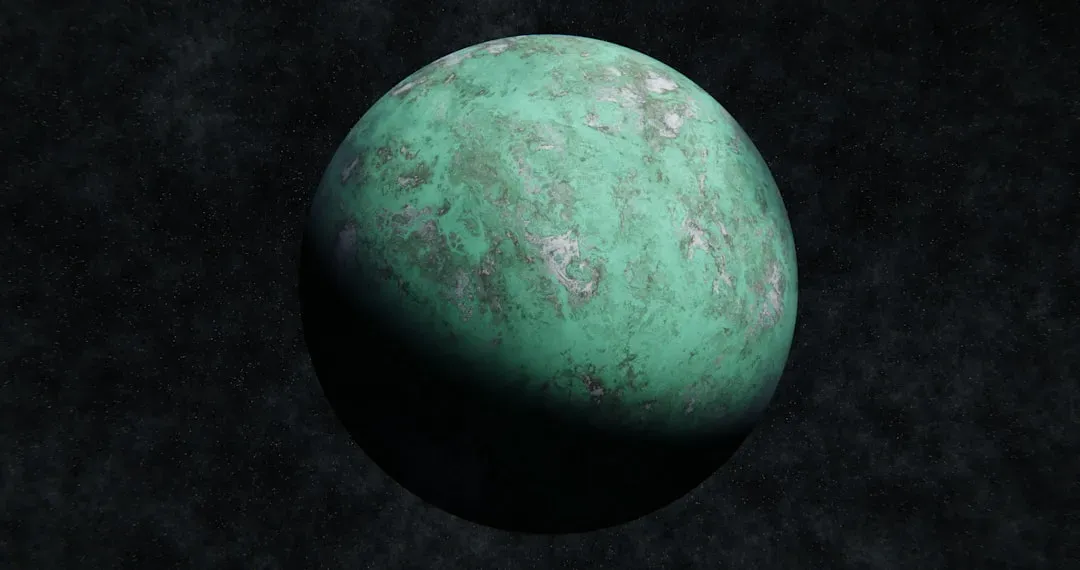
For most of human history, we had no idea whether any other stars hosted planets at all. Then everything changed. Thanks to incredible precision achieved by instruments both on Earth and in space, we now know that exoplanets are common around the stars of the Milky Way. The Kepler Space Telescope in particular, built in the hopes of discovering a mere handful of planets, delivered a cosmic bounty way beyond the dreams of its builders. The numbers climbed so fast they became almost difficult to believe.
The 2010s saw the number of known exoplanets skyrocket in large part thanks to the Kepler mission. Designed to seek out Earth-sized planets orbiting in the habitable zone, Kepler was used to discover more than 2,600 exoplanets. All manner of weird and wonderful exoplanets have been found, including hot Jupiters so close to their parent stars that they are literally boiling away, and what seem to be ocean worlds. From Tatooine-like planets with two suns in their skies to lost worlds wandering between the stars, almost every kind of planet you can imagine has been found. The cosmos, it turns out, is a wild and diverse neighborhood.
8. The TRAPPIST-1 System: Seven Worlds in One Shot
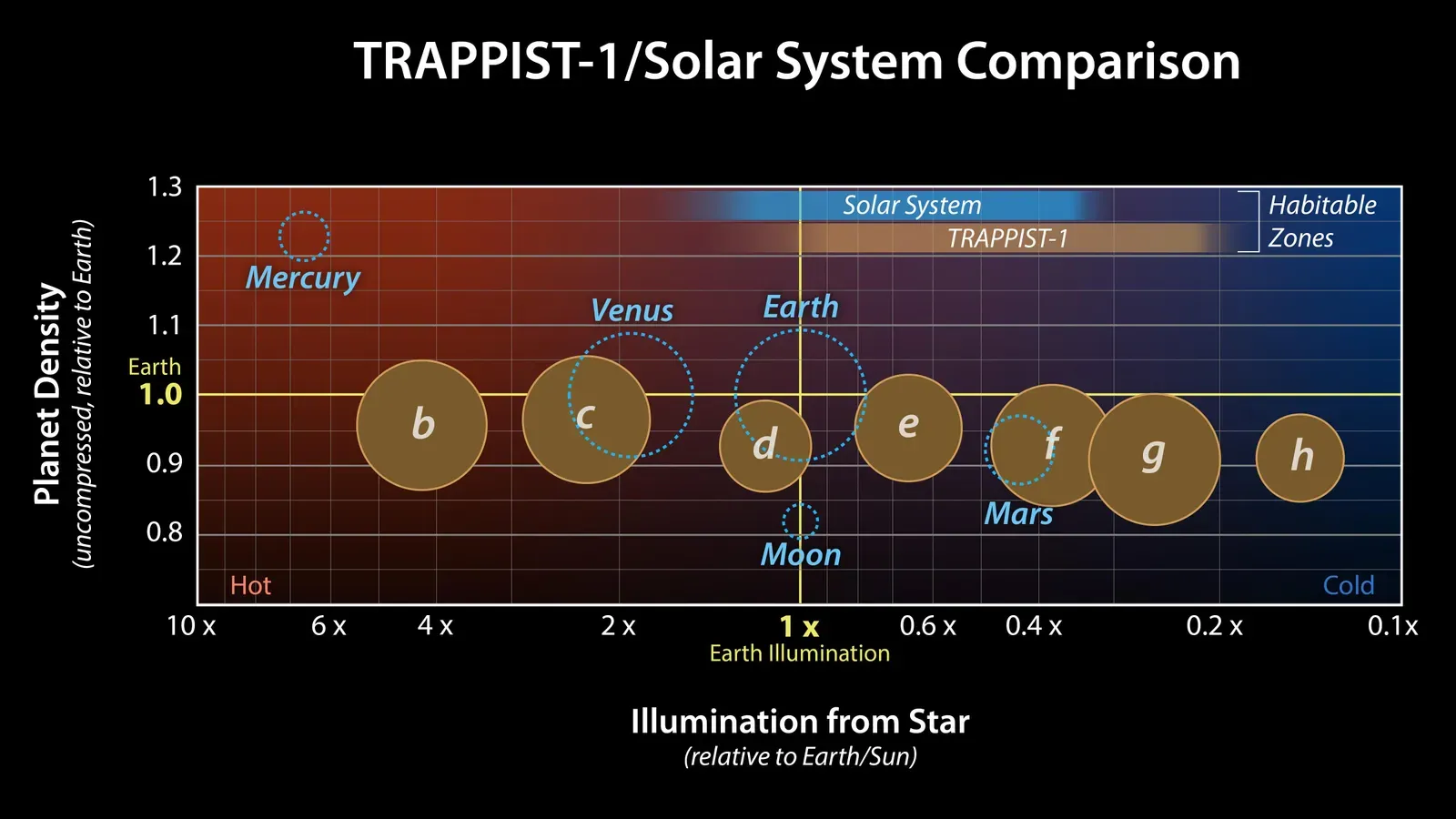
Just when you thought the exoplanet revolution could not get more exciting, astronomers hit a kind of grand slam. In one of the most momentous exoplanet findings of the decade, the Spitzer telescope discovered that the TRAPPIST-1 system, first thought to have three exoplanets, actually had seven – three of which were in the star’s habitable zone. Seven Earth-sized planets around a single star. That is not science fiction. That is science fact, confirmed and peer-reviewed.
Astronomers found a system of seven Earth-sized planets just 40 light-years away. Using ground and space telescopes, including ESO’s Very Large Telescope, the planets were all detected as they passed in front of their parent star, the ultracool dwarf star known as TRAPPIST-1. Three of the planets lie in the habitable zone and could harbour oceans of water on their surfaces, increasing the possibility that the star system might support life. Forty light-years is, by cosmic standards, practically next door.
9. The Supermassive Black Hole at the Heart of Our Galaxy
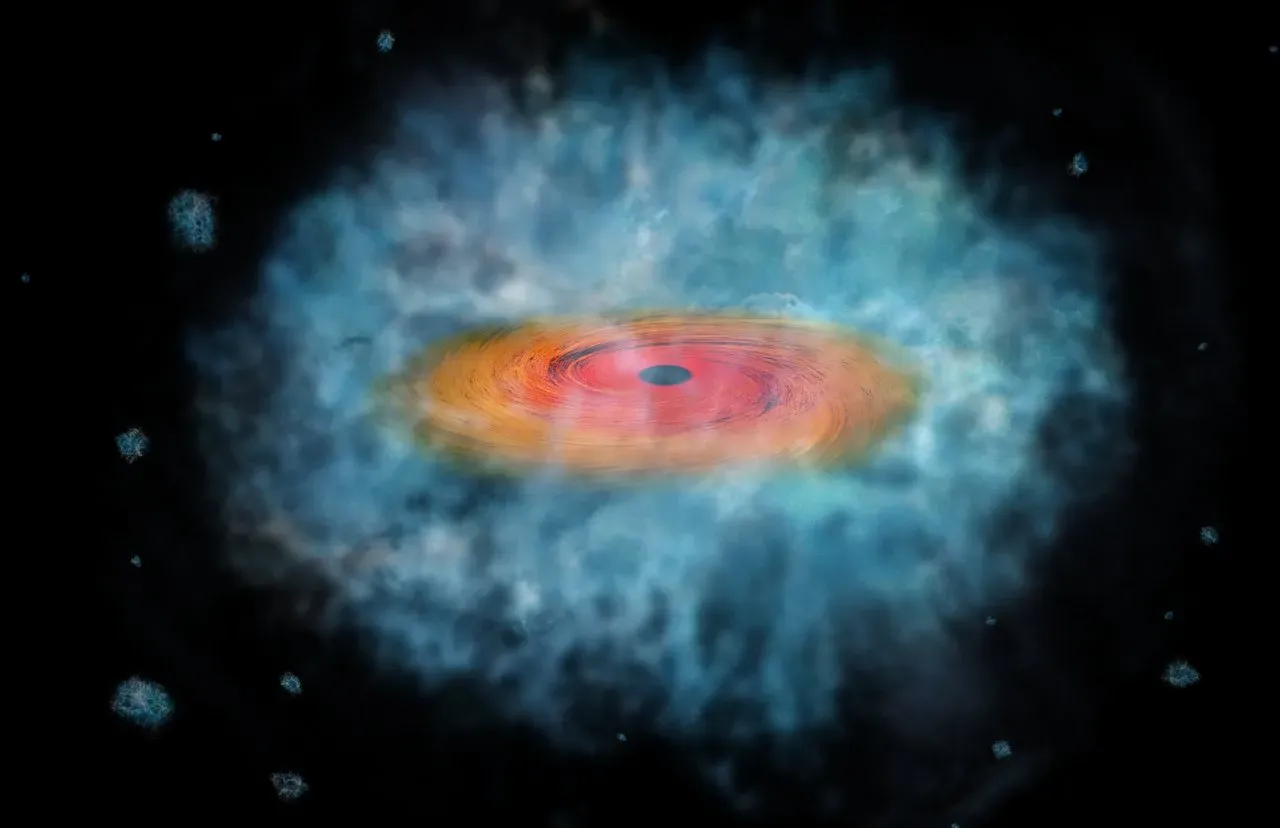
There is a monster sitting at the center of the Milky Way, and we have only recently confirmed it beyond any doubt. Several of ESO’s flagship telescopes were used in a close to 30-year-long study to obtain the most detailed view ever of the surroundings of the colossal object lurking at the heart of our galaxy. The observations made with the Very Large Telescope revealed for the first time the effects predicted by Einstein’s general relativity on the motion of a star passing through the extreme gravitational field near the supermassive black hole in the centre of the Milky Way.
The 2020 Nobel Prize in Physics was awarded “for the discovery of a supermassive compact object at the centre of our galaxy.” That is how significant this was – Nobel Prize territory. It was not just a confirmation that this black hole exists. It was proof that Einstein’s equations hold even in the most extreme gravitational environments imaginable. Scientists can now use the gravitational waves of black holes to test general relativity and look for evidence of alternative theories of gravity.
10. The Diamond Planet Beyond Our Solar System
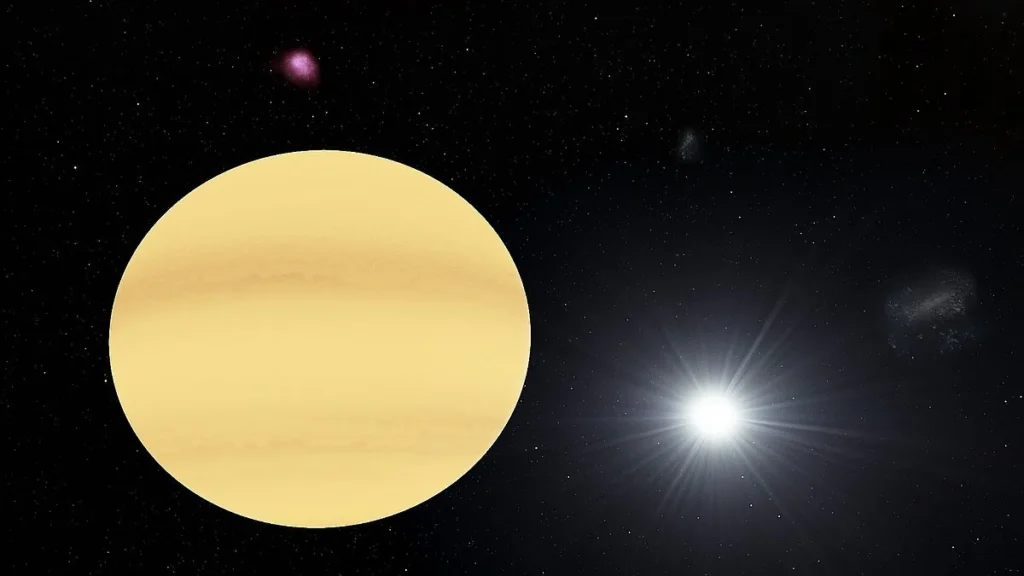
Let’s be real – when you first hear this one, it sounds like something out of a fantasy novel. Known as planet PSR J1719-1438b, this planet is literally made of diamonds. To be exact, it is made of crystalline carbon, which is the same material found in diamonds here on Earth. An entire planet. Made of diamond. Orbiting a pulsar in deep space. Situated well outside our own solar system, the conditions in this particular spot in space were just right for the entire interior of PSR J1719-1438b to harden, crystallize, and turn into a planet-sized diamond. The theory is that the planet started off as a star but cooled to the point where it formed into a massive chunk of carbon, just like a diamond, only the size of a planet.
This discovery matters far beyond its headline-grabbing strangeness. It confirmed that planetary compositions can be radically different from anything in our solar system, stretching the definition of what a “planet” even is. It’s hard to say for sure how many other bizarre worlds like this might be lurking out there, but discoveries like PSR J1719-1438b remind us that the universe has an almost theatrical flair for the extreme. Scientists had long theorized about the existence of planets made completely of carbon or diamonds before discovering that they were entirely correct.
11. The Hubble Space Telescope’s Three Decades of Revolution
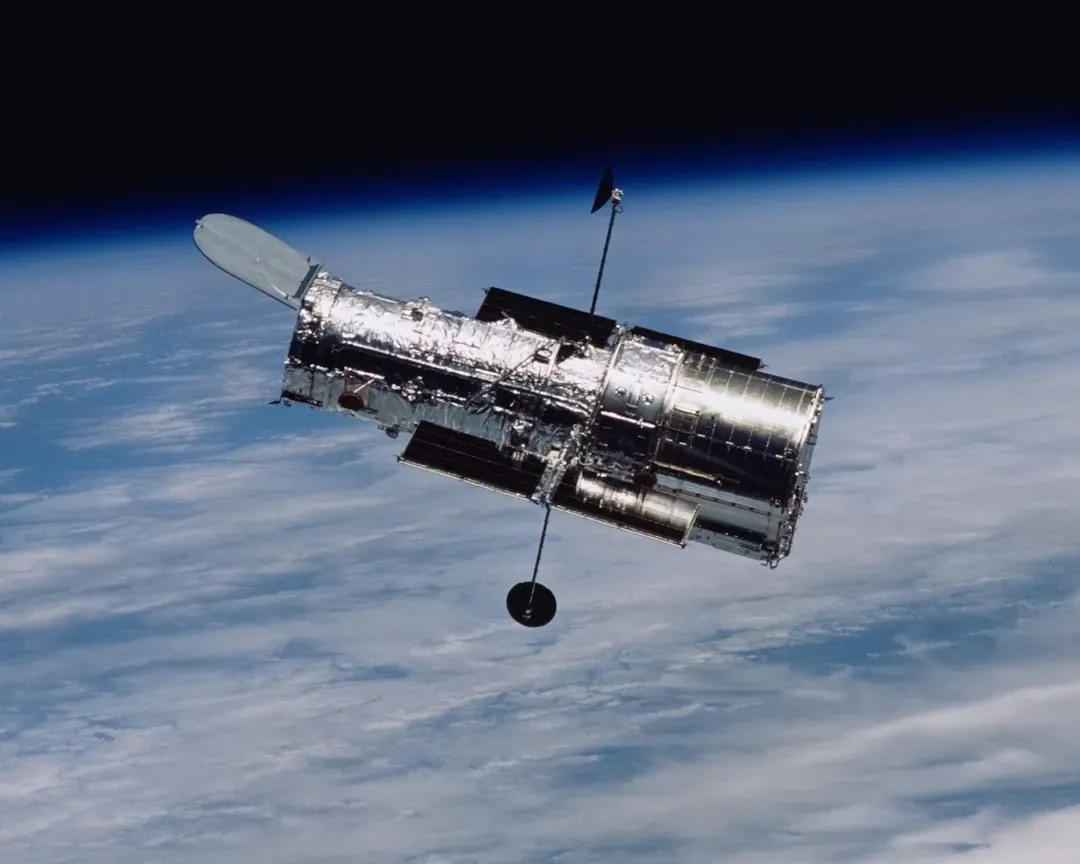
Since its launch in 1990, NASA’s Hubble Space Telescope has offered stunning images capturing the awe-inspiring beauty of the universe, but Hubble is far more than pretty pictures. In its three-plus decades of exploration, Hubble has generated as many questions as it has answered, uncovering new mysteries while expanding our understanding of the universe in ways nobody imagined. Think of it like the world’s most productive overachiever that just keeps going. Year after year, decade after decade.
Through 2024, it exceeds 1.7 million observations, from which astronomers have written more than 22,000 peer-reviewed scientific papers. More than 1.4 million publications reference those original papers, a number that increases by an average exceeding 150 per day. Hubble’s three decades of exploration have forever changed our understanding of the universe. Its discoveries have won the Nobel Prize, proven Einstein’s theories, detected planets beyond our solar system, and enlightened our understanding of dark matter and dark energy. No single instrument in human history has arguably done more for astronomy.
12. Gaia’s Unprecedented Map of the Milky Way
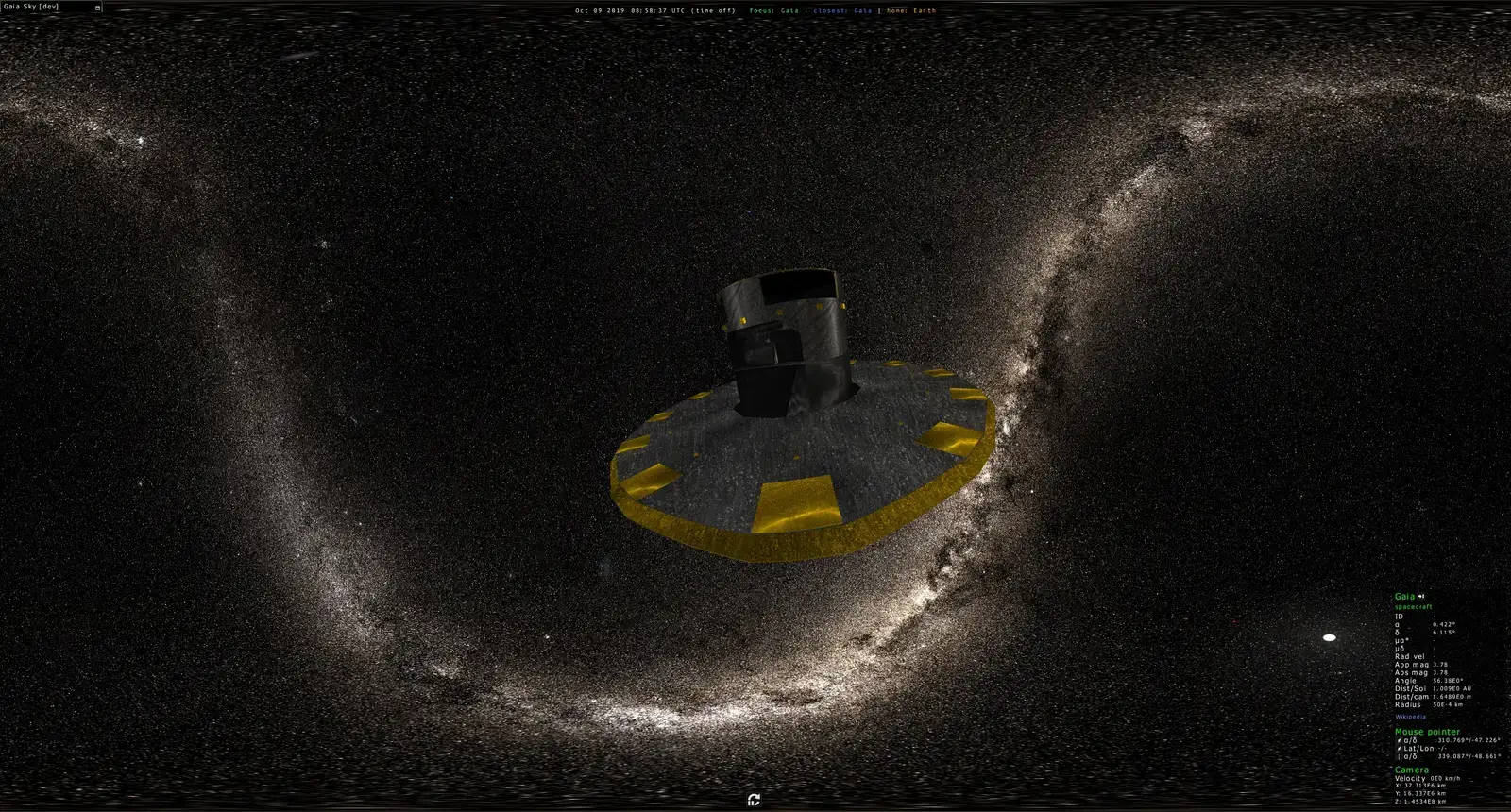
Imagine trying to draw a detailed map of the city you live in, from inside a moving car, at night. That is roughly the challenge of mapping our own galaxy from within it. Yet the ESA’s Gaia spacecraft has done something staggeringly close to exactly that. Gaia launched in 2013 and since then has painstakingly recorded the position and movements of the nearest billion or so stars, allowing researchers to trace the Milky Way’s history like never before. A billion stars. Mapped with precision.
Gaia’s all-sky view of the Milky Way is based on the measurements of almost 1.7 billion stars – a number so large it defies easy comprehension. Think of it this way: if every star Gaia measured were a grain of sand, you would need a small beach just to represent the data. Astronomy has come an incredibly long way since the founding of the Royal Observatory Greenwich almost 350 years ago, when the first Astronomer Royal manually mapped the stars with rudimentary telescopes. In the last 50 years alone, boundaries have constantly been pushed. Gaia represents the pinnacle of that relentless push.
Conclusion: The Universe Still Has More Surprises in Store
What strikes me most about all of these discoveries is not just what they revealed – it is how profoundly each one changed the questions we thought to ask next. Every answer opened ten new doors. Every image revealed ten thousand galaxies where we expected emptiness. Every signal confirmed a theory we had spent a century hoping was true.
From the first shiver of gravitational waves detected by LIGO to the staggeringly old light of galaxies captured by James Webb, the story of modern astronomy is one of endless, thrilling revision. We are not just mapping the universe. We are rewriting our place in it, over and over again, with humility and awe in equal measure.
The universe is under no obligation to make sense to us. Yet somehow, with each new telescope, each new detector, each impossibly distant signal, it keeps offering us another glimpse of the truth. Which of these 12 discoveries surprised you the most? Share your thoughts in the comments below.