
You trust your eyes, your ears, your nose, and your fingertips to deliver an honest, accurate picture of the world around you. Honestly, who wouldn’t? They’re the oldest tools you have. Yet what if the story they’re telling you is, at least partially, a fabricated one? Not in a sinister way, but in a quietly astonishing, deeply human way that science is only beginning to fully unravel.
Your brain is not a passive receiver of information. It is an active, relentless interpreter, constantly filling gaps, making educated guesses, and rewriting raw sensory data into something it considers more coherent and useful. The result is a reality that feels utterly real, even when it is measurably, demonstrably wrong. Let’s dive in.
Your Brain Is Not a Camera – It Is a Storyteller
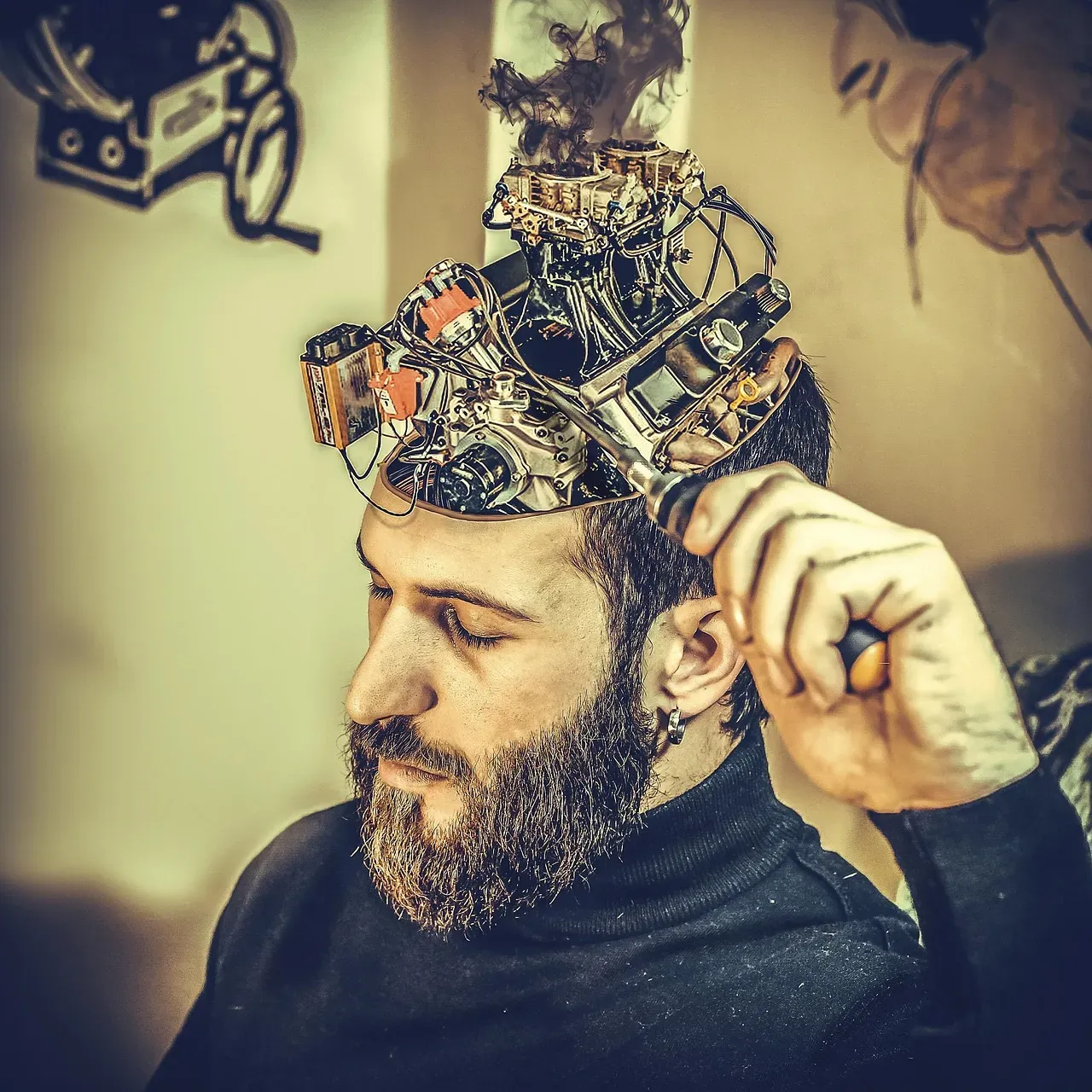
Here’s the thing most people never stop to consider: your eyes do not see the world. Your brain does. Your eyes are not cameras that simply record reality. Instead, they are intricate sensors that capture light, which the brain then interprets, predicts, and sometimes dramatically reimagines. That tiny but massive distinction changes everything about how you understand your own experience.
Your brain does not simply receive incoming information – it creates your perception of the world. This means that sometimes your brain fills in gaps when there is incomplete information, or creates an image that isn’t even there. Think of it like a novelist writing a story based on a rough outline. The outline is your sensory data. Everything else? That’s your brain’s creative addition.
The most basic and natural mistake you make is to trust the evidence of your senses without question. The senses are the mind’s only window to the world, but you underestimate the degree to which that window is clouded by how the brain filters data through an unconscious interpretive process, followed by instinctive reasoning that doesn’t rely on strict rules of logic. Unsettling, right? Stay with it – it gets more interesting from here.
The Moon Illusion: Why the Sky Is Lying to You Every Night

You’ve seen it. A colossal moon hanging heavy and orange near the horizon, so big it almost looks unreal. Then, a few hours later, that same moon is high in the sky and suddenly looks small and distant. What happened? Nothing happened to the moon. Something happened inside you. Photographs prove that the Moon is the same width near the horizon as when it’s high in the sky, but that’s not what you perceive with your eyes. It’s an illusion rooted in the way your brain processes visual information.
Experiments in the 1950s and 1960s by cognitive psychologists Irvin Rock and the late Lloyd Kaufman showed that people perceive the moon as much larger on the horizon – sometimes as much as three times bigger than when it’s overhead. Three times. The same moon. The moon illusion is probably something that happens inside the brain when we construct our perceptions of size. Scientists have debated its exact cause for centuries, and remarkably, a complete explanation still eludes them.
The Checker Shadow Illusion: Two Colors That Are Actually One
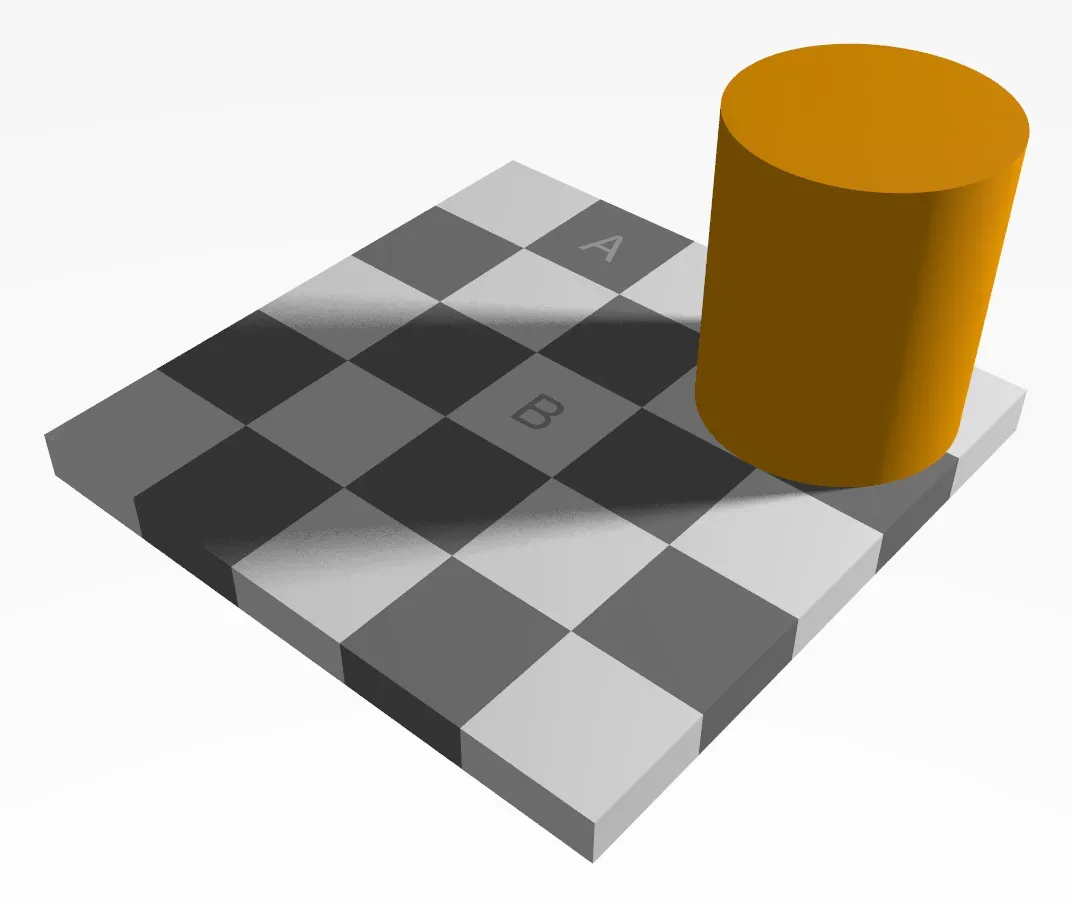
I think this one is the most shocking sensory trick in all of visual science. Imagine a checkerboard with a shadow cast across part of it. Square “A” appears dark gray. Square “B” appears light gray. They look completely different. Now here is the jaw-dropping part: they are literally, physically, exactly the same shade. Both labeled squares in the Checker Shadow Illusion are the same shade of gray, but the illusion tricks your brain into seeing them as different shades. Edward Adelson, a professor of vision science at MIT, created this illusion. The square labeled “A” appears much darker because it is surrounded by lighter squares, while the square labeled “B” appears lighter because it is surrounded by darker squares.
The visual system’s job is to break the information in an image down into meaningful components to perceive the nature of the objects you see. While it generally does that job very well, it is not especially good at being a physical light meter. Your brain is not measuring color in isolation. It’s measuring color in context, comparing it to its surroundings the way a detective compares evidence at a crime scene. Useful for survival, confounding for accuracy.
The Rubber Hand Illusion: Your Brain Can Be Fooled Into Owning a Fake Limb
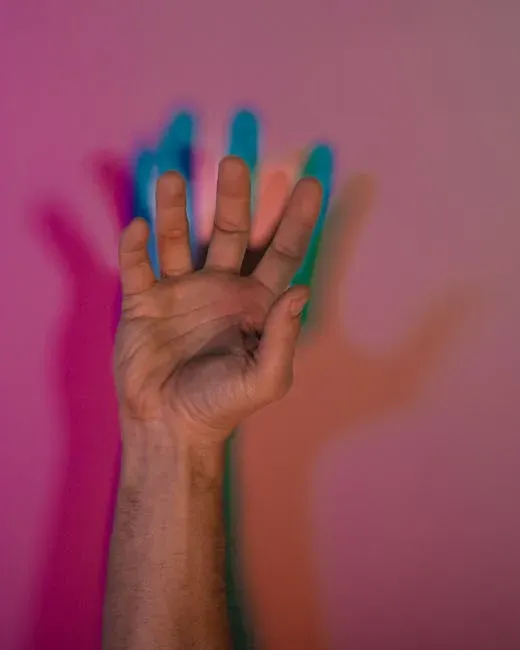
Picture this: your real hand is hidden from your view, and a rubber hand is placed where your hand would normally be. A researcher brushes both the rubber hand and your real hand simultaneously. Within seconds, something extraordinary happens. After a brief time, you report feeling like the touch is coming from the rubber hand, which feels like a part of your body. This perceptual shift is involuntary and occurs even though you know the rubber hand is fake.
When visual information – seeing the rubber hand being stroked – conflicts with tactile information – feeling but not seeing your own hand being stroked – the brain trusts what it sees over what it feels. As the illusion takes hold, activity in the brain’s premotor cortex, which integrates information from the different senses, increases, as if the brain is struggling to resolve the visual and tactile conflict. Let’s be real: this should change the way you think about what “your body” actually means to your brain.
The Color Context Illusion: Surrounding Colors Rewrite What You See
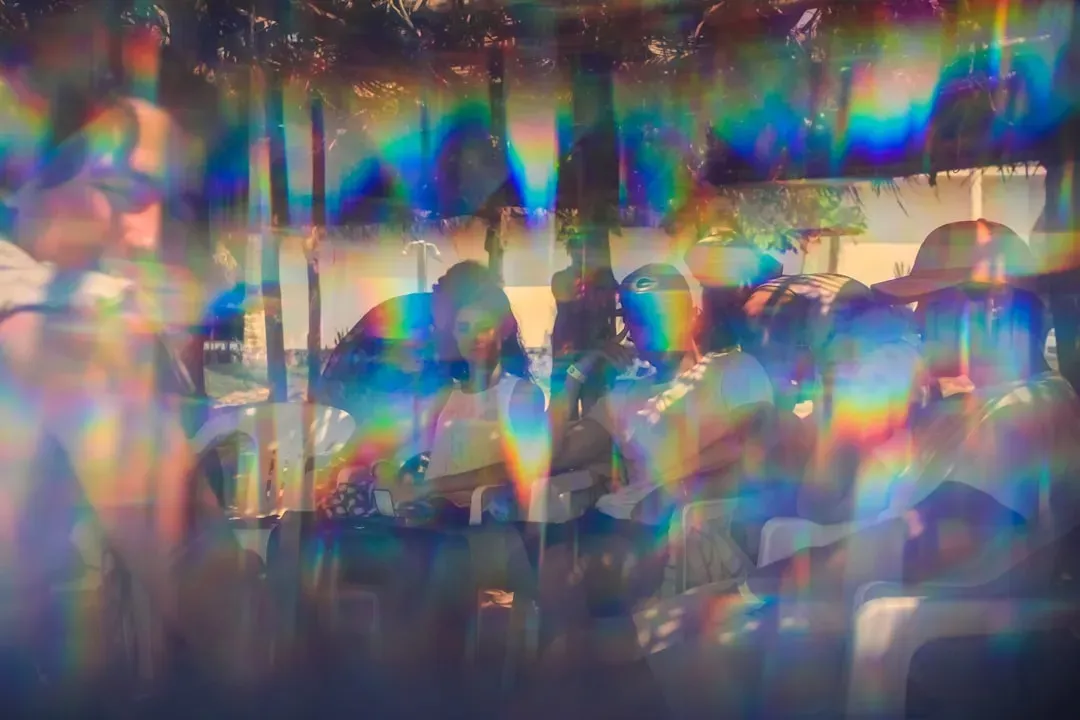
Your brain does not process color in a vacuum. It processes it in relation to everything around it. This is why a gray circle placed on a white background looks darker than the same gray circle placed on a black background. They are identical. Your brain simply cannot help itself – it always evaluates color in comparison to its neighbors. The color surrounding an object can affect how the brain perceives the color of that object. Both cat eyes can be exactly the same color of gray, but surrounding color causes you to perceive one of them as light teal.
Modern neuroscience has uncovered fascinating insights into why these illusions work. Different parts of the brain process various visual elements – color, movement, depth, and shape – in parallel. When these systems receive conflicting information, the brain attempts to resolve the discrepancy, often resulting in the perceptual tricks you experience as illusions. It’s a little like five different co-workers all arguing over the same spreadsheet and coming to a compromised answer nobody fully intended.
Sound Can Create Visions: When Your Ears Rewrite What Your Eyes See
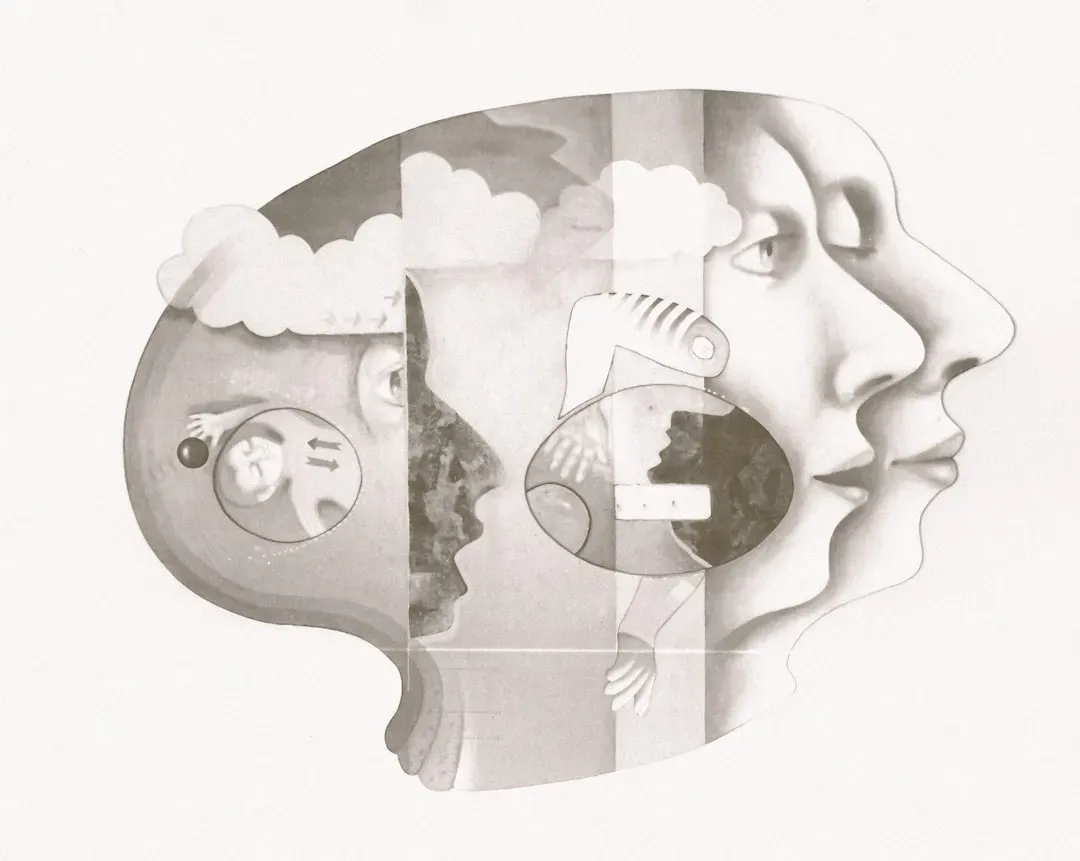
It sounds almost impossible, but Caltech researchers have confirmed it with hard data. A sound that occurs after a visual event can actually reach back in time – perceptually speaking – and change what your brain thought it saw. Caltech researchers have developed illusions that reveal how the senses can influence each other – in particular, how sound can give rise to visual illusions. These illusions occur so quickly that they illustrate a phenomenon called postdiction, in which a stimulus that occurs later can retroactively affect your perceptions of an earlier event.
The key to these illusions is that the audio and visual stimuli occur rapidly, in under 200 milliseconds – one-fifth of a second. The brain, trying to make sense of this barrage of information, synthesizes the stimuli from both senses to determine your experience, using postdiction to do so. It’s hard to say for sure how far this phenomenon extends into everyday life, but it strongly suggests that what you see is being quietly shaped by what you hear, in ways you’d never consciously notice.
Color-Triggered Taste Illusions: Why Your Eyes Season Your Food

You’ve probably heard that presentation matters in food. Turns out, that’s not just marketing advice – it’s neuroscience. Your visual system powerfully shapes what your taste buds report back to your brain, to the point where the same liquid can taste genuinely different depending on its color. In a study conducted by Frederic Brochet in 2001, two tests were performed on 57 professional wine-tasters where they were presented with the same wine. In one test, one of the wines was colored red with food dye. The wine-tasters were tricked into tasting fruity and vibrant flavors in red-colored wine in comparison to the normal wine, even though they were one and the same.
Think about that for a moment. These were seasoned wine professionals. People who had dedicated their careers to detecting nuance in flavor. And yet, the simple act of changing the visual color of the wine completely rewired their experience of taste. You can actually experience illusions in all of your senses, not just optical illusions. Illusions are present in hearing, taste, touch, and smell as well. Your senses are, in many ways, a team. And sometimes they cheat off each other’s papers.
Perceptual Filling-In: Your Brain Invents the Gaps in Reality
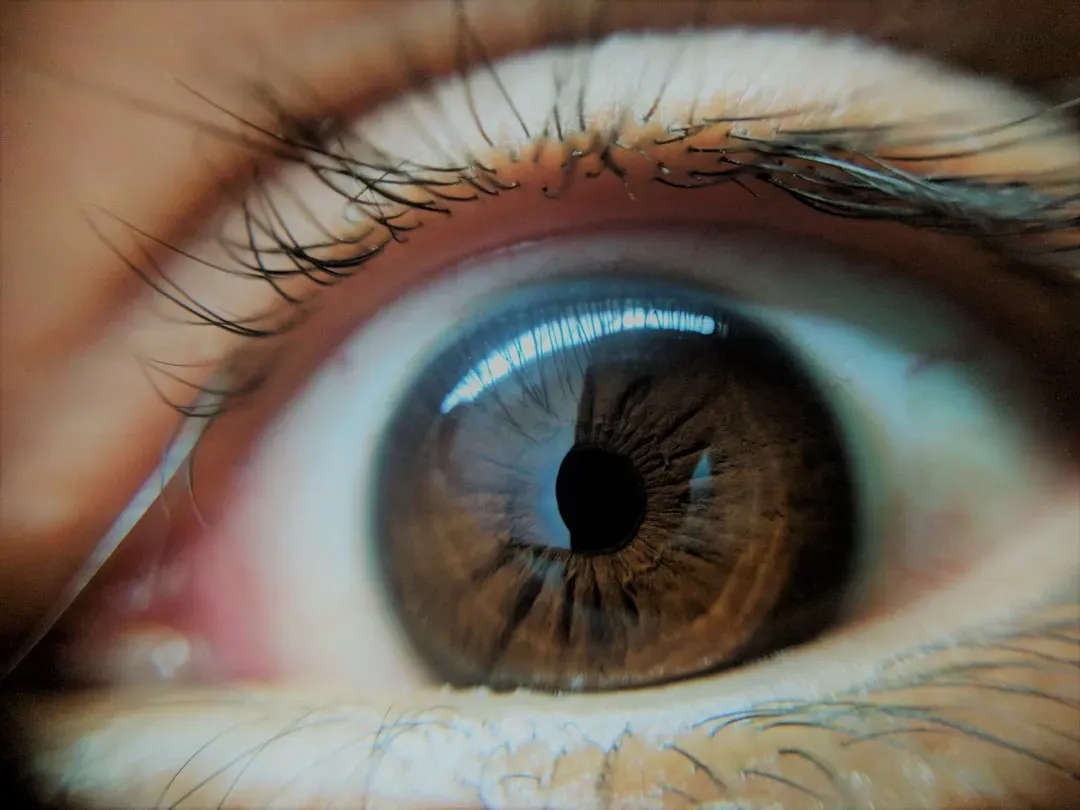
Your eyes have a blind spot – a real, physical location in your visual field where the optic nerve connects to the retina and there are zero photoreceptors. You are literally blind in that spot. Yet you never notice it. Why? Because your brain invents what should be there and pastes it seamlessly over the gap. The information you see is touched up and processed by your unconscious nervous system, such as the way the brain’s visual cortex fills in the gaps between the still frames of a movie. Your brain is designed to fill in the gaps in any sensory data it receives. Doing so gives you a more cohesive awareness of your surroundings, which aids survival – but it also opens the door to error, particularly when the brain’s best guess turns out to be wrong.
In order to make sense of the messy information coming in from your senses, your brain is constantly trying to fill in the blanks with its best guess of what’s out there. Because of this guesswork, your perceptions depend on your experiences, leading you to perceive and interact with the world in a way that’s uniquely yours. No two people see exactly the same world. That’s both beautiful and slightly unnerving.
Ambiguous Signals: When Weak Stimuli Create Different Realities
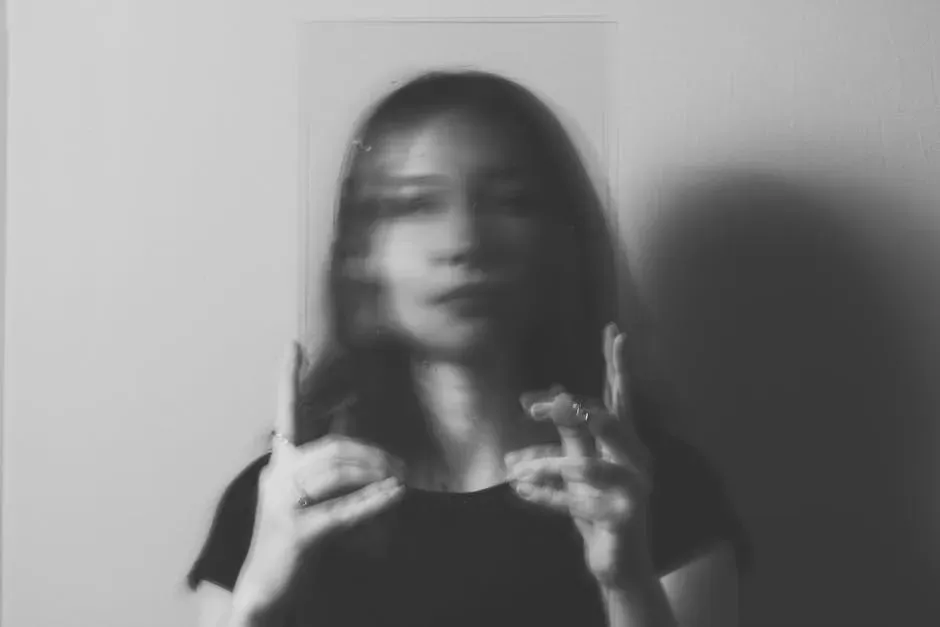
Here’s a scenario you’ll recognize immediately. You’re in a noisy room and you think you hear your name being called. Was it real? You can’t be sure. That uncertainty isn’t a flaw in your attention – it’s a window into how your brain handles ambiguous sensory input. When sounds are faint or objects are seen through fog in the distance, repetition of these weak or ambiguous sensory inputs can result in different perceptions inside the same brain. The exact same stimulus can produce completely different responses depending on your brain’s current state.
There is evidence that mindset – expectation and attitude – can modify neuron firing in primary sensory cortices: you see and hear what you think you will. This is genuinely profound. Your expectation of reality isn’t just a passive prediction – it is actively changing the sensory signals your neurons fire. In a very real sense, you partly construct what you experience before you even experience it. That’s either inspiring or alarming, depending on your mood.
Emotion Changes What You Actually Perceive
Your emotional state does not just color how you feel about what you see – it physically alters what you see at the neurological level. Fear sharpens certain senses and dulls others. Excitement makes colors appear more vivid. Anxiety can make threats seem closer, louder, and more overwhelming than they actually are. Emotion amplifies sensory processing at an early stage. One study found that scenes look particularly vivid – and activity rises in the visual cortex – at times of emotional arousal. Another study reported that anxious individuals could detect threatening odors at a lower concentration than the non-anxious, reflecting heightened activity in primary olfactory centers.
The brain is not simply a receiving station for sensory signals, and what you see, hear, and feel are constantly shaped by emotions, memories, moods, and beliefs. Your sense of the world is a creation of the brain, and the same physical sensation may be experienced quite differently at different times of life, and even from day to day. So the next time someone tells you to “just look at the facts,” you might gently point out that the facts themselves look different depending on how you’re feeling when you encounter them.
Conclusion: You Are Living in a Brain-Filtered Reality
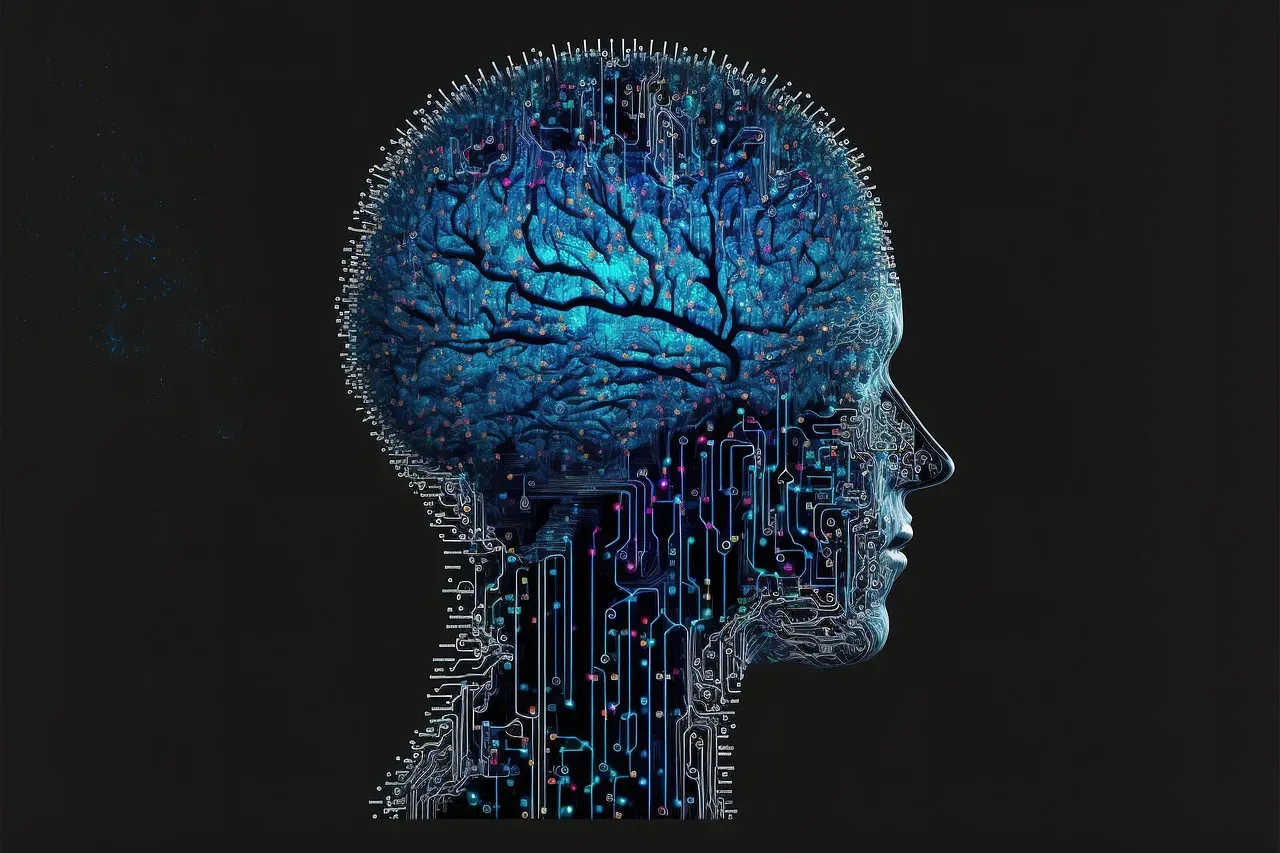
What all of this adds up to is genuinely mind-bending. You are not experiencing the world directly. You are experiencing your brain’s best reconstruction of the world, built from incomplete data, filtered through emotion and memory, filled in with educated guesses, and occasionally overruled by whichever sense happens to speak loudest in any given moment. Reality is not a fixed, objective experience but a dynamic, constructed interpretation. The brain has an incredible ability to predict, adapt, and creatively process information, transforming simple sensory inputs into complex, meaningful experiences.
Honestly, when you step back and consider it, the fact that your senses get it right as often as they do is the real miracle. Although illusions are often thought of as mere tricks or errors, they serve an important function. They provide insights into how your brain processes sensory information and how perception can be shaped by external and internal factors. These sensory tricks are not bugs in your system – they’re clues to how extraordinarily complex and active your mind truly is.
The world you see, taste, hear, feel, and smell is uniquely yours – filtered through a brain that is always working harder than you realize. So the next time you glance up at a massive moon hovering near the horizon or feel a phantom touch on a rubber hand, take a moment to appreciate it. Your senses just reminded you that reality is far stranger and far more personal than you ever thought. What sense trick surprised you the most?