
Space has always been humanity’s greatest mystery. You look up at the night sky and see scattered dots of light, yet behind each one hides a story so epic it dwarfs anything you’ll find in a novel. For decades, scientists dreamed of placing telescopes beyond Earth’s blurry, light-scattering atmosphere, and when they finally did, the universe answered back with revelations nobody expected.
What you’re about to read isn’t just a list of science trivia. These are the moments that genuinely shook our understanding of reality, rewrote textbooks, and left the world’s brightest minds scrambling for new explanations. Some of these discoveries are thrilling. Others are almost unsettling. So let’s dive in.
1. The Universe Is Expanding – Faster and Faster
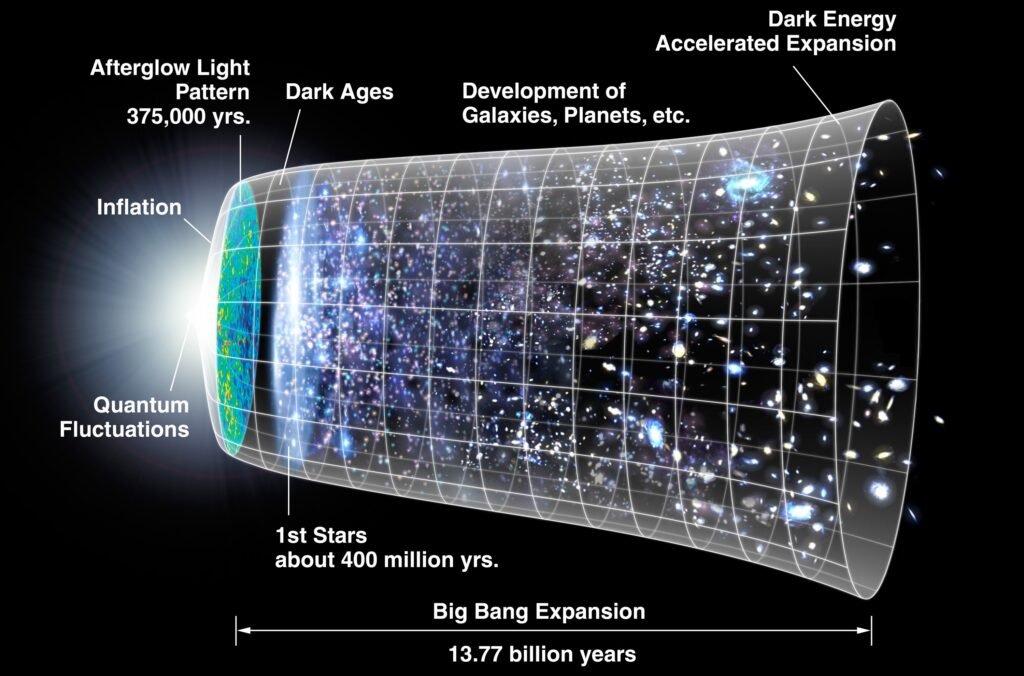
Here’s the thing that still gives cosmologists sleepless nights: the universe isn’t just expanding, it’s accelerating. Hubble’s studies of exploding stars called supernovae helped show that the universe is not just expanding, but expanding faster and faster – a discovery that led to the 2011 Nobel Prize in Physics. Before this revelation, scientists assumed gravity would eventually slow the expansion down. Wrong.
The force driving this acceleration was dubbed “dark energy,” and you can’t see it, touch it, or detect it directly. From determining the atmospheric composition of planets around other stars to discovering dark energy, Hubble has changed humanity’s understanding of the universe. This discovery didn’t just update our picture of the cosmos – it revealed that roughly two-thirds of the entire universe is made up of something we still don’t fully understand.
2. The Hubble Ultra Deep Field – 10,000 Galaxies in One Tiny Patch of Sky
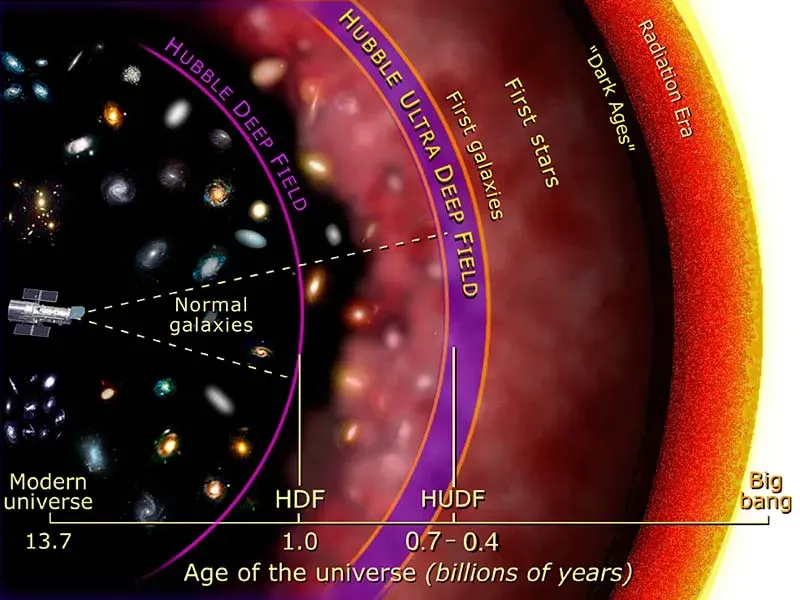
Imagine pointing a camera at what looks like an empty patch of sky – a spot no bigger than a grain of sand held at arm’s length – and discovering an entire ocean of galaxies hiding in the dark. That’s exactly what happened. Approximately 10,000 galaxies fill a small area of sky called the Hubble Ultra Deep Field, and it was created through the collaboration of 20 astronomers and scientists, making it the deepest image of the universe ever made at optical and near-infrared wavelengths. Stunning doesn’t begin to cover it.
The telescope pointed its camera to a part of the sky that appeared practically empty to all previous observations, then left the shutter open for ten days, collecting all the light from a seemingly empty part of space. By using a long exposure, just like a traditional camera on Earth, astronomers were able to see what was hiding in the dark. The result fundamentally changed how we count and understand galaxies. You now live in a universe estimated to contain trillions of them.
3. The Age of the Universe – Finally Pinned Down
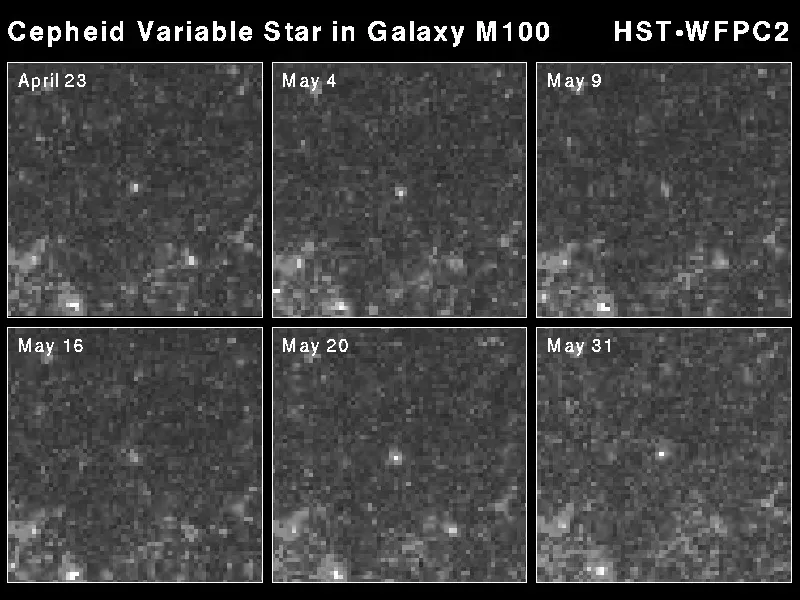
Before space telescopes entered the picture, scientists couldn’t agree on how old the universe actually was. It’s a bit like arguing about someone’s age while looking at a blurry photograph. Cyclical brightness changes in Cepheid stars, like one in the Andromeda Galaxy, help astronomers determine astronomical distances, and using Hubble to measure cosmic distances, astronomers have refined the expansion rate and age of the universe, calculating that it is 13.8 billion years old.
Hubble’s main science objective was to determine the size and age of the universe. To do this, astronomers measured the changing brightness of Cepheid variable stars – stars that have a varying brightness that follows a regular shape, but whose frequency of pattern depends on the actual luminosity of the star. Astronomers use the frequency of this pattern to determine how far away a galaxy is, and Hubble’s large mirror helped detect these stars at farther distances, confirming the expansion and age of the universe. That’s a number we take for granted now, but earning it was a decades-long scientific triumph.
4. The Pillars of Creation – Star Birth Up Close
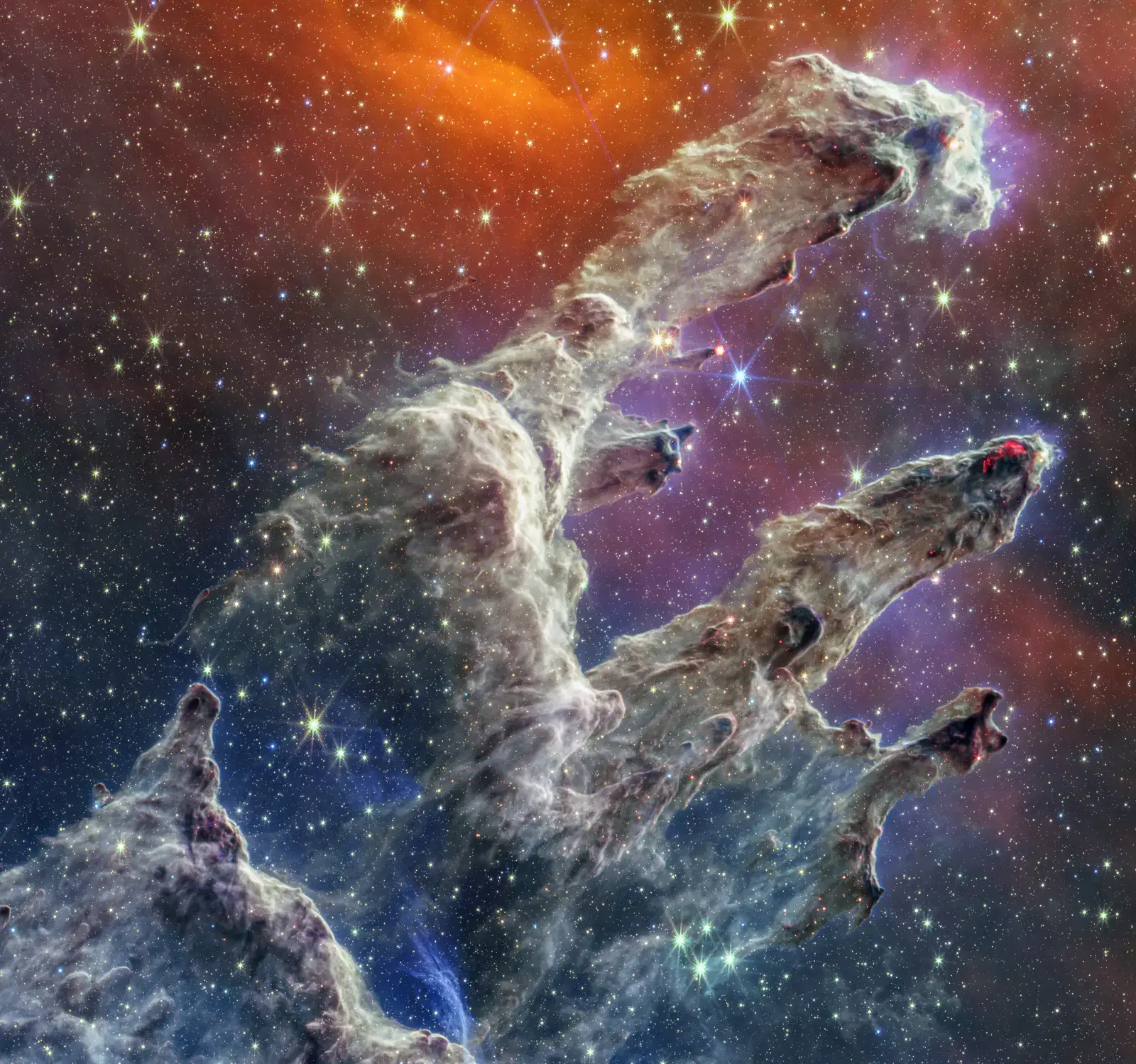
Few images in science history are as iconic as the Pillars of Creation. When Hubble turned its gaze to the Eagle Nebula, it didn’t just take a pretty picture – it opened a window into the raw, violent process of stellar birth. In the Eagle Nebula’s towering columns of gas and dust, known as the Pillars of Creation, Hubble imaged never-before-seen details of star formation. At the top of the tallest pillar, Hubble detailed finger-like protrusions – each somewhat larger than our own solar system – believed to be incubating new stars inside them.
Honestly, the scale of it is almost impossible to absorb. These aren’t little wisps of gas – they’re colossal cosmic nurseries. The famous Pillars of Creation in the Eagle Nebula were imaged using both visible and infrared filters, and using infrared light, Hubble is able to probe past the dense gas and dust of the nebula to reveal stars that are hidden in visible wavelengths. The infrared versions of these images – later spectacularly revisited by the James Webb Space Telescope – revealed entirely new layers of complexity within these towering structures.
5. Supermassive Black Holes Live in the Hearts of Galaxies
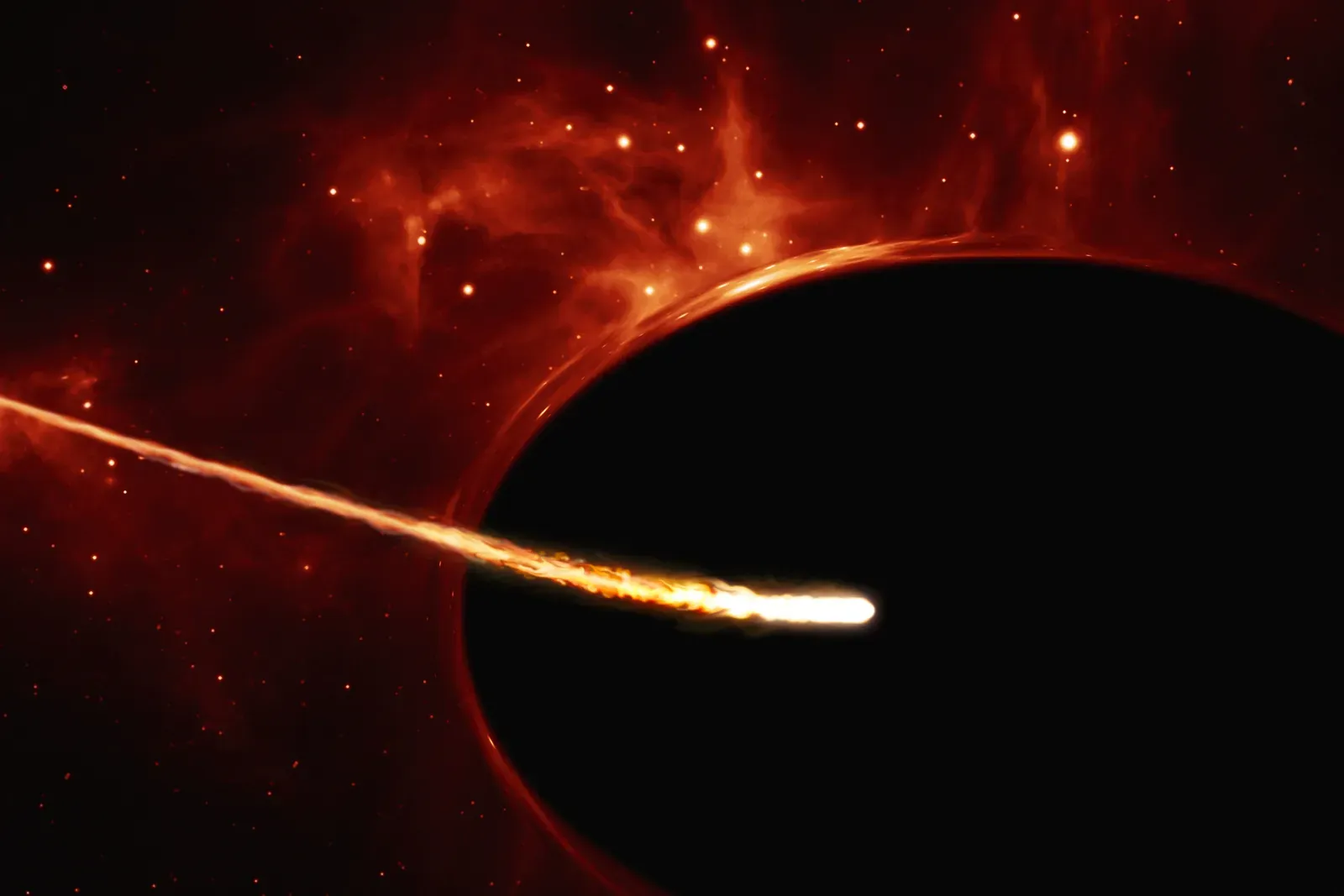
For a long time, black holes were mostly theoretical curiosities. Then space telescopes changed everything. Hubble provided conclusive evidence for the existence of supermassive black holes in the centres of galaxies by observing the galaxy M87. These aren’t just big black holes – they are mind-bendingly massive objects, millions to billions of times the mass of our Sun, quietly governing the evolution of entire galaxies.
In following up on the Hubble Space Telescope’s “deep field” study of the earliest period of galaxy formation, Chandra found evidence that giant black holes were much more active in the past than now, so that after an initial period of extreme activity they appear to grow quiescent. Think of it like a fire that blazes furiously and then settles into an ember – except the “ember” still contains the gravitational force of billions of suns. The implications for understanding galactic evolution were enormous.
6. The Farthest Individual Star Ever Seen
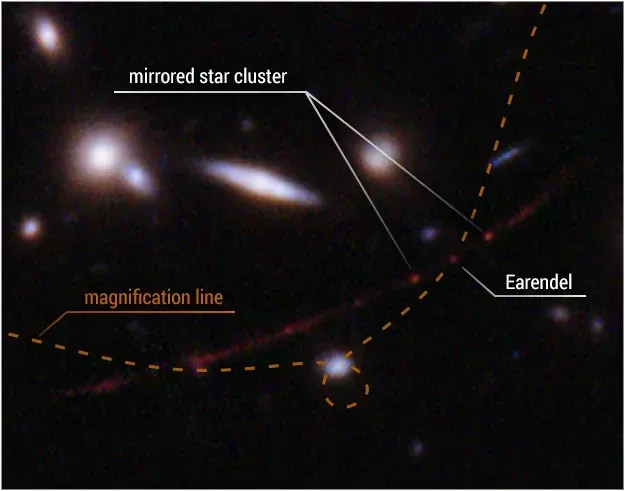
You’d think finding a single star more than 13 billion light-years away would be impossible. Yet Hubble pulled it off, and it left astronomers reaching for superlatives. In 2022, Hubble detected the light of the farthest individual star ever seen to date. The star, WHL0137-LS, nicknamed Earendel, existed within the first billion years after the Big Bang. Think about that – you’re looking at something that lived and may have died before our solar system ever existed.
This wasn’t achieved by brute force alone. A phenomenon called gravitational lensing – where a massive object bends light from behind it like a cosmic magnifying glass – made the detection possible. When Hubble shows us images in space, the view it gives us is always of how objects looked some time in the past, because light takes time to travel the long distances from the objects it came from. Even with relatively local objects the delay can be impressive, with our nearest neighbouring galaxy, the Andromeda galaxy, being viewed as it was almost 2.5 million years ago. This means telescopes like Hubble act like time machines, enabling us to study the history of our Universe.
7. JWST Finds the Most Distant Galaxy Ever Detected
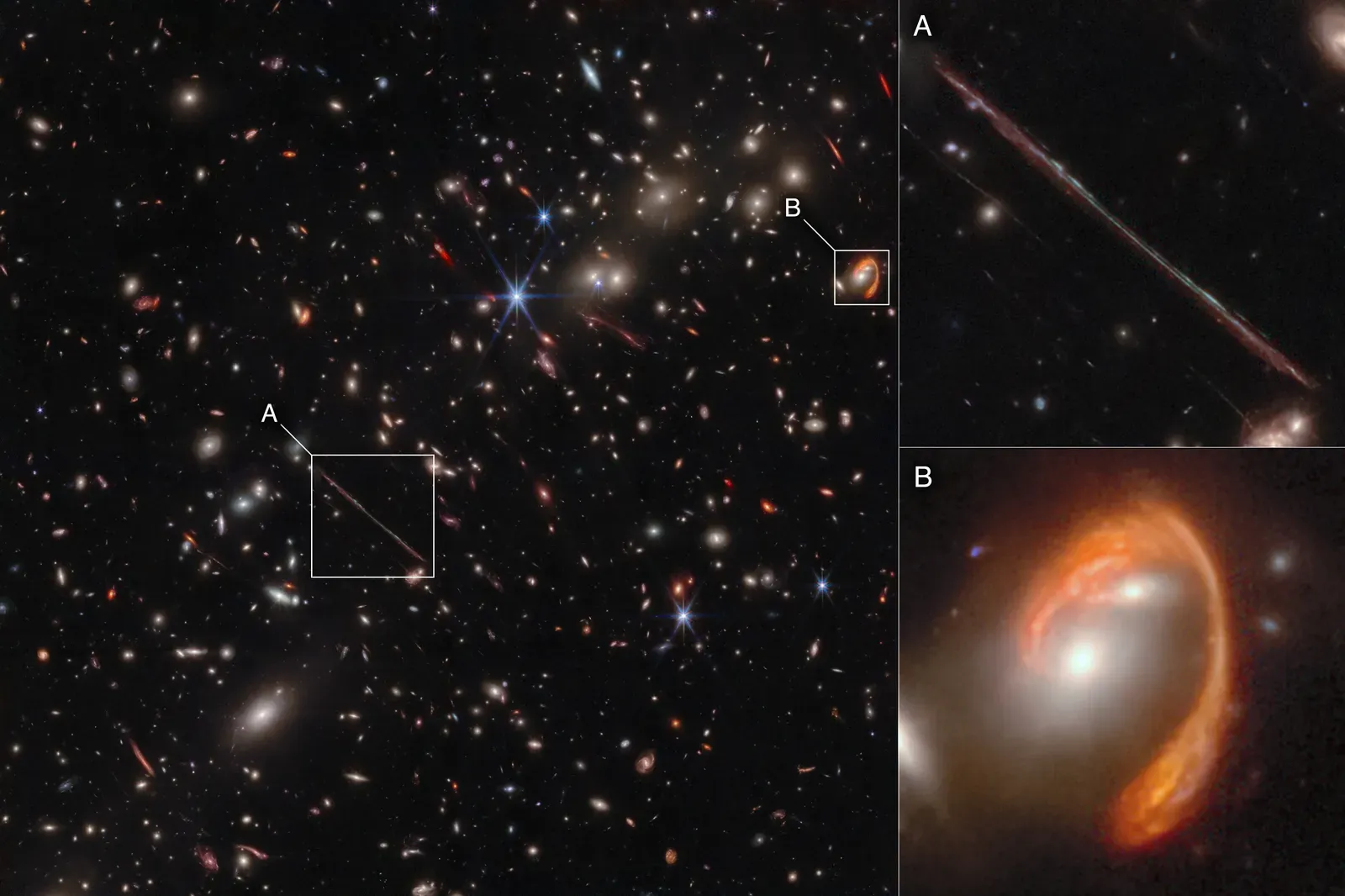
If Hubble’s Ultra Deep Field was a revelation, James Webb’s push to the very edge of the observable universe is nothing short of staggering. The James Webb Space Telescope has spotted the most distant galaxy yet detected, allowing astronomers to peer closer than ever before to the era when the first stars and galaxies formed, known as cosmic dawn. The galaxy, named MoM-z14, offers a rare glimpse into the universe just 280 million years after the Big Bang. Its light has traveled for about 13.5 billion years to reach Earth, making it the farthest and one of the earliest known galaxies ever observed.
What makes it even more jaw-dropping is how wrong our predictions were. MoM-z14 belongs to a growing list of unexpectedly luminous young galaxies that challenge existing theories about how quickly stars and galaxies formed after the universe began. According to NASA, MoM-z14 is “brighter, more compact, and more chemically enriched” than astronomers anticipated for such an early era. In other words, the universe was building things far faster than we thought possible. Back to the drawing board, cosmologists.
8. The First Detection of an Exoplanet Atmosphere
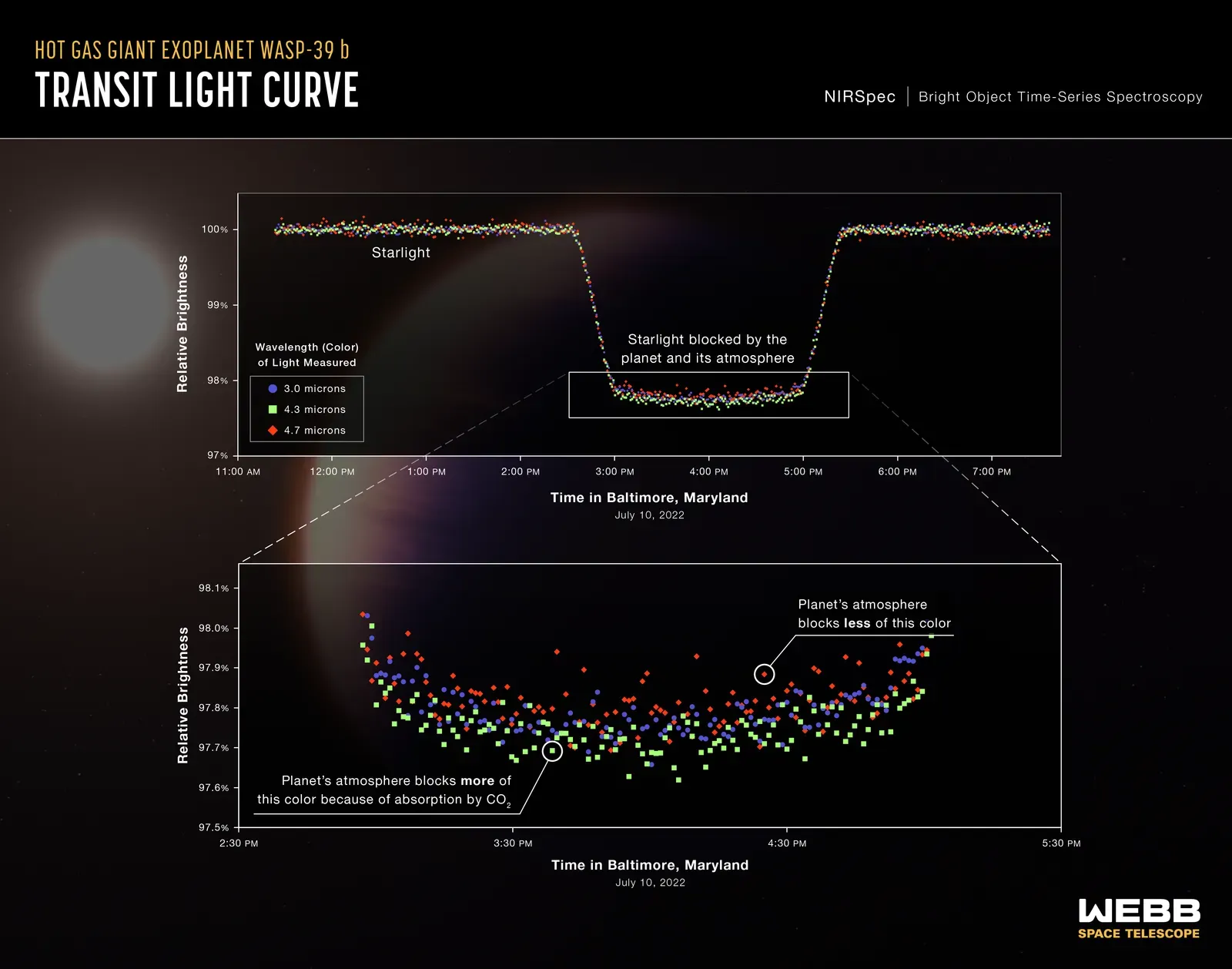
The search for life beyond Earth took a massive leap forward when space telescopes began dissecting the atmospheres of planets orbiting other stars. You’d need to imagine looking at the shadow of a flea crossing a searchlight from across a continent – that’s roughly the level of precision involved. Most of the extrasolar planets found so far were actually discovered by telescopes on the ground. Still, Hubble has made some important advances in our research into alien worlds, such as determining the composition of the atmosphere of an exoplanet for the first time.
Previous observations with the Hubble Space Telescope had indicated that K2-18 b may be a “Hycean world,” an exoplanet that hosts thick, hydrogen-rich atmospheres with oceans of liquid water underneath. Recent observations with the JWST support that hypothesis, as the new data shows evidence for abundant methane and carbon dioxide but little ammonia. It’s hard to say for sure what this means for the possibility of life, but the fact that we can now chemically fingerprint worlds trillions of kilometers away is extraordinary on its own.
9. Witnessing a Comet Smash Into Jupiter
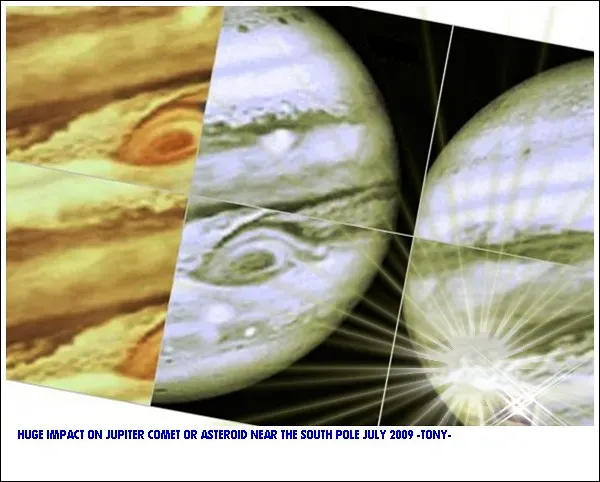
Sometimes the universe delivers a spectacle so rare it defies belief, and you just need a front-row seat. In 1994, Hubble provided exactly that. In 1994, Hubble watched 21 fragments of Comet Shoemaker-Levy 9 bombard Jupiter and create dark impact scars – the first time astronomers witnessed such an event. It happened again in 2009, when a suspected asteroid struck Jupiter. The 2009 impact left a temporary dark feature the size of the Pacific Ocean.
Let’s be real – the sheer scale of that impact is almost comedic in its enormity. A mark the size of an entire ocean, and Jupiter “hardly flinched.” Hubble observations have made key discoveries that characterize the structure and evolution of the universe, galaxies, nebulae, stars, exoplanets, and our solar system neighbors. Watching Jupiter absorb repeated cosmic blows also quietly reminded us that similar impacts have shaped Earth’s own history – and could again.
10. Chandra X-ray Observatory Reveals the Hidden Universe
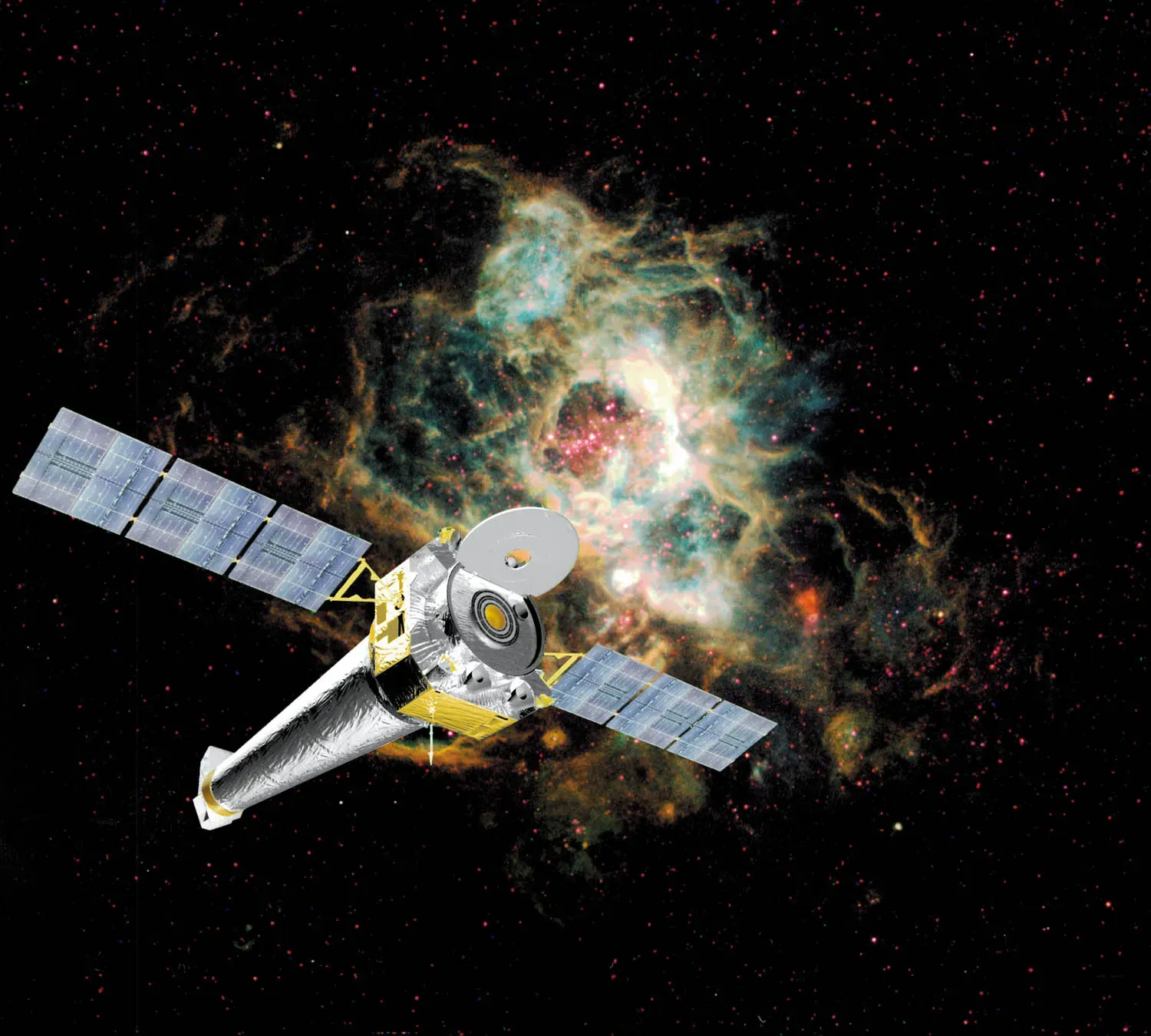
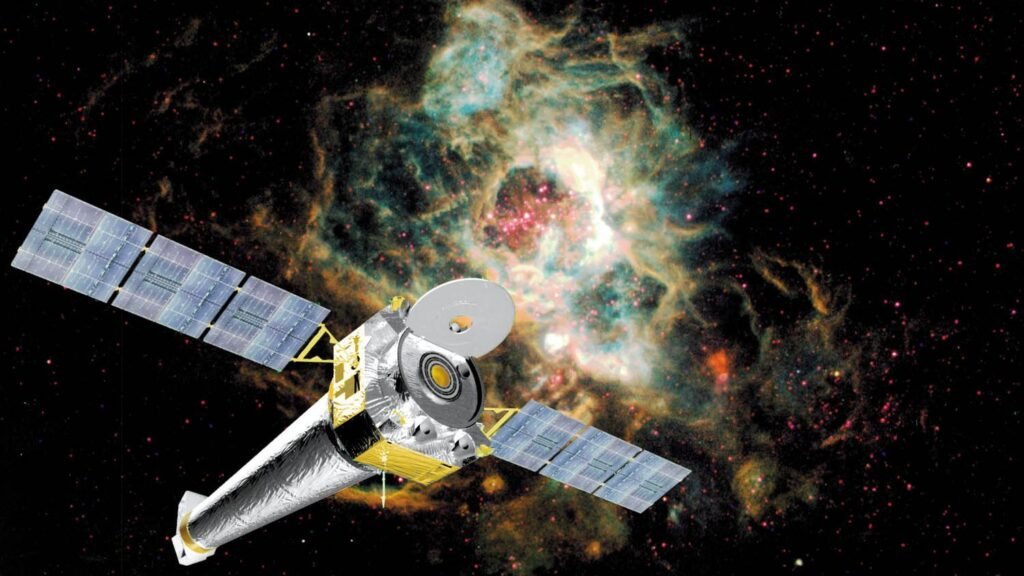
Not every telescope stares at visible light. The Chandra X-ray Observatory opened an entirely different window on the cosmos – one our eyes are completely blind to. The Chandra X-ray Observatory is a Flagship-class space telescope launched by NASA on July 23, 1999. Chandra is sensitive to X-ray sources 100 times fainter than any previous X-ray telescope, enabled by the high angular resolution of its mirrors. Since Earth’s atmosphere absorbs the vast majority of X-rays, they are not detectable from Earth-based telescopes – therefore space-based telescopes are required to make these observations.
Chandra images and spectra have allowed scientists to trace shock waves generated by stellar explosions, or supernovas, and to study the amount and distribution of heavy elements expelled by those explosions. Chandra images of the Crab Nebula and Vela supernova remnants revealed spectacular rings and jets of high-energy particles created by rapidly rotating neutron stars and established that neutron stars are extremely efficient generators of high-energy particles and magnetic fields. Effectively, Chandra showed us the violent, scorching skeleton of the cosmos that hides behind calmer optical images.
11. The Kilonova – Light From a Gravitational Wave Event
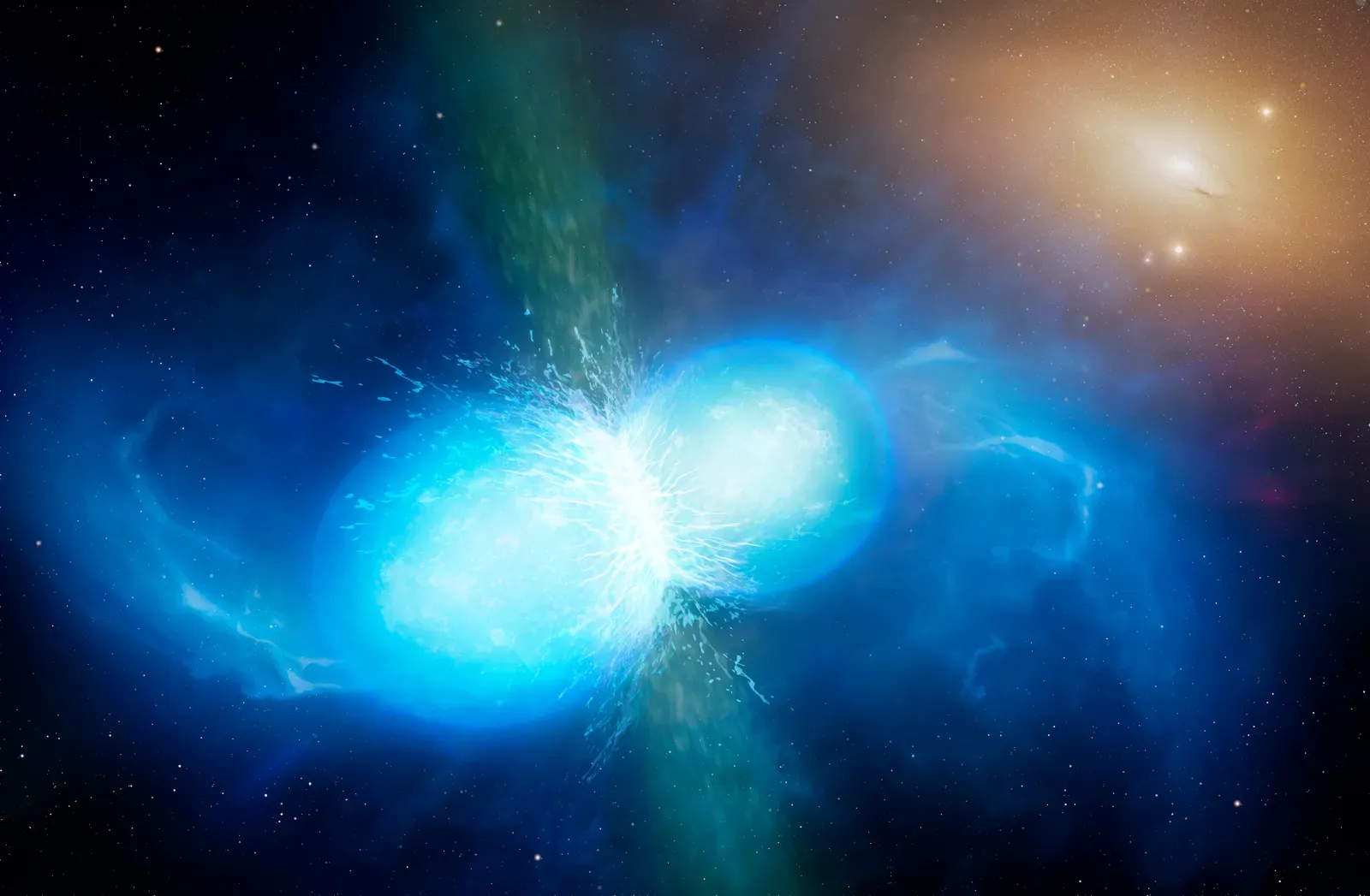
In 2017, something happened that astronomers had spent years dreaming about. A collision between two neutron stars sent ripples through spacetime, and for the very first time, telescopes actually caught the visible light from the aftermath. After astronomers discovered ripples in spacetime called gravitational waves from a neutron-star collision in the galaxy NGC 4993, Hubble detected visible light from the associated kilonova and watched it fade away over several days. A kilonova happens when a pair of compact objects such as neutron stars crash together. This was the first time visible light from a gravitational-wave event had ever been seen.
The event was a landmark moment of what scientists call “multi-messenger astronomy” – using different types of signals to study the same cosmic event simultaneously, like watching a thunderstorm with your eyes, ears, and a barometer all at once. Hubble’s extensive archive of observations also allows astronomers to study astronomical objects that display subtle changes over time; these have helped shape our understanding of the very nature and evolution of the universe. Kilonovae, scientists believe, are also responsible for forging heavy elements like gold and platinum – so yes, every piece of gold jewelry you own was born in a neutron star collision.
12. JWST Challenges Everything We Thought We Knew About Early Galaxies
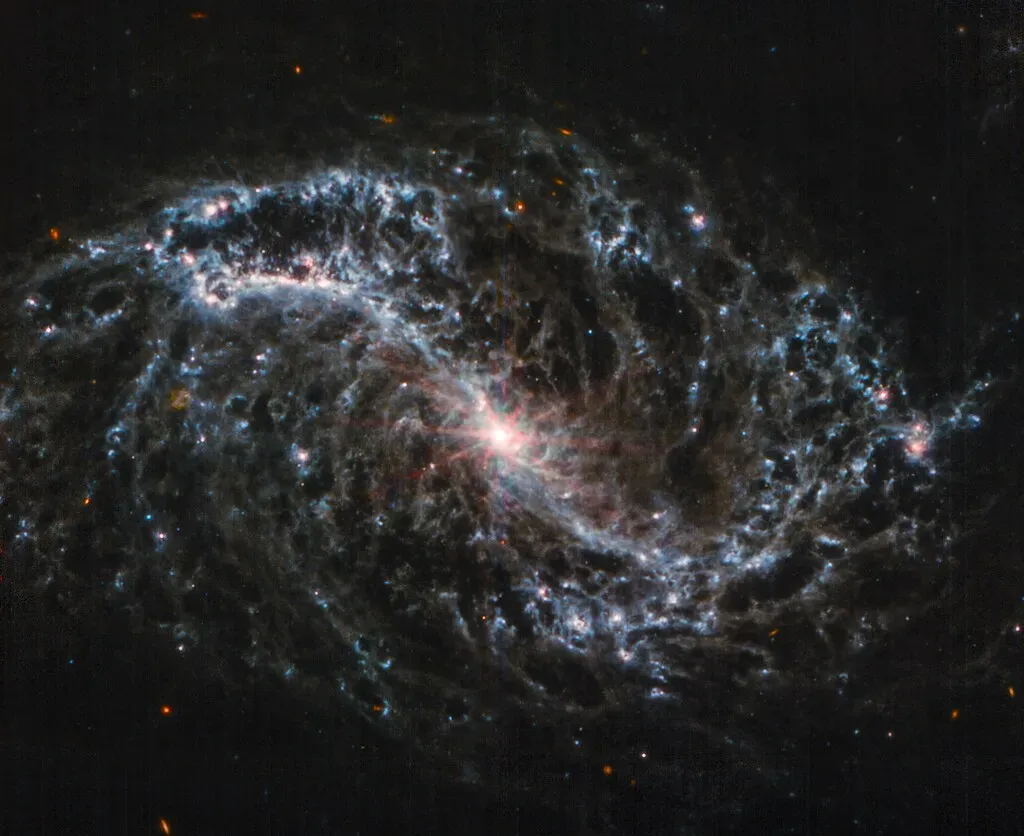
Perhaps the most unsettling discovery of all is the one still unfolding right now. Webb studies every phase in the history of our Universe, ranging from the first luminous glows after the Big Bang, to the formation of solar systems capable of supporting life on planets like Earth, to the evolution of our own Solar System. What it found in the earliest cosmic epochs was not what the models predicted – at all.
Over recent years, scientists have used NASA’s James Webb Space Telescope to explore what astronomers refer to as Cosmic Dawn – the period in the first few hundred million years after the Big Bang where the first galaxies were born. These galaxies provide vital insight into the ways in which the gas, stars, and black holes were changing when the universe was very young. The problem? Many of these early galaxies are far too bright, too massive, and too chemically complex for our existing theories. MoM-z14 is one of a growing group of surprisingly bright galaxies in the early universe – roughly 100 times more than theoretical studies predicted before the launch of Webb, according to the research team. That gap between prediction and observation is the most exciting frontier in all of modern astronomy.
Conclusion
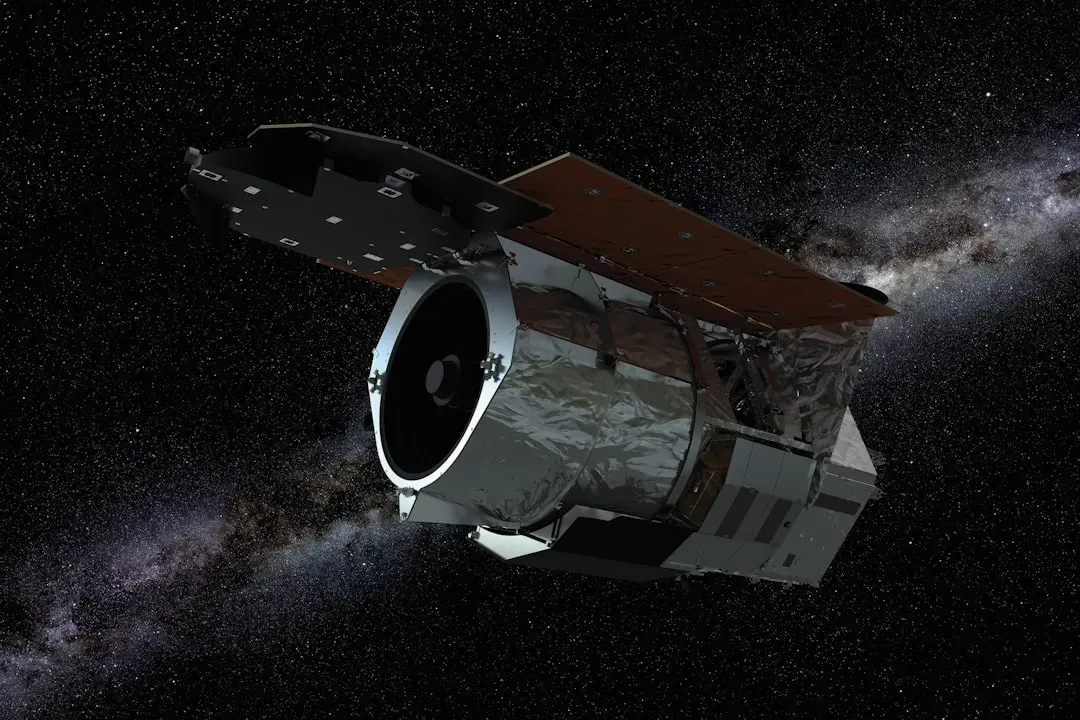
What strikes you most, stepping back from all twelve of these discoveries, is how consistently the universe has refused to behave as expected. Every telescope launched into orbit has returned not just new data, but new questions – deeper, stranger, and more exhilarating than the ones before. Every modern astronomy textbook includes contributions from Hubble. You could say the same thing about Webb, Chandra, and the observatories that will follow them.
We are living through a golden age of space exploration, one where a single telescope can overturn decades of accepted theory in a matter of months. The universe is older, weirder, and far more spectacular than your ancestors ever imagined – and these twelve discoveries are just the beginning of the story.
What discovery surprised you the most? Drop your thoughts in the comments – the conversation is just getting started.