

You spend roughly one third of your entire life unconscious, paralyzed, and completely at the mercy of your own brain. You call it sleep. Science calls it one of the most complex, powerful, and still surprisingly mysterious biological processes on earth. Most people treat sleep like a light switch they flip off at the end of the day. It is so much more than that.
From the way your brain secretly scrubs itself clean each night to the fact that going to bed late might literally cost you years of your life, what happens while you close your eyes is nothing short of extraordinary. Buckle up, because some of these facts will genuinely make you want to rethink everything you thought you knew about rest. Let’s dive in.
1. Your Brain Falls Asleep Like a Snapping Twig, Not a Dimming Light
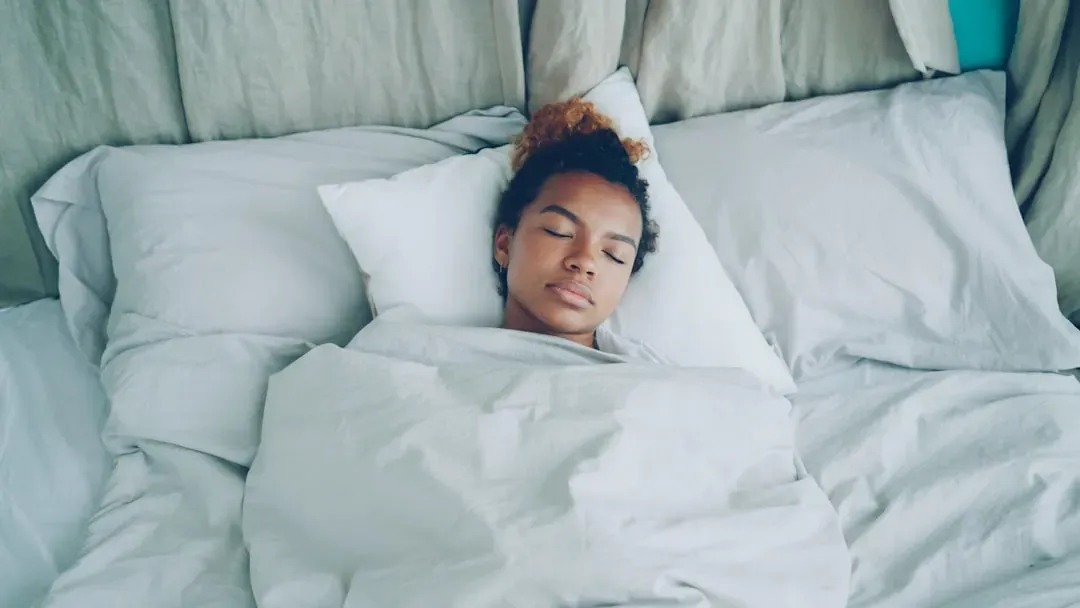
Most of us imagine falling asleep as a gentle, gradual fade, like a candle slowly burning out. Honestly, that picture is completely wrong. Researchers demonstrated that the human brain falls asleep abruptly, rather than gradually, with a “tipping point” marking the transition from wakefulness into sleep. It is more like a stick bending under pressure and suddenly snapping.
This dynamic is known as a “bifurcation,” another example of which is the gradual bending of a stick until it eventually snaps. It also resembles the movement of a falling object, thereby supporting the subjective sensation of “falling asleep.” That means the familiar feeling you get of suddenly dropping off a ledge in your half-dream state is not just a quirk. It is literally your brain crossing a threshold and switching off from one state into another. Science, it turns out, is stranger than any dream.
2. Your Sleeping Brain Is Running Its Own Overnight Cleaning Crew
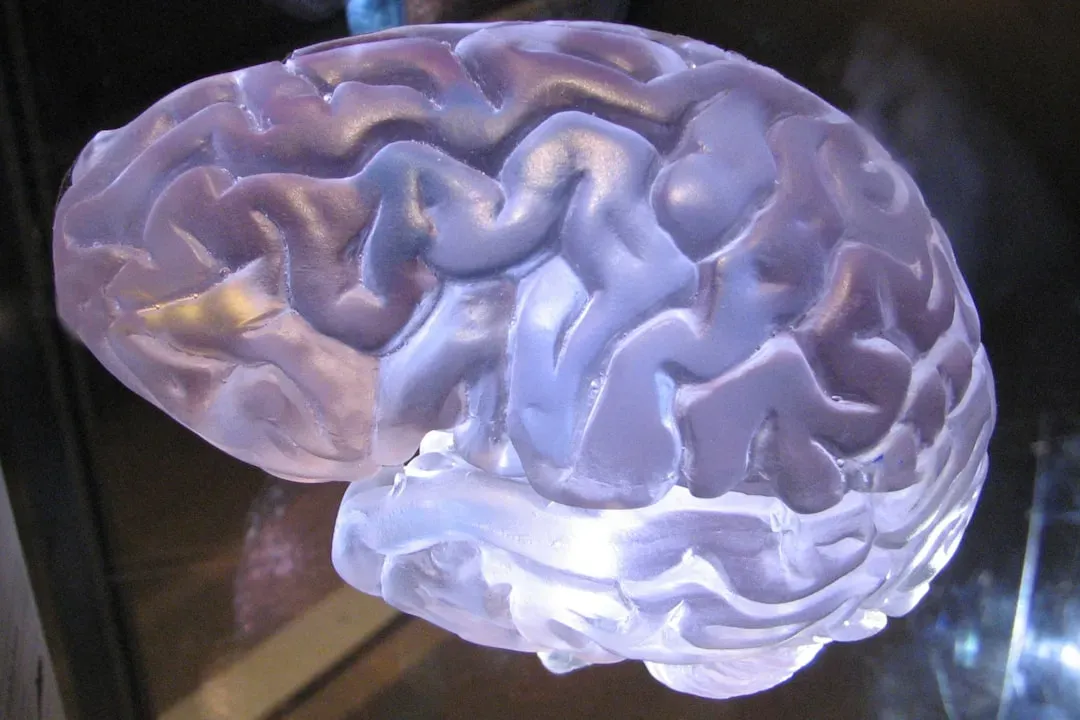
Here is the thing most people never hear about: while you sleep, your brain is not simply resting. It is actively cleaning itself. The brain has its own waste disposal system, known as the glymphatic system, that is thought to be more active when you sleep. Disrupted sleep might hinder this waste disposal system and slow the clearance of waste products or toxins from the brain.
Through a series of experiments in mice, researchers observed that the glymphatic system was almost ten times more active during sleep and that the sleeping brain removed significantly more amyloid-beta. Amyloid-beta is one of the toxic proteins closely linked to Alzheimer’s disease. Research shows that the deeper the sleep the better this process works, and that the slow and steady brain and cardiopulmonary activity associated with deep non-REM sleep are optimal for the function of the glymphatic system. Think of deep sleep as your brain’s nightly power wash. Skip it, and the grime starts to build up.
3. Sleep Matters More for How Long You Live Than Diet or Exercise
You have heard all about eating well and hitting the gym. But new research suggests that you might have been focusing on the wrong habit altogether. A good night’s sleep is more than a luxury: research from Oregon Health and Science University suggests that insufficient sleep may shorten your life. That alone should make you put the phone down at night.
As a behavioral driver for life expectancy, sleep stood out more than diet, more than exercise, more than loneliness, indeed more than any other factor except smoking. Let that sink in. The effect of insufficient sleep swamped the impact of diet and exercise as a predictor of life expectancy. So the next time you feel virtuous about your morning salad while surviving on five hours of sleep, you might want to reconsider your priorities entirely.
4. REM Sleep Is Your Brain’s Secret Creative Genius

You know that magical feeling when you wake up with a brilliant idea that feels like it just appeared out of nowhere? Well, it probably did. New ideas and links between thoughts often emerge during REM sleep. These processes enable insight, a core element of innovation and creative problem-solving. So REM sleep is not just about dreaming. It is your brain literally brainstorming while you are knocked out.
Compared with quiet rest and non-REM sleep, REM enhanced the formation of associative networks and the integration of unassociated information. Furthermore, these REM sleep benefits were not the result of an improved memory for the primed items. This study shows that REM enhances the integration of unassociated information for creative problem solving. Essentially, REM sleep is the reason some of humanity’s best ideas have shown up the morning after a good night’s rest. Sleep is not procrastination. Sleep is the work.
5. Sleep Deprivation Impairs You Like Being Drunk

Here is something that sounds shocking because, well, it is. Being awake for sixteen hours straight can impair your performance just as much as having a blood alcohol level of 0.05, close to the legal limit for driving. Most working adults hit that sixteen-hour mark on a completely normal Tuesday, without a second thought.
You only have to be awake for seventeen straight hours to begin experiencing the symptoms of sleep deprivation. This includes functional deficits similar to those experienced by people with a blood alcohol level of 0.05. The terrifying part? Sleep deprivation can cause issues with attention and vigilance, decision making and problem solving, mood and emotional regulation, and creative capacity. You would never hand someone the steering wheel after two glasses of wine. Yet millions of people effectively do that to themselves every single morning.
6. Your Memory Is Being Sorted, Saved, and Deleted While You Dream
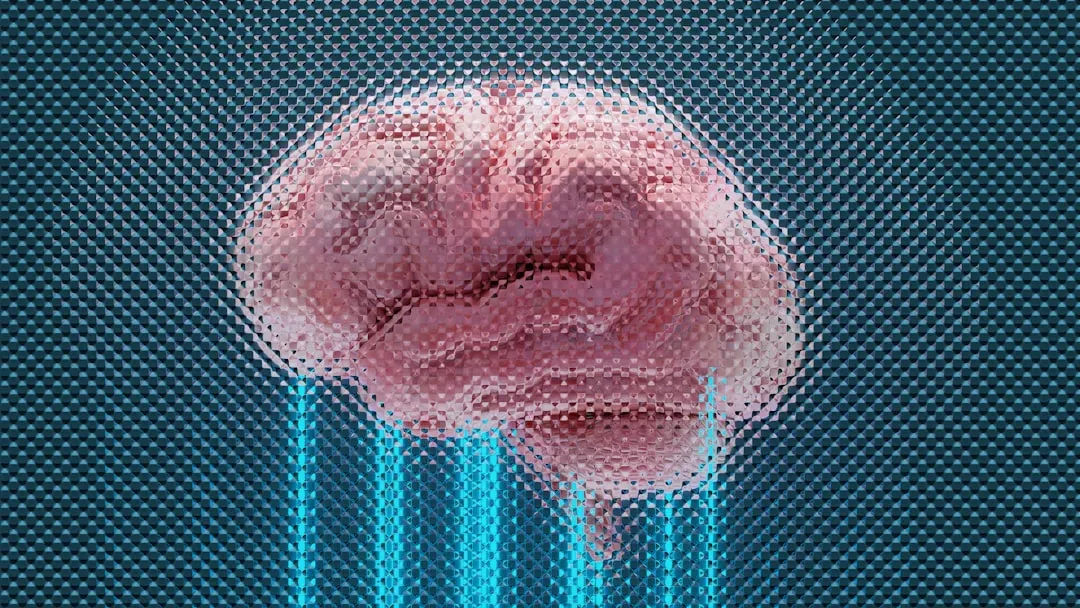
Sleep is not just maintenance. It is essentially your brain’s filing department working the night shift. Memory consolidation, the process of preserving key memories and discarding excessive information, takes place during both the non-rapid eye movement and rapid eye movement stages of your sleep cycle. Every single night, without you even being aware of it, your brain is deciding what to keep and what to throw away.
In meta-analyses pooling studies across five decades of research, researchers found that total sleep deprivation before learning as well as after learning had a detrimental impact on memory for newly learned materials. These data suggest sleep supports learning and memory in two ways: it prepares the brain for learning over the next day, and it helps strengthen new memories learned during the previous day. Not sleeping or getting enough sleep can lower your learning abilities by as much as forty percent. That number is genuinely staggering when you think about it.
7. Your Sleep Schedule Might Be Quietly Wrecking Your Health
It is not just how long you sleep. It is when you sleep and how consistent that timing is. A groundbreaking international study analyzed objective sleep data from 88,461 adults and found significant associations between sleep traits and 172 diseases. The research highlights sleep regularity, such as bedtime consistency and circadian rhythm stability, as an underrecognized but critical factor in disease risk. Put simply, an irregular sleep schedule can be just as dangerous as short sleep.
Using actigraphy data over an average of nearly seven years, researchers identified that 92 diseases had over twenty percent of their risk attributable to poor sleep behavior. Notably, irregular bedtime after midnight was linked to a more than two and a half times higher risk of liver cirrhosis. I know it sounds crazy, but staying up late a few nights a week and sleeping in on the weekend is doing more damage than most people imagine. Scientists now say it is time to redefine good sleep to include regularity, not just duration.
8. Dreaming in Color Is a Modern Invention (Basically)

This one genuinely surprised me when I first came across it. The color of your dreams is not just biology. It is surprisingly tied to technology. Today, roughly three quarters of us dream in color. Before color television, just fifteen percent of people did. Your childhood media diet may have literally rewired what your subconscious cinema looks like.
Research found that older adults tend to dream in black and white, while younger people dream in color. This study looked at the dreams of two age groups. It found that many participants over fifty-five had black-and-white dreams, while the younger age group dreamed in color. Researchers linked these differences to the impact that television has had on sleep experiences. Dreaming in black and white is largely linked to childhood exposure to black-and-white television, and vice versa. Something about that feels both strange and oddly poetic. Technology has reshaped the very color palette of our inner dream world.
9. Going to Bed Late Affects Your Mental Health Even If You Get Enough Hours

You might think that as long as you clock your seven to nine hours, it does not matter if you are a night owl. Science begs to differ. Participants who went to bed late had higher risks of depression, anxiety and other mental health disorders, no matter whether going to bed late aligned with their natural sleep preferences. The timing of sleep carries its own independent weight.
There is even a concept circulating among researchers called the “mind after midnight” theory. The theory called “mind after midnight” is this idea that after midnight, your brain makes choices it wouldn’t make at noon. Honestly, if you have ever made a questionable decision at two in the morning that seemed completely reasonable at the time, this might explain a lot. Insufficient sleep exacts a significant toll on all cognitive and emotional brain functions and impacts all major physiological systems of the body, from the immune, cardiovascular, thermoregulatory, metabolic, and reproductive systems.
10. Why You Sleep Is Still Partly a Mystery, But Mitochondria May Hold the Answer
Here is the thing that scientists rarely admit in casual conversation: after decades of research, the full reason why we sleep is still not completely solved. Science has struggled to answer, with universal agreement, the basic question of why it is that we sleep and, to an even greater degree in humans, why we dream. Yet recent breakthroughs are starting to crack that long-standing puzzle wide open.
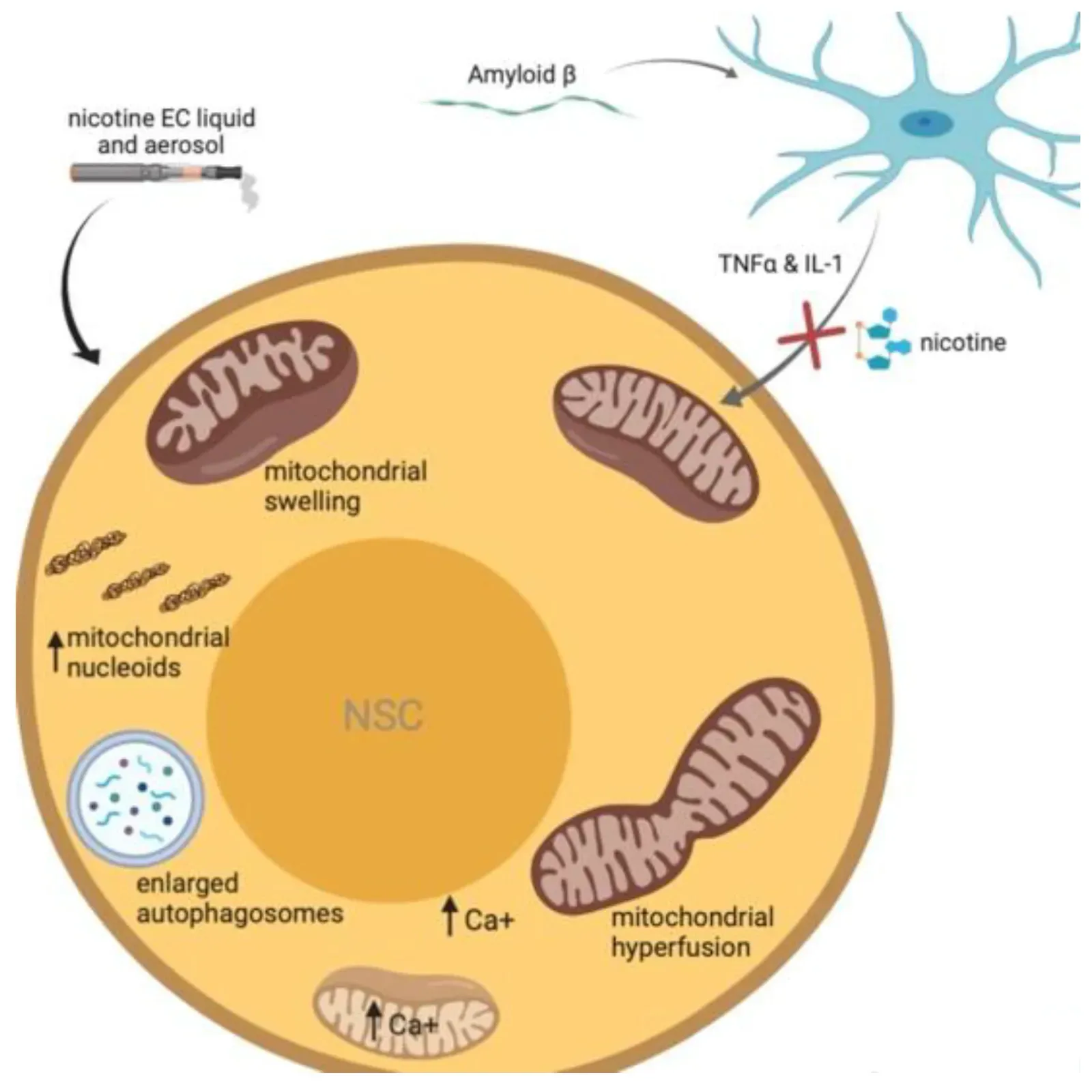
A new study by University of Oxford researchers, published in Nature, reveals that the pressure to sleep arises from a build-up of electrical stress in the tiny energy generators inside brain cells. Sleep may not just be rest for the mind. It may be essential maintenance for the body’s power supply. The discovery offers a physical explanation for the biological drive to sleep and could reshape how scientists think about sleep, aging, and neurological disease. The team found that sleep is triggered by the brain’s response to a subtle form of energy imbalance. The key lies in mitochondria, microscopic structures inside cells that use oxygen to convert food into energy. So your ancient, primal need for sleep might come down to something as fundamental as the energy cells inside your own brain running low.
Conclusion: The Most Underrated Habit of Your Entire Life

Sleep is not a passive surrender to darkness. It is the single most active, powerful, and health-defining thing your body does every day, and for most people, it is also the most neglected. You now know that your brain snaps into sleep like a twig, runs a cleaning crew to wash out Alzheimer’s-linked toxins, files your memories, unlocks your creativity, and fights for your very life expectancy, all while you are simply lying there.
The science is not subtle. Sleep has evolved to support polyfunctional processes for the brain and body. Such powerful new evidence reaffirms sleep as a biologically critical and health-sustaining requisite, a requisite for reasons that are surprising in their nature. You do not need a new supplement, a new diet, or a new exercise routine as urgently as most people need a better night’s sleep. It is the foundation everything else rests on, quite literally.
So here is a thought to leave you with: if you found out tonight that a single daily habit could protect your brain, extend your life, sharpen your memory, and unlock your creativity, would you take it seriously? You already have access to it. The real question is whether you will finally give it the respect it deserves. What do you think? Have any of these facts changed the way you see your bedtime routine? Share your thoughts in the comments below.