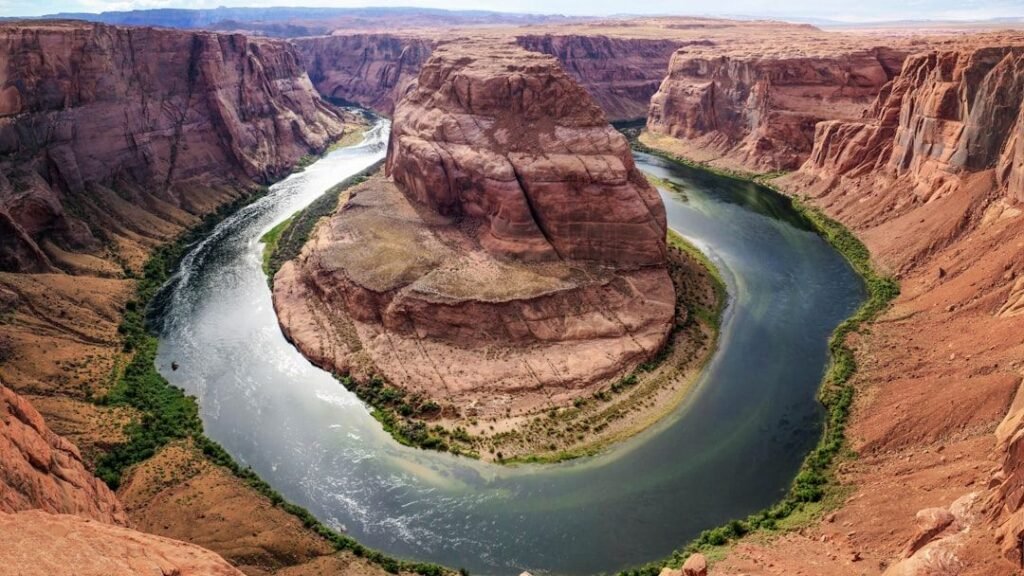
The Grand Canyon doesn’t just feel old; it is old on a scale that makes human history look like a single blink. When you stand at the rim and look down, you’re staring into a story that stretches back nearly two billion years, layer stacked upon layer like a library of stone. It’s one of the few places on Earth where time is not just measured but physically visible in color bands, broken cliffs, and folded rock.
What makes the Grand Canyon so fascinating is that geologists still argue about some of its biggest questions. When did it really form? How exactly did the Colorado River carve something this deep and this wide? Even today, new research keeps tweaking the story. The canyon isn’t just a tourist destination; it’s a live crime scene for Earth’s past, and the rocks are the witnesses scientists keep interrogating.
The Basement Rocks: Echoes From Nearly Two Billion Years Ago
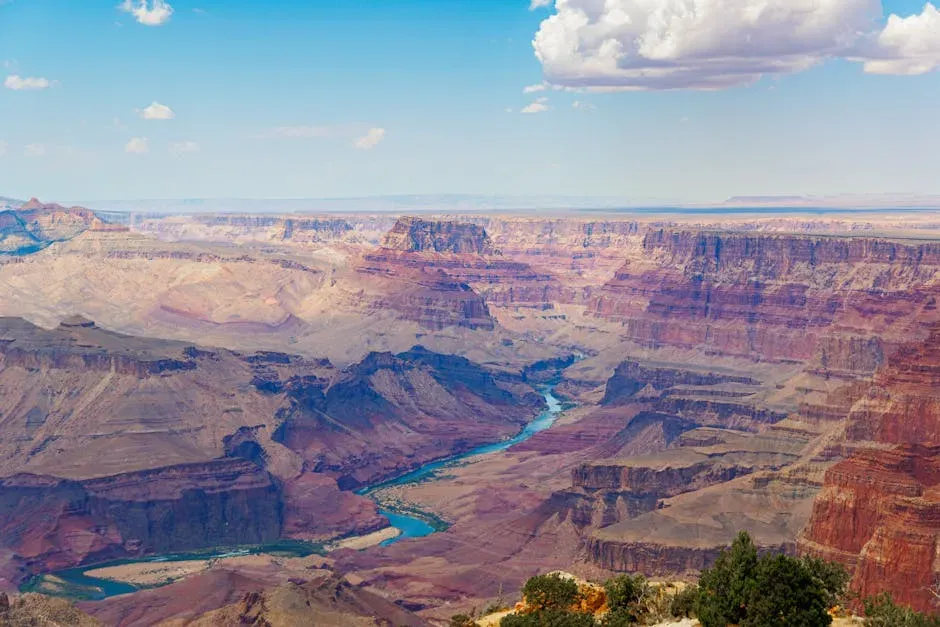
At the very bottom of the Grand Canyon, far below the viewpoints, lie dark, hard rocks known as the Vishnu Schist and associated igneous rocks. These basement rocks are around one and a half to nearly two billion years old, formed when ancient volcanic islands and crustal fragments collided and were buried deep enough to be squeezed and baked. Over time, that pressure and heat transformed them into twisted, banded metamorphic rocks that look almost like frozen smoke. They’re the battered foundation on which everything else in the canyon rests.
What’s wild is that these rocks once lay miles underground, nowhere near open air or rivers or tourists with cameras. Later uplift and erosion stripped away everything above them, peeling back the layers like an onion until the old core showed through. To see them today is to look at the ghost of an ancient mountain range long erased from the surface. If you’ve ever wondered what deep Earth history looks like, those black and pink streaked cliffs at the very bottom are about as close as you’ll get without drilling.
The Great Unconformity: A Gaping Hole in Time
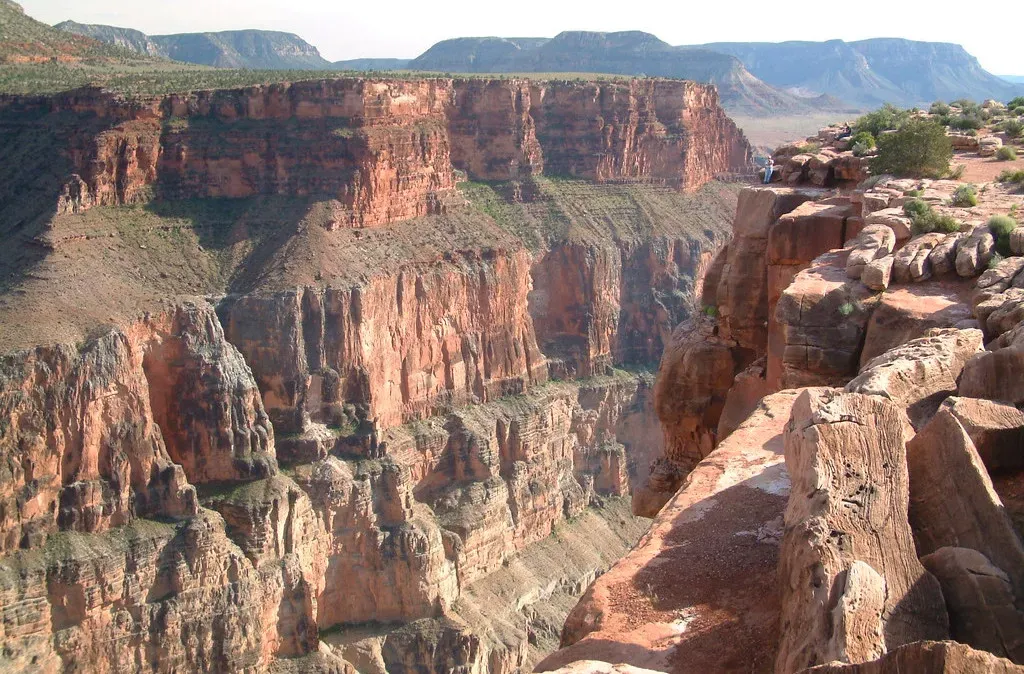
One of the most unsettling secrets of the Grand Canyon isn’t what you see, but what’s missing. At certain spots, you can put your hand on a line where billion-year-old basement rocks sit directly beneath much younger sedimentary layers, with hundreds of millions of years simply gone. Geologists call this gap the Great Unconformity, and it’s like finding a book with half its chapters torn out. We know that rocks formed, mountains rose and fell, seas came and went in that missing time, but the evidence here has been erased.
The leading idea is that enormous periods of erosion scraped away those intermediate layers before new sediments were laid down on top. Some researchers link this erosion to ancient global glaciations, sometimes called “snowball Earth” events, that could have stripped the continents bare. Others argue for more regionally focused uplift and weathering. Either way, that clean, sharp boundary in the canyon wall is a physical reminder that Earth’s record isn’t complete and never will be. For all our fancy tools, there are stretches of time we can only guess at from the faintest of clues.
The Layer Cake of Ancient Seas, Deserts, and Shorelines
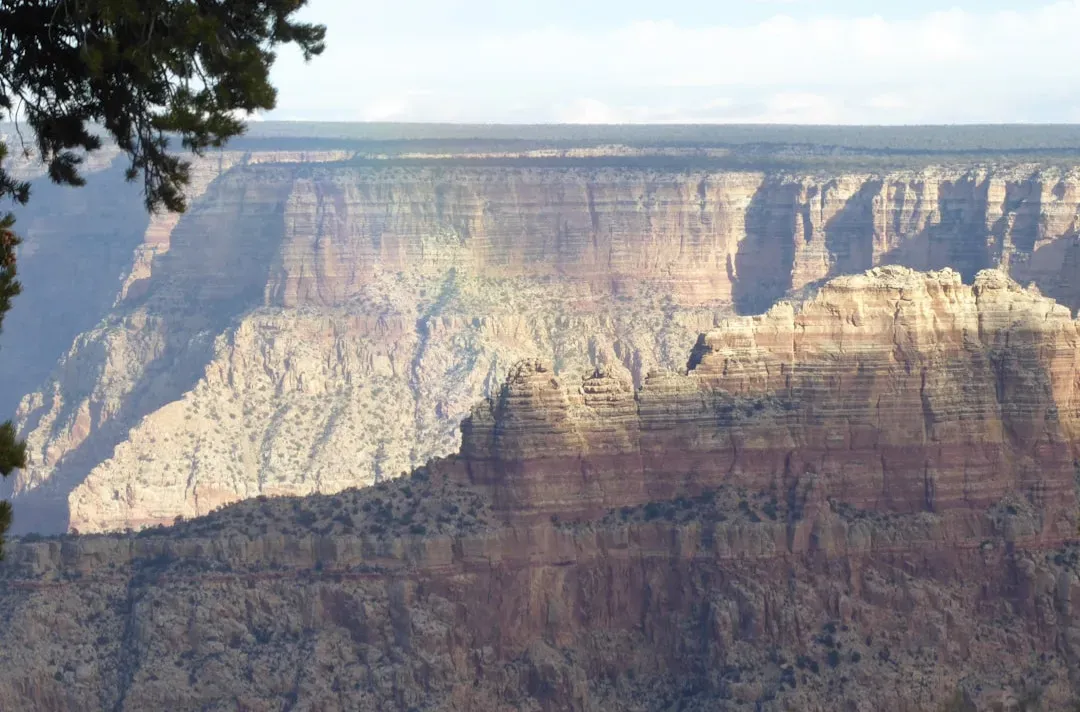
Above the basement rocks, the Grand Canyon’s walls turn into a multicolored layer cake, each band a snapshot of a vanished world. Some layers, like the Kaibab and Redwall formations, were laid down when warm, shallow seas covered the region, leaving behind thick deposits of limestone filled with marine fossils. Other layers, like the Coconino Sandstone, record ancient wind-blown desert dunes that have been frozen in place, their sloping cross-beds still visible. You can literally trace how environments shifted back and forth over hundreds of millions of years, from ocean floors to beaches to deserts and back again.
Walking from the Colorado River up to the rim is like time-traveling through different planets stacked on top of each other, each layer with its own color, texture, and story. The muddy shales hint at quieter waters, while coarser sandstones tell of stronger currents and shifting bars. If you’ve ever moved houses and found old layers of wallpaper beneath the new coat of paint, you know the feeling: you’re seeing the history of a place laid bare. The canyon just does it on a planetary scale, with stone as the record-keeper.
The Birth of the Canyon: A River With Terrifying Patience
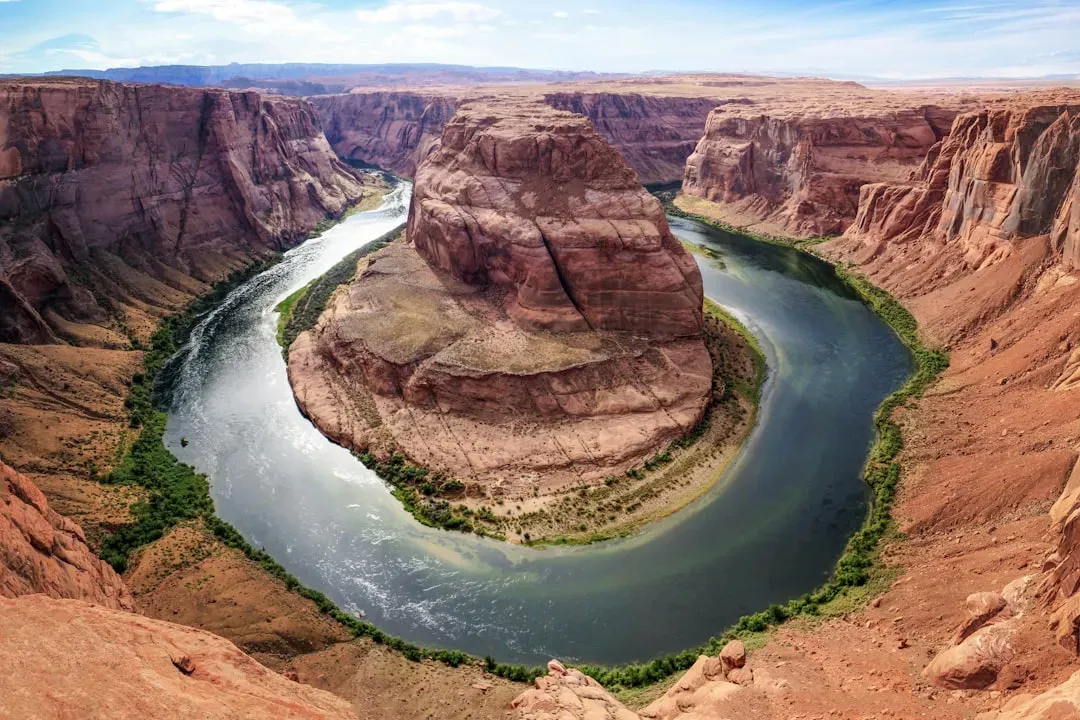
The Grand Canyon itself is relatively young compared with the rocks it cuts through, and that paradox is one of its most intriguing mysteries. The sediments might be hundreds of millions of years old, but the canyon as a deep, open chasm is closer to a few million years in age. Most geologists think the modern Colorado River began carving its way down sometime in the last five to six million years, although some portions of the drainage may be older. That means the river sliced through more than a mile of rock in what geologically counts as a rush job.
Over that time, water, gravity, and time teamed up with brutal efficiency. The river cut down, while side canyons and rainfall gnawed at the cliffs, causing rockfalls and landslides that widened the whole system. Instead of imagining a single, dramatic event, picture a constant, relentless nibbling at the landscape, day and night, year after year. There’s something almost unsettling about how quietly water can dismantle a continent. It’s like watching a soft whisper slowly overpower a shout, not in seconds, but over millions of years.
Plateaus, Uplift, and the Power of a Raised Landscape
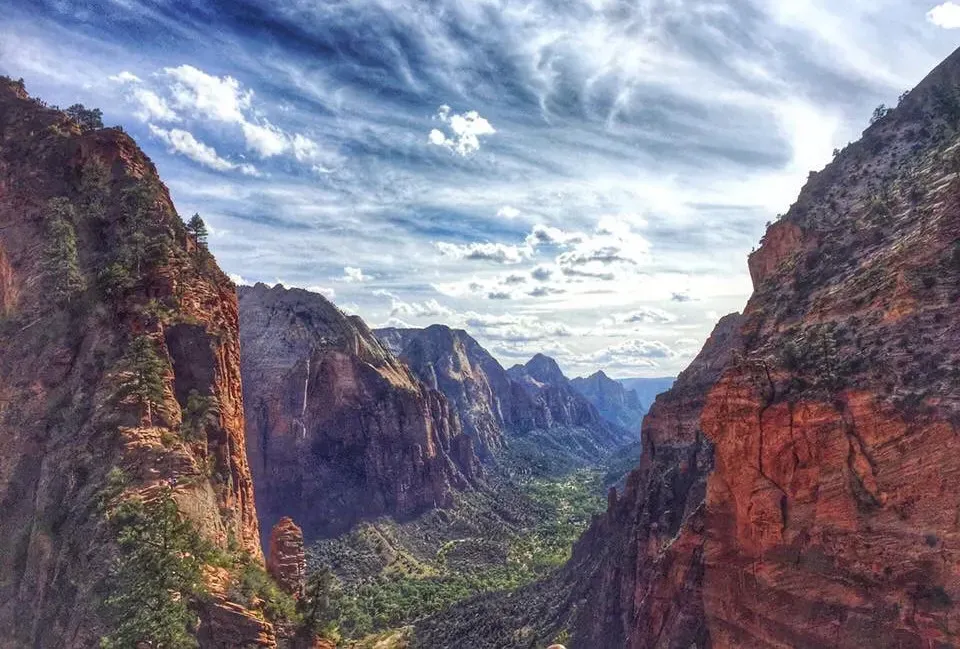
One of the most misunderstood parts of the Grand Canyon story is that the rocks did not start at their current height; the whole region was lifted skyward first. The Colorado Plateau, which spans several states in the American Southwest, rose thousands of feet as the underlying crust shifted and thickened. This uplift didn’t shatter the plateau into chaos; instead, the block rose relatively intact, preserving older horizontal layers like a cathedral floor being quietly jacked upward. Once those rocks were raised into a higher, colder, and drier environment, erosion could really go to work.
That uplift gave the Colorado River extra potential energy, like winding a spring tighter and tighter. Higher land means steeper gradients and faster, more aggressive water flow, which in turn means more cutting power. Without that vertical push from below, the river would never have had the strength to carve something this deep. In a weird way, the Grand Canyon is as much a story about what happened beneath the crust as it is about what you can see on the surface. The drama on the rim is just the visible side of a much deeper tectonic shuffle.
Clues in Fossils: Life Stories Written in Stone
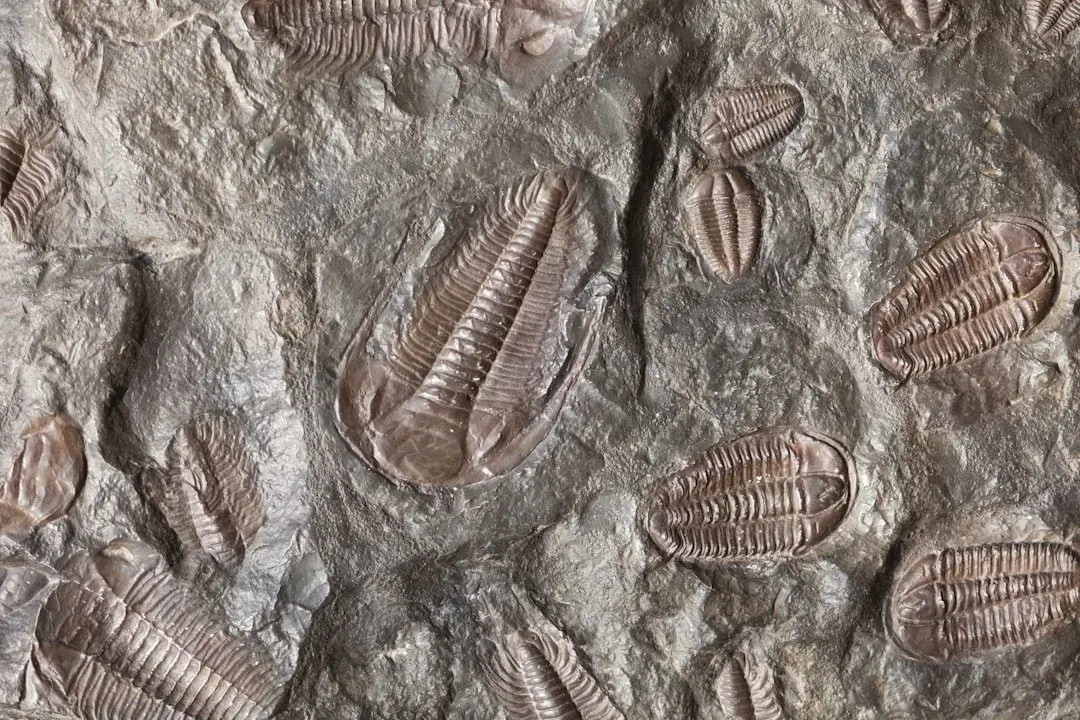
While the Grand Canyon is famous for its rock layers, those rocks are packed with snapshots of ancient life. Some of the canyon’s limestones hold marine fossils from long-vanished seas, including corals, shellfish, and other seafloor creatures that once thrived in warm, shallow waters. In the older sedimentary layers, you can find traces of some of the earliest complex life on Earth, though they’re often more subtle impressions than dramatic skeletons. These fossils help scientists pin down the ages of the layers and reconstruct changing climates and habitats over time.
Higher in the sequence, footprints and trackways preserve the movements of early land animals across beaches and dunes. Imagine a reptile strolling along a coastal sand flat, never knowing that its footprints would be cemented into stone and studied hundreds of millions of years later. Compared with some fossil hot spots around the world, the canyon isn’t overflowing with dinosaur bones or headline-grabbing skeletons, but what it does offer is continuity. It’s like an old family album where the photos are sometimes faded but the timeline is remarkably complete, showing how oceans, shorelines, and living communities shifted as the planet evolved.
Modern Erosion: A Landscape Still Under Construction
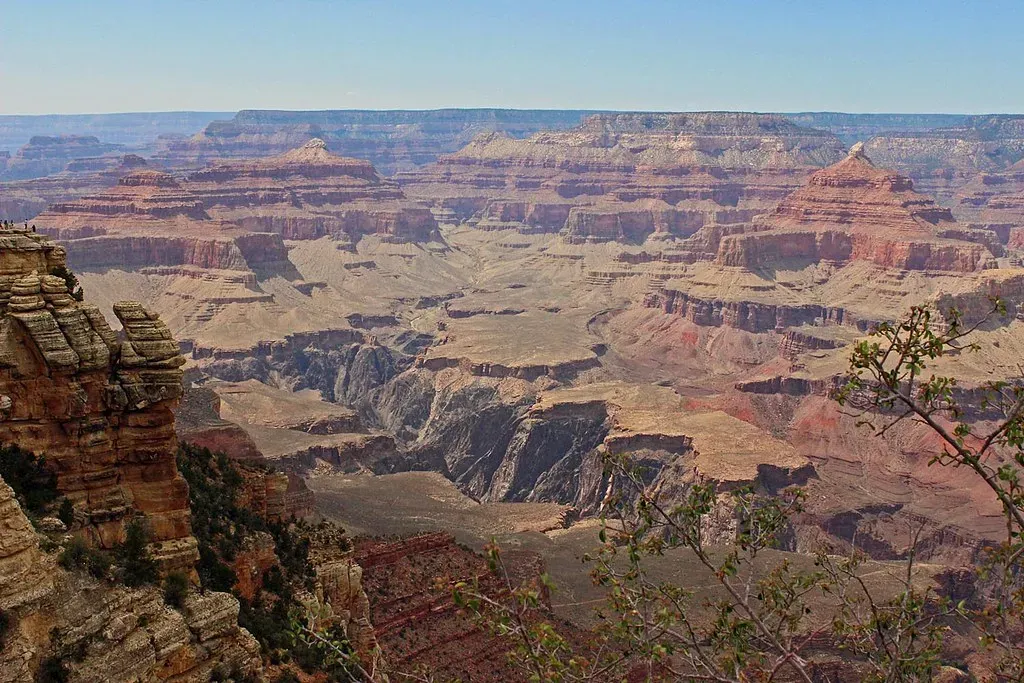
It’s tempting to think of the Grand Canyon as finished, like a completed monument, but the truth is that it’s still changing. Rockfalls regularly crash down its cliffs, river floods shift sandbars and beaches, and freeze–thaw cycles pry open cracks one season at a time. Even over a single human lifetime, trails, viewpoints, and rock faces can look noticeably different if you pay close enough attention. Every storm and every spring melt is another tiny edit in a story that’s nowhere near done.
In a sense, visiting the canyon is walking into an active construction site where time is the only worker that never clocks out. The same forces that carved those awe-inspiring walls are still at work, slowly deepening, widening, and reshaping the entire system. Someday, far beyond our own future, the Grand Canyon might not look like a canyon at all but part of a broader, more subdued landscape. For now, it stands as a rare place where you can feel both the weight of the past and the motion of the present, pressing in from every direction.
Why This Geological Story Matters Today
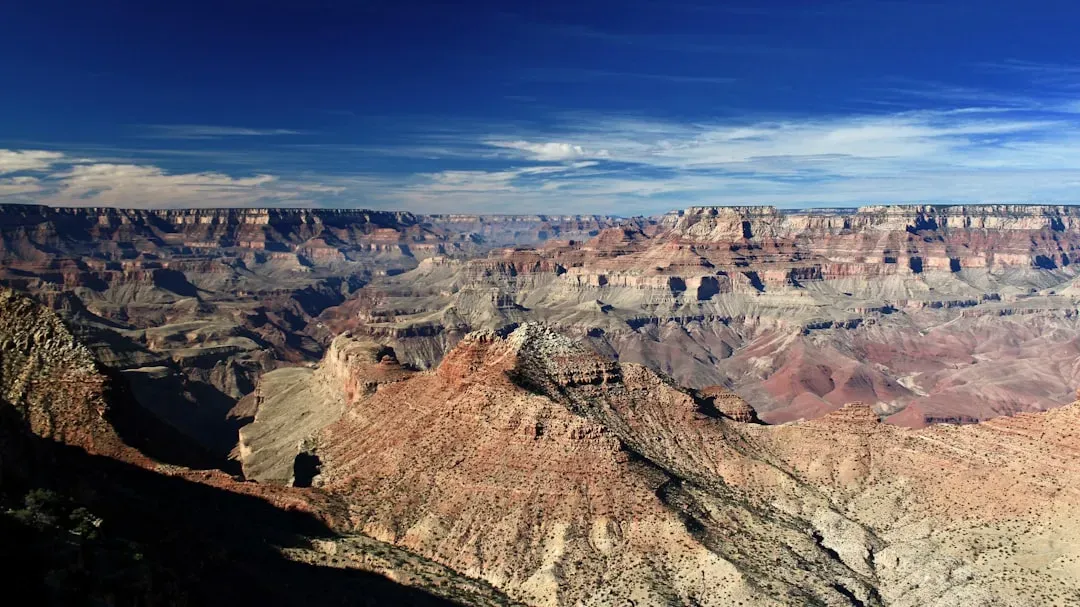
Beyond the wow factor, the Grand Canyon’s geological history has real meaning for how we see our place on Earth. When you compare our brief human timeframe to rocks that have watched continents collide, seas vanish, and mountains wear down to dust, it becomes harder to pretend we’re at the center of everything. The canyon forces a kind of humility; it quietly reminds you that landscapes and climates have always changed, long before we showed up. At the same time, it highlights how fast we’re now reshaping things compared with natural rates of change.
The canyon’s layers also help scientists understand water resources, regional climate patterns, and the stability of the very ground we build on. It’s a natural laboratory for testing ideas about erosion, tectonics, and ancient environments, and those lessons ripple into fields like hazard planning and climate science. On a more personal level, standing at the rim and knowing even a little bit of this story shifts how you see the colors and shadows below. You’re not just looking at a pretty view; you’re reading Earth’s autobiography, carved in stone, one chapter at a time.