
You walk through a forest, breathe ocean air, bite into a piece of bread, or sip on yogurt without giving it a second thought. Yet at every single one of those moments, you are surrounded by, interacting with, and completely dependent on a world you cannot see. It is a world older than any mountain range on Earth, older than the dinosaurs by billions of years, and still operating as the invisible engine behind almost everything alive on this planet.
Most people think of microbes in simple terms: some make you sick, while others help keep you healthy. Their influence, though, stretches far beyond human bodies. These astonishingly complex organisms regulate the health of forests, oceans and grasslands and determine how ecosystems respond to environmental change. The deeper you look, the more extraordinary the picture becomes. Let’s dive in.
Tiny Organisms, Enormous Numbers: The Scale of the Microbial World
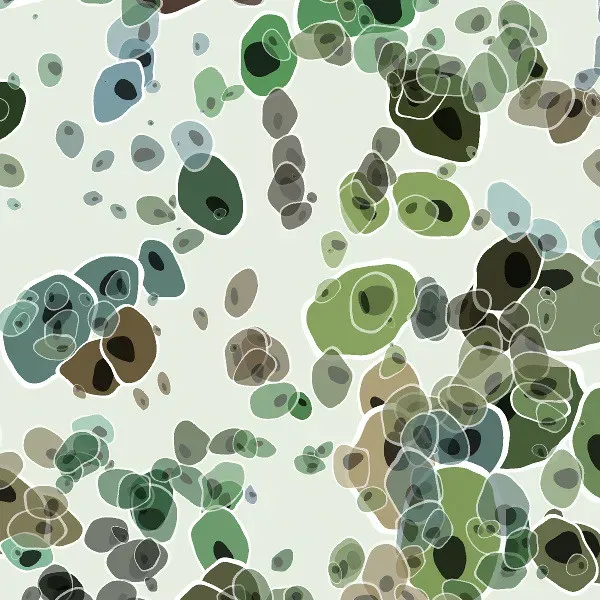
Here is a fact that genuinely stops me in my tracks every time I think about it. Microbes constitute the majority of Earth’s biodiversity, with estimates suggesting that they represent up to about four-fifths of all living organisms. That statistic alone should reframe how you see life on this planet entirely. You are not living alongside a few microbes. You are living inside their world.
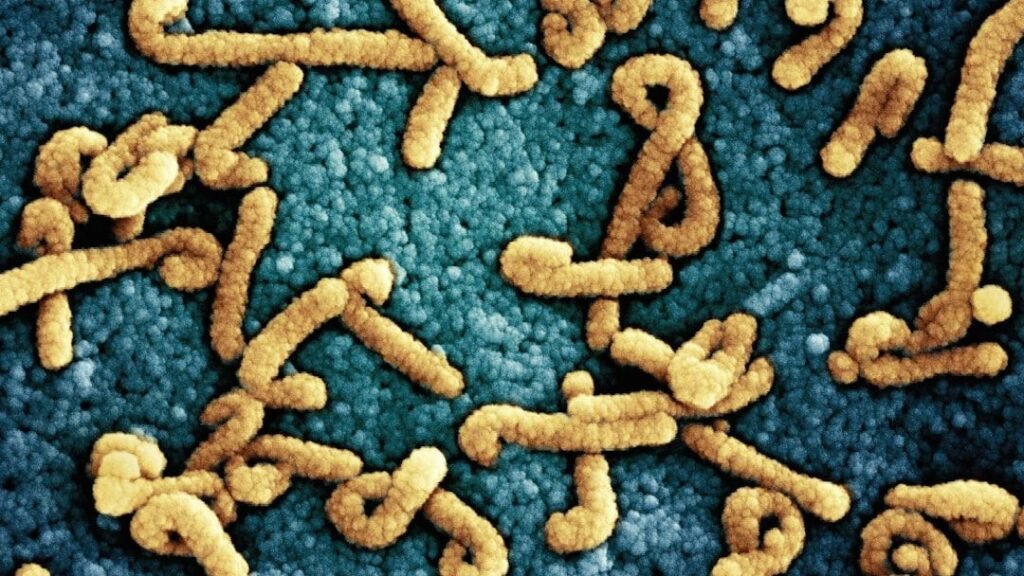
Microorganisms are the most abundant and diverse organisms on Earth. Microbes include viruses, bacteria, archaea, fungi, algae, and protozoa and are found in all areas of the planet, including terrestrial, urban, atmospheric, subsurface, and aquatic ecosystems. Think of it like this: if the entire history of life on Earth were compressed into a single day, complex animals like us only showed up in the final few minutes. Microbes have been running the show for nearly the entire twenty-four hours.
The Ancient Architects: How Microbes Built the World You Breathe
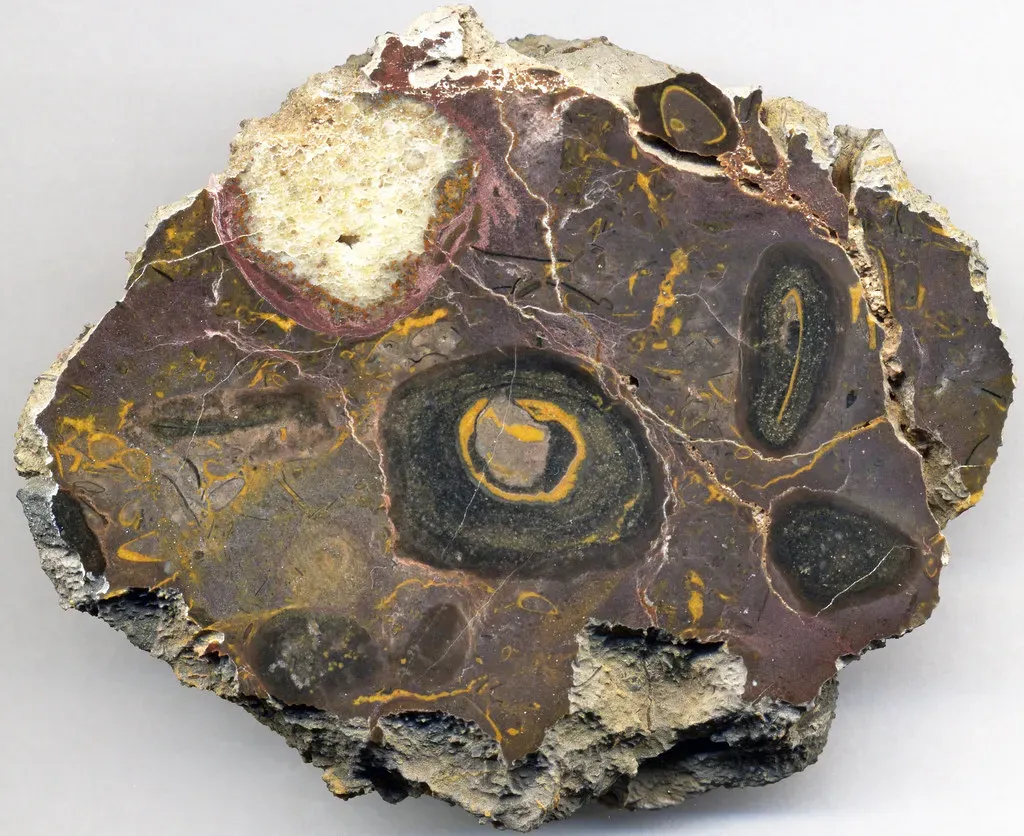
Microorganisms were the first living organisms on Earth, developing in the ocean around 3.8 to 4 billion years ago. Early microbial communities, including anoxygenic bacteria and archaea, played fundamental roles in shaping Earth’s atmosphere, chemistry, and very capacity to sustain life. Without them setting the stage, nothing else would have had a planet to evolve on.
Early marine microorganisms helped create the conditions under which subsequent life developed. More than two billion years ago, the generation of oxygen by photosynthetic marine microorganisms helped shape the chemical environment in which plants, animals, and all other life forms have evolved. Honestly, every breath you take right now is, in a very real way, a gift from ancient bacteria. That is not poetry. That is science.
Ocean Microbes: The Invisible Foundation of Marine Life
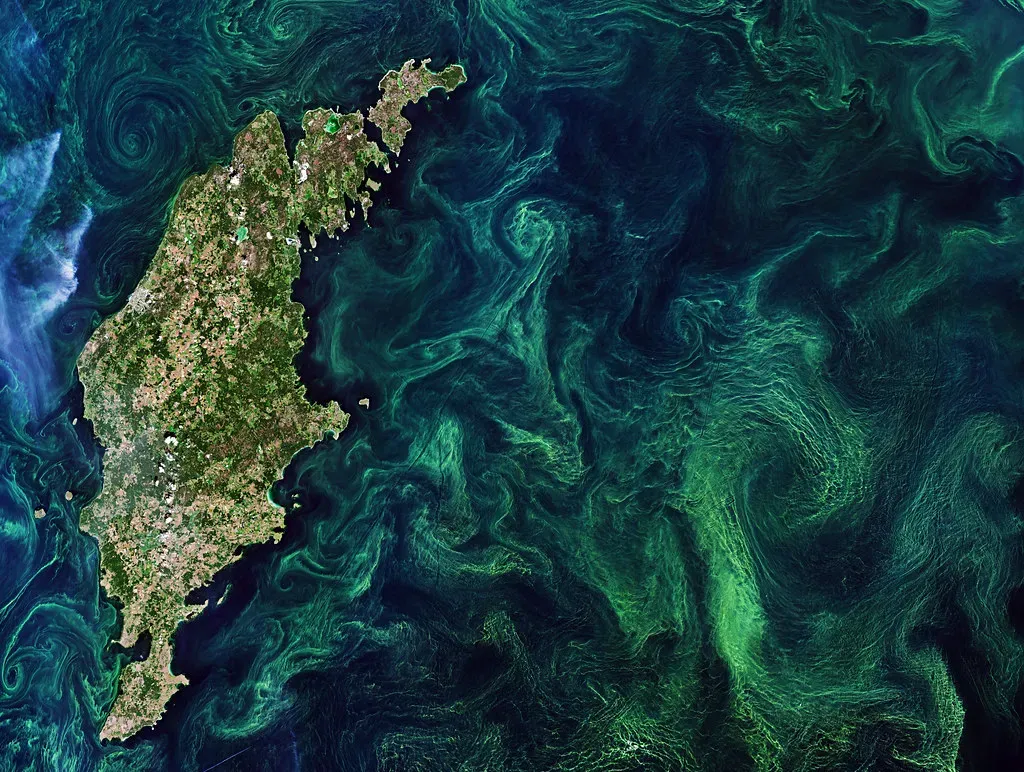
Marine microbes like bacteria and phytoplankton form the foundation of ocean food webs, providing sustenance for creatures ranging from zooplankton to whales and supporting fisheries that feed billions of people. These organisms also help regulate Earth’s climate by cycling carbon, oxygen and nitrogen through the ocean and atmosphere. When you eat a fish for dinner, you are many steps away from a microscopic organism in the sea that started the whole food chain.
Marine microorganisms are thought to be major players in every cycle relevant to life. It is estimated that if the oceans were emptied of microbes, the carbon dioxide in Earth’s atmosphere would increase sevenfold. Sevenfold. Let that sink in. Key oxygen-producing microorganisms in the world’s oceans, called Prochlorococcus, could face sharp declines due to climate change and increasing water temperatures. These tiny organisms produce as much as roughly one-fifth of the oxygen in global seas.
Soil Microbes and the Secret Life Beneath Your Feet
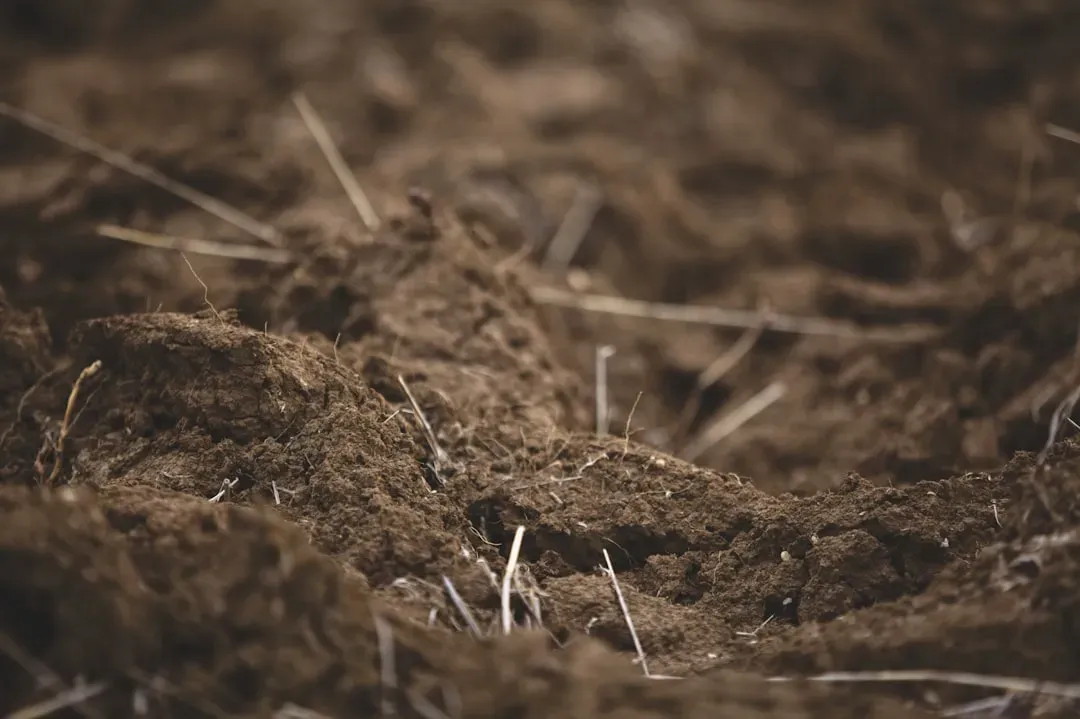
Microbes are too small to be seen with the naked eye but are the primary force behind nutrient cycling of essential elements, such as carbon, nitrogen, sulfur, and phosphorus. These microbial functions mediate the health of natural ecosystems, agroecosystems, and the Earth’s biosphere. Picture each teaspoon of healthy soil as a miniature city, buzzing with activity that keeps the ground alive and productive.
Soil microorganisms are responsible for the decomposition and mineralization of soil organic matter, cycling of important nutrients such as nitrogen and phosphorus, maintaining and improving soil structure, enhancing water infiltration, retention, and aeration. They also serve as biological control agents for plant pests and diseases. Soil microbes contribute up to nearly two-thirds of the nitrogen demanded by crops, which helps explain why some plants thrive without synthetic fertilizers at all. That is not magic. It is microbiology at work.
Microbes and the Nitrogen Cycle: Feeding the World One Molecule at a Time
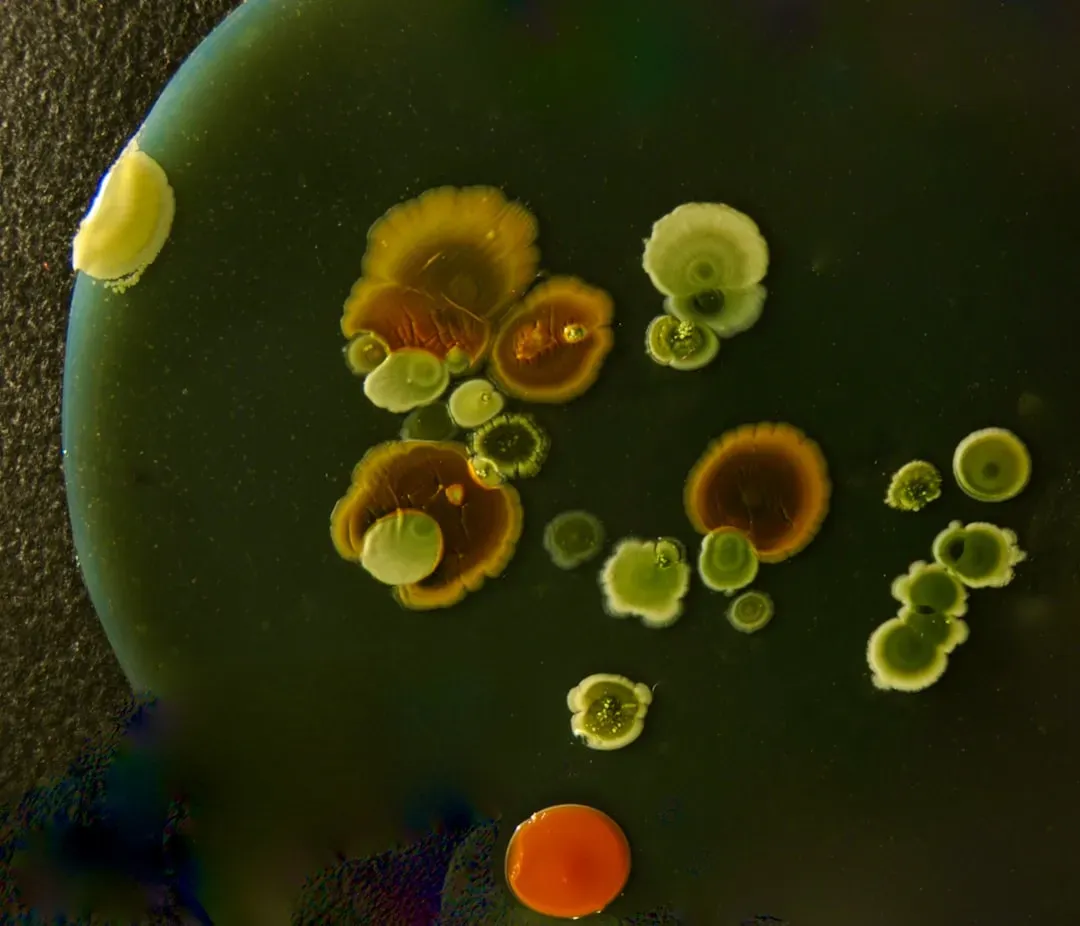
Nitrogen is crucial for living cells, and prior to the introduction of mineral nitrogen fertilizer, fixation of atmospheric nitrogen by diverse prokaryotes was the primary source of nitrogen in all ecosystems. Microorganisms drive the nitrogen cycle starting with fixation to ammonia, through nitrification in which ammonia is oxidized to nitrate, and denitrification where nitrate is reduced back to complete the cycle. Without this invisible relay race, plant growth as you know it simply would not exist.
Rhizobia may be the most well-known bacteria in agriculture because of their ability to fix nitrogen. Known as an inoculant that can be added to the seed or soil for legumes, Rhizobia is naturally present in the nodules of legumes. Through a symbiotic relationship, the plant supplies sugars to the Rhizobia, and in turn, the bacteria supply various forms of nitrate, nitrite, ammonia, or ammonium to the plant. It is a deal struck between plant and microbe over millions of years of co-evolution, and it is feeding your world right now.
Microbes, Climate, and the Great Greenhouse Gas Balancing Act
Microbes drive many of the elemental flows, such as carbon, nitrogen, and phosphorus, on the planet. They also consume and produce the gases involved in global warming. Here is the thing: microbes are not just bystanders in the climate crisis. They are active participants on both sides, sometimes helping and sometimes making things worse depending on conditions.
From the warmth of cow rumen to the melting soils of permafrost regions, the symbiotic coral system in the oceans, and the carbon wastes of our cities, microbial metabolism is producing and absorbing gases that can affect climate. Methanogens, which are extremophilic archaea that produce methane from carbon dioxide and hydrogen, contribute significantly to global methane emissions. Conversely, methanotrophs, which thrive under similar extreme conditions, consume methane, thereby reducing its atmospheric levels. The interplay between methane-producing and methane-consuming microbes plays a key role in maintaining Earth’s greenhouse gas equilibrium.
Extremophiles: The Toughest Microbes on Earth and Their Hidden Gifts
Extremophiles are microorganisms that thrive in environments previously thought to be uninhabitable, including extreme temperature, salinity, pH, pressure, and radiation. These organisms, found in Archaea, Bacteria, and Eukarya, exhibit distinct structural, metabolic, and genetic adaptations, such as enhanced enzyme stability, efficient DNA repair mechanisms, and robust stress-response systems that enable survival under extreme conditions. I know it sounds crazy, but some of these organisms live inside volcanoes or survive in acid that would dissolve your skin.
Extremophiles may well be tiny, but they are making a huge contribution to the health of our planet. A new review of these microorganisms explains how they are helping us fight climate change, improve the way we make everyday products, and could be a potential source of novel antibiotics. In biotechnology, the extremozyme Taq polymerase, derived from the thermophile Thermus aquaticus, revolutionized PCR technology, while enzymes from halophiles and alkaliphiles are used in detergents, food processing, and waste treatment. Your COVID test used technology made possible by a heat-loving microbe. Let that land for a moment.
The Threat We Never Talk About: Losing Our Microbial Diversity
Microbial diversity is currently experiencing an unprecedented decline. In the Anthropocene, human activities such as industrial agriculture, pollution, urbanization, excessive antibiotic use, and unhealthy dietary patterns have reduced microbial diversity across environmental and host-associated systems, contributing to ecosystem degradation, reduced resilience, and rising non-communicable diseases in humans. You have heard about losing tigers and rainforests. Losing microbial diversity is arguably more dangerous, just far less visible.
Microbial communities are under threat due to climate change, pollution, land use change and a wide range of other human actions. Degraded microbial communities can have harmful consequences for human well-being, ecosystem health and wider planetary processes. A newly launched specialist group under the International Union for the Conservation of Nature aims to place microbes on the conservation agenda. The new IUCN group plans to develop conservation strategies aimed at identifying and protecting at-risk microbial species vital to planetary health and create a Red and Green List, similar to those that exist for threatened animals and plants. It is long overdue.
Conclusion: The World Beneath Everything
You have probably never stopped to thank a bacterium for your next meal, a marine microbe for your next breath, or a soil fungus for the forests that keep the planet cool. Yet all of this has been happening, continuously and silently, for billions of years. Microbes are not a side story in Earth’s history. They are the main event, and every other form of life, including you, exists within the story they wrote.
The more science uncovers about these invisible organisms, the clearer it becomes that protecting them is not just an academic exercise. It is survival. A future where we farm more sustainably, develop new medicines, and slow climate change will require us to work with the microbial world, not against it. The invisible world is not just fascinating. It is indispensable.
So here is a thought worth sitting with: if the smallest living things on Earth hold this much power over the fate of the planet, what does that say about how much we still have left to understand? What do you think – have you ever stopped to consider the microscopic forces that make your world possible? Share your thoughts in the comments.