Our planet is stranger, wilder, and more ferocious than most of us ever stop to appreciate. You walk outside on a hot summer day and think, “Wow, this is brutal.” Then you realize there are places on Earth where your worst summer feels like a mild spring afternoon – where survival itself seems like an absurd joke played on biology. The variety of extreme environments our planet hosts is genuinely staggering.
From the bottom of ocean trenches to the bone-dry rock fields of Antarctica, Earth’s harshest corners have been quietly rewriting the rulebook on what life can endure. And honestly, the more you learn about them, the more you realize that “extreme” is just a matter of perspective. Let’s dive in.
1. The Mariana Trench: Where Pressure Defies Imagination
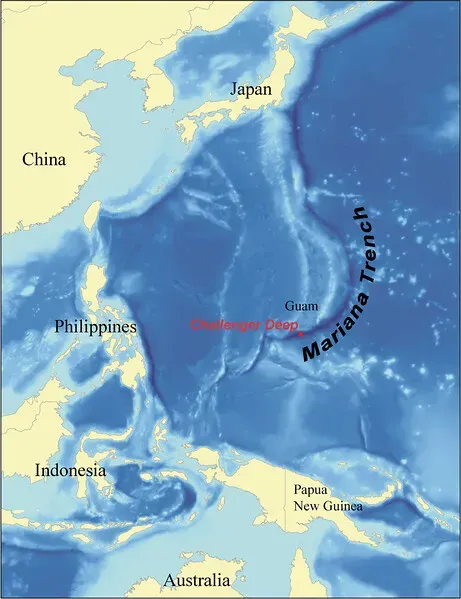
Think of the deepest point in any ocean you can picture. Now go much, much deeper. The Mariana Trench is the deepest known part of Earth’s oceans, plunging nearly 11,000 meters below the surface – a world of eternal darkness, bone-chilling cold, and crushing pressure over 1,000 times greater than at sea level. To put that into perspective, if you dropped Mount Everest into the trench, its summit would still be submerged under more than a mile of water.
The ocean floor plunges into trenches so deep that Mount Everest could fit within them and still remain submerged. In the Mariana Trench, nearly 11 kilometers down, the pressure is over a thousand times greater than at sea level. Human bodies would be crushed instantly. Yet piezophiles, organisms adapted to high pressure, flourish here. Life here isn’t just surviving – it’s thriving in ways that challenge everything we thought we knew about biology.
2. The Atacama Desert: A Place That Forgot What Rain Feels Like
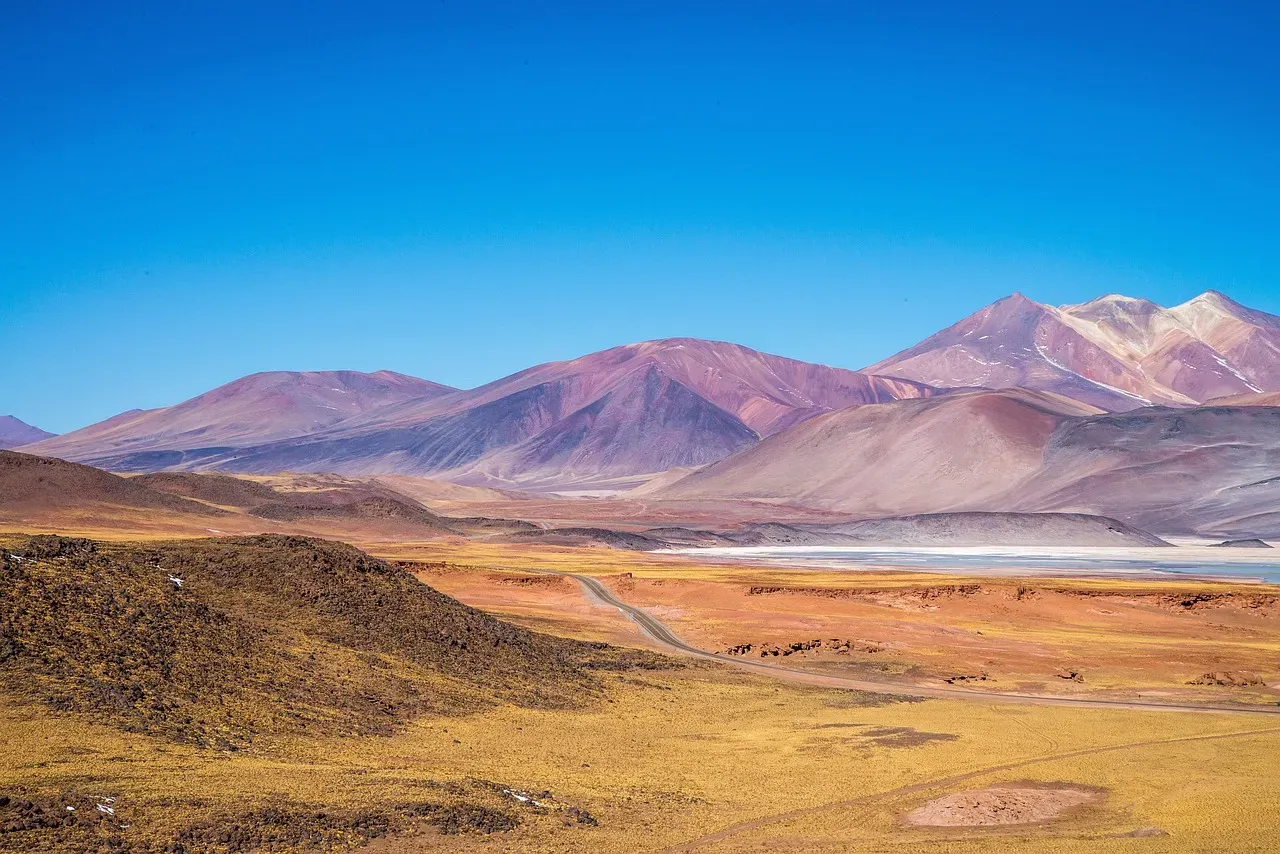
The Atacama Desert, situated in northern Chile, is not just any ordinary arid region. Spanning over 600 miles along the Pacific Coast of South America, there are areas that have received zero rainfall throughout recorded history, making the Atacama Desert the driest place on Earth. Imagine living in a place where rain is not just rare – it’s essentially mythological.
The average rainfall in the Atacama Desert is less than one millimeter per year, making it fifty times drier than Death Valley in California. In fact, there are sectors that have never received a drop of rain, at least in the time since measurements started. Yet remarkably, the Atacama is the oldest continuously dry place in the world, having experienced extreme aridity for over three million years. And still, somehow, life persists. Scientists use it as a training ground for Mars exploration, and that comparison is no exaggeration.
3. The McMurdo Dry Valleys: Antarctica’s Hidden Desert
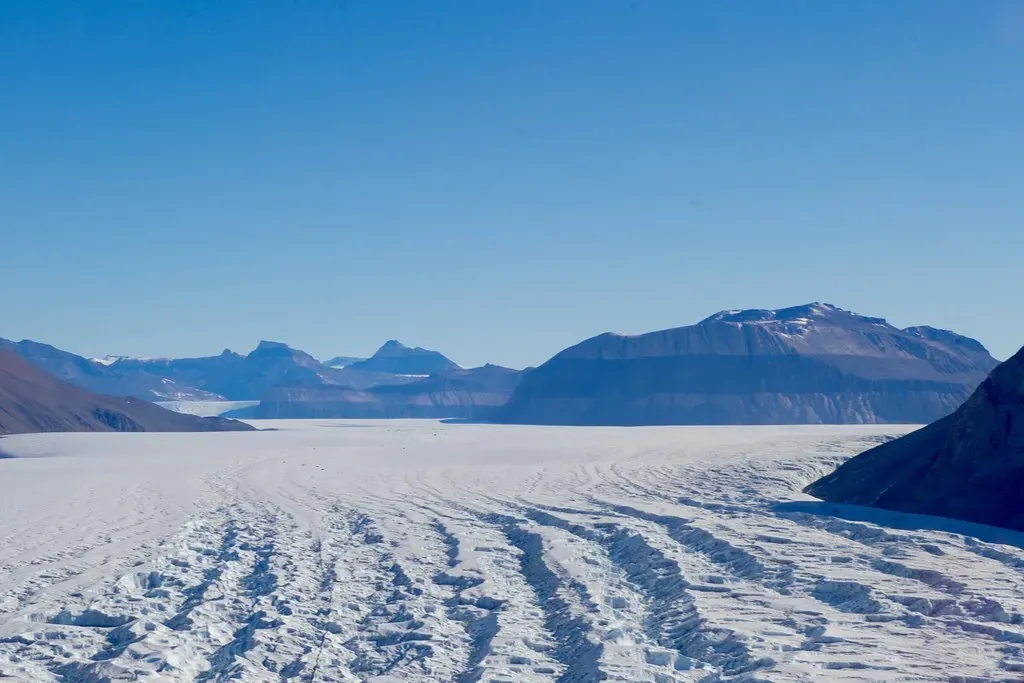
The McMurdo Dry Valleys are a series of largely snow-free desert valleys on the continental coastline of Victoria Land, Antarctica. They are notable for being the coldest and driest desert in the world, as well as the largest ice-free region in Antarctica. The Dry Valleys’ unique climate is due to their location within the Transantarctic Mountains, along with high-pressure katabatic winds that scour away snowfall and humidity. You’d be forgiven for forgetting you’re on the same continent as the South Pole.
For nearly two million years, no significant precipitation has fallen here – neither rain nor snow. As a result, the valleys are considered the driest and at the same time the coldest desert on Earth. The surface conditions of the McMurdo Dry Valleys closely resemble those of Mars. Space agencies such as NASA conduct research here to understand how life might exist under extreme conditions and what this could mean for future missions to the Red Planet. It’s essentially our planet playing dress-up as another world.
4. Deep-Sea Hydrothermal Vents: Life’s Original Power Source
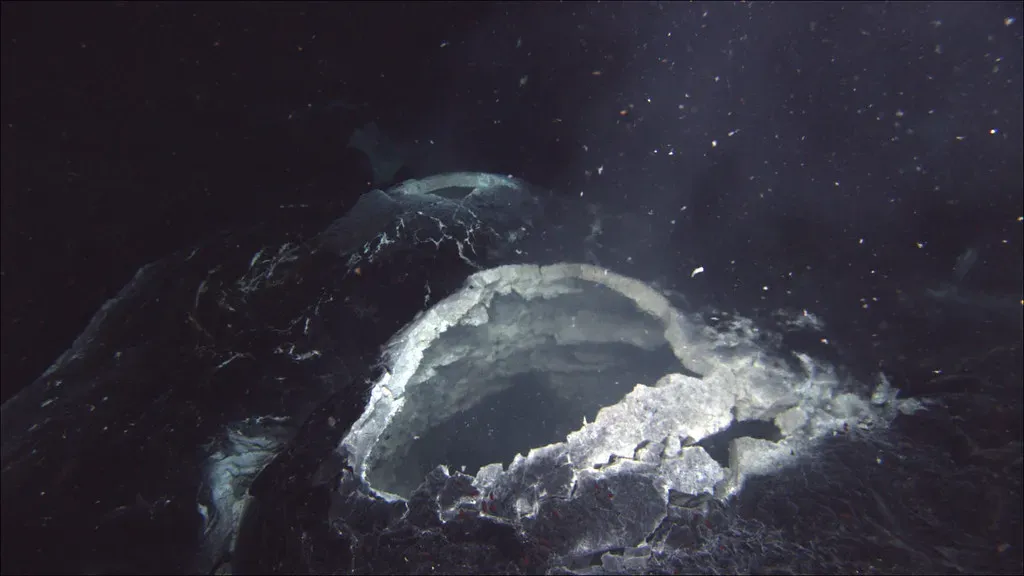
Here’s the thing – before scientists discovered hydrothermal vents in 1977, we genuinely believed all life on Earth depended on sunlight. Deep beneath the ocean’s surface, in places where sunlight has never penetrated, cracks in Earth’s crust release jets of superheated, mineral-rich water. These hydrothermal vents spew fluids that can reach temperatures above 400°C, hot enough to melt lead. The pressure at these depths is immense, yet it is here that life forms flourish in great abundance.
Pompeii worms are one of the most heat-tolerant animal species on Earth. They are classed as extremophiles – organisms that can live in the most extreme conditions. The worms live around hydrothermal vents in tubes on the ocean floor. Pompeii worms can survive temperatures of around 120°C, whereas most other animals cannot cope with anything over 40°C. Honestly, if you told someone a worm was living happily beside a superheated underwater volcano, they’d laugh. Nature, though, rarely asks for our permission.
5. Death Valley: The Record-Holder for Heat on Land
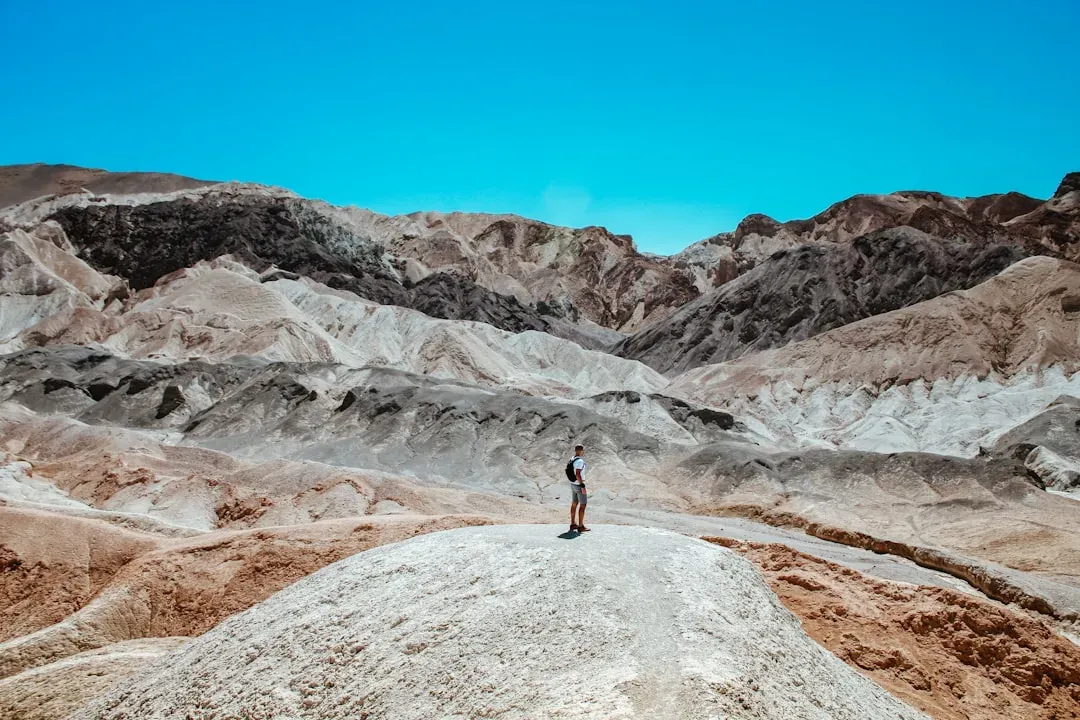
Death Valley stands as a true test of endurance, renowned for recording the highest air temperature on Earth – an astonishing 56.7°C (134°F). This desert landscape in California is marked by unforgiving heat, parched soil, and minimal shade. Water sources are extremely rare, and dehydration is a constant threat. Standing in Death Valley on a peak summer day feels less like visiting a place and more like testing an oven.
What’s surprising is that even this infernal landscape holds life. Despite the harshness, a surprising array of resilient plants and animals manage to survive and thrive. A ground temperature of 93.9°C was recorded in Furnace Creek, Death Valley, California, on 15 July 1972 – this may be the highest natural ground surface temperature ever recorded. Think about that: the ground itself approaches boiling point, and life still finds a foothold. I find that extraordinarily inspiring, in a slightly terrifying way.
6. The Summit of Mount Everest: Where the Sky Barely Exists
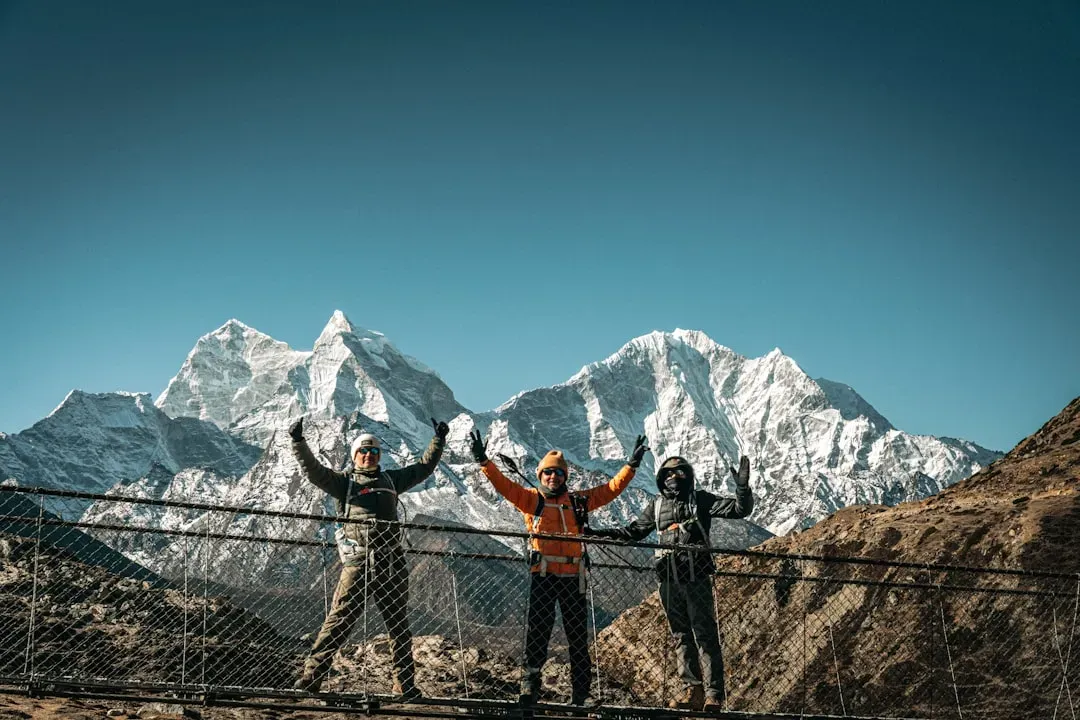
Towering at 8,848.86 meters above sea level, Everest is the Earth’s highest mountain above sea level and draws climbers from around the world despite its harsh, thin-air environment. It sounds glamorous until you understand what your body actually experiences up there. The summit doesn’t just feel cold – it feels hostile to everything you are as a biological creature.
Due to thin oxygen levels at the summit, which are only about a third of sea level concentrations, climbers must acclimate or use supplemental oxygen. Temperatures can drop below -40°C, and powerful winds make ascents extremely dangerous. High mountains present unpredictable weather including heavy snowfall, extreme low temperatures, and high wind speeds. The atmosphere itself becomes your enemy, and the summit of Everest makes that point with brutal clarity.
7. Yellowstone’s Hot Springs: Life That Loves Boiling Water
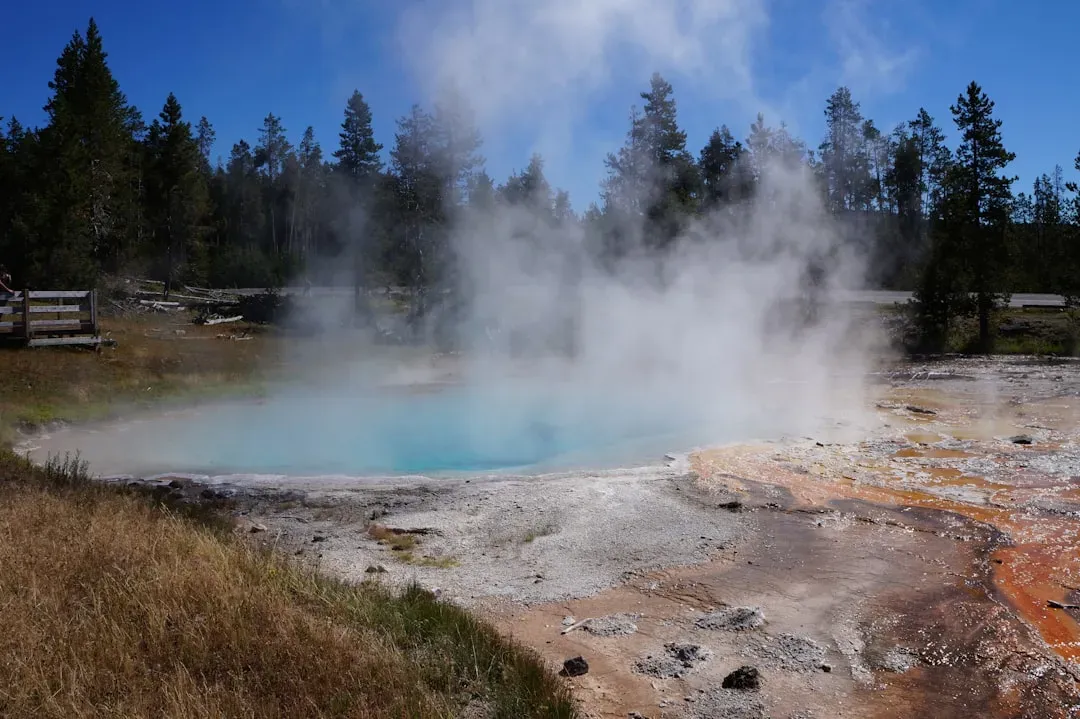
Most people know Yellowstone for its geysers and bison. Few realize it’s also one of the most scientifically remarkable extreme environments on the planet. Thomas Brock, an American microbiologist, discovered microorganisms surviving and even growing in Yellowstone’s scalding hot springs in 1966. Since then, thermophiles – organisms that require hot water to live – have been found all over the world in hot springs and geysers.
These hot springs are home to “thermophiles,” which are microorganisms that live and thrive in extremely hot temperatures. Thermophilic microorganisms that can survive in hot springs and geysers primarily include bacteria such as eubacteria and phototrophic bacteria. Cyanobacteria are some of the most common bacteria found in Yellowstone’s hot springs. The discovery of these organisms didn’t just earn a Guinness record – it fundamentally revolutionized how scientists understood the outer limits of life on Earth. The discovery of such extremophiles changed scientists’ way of looking at life, and studies on extremophiles have since reshaped ideas about the origin, fundamental features, and limits of life.
8. The Antarctic Ice Sheet: A Frozen World With a Secret Ocean Below
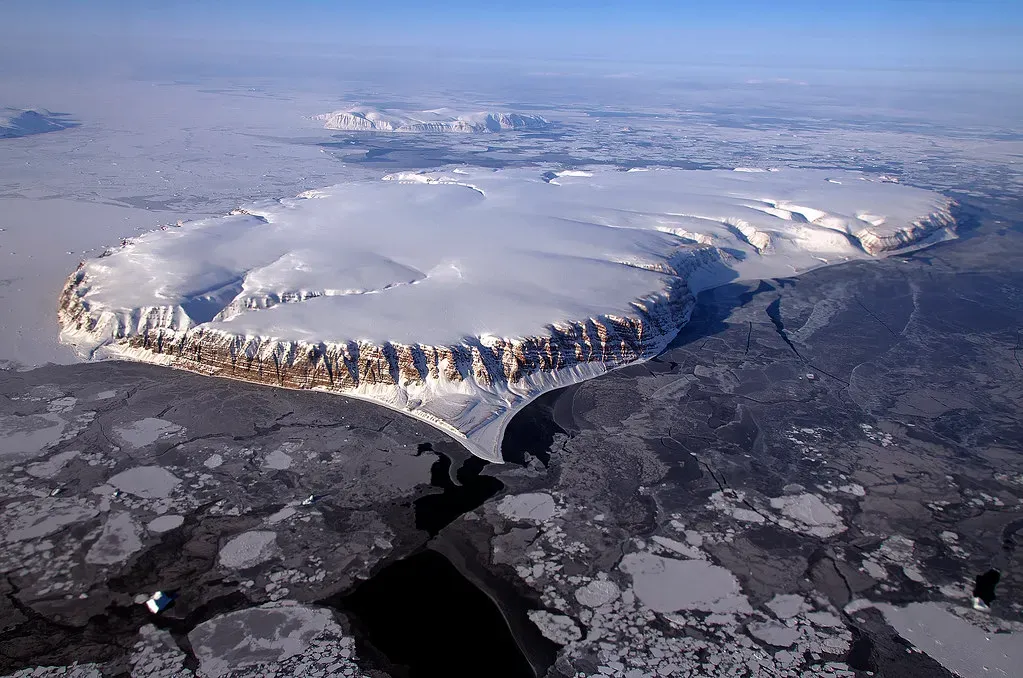
Antarctica is the epitome of an extreme environment. This vast, frozen continent endures temperatures that can plummet to as low as -80°C, making it the coldest place on Earth. Relentless winds whip across the barren ice, and precipitation is almost nonexistent, creating a landscape that is both dry and inhospitable. Still, the surprises hidden under all that ice are extraordinary.
Scientists say they discovered the deepest known ecosystem, capable of sustaining life without sunlight. Beneath kilometers of Antarctic ice, entire liquid lakes exist, sealed off from the atmosphere for millions of years. Scientists in 2024 confirmed that Earth’s inner core reversed its spin, and in early 2025 the same team revealed changes to the inner core’s shape, with deformations in its shallowest level. Our understanding of what lies beneath Earth’s most extreme frozen surface is still evolving at a pace that keeps scientists genuinely excited – and occasionally speechless.
9. The Tardigrade’s World: Extreme Conditions at a Microscopic Scale
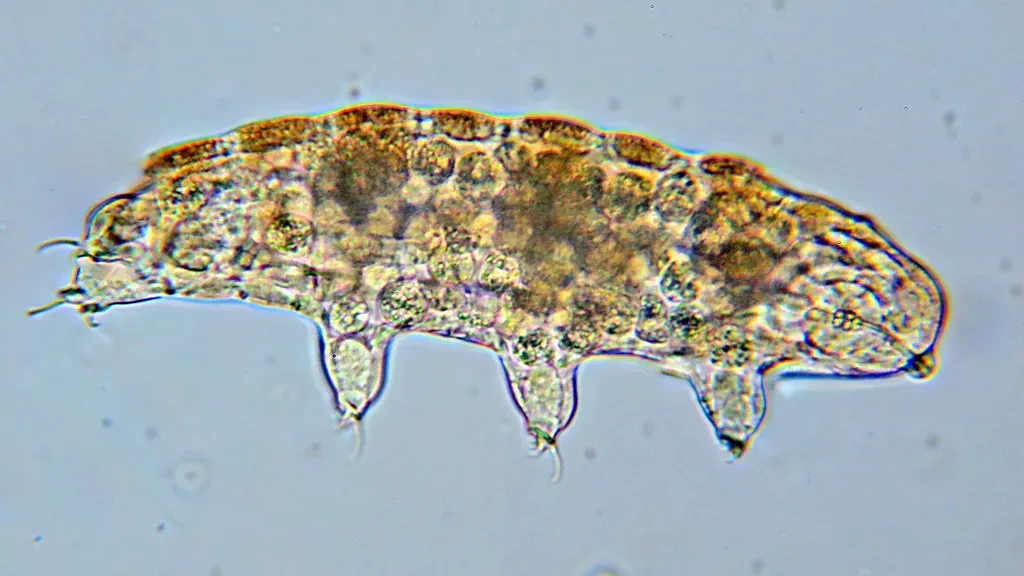
Let’s be real – no discussion of extreme environments is complete without talking about the remarkable creature that laughs at all of them simultaneously. There are more than 1,000 species of tardigrades. These eight-legged, microscopic creatures, often nicknamed water bears or moss piglets, are incredibly versatile and capable of surviving in some of the most extreme conditions. They are, without question, the ultimate survivors on Earth.
The miniscule tardigrade, also known as the water bear, is a multi-extremophile. In other words, it can survive in many different kinds of extreme environments, including the high altitudes of the Himalaya, the intense pressure of the deep ocean, and the frigid temperatures of Antarctica. This microscopic water bear could potentially provide insight into the kinds of organisms that could live on planets like Mars, since this creature has traveled and survived a 10-day journey to space. A creature smaller than a grain of sand has survived conditions that would destroy virtually every other living thing on the planet. If that doesn’t put our own sense of resilience into perspective, I’m not sure what will.
10. Acid Lakes and the Danakil Depression: Earth’s Most Chemically Hostile Zone
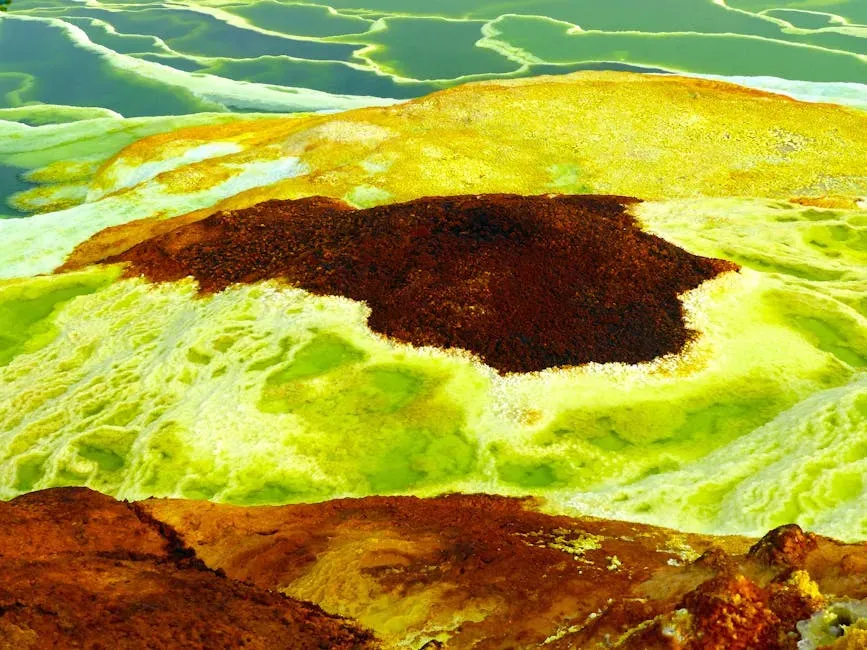
With active volcanoes and acidic springs, the Danakil Depression region is one of the most inhospitable yet geologically active places on Earth. The region lies at the intersection of three tectonic plates, causing volcanic and hydrothermal activity. The land is colored with surreal hues from sulfur, salt, and iron. Despite extreme heat and toxicity, microbial life has been found, making it of interest to astrobiologists.
Lake Natron is a striking yet perilous location, renowned for its highly alkaline waters with a pH level as high as 10.5. The caustic lake can burn skin and eyes, and most life cannot survive in its toxic embrace. Yet in the Danakil Depression, organisms endure a triple assault of heat, salinity, and acidity. A strain of the archaeon Methanopyrus, isolated from a “black smoker” hydrothermal vent, grows at temperatures of 120°C, while another microbe Picrophilus can be present in conditions where the pH is as low as 0.06. The chemistry here would dissolve most things we’d dare call “alive” – and yet, life not only endures, it adapts and quietly thrives.
Conclusion: Earth Is More Alive Than You Think
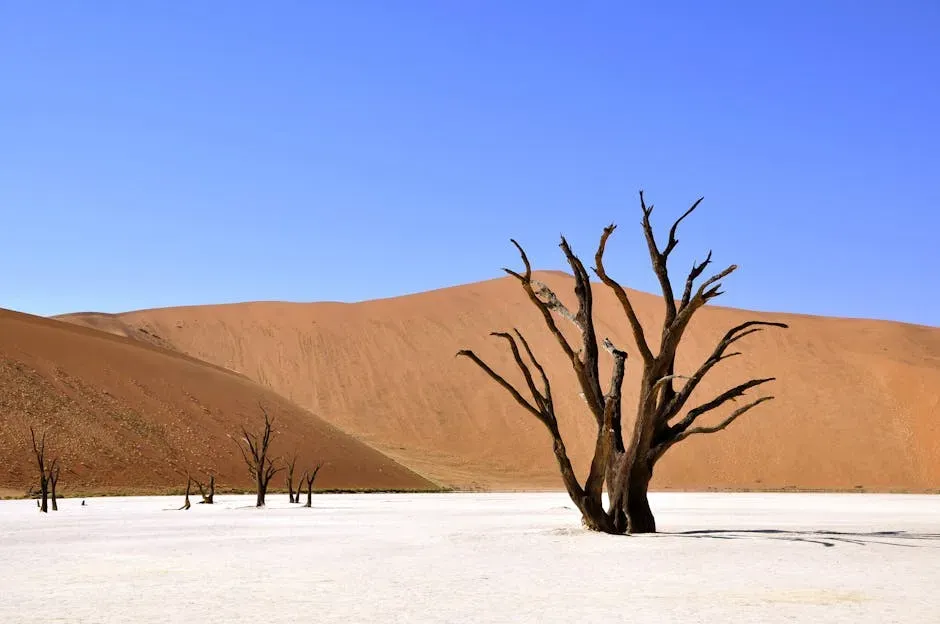
What ties all of these extraordinary places together isn’t just their hostility – it’s what they reveal about the tenacity of life itself. From crushing ocean trenches to centuries-dry deserts, from boiling hot springs to frozen Martian valleys on our own continent, Earth’s extreme environments tell a single, remarkable story: life is nearly impossible to stop.
Such resilience suggests that life is not rare but inevitable, ready to spring forth wherever conditions allow even the smallest chance. Any organisms living in these conditions are often very well adapted to their living circumstances, usually as a result of long-term evolution. Physiologists have long known that organisms living in extreme environments are especially likely to exhibit clear examples of evolutionary adaptation because of the presumably intense past natural selection they have experienced.
The next time you find yourself marveling at the extremes our planet produces, remember that somewhere right now, a microscopic water bear is shrugging off conditions that would end you in seconds. Earth is a wild, beautiful, terrifying place – and we’ve barely scratched its surface. Which of these extreme environments surprised you the most? Drop your thoughts in the comments below.