Alaska has always been a land of extremes. Towering peaks, ancient ice, and wilderness that makes you feel small in the best possible way. Yet underneath that breathtaking beauty, something increasingly dangerous is unfolding – and it’s happening faster than most people realize.
Glacial lakes across Alaska are growing. Warming temperatures are melting ice at an accelerating pace, and these lakes are filling up with enormous volumes of cold, pressurized water. What happens when they let go is nothing short of catastrophic. Let’s dive in.
The Science Behind Glacial Lake Outburst Floods
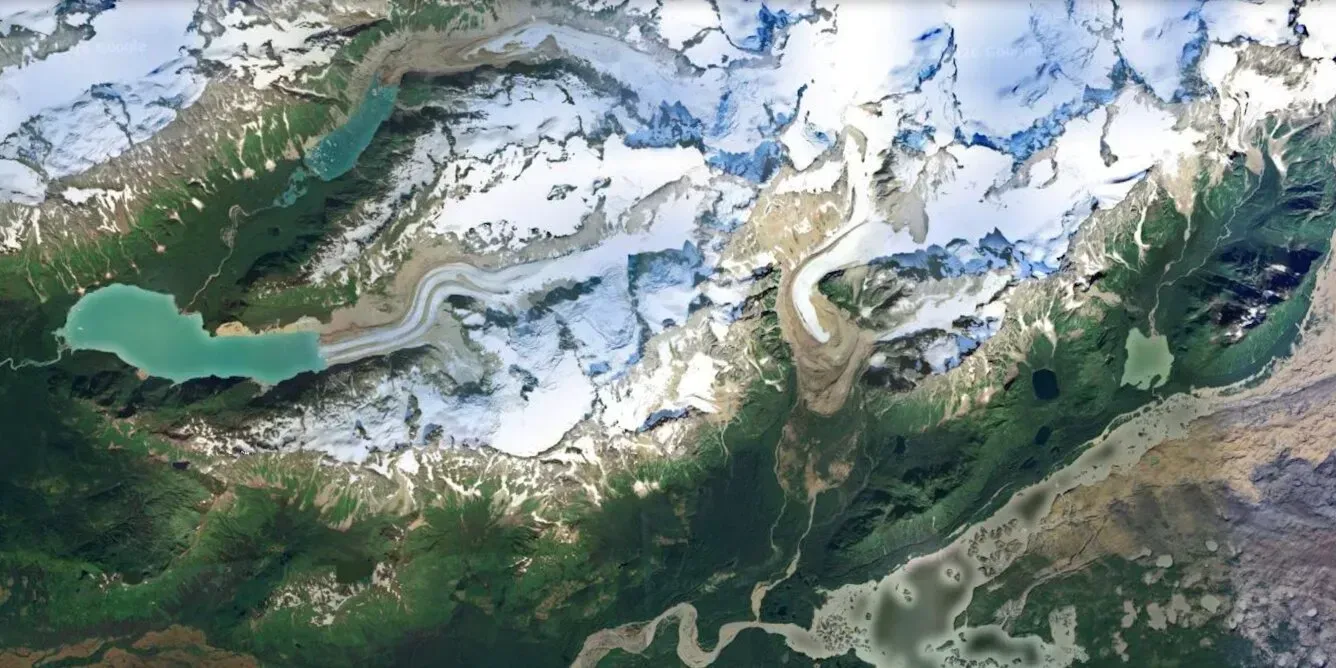
Here’s the thing about glacial lake outburst floods – most people have never heard of them, yet they rank among the most destructive natural events on the planet. Known among scientists as GLOFs, these floods occur when a glacial lake suddenly and violently releases its stored water. The trigger can be anything from an ice dam failure to a landslide or even a small earthquake rattling the surrounding terrain.
Think of it like a bathtub sitting on a table. Everything looks stable – until the stopper gives way. In Alaska, these “stoppers” are often walls of ice or unstable moraines, and as temperatures climb, those barriers are becoming thinner, weaker, and far less reliable than they once were.
Alaska’s Glacial Lakes Are Multiplying at an Alarming Rate
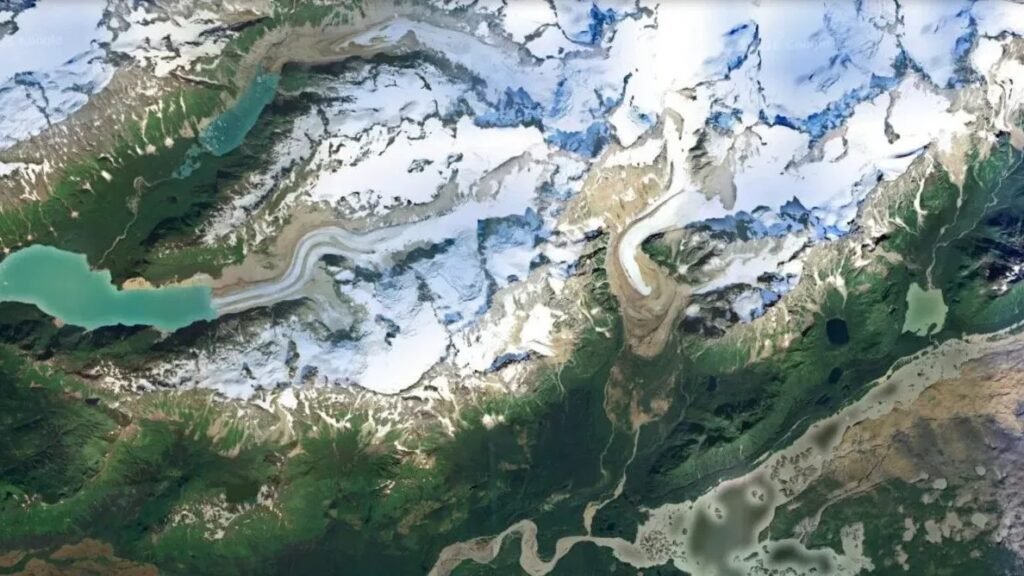
Honestly, the numbers are staggering. Research tracking Alaska’s glacial landscape has found that the number and size of glacial lakes has expanded dramatically over recent decades, directly tied to accelerating glacier retreat. Where solid ice once stood, water now pools – and it pools in increasingly large quantities.
This isn’t just a slow creep either. Some lakes have appeared and grown within just a few years, which is geologically speaking, almost instantaneous. Scientists studying satellite imagery have watched entire new lake systems emerge where there was nothing but glacier a decade ago. It’s a visible, measurable transformation happening right in front of us.
Why the Threat Is Growing More Serious Each Year
The problem compounds itself in a frustrating cycle. As glaciers melt, more water accumulates in lakes. As those lakes grow larger, the potential energy stored in them increases dramatically. A bigger lake means a bigger flood when the dam breaks – and the dams are breaking more frequently.
Research highlighted in recent scientific reporting suggests that Alaska’s glacial lakes are now generating outburst floods with greater destructive force than historical records show. In some cases, flood volumes have exceeded anything previously documented for a given region. I think what makes this particularly unsettling is that the trend line doesn’t show any sign of reversing.
Communities and Infrastructure Caught in the Crossfire
Let’s be real about who actually suffers when these floods hit. Remote Alaskan communities, Indigenous villages, and critical infrastructure like roads, bridges, and pipelines sit downstream from these increasingly unstable lakes. A sudden glacial lake outburst can send a wall of water, ice debris, and sediment surging downstream in a matter of minutes.
The scale of destruction can be astonishing. Floods capable of moving boulders the size of cars, stripping riverbanks bare, and wiping out infrastructure that took years and enormous expense to build. For communities already facing the broader challenges of living in remote Alaska, a GLOF can be a genuinely devastating blow – one that’s both sudden and very difficult to predict in advance.
The Role of Climate Change in Accelerating the Risk
It would be irresponsible to tell this story without naming the driving force clearly. Climate change is the engine behind Alaska’s glacial transformation. Average temperatures in Alaska have risen significantly faster than the global average, making it one of the most thermally disrupted environments on Earth.
Warmer summers mean longer melt seasons. Warmer winters mean glaciers no longer fully regenerate their lost mass. The ice that once acted as a natural, self-regulating system is now in retreat, leaving behind these water-filled voids that grow year by year. It’s hard to say for sure exactly how fast the situation will worsen, but the directional trend is not subtle.
How Scientists Are Monitoring and Responding to the Threat
The good news – and there is some – is that researchers are actively working to get ahead of this problem. Scientists are deploying a combination of satellite monitoring, remote sensors, and field surveys to track the most at-risk glacial lakes across Alaska. The goal is to build early warning systems that could give downstream communities precious minutes or hours before a flood arrives.
That said, Alaska is enormous and the landscape is constantly shifting. Monitoring every potentially dangerous lake is a monumental challenge, both logistically and financially. Still, the scientific community is treating this with increasing urgency, and cooperation between researchers, local governments, and Indigenous communities is growing. Early warning infrastructure, even basic systems, could realistically save lives.
What This Means for Alaska’s Future
Alaska is often thought of as a place apart – remote, rugged, resilient. Yet the glacial lake crisis unfolding across the state is a preview of challenges that other glaciated regions worldwide will face in the coming decades. From Greenland to the Himalayas to Patagonia, the same dynamics are at play.
For Alaska specifically, the coming years will demand serious investment in monitoring, community preparedness, and infrastructure resilience. The glaciers that shaped this land over thousands of years are reshaping it again – but now at a pace driven not by natural cycles but by human-caused warming. What’s happening in Alaska right now is not just a local story. It’s a warning written in melting ice.
A Final Word
Honestly, stories like this one deserve far more mainstream attention than they typically receive. Glacial lake outburst floods aren’t dramatic enough to dominate headlines – until they are, and by then, it’s already too late for someone downstream. Alaska’s transformation is real, it’s accelerating, and the consequences for people living in that landscape are deeply personal and increasingly dangerous.
The science is clear, the trend is undeniable, and the time to take it seriously is now – not after the next catastrophic flood wipes a community off the map. Nature doesn’t negotiate timelines, and melting ice waits for no policy debate. What do you think – are we doing enough to protect the communities most at risk? Tell us your thoughts in the comments.