
If you think science is all lab coats and calm logic, you’re in for a shock. Some of the biggest discoveries about what life is, how it works, and where it might exist came from experiments that sound, frankly, unhinged at first glance. Dead frog legs twitching from static, disembodied animal heads wired to pumps, radioactive food served to volunteers – it reads more like horror fiction than history.
And yet, these strange, sometimes disturbing experiments forced us to redraw the map of what life can do. They challenged religion, ethics, and our own sense of what it means to be “alive.” As unsettling as a few of these stories are, they helped build the medical treatments, technologies, and ideas that quietly keep people alive today. Here are ten of the weirdest that genuinely changed how we understand life itself.
1. Galvani’s Dancing Frog Legs and the Birth of Bioelectricity
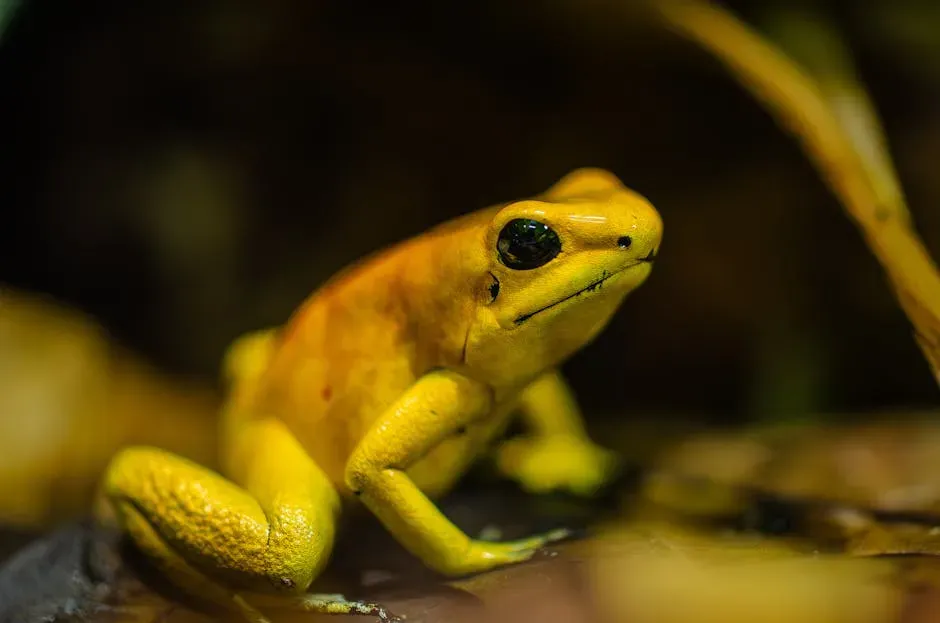
Imagine walking into a kitchen and seeing a pile of skinned frog legs suddenly start kicking on their own when touched by a metal scalpel. In the late seventeen hundreds, that’s essentially what Luigi Galvani witnessed, and it must have felt like sorcery. He had been dissecting frogs near an electrostatic machine when he noticed that an electric spark could make the dead muscles twitch violently.
Galvani concluded that there was something like an “animal electricity” inside living creatures, a force that could be triggered from outside. The idea was controversial at the time, but it planted the seed that nerves and muscles might operate using electrical signals. That bizarre sight of frog legs dancing on a table eventually led to the understanding that your heartbeat, your thoughts, and your movements are all electrical events, not mystical ones. In a roundabout way, those twitching frogs helped pave the way for pacemakers, EEGs, and the entire field of neurophysiology.
2. Pavlov’s Drooling Dogs and the Discovery of Conditioned Reflexes

The image is almost cartoonish: dogs in harnesses, tubes carefully attached to their cheeks to collect saliva, and a patient scientist timing every drip. Ivan Pavlov wasn’t trying to rewrite psychology at first; he just wanted to study digestion. But he noticed something strange – the dogs started to salivate not only when food arrived, but when they heard the footsteps of the lab assistant who usually brought it.
Curious, Pavlov began pairing a neutral sound, like a bell or a metronome, with the arrival of food. Soon, the dogs would drool at the sound alone, food or no food. This was a shock at the time: a reflex, something thought to be automatic and hard‑wired, could actually be learned. That weird little trick with bells and dog spit sparked the concept of classical conditioning, reshaping psychology, education, marketing, and even addiction treatment. It forced us to accept that a lot of what we do is shaped by invisible associations we barely notice forming.
3. Frankenstein in Real Life: Early Experiments on Reanimating Body Parts
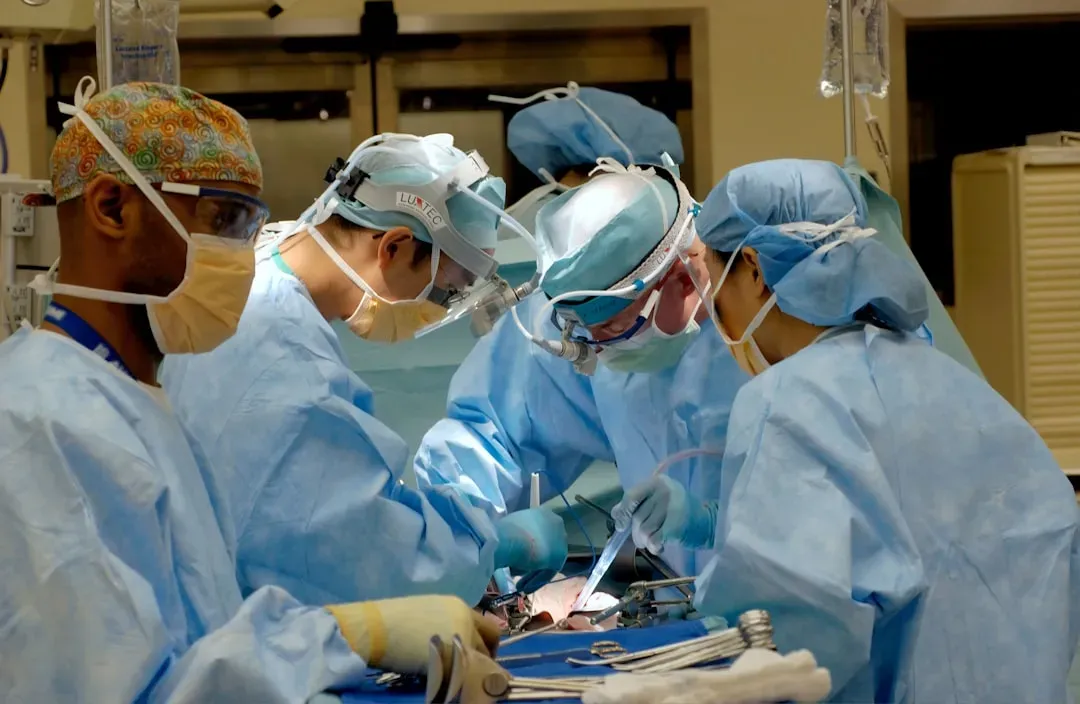
Long before movie monsters, real scientists were flirting with the idea of raising the dead – or at least waking up parts of them. In the late eighteen and early nineteen hundreds, experimenters applied electricity to the corpses of animals and even executed humans, watching in awe as faces grimaced, limbs jerked, and chests heaved in something that looked frighteningly like life. Crowds reportedly gathered to watch nerves fire and muscles spasm as if the body were trying to come back.
These demonstrations were dramatic and more than a little unsettling, but they clarified something profound: electricity could make dead tissue move, yet movement alone wasn’t life. The experiments helped separate the mechanical parts of the body from whatever we think of as consciousness or “soul.” They also pushed medicine toward using electricity in controlled ways – from defibrillators that restart stopped hearts to deep brain stimulation to treat Parkinson’s disease. The horror‑movie atmosphere masked a serious insight: life is partly circuitry, and that circuitry can sometimes be hacked.
4. The Glow-in-the-Dark Pets: Splicing Jellyfish Genes into Animals

At first glance, making fluorescent animals sounds like a teenager’s science‑fiction fantasy. But in the nineteen nineties and two thousands, researchers started inserting a gene from a jellyfish, one that makes a glowing green protein, into mice, fish, rabbits, and even cats. Under blue or ultraviolet light, their fur, skin, or eyes produced an eerie glow, like something out of a nightclub gone wrong.
As bizarre as it looks, this wasn’t done just for spectacle. That jellyfish gene became a kind of biological highlighter, letting scientists tag specific cells or proteins and watch them move and change inside living creatures. Suddenly, they could trace how cancer spreads, how neurons grow, or how stem cells behave in real time. The glowing animals became living maps of development and disease, and they helped prove that genetic information is universal enough that a gene from a sea creature can be read and used by a mammal. It’s hard to look at a fluorescent mouse and not rethink what “species boundaries” really mean.
5. Miller–Urey’s Sparked “Primordial Soup” and Synthetic Beginnings of Life

In the early nineteen fifties, two scientists set out to answer a question that sounds almost arrogant: could they cook up the building blocks of life in a glass flask? They filled a closed system with gases thought to resemble Earth’s early atmosphere, cycled water through it like rainfall, and zapped the mixture with electric sparks to mimic lightning. After a few days, the clear fluid turned a murky brown, as if someone had brewed very bad coffee.
When they analyzed that brown goo, they found amino acids – the basic components of proteins – appearing spontaneously from simple chemicals. For many people at the time, this was deeply unsettling, because it suggested that life’s “ingredients” don’t require a guiding hand, only the right conditions and enough time. The experiment didn’t create actual living cells, but it cracked open the idea that chemistry alone might explain how life got started on Earth. It also fueled modern research on life’s origins and even the search for life on other planets, by showing that complexity can bubble up out of what looks like chaos.
6. The Head-Transplant Dogs and the Limits of Survival

One of the darkest chapters in experimental biology came from attempts to transplant animal heads and keep them alive. In the mid‑twentieth century, surgeons in the Soviet Union and later elsewhere performed operations in which a second dog’s head was attached to the body of another dog, with both heads sharing the same blood supply. There are photographs and films of these two‑headed dogs blinking, licking, and reacting to sounds, which are genuinely hard to look at without feeling a deep sense of discomfort.
Ethically, these experiments are nearly impossible to justify by today’s standards, and they’re often cited as examples of how far science can go wrong when curiosity outruns compassion. But they also forced researchers to map out what exactly different organs need in order to function and remain conscious. The work, disturbing as it is, contributed to the understanding of shock, organ preservation, and the tolerance of tissue to interrupted blood flow. In a roundabout way, what was learned helped refine organ transplantation procedures that now routinely save human lives, raising the painful question of how much suffering we are willing to accept in the name of progress.
7. The Stanford Prison Experiment and the Dark Side of Human Behavior

Unlike the frog legs or glowing mice, this experiment didn’t use gadgets or strange chemicals; it used ordinary college students. In nineteen seventy‑one, volunteers were randomly assigned roles as “guards” or “prisoners” in a mock prison set up in a university basement. Within days, the guards became harsh and abusive, while many prisoners showed signs of extreme stress, anger, and emotional breakdown. The planned two‑week study had to be stopped after less than a week because the situation was spinning out of control.
Even though later critics pointed out serious flaws and biases in the experiment, its basic message hit like a slap: normal people can behave in shocking ways when placed in certain roles and power structures. The study made the world reconsider how much of our behavior comes from personality and how much from the situation we’re thrown into. It shaped conversations about prisons, military training, and workplace hierarchies, and it remains a disturbing mirror that forces us to admit that under pressure, many of us are not as morally stable as we like to believe.
8. Radioactive Breakfast: Human Experiments in the Nuclear Age

In the early years of nuclear research, scientists and governments were often more curious than cautious about radiation. One infamous set of studies involved giving volunteers, including children, food and drinks laced with radioactive tracers to see how nutrients moved through the body. Some students at special schools were reportedly told they were getting “health drinks” or vitamin supplements, when in reality they were being monitored to track radiation levels in blood and tissue.
Looking back, these experiments are chilling, because the participants were not fully informed of the risks or even that they were part of a study at all. But the data gathered changed how we understand the way elements like calcium, iodine, and iron are absorbed and stored in bones, glands, and organs. The findings influenced safety standards for medical scans, nuclear workers, and even how we respond to reactor accidents. At the same time, the ethical outrage they triggered reshaped the rules for informed consent and human research, forcing science to confront the cost of treating people like lab instruments instead of partners.
9. CRISPR Gene Editing in Human Embryos
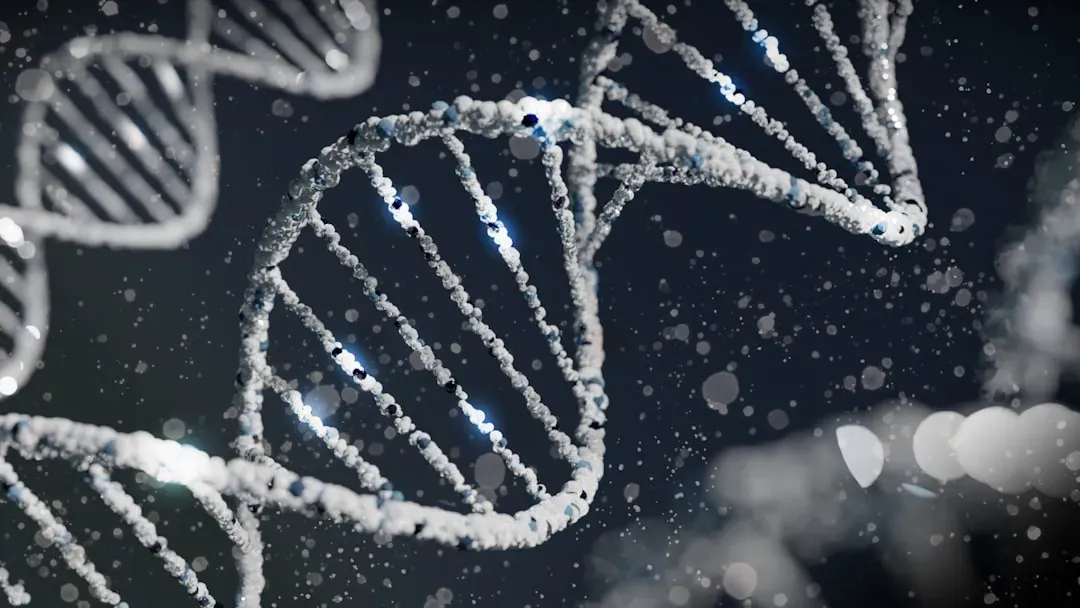
For most of history, the idea of rewriting human life at the genetic level belonged firmly in science fiction. That changed dramatically when CRISPR, a precise gene‑editing tool borrowed from bacteria, was used on human embryos. In twenty eighteen, a Chinese researcher announced that he had edited the DNA of twin girls to make them less susceptible to HIV, sending shockwaves through the scientific world and beyond. The reaction was a mix of fascination, outrage, and fear, because it meant someone had crossed a line many had only debated in theory.
CRISPR itself had already been used in plants, animals, and adult human cells, but targeting embryos means any changes can be passed down to future generations. That raises massive questions about consent, inequality, and what kind of lives we are creating. At the same time, the technique has opened real hope for treating inherited diseases, from sickle‑cell disease to some forms of blindness. This single set of experiments forced the world to realize that the power to permanently alter human life is not hypothetical anymore, and that we urgently need to decide how, when, and whether to use it.
10. Brain-to-Brain Interfaces: Sharing Thoughts Across Skulls
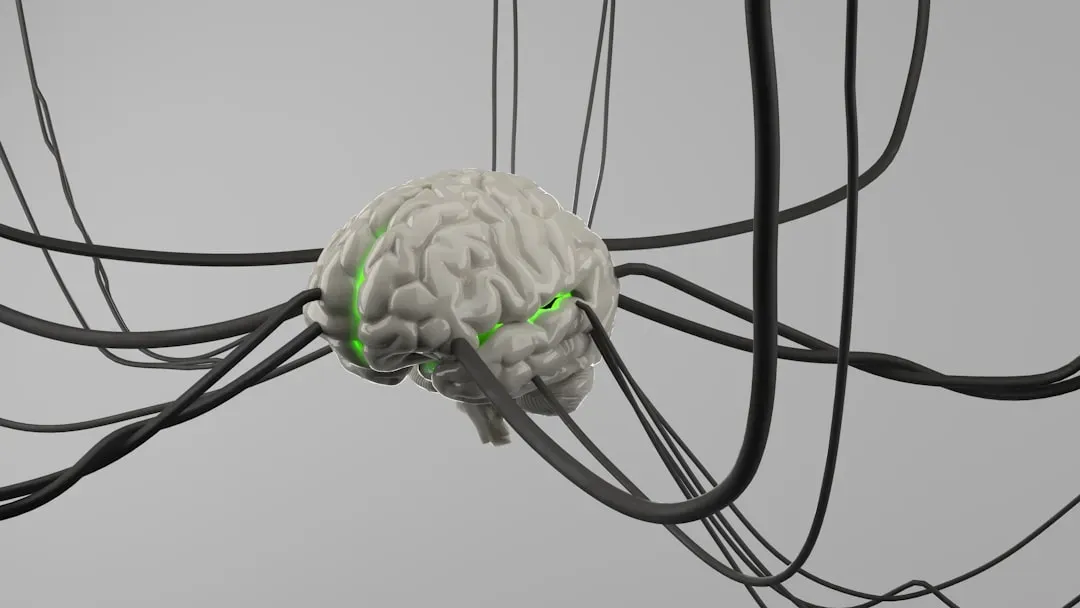
In recent years, scientists have taken an idea that sounds like telepathy and turned it, at least partially, into reality. Researchers have wired the brains of animals, and even humans, so that signals from one brain can directly influence another. In some experiments, a person wearing an EEG cap could move another person’s finger by merely imagining the movement, with the signal routed through a computer and into a magnetic stimulator placed over the second person’s motor cortex.
It looks almost like a magic trick, but it suggests that brains can be linked into networks in ways we’re only starting to explore. These odd, slightly eerie setups are teaching us how thoughts are encoded as electrical patterns and how those patterns can be decoded and transmitted. The same principles underlie brain–computer interfaces that let paralyzed people move robotic arms or type with their thoughts. At the edge of all this lurks a bigger question: if minds can be connected and influenced directly, what does that mean for personal identity, privacy, and the boundaries of individual life?
Conclusion: How Far Are We Willing to Go to Understand Life?

From twitching frog legs to glowing animals and edited embryos, these experiments show that our understanding of life has grown out of a mix of courage, creativity, and at times unsettling risk. Many of them feel uncomfortable to read about; a few are flat‑out disturbing when you imagine being in the room as they happened. Yet together they shattered old beliefs that life was purely mystical or untouchable and replaced them with a picture of living systems as physical, programmable, and sometimes repairable.
What stands out, at least to me, is how often the line between “brilliant” and “too far” is only visible in hindsight. Some of these studies transformed medicine and technology in ways that quietly save lives every day; others mostly served as warnings about what not to do again. As new tools give us even more power to alter brains, genes, and ecosystems, the real question is no longer whether we can, but how we decide when we should. Which of these experiments would you have guessed played such a big role in how we see life today?