There’s a place on Earth where sunlight never reaches, where pressure could crush a car like an empty soda can, and where life glows in neon colors as if it’s living inside a sci‑fi movie. That place is the deep ocean, and it’s still one of the least explored frontiers on the planet, even in 2026. We’ve sent people to the Moon, robotic rovers to Mars, and telescopes to the edge of the solar system, but we’ve mapped only a small slice of the seafloor in high detail.
Yet, every dive, every new robot, every deep‑sea camera that goes down comes back with something strange, beautiful, and honestly, a little unsettling. I remember the first time I watched deep‑sea video footage of glowing creatures drifting through total darkness; it felt like peeking behind a curtain humans were never meant to pull back. Let’s dive into ten of those hidden wonders that keep surprising scientists and reminding the rest of us how little we really know about our own planet.
The Midnight Zone: A World Without Sunlight
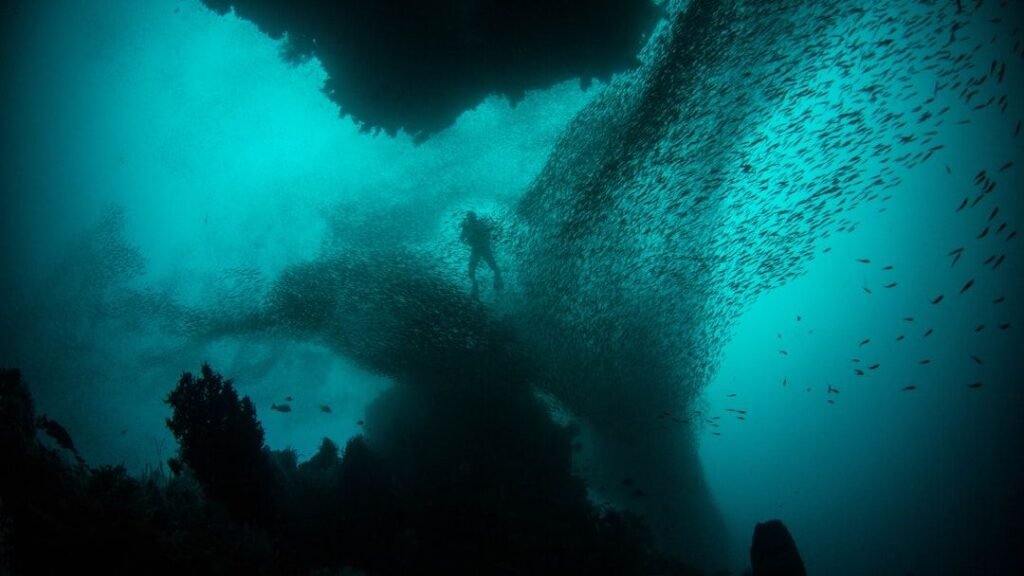
Imagine standing in a place so dark that even at noon, you would not see your own hand waving right in front of your face. That’s the deep ocean’s so‑called midnight zone, starting a few hundred meters down and stretching several kilometers into blackness. Here, sunlight simply cannot penetrate, and photosynthesis is impossible, so life has had to reinvent the rules just to survive. The pressure is immense, the temperature is close to freezing, and yet this zone is teeming with strange lifeforms.
Instead of using sunlight, many creatures rely on food drifting down from above or on chemical energy from the seafloor. Their bodies often look fragile, almost ghost‑like, with transparent skin, oversized eyes, and bizarre shapes that seem more like living sculptures than animals. It’s easy to assume that darkness equals emptiness, but the midnight zone is noisy, active, and surprisingly crowded. In a way, it’s like a vast, ever‑moving city that just happens to live in permanent night.
Bioluminescent Creatures: Nature’s Living Neon Lights
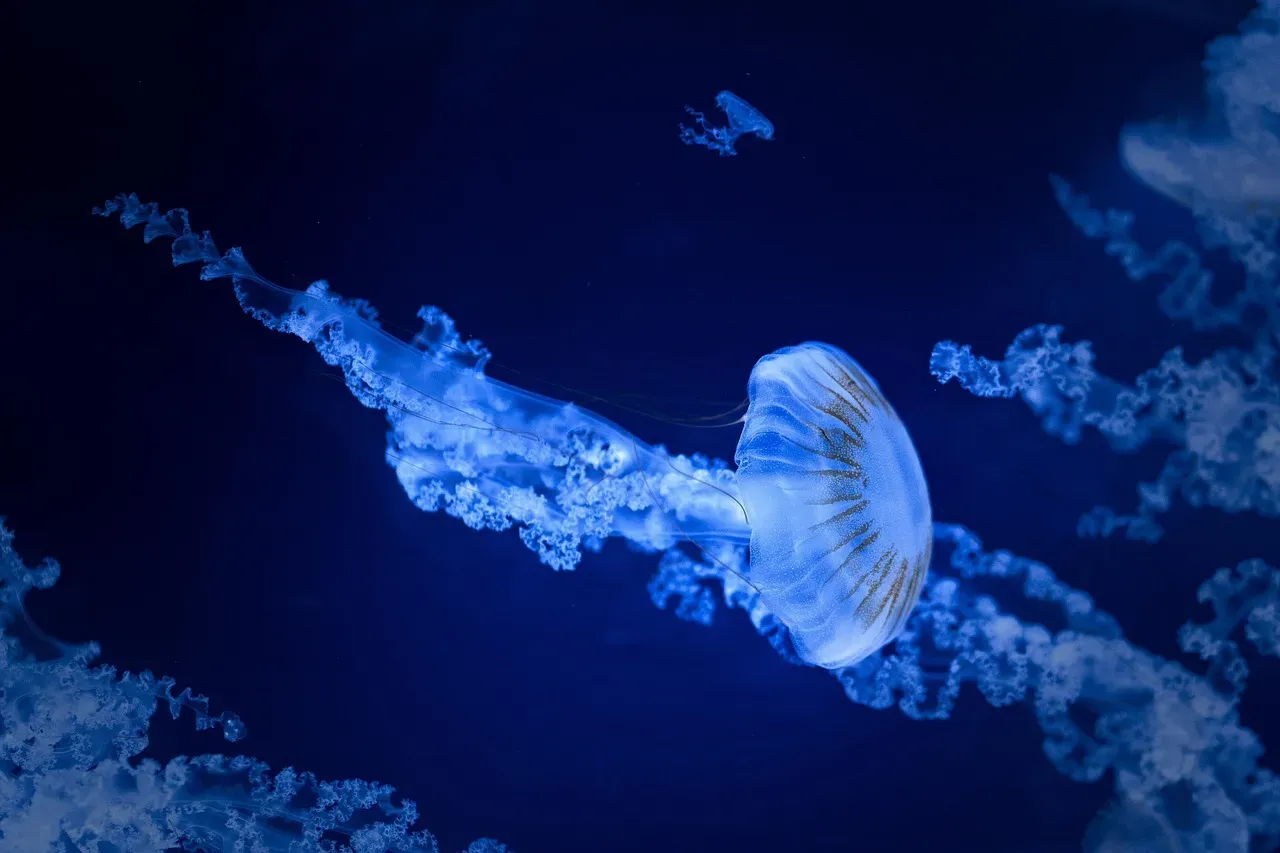
Down where it’s pitch black, light becomes a powerful language, and bioluminescence is how many species speak. Countless deep‑sea animals – from tiny plankton to large fish – can produce their own light through chemical reactions in their bodies. Some flash like underwater fireflies, others leave glowing trails, and some create eerie, constant glows that look like floating lanterns. The result is a drifting galaxy of living lights in a place without a single sunbeam.
These lights aren’t just there to look pretty; they’re tools for survival. Animals use them to lure prey, confuse predators, attract mates, or even hide themselves with a kind of glowing camouflage that cancels out their shadows. One of the wildest things researchers keep discovering is just how common bioluminescence really is in the deep sea – likely a large share of species use it in some way. It’s as if the ocean traded the brightness of the surface for a darker world filled with quiet, pulsing stars.
Hydrothermal Vents: Smoky Chimneys of Alien‑Like Life
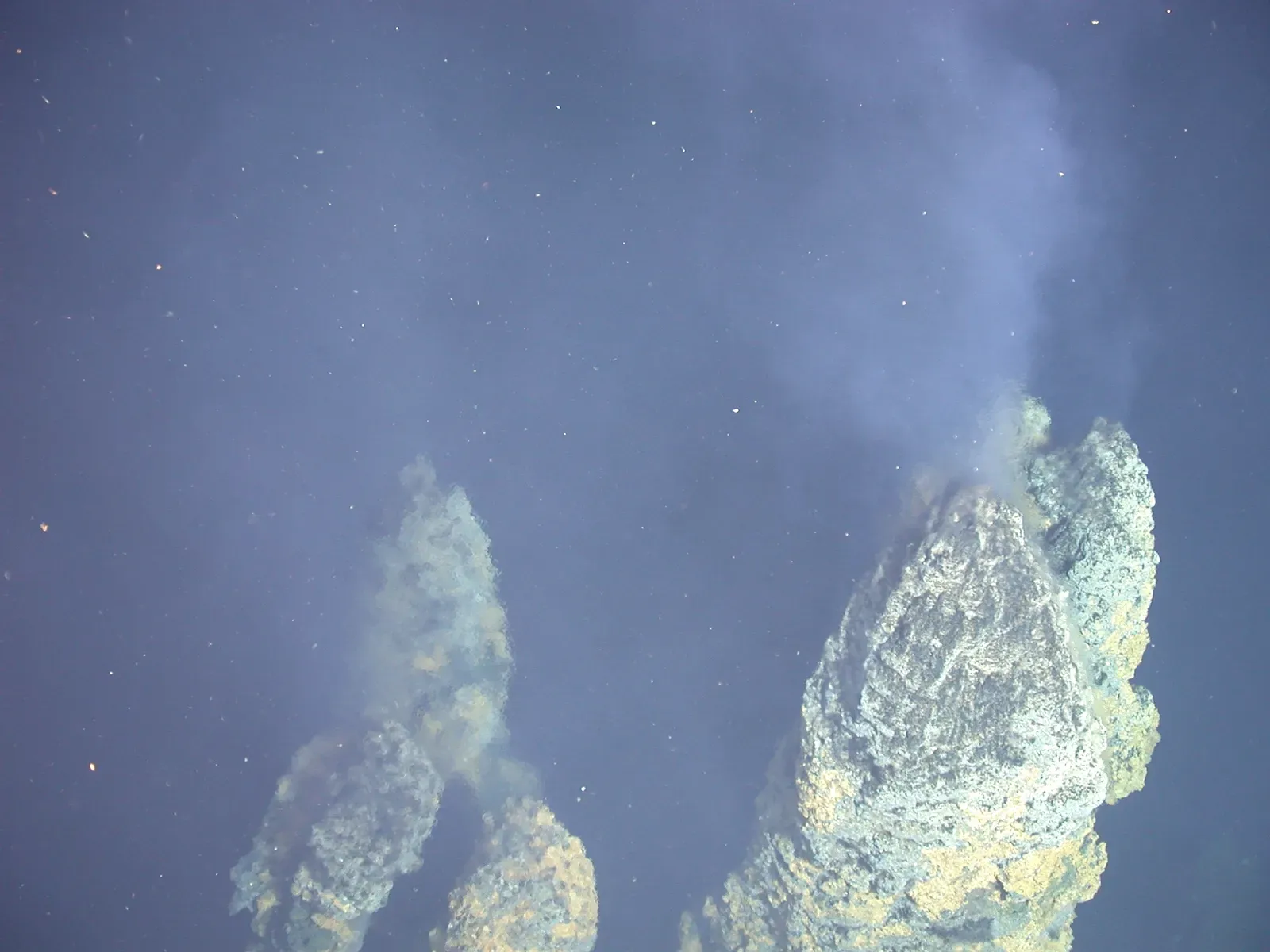
On the seafloor, along cracks where tectonic plates pull apart, deep‑sea explorers have found towering chimneys spewing superheated, mineral‑rich water. These hydrothermal vents look like underwater factories belching out black or white “smoke,” though it’s really hot fluid loaded with metals and chemicals. Temperatures can swing from near freezing to scalding in just a few centimeters, and yet life clusters here in thick, thriving communities. It feels less like Earth and more like the set of a space movie.
What makes vents truly mind‑bending is that the life around them doesn’t depend on sunlight at all. Instead of photosynthesis, microbes use chemosynthesis, turning chemicals like hydrogen sulfide into energy, and forming the base of a whole food web of worms, shrimps, crabs, and more. When scientists first found these ecosystems in the late twentieth century, it shattered old ideas about where life could exist. Today, hydrothermal vents are a key reason many researchers think life could survive on icy moons like Europa or Enceladus, far from any star.
The Mariana Trench: Earth’s Deepest Scar
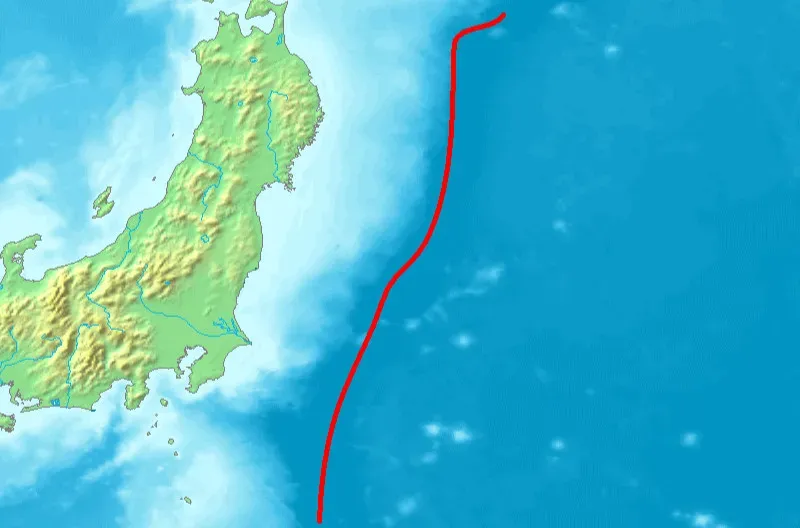
The Mariana Trench in the western Pacific is the deepest known point in the world’s oceans, with its lowest spot, the Challenger Deep, plunging about eleven kilometers down. To put that into perspective, if Mount Everest were dropped inside, its peak would still be submerged under more than a kilometer of water. Down there, the pressure is over a thousand times what we feel at sea level, enough to squeeze most human‑made objects into twisted metal. Yet, incredibly, life still finds a way to exist in that crushing darkness.
Explorations using robotic submersibles and a handful of human‑occupied vehicles have revealed small, hardy creatures like amphipods, snailfish, and microbial mats living on the seafloor. Their bodies are adapted in ways that stretch what we think is physically possible, with special molecules that keep proteins and membranes stable under immense pressure. The fact that even this extreme environment is not empty, and that we have still only seen small fragments of it, gives the trench an almost mythical pull. It’s like Earth’s own abyss, still daring us to come and understand it.
Gigantic Deep‑Sea Squid and Other Ocean Giants
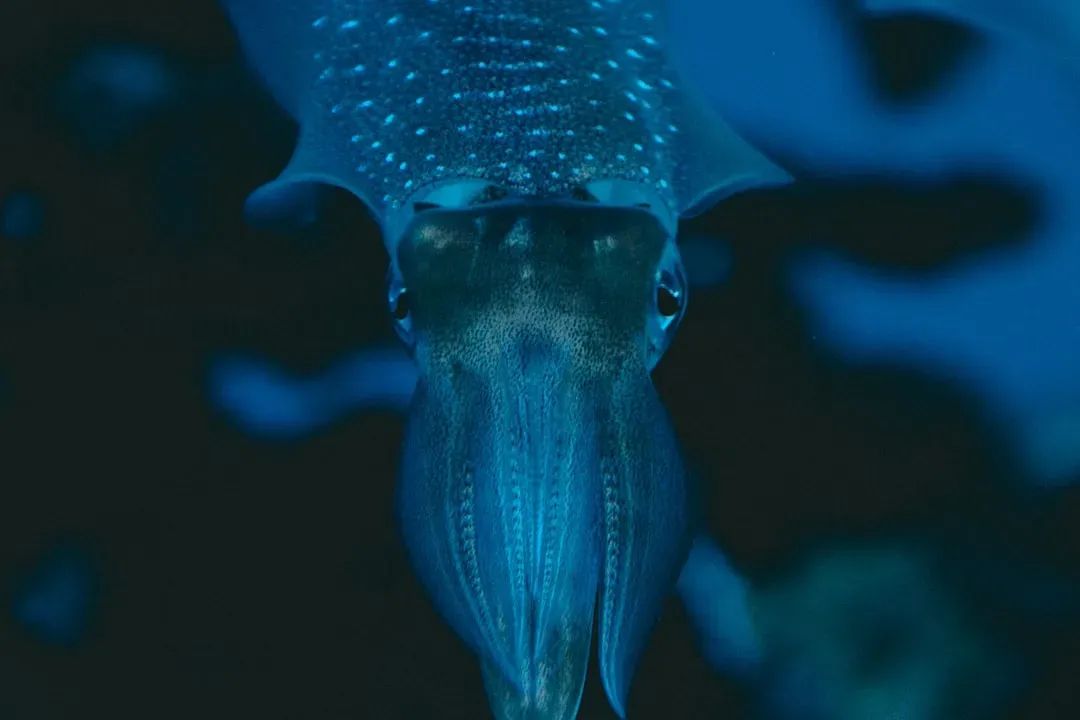
For centuries, sailors told tales of enormous tentacled monsters dragging ships into the depths, and for a long time people dismissed them as myths. But the deep ocean has proven that some of those stories were rooted in reality, with species like the giant squid and the even larger colossal squid confirmed and filmed in their natural habitat. These animals can grow as long as a bus, with eyes the size of dinner plates designed to capture the faintest glimmer of movement in near total darkness. Seeing one on camera for the first time felt like watching a legend swim out of a storybook.
And it’s not just squids; many deep‑sea animals grow to surprising sizes, a phenomenon often called deep‑sea gigantism. There are giant isopods that look like pill bugs blown up to the size of puppies, and jellyfish with tentacles stretching many meters. Scientists are still debating why this happens, pointing to factors like cold temperatures, scarce food, and long lifespans. Whatever the reason, encountering creatures that huge in such an inhospitable place never stops being shocking, even for veteran researchers.
Cold Seeps: Frozen Fuels Feeding Strange Ecosystems
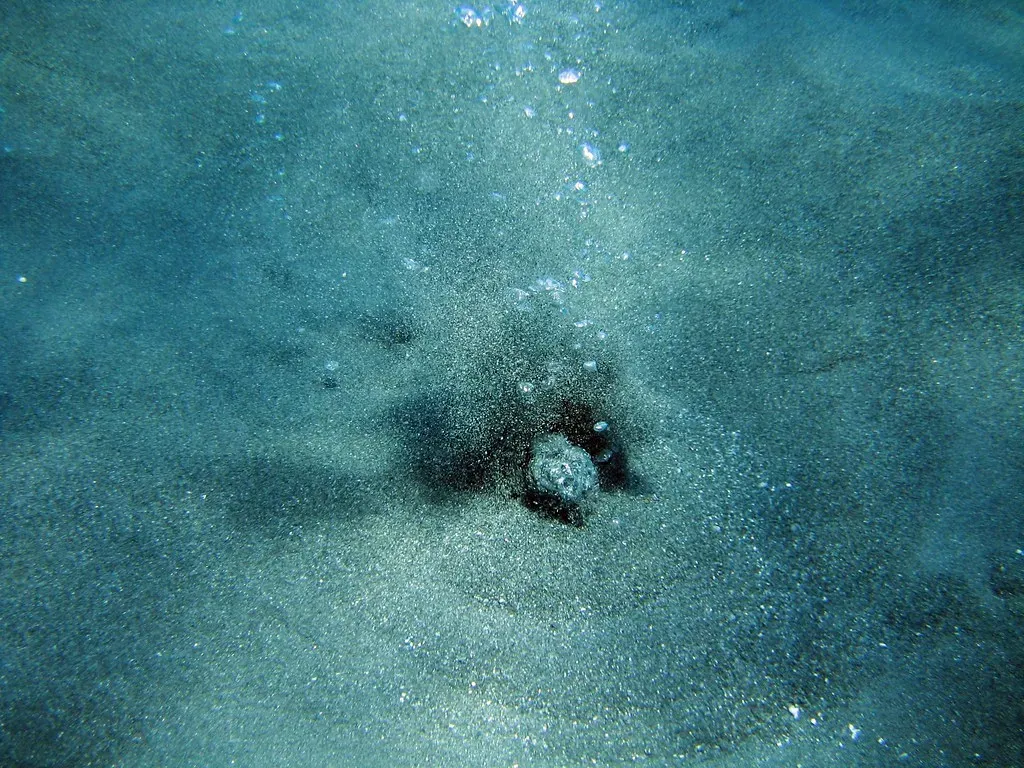
While hydrothermal vents rely on hot fluids, another kind of deep‑sea oasis forms where cooler, methane‑rich fluids seep slowly out of the seafloor. These spots, called cold seeps, can be covered in white bacterial mats, shell beds, and clusters of tube worms or mussels. They’re powered by microbes that feast on methane and other hydrocarbons instead of sunlight, building entire communities out of what most of us think of as pollution or fuel. It’s like discovering a forest growing on a leaking gas line.
Cold seeps are often surrounded by dark mud and quiet slopes, so their sudden bursts of life look almost out of place at first glance. Over time, they can even build up bizarre rock formations made from chemical reactions between seawater and seep fluids. Exploring these habitats is not just fascinating but important for understanding how carbon moves between the seafloor and the atmosphere. In a world worried about climate change, knowing how natural methane leaks work deep under the waves matters more than ever.
Deep‑Sea Coral Gardens and Sponge Forests
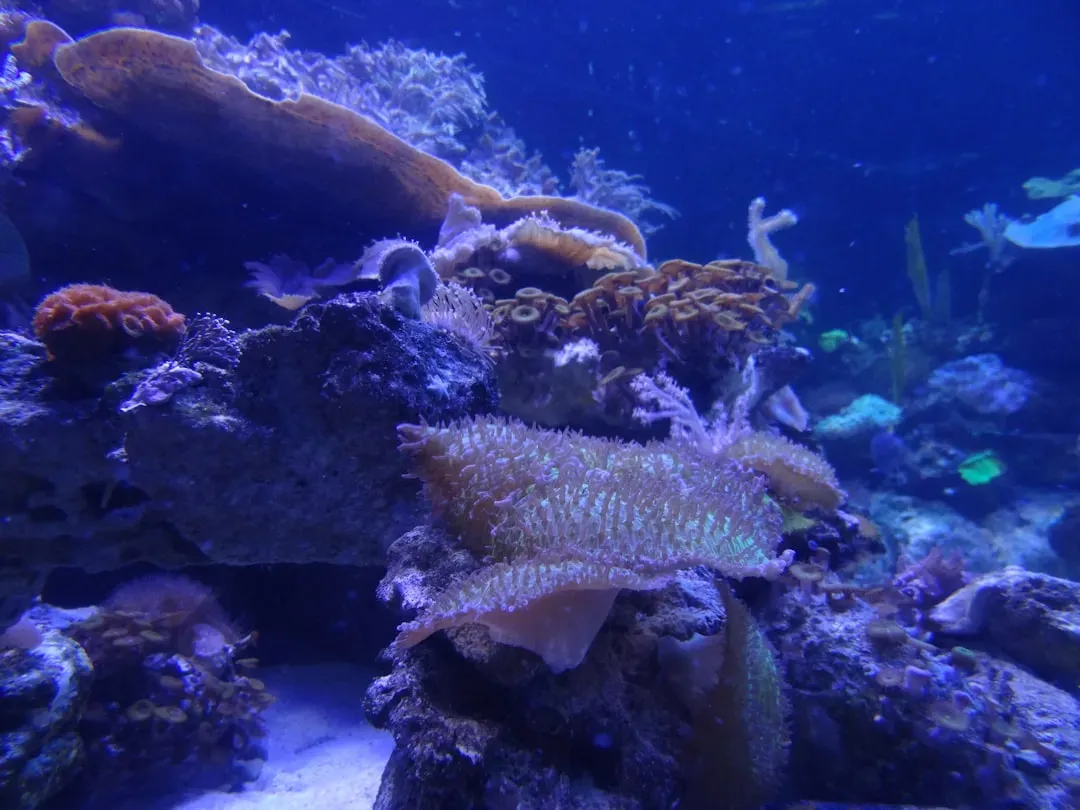
Most people picture bright, shallow coral reefs in clear tropical water, but corals and sponges also build vast, hidden gardens in the dark depths. These deep‑sea reefs grow incredibly slowly on underwater mountains, canyons, and ridges, sometimes reaching ages of hundreds or even thousands of years. Their colors, revealed by submersible lights, can be surprisingly vivid – pinks, oranges, whites, and yellows – forming huge, branching structures that look like ghostly forests. Fish, crabs, brittle stars, and countless other species use them as shelter, nurseries, and hunting grounds.
Unfortunately, many of these deep‑sea coral and sponge communities are fragile and easily damaged by bottom trawling and other human activities. A single pass of heavy fishing gear can destroy structures that took centuries to grow, which is as heartbreaking as bulldozing an ancient redwood grove. On the positive side, deep‑sea expeditions in recent years keep uncovering new reefs in areas we barely knew existed. Every new discovery pushes governments and organizations to think harder about how to protect these hidden, slow‑growing ecosystems before they are gone.
Brine Pools: Underwater Lakes at the Bottom of the Sea
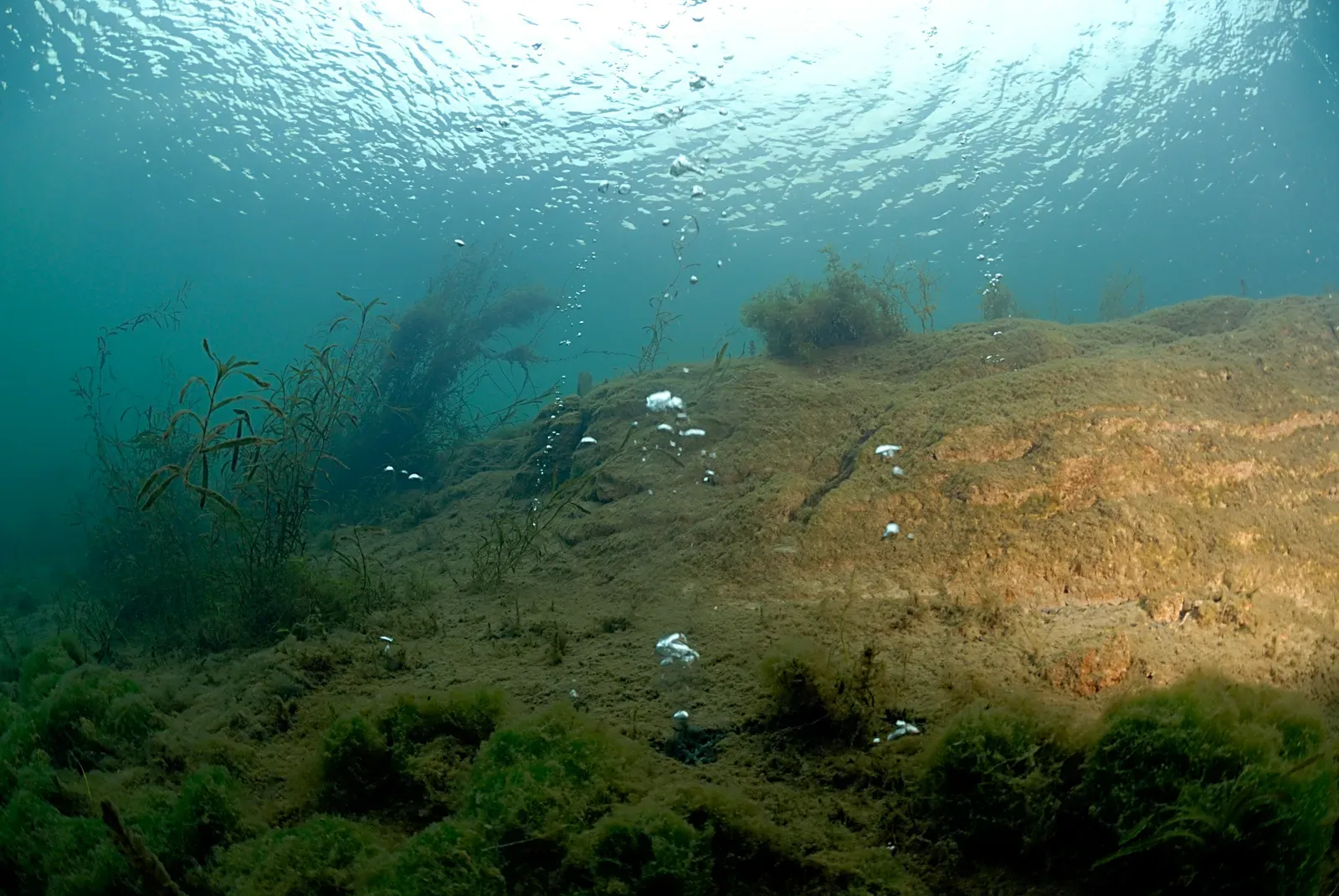
One of the strangest sights in the deep ocean is an underwater lake sitting at the bottom of the ocean itself. These are brine pools, where extra‑salty water, often loaded with other chemicals, settles into dense puddles and creates a clear boundary between normal seawater and the brine below. From a submersible’s camera, they look like shorelines, waves, and even little beaches, except everything is still under hundreds or thousands of meters of water. It’s a bit like seeing a mirage, only it’s real and potentially deadly to most sea life.
Many animals that accidentally fall into these pools do not survive, because the extreme salinity and chemistry can be toxic. Still, some specialized microbes and a few hardy animals live right at the edges, taking advantage of the unique conditions. Researchers are fascinated by these spots because they show how drastically different environments can sit side by side in the deep sea. The idea that a lake can exist inside an ocean feels almost like a riddle nature put there just to mess with our expectations.
Transparent and Glass‑Like Creatures
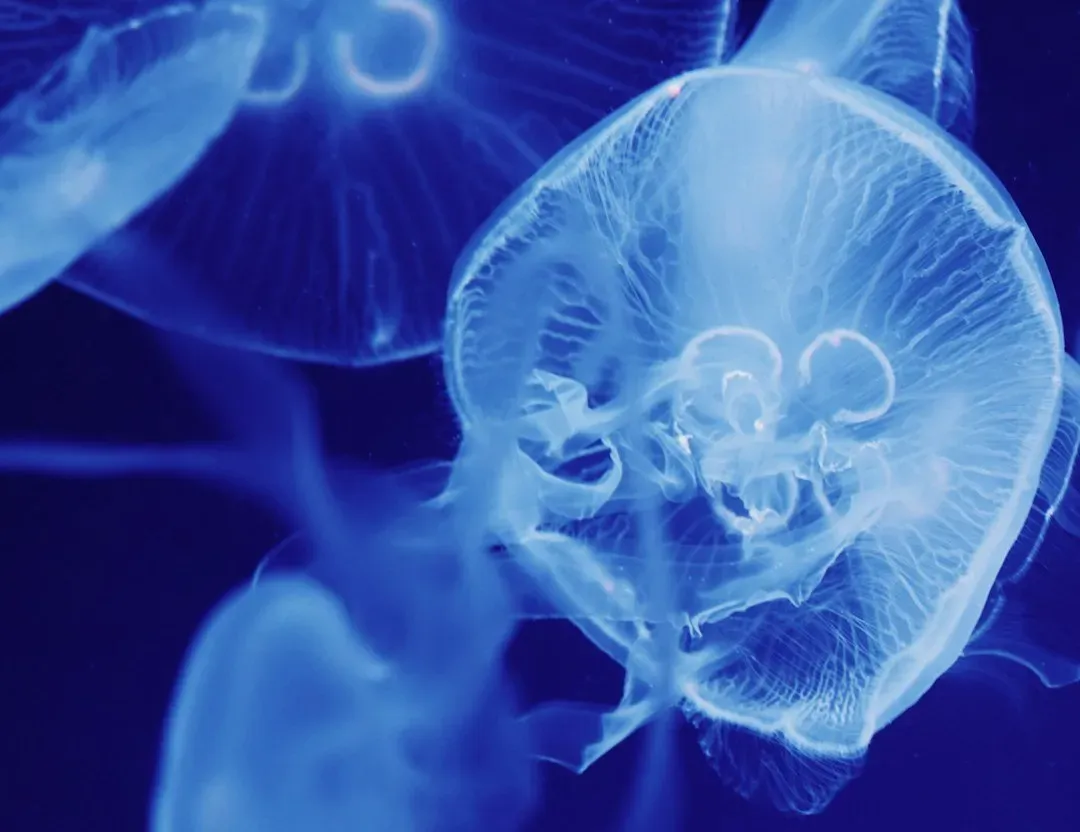
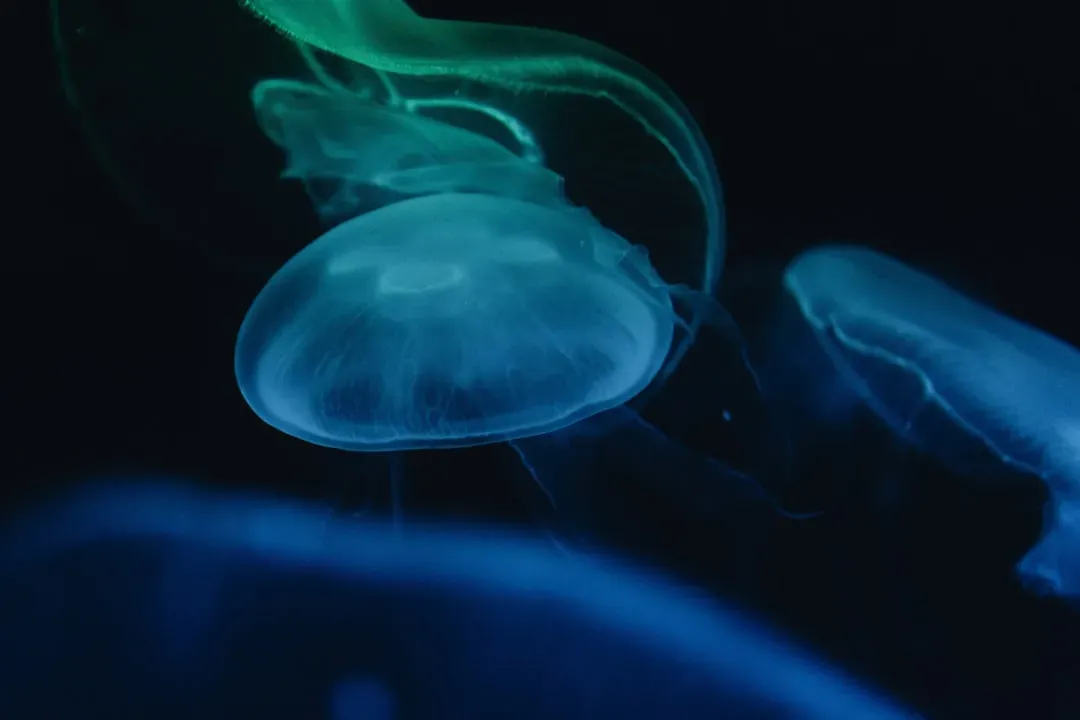
When you live in permanent darkness where predators can sense the slightest movement, sometimes the best strategy is to almost not be there at all. Many deep‑sea animals have evolved transparent or nearly invisible bodies, including some fishes, shrimps, jellyfish, and gelatinous plankton. Their organs are minimized or arranged in ways that reduce shadows, and their skin can be so clear that you can see right through to their stomachs. Watching them drift on camera feels a bit like looking at moving ghosts or delicate sculptures made from glass and jelly.
These designs are both beautiful and incredibly clever from an evolutionary standpoint. With so little light, being transparent is like wearing the perfect invisibility cloak against both predators and prey. Some species even combine transparency with tiny spots of bioluminescence, either as lures or decoys. It’s a reminder that the deep ocean is not just harsh; it’s also a place where evolution gets very creative with form and function.
Deep‑Sea Shipwrecks and Human Ghosts of the Past
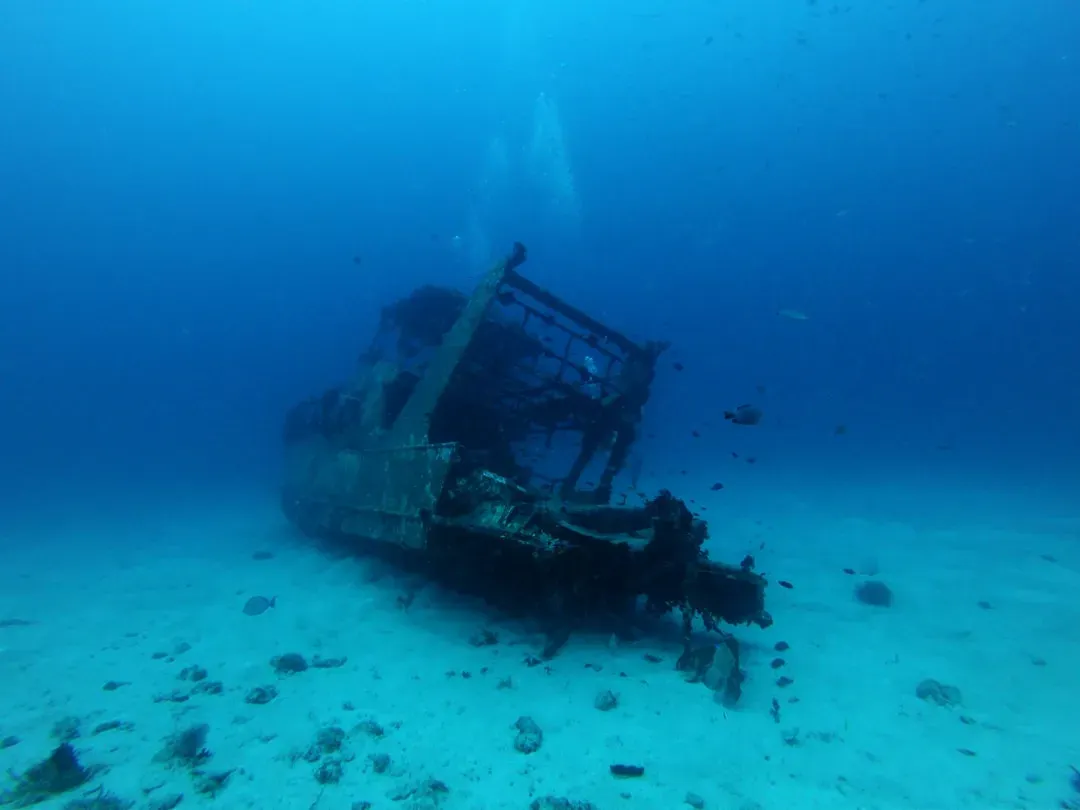
Not all wonders of the deep are purely natural; some are human stories frozen in time on the seafloor. Deep‑sea shipwrecks – from ancient trading vessels to World War II battleships and modern cargo ships – rest in dark silence, preserved by cold temperatures and lack of light. Because many deep sites are beyond the reach of casual divers, they remain untouched for decades, even centuries, like underwater time capsules. When remotely operated vehicles finally visit them, they often find intact structures, scattered cargo, and sometimes personal items that feel hauntingly familiar.
These wrecks have become artificial reefs, hosting corals, sponges, fishes, and other marine life that slowly claim the metal and wood as their own. At the same time, they carry emotional weight as war graves, memorials, and historical artifacts that connect our modern lives to past events. There’s something powerful about realizing that the same depths that hold alien‑like creatures and strange chemistry also cradle pieces of our own history. In a way, the deep ocean is not just Earth’s last wild frontier, but also its most mysterious museum.
Conclusion: The Deep Still Holds Its Secrets
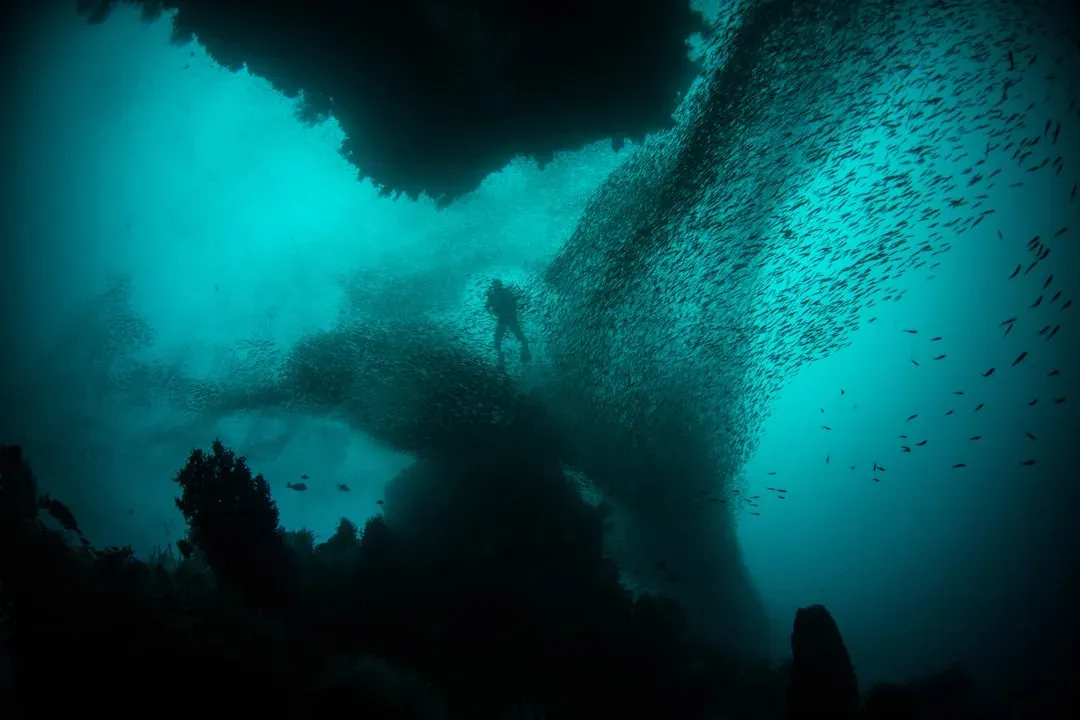
Even with advanced robots, high‑resolution sonar, and crewed submersibles, we’ve only skimmed the surface of what lies in the deep ocean. Every expedition in recent years seems to bring back a new species, a new behavior, or a new kind of habitat that researchers never predicted. It’s a humbling reminder that our planet still has vast, hidden realms operating by rules we’re just starting to understand. The deep sea is not a silent void; it’s a complex, dynamic, and sometimes shockingly vibrant world.
At the same time, human impacts – from deep‑sea mining proposals to plastic pollution and climate change – are creeping slowly into these dark places. The more we uncover about hydrothermal vents, seamount coral gardens, bioluminescent life, and underwater lakes, the more obvious it becomes that curiosity and responsibility have to go hand in hand. Knowing that the ocean’s deepest corners shape our climate, store carbon, and host unique ecosystems makes them impossible to ignore. As we push further into these black waters, the real question is not just what we’ll find, but how wisely we’ll choose to act on that knowledge.