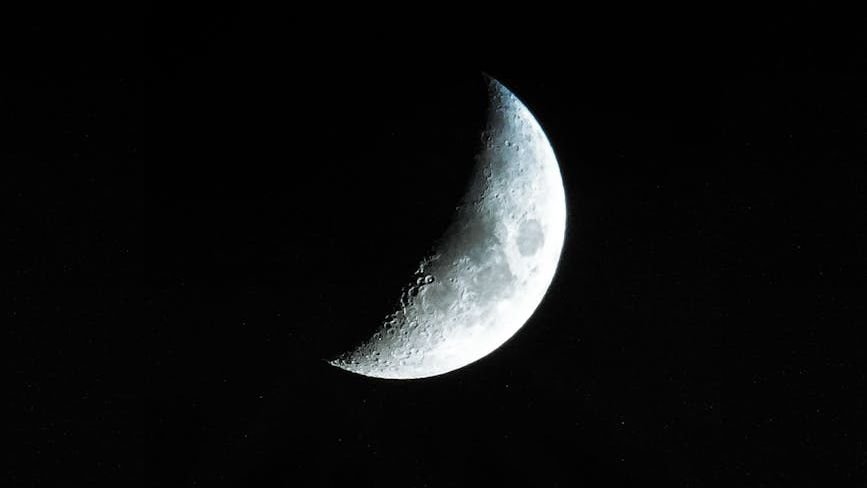
Most of us grew up hearing about the mysterious “dark side of the Moon,” as if half of our closest neighbor is locked away in permanent shadow, hiding who-knows-what in the black. It sounds like the start of a sci‑fi movie: a place no sunlight touches, no astronaut has walked, and no one fully understands. Even now, with high‑resolution maps, robotic landers, and international missions, that phrase still triggers something deep and a little unsettling in us.
Here’s the twist: the “dark side” is not truly dark. It gets sunlight just like the side we see; it’s simply the far side, turned permanently away from Earth because of the Moon’s locked rotation. But that doesn’t mean the story is over. In 2026, there are still enormous gaps in what we actually know there – especially on the ground. From hidden radio quiet zones to weird crust thickness, from water ice mysteries to future bases, the far side remains one of the most intriguing, and least explored, places in the entire inner solar system.
The Myth Of The “Dark Side” Versus The Real Far Side
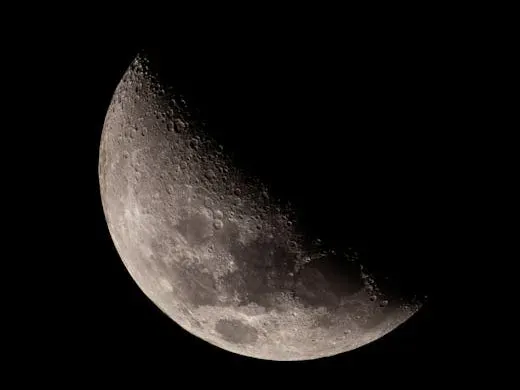
The biggest surprise for many people is that the so‑called dark side of the Moon isn’t permanently dark at all. The far side goes through day and night, sunrises and sunsets, just like the side facing us; it’s only “dark” to us on Earth because we never see it directly. The Moon is tidally locked, meaning it rotates once on its axis in the same time it orbits Earth, so the same hemisphere always faces us while the opposite one always faces away.
What that creates isn’t an eternal night, but an eternal mystery from the ground: for almost all of human history, no one had any idea what the far side even looked like. Only in the late nineteen fifties did the first Soviet spacecraft snap grainy images of vast crater fields and weirdly different terrain. Today, orbiters have mapped both sides in intricate detail, but the term “dark side” has stuck, partly because it sounds dramatic, and partly because on some level, that hidden hemisphere still feels like it’s keeping secrets from us.
What We’ve Actually Seen: Orbiters, Maps, And First Landings
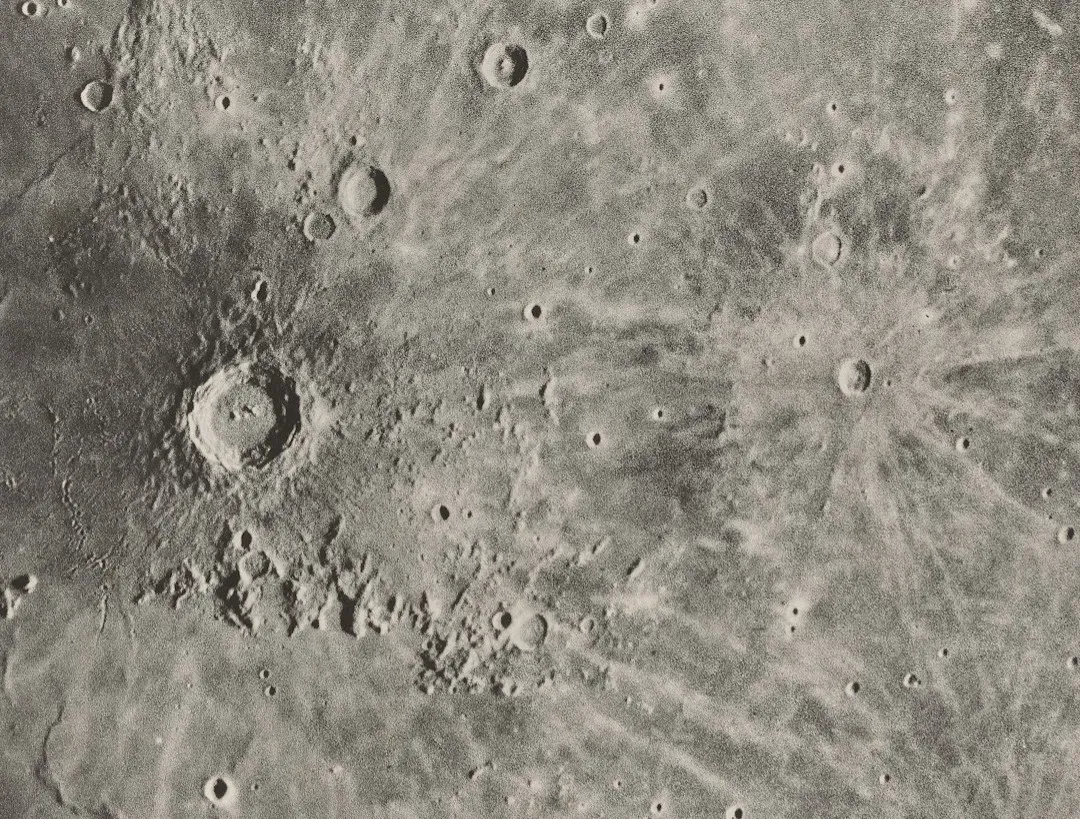
From orbit, we’ve seen a lot. NASA’s Lunar Reconnaissance Orbiter has been circling the Moon since 2009, building up a staggeringly detailed global map – down to boulder‑sized features in many places. Other missions from China, India, Europe, and Japan have done their own mapping and measurements, revealing that the far side is rougher, more heavily cratered, and has far fewer of the dark volcanic plains, called maria, that dominate the near side.
On the surface, though, things are still sparse. China’s Chang’e‑4 mission made history in 2019 when it landed in the far side’s South Pole–Aitken basin and deployed the Yutu‑2 rover. That single landing gave us the first in‑person taste of far side soil, rocks, and radiation conditions. But if you think about the size of the Moon – about a quarter of Earth’s diameter – one lander and one small rover on the far side is like poking one tiny pin into a globe and claiming you’ve “seen Earth.” It’s a start, not a full picture.
The Strange Science Of A Moon That’s Lopsided
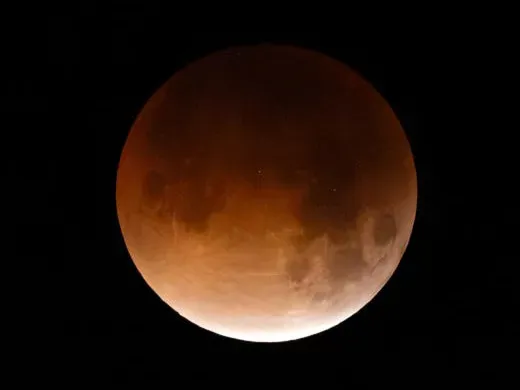
One of the weirdest facts about the Moon is that its two hemispheres are not twins. The near side, the one we see, is covered in dark lava plains that filled huge impact basins long ago. The far side, on the other hand, is dominated by bright, thick highland crust and a wild number of impact craters. Measurements show that the crust on the far side is significantly thicker than on the near side, which might explain why less magma broke through to create maria there.
This lopsidedness raises big questions about how the Moon formed and cooled. Did radioactive elements that produce heat get concentrated more on the near side, melting that hemisphere more deeply? Did Earth’s gravity pull hotter material to one side early on, or did the far side get blanketed by extra crust in a strange “snowfall” of rocks after a giant impact? The truth is, we still don’t fully know. Every new piece of data from the far side nudges models of lunar formation – and, by extension, theories about how rocky planets and moons evolve in general.
Hidden From Earth: The Far Side’s Radio‑Silent Goldmine
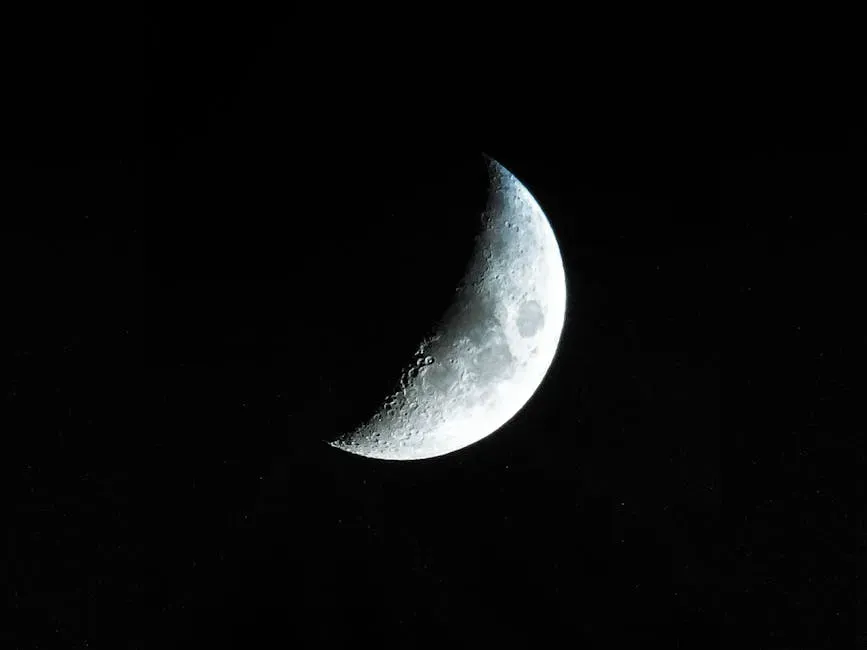
There’s one thing the far side has that no place on Earth can match: natural radio silence. Our planet is wrapped in a chaotic fog of radio noise from TV towers, radar, smartphones, satellites, and power grids. The Moon’s bulk blocks most of that noise from reaching the far side, creating the quietest low‑frequency radio environment anywhere near us. For astronomers who want to listen to the early universe, this is like finding the last peaceful valley in a world full of blaring speakers.
Low‑frequency radio waves from the cosmic “dark ages” – the era before the first stars lit up – never reach Earth’s surface cleanly, but they could be picked up from a big array of antennas on the Moon’s far side. That’s why you keep hearing proposals for a lunar far side radio observatory. It’s not just a cool science toy; it’s possibly the only way to hear signals from the time when the first atoms and structures were forming. In that sense, the Moon’s far side is not just another destination; it’s one of the few gateways we have into a completely unexplored chapter of cosmic history.
The Mystery Of Lunar Water: What Might Still Be Hiding In The Shadows
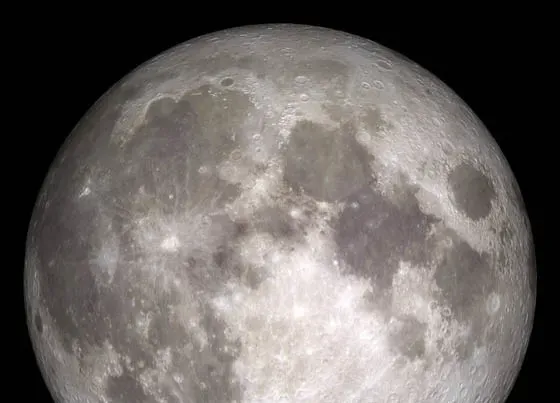
In the last couple of decades, missions have found clear evidence that the Moon isn’t as bone‑dry as we once thought. There’s water locked up as ice in permanently shadowed craters near the poles, plus hints of hydrated minerals in the soil. These shadowed regions, which never see direct sunlight, act like deep freezers that might have trapped water and other volatile chemicals for billions of years. Much of that work so far has focused more on the near‑side and polar regions generally, not specifically the far side at human scale.
The South Pole–Aitken basin on the far side is especially tantalizing because it’s enormous, ancient, and includes polar areas where ice is most likely to survive. Orbital instruments see signs that some far side craters may host thick, stubborn deposits of ice, but we haven’t yet sent heavy‑duty prospecting landers and drills to ground‑truth those hints. If the far side holds large, accessible water deposits, that changes everything for future bases and fuel production, and it also gives us a frozen time capsule of how water moved around the early solar system.
Human Footprints And Future Bases: Why The Far Side Matters For Us
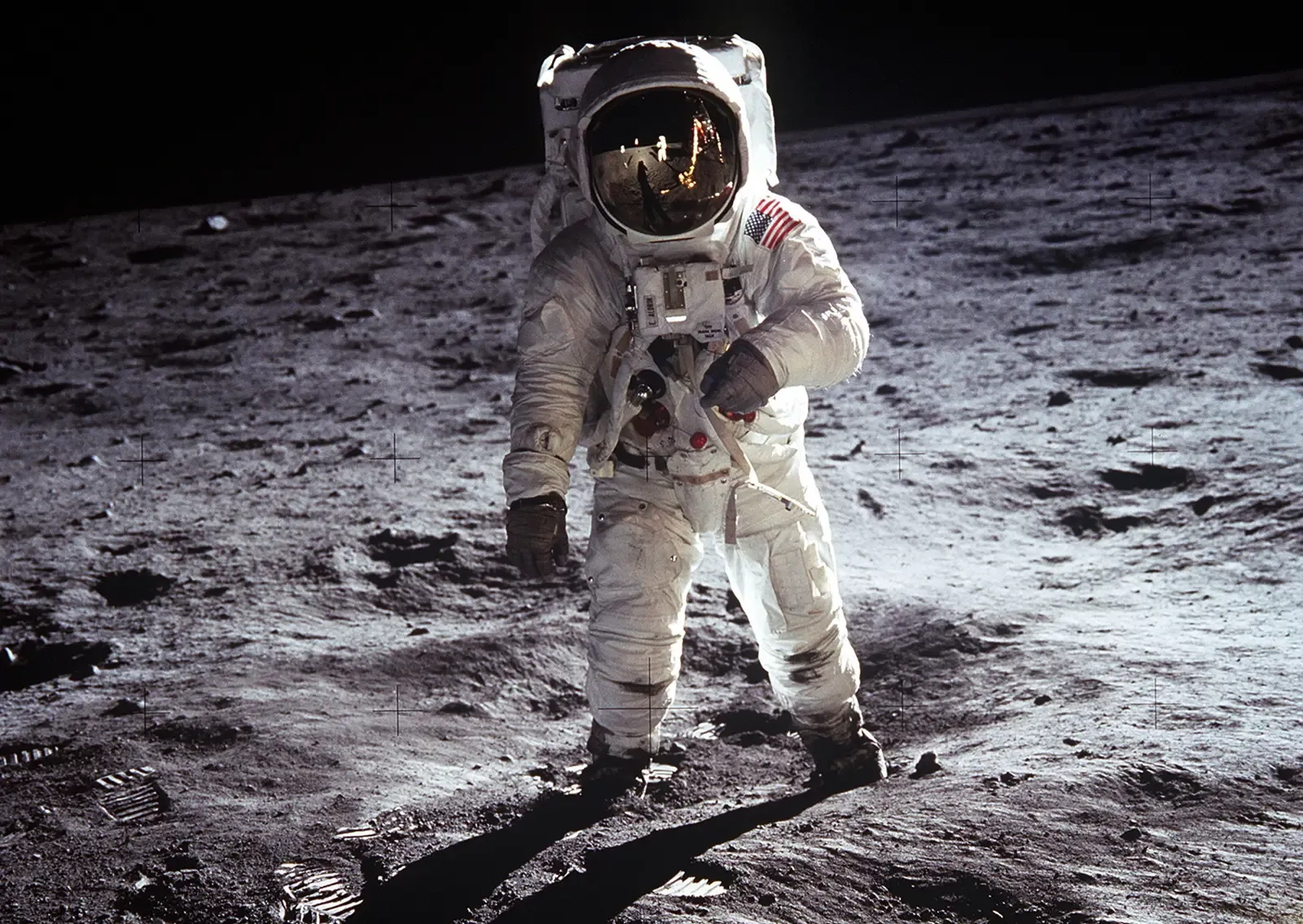
As of 2026, no human has ever stood on the far side of the Moon. Every Apollo landing happened on the near side so that astronauts could maintain line‑of‑sight radio contact with Earth. With NASA’s Artemis program and a growing list of international partners, that might finally change in the coming decades. A far side base – especially near the south pole – keeps showing up in long‑term plans because it could combine three crucial things: potential ice resources, stable temperatures in certain regions, and that priceless radio quiet for telescopes.
Living there would feel radically more isolated than the Apollo experience. You’d be on a world where Earth never rises, only a dark, star‑speckled sky with maybe a faint bluish glow from scattered light. Communication would have to run through relay satellites, and psychologically, it would feel less like camping next door and more like moving to the back of beyond. Yet that very remoteness is part of its appeal. If we can learn to operate on the far side – logistically, technologically, and emotionally – it’s a rehearsal for sending people much farther out, to asteroids or Mars and beyond.
What We Still Don’t Know: The Real “Dark Side” Of Our Knowledge
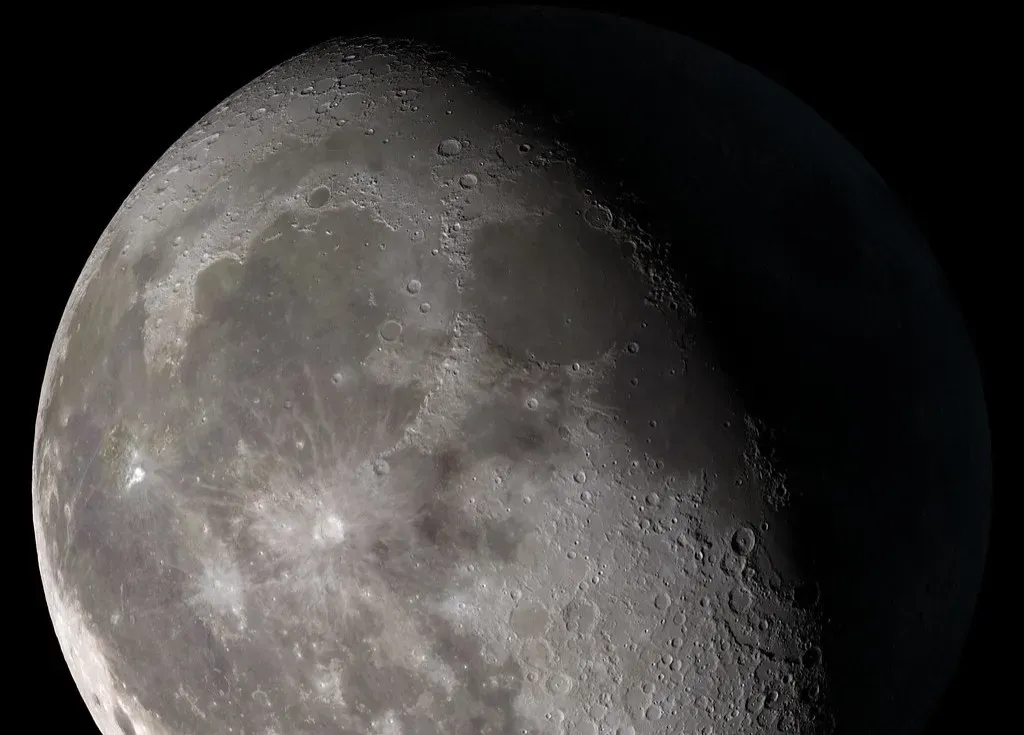
From orbit, the far side of the Moon looks familiar now, just another well‑mapped world covered in scars from a violent past. But our ground‑level knowledge is shockingly thin. We have detailed surface experience and samples from several near‑side regions and only a tiny patch of the far side. There’s no far side core sample, no broad set of rock types collected by human geologists, no long‑duration in‑situ experiments spread across multiple sites.
The real dark side of the Moon, then, isn’t a region of endless night, but the holes in our understanding. We still don’t fully know why the Moon is so asymmetric, what the deepest parts of the South Pole–Aitken basin can tell us about the early solar system, how much ice truly lies in far side shadows, or what secrets a giant radio array there might uncover about the universe’s first billion years. As more nations and private players aim for the Moon, the far side is slowly shifting from mythic backdrop to very real frontier. Which unanswered question about that hidden hemisphere would you most want to solve first?