Imagine waking up one morning to news that a species you loved as a child – maybe tigers, maybe sea turtles – is gone. Forever. Not injured, not endangered anymore. Gone. It sounds dramatic, but it is closer to reality than most people realize. Scientists are arguing that we are currently in the midst of a sixth mass extinction event, and without intervention, an estimated one million species are at risk of extinction in the coming decades.
The good news? You are not powerless. Not even close. Conservation efforts don’t just have to be spearheaded by large organizations – individuals can make a difference too, and the choices you make in your day-to-day life can have a positive impact on threatened species. Here are eight extraordinary animals teetering on the edge, and exactly what you can do – starting today – to keep them here. Let’s dive in.
1. The Amur Leopard – The World’s Rarest Big Cat
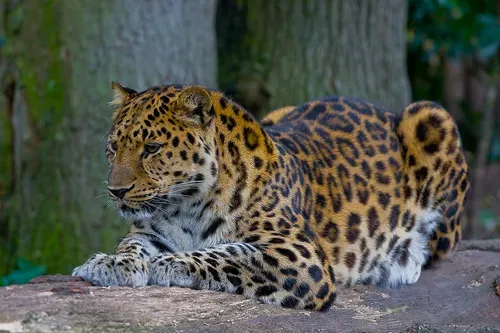
Here’s the thing about the Amur leopard: most people have never even heard of it, yet it holds the staggering title of the most endangered big cat on Earth. The Amur leopard represents one of the rarest big cats on Earth, with approximately 200 to 250 individuals surviving in the wild as of 2025, found primarily in the forests of eastern Russia and northeastern China. To put that in perspective, there are more people living in some apartment buildings than there are Amur leopards left in the wild.
This subspecies has shown remarkable resilience despite facing severe threats from habitat loss and poaching, and conservation programs in Russia’s Land of the Leopard National Park have helped stabilize the population, with camera trap surveys indicating a slow but steady increase in numbers over the past decade. You can support this recovery right now. Russian and Chinese governments now work together on anti-poaching patrols, habitat restoration, and ensuring enough deer remain for leopards to hunt, and organizations like WWF accept targeted donations toward Amur leopard protection. Every dollar, honestly, counts more than you think when populations are this small.
2. The Vaquita Porpoise – Racing Against Total Extinction
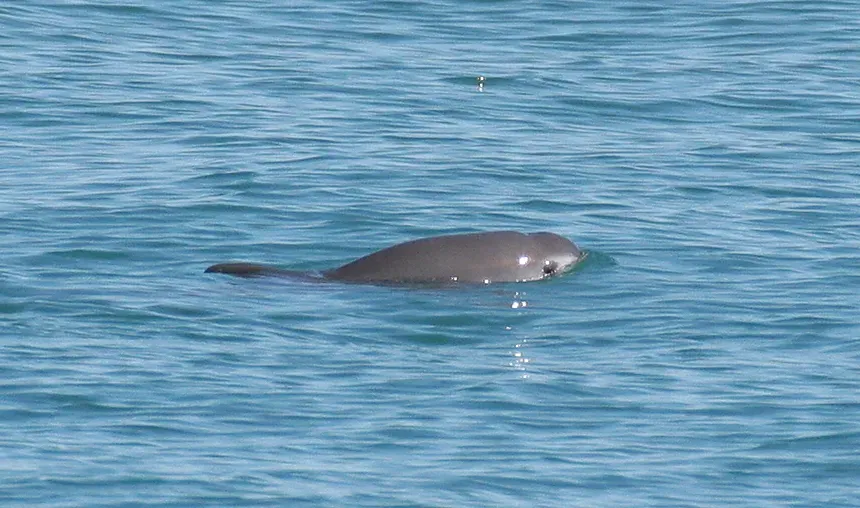
If there were ever a species that could disappear before you finish reading this article, it is the vaquita. The vaquita is a rare porpoise found only in the northern Gulf of California. Recent survey data estimated that about 7 to 10 vaquitas remain, including mothers and calves, showing that the species is still reproducing. That number is so small it is hard to process. Imagine an entire species surviving in something smaller than a schoolyard.
The greatest threat remains entanglement in illegal gillnets set for totoaba, a large fish whose swim bladder is sold on the black market. These nets are often used in the same waters where vaquitas live, putting the species at constant risk. The vaquita is still there, it persists, the downward trend has not continued, and it continues to reproduce – which is a glimmer of real hope. You can help by supporting organizations working on enforcement in the Gulf of California, spreading awareness about the illegal totoaba trade, and never purchasing products from unverified or illegal wildlife markets.
3. The Sumatran Orangutan – Our Forest Cousin in Crisis
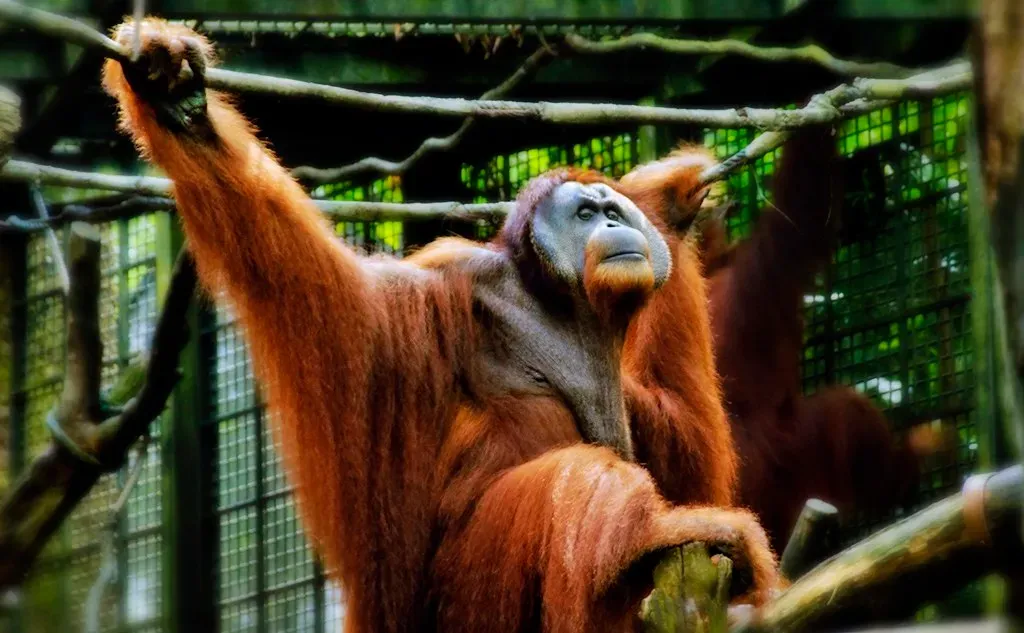
Few animals feel as emotionally close to us as orangutans. These intelligent apes share 97% of our DNA and use tools in the wild. The Sumatran orangutan is native to northern Sumatra, with fewer than 14,000 individuals remaining, threatened by deforestation from palm oil plantations, logging, and human encroachment. Think about that next time you scan an ingredient label at the grocery store.
Palm oil plantations and illegal logging have destroyed over 60% of their natural habitat since 2000, forcing these magnificent creatures into increasingly smaller territories. You have real, immediate power here. Conservation groups rescue orphaned orangutans, teach them survival skills, and release them into protected forests while educating local communities about their importance. Your role? Check your products for unsustainable palm oil. Minimizing your use of palm oil helps, because forests where these animals live are being cut down to plant palm plantations. Something as simple as switching a snack brand can genuinely add up across millions of people.
4. The North Atlantic Right Whale – Dying in Plain Sight
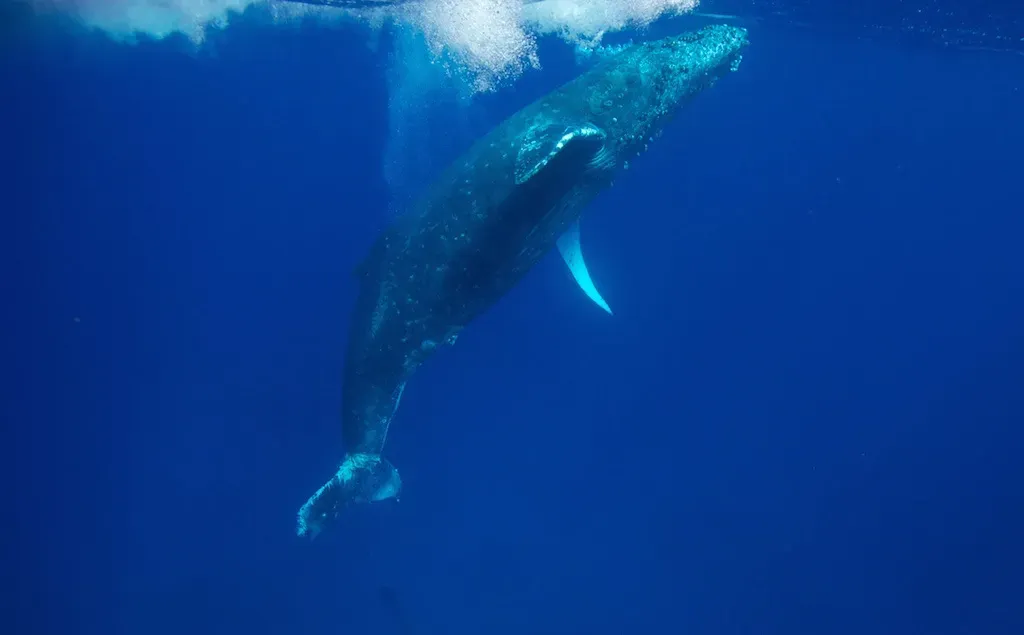
Right whales are enormous, ancient, and heartbreakingly vulnerable. The North Atlantic right whale is one of the world’s most endangered large whale species. In October 2025, NOAA Fisheries estimated that there were just 384 individual North Atlantic right whales alive at the start of 2024. That is not even enough to fill a small concert venue.
Ship strikes and fishing gear entanglement cause the majority of deaths, while climate change forces these whales into new feeding areas with increased human activity. A shift of the shipping lanes in Canada’s Bay of Fundy in 2003 reduced the risk of ship strikes of right whales in Canadian waters by up to 80%, proving that human-made problems can have human-made solutions. If you are a boat owner or driver, always follow vessel speed rules – this protects marine life below the surface, as strict ocean speed limits help protect whales and dolphins, whose navigation and communication can be disrupted by loud ocean traffic. You can also support NOAA Fisheries’ right whale programs and sign petitions advocating for stronger vessel speed restrictions.
5. The Hawksbill Sea Turtle – Treasured to Near Extinction
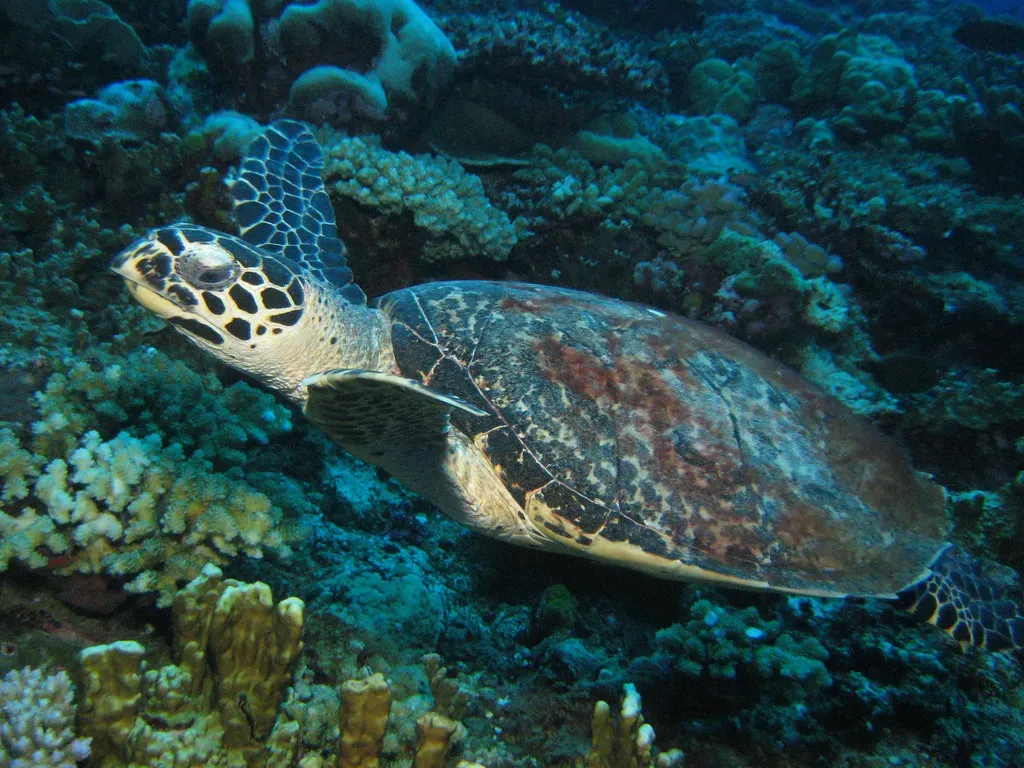
The hawksbill sea turtle is one of the ocean’s most visually stunning creatures – and that beauty has nearly been its undoing. Approximately 25,000 female hawksbill turtles still nest worldwide, but their beautiful shells have made them targets for illegal trade. These ocean wanderers eat sponges that would otherwise smother coral reefs, making them essential for healthy oceans. Remove the hawksbill, and you remove a critical reef cleaner. The whole ecosystem suffers.
The hawksbill turtle faces multiple threats including plastic pollution, coral reef degradation, and rising sea temperatures that affect their primary food source. With fewer than 25,000 nesting females worldwide, climate change poses an additional challenge by altering sand temperatures at nesting beaches, which determines the sex of hatchlings. You can take direct action by refusing to buy products made from tortoiseshell. Avoid buying products made from animal skins, scales, or other endangered animal products. Projects through organizations like Wild Earth Allies and ProCosta protect hawksbill sea turtle nests and release hatchlings, while also financially benefiting local community members – so donating to vetted conservation groups actually creates jobs and saves turtles simultaneously.
6. The Sunda Tiger – Losing Ground Every Year
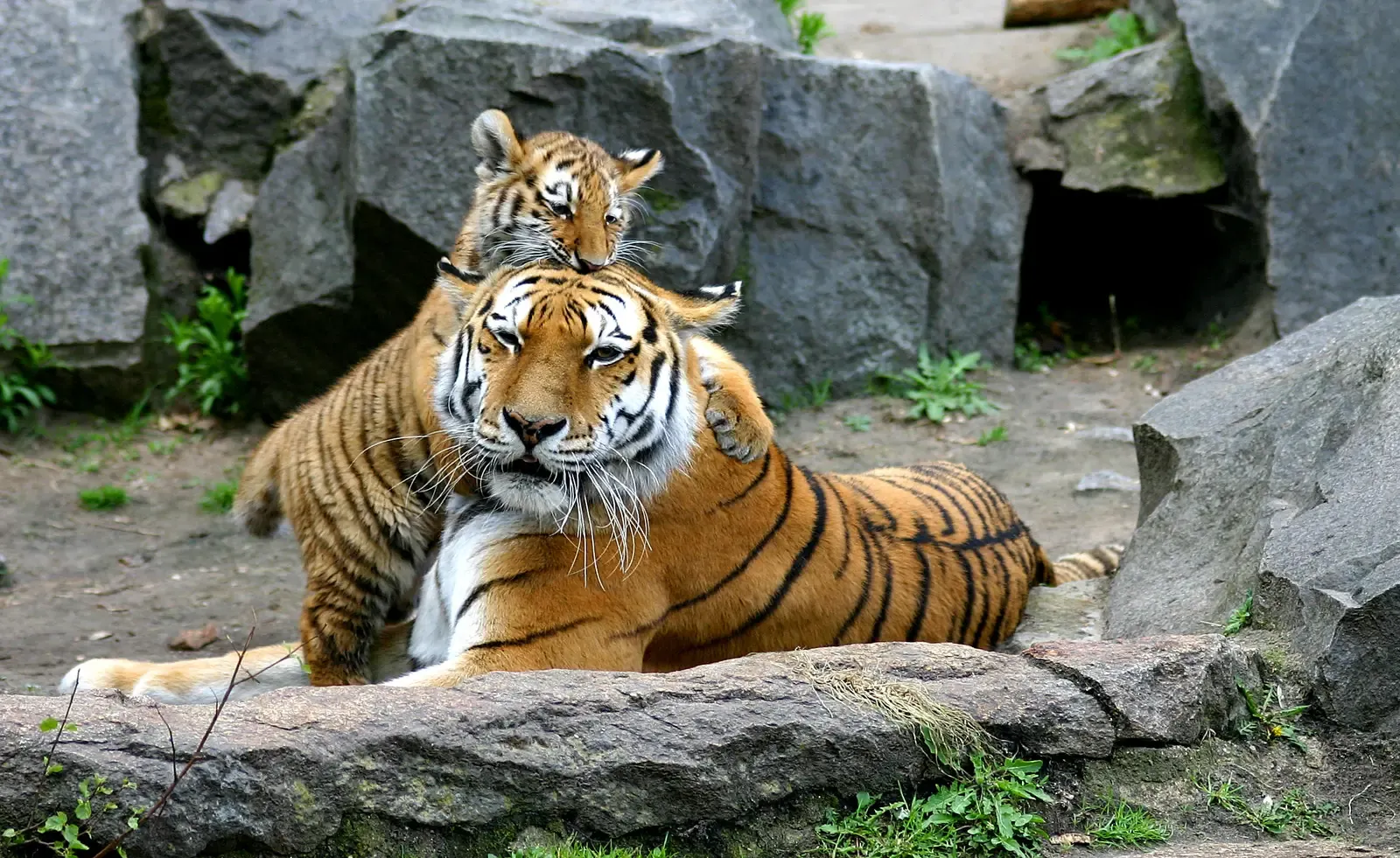
I think there is something uniquely tragic about tigers being endangered. They are the apex predators we grew up fearing and admiring in equal measure. Yet reality is grim. Indonesia’s Sunda tiger population has declined to fewer than 400 individuals, making it one of the most endangered tiger subspecies, with deforestation for palm oil plantations and human-wildlife conflict driving population losses across Sumatra. Fewer than 400. That number should genuinely disturb you.
Recent surveys indicate continued habitat loss of 6% annually, threatening the survival of this apex predator, which serves as an umbrella species for Sumatran rainforest conservation, protecting countless other endangered species within these ecosystems. Protecting the Sunda tiger is like protecting an entire neighborhood at once. You can buy recycled paper and sustainable Forest Stewardship Council wood products to protect forest species, and never buy furniture made from wood from rainforests. Supporting transparent, certified sustainable supply chains in the products you buy every week is not just ethical shopping – it is genuinely protective for tigers and every creature living in the forests you’re helping save.
7. The Mountain Gorilla – A Rare Conservation Success Story
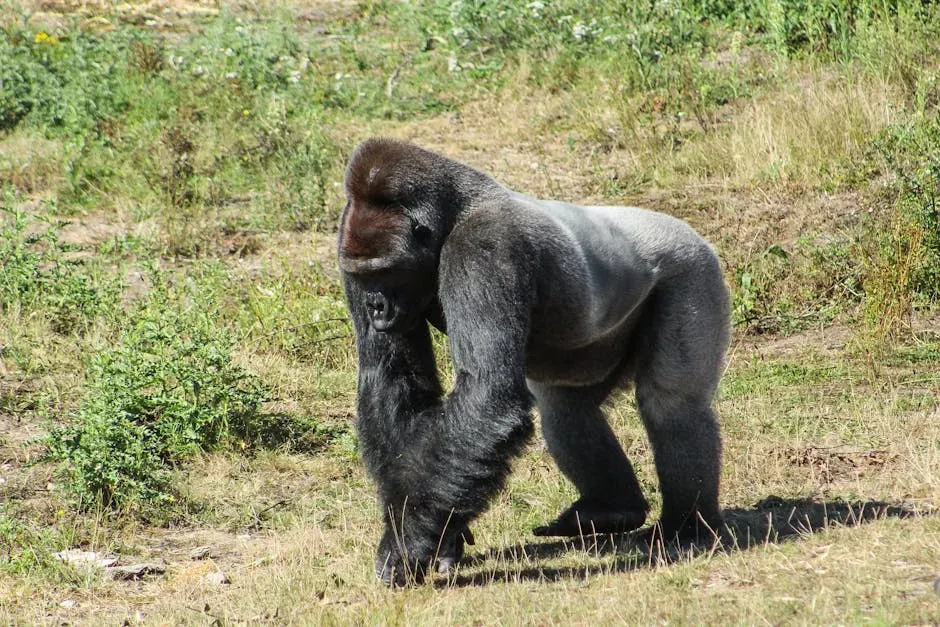
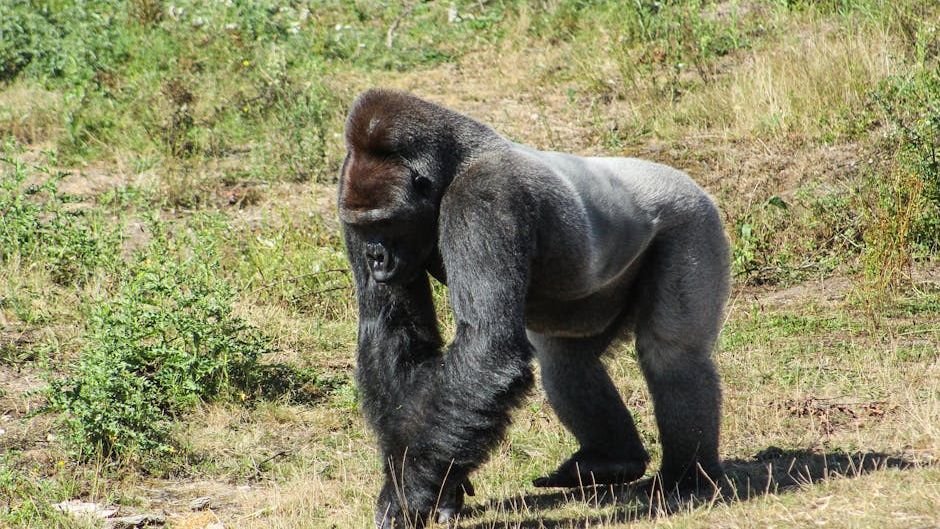
Let’s be real: in a sea of grim wildlife statistics, the mountain gorilla is one of the few animals offering actual hope. The mountain gorilla has shown remarkable improvement, with populations growing to over 1,100 individuals in 2025. This represents a significant increase from 620 individuals in 1989, thanks to intensive conservation efforts, community programs, and sustainable ecotourism in Rwanda, Uganda, and the Democratic Republic of Congo. That is a near doubling of the population. Remarkable.
Still, it is far from safe. The nature crisis has only intensified in recent years, driven by habitat destruction and the accelerated impacts of climate change, and the underlying causes are unchanged: unsustainable human consumption and continued human population growth. You can actively contribute by supporting responsible ecotourism operators who channel revenue directly back into gorilla protection. Organizations like the World Wildlife Fund, The Nature Conservancy, and many others are dedicated to the conservation of endangered species and protecting vulnerable wild spaces – do your research, find one doing good work, and donate what you can. Your support directly funds the ranger patrols and community programs that have already proven they can turn the tide.
8. The African Forest Elephant – Poached Toward the Brink
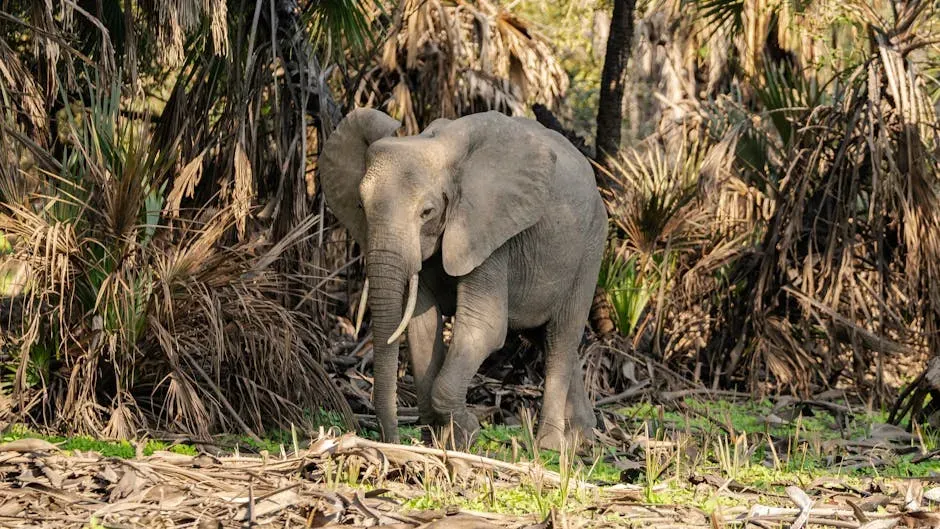
You might think elephants are everywhere. Savanna elephants are more numerous, yes, but the forest elephant is a different story entirely. Both species are at pertinent risk of extinction according to the IUCN Red List – as of 2021, the bush elephant is considered endangered while the forest elephant is considered critically endangered. African forest elephants now occupy only 25% of their historic range, and roughly 62% were poached in the last decade. That is not a slow decline. That is a collapse.
The main reasons African elephants are endangered include poaching and habitat fragmentation, and human population growth contributes to both. You do not need to travel to Africa to make a difference. One of the most effective ways to protect endangered species is through policies prioritizing animal welfare and conservation, and you can stay informed about relevant legislation and advocate for stronger protections. Recycling your cell phones matters, too, because minerals used in electronics are mined in gorilla and elephant habitat. It’s hard to say for sure how many people know that checking a recycling box on a phone can indirectly protect an elephant – but now you do.
The Power Is Genuinely in Your Hands

Here is what strikes me most after looking at all of this: the same human ingenuity that pushed these species to the edge is the only thing that can pull them back. Throughout its history, the Endangered Species Act has proven to be incredibly effective in stabilizing populations of species at risk, and under its protection, the California condor, grizzly bear, whooping crane, and black-footed ferret have all been brought back from the brink of extinction. That is proof that it works, when people care enough to act.
Wildlife conservation thrives not only through large initiatives but through consistent, small actions that add up to real impact over time – from reducing waste to making smarter consumer choices, everyday conservation actions can help protect endangered species, preserve habitats, and create a healthier planet for future generations. You do not need to quit your job and move to a jungle. You need to shop smarter, speak louder, donate occasionally, and share what you know.
The power to help endangered species is in your hands. It’s not too late – by doing just a few small things, you can make a real difference. The eight species in this article are not just animals. They are indicators of how much we value the living world. Every purchase, every petition, every shared article sends a message. What will yours say? Share your thoughts below – which of these species surprised you the most?